





ブルゴーニュ、
美しい人生の場所。
ブルゴーニュ、美しい人生の場所。
人生は楽しむためにあったんだ!という話。
“タイパ”という言葉が流通し、とにかく時間をかけずに、 ものごとを効率化させることを良しとする。 次々と襲いかかる新しい情報に翻弄され、 ゆっくりと考えることも叶わず、極端な考えへと流されていく。 そうして分断された社会に佇んでいると 海の向こうの暮らしが羨ましく見えることがある。 そこはフランスのブルゴーニュ。 ゆったりとした時間のなかで、いきいきと生きる人たちが暮らす場所。 今回のyoffはブルゴーニュを通して見るフランスの豊かな暮らしを特集。 この号を読んで、フランスの田舎の素晴らしさを知ってもらえると嬉しいです。
ブルゴーニュ、美しい人生の場所。
Feature | 2025.12.24
人生は楽しむためにあったんだ!という話。
“タイパ”という言葉が流通し、とにかく時間をかけずに、
ものごとを効率化させることを良しとする。
次々と襲いかかる新しい情報に翻弄され、
ゆっくりと考えることも叶わず、極端な考えへと流されていく。
そうして分断された社会に佇んでいると
海の向こうの暮らしが羨ましく見えることがある。
そこはフランスのブルゴーニュ。
ゆったりとした時間のなかで、いきいきと生きる人たちが暮らす場所。
今回のyoffはブルゴーニュを通して見るフランスの豊かな暮らしを特集。
この号を読んで、フランスの田舎の素晴らしさを知ってもらえると嬉しいです。
On how life is meant to be enjoyed!
The term “Tai-pa” (Time Performance) is circulating, prioritizing the efficiency of things over spending time.
We are overwhelmed by a continuous onslaught of new information, unable to think slowly,
and thus susceptible to being swept away by extreme ideas. Standing in such a fragmented society,
we sometimes look across the sea and
envy the way of life there.
That place is Burgundy, France—a region where people live vibrantly amid a relaxed pace of life.
This issue of yoff features the rich French lifestyle as seen through Burgundy. I hope that by reading this issue,
you will come to know the wonderful aspects of the French countryside.
フランスらしさとは、単に美食や芸術を指す言葉ではない。
それは、日々をどう過ごし、
何を大切にして生きるかという哲学であり、生活そのものに息づく美意識。
ブルゴーニュの人々は、その思想を静かに体現してきた。
季節の移ろいに合わせて働き、自然の恵みを慈しみ、家族や友人と食卓を囲む。
そこには、効率よりもゆとりを、速さよりも味わいを楽しむ、フランスの原点がある。
華やかなパリとは対照的に、ブルゴーニュの大地にはゆるやかな時間が流れ、
暮らしのすべてが「生きる芸術」として息づいている。
ここには、フランスという国の心臓が穏やかに鼓動している。
Frenchness isn’t just about fine food and art.
It is a philosophy about how to live each day and what to cherish, an aesthetic sense that informs daily life itself.
The people of Burgundy quietly embody that ideal.
They work in tune with the changing seasons, cherish nature’s bounty,
and gather around the table with family and friends. There lies the essence of France
valuing leisure over efficiency, savor over speed. In contrast to dazzling Paris, time flows gently in Burgundy,
where every facet of life breathes the art of living.Here, the heart of France beats gently.
フランスの中央に位置するブルゴーニュは、古くから修道士や職人、農民たちによって土地と共に生きる文化を育んできた。
その暮らしの中核にあるのがブルゴーニュ地方の人々、またはその出身者を指す「ブルギニオン」という言葉に息づく精神。派手さはないが、誠実で、自然に敬意を払い、ものづくりや食卓に心を込めて、日々を丁寧に重ねる。
丘陵地を縫うように広がるブドウ畑。朝靄のなかでパンを焼く職人。夕暮れには家族が集まり、素朴な食卓を囲む。特別なご馳走ではなくても、ワインと会話があればそれでいい。そんな価値観が、この土地をフランスらしくしている。
ここでは「急ぐ」ことよりも「味わう」ことが重んじられる。食事は一日の区切りであり、仕事は生活の延長にある。
自然の恵みを受け入れ、季節の変化に合わせて暮らす姿勢が、ブルゴーニュの人々の中には深く根づいている。
ブルギニオンたちは、古い石壁を修繕し、愛着あるモノを大切にし、祖父母のレシピを守る。断捨離なんてとんでもない。そこには変わらないことを恐れない強さがある。流行に流されず、自分たちのリズムで生きる。そんなフランスの精神を純粋なカタチでライフスタイルとして体現している。
パリがフランスの鼓動を刻む都市だとすれば、ブルゴーニュはその鼓動を静かに整える場所である。華やかさの陰に隠れた、もうひとつのフランス。
自然と呼応しながら、手仕事と時間を愛する「ブルギニオン」の生き方、そこにある素晴らしさをブルゴーニュの日々で知った。
Burgundy, located in central France, has long nurtured a culture of living with the land, guided by monks, artisans, and farmers.
At the core of that life is the spirit that breathes in the word “Bourguignon,” which refers to the people of, or those originating from, the Burgundy region. They are not flashy, but they are sincere, respect nature, and put heart into their craft and their dining, living each day with care.
I see vineyards stretching across the hills, artisans baking bread in the morning mist, and families gathering at sunset around a simple table. They believe wine and conversation are enough, even without a special feast. This very value is what makes this land feel truly French.
Here, savoring life is more valued than rushing. Meals segment the day, and work is an extension of life. The Bourguignons are deeply rooted in accepting nature’s bounty and adapting to the seasons.
They repair old walls, cherish belongings, and preserve old recipes—no decluttering for them. This shows a strength in not fearing constancy. They embody the true French spirit by living by their own rhythm, untroubled by trends.
If Paris is the city that sets the rhythm of France, I see Burgundy as the place that quietly steadies that beat—it is the other France, hidden behind the flashiness.
Through my days in Burgundy, I discovered the beauty of the “Bourguignon” way of life, characterized by a love for manual work and time, lived in harmony with nature.
Bourgogne |食|
Feature | 2025.12.24
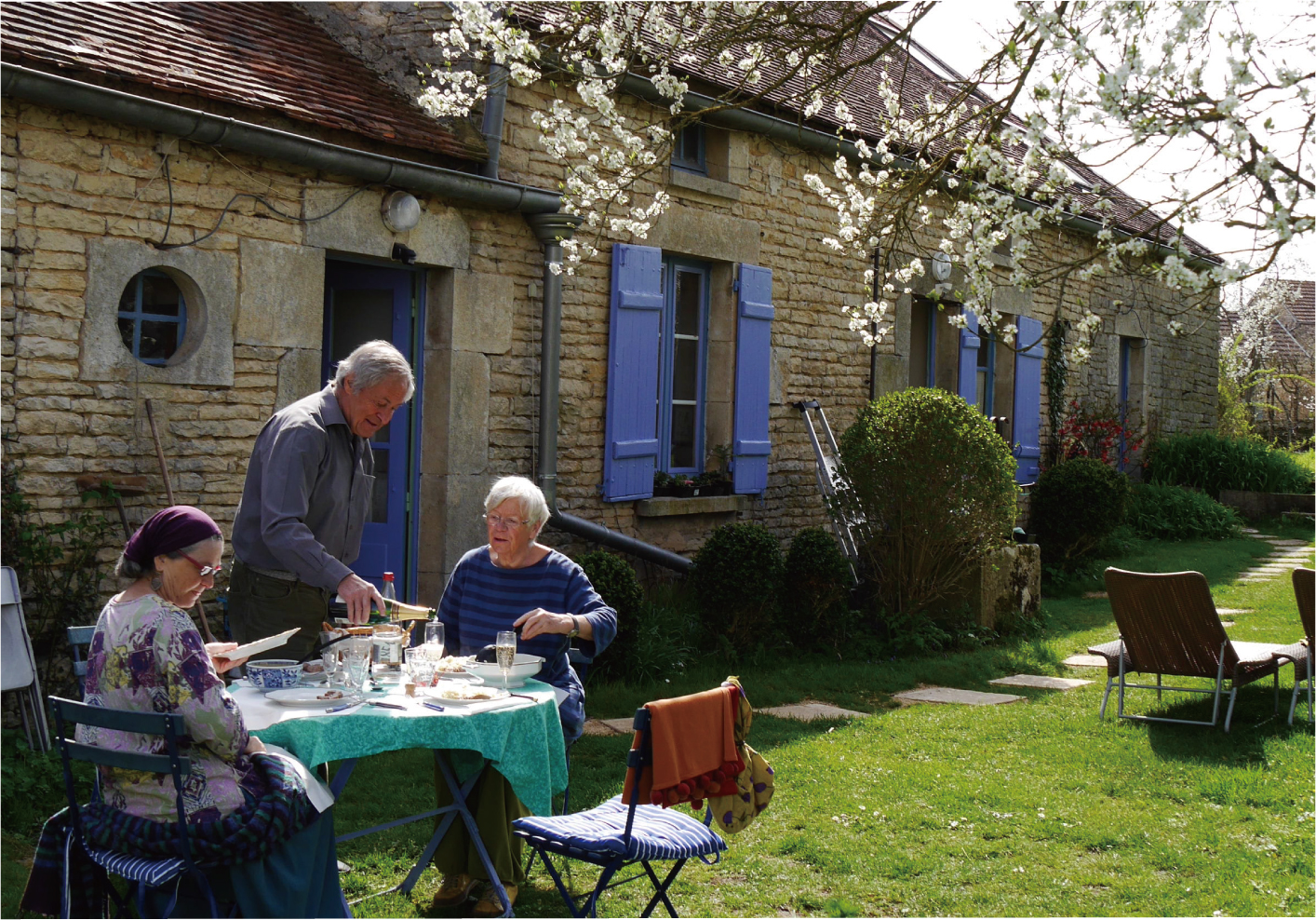
広大な大地が支える、豊穣で堅実な食文化。
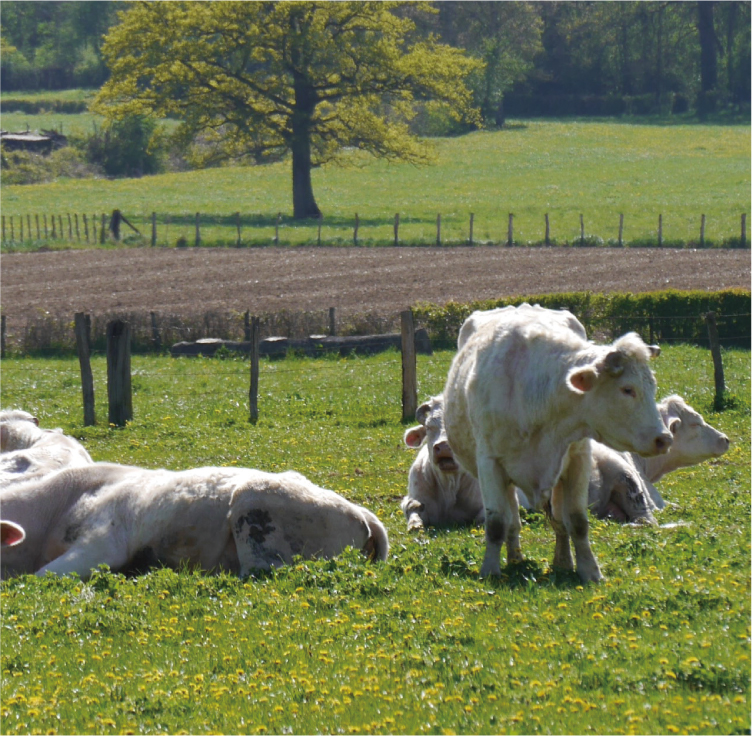
日曜の朝、「アニーの家でランチするけど、行く?」と誘われ、いまだシフトハンドルの車の助手席に乗ると、車はうねるように続く1本道を猛スピードで走り出した。車窓に一面の穀倉地帯が広がり、地平線まで続く広大な牧草地ではブルゴーニュ特有の白い牛、バッシュがのんびりと草を食んでいる。その間を縫うように、古い石造りの家の集落が転々と存在し、初春にはその風景が、なたね油を取るための菜の花で一面まばゆい黄色で埋め尽くされる。こうして「フランスの穀倉」ともいわれるこの土地の底力のようなものに触れた時から、私はブルゴーニュの虜になった。
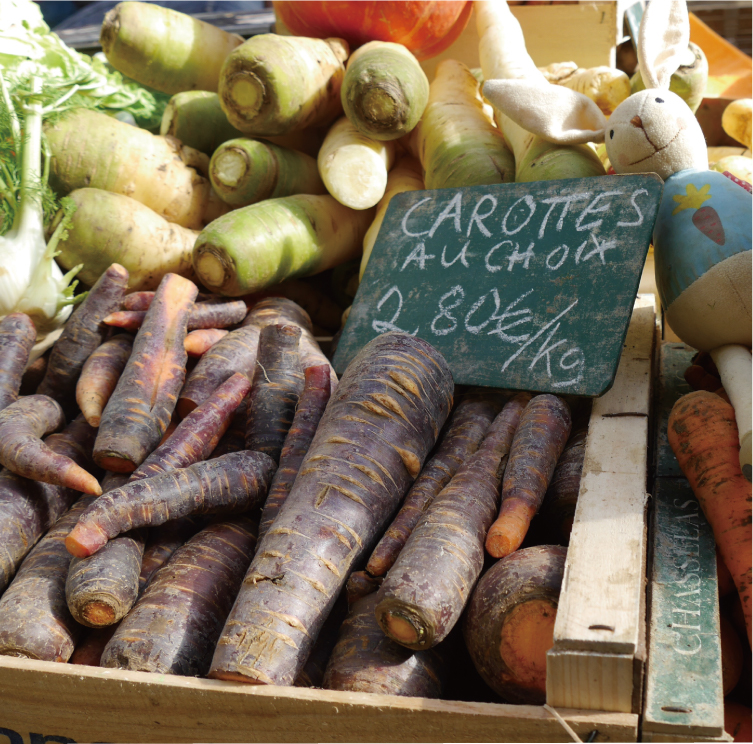
小さな村にはスーパーもないところもあるので、ここでの暮らしを支えるのが毎週決まった曜日に立つマルシェだ。近隣から生産者が集まり、広場に店を出す。特にBio(有機)にこだわる店は人気だ。フランス人のBioに対する関心はとても高く、不揃いで虫食いのあるような野菜から、好んで買われていく。
都会の小売店との違いは、流通に乗らない食品も多く売られていること。フロマージュ・ブランなどのフレッシュチーズはその代表で、地元の酪農家が少量作ってマルシェで地産地消されるのみということも多い。こうした小規模の生産者が多く存在しているのも、この地の魅力だ。
マルシェのある日は、街が心なしか浮き足立っている。あちこちで「サバ?」と挨拶が交わされ、周辺のカフェはおしゃべりに花が咲く地元の人々でいっぱい。「今日アペロに来ない?」なんていうお誘いがあるのも、こんな時だ。
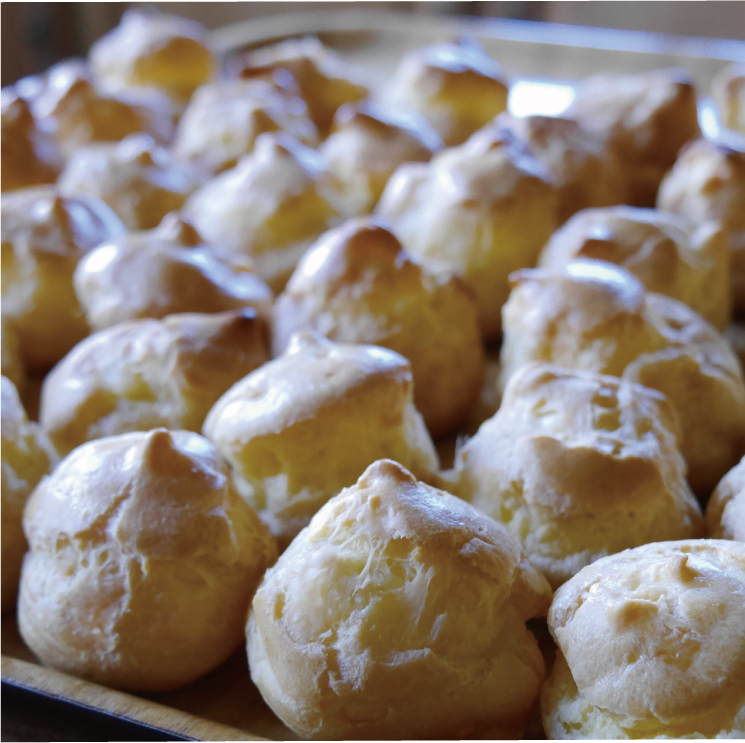
ブルゴーニュといえば、牛肉を赤ワインで煮込んだブッフ・ブルギニオンやエスカルゴなどの料理が思い浮かぶかもしれないが、日常の食卓はとてもシンプルで調理時間も短い。夕食の時間はだいたい8時から9時すぎで、それまではアペロの時間だ。パリなどの都市部では仕事帰りの人々がカフェでビールやワインを前におしゃべりに興じる姿が見られるけれど、カフェやバーが少ない地方の小さな村では、自宅でのおしゃべりに気軽に人を誘うための素敵な口実なのだ。 マルシェがある日は、名物のジャンボン・ペルシル(ハムのゼリー寄せ)や、グジェール(甘くないシュークリームの皮のようなパン)を買って並べたりもするけれど、多くはナッツやポテトチップス、オリーブなど手のかからないものを少しだけ。
ブルゴーニュの冬はとても寒く、朝は9時ごろまで暗い。日中もどんよりと灰色の空に覆われて風が強い日も多いから、太陽が顔をのぞかせる季節になると、ランチもアペロも「外で!」と声がかかる。ベランダや庭にあるテーブルと椅子に、客も自然と手分けしてクロスをかけクッションを置き、誰かがチーズを広げ、その横で誰かがパンを切っている。
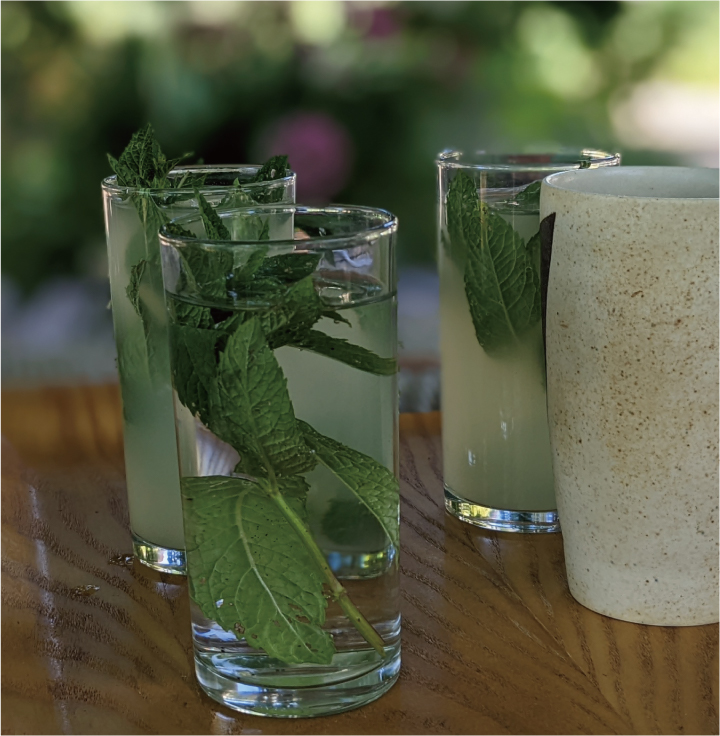
ハーブや野菜、果物を栽培している人も多く、グラスにペリエを注いだら、菜園から採ってきたミントがさっと添えられ、最後にはポットに庭から摘んだハーブを入れ、お湯を注いでティザーヌ(ハーブティ)を作る。
そんな風に、変わりゆく空の色を眺めながら、庭でのおしゃべりは延々と続いていく。
「ごちそう」の概念が、心地よく変わっていく時間。広大な穀倉地帯とぶどう畑に支えられたブルゴーニュの食は、力強く、豊かだ。
Burgundy — Gastronomy
A rich and robust cuisine sustained by a vast land.
One Sunday morning, I accepted an invitation for lunch at Annie’s. As we sped down winding country roads, the car window revealed vast grain fields and pastures where the unique white Burgundy cows graze. Interspersed were ancient stone villages. It was when I first witnessed this region—often called “France’s granary”—and its incredible vitality, especially when the fields turn bright yellow with rapeseed flowers in early spring, that I became completely captivated by Burgundy.
Since many small villages lack supermarkets, the weekly marché (market) is vital. Local producers gather, and stores specializing in Bio (organic) items are highly popular, as the French eagerly buy even imperfect organic vegetables.
Unlike urban stores, the market sells many products that don’t enter general distribution, like fromage blanc—a local specialty often made in small batches and sold only locally. The presence of these small-scale producers is a key charm of the region.
On market days, the town feels noticeably lively. I hear “Ça va?” greetings everywhere, and the surrounding cafes are filled with local people chatting. It’s often on these days that I get spontaneous invitations, like “Are you coming for apéro today?”
Although one might associate Burgundy with Bœuf Bourguignon or escargots, I find that daily meals are simple and quick to prepare. Dinner is late (8-9 PM), preceded by apéro (aperitif). In small, rural villages, the apéro serves as a lovely excuse to invite people over for casual conversation at home.
While specialties like Jambon Persillé or Gougères might be served on market days, the spread is usually minimal, consisting of simple, non-labor-intensive snacks like nuts and olives.Burgundy winters are cold and dark. When the sun finally appears in spring, the call is always “Outside!” for lunch and apéro. I notice that guests naturally pitch in, setting the table and preparing food—someone spreads cheese, another cuts bread.
Many grow their own herbs, which are spontaneously added to drinks or used to make tisane (herbal tea). As we watch the sky change, conversations in the garden continue endlessly.
This slow, shared process redefines what a “feast” means. I find that Burgundy’s cuisine, supported by its fields and vineyards, is robust and rich.
Bourgogne |ものへのまなざし|
Feature | 2025.12.24
質実剛健が生む、暮らしの中の「美」
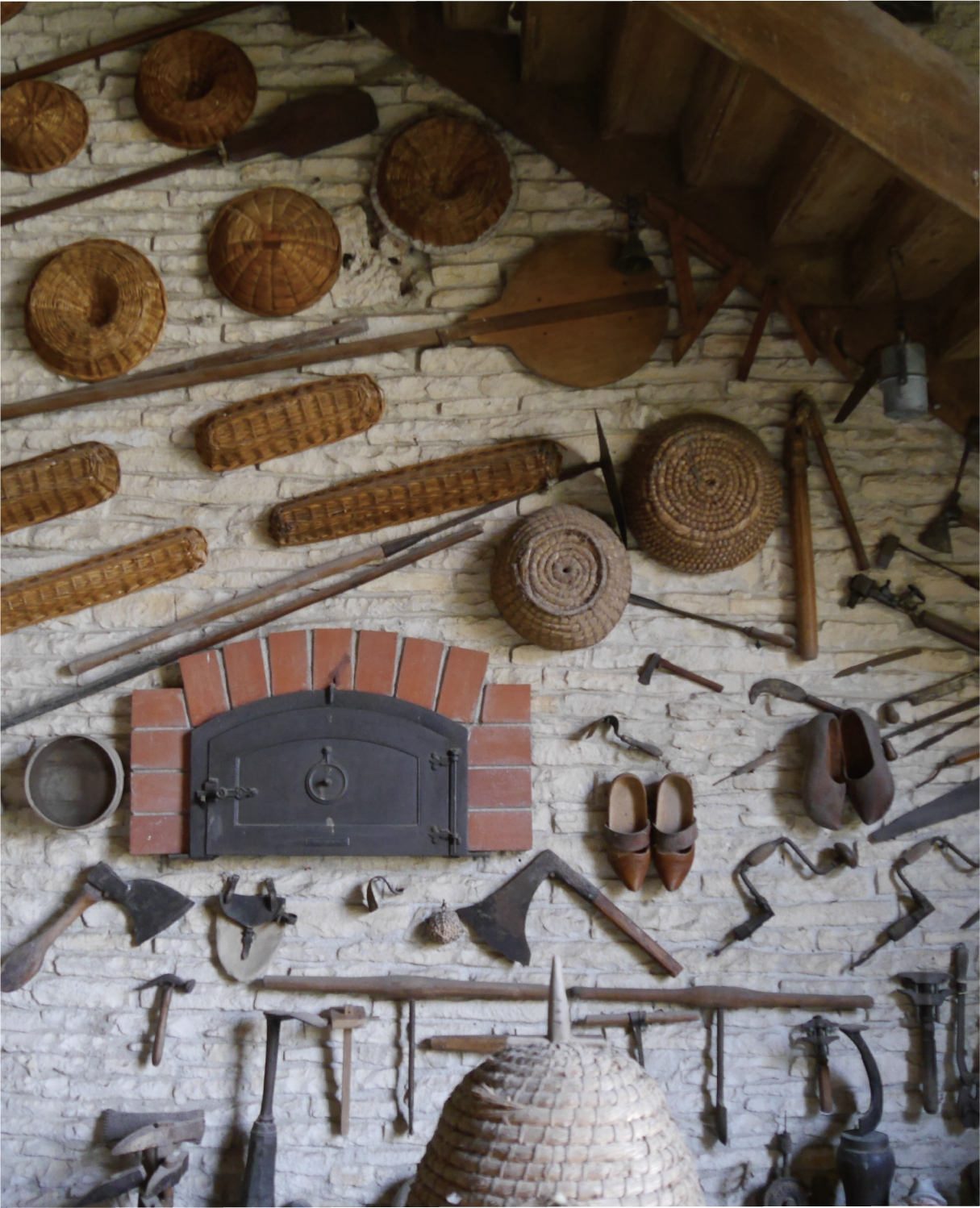
フランス人には締まり屋さんが多い。パン屋でクロワッサンを包む紙袋も捨てずにとっておき、お菓子を分けたりサンドイッチを持ち運ぶのに使うし、チーズやバターが入っていたプラスチック容器も、きれいに洗って惣菜を入れるために再利用する。
家具も道具も修理して使い続けることを好み、流行に左右されないから新しいものに飛びつかない。それは結果的に環境への配慮や、古いもの・自国の文化を大切にする意識につながっていくように思う。
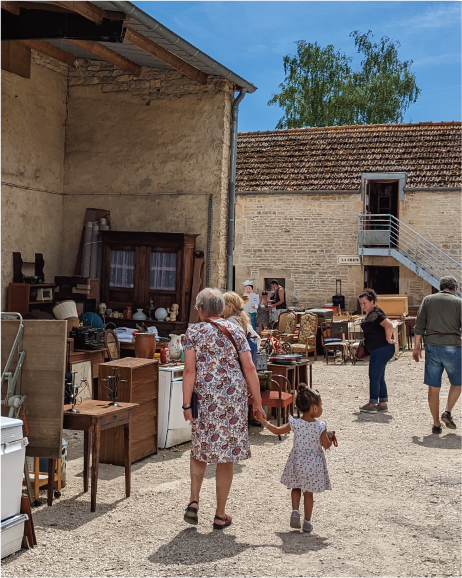
というわけで、ここでは古いものが多く流通する。高額な骨董品はアンティークという名で売られ、それより入手しやすいランクがブロカント。さらにカジュアルな「ヴィド・グルニエ(Vide-grenier/屋根裏を空にする、という意)」の存在を知ったのは、ブルゴーニュで過ごすようになってからだ。
車で田舎道を走っていると、電柱などに開催日と場所が告知されたビラが貼られ、それを頼りに人々が集まってくる。小さな街で行われるフリーマーケットのようなものなのだけれど、ここはフランス。普通の家の屋根裏から放出されるものの中に、東京のアンティークショップにあるようなお宝がみつかることもある。
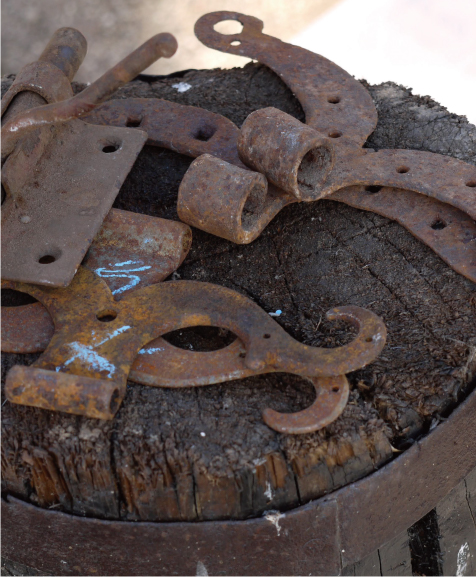
さらなる穴場が、教会が運営しているエマウス。大きな倉庫のような場所に、食器類や古着・建具・家具などが所狭しと並び、開催日には近隣の人々が集まってくる。中には錆びた金具や木の破片、壊れた電化製品などもあり、一体誰がこんなものを買うのだ?と思うのだけれど、ちゃんと売れていく。
ほかにも、街の空き店舗を利用してクロワルージュ(赤十字)が不定期で古着を売ることもあって、こうした場にはガラクタもあるけれど、その中から価値のあるものや自分が必要としていたものを見つけ出すのは、宝探しゲームのようで最高に楽しい。しかも安い!
こうして手に入れた衣類を私は今も大切に着ているし、1ユーロの砂糖壺や50セントのエスプレッソカップもよく使っている。
以前、古い石造りの家に住むアーティストを訪ねたら、食堂の棚に大量のティーポットコレクションが並んでいた。どうやって集めたの? と聞くと、エマウスでコツコツ買いためたと言う。「どれもほんとに安いの」と笑っていたけれど、パリのクリニャンクールやヴァンブの蚤の市だったらおそらく数倍の値がつくだろうし、東京ならさらに高額になる品もあり、目を見張った。
中世にブルゴーニュ公国として強大な勢力を誇ったこの地では「古いもの」を大切にする精神が根付いており、農業やワイン生産に従事する人たちが多いことも、その質実剛健で実直な性質を作り出しているように思う。ヴィド・グルニエやエマウスは、そんなブルゴーニュの人たち「ブルギニオン」にとって、大切な暮らしのシステムのひとつだ。
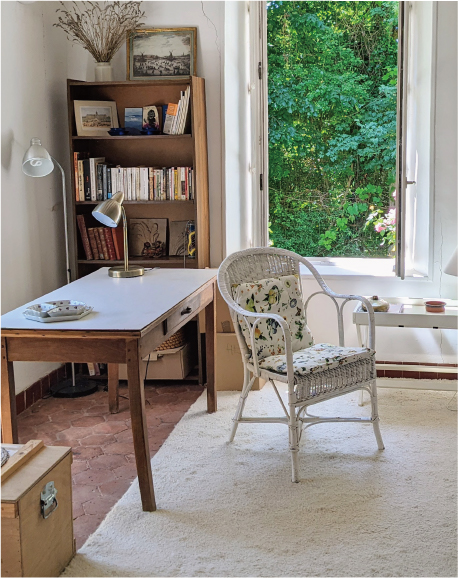
ここではなんの変哲もない外観の家の中が、インテリア雑誌から抜け出してきたようにおしゃれな空間になっていて驚くこともあり、時間をかけてひとつひとつ吟味して選んだと思われる家具や道具類が、住む人の個性を際立たせている。
それは古い物を愛し、手入れや修理をしながらそれを循環させ、自分が気にいるものをじっくり選んで使うという、「ものへのまなざし」が生みだす風景なのかもしれない。
Burgundy—Scrutiny of the material
Beauty in everyday life, born from unpretentious strength.
I observe that many French people are very thrifty. They meticulously reuse paper bags and plastic containers. They prefer repairing furniture and tools and are slow to adopt new trends. I believe this habit naturally leads to environmental consciousness and a deep appreciation for old items and their own culture.
Because of this culture, many old items circulate here. Besides expensive “antiques” and more accessible “brocante” items, I discovered the casual market called “Vide-greniers” (attic emptying) after moving to Burgundy. These are like local street markets announced by flyers, where I can sometimes find treasures worthy of a Tokyo antique shop being sold straight out of someone’s attic.
A further hidden gem is Emmaus, run by the church. In a large warehouse, household goods, old clothes, fixtures, and furniture are crammed together. I often see rusty parts or broken appliances and wonder, “Who buys this?” but they always sell.
The Red Cross also holds occasional sales in vacant stores. Although there’s junk, finding valuable or needed items feels like a thrilling treasure hunt, and it’s so cheap! I still wear the clothes and use the sugar bowl (€1) and espresso cup (50 cents) I acquired this way.
I visited an artist who collected dozens of tea sets from Emmaus, all bought incredibly cheap—items that would command much higher prices in Parisian or Tokyo antique markets.I believe that the spirit of valuing “old things” is rooted here, dating back to the powerful Duchy of Burgundy. The region’s many farmers and wine producers contribute to the strong, honest nature of the people, whom I call the Bourguignons. For them, Vide-greniers and Emmaus are essential parts of their life system.
I am often surprised to find stylish interiors that look straight out of a magazine inside ordinary-looking houses. The furniture and tools, clearly chosen with time and care, highlight the owner’s personality. This scenery, I think, is born from a mindful “gaze toward things,” characterized by loving old objects, maintaining them, circulating them, and choosing items deliberately.
Bourgogne |Art de vivre|
Feature | 2025.12.24
暮らすことがアートになる場所
ブルゴーニュ公国の広大な領地だったこの地は、中世の名残をとどめる史跡が多く、タイムスリップしたような街並みが残っている。バカンスの時期には、多くの場所で催しが行われて、訪れる者を飽きさせない。
古い城跡でイベントがあると誘われ、出かけた時。行ってみると、そこは崩れた城壁の廃墟だった。後継者がおらず、朽ちていく史跡がブルゴーニュのあちこちにあって、これをベネボラと言われるボランティアがコツコツと修復しているのだという。バカンスの時期に一般公開され、ベネボラによるツアーが行われるというので、それに参加した。
見渡す限りの廃墟の中、歴史と建築の話を立ったまま延々と聞く。1時間経過。正直飽きた、しんどい。それなのに小学生ほどの子どもたちもが黙って聞いていることに驚いていると、同行者がこう言った。「日本人は短い時間であちこち回りたがるけど、私たちはこんな風に休日を過ごすことが好きなんだよ。お金をかけなくても楽しめることがたくさんあるからね」。
確かに、フランスの人たちはお金をかけずにバカンスを楽しむ達人だ。ブルゴーニュの運河を船を借りてのんびり下っていき、日中は読書や昼寝を楽しむ。自転車で旅する人、車で寝泊まりする人。行く先々でちょっとしたイベントや、街のホールでの展覧会、教会でのコンサートなどを楽しみ、その多くは無料だ。舞台やコンサートは最後に帽子にお金を入れる「シャポー」で、身の丈にあった額を入れる。
こんな風に田舎にいると、本当にお金がかからない。それでも、素敵に豊かだと感じる瞬間がある。アール・ド・ヴィーヴル(Art de vivre)―生きることは芸術。そんな言葉は、こうした場所から生まれたのかもしれない。
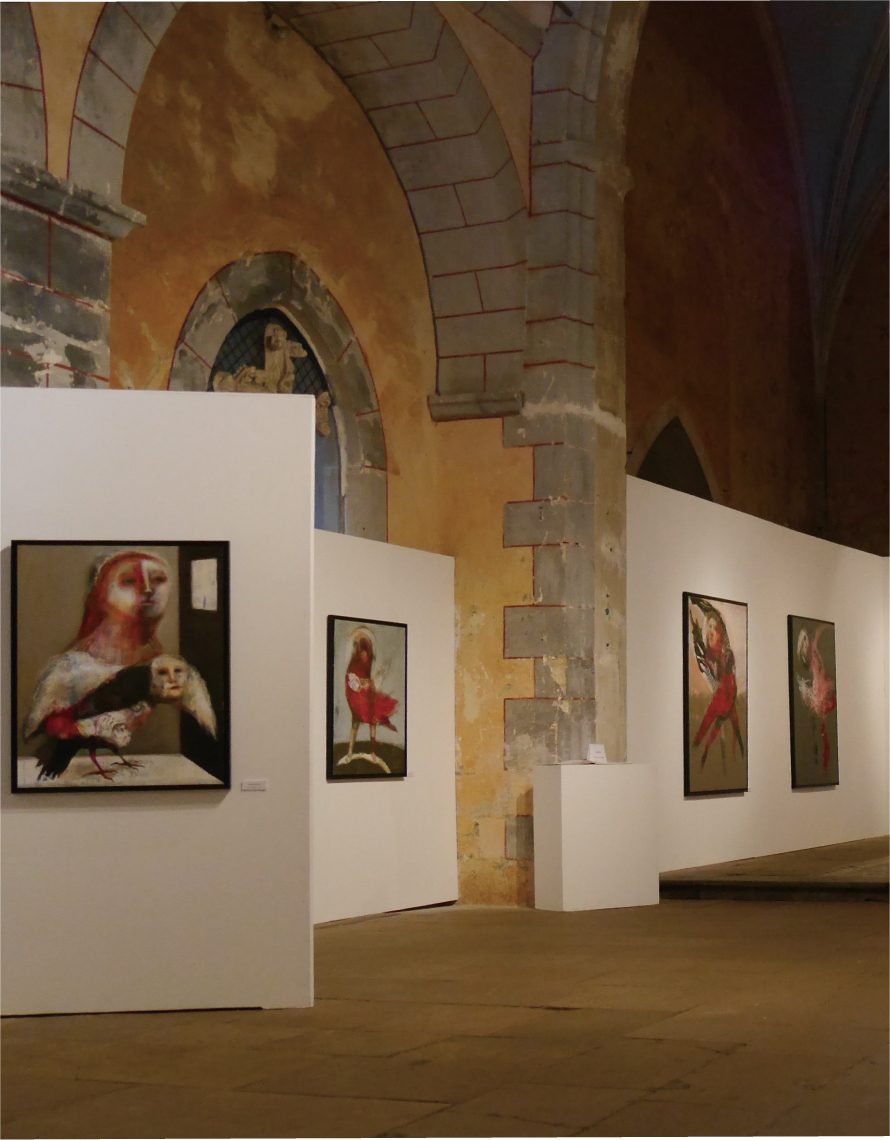
ブルゴーニュに限らず、フランスの美術館や展覧会場では、先生が子どもたちを連れて車座になって説明している姿をよく見かけるのだが、質問を投げかけると「はい! はい!」とこぞって手を挙げ、意見を言い出す姿はとても微笑ましい。誰もが、自分の感じたことを自由に言ってよいという空気がそこにあって、それはアートへの向き合い方にも現れているように思う。
ブルゴーニュの小さな町で開かれた地元作家の個展を訪ねた折も、同行者にこう言われた。「作家がいたらなんでもいいから聞くこと。黙っているのは作品に興味がないよというメッセージだから、とても失礼なんだよ」。どんなにささいなことでも、聞くこと、伝えることが大事。子どもの頃からの体験がこうした場所で生きるのかと、腑に落ちた気がした。アートは日常の延長にあり、対話により深まっていくことを知ったのも、この地での経験が大きい。
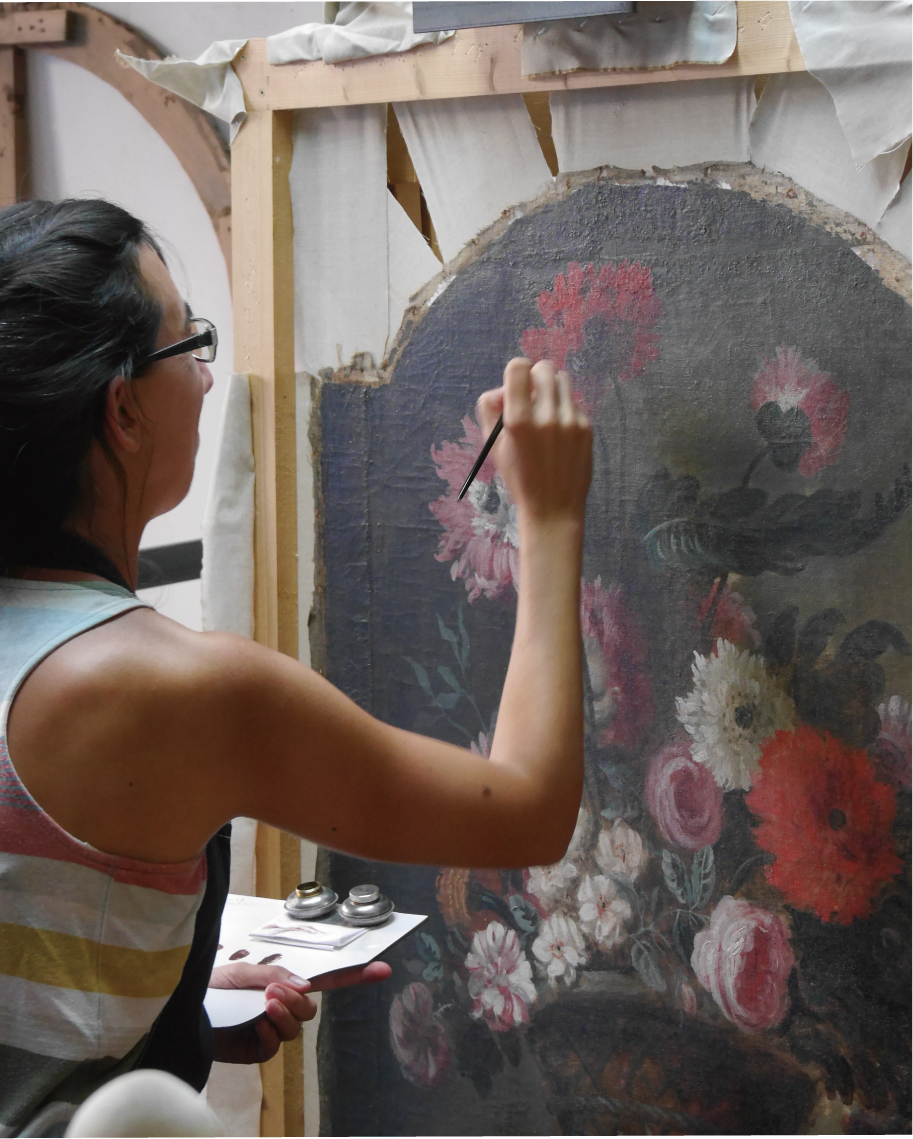
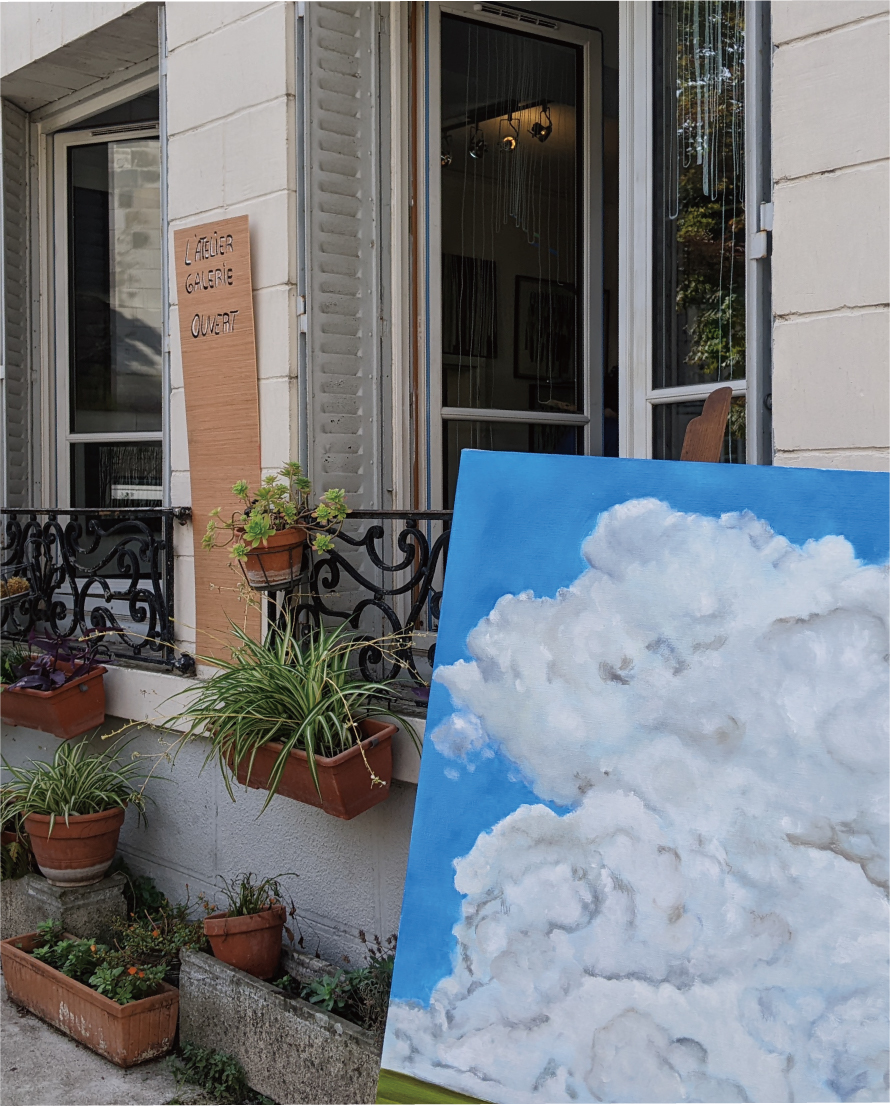
ぶどう畑のはずれにステンドグラスの職人さんが住んでいたり、変哲のないアパートの一角にルリユール(製本を行う職人)の工房があったり。中庭の先に大きな窓のある家が、ルーブルの名画なども扱う絵画修復士のアトリエだったりする。奥へ奥へと入り込むほど、フランスの文化の底力と、ブルゴーニュが抱え持つ歴史の深淵さが広がっていく。
豊かな大地と実り、実直な人々と美しい風景。ブルゴーニュ、美しい人生の場所。ここには人生をゆっくり、そして豊かに生きるためのヒントが、そっと息づいている。
Bourgogne−Art de vivre.
Where living becomes art.
Burgundy, the former Duchy, retains many medieval ruins that make me feel like I’ve time-traveled. I attended a public volunteer (Bénévolat) tour at a ruined castle, where I learned that volunteers are painstakingly restoring sites that lack successors.
Standing there for an hour, I felt tired of the long history talk, yet I was surprised the children listened quietly. My companion told me that the French prefer this slow, inexpensive holiday style, finding enjoyment without rushing or spending much money.
I realized the French are experts at enjoying holidays inexpensively, whether by leisurely traveling the canals by boat, cycling, or enjoying free local events. Many performances use the “chapeau” (hat collection) for payment. Living in the countryside costs little, yet I feel profoundly rich.
This simple, satisfying lifestyle makes me believe the phrase Art de vivre (The Art of Living) must have originated in places like Burgundy.
In French museums, I often see children enthusiastically raising their hands to share their opinions on art, which shows me that everyone is free to express their feelings.
My companion later stressed that when visiting an artist’s exhibition, it is crucial to ask questions, as silence is a rude sign of disinterest. This made me realize that dialogue is essential and that art is an extension of daily life, an understanding deepened greatly by my experience here.
I find cultural depth in unexpected places: artisans like stained-glass makers and bookbinders (relieurs) hidden away, and painting restorers working on masterpieces. The deeper I explore, the more profound the region’s history and the underlying power of French culture become.
With its rich land and beautiful scenery, Burgundy is a place for a beautiful life, offering gentle hints on how to live slowly and richly.
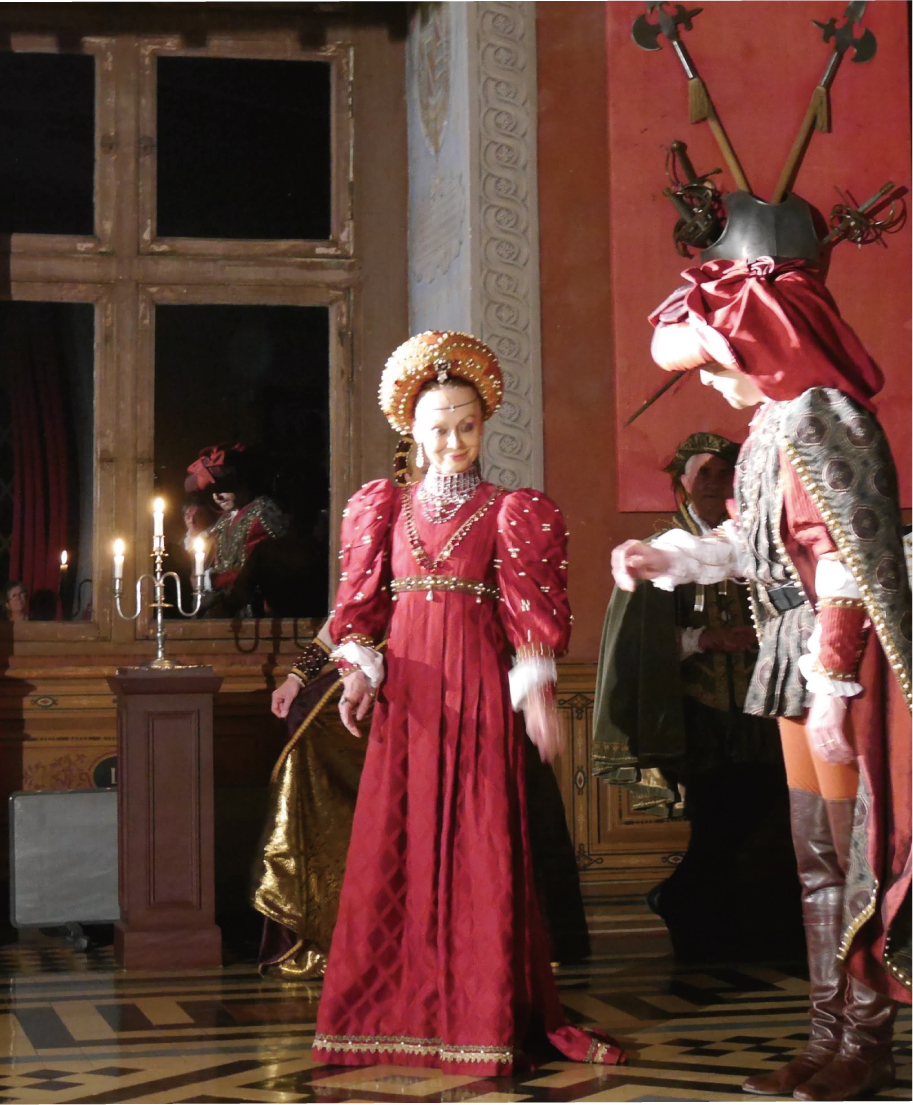
ブルゴーニュを楽しむ
Feature | 2025.12.24
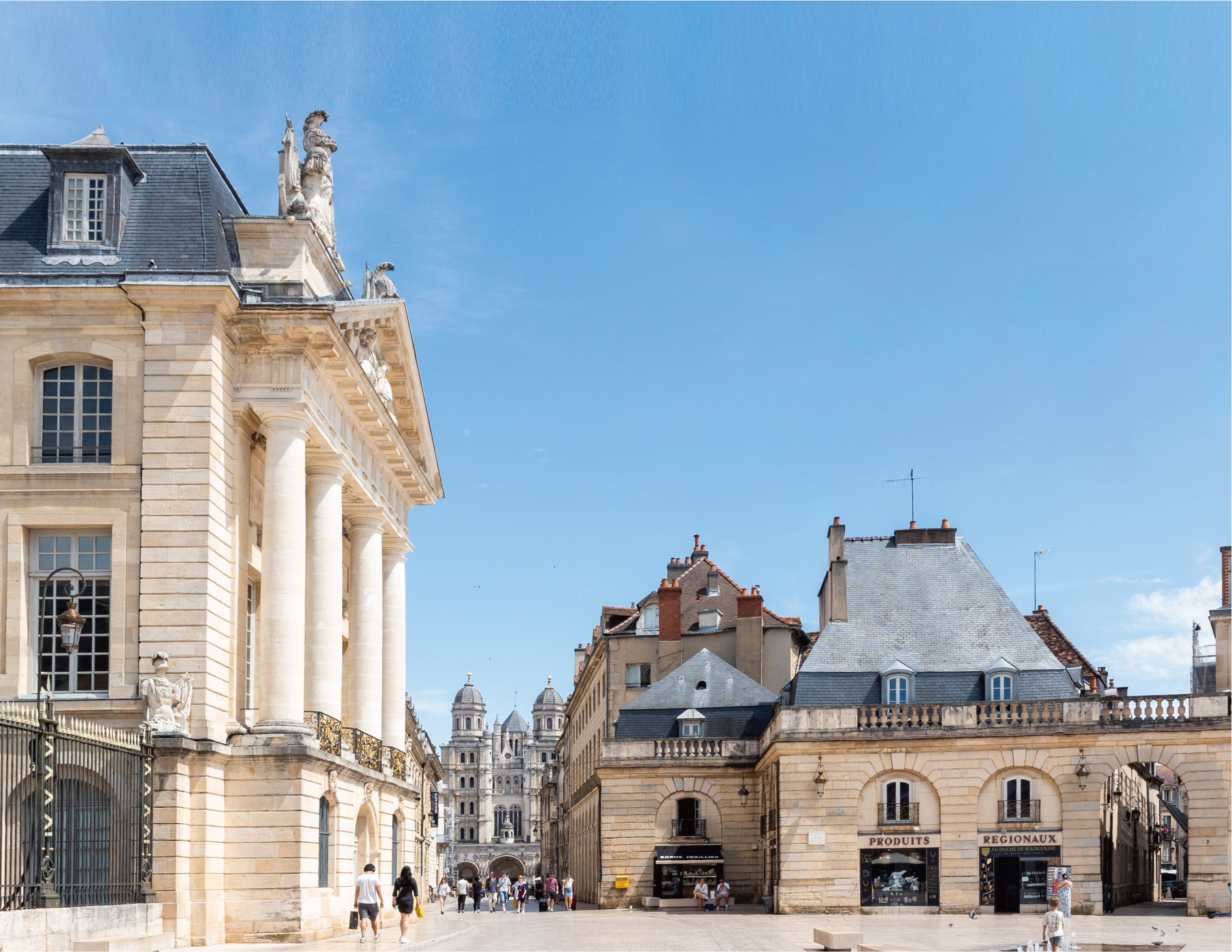
Dijon Bourgogne Tourisme & Congrès – Laure Denisブルゴーニュは美食の街ディジョンを中心に、
ワインの産地でもあるボーヌ、シャブリやシャンベルタン、ロマネコンティ村のほか、
「フランスの最も美しい村」に加盟しているヴェズレーなどの5つの村もある。
レンタカーを借りて広大な穀倉地帯を走れば、
こうした場所以外でも中世で時間が止まったような美しい小さな村が次々と現れて、
飽きることがない。平地が多いので、レンタサイクルもおすすめ。
農家に滞在するアグリツーリズムや、ワイナリーでの滞在プログラムもあるので、
じっくり、ゆっくり滞在してみてほしい。
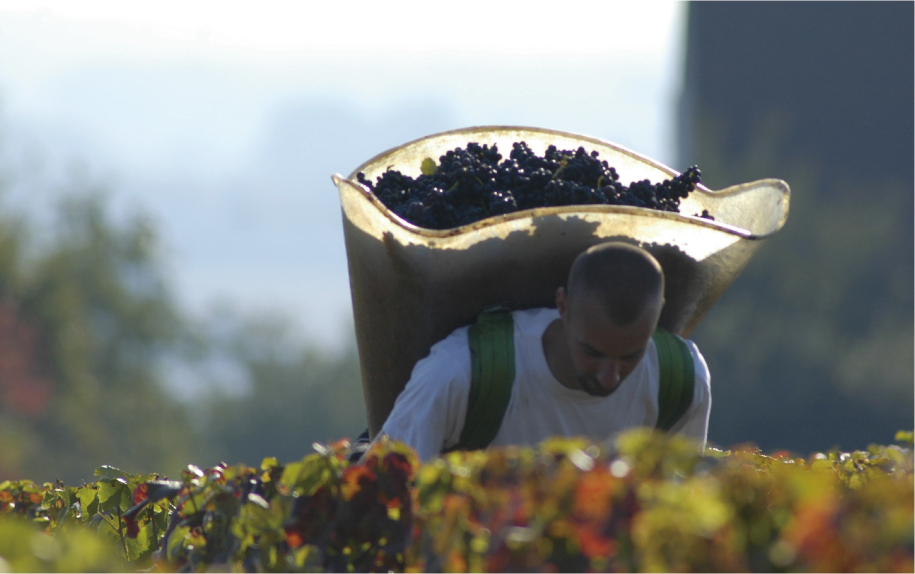
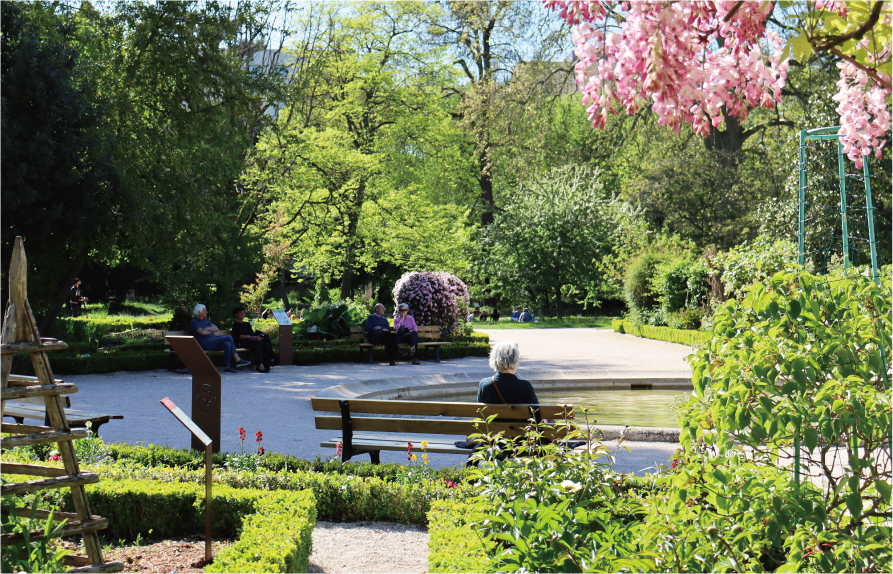
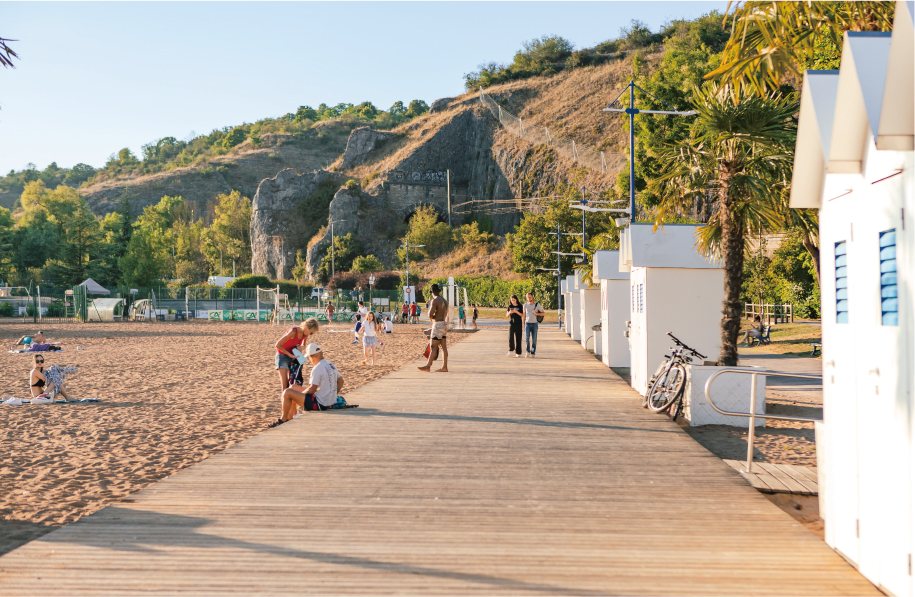

ブルゴーニュの中心、ディジョンでブルゴーニュ体験を!
パリ・リヨン駅からTGVを利用して約1時間45分でアクセスできるディジョンは、
ブルゴーニュを巡る旅の出発点に最適。
そんなディジョンで楽しめるアクティビティをご紹介。
フランスへの旅のきっかけにしてください。
『食とワインの国際総合博物館』
ユネスコ世界遺産に登録された「フランス人の美食」を伝える総合施設として2023年に誕生。展示、食関連のショップ、レストランが集まり、ブルゴーニュの食文化を総合的に体験できる。

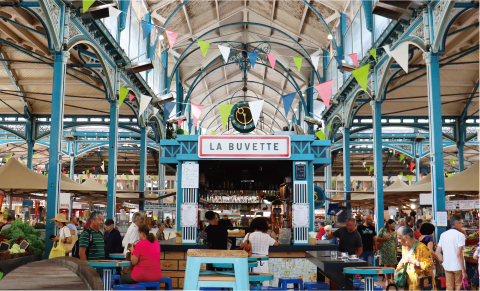
『ディジョン屋内市場』
シャロレ牛、エポワス(チーズ)、エスカルゴ…。ブルゴーニュを代表する食材が集まる総合市場は、街の日常を体感できる場所。火・木・金・土曜日の開場。
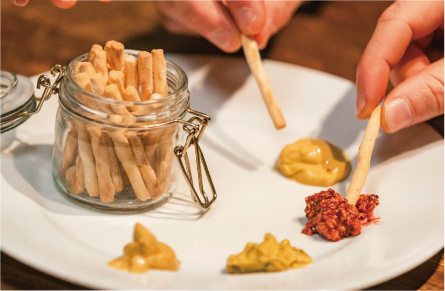
『マスタード作り体験』
ブルゴーニュ名産であるマスタード。辛子の実をすり潰し、白ワイン、ビネガーを加えてマスタードを作る体験型アトリエ。
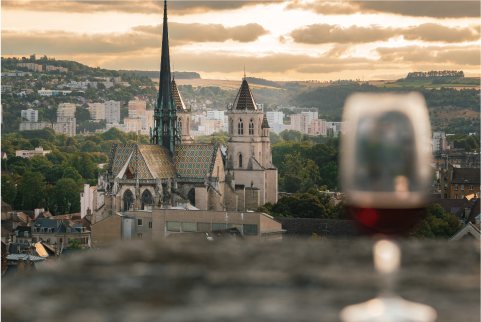
『フィリップ善良公の塔で
ブルゴーニュ風アペリティフを』
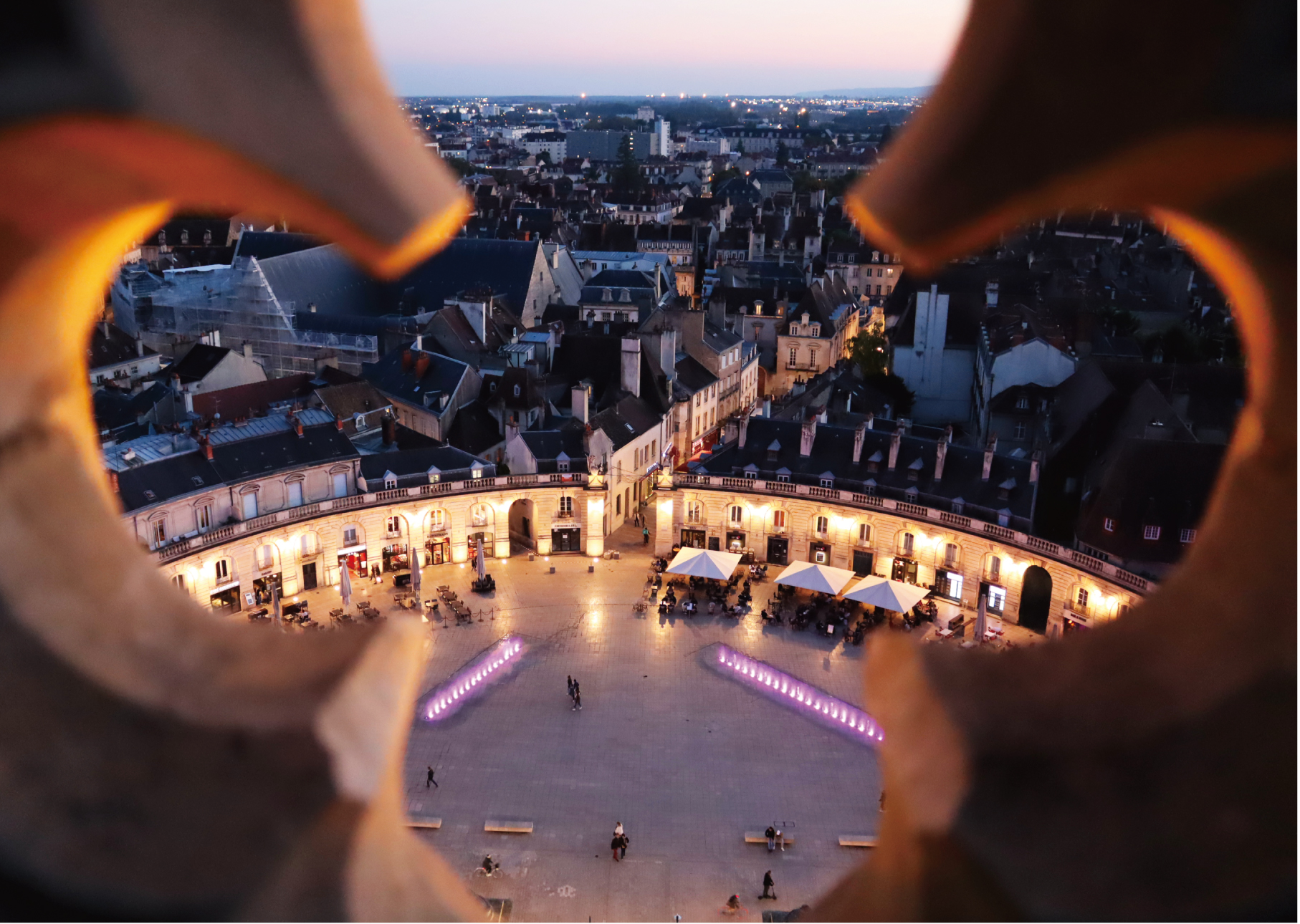
15世紀の塔の頂上からディジョン旧市街とブドウ畑を一望。登頂したら、白ワインとカシスリキュールを混ぜた食前酒キールで乾杯。ディジョン市長であったキール氏が考案したアペリティフ。5月末~10月末限定。
『ワイナリーツアーに参加する』
1ディジョンを拠点に、コート・ド・ニュイやコート・ド・ボーヌのドメーヌを巡ることができる。村ごとのテロワールと造り手の哲学に触れれば、ブルゴーニュの奥行きがいっそう深くなる。ディジョン観光局のページから提携先の地元ツアー会社が選べる。

いっぷう変わったワイナリーツアー
◎シトロエン 2CV(ドゥ―・シュヴォー) や
Traction Avant などのレトロカーで
ブドウ畑を巡るプライベートツアー。
◎フォルクスワーゲン・Combi(コンビ)
によるワイナリーツアー。
◎車輪付きのバーカウンター
「ワインバイク」で ブドウ畑の見学。
試飲カウンターに座った参加者同士が
ペダルを漕いで前進させる。


フランス伝統料理の日本代表が決定!
「第10回パテ・クルート世界選手権日本大会決勝2025」
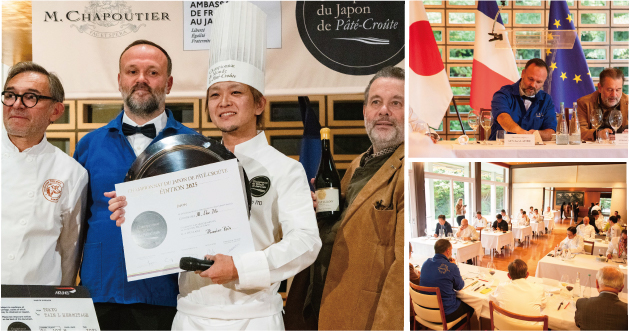
10月28日、在日フランス大使館の大使公邸で「第10回パテ・クルート世界選手権日本大会決勝2025」が開催された。日本シャルキュトリ協会が主催し、全国から選ばれた12名が技を競った。優勝は伊藤翔シェフ(ドミニク・ブシェ トーキョー)。続いて石本省吾シェフ(ルクール)、小林嵩明シェフ(湯本富士屋ホテル)が入賞した。
パテ・クルート(pâté en croûte)は、肉やレバーを香辛料とともにパイ生地で包み焼きにする伝統料理。中世フランスの保存食文化に起源をもち、とくにリヨンやシャンパーニュ地方などで発展してきた。シャルキュトリ(charcuterie)と呼ばれる肉加工の職人技の代表でもある。
この競技では、味わいだけでなく構成の美しさや技術の精度も評価対象となる。伊藤シェフの作品は、フランスの古典的技法に和の旨味を融合させた点が高く評価された。


[PR]高級賃貸レジデンス「THE PEAKS」誕生
Feature | 2025.12.24
選ばれた者だけが知る、都心の静域———
高級賃貸レジデンス、
「THE PEAKS」誕生
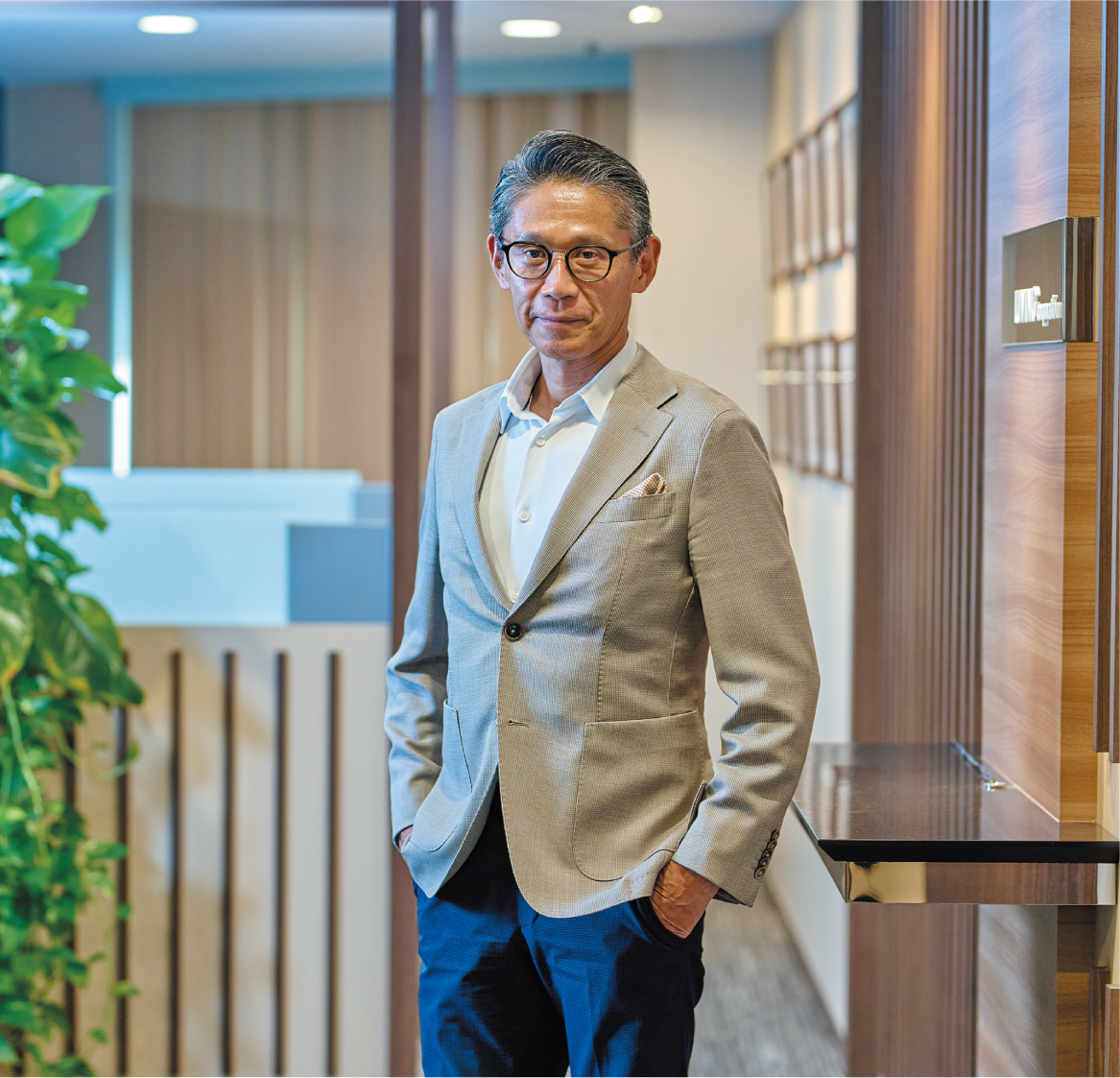
鈴木英樹(すずき・ひでき)
リビングコーポレーション代表取締役社長。
新卒で証券会社に入社し、営業や経営企画を経験。不動産ベンチャーに転職し、社長秘書として経営に携わりながら当時最速で東証一部上場を果たす。その後リビングコーポレーションに入社、2017年に代表取締役に就任。
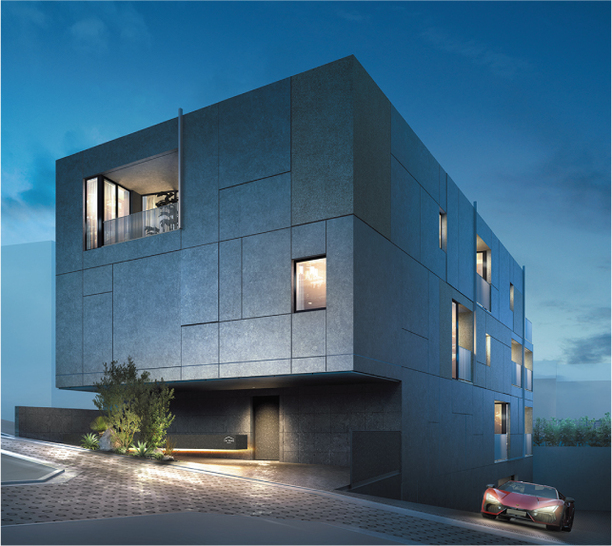
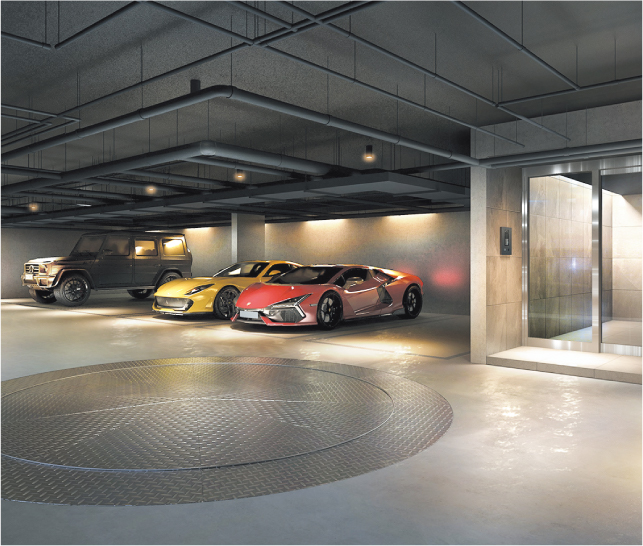
渋谷駅にほど近い閑静な住宅地に今冬、全8戸のみの高級ラグジュアリー賃貸マンション「THE PEAKS」が静かに門戸を開く。各戸は100㎡超の大空間を前提に、同仕切りを極力抑えた独創的なプランだが、全戸内装や間取りが異なるだけでなく、防音室やオープンキッチン、そしてガレージの愛車を眺められる部屋といった趣味性の高い部屋がそろう。むろん、セキュリティ面でも配慮は万全だ。人目に触れにくい動線設計を基本とし、地下駐車場には非常ボタンとオンライン監視を備える。さらに、共用部・専有部の両面で対策を徹底し、住戸へは専用エレベーターで居住フロアに直通。原則として、居住フロア以外へのアクセスはできない。
「既存の賃貸マンションは合理的な間取りが主流。便利ですが味気なさもある。だから他にはないエッジの効いたレジデンスをつくろうと考えました」と、リビングコーポレーション代表取締役社長の鈴木英樹氏は「THE PEAKS」ブランドの立ち上げ背景を語る。その姿勢を実践するための丁寧な作り込みも特徴的だ。駐車場にバッテリー充電のためのコンセントを備えているほか、車止めの高さなどは、高級車を実際に搬入し検証した。
「住居の内装なども「納得いかずに施工後にやり直した部分も多い。分譲以上のこだわりです」と明かす。
情報公開の方針もユニークだ。所在地・間取り・賃料の全容は、独自の審査を通過した希望者にのみ開示される。「「THE PEAKS」を老舗のブランドのように希少性が高く価値のあるものに育てていきたい」と鈴木氏は語る。現在、渋谷に続き福岡の平尾・浄水エリアでも少戸数の上質レジデンスとして計画が進むが、今後も量は追わず、厳選されたエリアだけで開発を行う考えだ。
「THE PEAKS」は、大量供給・画一化の潮流から距離を置き、希少性と解像度の高さを軸に据えるものだ。業界の常識にとらわれない新たな取り組みとしても注目したい。

広告