






端と端。
端と端。
知るほどに日本は広い、という話。
1970年代に「せまい日本、そんなに急いでどこへ行く」という、 よくできた交通スローガンがあった。 標識や看板など、あちらこちらで目にするうちに、 子どもだった自分の頭にしっかりと刷り込まれ、 大人になった今でも、“日本って、せまいんだ” という思いが根づいている。 でも実際はそうでもない、というか国としては広い方だ。 国連統計によると、世界第61位の面積を誇る。 アメリカや 中 国より小さいのはもちろんだが、 ドイツやイタリアよりも大きい。 その広さを実感したくって、日本の最東端と最西端を取材した。 厳寒の納沙布岬と南国の与那国島。 日本の「端と端」を比べる今回の特集。 この号を読んで、広く多様な日本の魅力を知ってもらえるとうれしいです。
端と端。
Feature | 2026.3.24
知るほどに日本は広い、という話。
1970年代に「せまい日本、そんなに急いでどこへ行く」という、
よくできた交通スローガンがあった。
標識や看板など、あちらこちらで目にするうちに、
子どもだった自分の頭にしっかりと刷り込まれ、
大人になった今でも、“日本って、せまいんだ” という思いが根づいている。
でも実際はそうでもない、というか国としては広い方だ。
国連統計によると、世界第61位の面積を誇る。
アメリカや 中 国より小さいのはもちろんだが、
ドイツやイタリアよりも大きい。
その広さを実感したくって、日本の最東端と最西端を取材した。
厳寒の納沙布岬と南国の与那国島。
日本の「端と端」を比べる今回の特集。
この号を読んで、広く多様な日本の魅力を知ってもらえるとうれしいです。
The more you get to know Japan, the bigger it feels.
In the 1970s, a clever traffic slogan was everywhere:
‘Small Japan—where are you going in such a hurry?’
Seeing it on signs as a child,
the idea that Japan is a small country was deeply etched into my
mind. Even now, that perception lingers.
Yet, the reality is quite different.
Globally, Japan ranks 61st in land area;
while smaller than giants like the U.S.,
we are actually larger than Germany or Italy.
To grasp this scale,
we journeyed to the country’s farthest reaches:
the freezing winds of Cape Nosappu and
the tropical shores of Yonaguni Island.
By comparing these two extremes,
this issue explores the surprising vastness and diversity of Japan.
I hope it inspires you to rediscover just how wide our country truly is.
北海道、本州、四国、九州をはじめとした
約14,125の島々からできている日本列島。
南北に長く伸び、北海道の亜寒帯・冷帯気候から南西諸島の亜熱帯気候まで
バラエティ豊かな気候と風土が広がっている。
文化も様々で、それらに出会えることが国内旅行の楽しみ。
日本は広い、そしてその多様性こそがこの国の面白さ。
最東端の納沙布岬と、最西端の与那国島を比べても、
日の出の時間には約50分、日の入りには2時間以上の差がある。
もちろん気温も異なり、そこに根づく暮らしも大きく違う。
日本の広さを実感し、多様性に気づき、それを大切にしてこそ、日本はより豊かになっていく。
Japan is an archipelago of about 14,125 islands, including Hokkaido, Honshu, Shikoku and Kyushu.
Stretching far from north to south,
it ranges from the subarctic and cool climates of Hokkaido to the subtropical climate of the Nansei Islands,
offering remarkable variety in weather and landscape.
Its cultures are equally diverse, and encountering them is one of the pleasures of traveling within the country.
Japan is vast, and it is precisely this diversity that makes it so fascinating.
Even comparing Cape Nosappu, the easternmost point, and Yonaguni Island, the westernmost,
sunrise differs by about 50 minutes and sunset by more than two hours.
Temperatures naturally vary as well, and the ways of life rooted there are very different.
By feeling the country’s scale and recognizing its diversity and valuing it, Japan becomes richer still.
日本は広い。国内のあちらこちらを旅するようになって、そう思うようになった。
数字で見ると、最北端の宗谷岬から最南端の波照間島まで、直線距離で約3000km。これは東京から台北とほぼ同じ距離。
一年の平均気温は、宗谷岬が約6℃、波照間島が約24℃。この大きな差のなかに、多様な文化や生活が育まれ、営まれている。
言葉では、標準語の「こんにちは」といったような挨拶の言葉が、津軽弁では「おはんでがす」、鹿児島弁では「おやっとさあ」となり、会話になれば東京在住の人間にはほとんど理解できないこともある。
家の造りも多彩で、京町家は奥行きある“通り庭”に情緒を感じ、沖縄では住まいを囲む木々や赤瓦が南国らしさをつくり、北海道は三角屋根が印象的。
食をみれば、関東は濃口しょうゆで関西は昆布であっさり、九州は甘口しょうゆがベースで、沖縄は豚・昆布・かつおをミックス。
自然も多彩。根室には流氷が流れ着き、白神山地にはブナの林が広がり、西表島にはマングローブの森が茂る。北海道ではエゾジカやキタキツネが雪原を走り、本州ではタヌキやムササビ、シカが見られ、沖縄ではイリオモテヤマネコやヤンバルクイナが顔を出す。
ついでにいえば、エスカレーターでは関西は右側に乗り、関東は左側に乗る。お笑いは、関西はしゃべくり漫才が、関東はコントが多くある。やはり、日本は広く、多様だ。
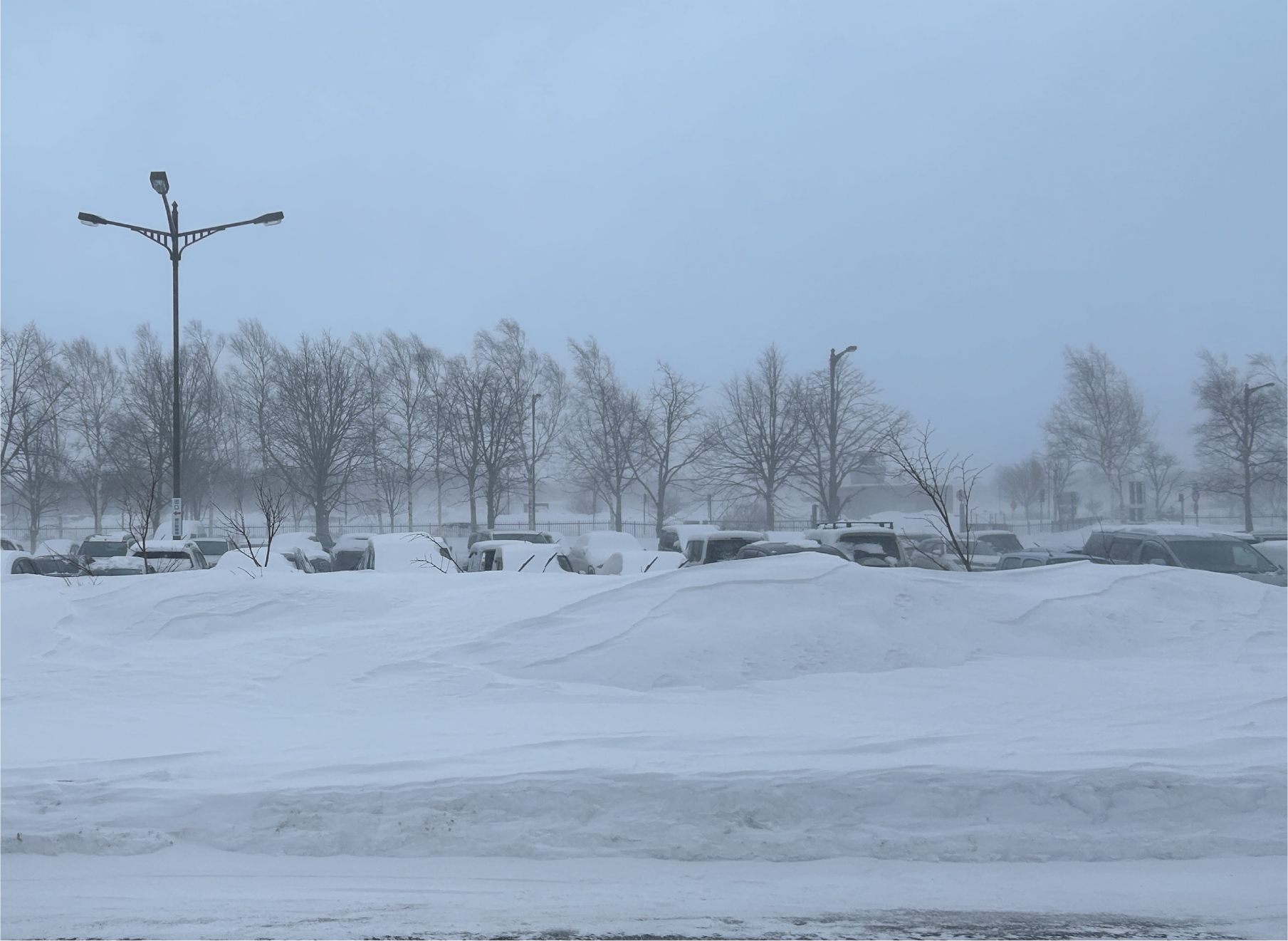
そんな日本を実感するために、最東端の納沙布岬と最西端の与那国島を同日に取材した。日付は冬まっただなかの1月21日。この日は日本海側と北海道に寒波が到来し、根室・納沙布岬では厳しい環境での取材になった。
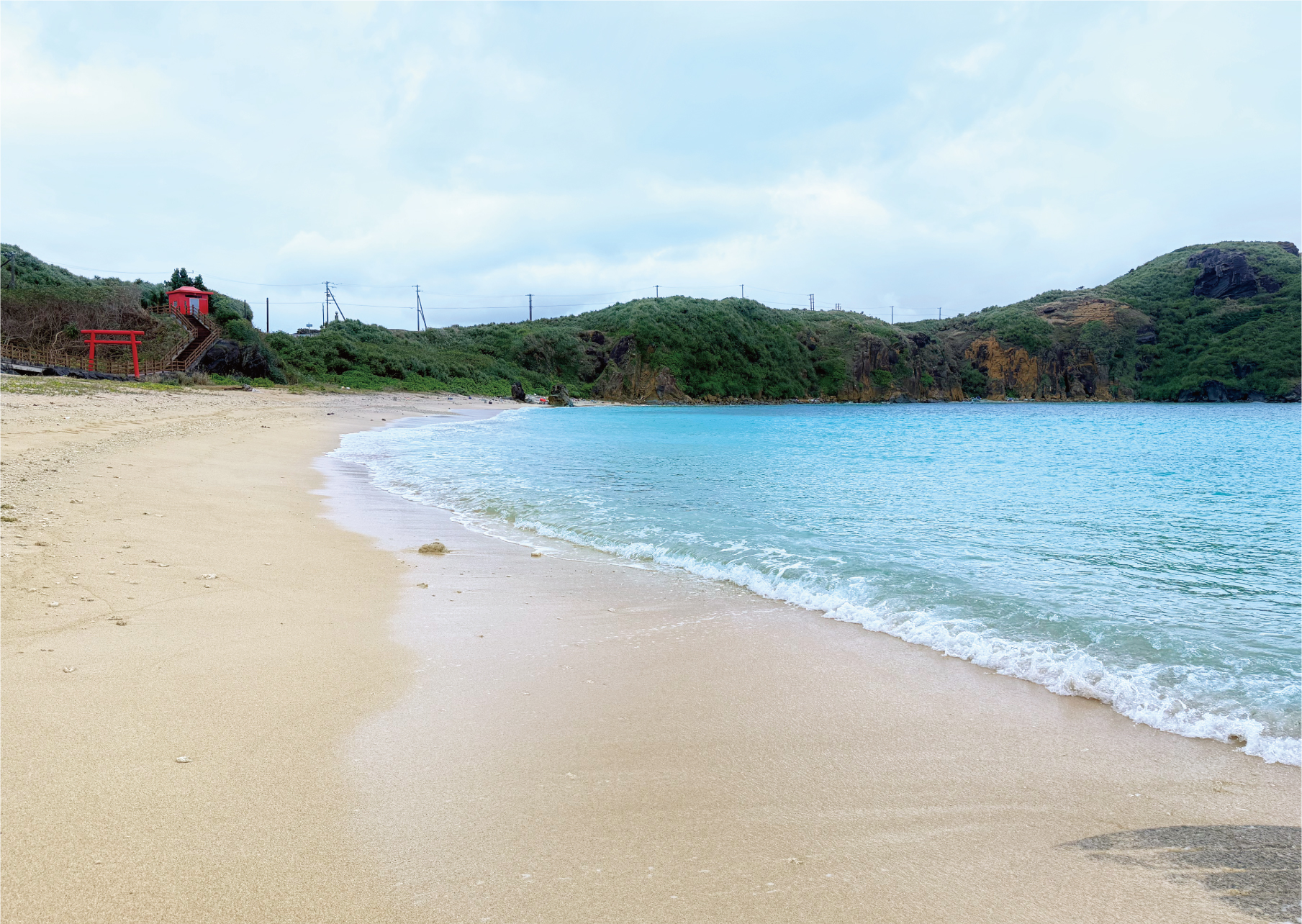
一方で与那国島は南国気分、だったはずが天候が思わしくなく、南の島にしては気温が上がらなかった。曇天のなかでの南国取材になったが、それでも納沙布岬に比べてみれば暖かく、動きやすかった。
厳寒の納沙布岬と南国の与那国島での一日を、時間の経過とともに追ってみた。そして感じたことは、やっぱり、日本は広い。
Japan is vast—a truth that becomes clearer with every journey. The 3,000km span from northernmost Cape Soya to southernmost Hateruma Island mirrors the distance from Tokyo to Taipei. This geographical reach creates a dramatic climate gap, with average temperatures ranging from 6℃ to 24℃. Within this span, diverse cultures flourish. Dialects vary so much that greetings like Tsugaru’s ‘Ohandegasu’ or Kagoshima’s ‘Oyattosa’ can feel like a foreign language. Architecture and cuisine also tell a story of regional pride, from Kyoto’s townhouses and Hokkaido’s gabled roofs to the distinct flavors that define each local table.
Japan’s landscapes are incredibly varied, from Nemuro’s drift ice to Iriomote’s mangroves. Wildlife follows suit, ranging from Hokkaido’s Ezo deer to Okinawa’s Yanbaru kuina. Social habits differ too, seen in escalator etiquette and regional comedy. To feel this scale, we visited the country’s eastern and western extremes on January 21.
While the east battled a fierce cold wave at Cape Nosappu, the westernmost Yonaguni Island remained relatively mild. Tracking these two opposites in a day reaffirmed one undeniable truth: Japan is remarkably vast.
日本最東端、凍てつくなかで迎える日の出。
Feature | 2026.3.24
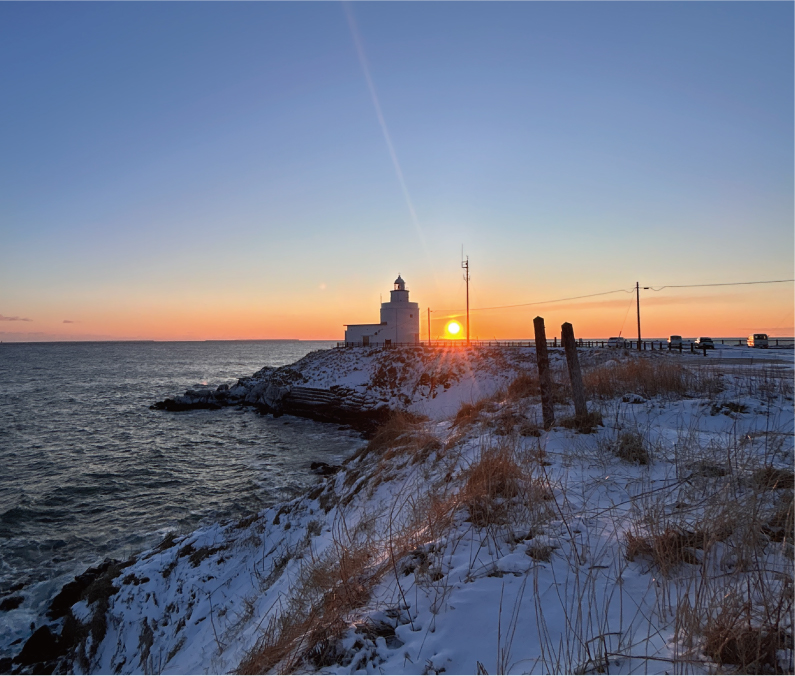
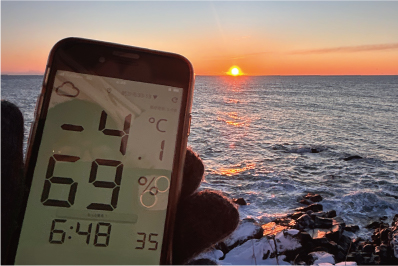
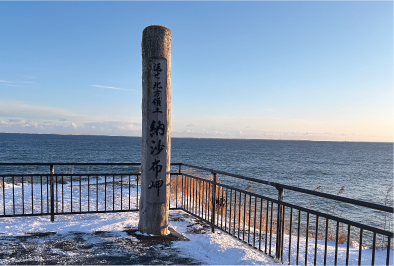
−4℃の極寒のなか、日本でいちばん早い日の出を鑑賞。大自然の圧倒的な美しさに感動。
1月21日午前5時30分、日の出に間に合うよう、根室市内の宿を出る。
とにかく寒く、手先と耳が痛い。あたりはまだ暗く、路面には雪。慎重に車を走らせて、納沙布岬へ。
45分ほどで到着。駐車場には先客が2台。ここまで朝日を見に来る人間がほかにいることに驚く。外は凍えるほど寒い。車から降りたくない。
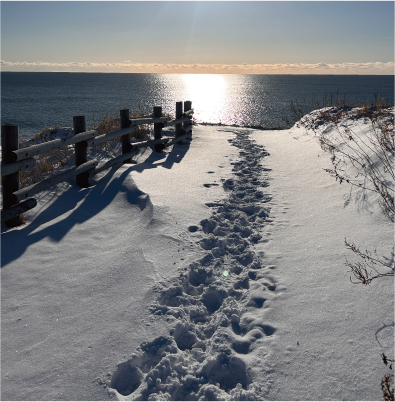
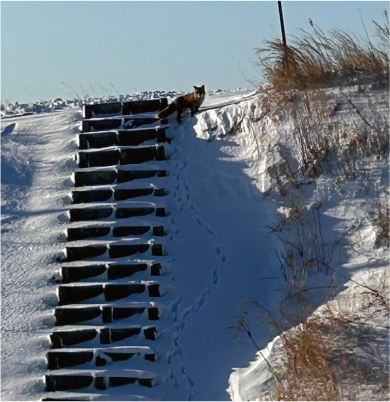
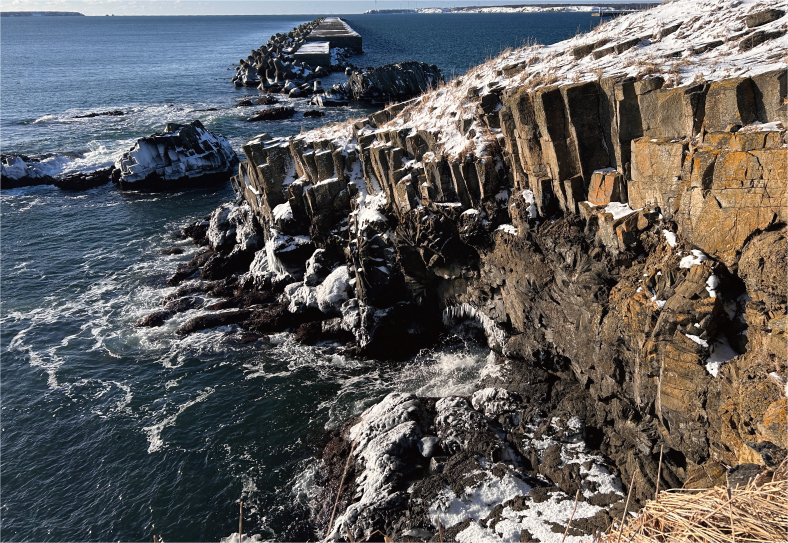
風が吹けばカラダもココロも冷え切る。
雪と海と大地からなる風景は荒々しく、それが寒さに輪をかける。
6時を過ぎる頃、明るくなりつつある空に安心感をおぼえる。遠くに北方領土が浮かび上がり、徐々に姿が明確に。その島々も雪で白くなっていることに気づき、こちらとの距離の近さを感じる。
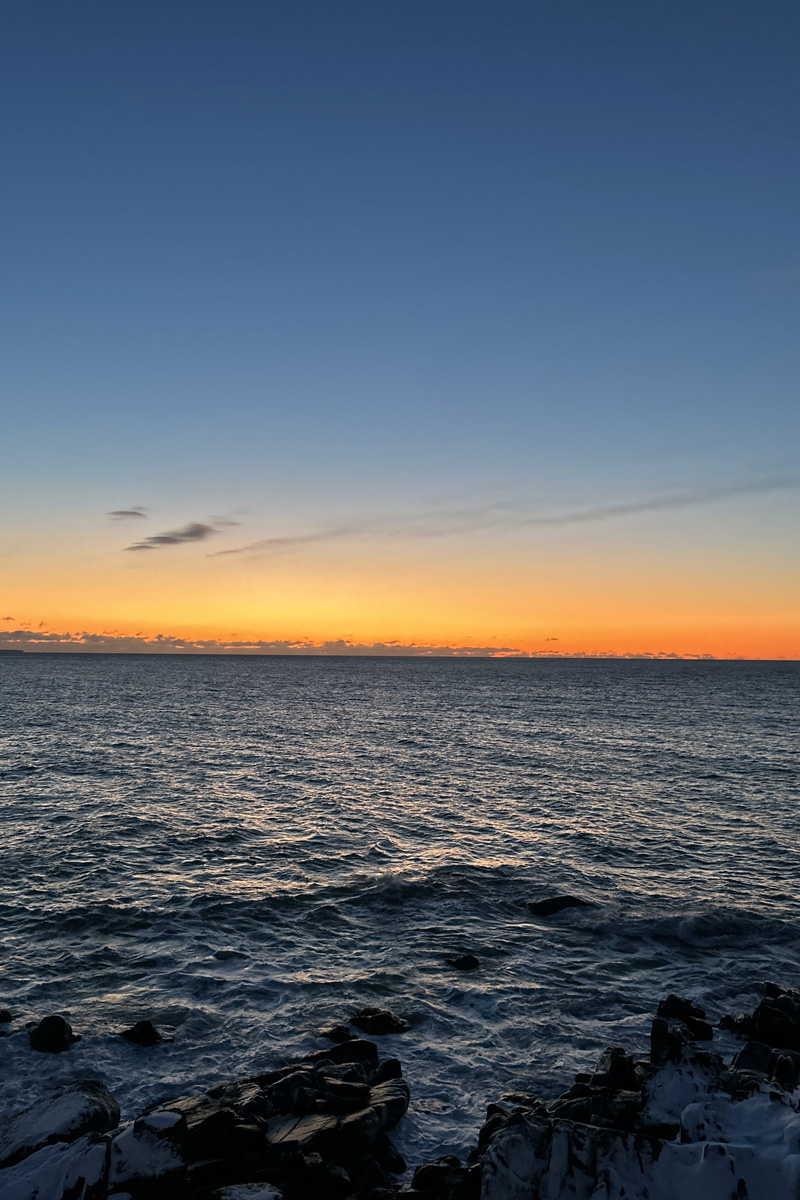
6時45分、日の出。気温は、スマートフォンの表示で−4℃。しかし、車載の温度計では−7℃。体感的にはこちらのほうがしっくりくる。その寒さも、圧倒的な風景を前に忘れてしまう。雪景色と紺碧のオホーツク海、その水平線からゆっくり、日が昇る。ここにいると、自然に神が宿ると思えてくる。日本で最も早い日の出は、あまりにも静かで、美しく、見るものの人生観さえ揺らす。
Sunrise in the freezing cold at Japan’s eastern edge.
At 5:30 AM on January 21, I stepped out of my inn into a cold so biting it made my fingertips and ears ache instantly. I drove cautiously through the dark toward Cape Nosappu, navigating snowy roads. Arriving 45 minutes later, I found two other cars already waiting in the freezing silence. As dawn broke after 6:00 AM, the snowy silhouettes of the Northern Territories emerged across the water, their proximity startling in the growing light. At 6:45 AM, the sun finally broke. While the thermometer read a bitter -7℃, the sheer majesty of the landscape—the white snow against the deep blue Sea of Okhotsk—made me forget the cold entirely. In that silent, sacred moment, Japan’s earliest sunrise felt beautiful enough to shift one’s very perspective on life. It was a glimpse of nature so divine that it transcended the physical chill.
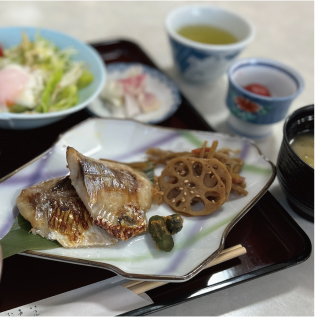
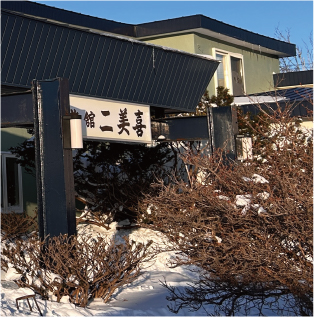
宿の朝食は焼き魚がメイン。素朴で美味しく、温かみにあふれていた。
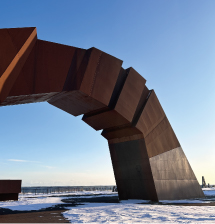
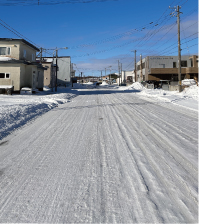
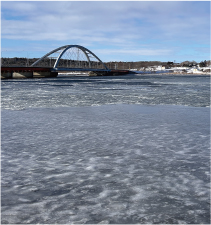
海辺も街なかも、寒々としたなかにある。与那国の取材チームがうらやましい。
日本でいちばん、遅い朝を待つ。
Feature | 2026.3.24
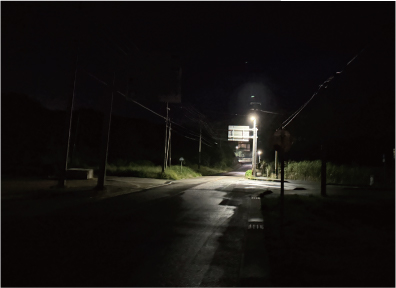
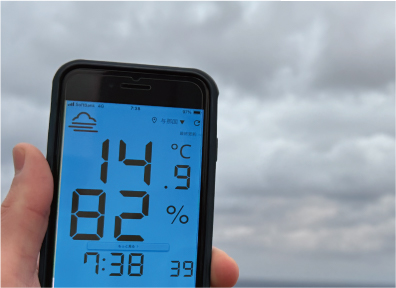
納沙布岬に朝がくる頃、与那国島はまだ真っ暗。1時間ほど遅れて夜明け。気温は約15 ℃。
1月21日6時30分、与那国島はまだ真っ暗。宿の周囲では、強い風に揺れる草木の音がするだけ。気温は15℃。この時期にしては珍しいらしく、寒さを感じる。
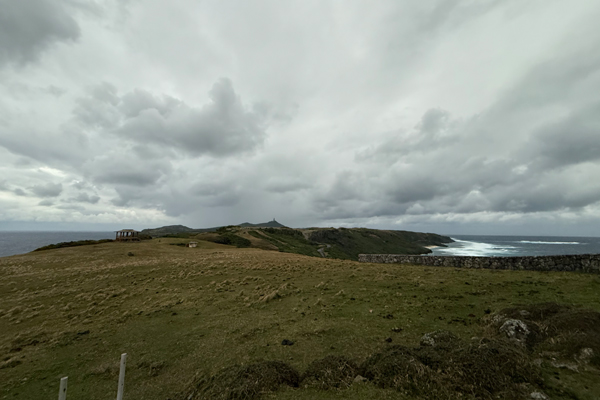
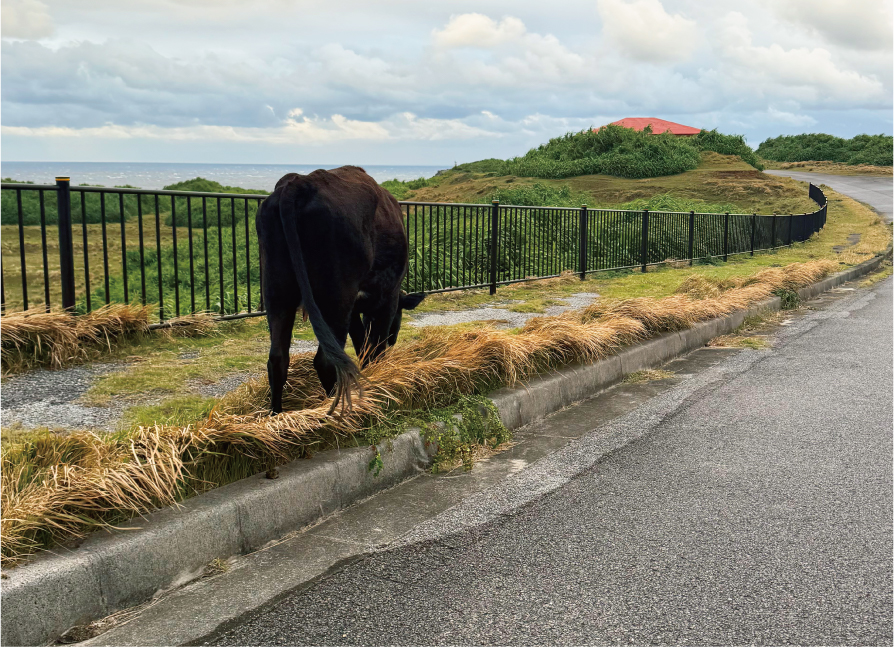
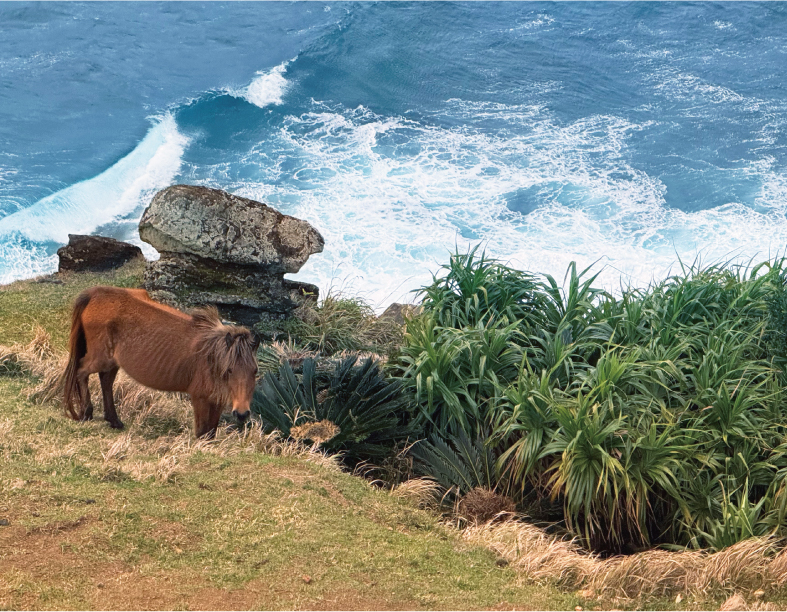
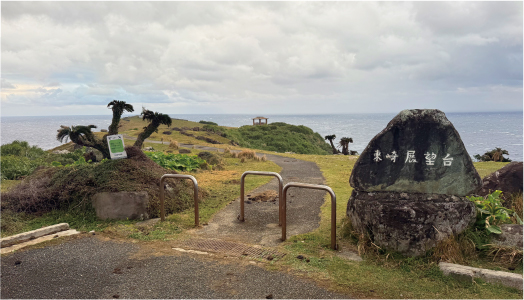
ここから、日本で最も遅く日が昇る東崎(アガリザキ)へ。窓を全開にして、潮風を楽しみながら車を走らせ、20分ほどで到着。与那国馬が草を食むのを横目に、アリシ展望所へ向かう。
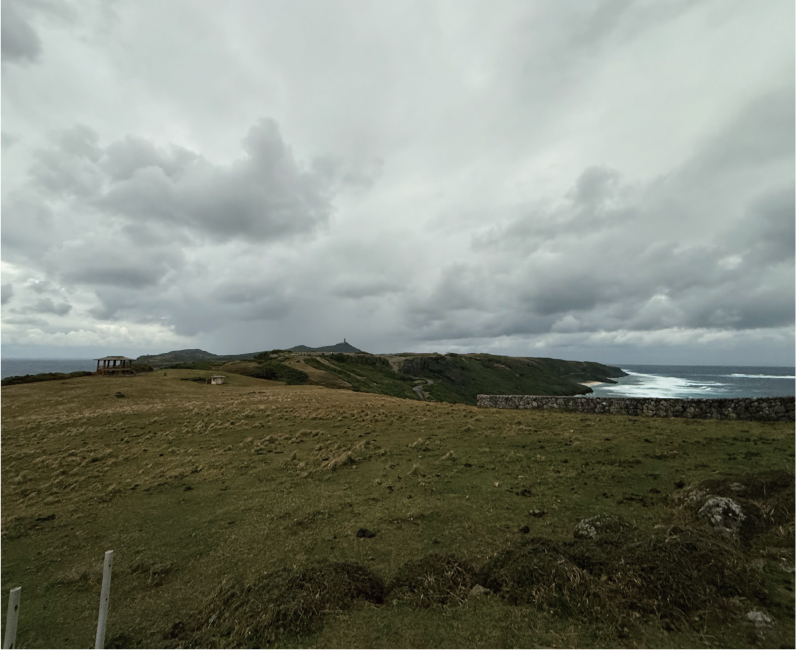
本来なら東シナ海の向こうから真っ赤な太陽が昇るはずなのに、見えるのは厚い雲の広がり。でも、「まっ、いいか」と思えるのは、ここが南国で、気分がゆるんでいるから。
残念ながら、南の島は曇天。
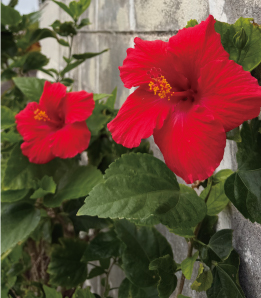
でも、ハイビスカスが咲くほどの暖かな気候。与那国馬ものんきな感じだ。
顔を出さない太陽に見切りをつけて、比川集落の「楓食堂」で朝食。オススメの「あざみそば」をいただく。イリオモテアザミという植物を麺に練り込んだもので、この食堂が発祥。もちもちとした食感、肉とも相性が良く、美味しかった。
食後は祖納集落へ。与那国島最大の集落なのに、寒さと雨のせいでか、人がいない。でも街並みには石垣やシーサーがあり、ハイビスカスも咲き、南国気分いっぱい。のんびりとした空気が心地いい。
Waiting for Japan’s last sunrise.
At 6:30 AM on January 21, Yonaguni Island was still shrouded in darkness, the only sound the rustle of wind through the trees. The temperature was 15℃— unusually cool for the season—yet I drove toward Cape Agarizaki with the windows down, breathing in the sea breeze. After a 20-minute drive past grazing Yonaguni horses, I reached the lookout for Japan’s latest sunrise. Thick clouds blocked the expected crimson sun, but in the relaxed spirit of the islands, I found myself thinking, ‘That’s alright.’ Giving up on the sun, I headed to Kaede Shokudo for ‘Azami Soba.’ These unique, chewy noodles made with Iriomote thistle were excellent. Afterward, I explored Sonai village.
Though the rain kept people indoors, the sight of stone walls, Shisa statues, and blooming hibiscus filled me with a tropical warmth. The island’s slow, unhurried pace felt incredibly comforting.
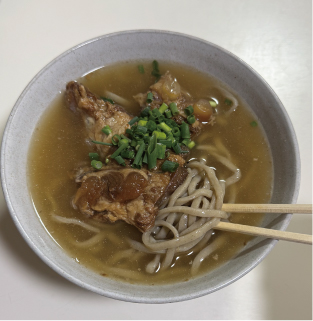
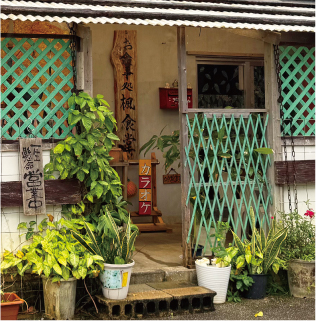
「八重山そば」を食べるつもりが「あざみそば」に変更。満足な朝食。
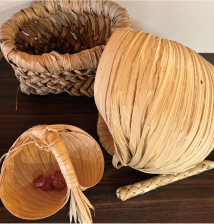
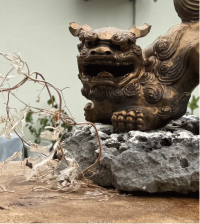
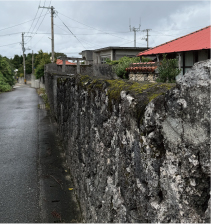
集落を歩くと、いたるところで南国らしい風景に出会う。開放的な気分になる。
街歩き、湖を眺め、夕暮れへ。どこもしばれる。
Feature | 2026.3.24
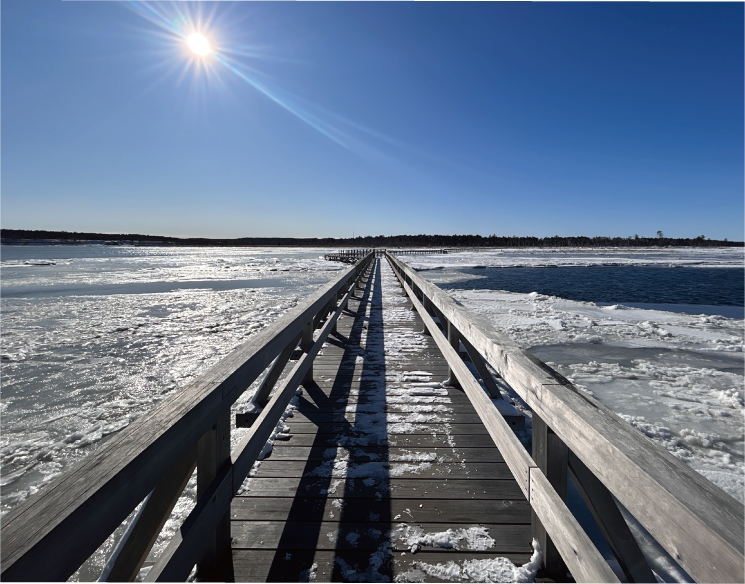
春国岱では、木製の歩道を歩いて島へと向かう。このあたりは野鳥の天国。
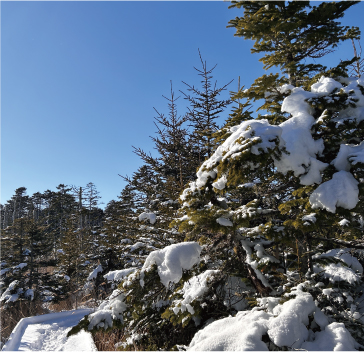
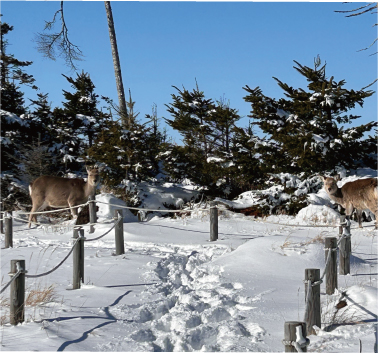
膝ぐらいまで積もった雪のなかを歩く。しばらく行くと鹿の親子と出会った。
昼食は、喫茶ドリアンの「エスカロップ」。
根室のソウルフードは、やさしいデミグラスソースがかかった、どこか懐かしい庶民的な美味しさ。
食後は根室の街を散策。観光らしいみどころはあまりなく、名物のカニを売る店があるくらい。それがかえって旅愁を誘い、いい雰囲気。
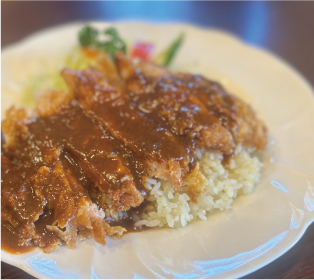
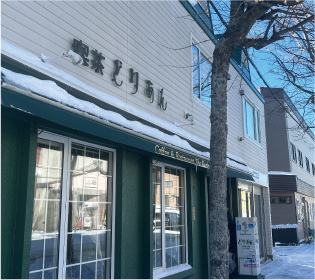
昼食は根室のソウルフードといわれている「エスカロップ」。うまい!
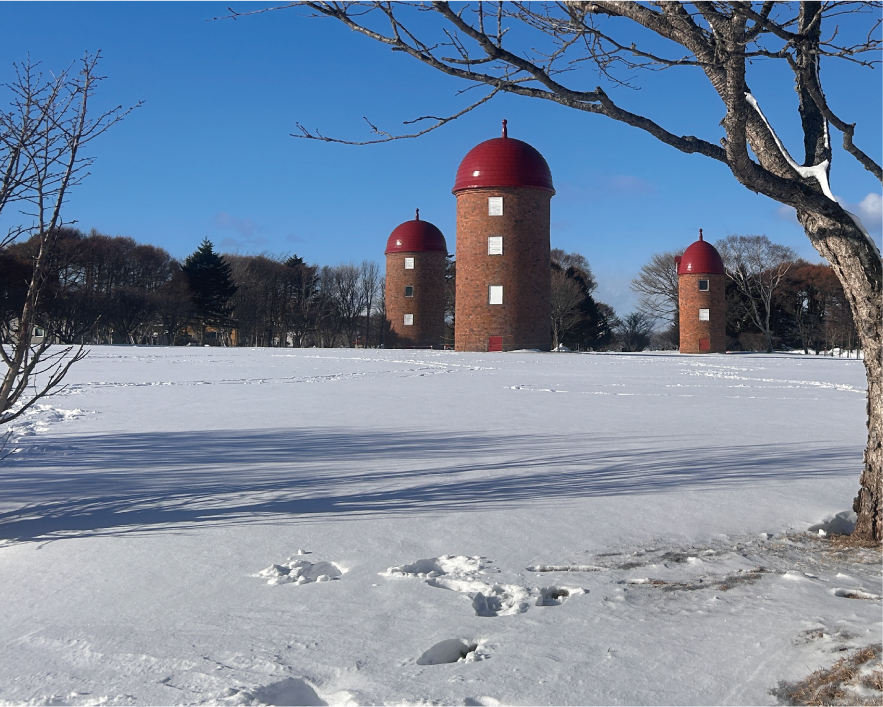
ブラブラと歩きながら明治公園でサイロを見る。公園でも市街地でも、見かけるのは雪掻きをする人くらい。真冬のこの寒さのなか、観光客は少ないようだ。ちなみにこの日の最高気温は約-2℃。「しばれる」という言葉の意味を、身をもって知る。
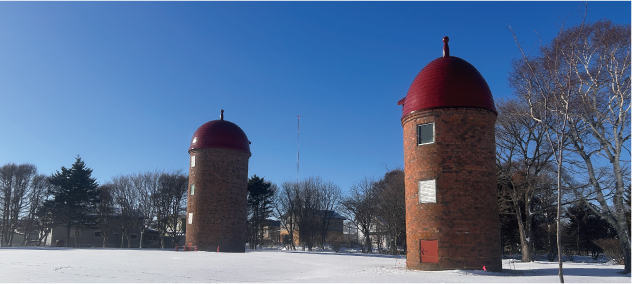
明治公園には1932年から1936年にかけて建設されたサイロが並ぶ。
夕陽を見ようと風蓮湖へ。寒風のなか展望台へ上がると、周囲は白一色。ここでは森に日が落ちるようなので、海へ日が沈む金刀比羅神社へ移動。道中、シカやクマへの注意を促す路面標示があり、ここが東京から離れた場所であることを実感した。
16時頃、金刀比羅神社に到着。展望台からは広がる海と、右手に根室港、その奥に弁天島を望む絶景の場所。日本の最東端でひっそりと、寒さに震えながら日没を待つ。
Strolling through town, gazing at the lake, and heading toward sunset — bitter cold everywhere.
Lunch was ‘Escalope’ at Cafe Dorian, a nostalgic Nemuro soul food topped with a gentle demi-glace sauce. Afterward, I wandered through the quiet streets. With few tourist attractions beyond shops selling local crab, the town held a lonely, melancholy charm. At Meiji Park, I stood among the silos in a landscape where the only other souls were locals shoveling snow. The day’s high was just -2℃, giving me a firsthand taste of shibareru—that stinging, bone-deep cold unique to Hokkaido’s winters. Chasing the sunset, I moved from Lake Furen to Kotohira Shrine. Seeing road signs warning of deer and bears made me realize how far I had traveled from Tokyo. By 4:00 PM, I stood at the shrine’s lookout, overlooking the harbor and Bentenjima Island. Shivering in the easternmost wind, I waited in silence for the sun to sink into the sea.
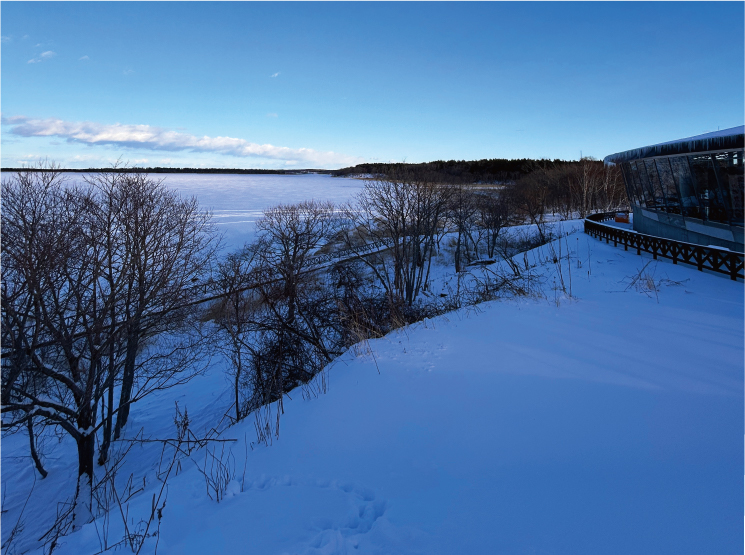
真っ白な風蓮湖。右にあるのは道の駅、この寒さのなかでお客さんはいるのか?
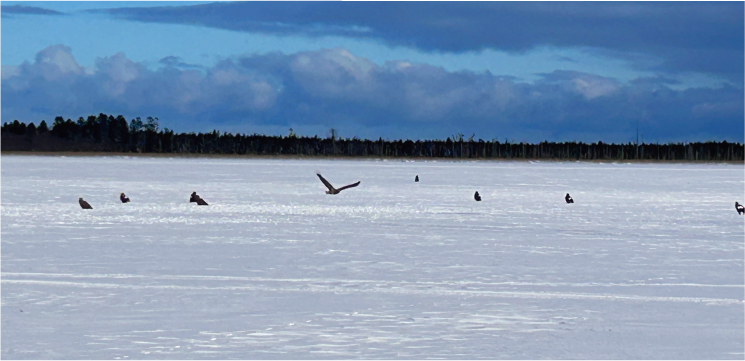
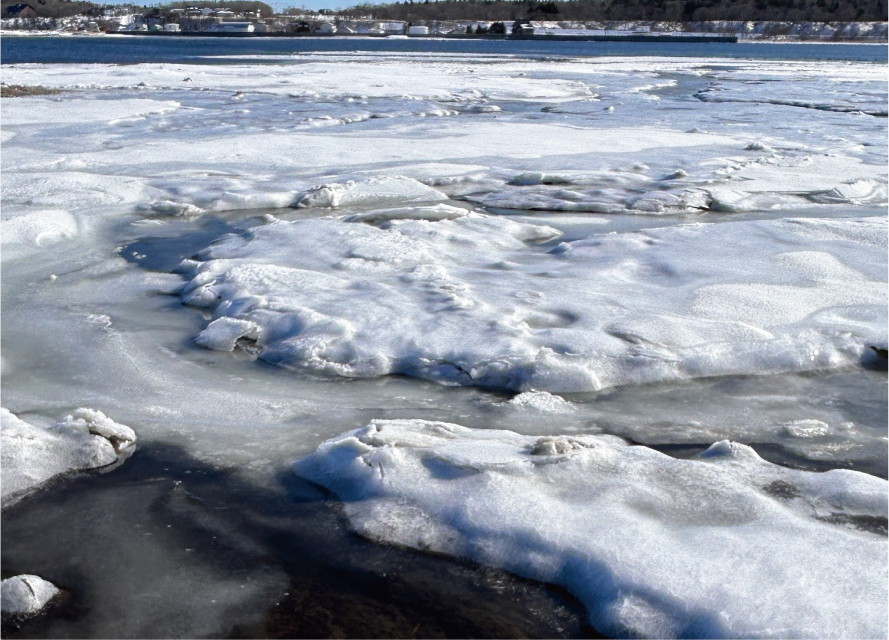
凍った湖面で羽を休める野鳥たち。どこか遠くの国から渡ってきたんだろうな。
南国ならではの、時間がゆるむ昼下がり。
Feature | 2026.3.24
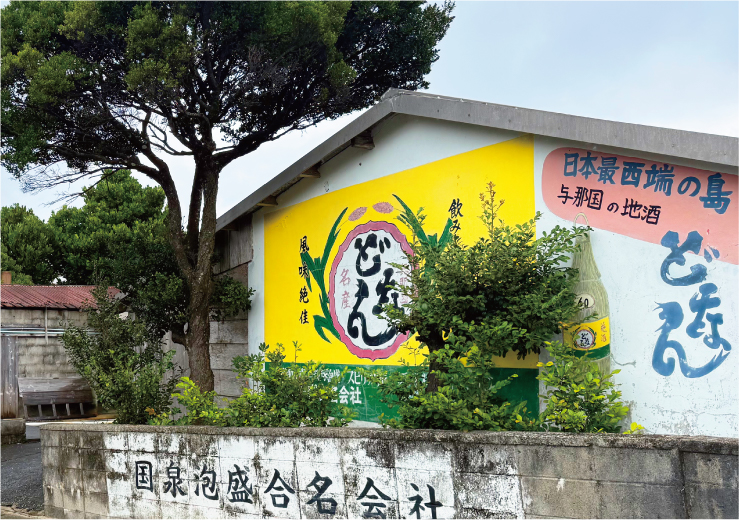
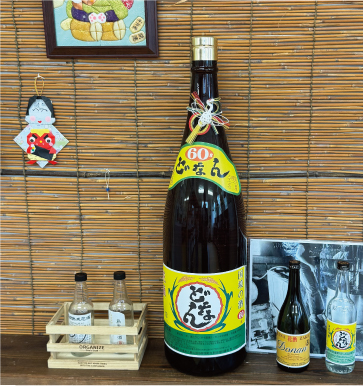
どなん酒造の「花酒」は、日本一のアルコール度数を誇る。取材中なので我慢。
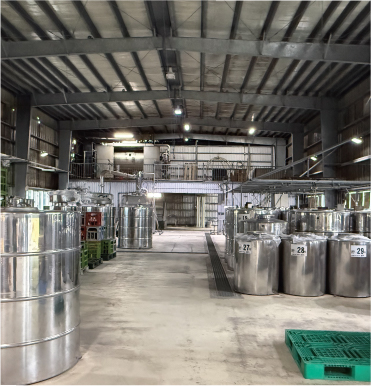
1月の与那国島の最高気温は平均約20℃。半袖に軽いジャケットがあれば問題なし。街歩きを楽しみ、泡盛の醸造所を見学して、さて昼食。
祖納集落のカフェ「パネス」でサンドイッチと長命草のスムージーをオーダー。長命草は、1株食べると1日長生きできるといわれ、与那国島の人々の健康を支えてきた。
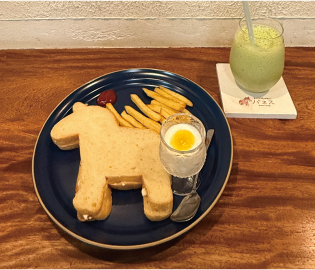
与那国馬をかたどったサンドイッチと長命草のスムージーでヘルシーな昼食。
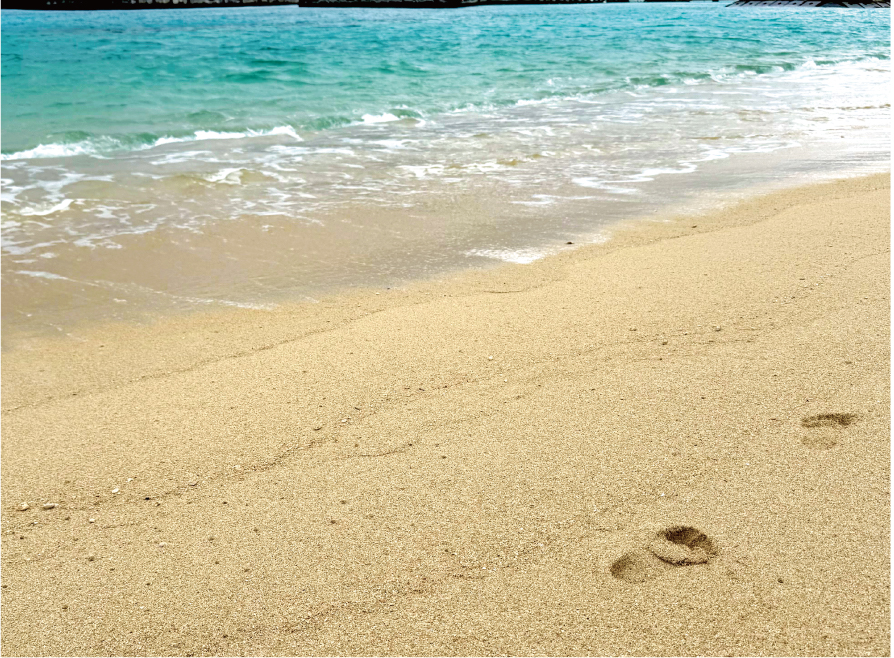
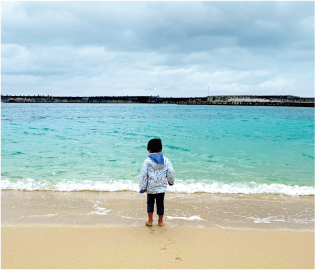
その後、ナンタ浜へ。雲は厚いが、海は青い。波の音を耳に、砂浜でぼんやりとする幸せ。大きく伸びをする、この開放感がたまらない。
海岸を南下すると、ティンダバナという崖がある。国の名勝・天然記念物に指定されている標高85mの岩山で、天然の展望台のようになっている。ここからの眺望が素晴らしく、祖納集落から東シナ海までを一望。
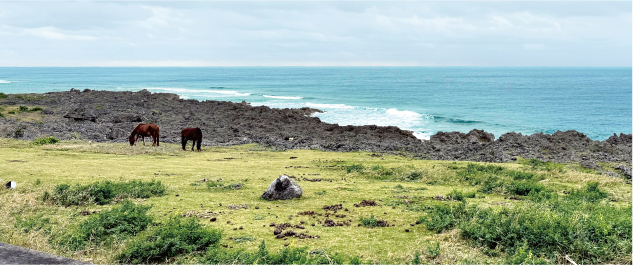
海を背景に吞気に草を食む与那国馬。気温は20度。海に足を浸けて遊べる気候。
その後、比川集落から久良部集落へと向かう途中に広がる南牧場へ。海を背に、何頭もの馬が思い思いに草を食む、のんびりとした風景。道路に馬がいるとき、車は馬が退くのを待つのだが、不思議とイライラしない。これも南国マジック。
An afternoon in the tropics, where time slows down.
With average January highs of 20℃, a light jacket is all you need. For lunch, I visited Cafe Panes in Sonai for a sandwich and a ‘Chomeiso’ (long-life herb) smoothie. Local lore says eating just one of these plants adds a day to your life—a symbol of the island’s vitality. Afterward, I lingered at Nanta Beach, soaking in the blue water and the liberation of the open coast. I then headed south to Tinda-bana, a 85-meter cliff that serves as a natural lookout, offering a stunning panorama of Sonai village and the East China Sea. Finally, I drove through Minami Ranch, where horses grazed peacefully against the ocean backdrop. When a horse blocks the road here, you simply wait for it to move. Unlike the city, there is no urge to hurry; the frustration never comes. That is the true ‘tropical magic’ of Yonaguni.
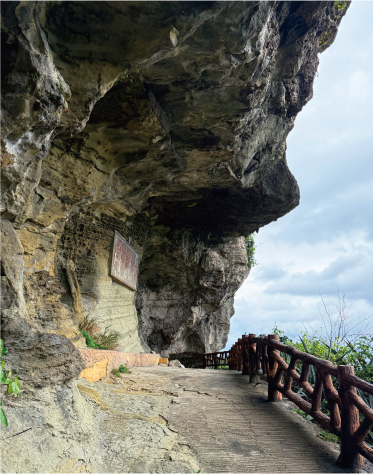
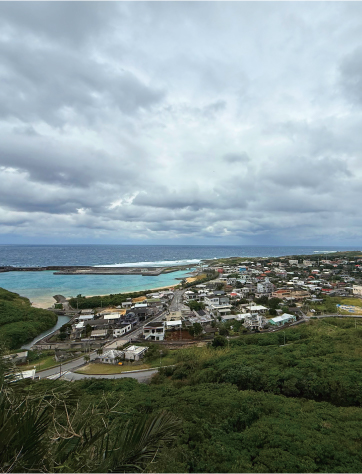
荒々しい風景があり、平穏な集落がある。与那国島は様々な表情を見せる。
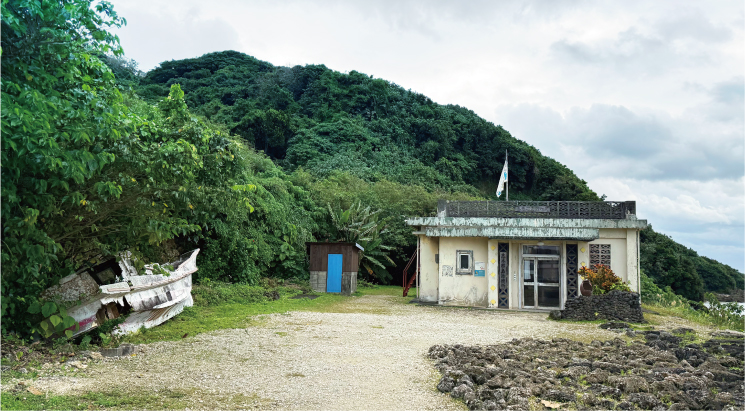
海辺にある朽ちた船と小さな建物。こんな風景も南の島らしい。
寒い、だからこの街に留まりたくなった。
Feature | 2026.3.24
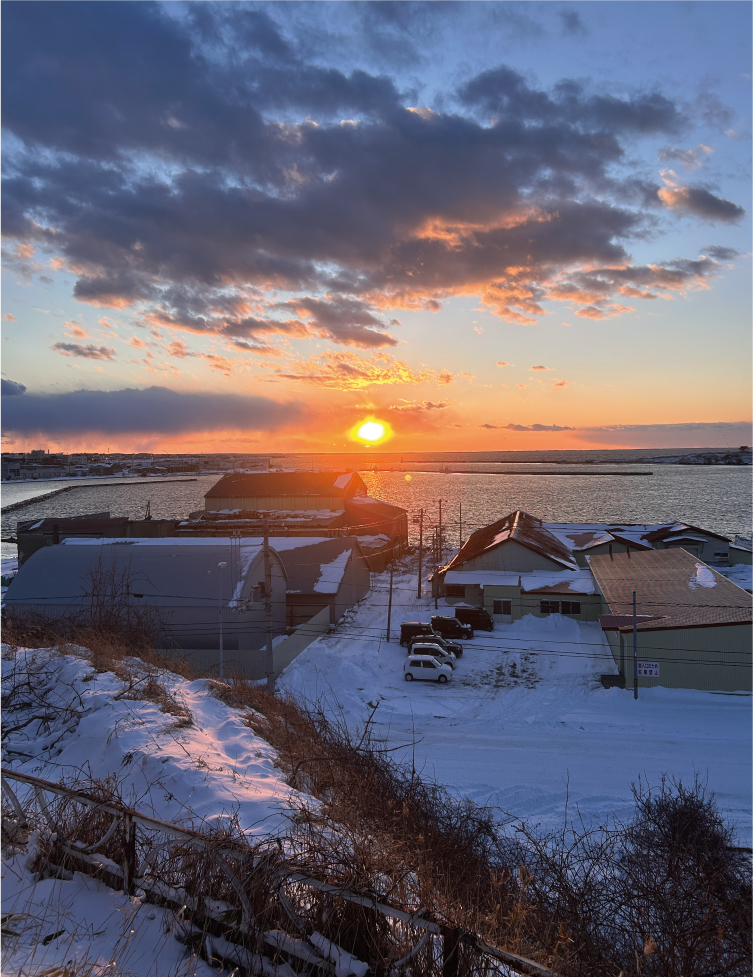
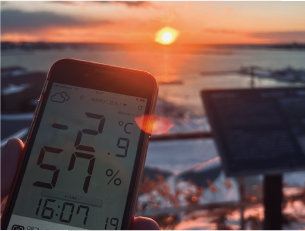
展望台から海へ落ちていく夕陽を眺める。気温は−3℃ほど、寒さにも慣れてきた。
17時30分頃、太陽が根室海峡の向こうへと沈んでいく。まわりには誰もいない。自分ひとり静寂のなか、夕陽と対峙している。
日が落ちるのが目視できる。その速度は意外と速く、地球がまわるスピードを実感する。
ブルーから、水平線に滲む赤へと移ろう空の色。その美しさに、ただ途方に暮れて見とれていた。この風景を独り占めできる歓び。ここまで来て、本当に良かったと思えた。
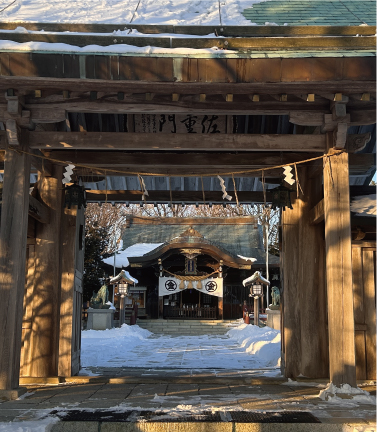
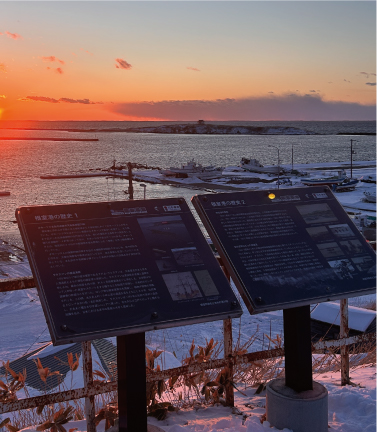
雪に覆われた金刀比羅神社。その先で、弁天島と根室港を望みながらの夕陽を鑑賞。
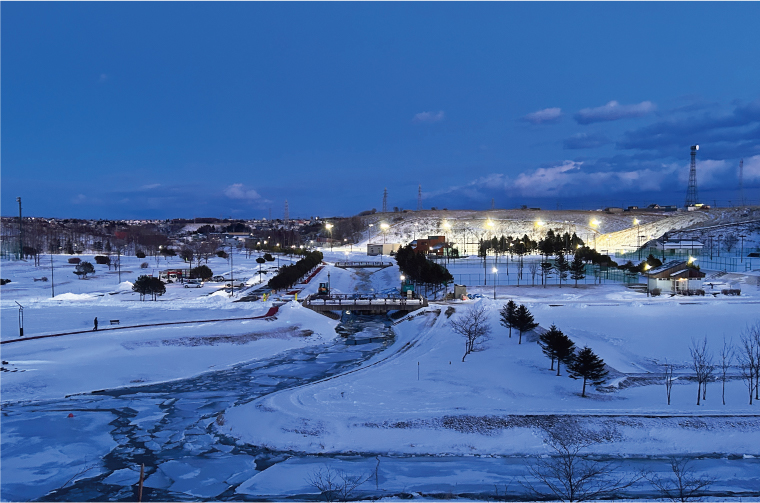
ライトアップされた雪景色にうっとり。陽も暮れて、寒さが痛く感じられる。
夜になり、気温はさらに下がり−4.6℃。夕食は地元で評判の寿司屋へ。マグロ、サンマ、花咲ガニとどれも絶品。
その後、宿へ。吹雪のなか、歩く人もいない。街角で揺れる赤提灯が、暖を求める客を誘っている。耳にするのはヒューヒューと吹き抜ける風の音だけ。あぁ、寒い。
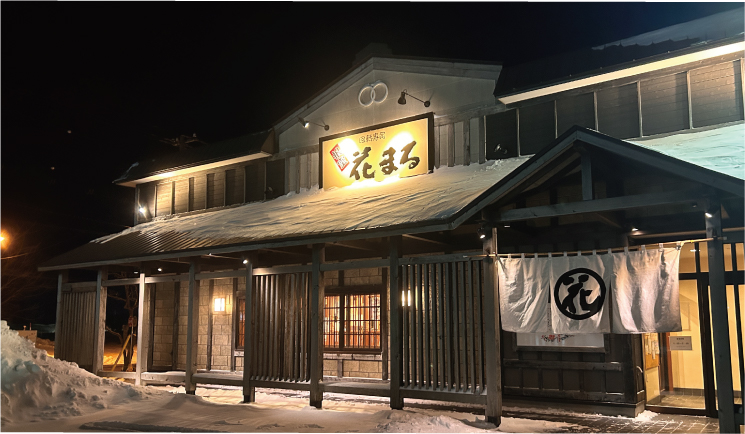
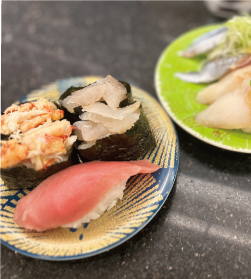
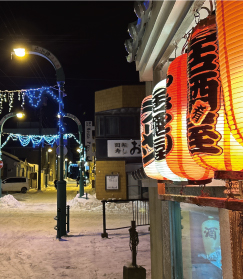
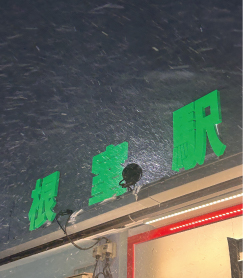
暖かな与那国島の取材班がうらやましいと思う一方で、凜とした凍えるような空気感も嫌いでないと思っている。真冬の日本最東端の場所。
この、しばれる街にもうしばらくいたいと思った。
The cold made me want to stay.
Around 5:30 PM, the sun sank beyond the Nemuro Strait. In the absolute silence, I stood alone. Watching the sun drop so visibly made the Earth’s rotation feel real. The sky shifted from deep blue to a bleeding red—a sight so beautiful I was left speechless. Having this view all to myself made the journey worth every mile. By night, it hit -4.6℃. I enjoyed a dinner of tuna, saury, and Hanasaki crab; the local sushi was pure perfection. Later, heading to the inn, the streets were empty of people. Through the blizzard, I saw red lanterns swaying at corners, beckoning from the dark. The only sound was the whistling wind. It was incredibly cold. I envied the team in tropical Yonaguni, yet I was drawn to this crisp, dignified air. Here, at the eastern edge of winter, I realized I wanted to stay in this ‘shibareru’ town just a little longer.
浜辺で泡盛を飲み、次の日の出を待ちたい。
Feature | 2026.3.24
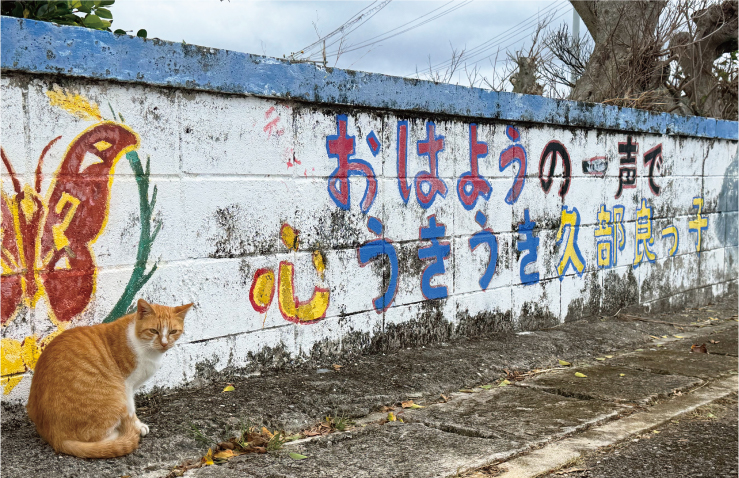
島のあちらこちらに猫がいた。ここではコタツで丸くなることもない。
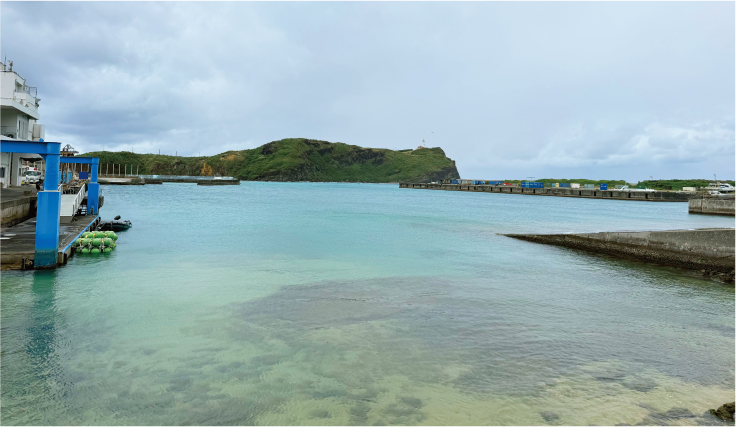
与那国島は海がきれい。4月頃には泳げるといわれている。
17時30分頃、与那国島はまだ明るい。久部良集落を散策して時間をつぶす。赤い瓦屋根の家が並び、庭には南国の植物が植えられ、なんともエキゾチック。小径を歩けば、すぐに海岸へでる。ときおり、家の前に椅子をだし、ぼんやりと座っている老人がいる。これも南の島によくある風景。
この日の与那国島の日没は18時25分頃。夕陽を見に西崎(イリザキ)へと向かう。灯台の近くには「最西端之地」と書かれた碑があり、ここで日の入りを待つ。しかし目に映るのは厚い雲だけ。
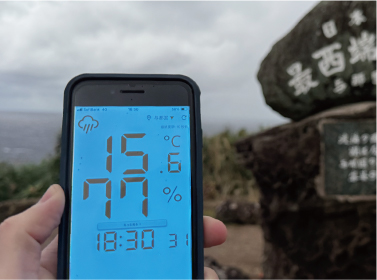
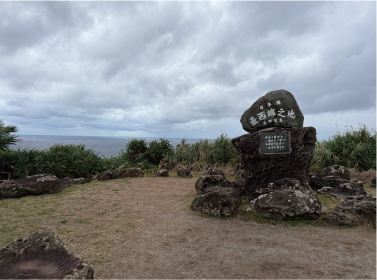
日本の最西端スポット。そして気温は約15℃。端っこに来たことを実感。
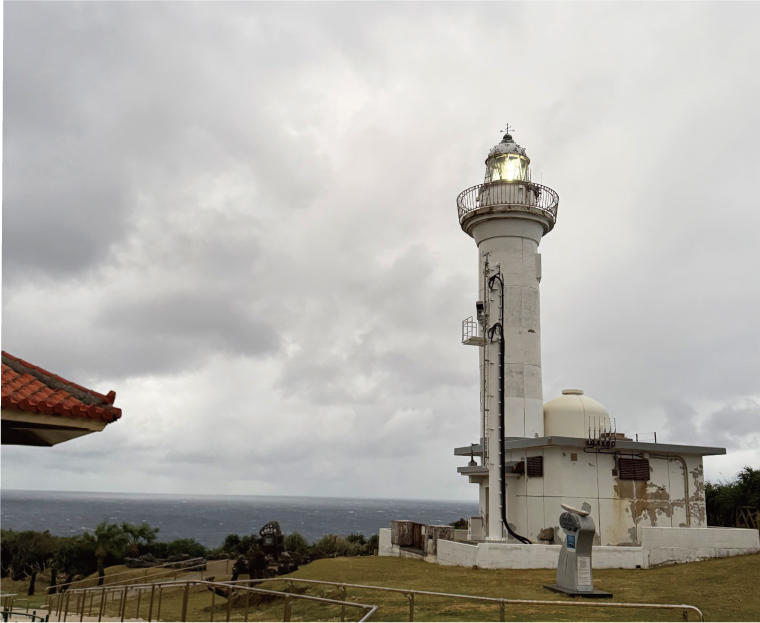
味わいある姿の西崎灯台。晴れた日はここから台湾が見えるという。
ま、こんな日もあるわ、と祖納集落へ晩ご飯を食べに行く。そこでは、カジキやシルイユーといった与那国近海で獲れた魚介や島らっきょうを味わいながら、泡盛「どなん」を楽しむ、最高の夕食が待っていた。
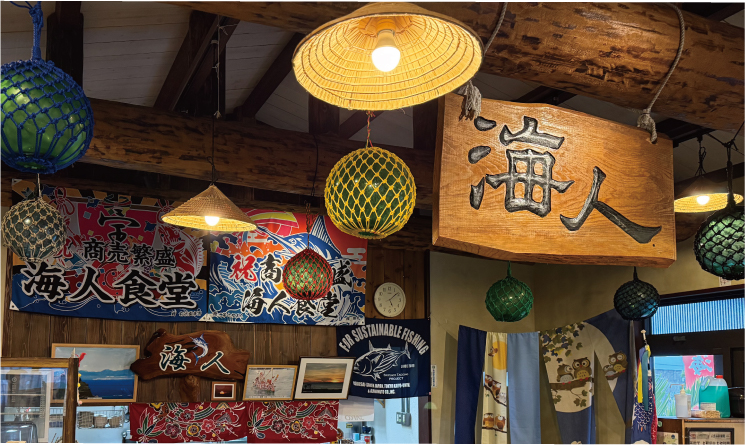
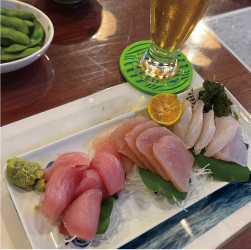
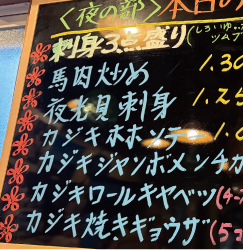
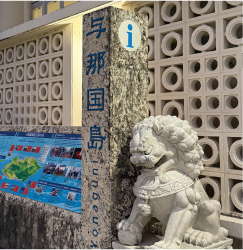
ゆっくりと流れる時間のなかに生活がある与那国島は、一日が長い。そして、そのスローなリズムが心地いい。泡盛を飲み、砂浜に腰を下ろして、そのまま、次の日の出を待つのもいいかもしれない。
Awamori on the beach, waiting for the next sunrise.
At 5:30 PM, Yonaguni was still bathed in daylight. I wandered through Kubura village, where red-tiled roofs and lush tropical plants created an exotic charm. On the paths leading to the shore, I saw elders sitting peacefuly in chairs outside their homes—a classic image of southern island life. Sunset was at 6:25 PM, so I headed to Cape Irizaki. Standing by the ‘Westernmost Point’ monument, I waited for the sun, but once again, thick clouds held firm. ‘Some days are just like this…,’ I thought, and headed back for dinner. It was a feast of local marlin and Shima-rakkyo paired with the potent Awamori, ‘Donan.’ Life on this island follows a slow, deliberate rhythm that makes the days feel wonderfully long. Sitting on the sand with a glass of Awamori, I felt I could stay there forever, simply waiting for the next sunrise.
根室市 ~いちばん東にある、いちばんの楽しみ。~
Feature | 2026.3.24
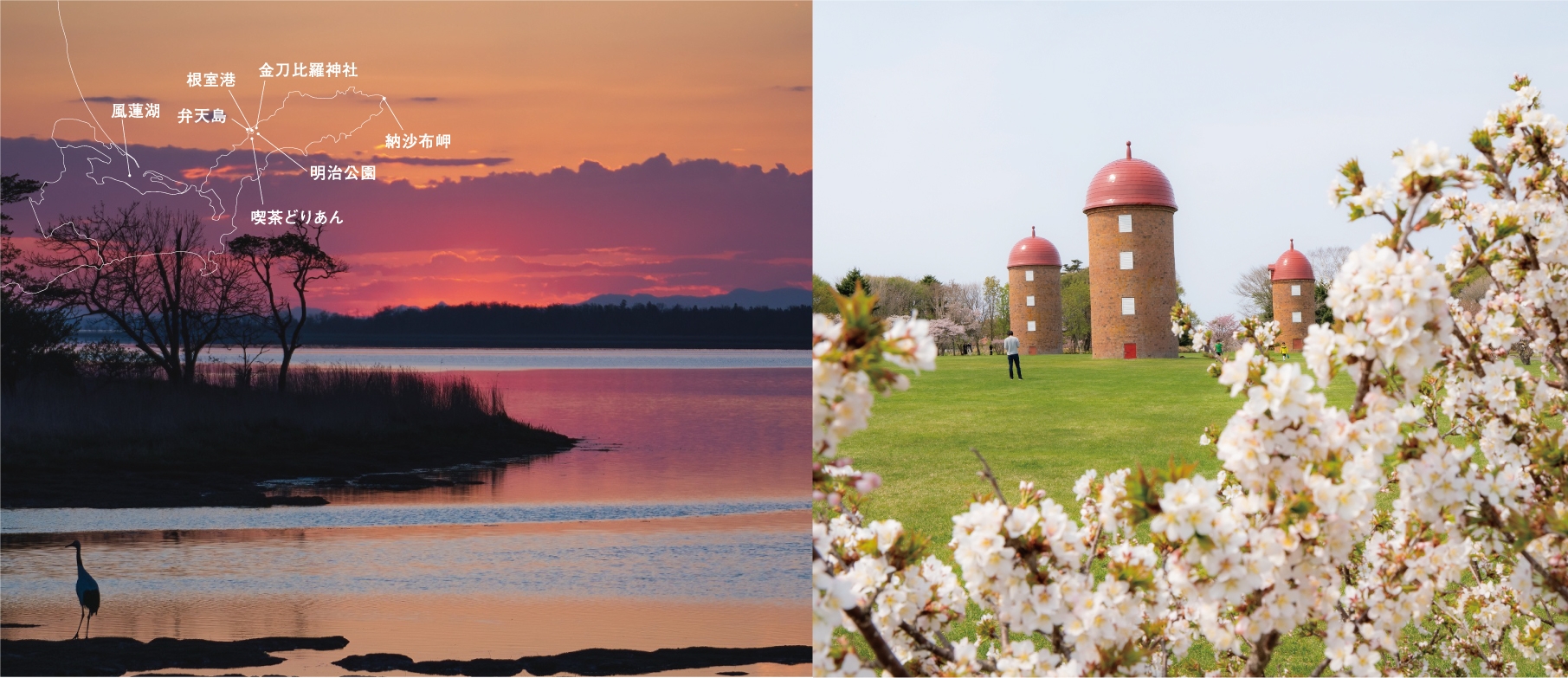
根室市
~いちばん東にある、いちばんの楽しみ。~
本土最東端の根室市。朝日がきらめく岬、湿原に集う野鳥、賑わう祭りと旬の味覚。
北の大地と海の恵みを、五感でたっぷりと楽しめます。
遙かなる時代を想う
「根室半島チャシ跡群」。
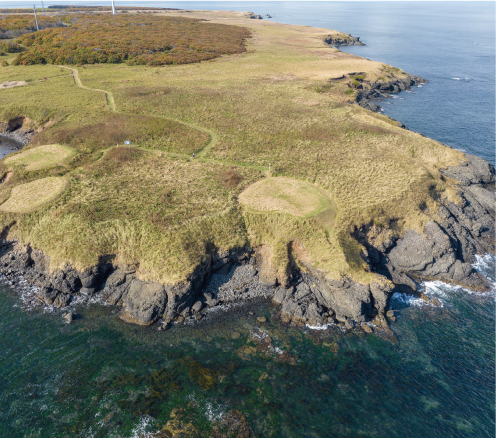
根室には崖上に壕を巡らす面崖式が多く、16~18世紀頃の砦や祭祀の場とされています。また市内24カ所に国指定史跡の「根室半島チャシ跡群」があります。
ラムサール条約で保護される
「春国岱」。
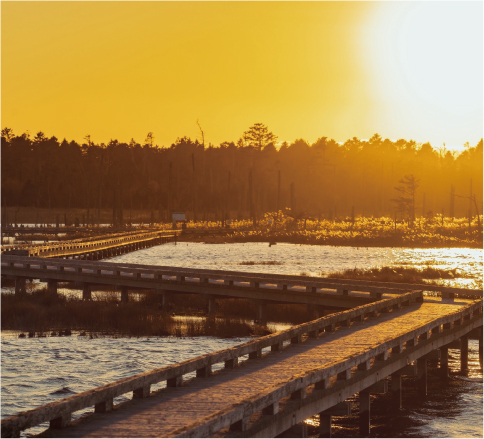
風蓮湖と根室湾を隔てる全長8kmの砂州・春国岱。三列の砂丘と原生花、アカエゾ松林が広がる。ラムサール条約登録の国際的にも重要な湿地となっています。
本土最東端に位置する
「納沙布岬」。
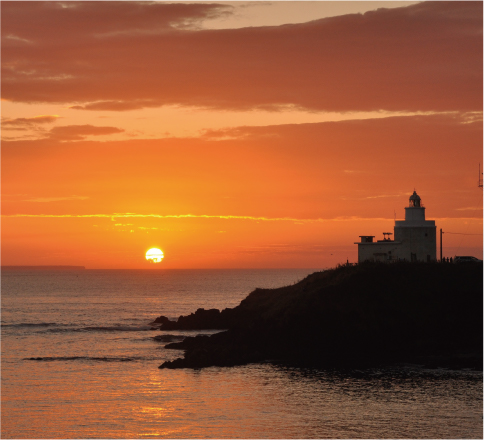
本土最東端の岬。最も早く朝日と出会える地で、明治5年点灯の北海道最古の灯台が立つ。北方領土を望み「望郷の家」や「北方領土資料館」に多くの人が訪れます。
最東端の文化と自然を体験する。

金刀比羅神社例大祭
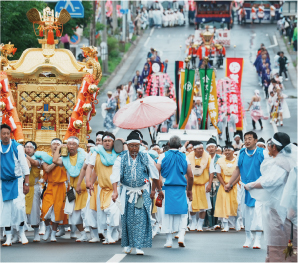
8月上旬開催の根室・金刀比羅神社例大祭。神輿と山車など約1100人が練り歩く三日間の大祭。北海道無形民俗文化財。
根室かに祭り
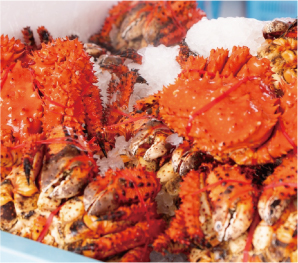
花咲がにを味わう根室かに祭り。1959年花咲漁港で始まり、今は根室港で開催。特価販売や早食い競争が賑わう秋の名物。

根室さんま祭り
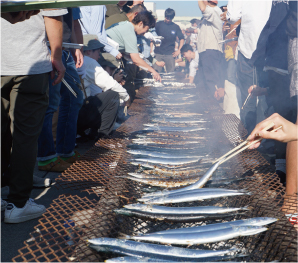
水揚げ日本一の根室で開くさんま祭り。脂のる秋刀魚を炭火焼で味わい、箱売り即売や演舞も楽しめる秋の味覚イベント。
根室にいる、野生の生き物たち。
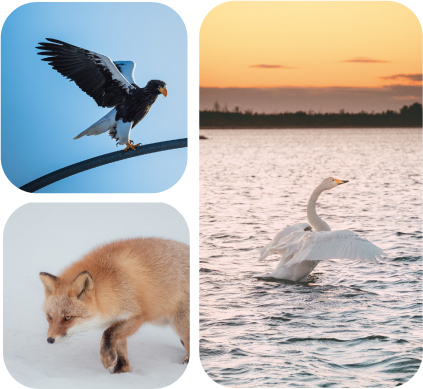
国内最大級の白鳥飛来地をはじめ、オオハクチョウやタンチョウやオオワシなど約370種の野鳥が集う根室。
エゾジカやキタキツネ、エゾリスといった動物にも出会えます。

根室市観光協会公式
WEBサイト
https://nemuro-kankou.com

与那国町 ~いちばん西にある、いちばんの感動。~
Feature | 2026.3.24
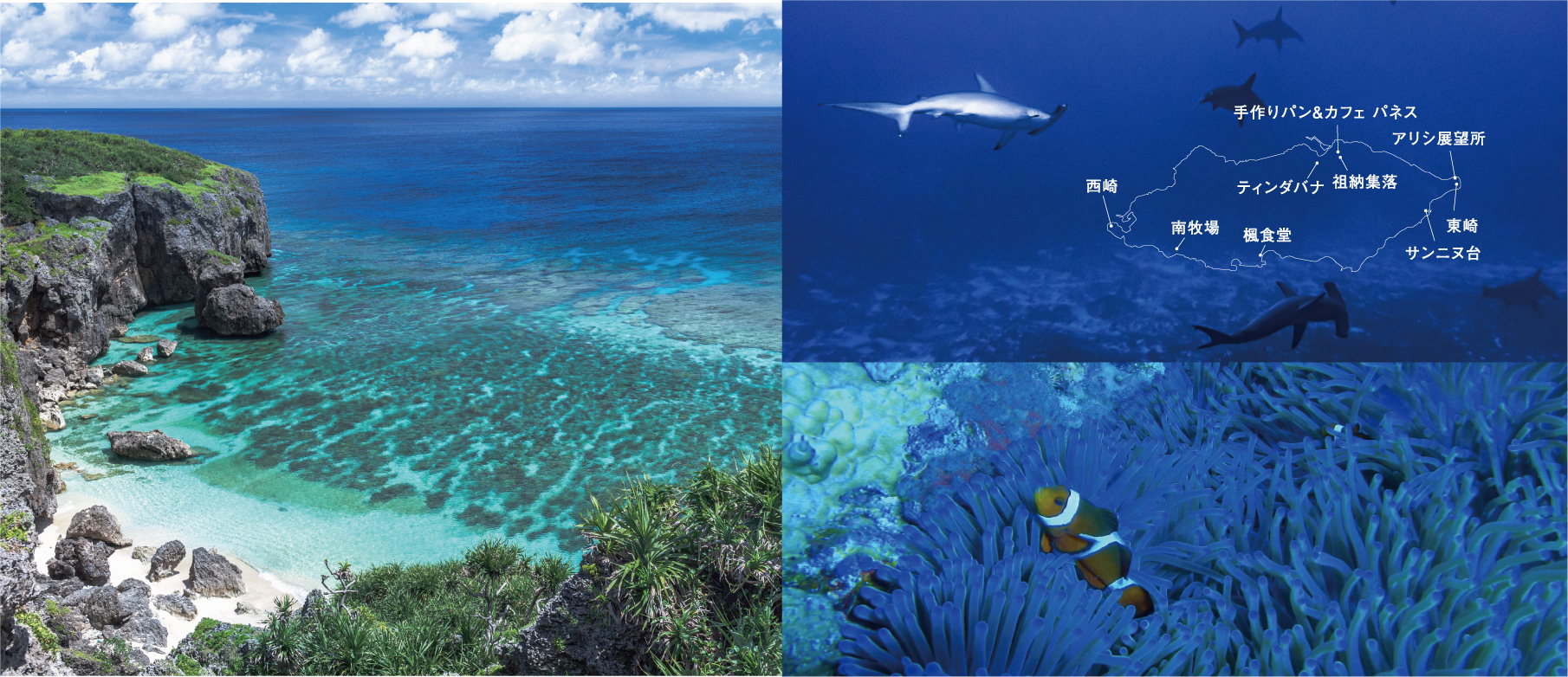
与那国町
~いちばん西にある、いちばんの感動。~
日本最西端にある与那国島。神秘の海とやさしい大地、魚との闘いと島馬のぬくもり、
そして受け継がれてきた手仕事が響き合う体験の島。
世界の謎に迫る半潜水観光船。
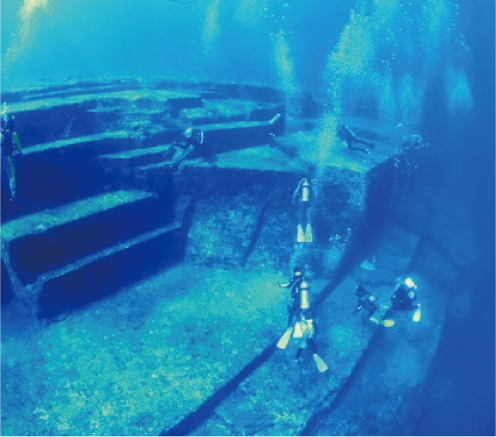
半潜水観光船で、海底遺跡まで約18分。人工的な「海底遺跡」なのか、自然の「海底地形」なのか、その真相に迫る水中景観を展望室から堪能します。
ヨナグニウマと楽しい触れ合いを。
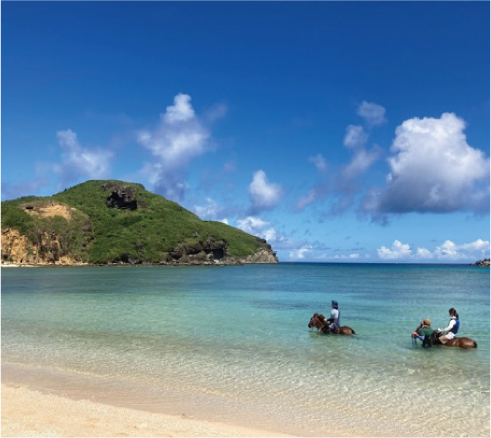
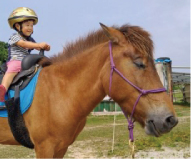
最西端の牧場で、在来馬ヨナグニウマと遊ぶ。与那国語で「ちま(島)んま(馬)」。多くの笑顔に応える、ちまんまたち。旅の楽しい思い出になります。
島の成り立ちが表れた地形を見る。
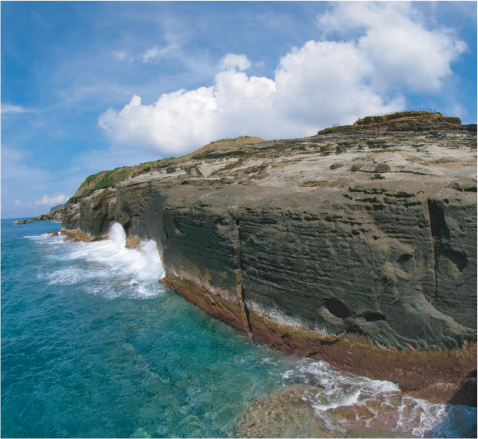
与那国島南東部のサンニヌ台は、断崖と階段状地形が連なる景勝地。砂岩層や断層、生痕化石が良好に残る、島の成り立ちを知る学術的にも貴重な海岸です。
最西端の文化と自然を体験する。

日本最西端
与那国島
国際カジキ釣り大会
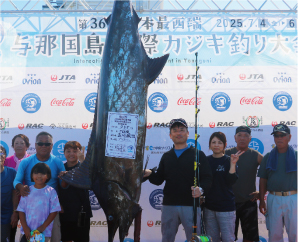
巨大魚に挑むカジキ釣り大会。誇りを懸け世界の猛者が集い、島人と交わる海の祭典が夏最大の興奮を呼びます。

日本最西端
与那国島
一周マラソン大会
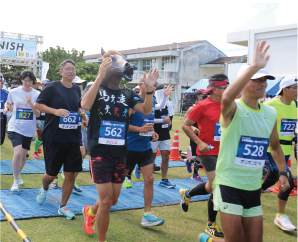
青海の絶景を走る与那国マラソン。制限時間がゆったりで初心者から上級者まで挑戦しやすい大会です。

与那国織
「徳美工房 。」で
染め物体験
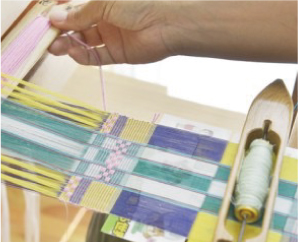
島の草木で染め四代続く与那国織。伝統を守りつつ自分らしさを重ねる「徳美工房。」。体験教室は手ぶらで参加可能。
触れ合い、愛される
天然記念物、ヨナグニウマ。
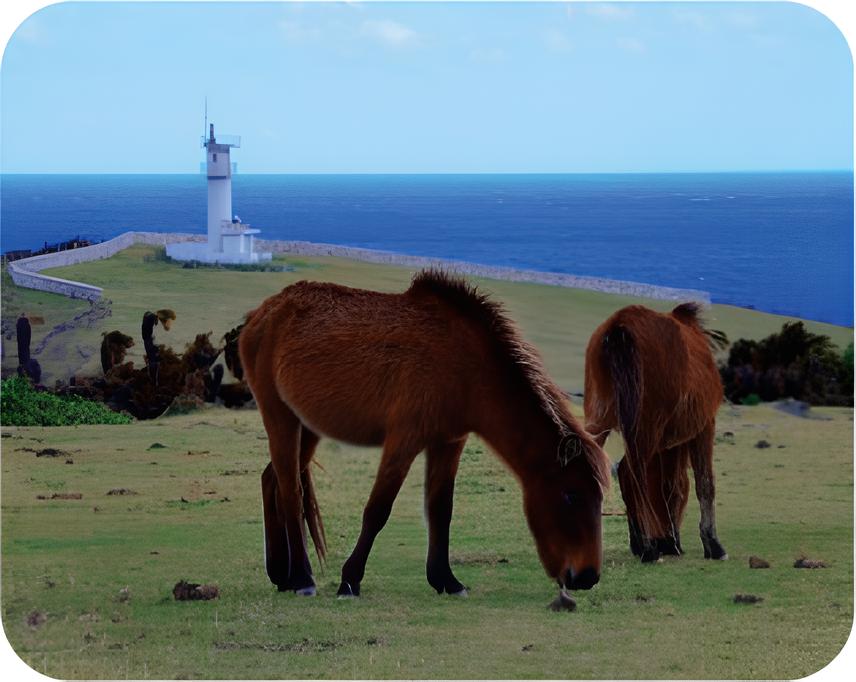
ヨナグニウマは、日本に8種残る日本在来馬(和種馬とも言う)の1種。
1969年3月25日に、与那国町の天然記念物に指定され島内外の人に愛されています。

《与那国観光WEB》 与那国町観光協会
https://welcome-yonaguni.jp/