






ウィーン、
リンクにあふれる
芸術。
ウィーン、リンクにあふれる芸術。
芸術濃度の高い街を旅する、という話。
「芸術の都」や「音楽の都」といわれるウィーン。 騙されたと思って行ってみれば、 本当にそうだったと思える希有な場所。 ハプスブルク家の帝都とも呼ばれるだけに、 街には高尚な雰囲気が漂っている。 カフェ文化も栄えていて、 ザッハートルテは世界的に有名なスイーツのひとつ。 街はスワロフスキーの煌めきのように、きらきらしている。 その輝きは歴史が積み重なるほどに増し、 いまでは国を超えて芸術好きが訪れる。 旧市街を囲むリンクシュトラーセに収まりきらない ウィーンの魅力を取り上げた今回の特集。 この号を読んで、ウィーンで芸術に 浸りたいと思ってもらえればうれしいです。
ウィーン、リンクにあふれる芸術。
Feature | 2026.2.20
芸術濃度の高い街を旅する、という話。
「芸術の都」や「音楽の都」といわれるウィーン。
騙されたと思って行ってみれば、
本当にそうだったと思える希有な場所。
ハプスブルク家の帝都とも呼ばれるだけに、
街には高尚な雰囲気が漂っている。
カフェ文化も栄えていて、
ザッハートルテは世界的に有名なスイーツのひとつ。
街はスワロフスキーの煌めきのように、きらきらしている。
その輝きは歴史が積み重なるほどに増し、
いまでは国を超えて芸術好きが訪れる。
旧市街を囲むリンクシュトラーセに収まりきらない
ウィーンの魅力を取り上げた今回の特集。
この号を読んで、ウィーンで芸術に
浸りたいと思ってもらえればうれしいです。
A Journey Through a City Saturated with Art.
Known as the “City of Art” and the “City of Music,”
Vienna is a rare place where you will realize the truth of its reputation once you visit.
As the imperial capital of the Habsburg dynasty,
the city is permeated with a noble and high-class atmosphere.
Its cafe culture also flourishes,
with the Sachertorte being one of its world-famous sweets.
The city sparkles with a brilliance,
much like the shimmer of Swarovski.
That radiance only increases as history layers upon itself,
and today, art lovers from across the globe visit.
This special feature captures the charms of Vienna that cannot be contained within the Ringstrasse surrounding the Old Town.
I would be delighted if, after reading this issue,
you felt inspired to immerse yourself in the art of Vienna.
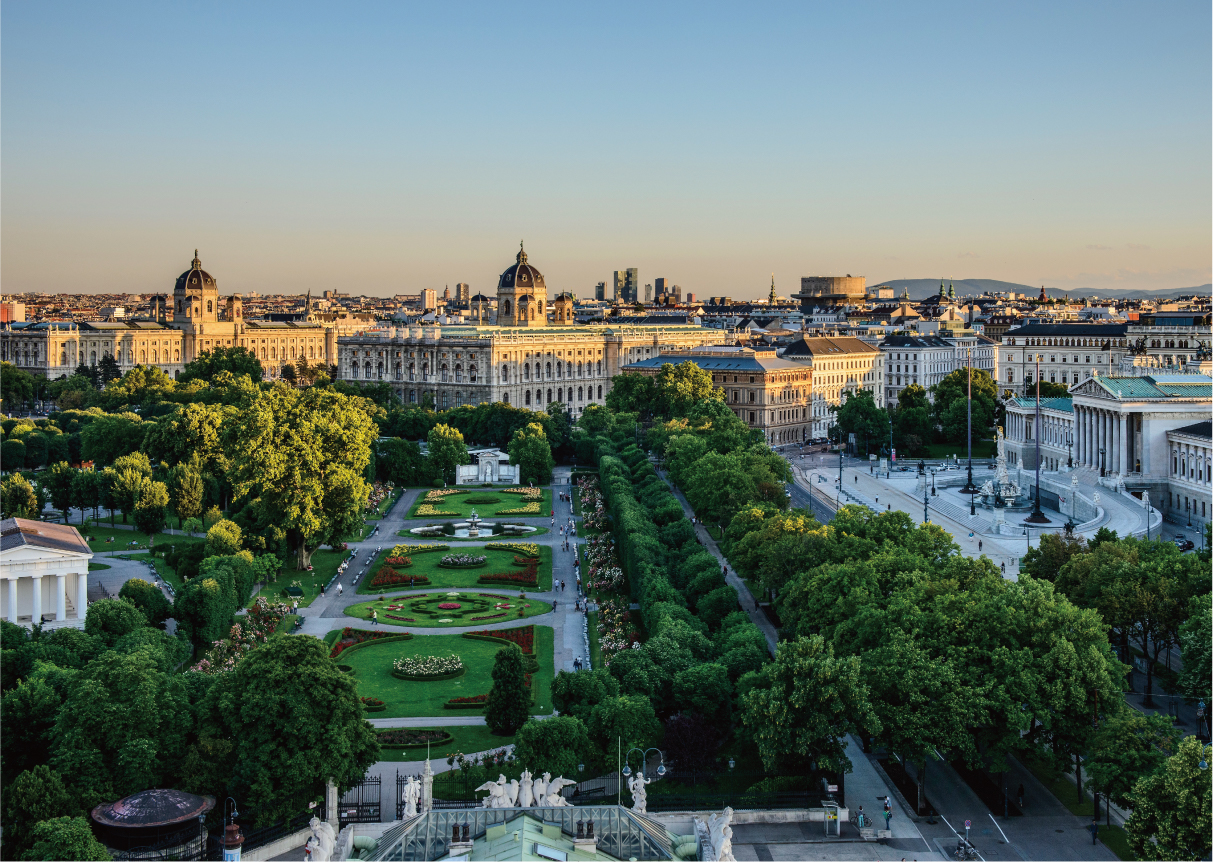
芸術の都といえばパリ。ルーヴル美術館を中心に、街のいたるところに
大小さまざまな美術館やギャラリーがある。
しかし、芸術の密度でいうとウィーンのほうが高いのではないかと思う。
旧市街を包む、およそ5kmの環状道路「リンクシュトラーセ」の内側に
王宮や議事堂、歌劇場などが凝縮されている。
さらにその環から溢れだすように、周囲には美術館や宮殿が点在している。
クラシック音楽、絵画、建築。
リンクシュトラーセを歩けば、ウィーンの芸術の深層をめぐることができる。
When it comes to the city of art, Paris comes to mind.
Centered around the Louvre Museum,
there are numerous museums and galleries of all sizes scattered throughout the city.
However, I believe Vienna surpasses Paris in terms of art density.
Within the 5-kilometer-long Ringstrasse around the old town, the Imperial Palace,
Parliament, and State Opera House are all clustered tightly,
with museums and baroque architecture spilling outward.
Classical music, painting, architecture—walk the Ring and you walk through Vienna’s artistic soul.
19世紀後半、旧市街を囲んでいた城壁を撤去して築かれたのがリンクシュトラーセ。環状道路として整備され、ここを走るトラムに乗れば、ウィーンの街をぐるりと楽しめる。
リンクシュトラーセの内側には音楽と美術が高密度に息づいている。国立歌劇場に響く美しい音、さまざまな建築物が見せつける時代ごとの様式美、その奥には世紀末の美術が醸しだす退廃と官能がほのかに漂っている。
リンクは芸術を容れる器であり、同時に境界でもある。しかし、この街で芸術は膨張し、やがてリンクからあふれだしていく。
リンクの内側にある芸術とは、特定の名画や美術館だけを指すものではない。建築の装飾や街路のリズム、石畳に落ちる光の表情までが、ひとつの美意識として編み込まれている。音楽や美術は空間内にとどまらず、街のなか、そしてリンクの周辺へと静かに広がっていく。こうしてウィーンの芸術は、日常の延長となって息づいている。
たとえばパリが、多種多様な国からさまざまな時代の作品を大量に収集した一大芸術都市だとすれば、ウィーンは独自に時間を重ねながら美を深めてきた都市といえるかもしれない。クラシック音楽の形式美の上に、世紀末美術の感性が重なり、華やかさの裏側には、どこか翳りが漂う。そんな感性が、ウイーンの芸術に独特の濃度を与えている。
そしていまも、音楽は演奏され、建築は日常の中で使われ、美術は新しい解釈を受け入れながら更新されている。ウィーンの芸術は、過去の遺産として保存されているだけではない。リンクシュトラーセは歴史を閉ざすことなく、街には新たな活気があふれている。だからこそ、ウィーンは何度訪れても楽しく、発見がある。
芸術に浸りたくなったら、ウィーンへ行こう。トラムに揺られ、リンクをめぐり、音に包まれ、石畳を踏みしめて。歩くだけで、立ち止まるだけで、カフェで一杯のコーヒーを飲むだけで、芸術はそこにある。過去と現在が重なり五感をひらく旅を楽しむ。
次の目的地は、もう決まっている。リンクシュトラーセのある街、ウィーンへ。
Built in the late 19th century on the site of former city walls, the Ringstraße is a circular boulevard. Riding its trams offers a perfect panoramic tour of Vienna’s historic center.
Within the Ring, music and art exist in dense harmony. From the melodies of the State Opera to the diverse architectural styles, the city is steeped in the decadent and sensual atmosphere of the Fin de Siècle.
The Ring acts as both a vessel for art and its boundary. Yet, in Vienna, art is so expansive that it inevitably spills over the Ring and into the wider city.
Art here is not confined to museums; it is woven into the architectural details, the rhythm of the streets, and the light on the cobblestones. Art transcends physical spaces to become a seamless extension of daily life.
If Paris is a vast art capital that collected masterpieces from across the world, Vienna is a city that deepened its beauty through its own layers of time.
The formal beauty of classical music blends with the sensibilities of fin-de-siècle art, where a subtle shadow lingers behind the splendor. This gives Viennese art its unique depth.
Even today, music is performed, buildings are lived in, and art is constantly renewed with fresh interpretations. It is not merely a preserved relic of the past.
The Ringstrasse does not close off history; instead, the city brims with new vitality. This is why Vienna offers fresh discoveries with every visit. When you crave art, go to Vienna.
Sway on a tram, walk the cobblestones, and embrace the sound. Whether walking or sipping coffee, art is everywhere. Enjoy a journey where past and present overlap to awaken the senses. The next destination is already decided: Vienna, the city of the Ringstrasse.
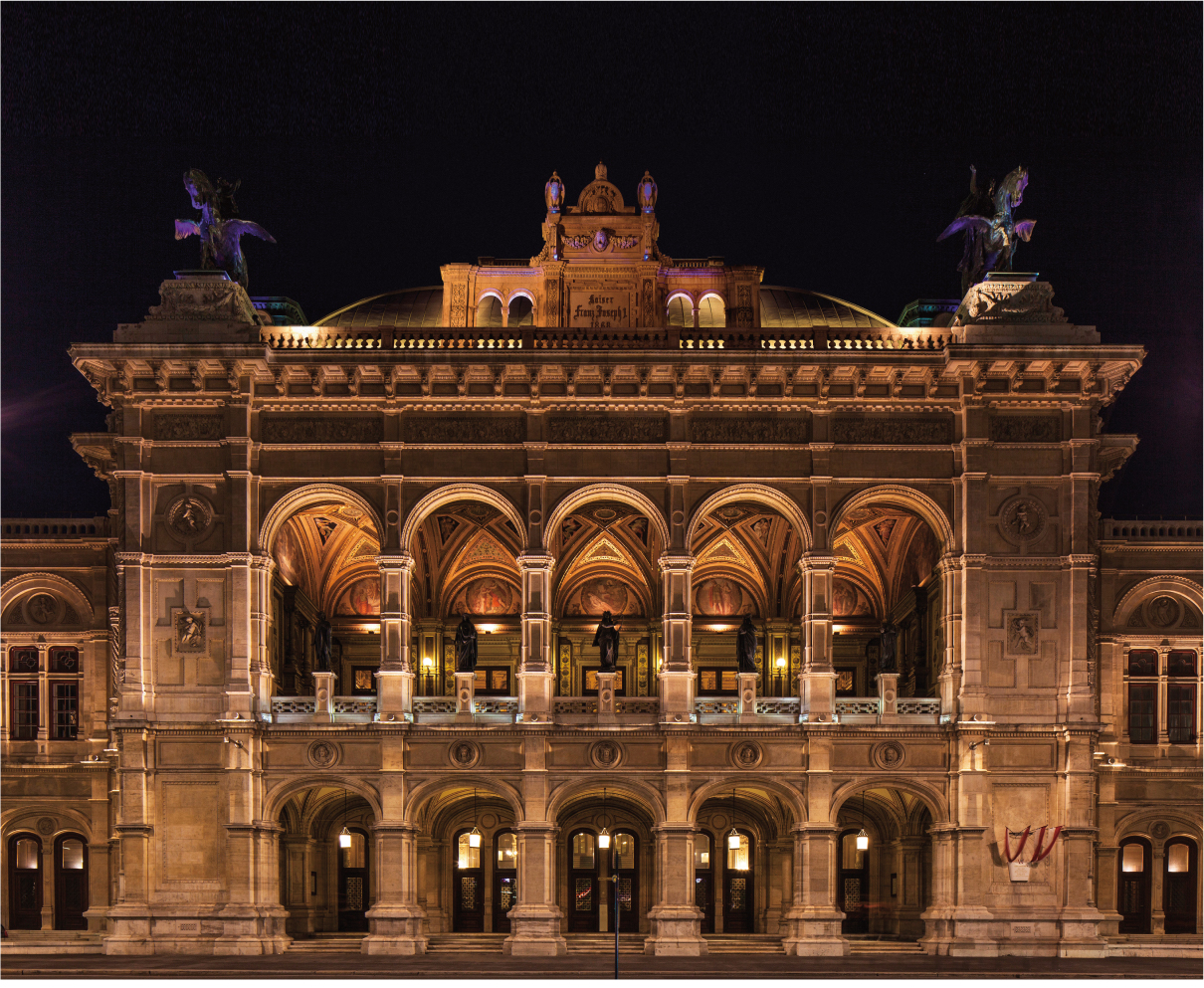
音楽の都、ウィーン。 その頂点、ウィーン国立歌劇場。『ウィーナー・シュターツオーパー』
Feature | 2026.2.20
© WienTourismus/Christian Stemper
© WienTourismus/Paul Bauer
962年のオットー1世がローマより戴冠を受け、神聖でもなく、ローマでもなく、帝国でもない『神聖ローマ帝国』が出来上がった。つまり神聖ローマ帝国はローマ教皇に支持された皇帝を認めた領邦国家ということになる。
ヨーロッパには、ルネサンス以降、2家の芸術パトロンが存在した。ひとつは、フィレンツェのメディチ家、もう一つは、神聖ローマ帝国の小領邦の一つに過ぎなかったハプスブルク家であった。この小さな家系は、1508年にマクシミリアン一世が皇帝に即位すると、小さな争いはあったものの、武力ではなく、子供を多産することで、ヨーロッパ中に親戚関係を築き上げ、イベリア半島まで手中に収める。その一方で、貴族としての高貴な嗜みを持たなければならないとし、特に音楽支援に力を入れていた。よって、神聖ローマ帝国=ハプスブルク帝国になると、その首都ウィーンを『音楽の都』と呼ばれるように熟成させていった。ルネサンスを経て、音楽芸術と言えばオペラが中心であり、その付随として器楽が発展した。
その中で、有名な作曲家が、モーツァルトである。当時、オペラと言えば、イタリア語であるべきというトレンドがあった。なぜなら、フィレンツェで生まれたオペラは、イタリア語の抑揚を元に、ギリシア・ローマ悲劇の復活とし、戯曲、音楽、文学、演劇、美術など総合芸術として、オペラが生まれた。それが、当時の領邦首長である、ハプスブルク家に見初められたわけであるので、ウィーン宮廷では、貴族は、イタリア語のオペラを嗜むべきという風潮があった。しかし、ザルツブルクで生まれた神童モーツァルトを父のレオポルトが、プロモーションの旅に出て、ウィーン、フランス、イタリア半島(当時、イタリアという国は無い)を音楽旅行の連続で回り、モーツァルト兄妹はマリア・テレジアの御前演奏を成し遂げるが、そのガツガツした推しの強さを、女帝マリア・テレジアは拒絶し、モーツァルトが、ウィーン宮廷に招かれるようになるのは、マリア・テレジア没後数年を経ての事であった。その時の当主はマリア・テレジアの長男ヨーゼフⅡ世であり、彼は、寛容で、モーツァルトの申し出のドイツ語によるオペラ制作を容認する。中世・バロック期までは、教会中心の音楽であったが、ルネサンスの芸術ビッグバンにより、人間性が前面に出てきてから、音楽にも人間性が前面に出て来たころである。
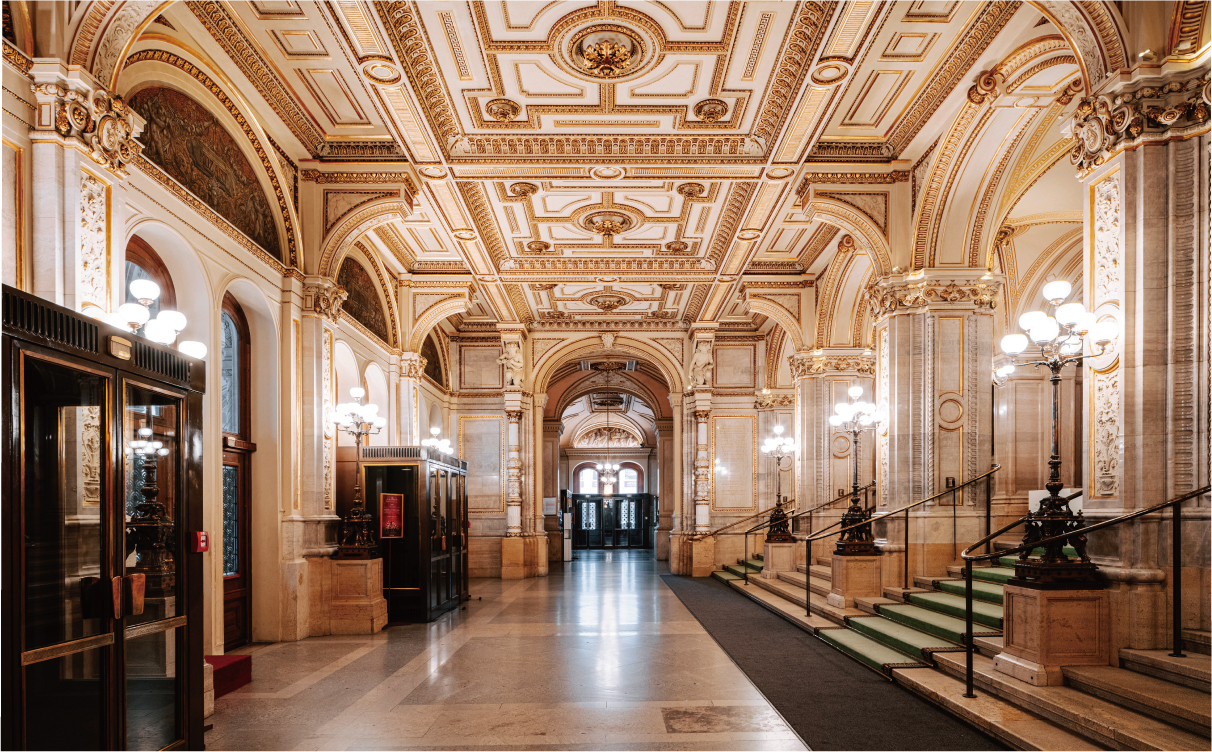
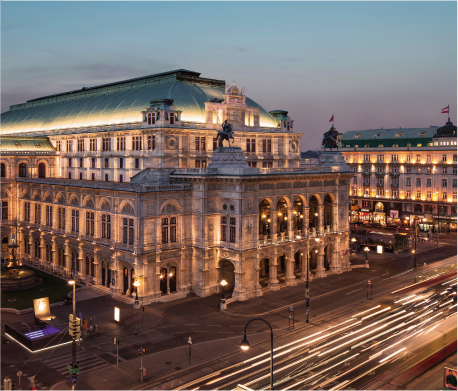
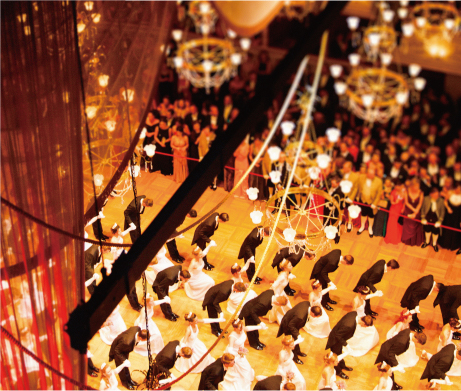
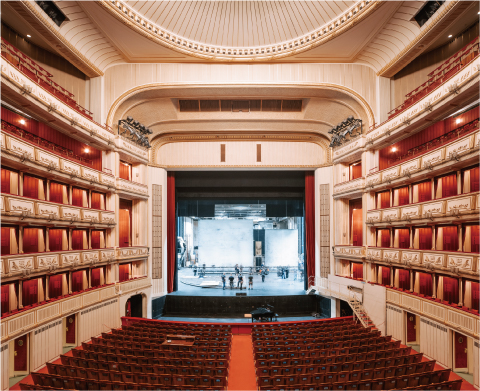
そんな、ドイツ語圏生まれのモーツァルトが、ヴェネト州(現在のイタリア北部)出身の天才台本作家のロレンツォ・ダ・ポンテと組んでのダ・ポンテ三部作(フィガロの結婚、ドン・ジョヴァンニ、コジ・ファン・トゥッテ)はイタリア語であり、この刺激的なオペラは宮廷を揶揄し、破廉恥でセクハラなオペラが、人類の宝物として、現代まで、引き継がれている功績は、ウィーン国立歌劇場のおかげである。このオペラハウスは、二大オペラハウスとして、ミラノ・スカラ座と双璧を成す。このオペラハウスの座付きオーケストラはウィーンフィルを包含するウィーン国立歌劇場管弦楽団の底深い音色がピットに入り毎日公演という過酷なスケジュールをこなす。我々、旅行者が一週間のウィーン滞在で、平均4~5演目の違うハイレベルなオペラ上演を楽しむことが出来るのは、ウィーン国立歌劇場だけである。ウィーンを訪れたら絶対にこのオペラハウスでオペラ体験をしてほしい。各国字幕対応もしており初心者でも楽しめる、絶好の社交の場でもある。幕間には煌びやかなホワイエでウィーンの雰囲気をたっぷりと味わうことが出来る。
Vienna, Capital of Music :
At Its Peak Stands the Vienna State Opera
In 962, the coronation of Otto I birthed the “Holy Roman Empire”—a paradoxical entity neither holy nor Roman. It existed as a collection of territorial states under an emperor sanctioned by the Pope.Post-Renaissance Europe saw two titan patrons of the arts: the Medici of Florence and the Habsburgs, who rose from being a mere minor territory within the Holy Roman Empire.
Under Maximilian I, the Habsburgs expanded their reach not through war, but through strategic marriages and procreation, eventually building a vast dynastic network that extended to the Iberian Peninsula.
Driven by the noble duty to patronize the arts, the Habsburgs focused heavily on music. As their empire grew, they transformed Vienna into the “City of Music,” where the dominance of opera eventually paved the way for instrumental music to flourish.
Amidst this history, Mozart emerged. At the time, opera was trend-bound to the Italian language, as the art form originated in Florence as a “total work of art” designed to revive Greek and Roman tragedy through the natural inflections of Italian.Because the Habsburgs favored this style, Italian opera became the mandatory taste for the Viennese nobility. Meanwhile, Leopold Mozart promoted his son, the Salzburg-born prodigy, through constant musical tours across Vienna, France, and the Italian Peninsula (which was not yet a single nation).
Empress Maria Theresa rejected the father’s aggressive self-promotion, and it was not until several years after her death that Mozart was finally invited to the Viennese court.
The ruler then was Joseph II, her eldest son, whose tolerance allowed Mozart to produce opera in German. This era marked a shift from church-centered music to a new age where humanism, sparked by the Renaissance “Big Bang,” took center stage in musical expression.
Mozart’s collaboration with the brilliant librettist Lorenzo Da Ponte produced the iconic “Da Ponte Trilogy.” These provocative, scandalous operas—once satires of the court—have been preserved as treasures of humanity thanks to the legacy of the Vienna State Opera.
Standing as an equal to La Scala in Milan, this house features the Vienna State Opera Orchestra—including members of the Vienna Philharmonic. Their profound resonance fills the pit daily despite an incredibly demanding performance schedule.It is the only place where a traveler can enjoy 4 to 5 different world-class productions in a single week. A visit to this opera house is an absolute must when in Vienna.
With subtitles for all and a magnificent foyer to enjoy during intermissions, it is the perfect social setting for everyone from beginners to connoisseurs to savor the true atmosphere of Vienna.
© WienTourismus/Christian Stemper
© WienTourismus/Peter Rigaud
© WienTourismus/Paul Bauer
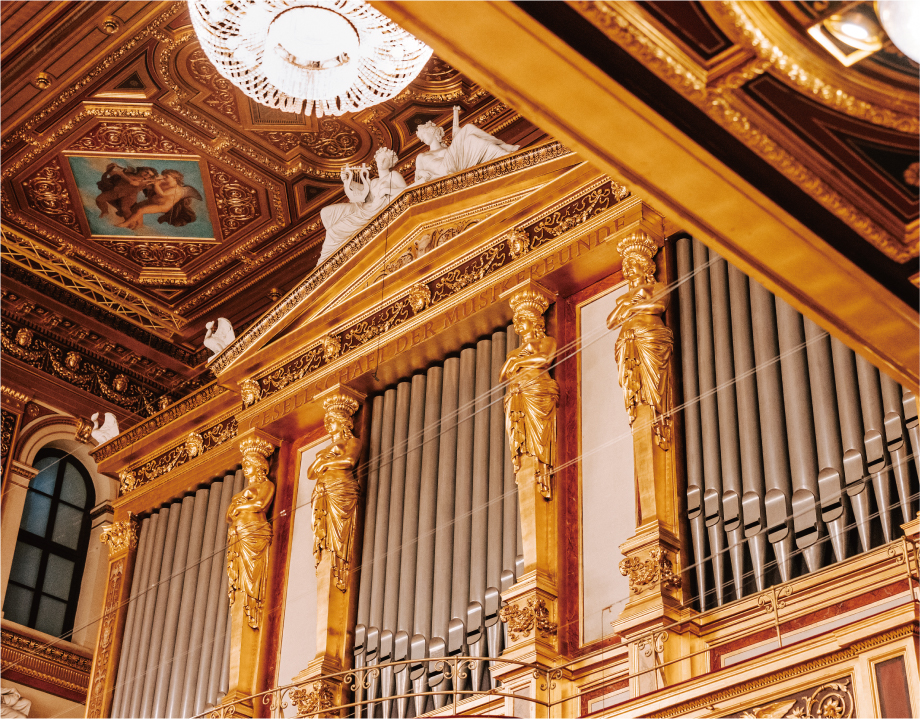
ウィーン、音楽の聖地『ウィーン楽友協会・黄金のホール』
Feature | 2026.2.20
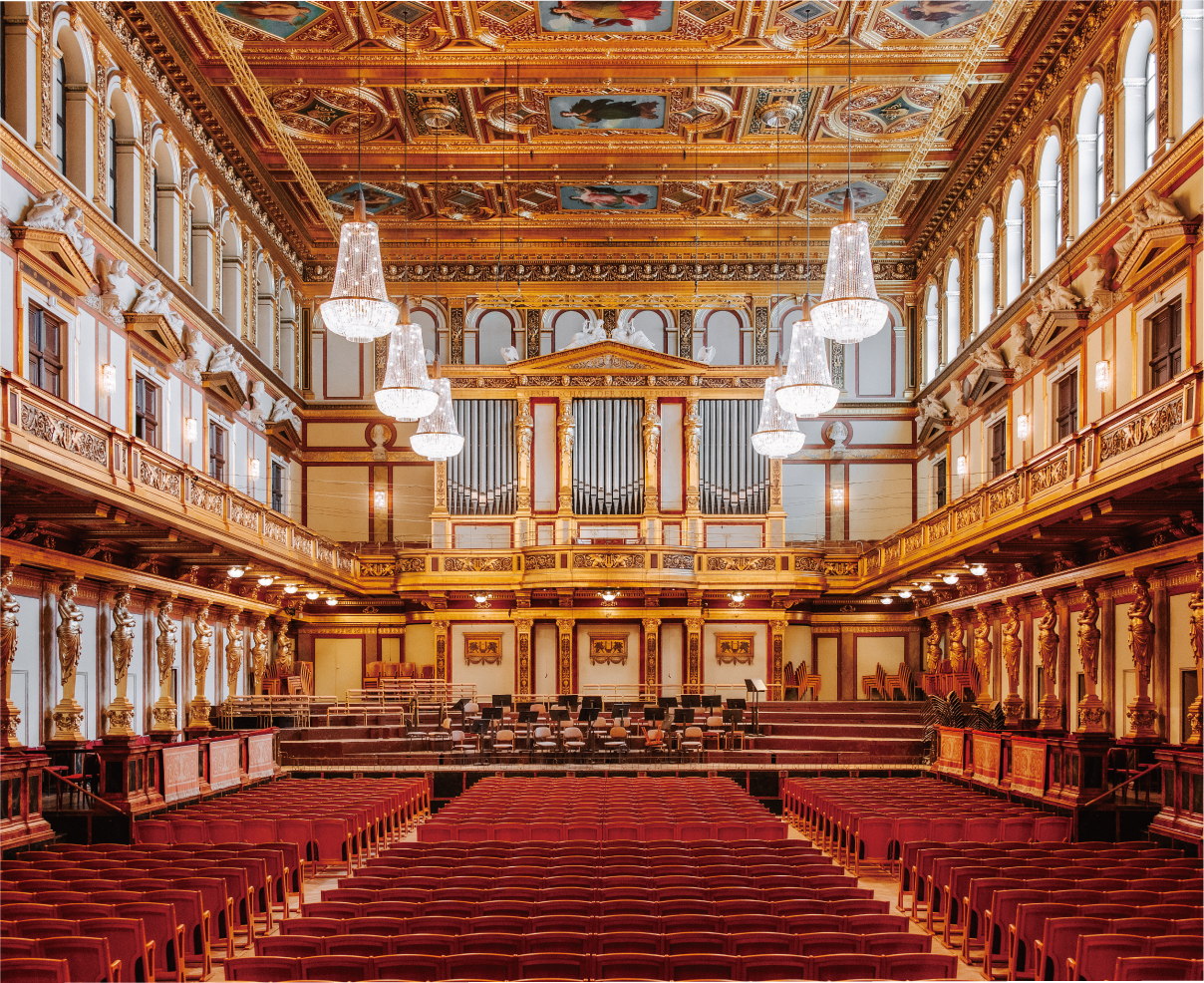
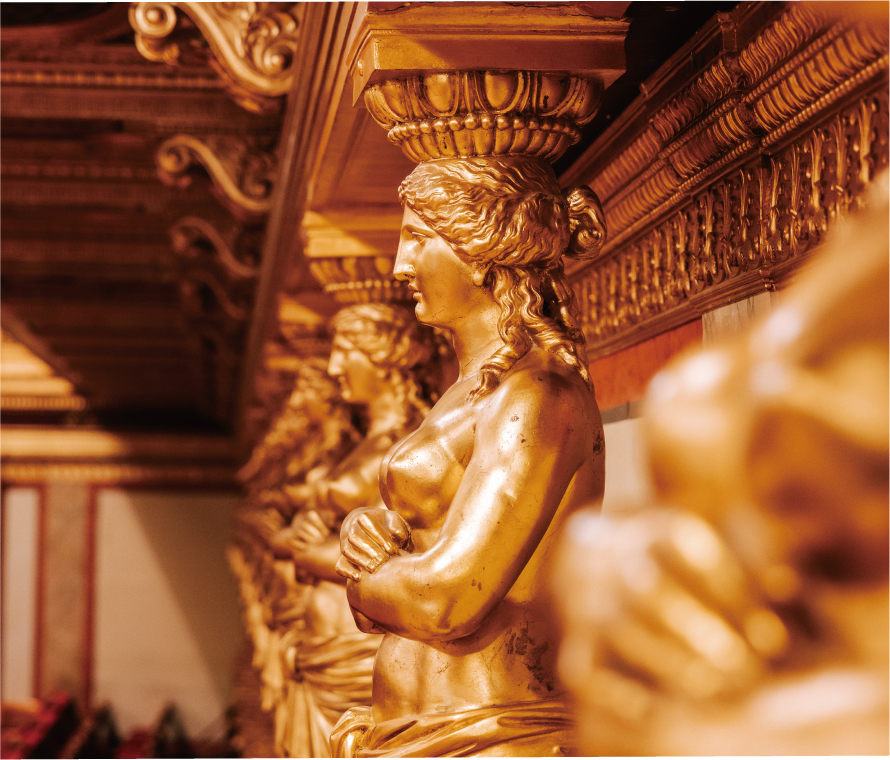
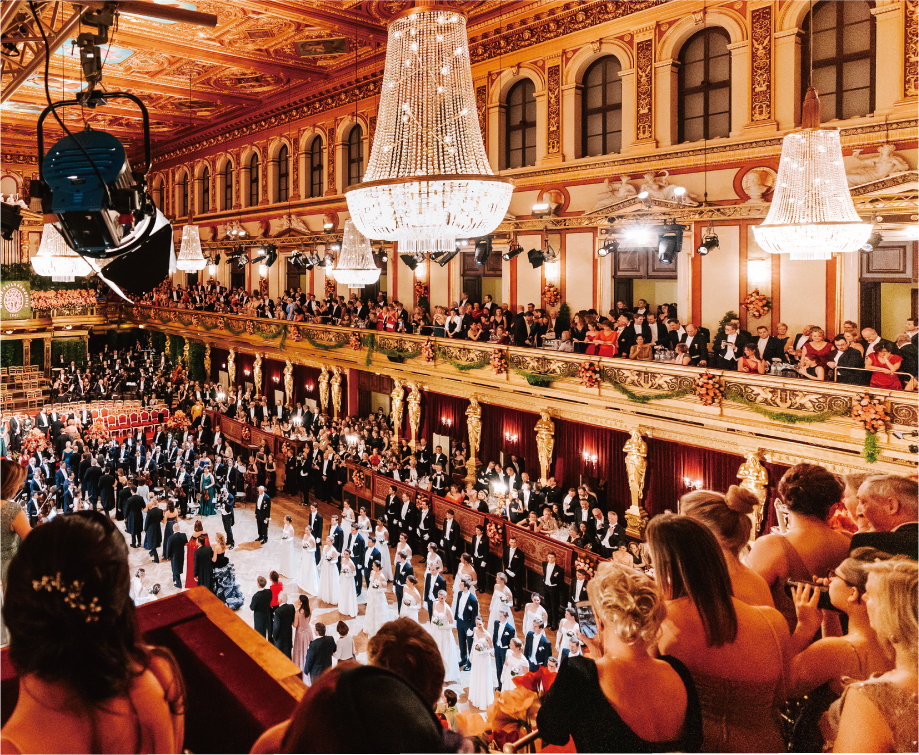
ウィーン国立歌劇場(オペラハウス)から徒歩で数分の場所に、ウィーンフィルの本拠地であるウィーン楽友協会ホール(ムジークフェライン)がある。毎年ニューイヤーコンサートで全世界に中継され、黄金のホールとして、内部を見たことがある方も多いだろう。実際に会場に入るとわかるが、ホール全体が空中に浮かんでいる様に、年月を重ねた木製の熟成と共に音色がまろやかに、そして、深く響く、至高のシューボックス型のホールである。
ウィーンフィルとは、全くの異色を放つベルリンフィルと世界二大巨頭である。世界中の超一流のソリスト集団であるベルリンフィルに対し、ウィーンフィルは、独自のウィンナートーンを守り、楽器に至るまでウィーンの音色にこだわっている。音楽の質を言語で伝えるのは難しいのは重々承知の上で述べると、ウィーンには、独特の『なまり』があり、特に『ウィンナ・ワルツ』は、その典型である。メンバーもかつては、男性のみ、旧ハプスブルク帝国領の出身者に限られ、ウィーンフィルのメンバーに師事した者のみが採用された、生粋のウィーンっ子である。
ドナウの流れを感じ、ウィーンの空気を吸い、ウィーンで学び、育った者だけがウィーン国立歌劇場管弦楽団に所属を許され、その中の精鋭中の精鋭がウィーンフィルを名乗ることが許され、ウィーン楽友協会ホールで演奏が許される。現在ではかなり多様化が進み、女性も多く、出身地も幅広くなっている。
ハプスブルク家の庇護のもと、音楽の都ウィーンを目指し、研鑽を積んだ、モーツァルト、ベートーベン、シューベルト、ブラームス、マーラー等、数知れない大作曲家が、ウィーンの地で音楽を紡ぎだした。それを全面に受け止め、伝統を受け継いだのがウィーンフィルの音色である。ウィンナホルン、ウィンナーオーボエなど管楽器だけでなく、弦楽器もウィーンフィルの管理下に置かれ、個人所有ではない。(例外として、コンサートマスターは、個人所有のストラディバリウスなどが認められている)それほどまでに、ウィーンの音色を守り引き継いでいるのである。その伝統、格式、出生をもこだわり、ウィーン独自の血と伝統を守り抜いている楽団の一体感を、ウィーンで活躍して、時には、厳しいウィーンの洗礼を受けた偉大なる作曲家の作品をウィーン楽友協会で味わうということは、異文化に触れるという生半可な言葉では言い表せない唯一絶対のウィンナートーン体験である。
ウィーン国立歌劇場のオペラを観劇し、ウィーン楽友協会でウィーンフィルのシンフォニーに浸る。そんな至高の『音楽の都』ツアーを是非とも体験していただきたい。それも、そんなに難しい事ではなくウィーンリンクの中で完結でき、移動もほんの数分である。
ウィーン旧市街地内にホテルを確保すれば、徒歩でリンク周辺を散策しつつ、インペリアルホテルのカフェでくつろいでいるとウィーンフィルのメンバーに遭遇することも珍しくない。彼らは、大の日本贔屓なので、タイミングを見て話しかけてみるのもいい。きっと素晴らしいウィーン旅行になることでしょう。
Vienna’s Sacred Hall of Sound: The Musikverein and Its Golden Hall
A few minutes from the Opera House stands the Musikverein, home of the Vienna Philharmonic. Famous for its televised New Year’s Concert, many recognize its iconic “Golden Hall” interior.
This supreme shoebox-style hall feels as if it is floating in mid-air. Its aged wood creates a matured, mellow, and deep resonance that defines its world-class acoustics.
Alongside the Berlin Philharmonic, the Vienna Philharmonic stands at the pinnacle of the music world. While Berlin is a group of elite soloists, Vienna preserves its unique “Viennese Tone” through specific instruments and traditions.
Though difficult to describe, Vienna’s music has a distinct “accent,” most famously heard in the unique lilt of the Viennese Waltz.
Historically, the orchestra was a brotherhood of “true Viennese” trained under their predecessors. Only those who breathed the city’s air and lived its culture could rise to the elite ranks of the Philharmonic. Today, however, the group has embraced diversity with more women and international members.
Under Habsburg patronage, giants like Mozart, Beethoven, and Mahler shaped their music in Vienna. The Vienna Philharmonic is the direct heir to this legacy, preserving the authentic sound of these masters through centuries of tradition.
To maintain their signature sound, the orchestra strictly controls its instruments, including unique Viennese horns and oboes. This obsession with authenticity ensures that their historical “Viennese Tone” remains untainted.
Experiencing the works of great composers at the Musikverein, performed by an orchestra that guards its lineage so fiercely, is more than just a cultural visit; it is the one and only “Viennese Tone” experience.
I urge you to experience the ultimate “City of Music” tour: opera at the State Opera and symphonies at the Musikverein. These world-class venues are conveniently located just minutes apart within the Vienna Ring.
Staying in the Old Town allows you to stroll the Ring and perhaps even meet orchestra members at Cafe Imperial. Known for their fondness for Japan, they are often open to a friendly chat. It will surely make for an unforgettable journey.
街を歩きながらたどる、ウィーンの芸術史。
Feature | 2026.2.20
(ベルヴェデーレ宮殿所蔵)
© Leopold Museum Wien(レオポルド美術館所)
© WienTourismus/Paul Bauer
ウィーンは街そのものが、まるで美術館のようだ。旧市街の中心で存在感を放つゴシック様式の「シュテファン大聖堂」、ネオ・ルネサンス様式の均整のとれた外観をもつ「ウィーン国立歌劇場」、シンメトリーな構成とドームの屋根が印象的な「美術史博物館」など、歴史的な様式美を誇る建造物が、街のなかに静かに配置されている。これら都市が長い時間をかけて獲得してきた文化遺産を前にすると、ウィーンという街が「完成された都市」であることを、否応なく意識させられる。
だが、その完成度の高さこそが、19世紀末の芸術家たちにとっては、ある種の閉塞感であったようだ。時代を超越して高い芸術性を息づかせてきたウィーン、その美術界の内部から生まれたのが、ウィーン分離派。彼らが「分離」しようとしたのは、「キュンストラーハウス」を中心とする既存の美術界の枠組みだった。保守的な展示制度や評価基準から距離を取り、時代にふさわしい表現を自らの手で提示する。その中心にいたのが、グスタフ・クリムトだった。
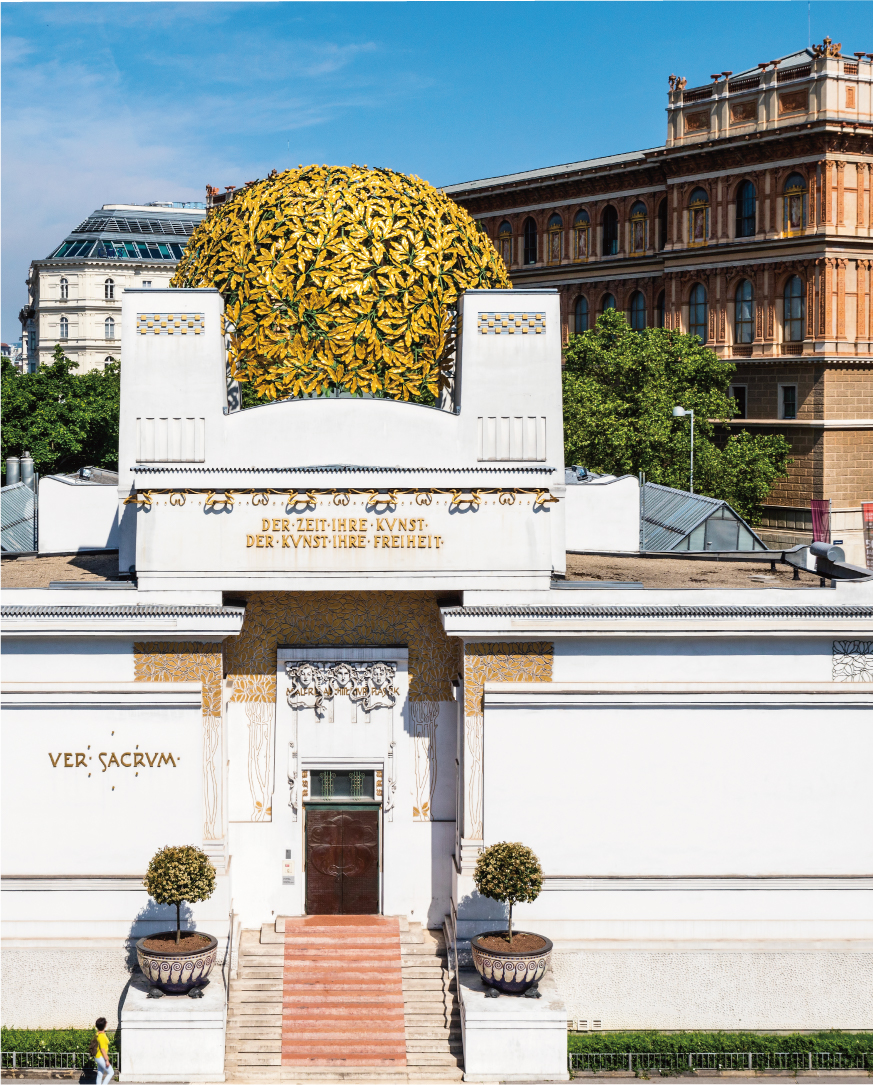
リンクシュトラーセから少し歩いた場所に「分離派会館」がある。白い外壁の簡潔な建築の上に載る、金色の月桂冠状装飾をもつ建物。ファサード上部には『時代にはその芸術を、芸術にはその自由を』という分離派のスローガンが掲げられている。ここで語られている自由とは、制度を破壊することではなく、制度と一定の距離を保ちながら内部から更新するための自由だった。クリムトの作品は、この分離派の思想をそのまま視覚化している。装飾性、象徴性、平面性、いずれも規定の様式美を用いながらも、そこに安住はしない、クールに制御された美が表現されている。
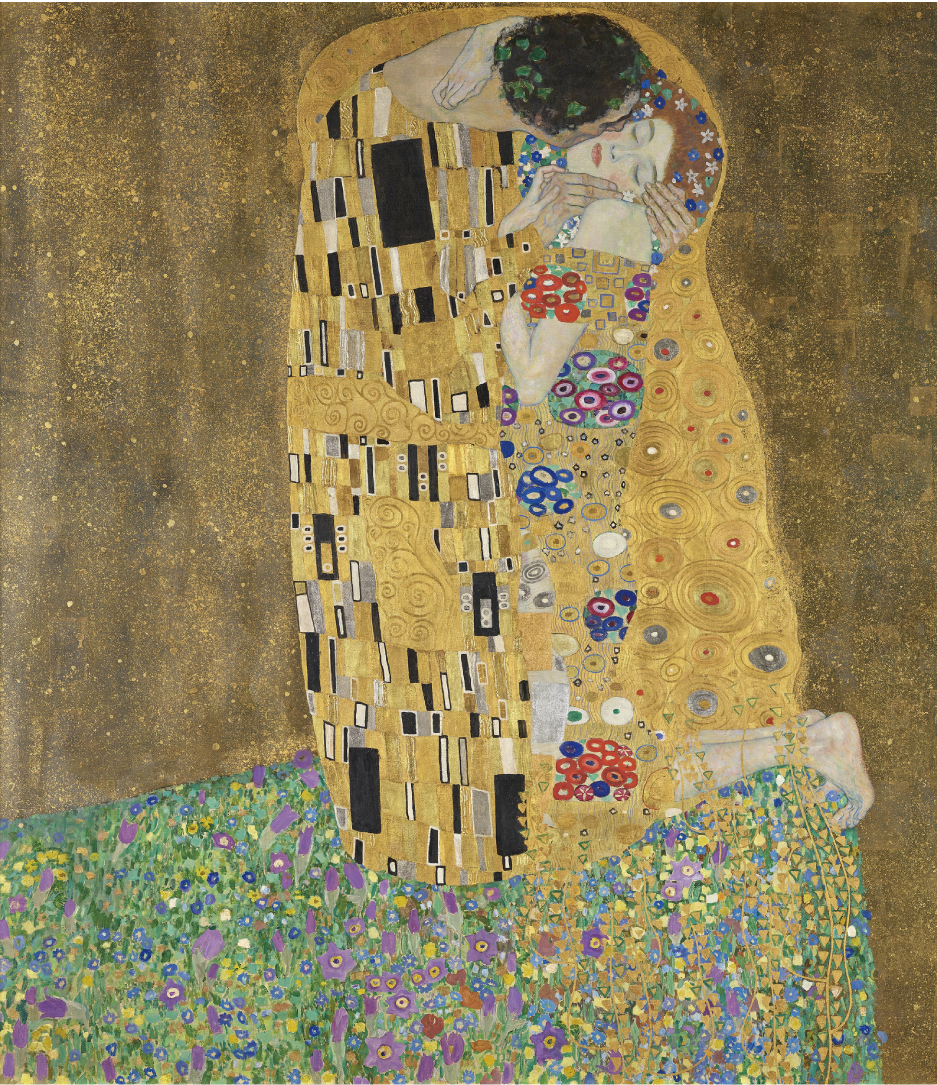
そして、「ベルヴェデーレ宮殿」に足を運ぶ。バロック建築の整った構えのなかで展示されているのがクリムトの作品のなかでも最も有名な「接吻」。金箔の輝きは豪奢だが、感情は抑制され、画面全体は静か。官能性すら構造の一部として配置され、鑑賞者を感情的に揺さぶる。
クリムト、そして分離派の芸術観が端的に表現されている一枚。
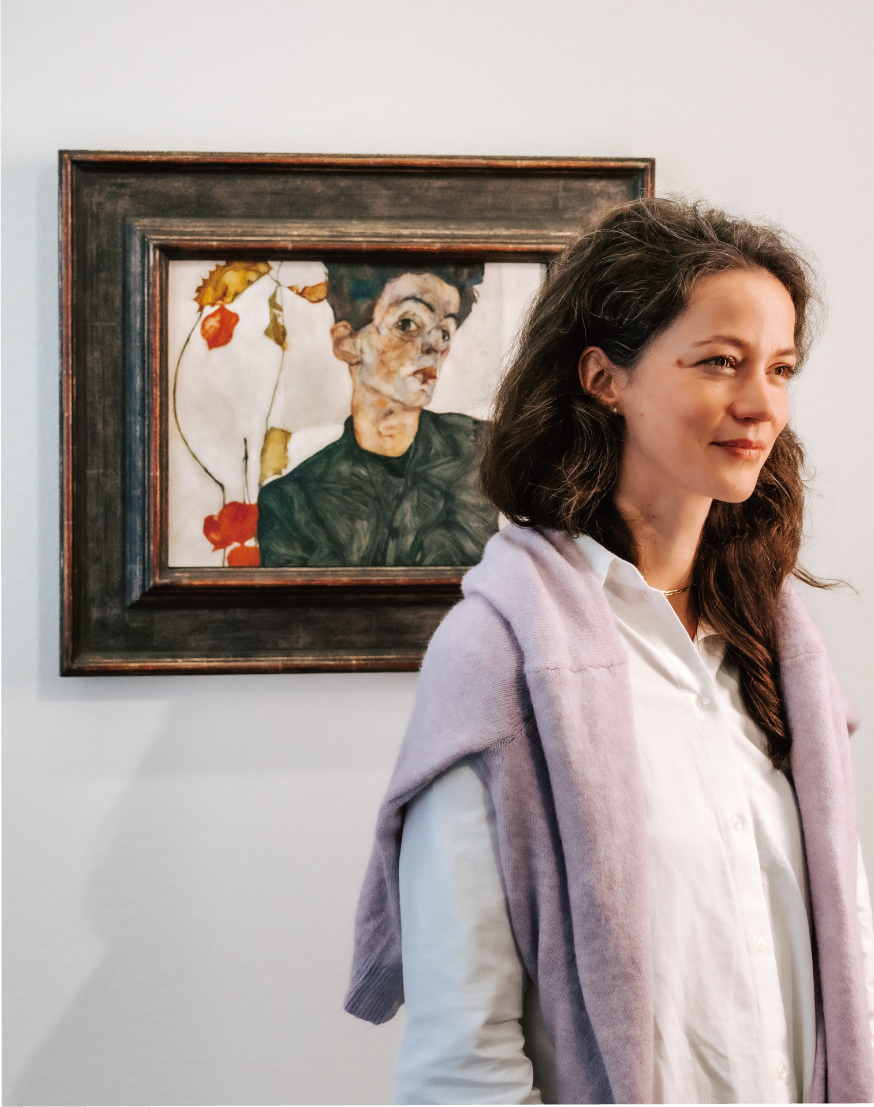
この分離派に引き寄せられた若き才能が、エゴン・シーレ。10代後半でクリムトと出会ったシーレは、メンターとしてクリムトを慕う関係にあった。支援や紹介を受けながらも、シーレは分離派には長くとどまらない。装飾を削ぎ落とし、歪んだ身体や不安定な視線を描く。「レオポルド美術館」でシーレの作品群に向き合うと、分離派やクリムトが表現することがなかった、人間の内面を剥きだしにするような不安と緊張、そしてそこから生まれる奇妙な心地良さを感じる。
分離派、そしてシーレ以後、ウィーンの表現はさらに内面へと向かっていく。その流れを体現した画家のひとりがオスカー・ココシュカだ。ココシュカは、都市の秩序を前提にしながら、人間の心理や衝動、不安を激しい筆致と色彩で描いた。そこに装飾的な均衡はなく、感情が直接、画面に噴出する。彼の表現は、ウィーンという理性的な都市が内包していた緊張を、絵画として表面化しているようにみえる。
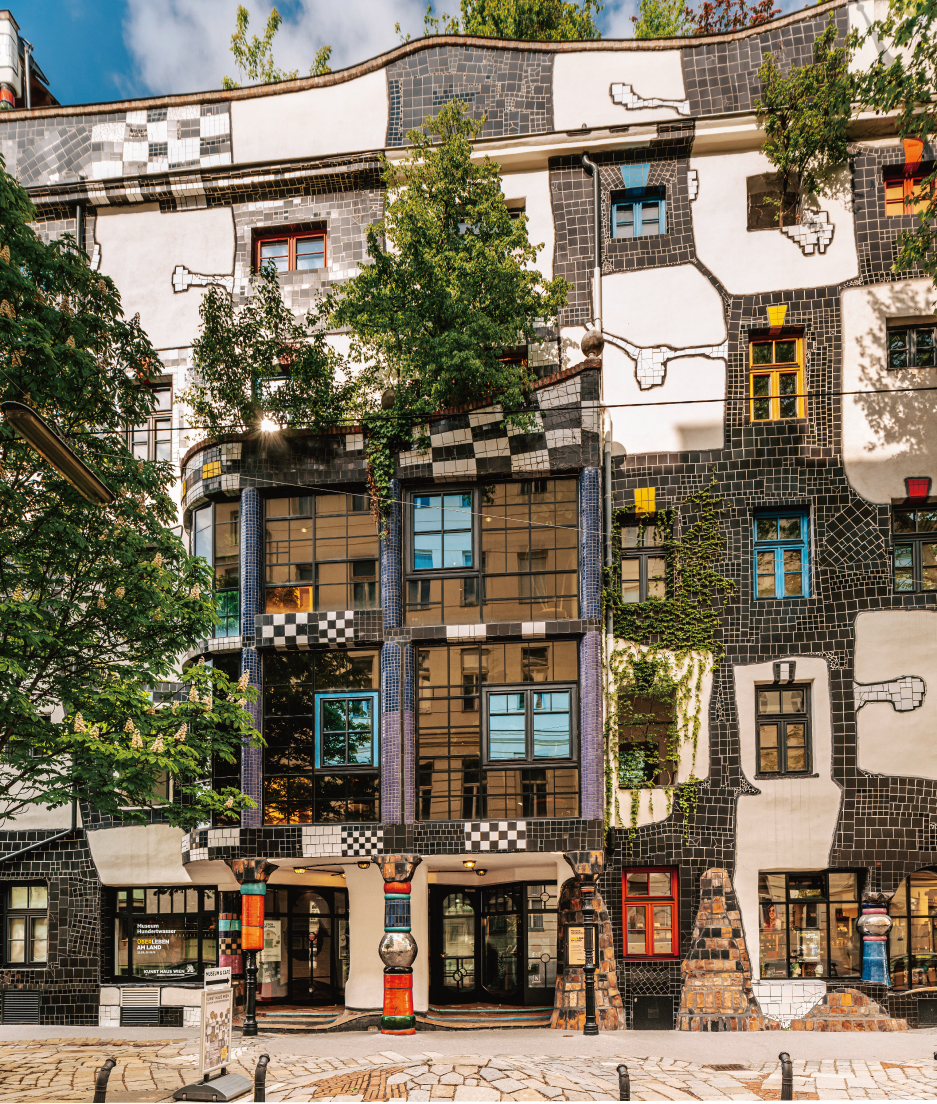
この内面化の流れは、やがて「建築」へと向けられる。その象徴的存在がフリーデンスライヒ・フンデルトヴァッサー。ヴァッサーの建築物では、直線は拒まれ、色彩は奔放で、床は平坦ですらない。だがそれは破壊ではなく、完成された都市への異議申し立てとしての建築だった。人間の感覚を取り戻すために、都市の秩序を意図的に歪めるのがヴァッサー建築の特徴だ。
こうしてウィーンを歩くと、芸術は個々の天才によって断続的に生まれたのではないことがわかる。それぞれはリンクシュトラーセとその周辺に連綿と繋がっている。そして、この街では、建築も絵画も、都市の一部となっている。街そのものが美術館であり、同時に、時代ごとに自らを問い直した痕跡がある。これこそが、ウィーンの魅力。
Tracing Vienna’s Artistic Heritage on Foot.
Vienna itself is like an open-air museum. Masterpieces of architectural beauty—the Gothic St. Stephen’s Cathedral, the Neo-Renaissance State Opera, and the symmetrical Kunsthistorisches Museum—are quietly integrated into the cityscape.
Facing such a profound collection of cultural heritage acquired over centuries, one cannot help but realize that Vienna is a truly “perfected city.”
Yet, this very perfection felt like a cage to artists at the end of the 19th century. From within this bastion of high art, the Vienna Secession was born.
Led by Gustav Klimt, they sought to “secede” from the conservative establishment of the Künstlerhaus. Their goal was to break free from rigid standards and present expressions that truly belonged to their own era.
A short walk from the Ringstrasse stands the Secession Building, a simple white structure topped with its iconic golden laurel wreath dome.
Above the entrance, the movement’s motto is inscribed: “To every age its art, to art its freedom.”This “freedom” was not about total destruction of the system, but rather about maintaining distance to renew art from within.
Klimt’s work visualizes this philosophy perfectly—using decoration and symbolism not to conform, but to express a cool, controlled beauty that refuses to settle into tradition.
Next, visit the Belvedere Palace. Within its orderly Baroque architecture, you will find Klimt’s most famous masterpiece, “The Kiss.”
Though the gold leaf shines luxuriously, the emotions are restrained, creating a quiet canvas. Even sensuality is placed as part of the structure, stirring the viewer’s emotions. It perfectly captures the artistic vision of Klimt and the Secession.
Egon Schiele was the young talent drawn to the Secession. Meeting Klimt in his late teens, he looked up to him as a mentor. However, despite Klimt’s support, Schiele did not remain within the Secession for long.
Stripping away decoration, he depicted distorted bodies and unstable gazes. At the Leopold Museum, his works reveal an anxiety and tension—a raw exposure of the human psyche—that Klimt never expressed, yet they offer a strange sense of comfort.Following the Secession and Schiele, Viennese expression delved deeper into the psyche. Oskar Kokoschka was a key figure who embodied this shift.
Kokoschka used intense brushwork and colors to depict human impulses and anxiety amidst urban order. His work lacks decorative balance, allowing raw emotion to erupt onto the canvas—a visual manifestation of the tensions within a rational city.This inward turn eventually reached architecture, symbolized by Friedensreich Hundertwasser. His buildings reject straight lines and flat floors, embracing wild colors and organic forms.
His work was not an act of destruction, but a challenge to the “perfected city.” Hundertwasser intentionally distorted urban order to help people reclaim their human senses.Walking through Vienna, it becomes clear that art did not emerge sporadically from isolated geniuses. Each movement is continuously linked along the Ringstrasse and its surroundings, where architecture and painting are integral parts of the city.
The city itself is a museum, bearing the scars and traces of an ongoing self-inquiry through the ages. This is the true essence of Vienna’s charm.
ウィーンから足を延ばして、オーストリアの多彩へ!
Feature | 2026.2.20
©Tourismus Salzburg/Breitegger Gunterウィーンで濃密な芸術を堪能したら、次はリンクを超えて、ウィーンを脱けて、
オーストリアのさらなる魅力を探るのもいいかも知れない。
アルプスの大自然と触れ合い、温泉に浸り、
さらに「サウンド・オブ・ミュージック」の撮影地を訪れる。
見たい風景や体験したいアクティビティが揃って、オーストリアの旅は大きく広がる。
ウィーンから日帰りで
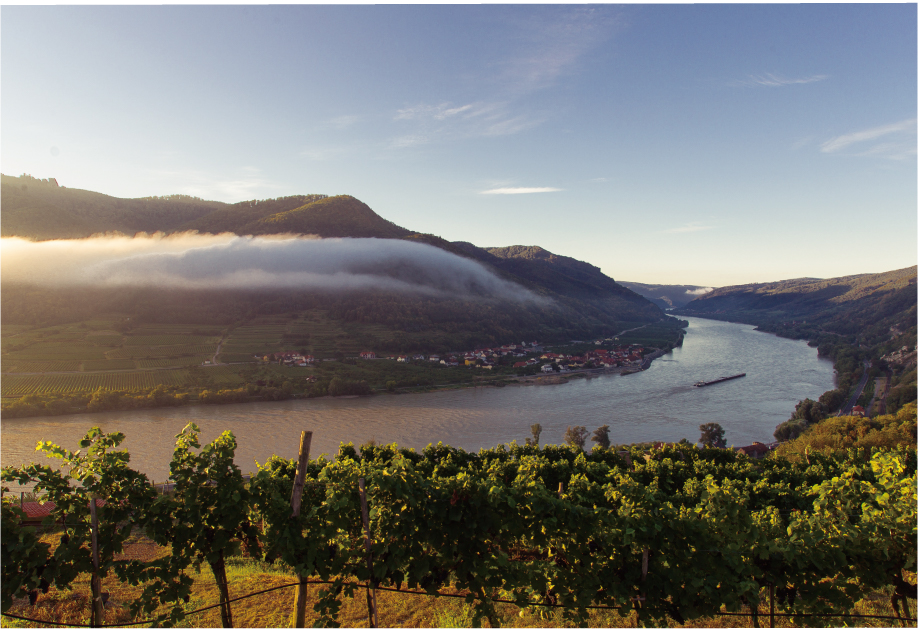
■ヴァッハウ渓谷(ドナウ川クルーズ)
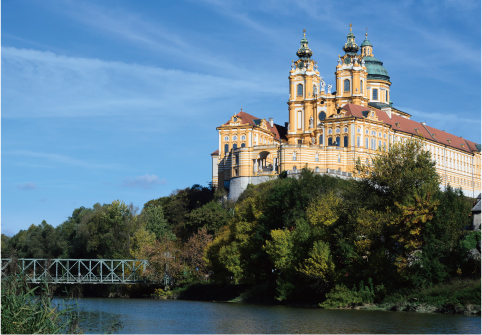
ドナウ川の流れのなかで、メルクからクレムスに至る全長約30kmはヴァッハウ渓谷と呼ばれ、ユネスコ世界文化遺産に指定されている。渓谷の斜面に修道院や古城、ブドウ畑が点在。ウィーンから電車でメルクに行き(約1時間)、メルクからクルーズ船に乗って川下りするコースがオススメ。メルク修道院やワイン生産の盛んな町デュルンシュタインなど、見どころが多い。名物は高品質の白ワインと、香り高いアンズ。

■ バーデン・バイ・ウィーン
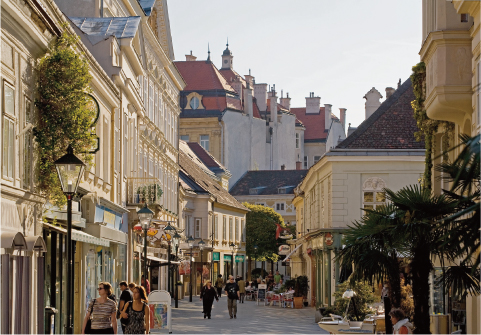
ウィーンの南にある温泉の町。ウィーンから電車で約1時間。古代ローマ時代から温泉とワイン生産が名物。19世紀に保養地として発展し、現在も温泉、カジノ、公園などが整備されていて、ゆったりした雰囲気が漂っている。モーツァルト、ベートーヴェン、シュトラウスなどの文化人もしばしば滞在しており、特にベートーヴェンは『第九』の大部分をバーデン・バイ・ウィーンで書いた。その家は現在博物館となっている。ここもユネスコ世界文化遺産。

■ノイジードラーゼー湖
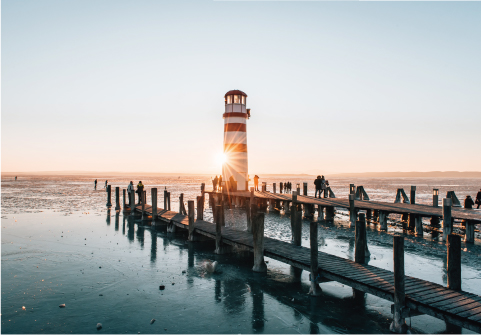
オーストリアとハンガリーにまたがる湖。ウィーンからのアクセスが良く、ウィーンっ子が気軽に遊びに行くことから「ウィーンっ子の海」と呼ばれている。水深が浅く、湖畔は散策路やサイクリングロードがある。また赤ワインの生産が盛ん。夏には湖上に設けられた舞台でオペレッタやミュージカルを上演する「メルビッシュ湖上音楽祭」が開かれる。ウィーンからは約45分という便利な立地。

ウィーンから1泊で
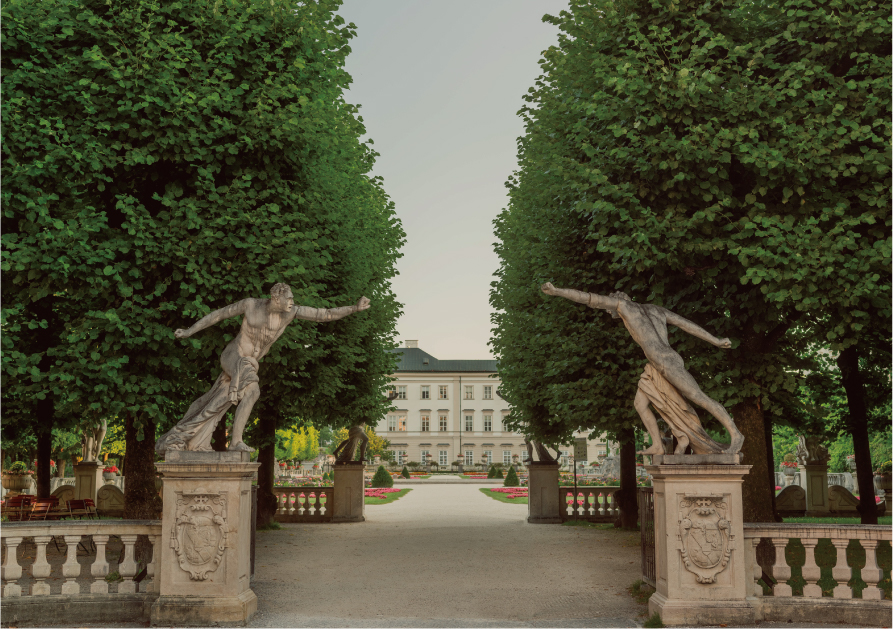
■ザルツブルク
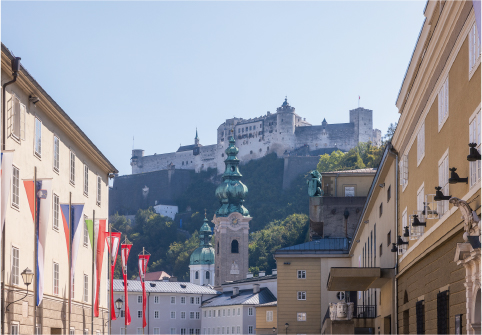
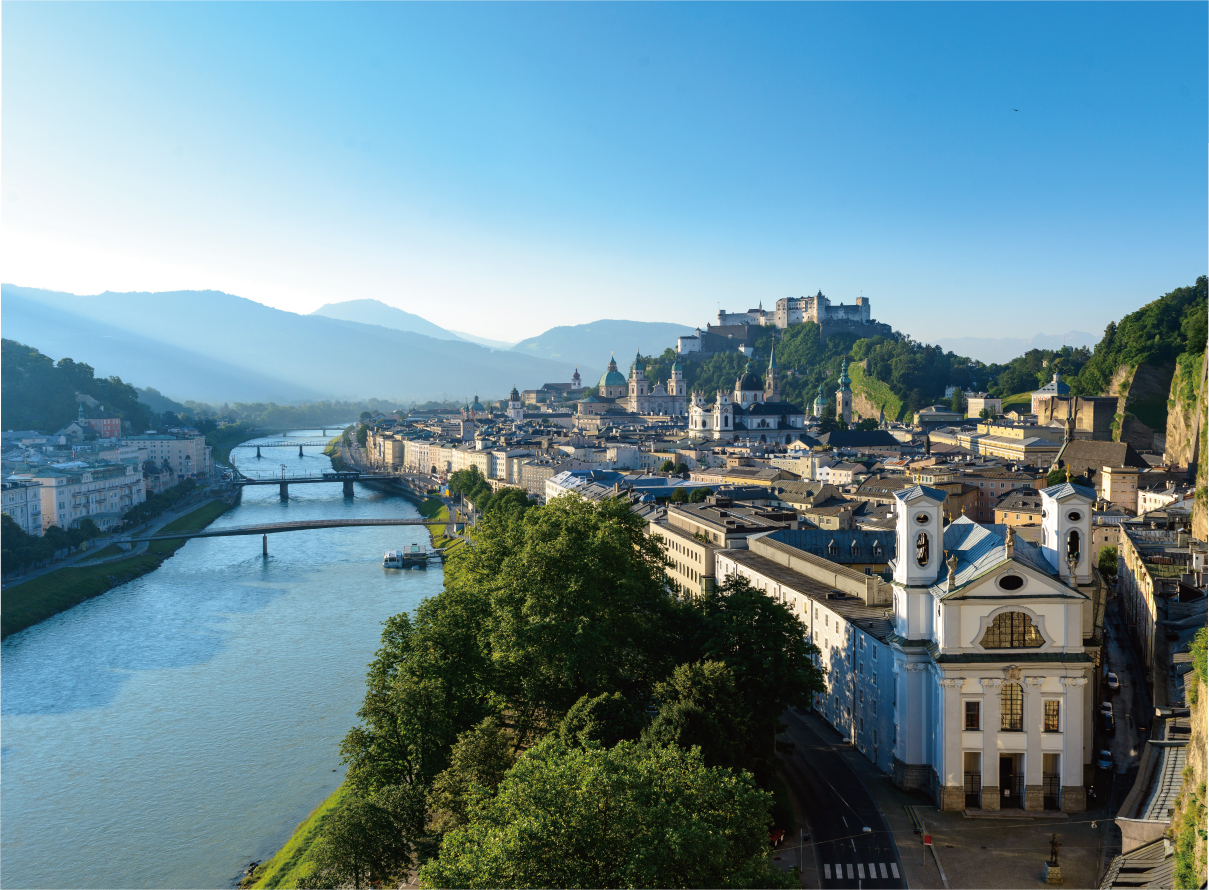
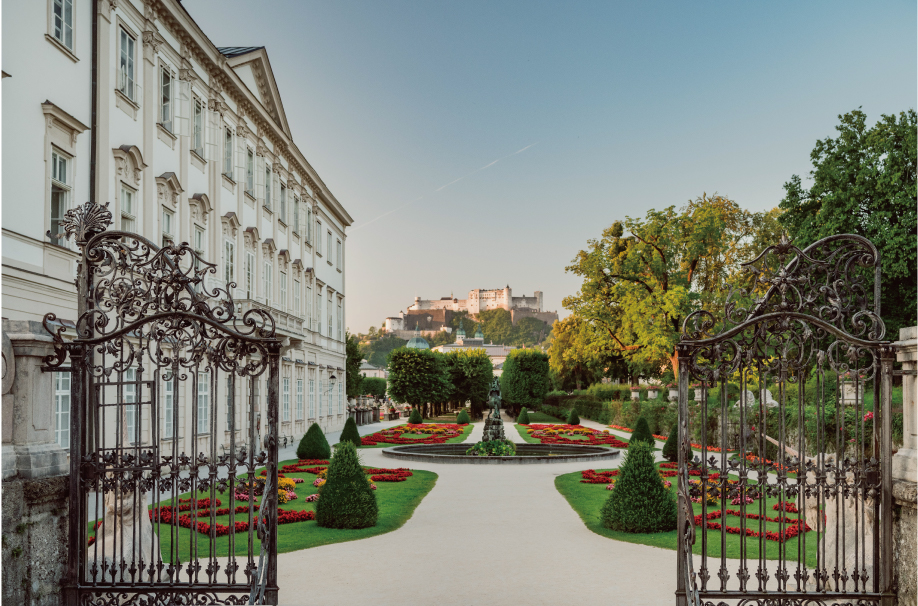
ウィーンから特急で約2時間半、アルプス山脈に抱かれた街。モーツァルトの生誕地であり、また映画『サウンド・オブ・ミュージック』撮影地として世界的に人気が高い。旧市街は世界遺産に登録されており、ホーエンザルツブルク城塞や大聖堂など主要観光地が徒歩圏内に集まっている。夏にはザルツブルク音楽祭が開催される。風光明媚で有名なザルツカンマーグート地方(湖水地方)観光の出発点でもある。

■ グラーツ
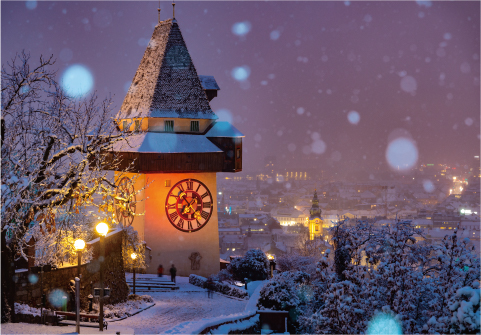
オーストリア第2の都市で、ウィーンから鉄道で約2時間半。旧市街は世界遺産に登録され、シュロスベルクの時計台や世界最大の武器庫など、見どころ満載。日本人としては、大坂城の城下町研究に重要な手がかりをもたらした『豊臣期大坂図屏風』を有するエッゲンベルク宮殿は必見(2026年の開館は3月28日~10月31日、冬期休館)。土壌が肥沃なシュタイヤマルク州の州都であり、新鮮な食材が集まることから「グルメの街」としても名高い。名産物は炒ったカボチャの種から抽出する香り高いパンプキンシードオイルと、ロゼワイン「シルヒャー」。

https://www.austria.info/ja/inspiration/jp-sehenswuerdigkeiten-in-graz/
ウィーンから2泊で
■アルプス
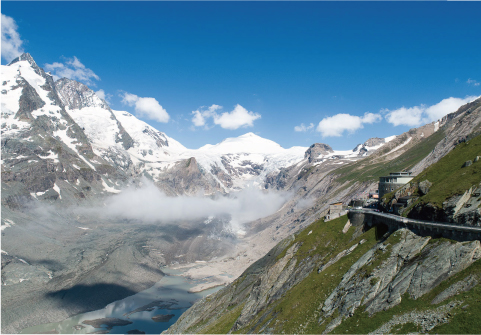
歴史や音楽の古都という印象が強いオーストリアだが、実は国土の3分の2をアルプス山脈が占める山岳国家。2泊あればアルプスの大自然も満喫できる。「グロースグロックナーアルプス山岳道路」はアルプスの景観を楽しむために造られた観光専用道路。レンタカーの利用が一般的だが、毎年5月末~9月末は観光バス「グロックナーバス」が週2回運行する。グロックナーバスにはレンジャーが同乗し、高山植物や野生動物の解説付きでハイキングも楽しめる。

https://www.austria.info/ja/inspiration/grossglockner-high-alpine-road/
オーストリア大使館観光部公式サイト
https://www.austria.info/ja/