










端から、端まで、天国と地獄。悲劇と喜劇の間にこそ『心のカタルシスがある』。
Column|2026.3.23
Text_kotaro sakata
Photo_ 坂田康太郎 /二期会
古今東西の絵画、演劇、オペラなど、芸術性が高いと評価されるものや、心を打つものは『悲劇』が多いと感じる。ミラノ・コルティナオリンピックの開会式で出て来た3人の作曲家人形は、ロッシーニ、ヴェルディ、プッチーニであった。かつて、交響曲を頂点の域までのし上げたベートーヴェンは、オペラ作曲を切望していたが、結局『フィデリオ』という無難な勧善懲悪オペラしか世に出せず、彼のピアノソナタ、交響曲、室内楽に比べると、見劣りが否めない。そのベートーヴェンをして、ジェラシーの的となったロッシーニは、喜劇(オペラヴッファ)の天才であった。ベートーヴェンはロッシーニに対し『君には喜劇は書けても悲劇は書けまい』と言わしめた、その後に台頭して来たのがオペラ王の異名を誇り、イタリアの代表的な作曲家ヴェルディは、悲劇の天才作曲家だ。そのドラマトゥルギー(劇的性)は、秀逸で一世一代のイタリアオペラの代名詞となった。ロッシーニは、ベートーヴェンの言葉が心に引っかかっていたのだろう。ヴェルディに対し『君は、悲劇は書けても喜劇は書けまい』と返した。尊敬する先輩の嫌味が伝統となり、ヴェルディ生涯最後のオペラは、シェイクスピアには珍しい喜劇『ファルスタッフ』をオペラ化し、見事に喜劇で人生を締めくくった。
しかしこの『一つの端である喜劇』と『対極の端である悲劇』は、対になっていると思いきや、どうやら『カタストロフ』(惨禍、変災の意)に収束されている。
ミケランジェロ作システィーナ礼拝堂正面壁画として描いた『最後の審判』も昇天よりも、地獄描写が秀逸である。これは、どの画家にも言えることだ。天国や楽園の創造が陳腐で、男女が手をつなぎ踊っている程度であるが、苦悩の描写は具象に問わず芸術性の奥深さを饒舌に語っている。
その『悲劇』と『喜劇』の『端~端』を描写した秀逸なオペラが、レオンカヴァッロ作曲《道化師》である。
主役の『道化師役』の旅一座の中で起こる劇中劇の入れ子的トリックを存分に生かし、演出家の腕前が試されるオペラの代表作である。この上演が難しいオペラ《道化師》の素晴らしい上演が日本で実現した。英国最高峰ローレンス・オリヴィエ賞受賞作品が、東京二期会によって見事に再演された。天才指揮者バティストーニのタクトで見事にリードされ、ダミアーニ・ミキエレットの微に入り細に入り、練りつくされた喜劇を包含した究極の悲劇を見事に上演して見せた。オペラ歌手陣、スタッフは、ほぼ日本人で、贔屓目ではなく、ワールド級の歌唱と 演技の両立で、鑑賞して、喜劇中の深い悲劇は、心にカタルシスをわかせてくれた。かつては、紋切り型のオペラ歌手で、アリアや二重唱 は固まって歌唱に専念することもあったが、この令和の時代において、オペラ歌唱の実力があるのは当然の事として、ビジュアル、演技 力、作品の理解度の知性、言語のディクション(発語)など作品の理解度必須で、総合芸術家としての知性が求められる。その昨今において、英国ロイヤルオペラとの提携オペラが日本のプロダクションにおいて、このハイレベルで、世界と渡り合えるのは、誇りに感じると共に、 悲喜こもごもの中に潜んでいる悲劇から、我々の人生の豊かさが湧き出ることで、『悲劇』にこそ、明日の喜びを求めるカタルシスがあると確信する。
オペラ《道化師》のラストシーンで道化師団の座長カニオが、道化の劇中劇で、愛する妻と寝取られた男の両方を殺し『喜劇は終わりました(La commedia è finita!)』という大悲劇で幕となる。
『ファルスタッフ』のラストは『人生は喜劇の様なもの』とフーガで繰り返し。《道化師》では、悲劇は喜劇のなかに包含されていた。端と端は、メビウスの輪のようにつながっているのだろう。
From one extreme to the other — heaven and hell. Between tragedy and comedy lies emotional catharsis.
“In art, theater, and opera, it is often tragedy that we deem most profound. Even Beethoven, who brought the symphony to its pinnacle, harbored a deep jealousy toward Rossini, the genius of opera buffa (comedy), famously telling him, ‘You may write comedies, but you will never write a tragedy.’ Later, the ‘King of Opera’ Verdi emerged as a master of tragic dramaturgy. Rossini, perhaps still stung by Beethoven’s words, passed the challenge to Verdi: ‘You may write tragedies, but never a comedy.’ In a brilliant stroke of irony, Verdi chose to end his life’s work with Shakespeare’s rare comedy Falstaff. Yet, these two extremes—the peak of comedy and the depths of tragedy—are not as separate as they seem. Both ultimately converge at the point of ‘catastrophe,’ the sudden upheaval where true catharsis is born.”
“Michelangelo’s Last Judgment proves that while paradise can feel cliché, the depiction of agony reveals art’s true depth. This duality is perfectly captured in Leoncavallo’s opera Pagliacci. A recent production by Tokyo Nikikai, conducted by Andrea Battistoni, reached world-class heights, with a Japanese cast delivering the intellectual and vocal power required for modern opera. By masterfully weaving tragedy into a comedic setting, they provided a profound catharsis for the audience. As the curtains fall on the chilling cry, ‘The comedy is over!’ (La commedia è finita!), we are reminded that life’s richness is found within the tension of these extremes. Much like a Möbius strip, the ‘ends’ of tragedy and comedy are forever intertwined.”
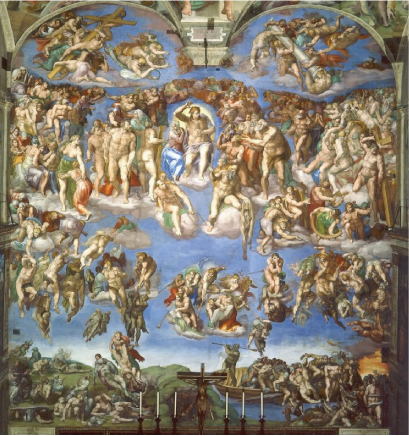
ルネサンス期の画家・彫刻家ミケランジェロの代表作。
バチカン宮殿システィーナ礼拝堂の祭壇に描かれた
フレスコ画『最後の審判』
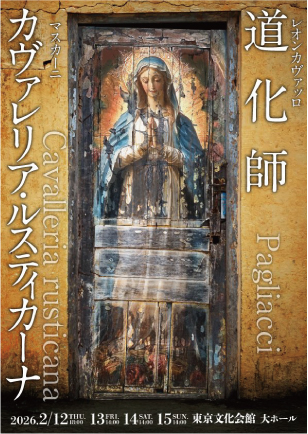
英国ロイヤルオペラの再演として、
二期会で上演された名作悲劇オペラ
《カヴァレリア・ルスティカーナ/道化師》