










Bourgogne |ものへのまなざし|
Feature | 2025.12.24
質実剛健が生む、暮らしの中の「美」
フランス人には締まり屋さんが多い。パン屋でクロワッサンを包む紙袋も捨てずにとっておき、お菓子を分けたりサンドイッチを持ち運ぶのに使うし、チーズやバターが入っていたプラスチック容器も、きれいに洗って惣菜を入れるために再利用する。
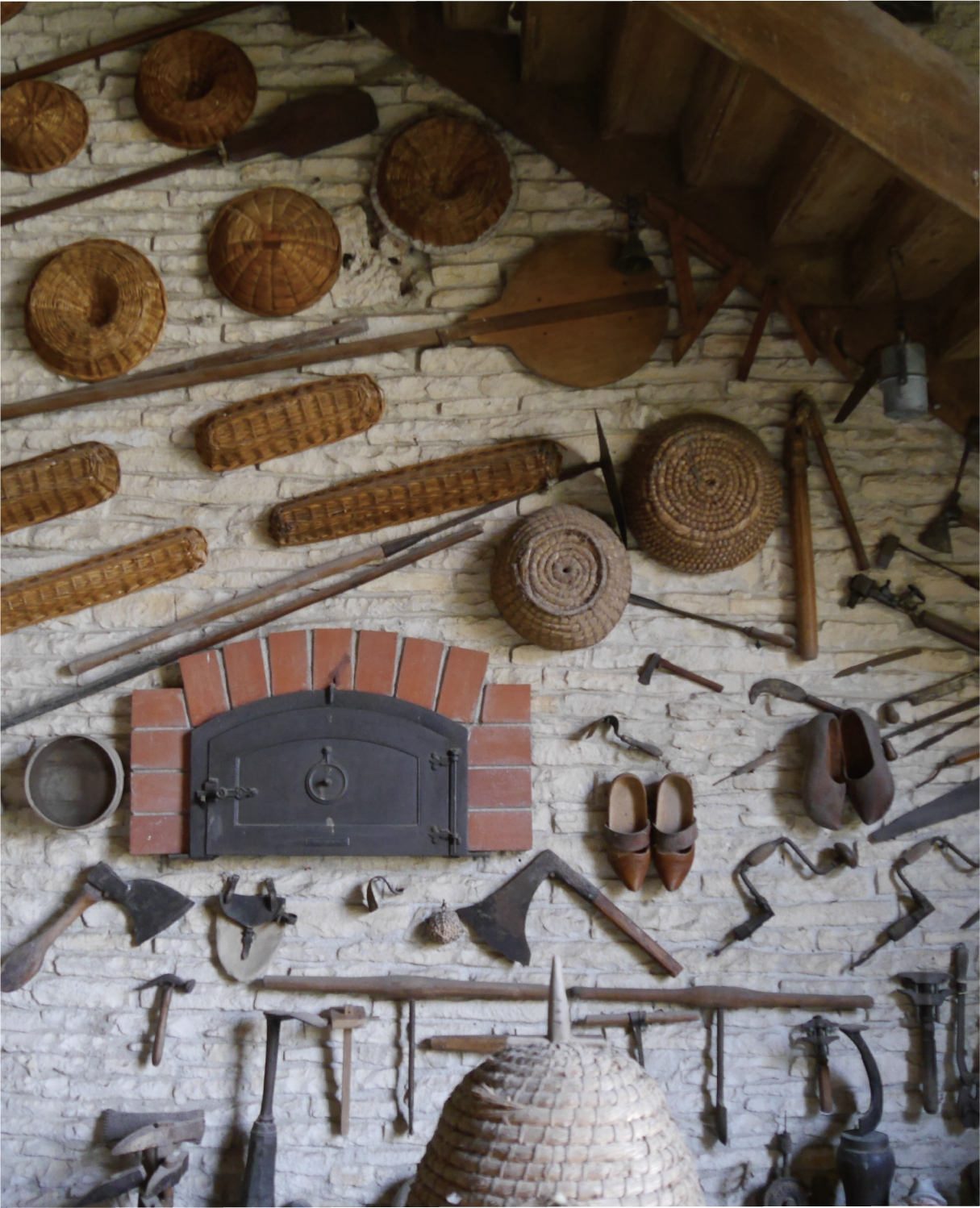
家具も道具も修理して使い続けることを好み、流行に左右されないから新しいものに飛びつかない。それは結果的に環境への配慮や、古いもの・自国の文化を大切にする意識につながっていくように思う。
というわけで、ここでは古いものが多く流通する。高額な骨董品はアンティークという名で売られ、それより入手しやすいランクがブロカント。さらにカジュアルな「ヴィド・グルニエ(Vide-grenier/屋根裏を空にする、という意)」の存在を知ったのは、ブルゴーニュで過ごすようになってからだ。
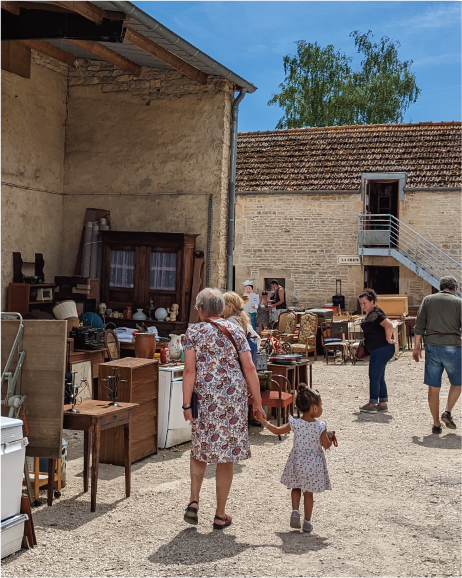
車で田舎道を走っていると、電柱などに開催日と場所が告知されたビラが貼られ、それを頼りに人々が集まってくる。小さな街で行われるフリーマーケットのようなものなのだけれど、ここはフランス。普通の家の屋根裏から放出されるものの中に、東京のアンティークショップにあるようなお宝がみつかることもある。
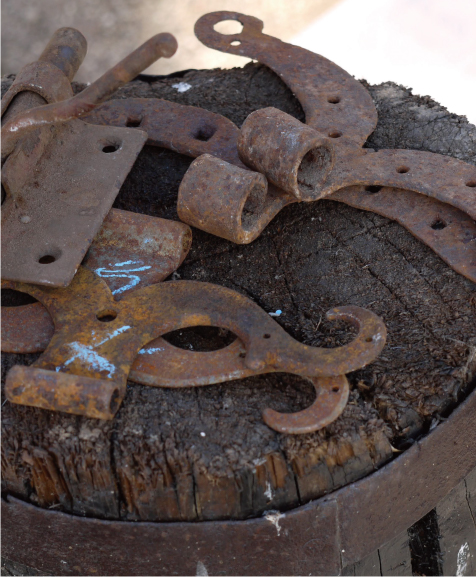
さらなる穴場が、教会が運営しているエマウス。大きな倉庫のような場所に、食器類や古着・建具・家具などが所狭しと並び、開催日には近隣の人々が集まってくる。中には錆びた金具や木の破片、壊れた電化製品などもあり、一体誰がこんなものを買うのだ?と思うのだけれど、ちゃんと売れていく。
ほかにも、街の空き店舗を利用してクロワルージュ(赤十字)が不定期で古着を売ることもあって、こうした場にはガラクタもあるけれど、その中から価値のあるものや自分が必要としていたものを見つけ出すのは、宝探しゲームのようで最高に楽しい。しかも安い!
こうして手に入れた衣類を私は今も大切に着ているし、1ユーロの砂糖壺や50セントのエスプレッソカップもよく使っている。
以前、古い石造りの家に住むアーティストを訪ねたら、食堂の棚に大量のティーポットコレクションが並んでいた。どうやって集めたの? と聞くと、エマウスでコツコツ買いためたと言う。「どれもほんとに安いの」と笑っていたけれど、パリのクリニャンクールやヴァンブの蚤の市だったらおそらく数倍の値がつくだろうし、東京ならさらに高額になる品もあり、目を見張った。
中世にブルゴーニュ公国として強大な勢力を誇ったこの地では「古いもの」を大切にする精神が根付いており、農業やワイン生産に従事する人たちが多いことも、その質実剛健で実直な性質を作り出しているように思う。ヴィド・グルニエやエマウスは、そんなブルゴーニュの人たち「ブルギニオン」にとって、大切な暮らしのシステムのひとつだ。
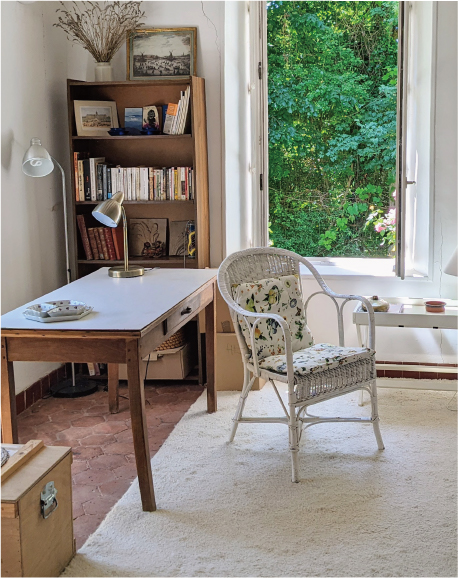
ここではなんの変哲もない外観の家の中が、インテリア雑誌から抜け出してきたようにおしゃれな空間になっていて驚くこともあり、時間をかけてひとつひとつ吟味して選んだと思われる家具や道具類が、住む人の個性を際立たせている。
それは古い物を愛し、手入れや修理をしながらそれを循環させ、自分が気にいるものをじっくり選んで使うという、「ものへのまなざし」が生みだす風景なのかもしれない。
Burgundy—Scrutiny of the material
Beauty in everyday life, born from unpretentious strength.
I observe that many French people are very thrifty. They meticulously reuse paper bags and plastic containers. They prefer repairing furniture and tools and are slow to adopt new trends. I believe this habit naturally leads to environmental consciousness and a deep appreciation for old items and their own culture.
Because of this culture, many old items circulate here. Besides expensive “antiques” and more accessible “brocante” items, I discovered the casual market called “Vide-greniers” (attic emptying) after moving to Burgundy. These are like local street markets announced by flyers, where I can sometimes find treasures worthy of a Tokyo antique shop being sold straight out of someone’s attic.
A further hidden gem is Emmaus, run by the church. In a large warehouse, household goods, old clothes, fixtures, and furniture are crammed together. I often see rusty parts or broken appliances and wonder, “Who buys this?” but they always sell.
The Red Cross also holds occasional sales in vacant stores. Although there’s junk, finding valuable or needed items feels like a thrilling treasure hunt, and it’s so cheap! I still wear the clothes and use the sugar bowl (€1) and espresso cup (50 cents) I acquired this way.
I visited an artist who collected dozens of tea sets from Emmaus, all bought incredibly cheap—items that would command much higher prices in Parisian or Tokyo antique markets.I believe that the spirit of valuing “old things” is rooted here, dating back to the powerful Duchy of Burgundy. The region’s many farmers and wine producers contribute to the strong, honest nature of the people, whom I call the Bourguignons. For them, Vide-greniers and Emmaus are essential parts of their life system.
I am often surprised to find stylish interiors that look straight out of a magazine inside ordinary-looking houses. The furniture and tools, clearly chosen with time and care, highlight the owner’s personality. This scenery, I think, is born from a mindful “gaze toward things,” characterized by loving old objects, maintaining them, circulating them, and choosing items deliberately.

閲覧中の特集はこちら