







音楽の都、ウィーン。 その頂点、ウィーン国立歌劇場。『ウィーナー・シュターツオーパー』
Feature | 2026.2.20
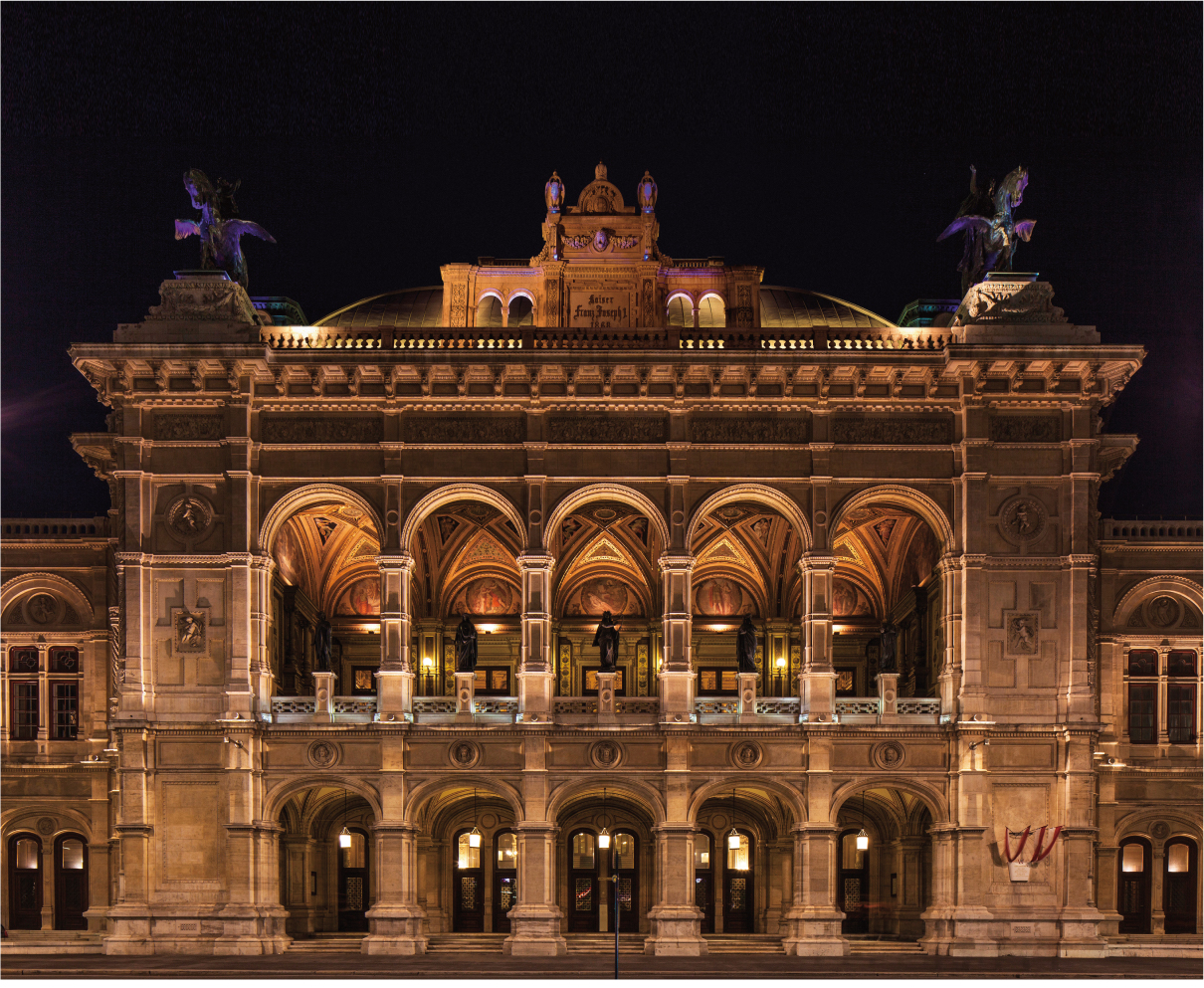
© WienTourismus/Christian Stemper
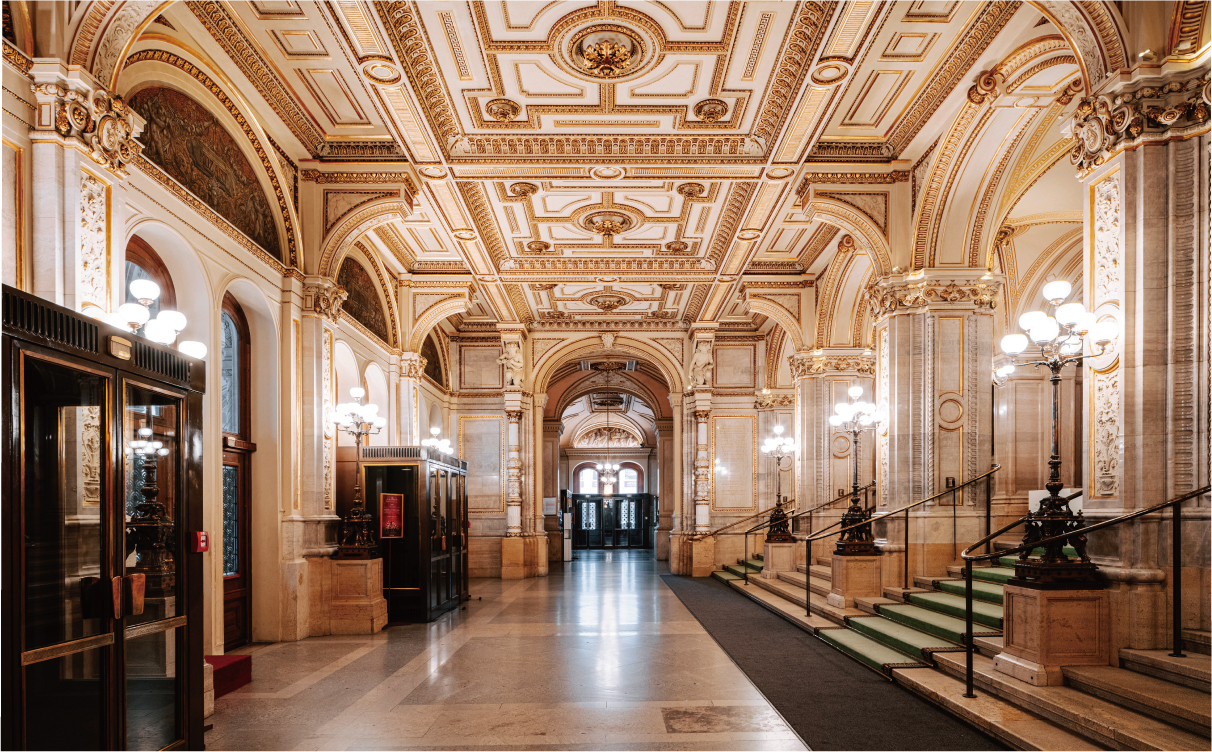
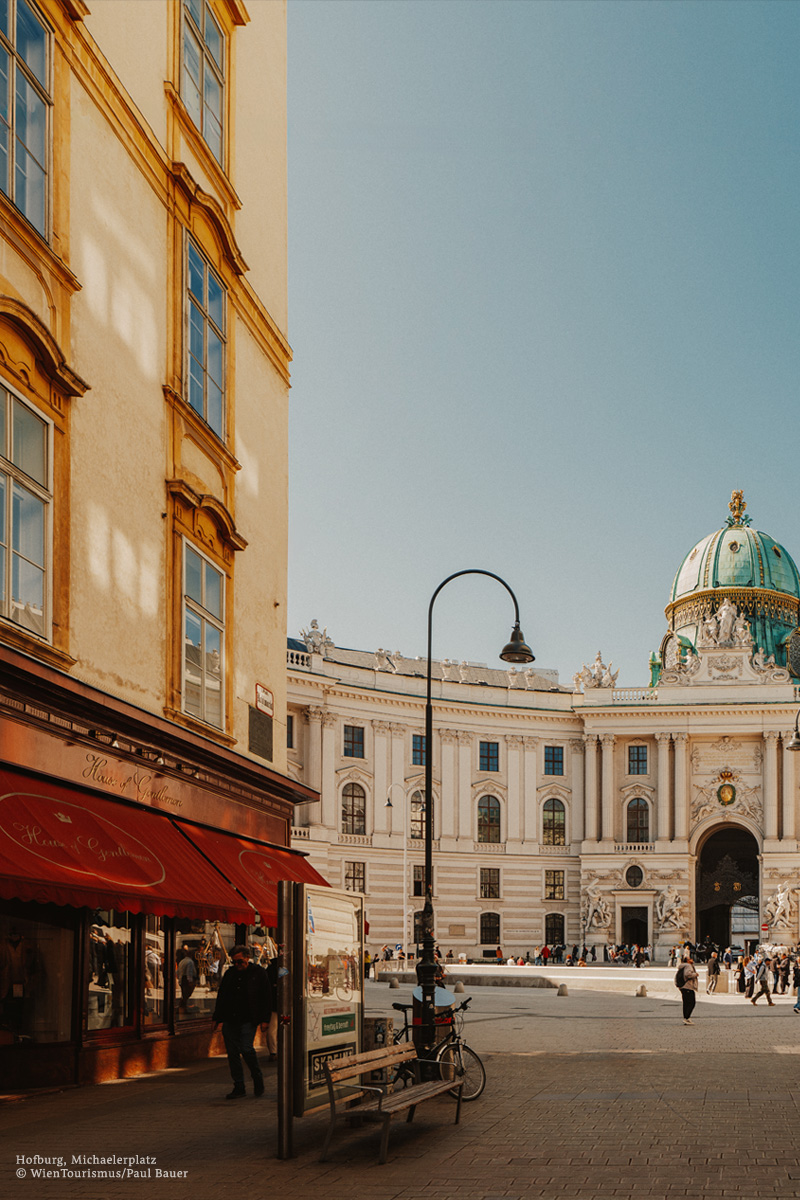
© WienTourismus/Paul Bauer
962年のオットー1世がローマより戴冠を受け、神聖でもなく、ローマでもなく、帝国でもない『神聖ローマ帝国』が出来上がった。つまり神聖ローマ帝国はローマ教皇に支持された皇帝を認めた領邦国家ということになる。
ヨーロッパには、ルネサンス以降、2家の芸術パトロンが存在した。ひとつは、フィレンツェのメディチ家、もう一つは、神聖ローマ帝国の小領邦の一つに過ぎなかったハプスブルク家であった。この小さな家系は、1508年にマクシミリアン一世が皇帝に即位すると、小さな争いはあったものの、武力ではなく、子供を多産することで、ヨーロッパ中に親戚関係を築き上げ、イベリア半島まで手中に収める。その一方で、貴族としての高貴な嗜みを持たなければならないとし、特に音楽支援に力を入れていた。よって、神聖ローマ帝国=ハプスブルク帝国になると、その首都ウィーンを『音楽の都』と呼ばれるように熟成させていった。ルネサンスを経て、音楽芸術と言えばオペラが中心であり、その付随として器楽が発展した。
その中で、有名な作曲家が、モーツァルトである。当時、オペラと言えば、イタリア語であるべきというトレンドがあった。なぜなら、フィレンツェで生まれたオペラは、イタリア語の抑揚を元に、ギリシア・ローマ悲劇の復活とし、戯曲、音楽、文学、演劇、美術など総合芸術として、オペラが生まれた。それが、当時の領邦首長である、ハプスブルク家に見初められたわけであるので、ウィーン宮廷では、貴族は、イタリア語のオペラを嗜むべきという風潮があった。しかし、ザルツブルクで生まれた神童モーツァルトを父のレオポルトが、プロモーションの旅に出て、ウィーン、フランス、イタリア半島(当時、イタリアという国は無い)を音楽旅行の連続で回り、モーツァルト兄妹はマリア・テレジアの御前演奏を成し遂げるが、そのガツガツした推しの強さを、女帝マリア・テレジアは拒絶し、モーツァルトが、ウィーン宮廷に招かれるようになるのは、マリア・テレジア没後数年を経ての事であった。その時の当主はマリア・テレジアの長男ヨーゼフⅡ世であり、彼は、寛容で、モーツァルトの申し出のドイツ語によるオペラ制作を容認する。中世・バロック期までは、教会中心の音楽であったが、ルネサンスの芸術ビッグバンにより、人間性が前面に出てきてから、音楽にも人間性が前面に出て来たころである。
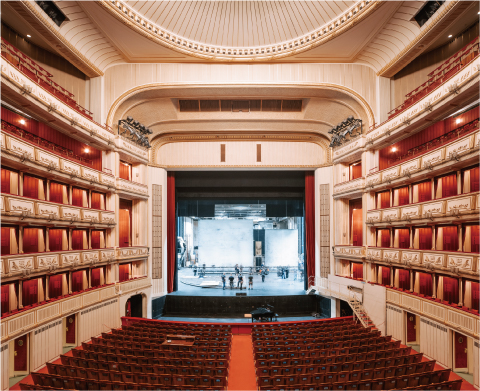
そんな、ドイツ語圏生まれのモーツァルトが、ヴェネト州(現在のイタリア北部)出身の天才台本作家のロレンツォ・ダ・ポンテと組んでのダ・ポンテ三部作(フィガロの結婚、ドン・ジョヴァンニ、コジ・ファン・トゥッテ)はイタリア語であり、この刺激的なオペラは宮廷を揶揄し、破廉恥でセクハラなオペラが、人類の宝物として、現代まで、引き継がれている功績は、ウィーン国立歌劇場のおかげである。このオペラハウスは、二大オペラハウスとして、ミラノ・スカラ座と双璧を成す。このオペラハウスの座付きオーケストラはウィーンフィルを包含するウィーン国立歌劇場管弦楽団の底深い音色がピットに入り毎日公演という過酷なスケジュールをこなす。我々、旅行者が一週間のウィーン滞在で、平均4~5演目の違うハイレベルなオペラ上演を楽しむことが出来るのは、ウィーン国立歌劇場だけである。ウィーンを訪れたら絶対にこのオペラハウスでオペラ体験をしてほしい。各国字幕対応もしており初心者でも楽しめる、絶好の社交の場でもある。幕間には煌びやかなホワイエでウィーンの雰囲気をたっぷりと味わうことが出来る。
Vienna, Capital of Music :
At Its Peak Stands the Vienna State Opera
In 962, the coronation of Otto I birthed the “Holy Roman Empire”—a paradoxical entity neither holy nor Roman. It existed as a collection of territorial states under an emperor sanctioned by the Pope.Post-Renaissance Europe saw two titan patrons of the arts: the Medici of Florence and the Habsburgs, who rose from being a mere minor territory within the Holy Roman Empire.
Under Maximilian I, the Habsburgs expanded their reach not through war, but through strategic marriages and procreation, eventually building a vast dynastic network that extended to the Iberian Peninsula.
Driven by the noble duty to patronize the arts, the Habsburgs focused heavily on music. As their empire grew, they transformed Vienna into the “City of Music,” where the dominance of opera eventually paved the way for instrumental music to flourish.
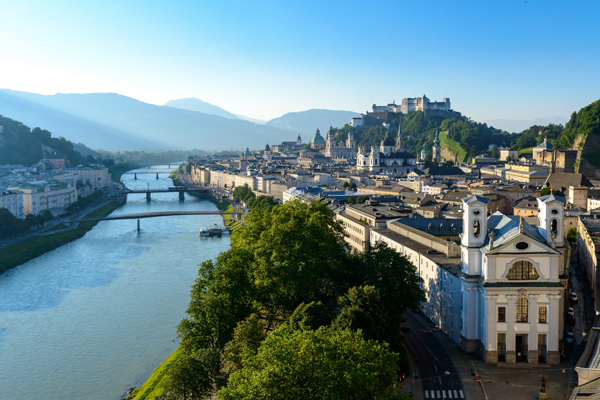
Amidst this history, Mozart emerged. At the time, opera was trend-bound to the Italian language, as the art form originated in Florence as a “total work of art” designed to revive Greek and Roman tragedy through the natural inflections of Italian.Because the Habsburgs favored this style, Italian opera became the mandatory taste for the Viennese nobility. Meanwhile, Leopold Mozart promoted his son, the Salzburg-born prodigy, through constant musical tours across Vienna, France, and the Italian Peninsula (which was not yet a single nation).
Empress Maria Theresa rejected the father’s aggressive self-promotion, and it was not until several years after her death that Mozart was finally invited to the Viennese court.
The ruler then was Joseph II, her eldest son, whose tolerance allowed Mozart to produce opera in German. This era marked a shift from church-centered music to a new age where humanism, sparked by the Renaissance “Big Bang,” took center stage in musical expression.
Mozart’s collaboration with the brilliant librettist Lorenzo Da Ponte produced the iconic “Da Ponte Trilogy.” These provocative, scandalous operas—once satires of the court—have been preserved as treasures of humanity thanks to the legacy of the Vienna State Opera.
Standing as an equal to La Scala in Milan, this house features the Vienna State Opera Orchestra—including members of the Vienna Philharmonic. Their profound resonance fills the pit daily despite an incredibly demanding performance schedule.It is the only place where a traveler can enjoy 4 to 5 different world-class productions in a single week. A visit to this opera house is an absolute must when in Vienna.
With subtitles for all and a magnificent foyer to enjoy during intermissions, it is the perfect social setting for everyone from beginners to connoisseurs to savor the true atmosphere of Vienna.
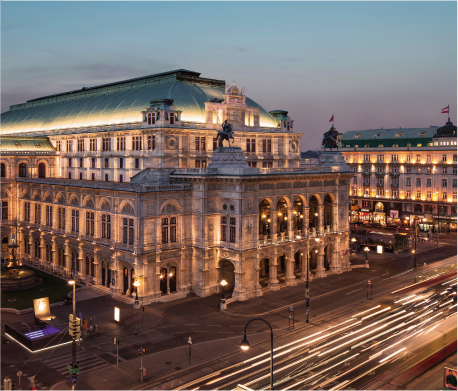
© WienTourismus/Christian Stemper
© WienTourismus/Peter Rigaud
© WienTourismus/Paul Bauer

閲覧中の特集はこちら