






街を歩きながらたどる、ウィーンの芸術史。
Feature | 2026.2.20
(ベルヴェデーレ宮殿所蔵)
© Leopold Museum Wien(レオポルド美術館所)
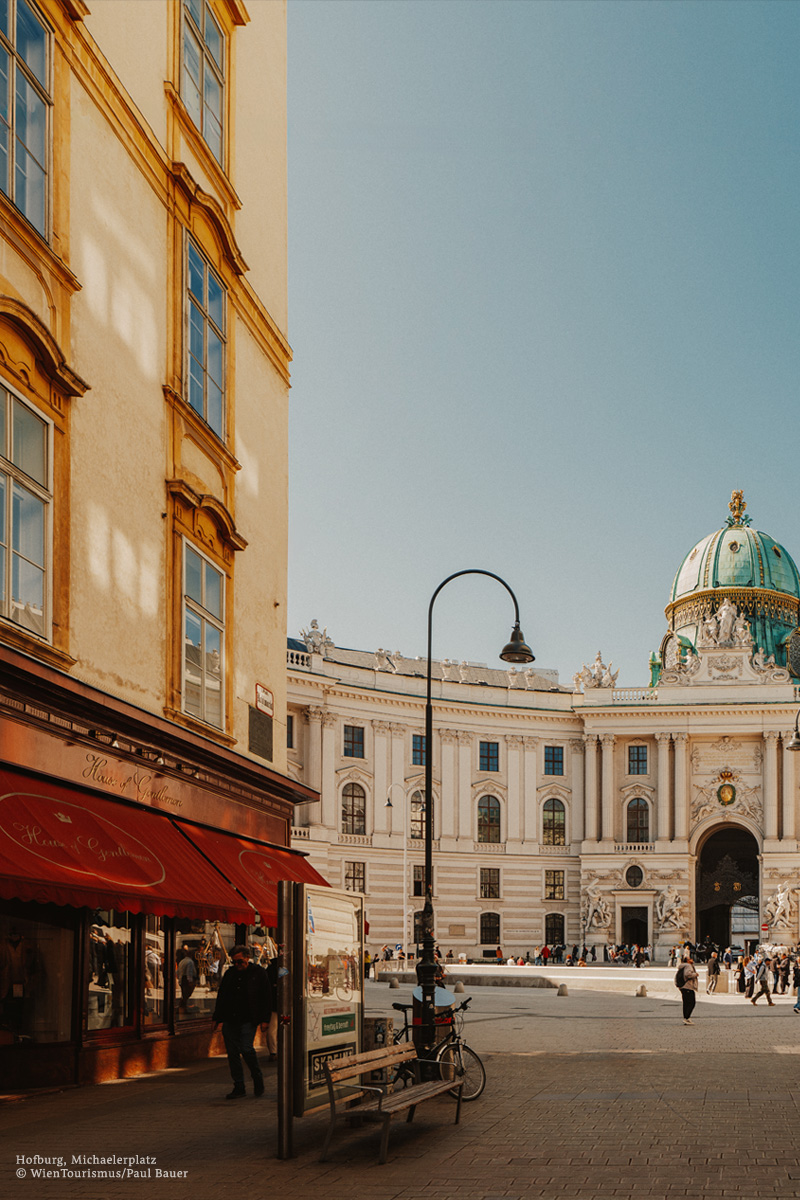
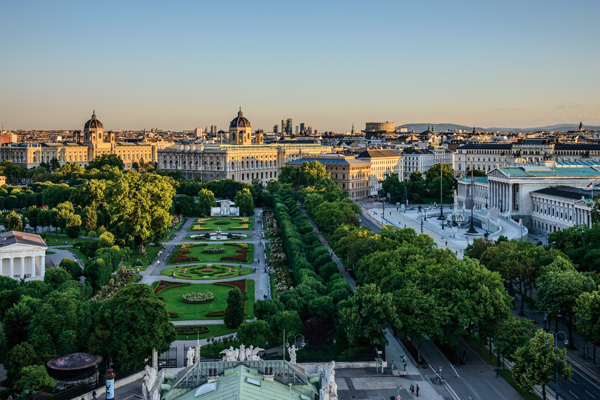
© WienTourismus/Paul Bauer
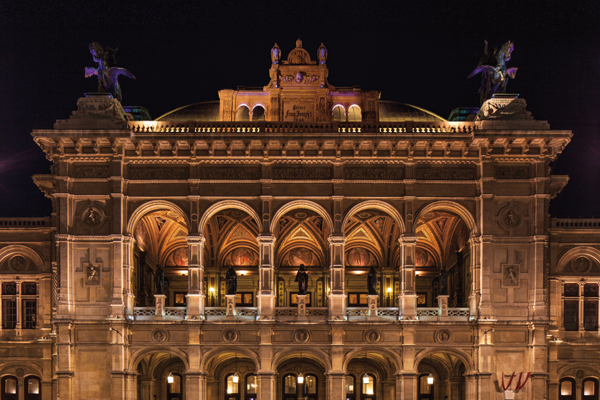
ウィーンは街そのものが、まるで美術館のようだ。旧市街の中心で存在感を放つゴシック様式の「シュテファン大聖堂」、ネオ・ルネサンス様式の均整のとれた外観をもつ「ウィーン国立歌劇場」、シンメトリーな構成とドームの屋根が印象的な「美術史博物館」など、歴史的な様式美を誇る建造物が、街のなかに静かに配置されている。これら都市が長い時間をかけて獲得してきた文化遺産を前にすると、ウィーンという街が「完成された都市」であることを、否応なく意識させられる。
だが、その完成度の高さこそが、19世紀末の芸術家たちにとっては、ある種の閉塞感であったようだ。時代を超越して高い芸術性を息づかせてきたウィーン、その美術界の内部から生まれたのが、ウィーン分離派。彼らが「分離」しようとしたのは、「キュンストラーハウス」を中心とする既存の美術界の枠組みだった。保守的な展示制度や評価基準から距離を取り、時代にふさわしい表現を自らの手で提示する。その中心にいたのが、グスタフ・クリムトだった。
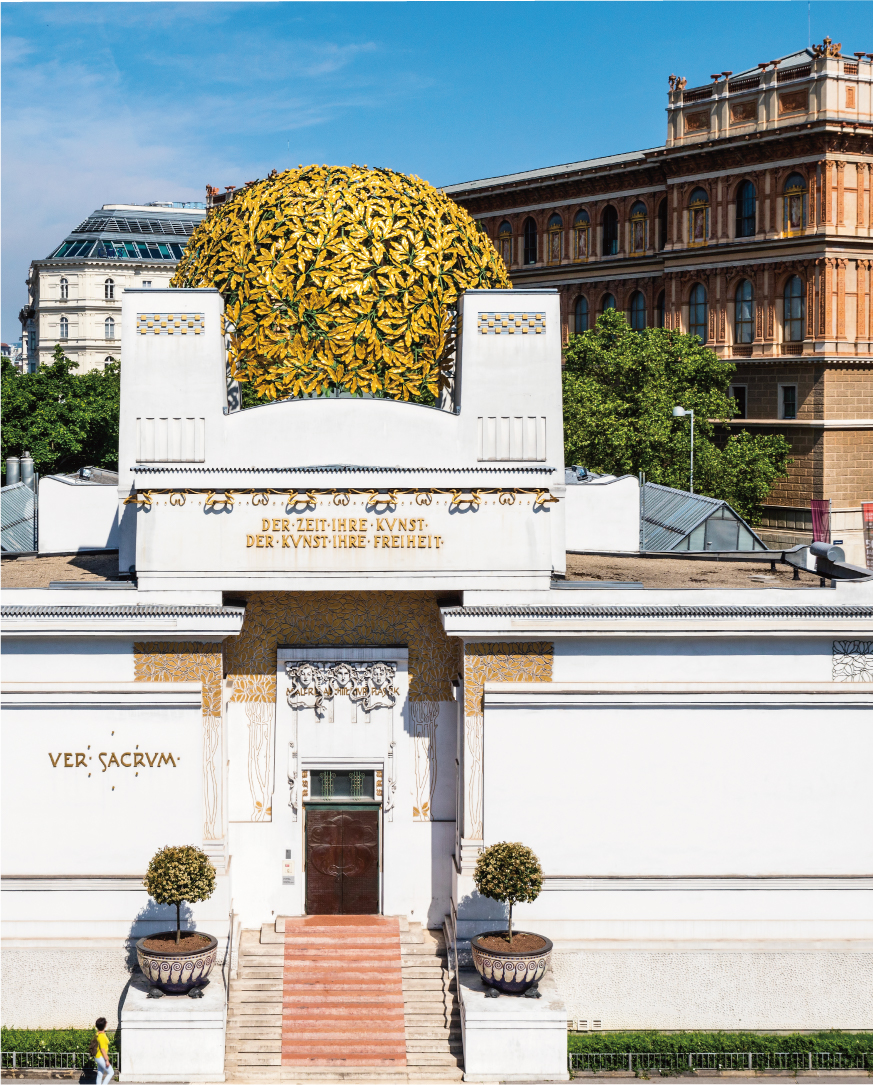
リンクシュトラーセから少し歩いた場所に「分離派会館」がある。白い外壁の簡潔な建築の上に載る、金色の月桂冠状装飾をもつ建物。ファサード上部には『時代にはその芸術を、芸術にはその自由を』という分離派のスローガンが掲げられている。ここで語られている自由とは、制度を破壊することではなく、制度と一定の距離を保ちながら内部から更新するための自由だった。クリムトの作品は、この分離派の思想をそのまま視覚化している。装飾性、象徴性、平面性、いずれも規定の様式美を用いながらも、そこに安住はしない、クールに制御された美が表現されている。
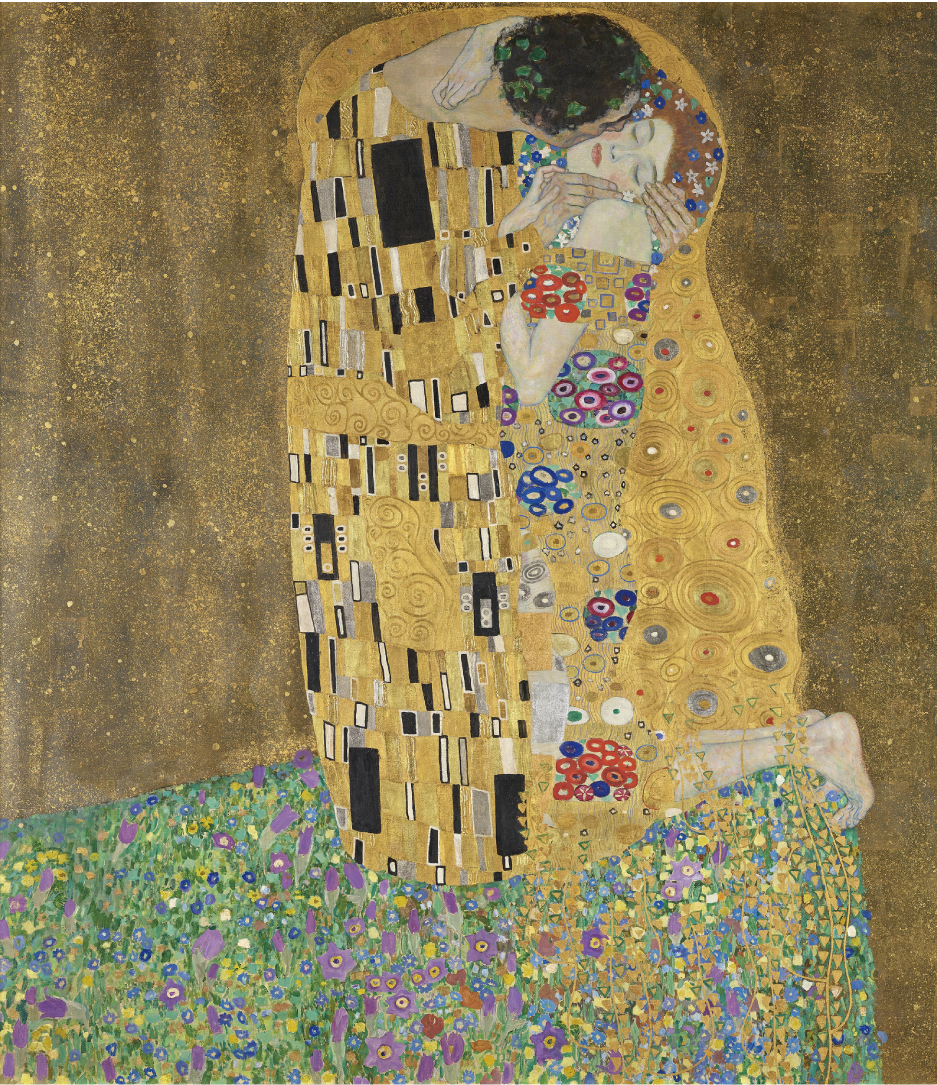
そして、「ベルヴェデーレ宮殿」に足を運ぶ。バロック建築の整った構えのなかで展示されているのがクリムトの作品のなかでも最も有名な「接吻」。金箔の輝きは豪奢だが、感情は抑制され、画面全体は静か。官能性すら構造の一部として配置され、鑑賞者を感情的に揺さぶる。
クリムト、そして分離派の芸術観が端的に表現されている一枚。
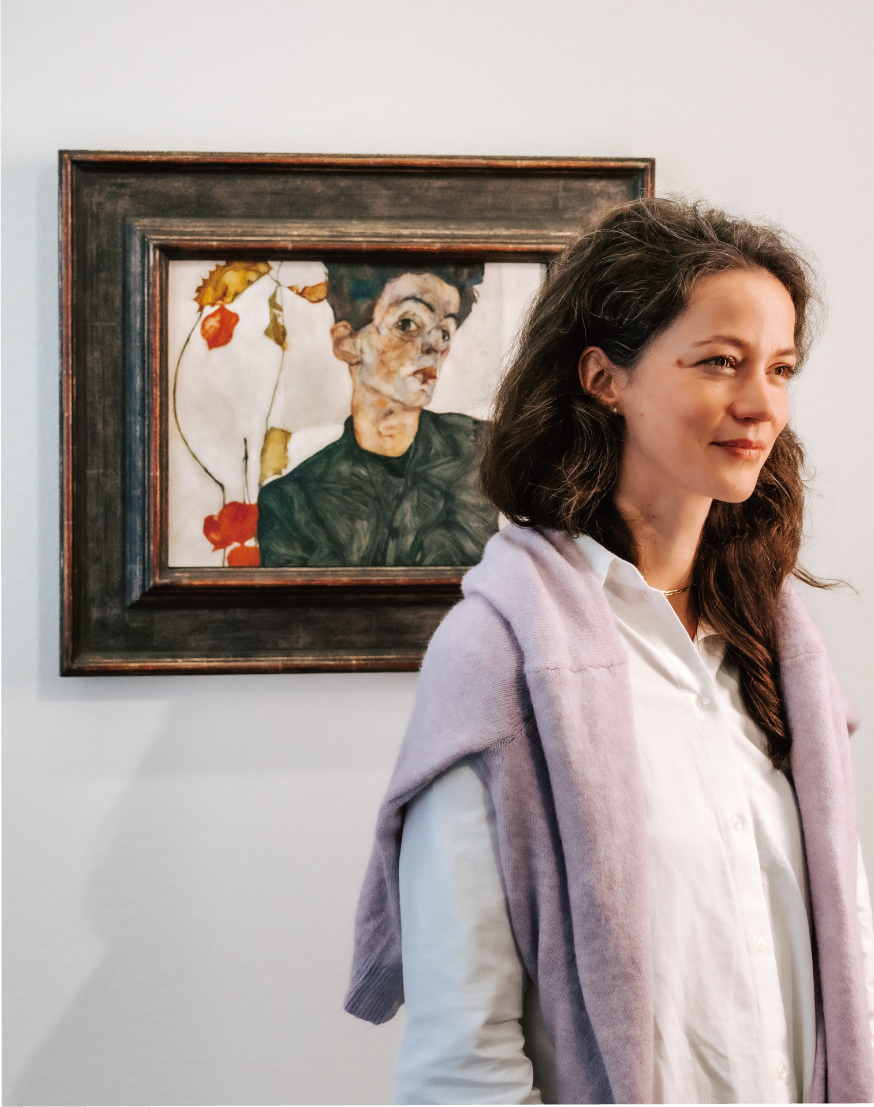
この分離派に引き寄せられた若き才能が、エゴン・シーレ。10代後半でクリムトと出会ったシーレは、メンターとしてクリムトを慕う関係にあった。支援や紹介を受けながらも、シーレは分離派には長くとどまらない。装飾を削ぎ落とし、歪んだ身体や不安定な視線を描く。「レオポルド美術館」でシーレの作品群に向き合うと、分離派やクリムトが表現することがなかった、人間の内面を剥きだしにするような不安と緊張、そしてそこから生まれる奇妙な心地良さを感じる。
分離派、そしてシーレ以後、ウィーンの表現はさらに内面へと向かっていく。その流れを体現した画家のひとりがオスカー・ココシュカだ。ココシュカは、都市の秩序を前提にしながら、人間の心理や衝動、不安を激しい筆致と色彩で描いた。そこに装飾的な均衡はなく、感情が直接、画面に噴出する。彼の表現は、ウィーンという理性的な都市が内包していた緊張を、絵画として表面化しているようにみえる。
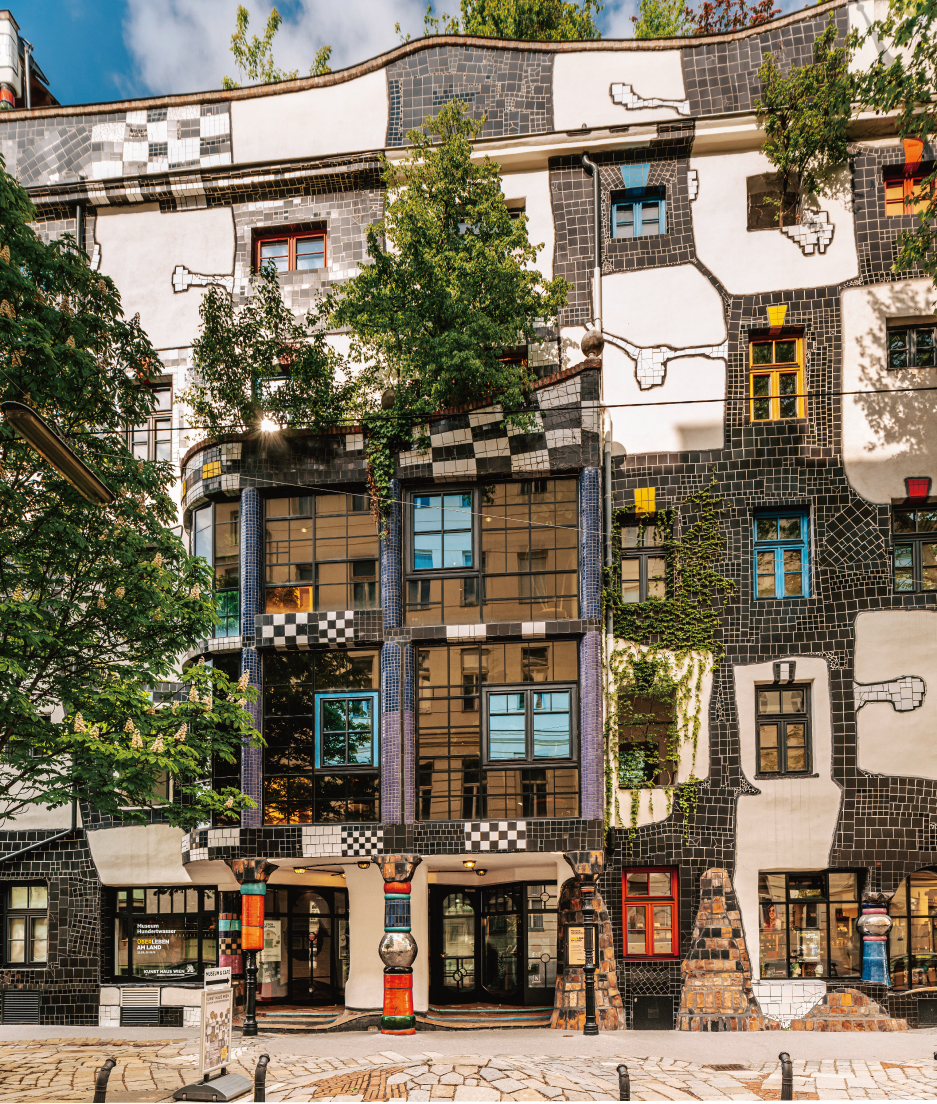
この内面化の流れは、やがて「建築」へと向けられる。その象徴的存在がフリーデンスライヒ・フンデルトヴァッサー。ヴァッサーの建築物では、直線は拒まれ、色彩は奔放で、床は平坦ですらない。だがそれは破壊ではなく、完成された都市への異議申し立てとしての建築だった。人間の感覚を取り戻すために、都市の秩序を意図的に歪めるのがヴァッサー建築の特徴だ。
こうしてウィーンを歩くと、芸術は個々の天才によって断続的に生まれたのではないことがわかる。それぞれはリンクシュトラーセとその周辺に連綿と繋がっている。そして、この街では、建築も絵画も、都市の一部となっている。街そのものが美術館であり、同時に、時代ごとに自らを問い直した痕跡がある。これこそが、ウィーンの魅力。
Tracing Vienna’s Artistic Heritage on Foot.
Vienna itself is like an open-air museum. Masterpieces of architectural beauty—the Gothic St. Stephen’s Cathedral, the Neo-Renaissance State Opera, and the symmetrical Kunsthistorisches Museum—are quietly integrated into the cityscape.
Facing such a profound collection of cultural heritage acquired over centuries, one cannot help but realize that Vienna is a truly “perfected city.”
Yet, this very perfection felt like a cage to artists at the end of the 19th century. From within this bastion of high art, the Vienna Secession was born.
Led by Gustav Klimt, they sought to “secede” from the conservative establishment of the Künstlerhaus. Their goal was to break free from rigid standards and present expressions that truly belonged to their own era.
A short walk from the Ringstrasse stands the Secession Building, a simple white structure topped with its iconic golden laurel wreath dome.
Above the entrance, the movement’s motto is inscribed: “To every age its art, to art its freedom.”This “freedom” was not about total destruction of the system, but rather about maintaining distance to renew art from within.
Klimt’s work visualizes this philosophy perfectly—using decoration and symbolism not to conform, but to express a cool, controlled beauty that refuses to settle into tradition.
Next, visit the Belvedere Palace. Within its orderly Baroque architecture, you will find Klimt’s most famous masterpiece, “The Kiss.”
Though the gold leaf shines luxuriously, the emotions are restrained, creating a quiet canvas. Even sensuality is placed as part of the structure, stirring the viewer’s emotions. It perfectly captures the artistic vision of Klimt and the Secession.
Egon Schiele was the young talent drawn to the Secession. Meeting Klimt in his late teens, he looked up to him as a mentor. However, despite Klimt’s support, Schiele did not remain within the Secession for long.
Stripping away decoration, he depicted distorted bodies and unstable gazes. At the Leopold Museum, his works reveal an anxiety and tension—a raw exposure of the human psyche—that Klimt never expressed, yet they offer a strange sense of comfort.Following the Secession and Schiele, Viennese expression delved deeper into the psyche. Oskar Kokoschka was a key figure who embodied this shift.
Kokoschka used intense brushwork and colors to depict human impulses and anxiety amidst urban order. His work lacks decorative balance, allowing raw emotion to erupt onto the canvas—a visual manifestation of the tensions within a rational city.This inward turn eventually reached architecture, symbolized by Friedensreich Hundertwasser. His buildings reject straight lines and flat floors, embracing wild colors and organic forms.
His work was not an act of destruction, but a challenge to the “perfected city.” Hundertwasser intentionally distorted urban order to help people reclaim their human senses.Walking through Vienna, it becomes clear that art did not emerge sporadically from isolated geniuses. Each movement is continuously linked along the Ringstrasse and its surroundings, where architecture and painting are integral parts of the city.
The city itself is a museum, bearing the scars and traces of an ongoing self-inquiry through the ages. This is the true essence of Vienna’s charm.

閲覧中の特集はこちら