












障害の中から生み出す源泉は、反骨か、内なる創造欲求か。
Column|2026.5.22
Text_kotaro sakata
作家の開高健は、『芸術は永遠である』と断言した。そして、『明日、世界が滅ぶとしても、今日、リンゴの苗を植えるだろう』という言葉を愛した。これは、深い。
人の創造物は、人に活力と生きる力を与えてくれる。これには、異議がない。
生涯、金銭的にも、人脈にも恵まれ、悠々自適な創作活動をした、アーティストも確かにいる、例えば、メンデルスゾーンなどである。しかし、歴史上、苦悩の中で格闘しながらもがき苦しみながら、後ろ盾のない中で、苦闘の中からアートを紡ぎだしてきた芸術家に心を打たれたことは多い。それは、我々の人生も、思う様にいかない写し鏡であることと相通ずるところを見出し、心の拠り所を見出していたのかもしれない。その共通点の中からの創造物に心が魅かれるのだろう。その芸術家の苦悩の一端をご紹介しよう。
画家のゴッホは、偏った性格で周囲から疎まれ、唯一の理解者である弟のテオによる支えで、生涯1作品しか売れなかった画家である。作曲家のワーグナーは、ある意味で、自己中心的で友達はいなく、政治犯として、ヨーロッパ中から手配をされ、逃げ回っていた。しかし、創造物は、崇高なものであった。精神を究極まですり減らした作曲家、ロベルト・シューマンは、精神を患い、妻のクララへの愛と嫉妬の狭間で、自死を選ぶ。歴史上、身体・精神障害から偉大な作曲作品をもたらした作曲家と言えば、ベートーヴェンであろう。30歳前半で作曲家としては致命的な難聴に襲われ、その回復は生涯なされなかった。絶望の中で書いた『ハイリゲ ンシュタットの遺書』には、これからの人生に対する不安と、肉体的に言うとを利かない身体、そして、なにより、聴覚を失う恐怖に苛まれ、ありとあらゆる補聴器 (当時は電気が無いので、増幅音が出来ない)を模索しながら、自身のピアノに木を張り付けて、その木を口に噛みしめ、骨伝導で音を感じる様に試したという、ベートーヴェンは、30歳から難聴を発したということは、彼の作曲家人生は、聞こえない中で大部分が創作されたことになる。これは、我々の日常から想像を遥に超える苦闘であったことだろう。シェフが味覚を無くすこと、画家が視覚を無くすこと、調香師が、嗅覚を失うことと同意である。 致命的であり、地獄の中での創作活動であったことであろう。ウィーン郊外のベートーヴェンの散歩道を歩きながら 、周囲の音が聞こえず、鳥のさえずり、木々の揺らめき、風の音を聞くことが出来ない苦悩は想像を絶する。その中において、室内楽、ピアノソナタ、そして、交響曲を頂点まで引き上げた功績は後の人類にもたらした影響は計り知れない。歴史に『If』は無いが、モーツァルトに近代ピアノがあれば?ベートーヴェンに聴覚があれば?と思わずにはいられない。今、我々が接するベートーヴェンの音楽はそうした苦悩の中から生まれた歓喜への渇望だと思うと、交響曲第九番(合唱付き)の初演時に、傍らにいた、ベートーヴェンが大衆の大喝采に気づかずに失敗だったと思ったときに、周囲が、『大成功です!』と言ったことで、我に返り称賛に答えたベートーヴェンに想いを馳せることで、せめてもの感謝の想いを秘めたい。
When creativity springs from disability, is its source defiance, or an inner creative drive?
The writer Takeshi Kaiko once declared, “Art is eternal.” He deeply resonated with the words: “Even if I knew the world would end tomorrow, I would still plant my apple tree today.” This sentiment is profound. There is no doubt that human creation provides us with the vitality and strength to live.
Certainly, some artists, like Mendelssohn, enjoyed a life of affluence and social grace. Yet, we are often more deeply moved by those who wrestled
with agony, creating art from within a struggle devoid of support. Perhaps we find in their work a mirror of our own imperfect lives, discovering a sanctuary for our hearts through our shared hardships.
Consider the depths of their suffering. Vincent van Gogh, isolated by his eccentricities, sold only one painting in his lifetime, surviving solely through his brother Theo’s support. Richard Wagner, often self-centered and friendless, was a political fugitive hunted across Europe, yet his creations remained sublime. Robert Schumann, pushed to his mental limits, ultimately chose to end his life, torn between his genius and a turbulent love for his wife, Clara.
The most profound example of a composer overcoming physical hardship is Beethoven. In his early thirties, he suffered a loss of hearing—a fatal blow for any musician. In his Heiligenstadt Testament, he confessed his utter despair and fear of a future in a failing body. Without electricity to amplify sound, he desperately clamped a wooden rod between his teeth, pressing it against his piano to sense the music through bone conduction.
Since his deafness began so early, most of his masterpieces were composed in total silence. For a composer to lose his hearing is as devastating as a chef losing their sense of taste or a painter losing their sight; it is a creative life within a literal hell. Walking through the suburbs of Vienna, one can only imagine his agony—witnessing the rustle of trees and the wind’s movement, yet trapped in a world where not a single bird’s song could reach him.
His achievement in elevating chamber music, piano sonatas, and symphonies to their absolute peak has left an immeasurable impact on humanity. While history knows no “if,” one cannot help but wonder: what if Mozart had a modern piano? What if Beethoven could hear? His music is a testament to an intense thirst for joy born from the depths of suffering.
Consider the premiere of Symphony No. 9. As the final notes faded, Beethoven, unable to hear the thunderous applause, stood in silence, fearing the performance had failed. Only when someone turned him around to see the standing ovation did he realize his triumph and acknowledge the crowd. Reflecting on this moment fills one with profound gratitude. His music was not just art; it was a victory of the human spirit, gifted to us from within his silent world.
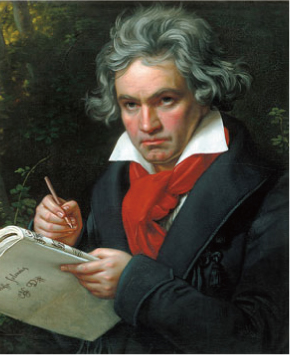
ドイツのマインツで生まれのヨーゼフ・カール・シュティーラー(1781~1858)により描かれた最も有名なベートーヴェンの肖像画。手にしているのは、ベートーヴェンの大作のひとつ
『ミサ・ソレムニス』の楽譜。
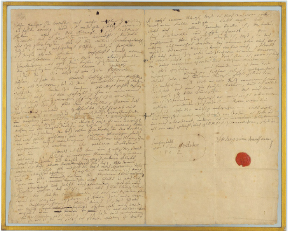
ハイリゲンシュタットの遺書。ベートーヴェンが1802年10月6日に
ハイリゲンシュタット(ウィーン)において、弟であるカールとヨハンに宛てて書いた手紙で、
後にシラーなどにより公表される。
ベートーヴェン記念館所蔵。