






Hola! カタルーニャ
Hola! カタルーニャ
バルセロナは、バルセロナだけでは語れない、という話。
Hola! カタルーニャ
On why Barcelona cannot be understood on its own.
Feature | 2026.6.24
バルセロナは、バルセロナだけでは語れない、という話。
スペイン・バルセロナに今、
世界中から観光客が押しかけている。
でも少し視点を引くと、違う顔が見えてくる。
ここは、カタルーニャ地方。
海と山に抱かれた風土、温暖な気候、
旬の食材を生かした料理、芸術をリスペクトする文化、
そして、よく笑い、よく話す、陽気な人たちが暮らしている。
バルセロナの魅力の多くは、カタルーニャに息づくものなのかもしれない。
観光地の名前を追いかけるだけでは見えてこない、
カタルーニャの気配を求めて行き先を決める。
そんな旅の入口として、この特集を楽しんでもらえたら嬉しいです。
On why Barcelona cannot be understood on its own.
While Barcelona draws tourists from around the globe,
stepping back reveals a different face: the land of Catalonia. Embraced by the sea and mountains,
this sun-drenched region thrives on vibrant seasonal cuisine,
a deep respect for art,
and cheerful people who love to laugh and talk.
Much of Barcelona’s charm is rooted right here.
Rather than just checking off tourist destinations,
we invite you to choose a journey
that pursues the true spirit of this region.
We hope this June issuefeature serves as
your perfect entryway to experiencing the authentic
breath of Catalonia.
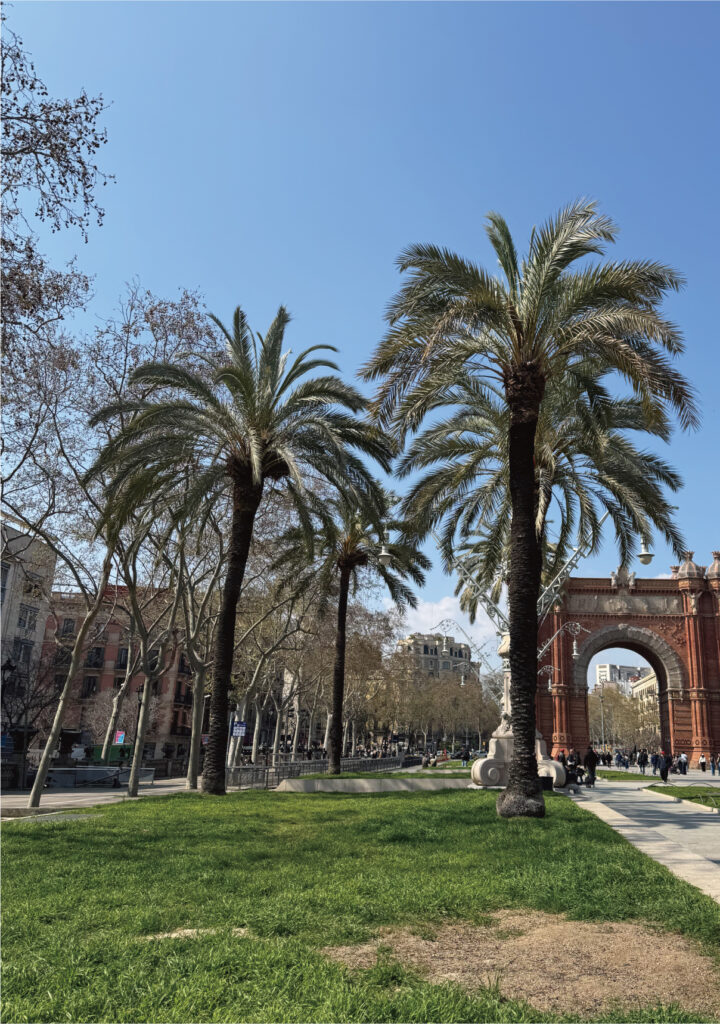
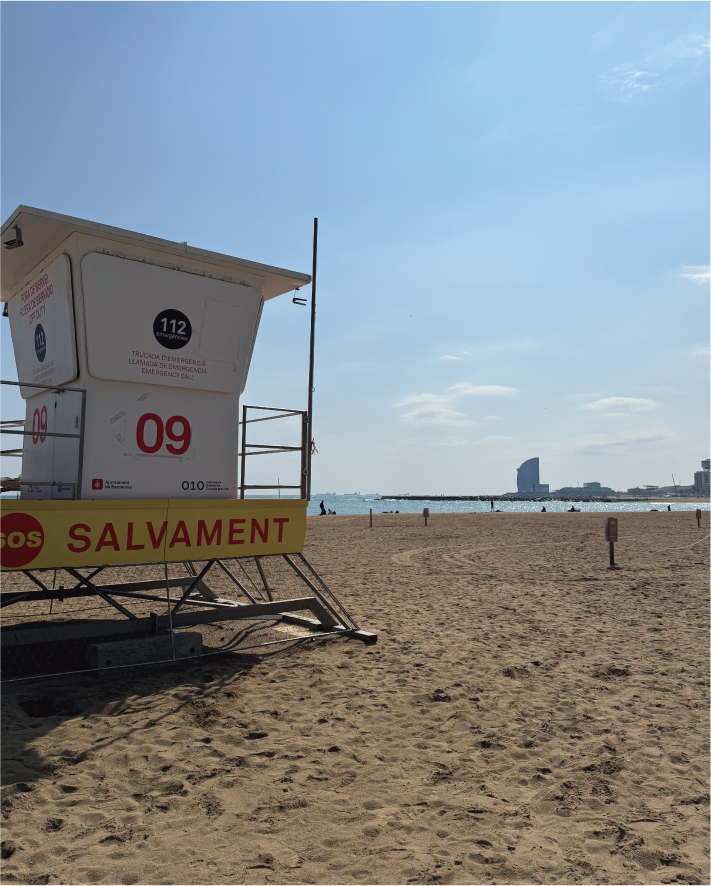
地中海の光に包まれた街並み。バルに集う人たちの陽気な声。
市場に並ぶ色鮮やかな食材。
スペイン北東部に広がるカタルーニャには、
旅先としての美しさだけではない、この土地ならではの空気が流れている。
建築、芸術、食、祭り、そして人々の気質。
バルセロナから少し視野を広げると、
まだ知らないスペインが見えてくる。
Streets bathed in Mediterranean light. The cheerful voices of patrons in bars.
Colorful foods lining the market stalls.
In Catalonia, stretching across northeastern Spain,
there is an atmosphere unique to this land—something beyond its beauty as a destination.
Architecture, art, food, festivals, and the character of its people.
Widen your gaze a little beyond Barcelona, and another, s
till unfamiliar Spain comes into view.
FCバルセロナ対レアル・マドリード。ただのサッカーの試合なのに、なぜあれほど熱くなるのか。それは、首都マドリードとカタルーニャ、それぞれの誇りや歴史、土地に根づいた感覚がぶつかり合っているから。
スペインは、ひとつの国のなかに多彩な地方文化が共存する。地中海を望むカタルーニャ、山岳文化が息づくバスク、ケルトの面影を残すガリシア。それぞれが独自の言葉や文化を持ち、長い歴史を育みながら、いまもそれぞれに、しっかりとした存在感を放っている。
なかでも、とりわけ強い個性を感じさせるのがカタルーニャだ。ピレネーの山々と地中海にはさまれたこの地域には、乾いた風と明るい光、そして暮らしのなかに独特な文化が息づいている。
街にはカタルーニャ語の看板があり、バルでは人々の声が飛び交う。市場にはオリーブ、ハモン、魚介、旬の野菜といった、海の恵みと山の幸が並ぶ。
4月23日の「サン・ジョルディの日」には、街じゅうで本と薔薇が大切な人に手渡される。言葉と花が行き交う、そんな美しい風景が、いまもこの地の日常に息づいている。
さらに、お祭りなどで見られるのが「カステル」と呼ばれる人間の塔。人々が肩を支え合いながら何層にも積み上がっていく。その光景には、人と人との強い結びつきや、この地域に息づく共同体の感覚が表れている。
あのガウディもまた、カタルーニャの人。彼がつくりだした独創的な曲線や装飾には、自然へのまなざしや、信仰、神話の世界が刻まれている。
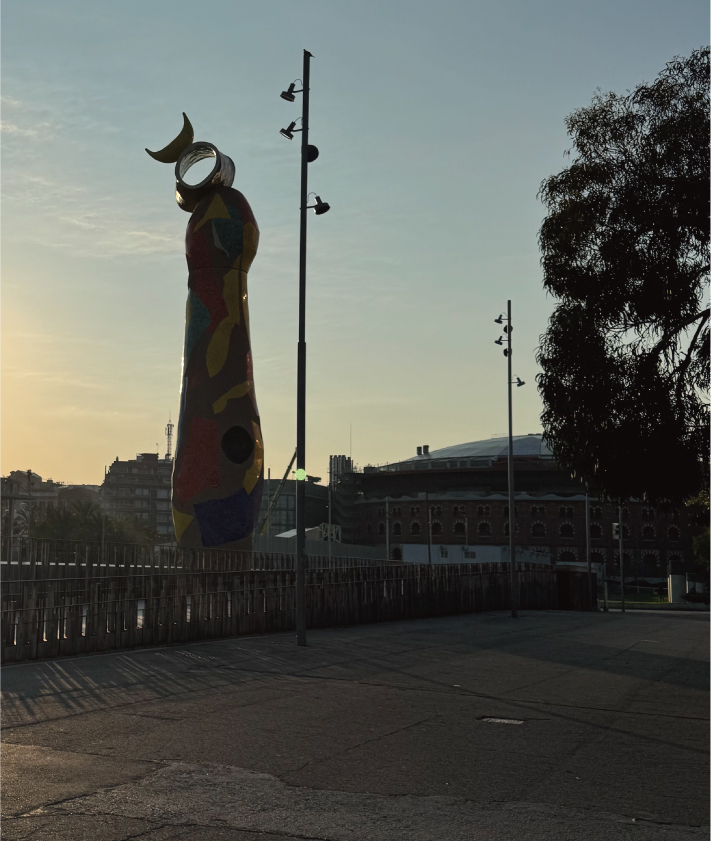
芸術家でいえば、ミロとダリもカタルーニャ生まれ。ピカソもまた、芸術家として大切な時期をバルセロナで送っている。なぜ、ここから次々と創造的な才能が生まれるのか。街を歩いていると、その理由が少しわかる気がする。
この特集では、人を知り、街を歩き、建築を見上げ、食を味わいながら、カタルーニャという土地を辿っていく。
オラ!カタルーニャ。 知れば知るほど、ここはただの観光地ではなくなっていく。
FC Barcelona versus Real Madrid—why does a mere football match ignite such fierce passion? It is a clash of pride and history between the capital, Madrid, and Catalonia. Spain is a beautiful tapestry of diverse regional cultures; from the Basque mountains to Celtic Galicia, each retains its unique language and a powerful identity.
Among them, Catalonia radiates an exceptionally distinct individuality. Embraced by the Pyrenees and the Mediterranean, this region thrives with dry winds, bright light, and unique traditions. Catalan signs line the streets, lively voices fill tapas bars, and markets overflow with fresh seafood and jamón. On “Sant Jordi’s Day,” the streets bloom with books and roses exchanged between loved ones—a poetic tradition woven into daily life. During festivals, communities build Castells (human towers), embodying a profound spirit of mutual support.
This creative soil bred geniuses like Gaudí, Miró, and Dalí, and nurtured a young Picasso. Walking these streets, you quickly understand why innovation thrives here. This feature traces Catalonia through its people, architecture, and cuisine. ¡Hola! Catalunya. The deeper you look, the more it transforms from a simple tourist spot into an unforgettable, living experience.
ガウディ、その曲線の奥にあるカタルーニャ。
Gaudí, and the Catalonia behind his Curves
Feature | 2026.6.24
奇抜さではなく、この土地の自然や文化からガウディを読み解く。
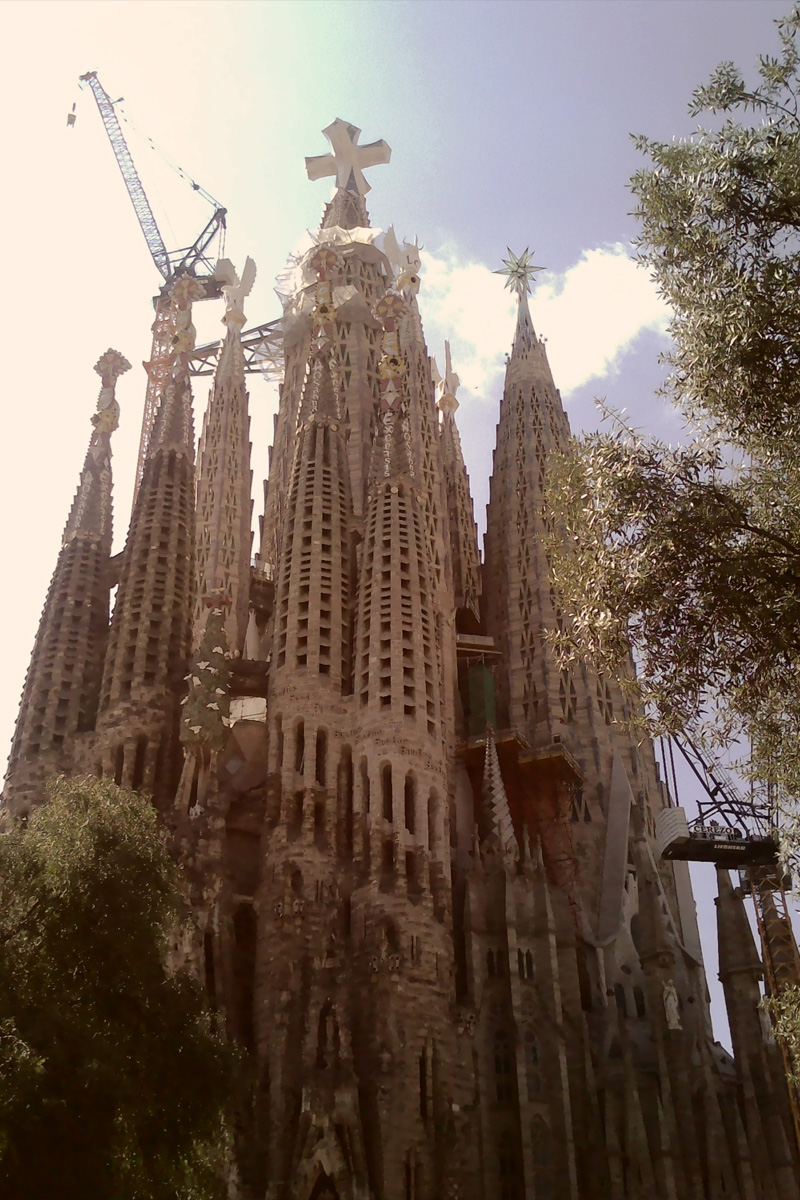
バルセロナといえばガウディ。サグラダ・ファミリア、カサ・バトリョ、グエル公園など、どれも個性的なのに、不思議と街の風景から浮いていない。それは、ガウディが奇抜な建築をつくろうとしていたのではなく、この土地の感覚を、建築に表現しようとしたからなのかもしれない。
ガウディはスペインの建築家として紹介される。だが本人は、強いカタルーニャ意識を持っていたようだ。公の場ではカタルーニャ語を使い続け、スペイン語を話すよう求められても応じなかったという逸話も残る。言葉を守ることは、土地の文化や誇りを守ることでもあった。
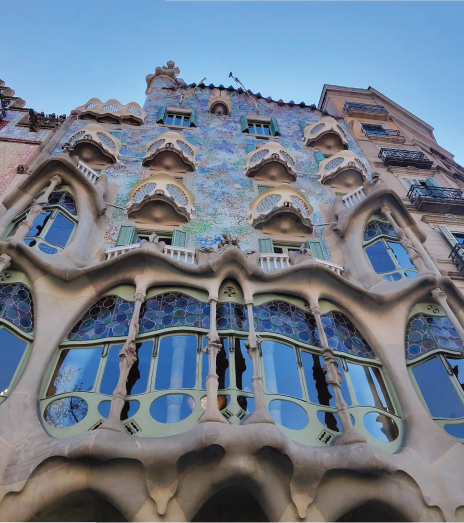
そう考えると、彼の建築の見え方も変わってくる。たとえばカサ・バトリョ。あの建物に多くの人は「海」や「生き物」を連想する。けれど、カタルーニャの文脈で見ると土地の神話が潜んでいる。屋根は、守護聖人サン・ジョルディが退治したドラゴンの背中。外壁の鱗のような色彩も、その物語につながっている。
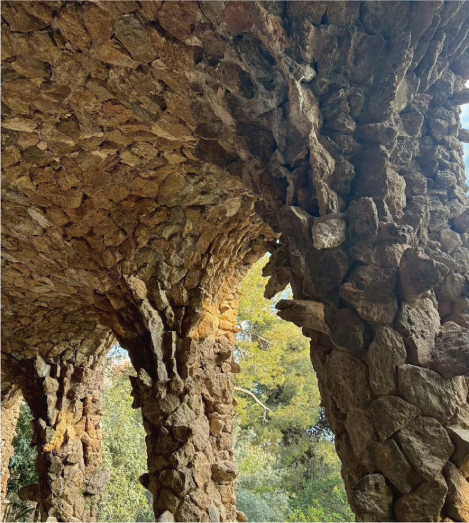
また、グエル公園では地中海の光やモンセラットの岩山、乾いた大地の色が表現され、波打つベンチや傾いた柱などにもカタルーニャの自然観が現れている。
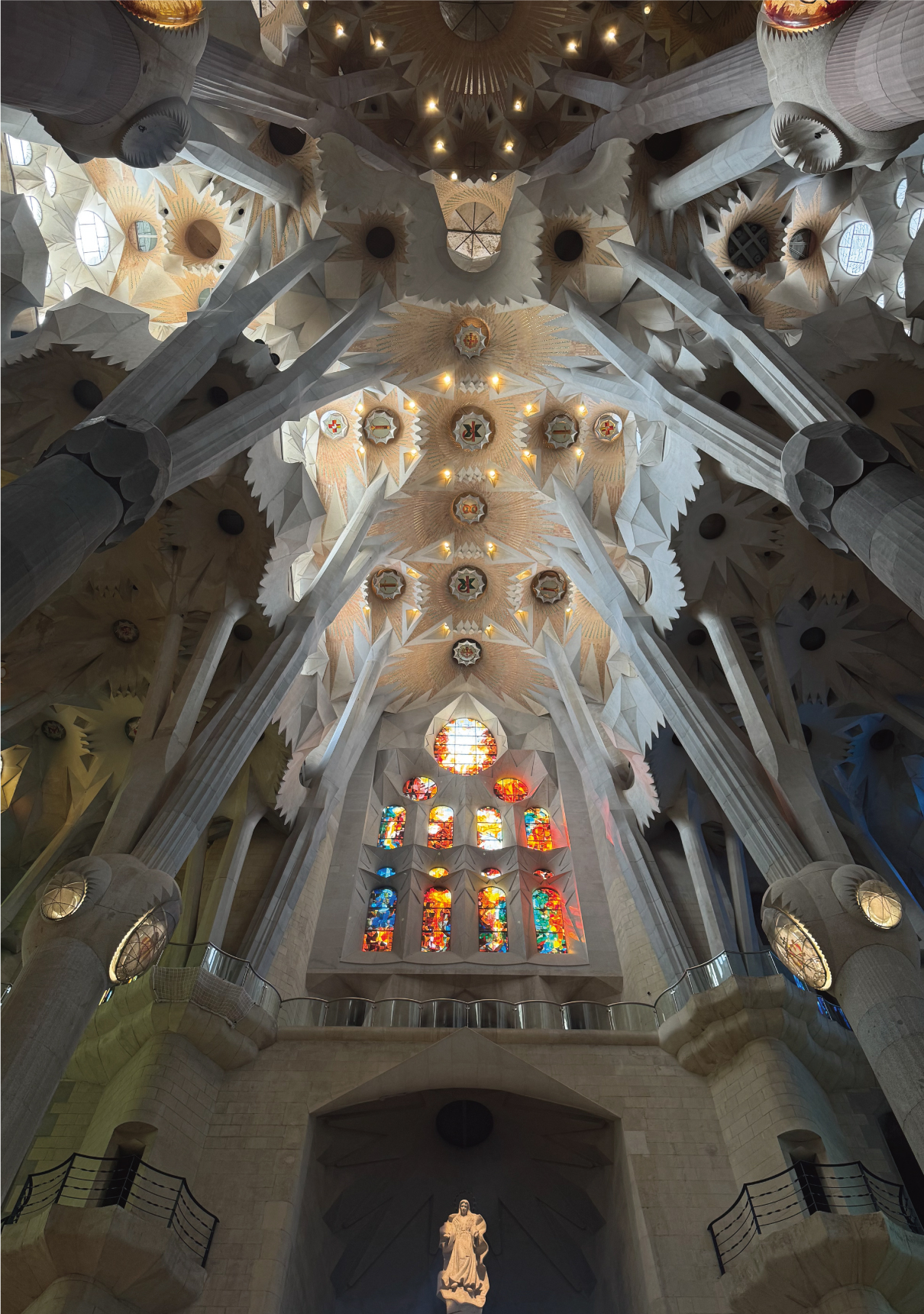
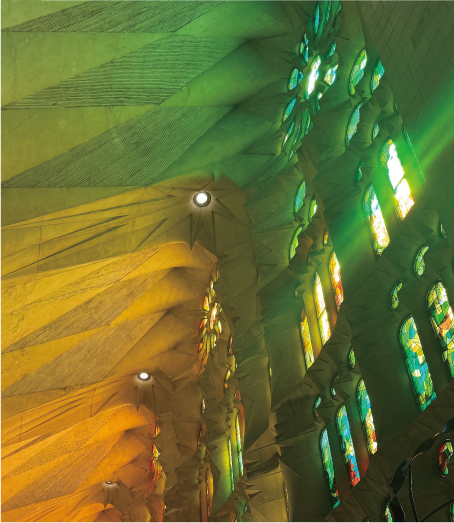
そしてサグラダ・ファミリア。内部に入ると、柱は木の幹のように枝分かれし、光は森の木漏れ日のように落ちてくる。カトリック建築でありながら、どこか地中海的な自然信仰の気配すら漂う。
今年、中央の「イエス・キリストの塔」が完成した。ただ、それでも全体はまだ未完。140年以上を経たいまも、なお完成していない。だが、その“終わらなさ”も、どこかこの土地に重なる。独自の言葉や文化、自治への意識を守りながら、いまもなお完成形を持たずに揺れ続けている土地だからだ。
こうしたガウディを生んだ背景にあるのが、「モデルニスモ」と呼ばれるカタルーニャ独自の芸術運動。19世紀末から20世紀初頭、バルセロナでは建築や工芸、絵画などで新しい表現が次々に生まれた。それは自分たちの文化を形にしようとする運動でもあり、ガウディはその中心にいた。
ガウディの建築は、単なる観光名所ではない。あの曲線の奥には、この土地の歴史や言葉、神話や自然観が折り重なっている。バルセロナでガウディを見るということは、カタルーニャという土地の精神を見る、ということなのだと思う。
Gaudí, and the Catalonia behind his Curves
Reading Gaudí not through eccentricity, but through the nature and culture of this land.
Mention Barcelona, and Gaudí immediately comes to mind. Masterpieces like the Sagrada Família, Casa Batlló, and Park Güell are undeniably unique, yet they never feel detached from the cityscape. This harmony exists because Gaudí was not merely trying to build something eccentric; he was giving architectural form to the very essence of his homeland.
Though often introduced globally as a Spanish architect, Gaudí possessed a fierce Catalan identity. He insisted on speaking Catalan in public, reportedly refusing to switch even when requested—a steadfast defense of his culture and pride.
Viewed through this lens, his buildings reveal deeper meanings. Take Casa Batlló: while many see “the ocean” or “living creatures,” Catalan context uncovers local mythology. The roof represents the spine of the dragon slain by Sant Jordi, the region’s patron saint, and the scaly colors of the facade tie directly into this legend.
Similarly, Park Güell channels the Mediterranean light, the jagged peaks of Montserrat, and the warm tones of the dry earth. Its undulating benches and tilted columns are not just playful designs, but a physical manifestation of the Catalan worldview rooted in nature.
Inside the Sagrada Família, columns branch out like tree trunks, and stained-glass light filters down like sunshine through a forest canopy. While it is a Catholic cathedral, it carries the mystical aura of Mediterranean nature worship.
With the Jesus Christ tower recently completed, the overall structure remains unfinished. This perpetual state of being “under construction” mirrors Catalonia itself—a region fiercely guarding its language, culture, and autonomy, constantly evolving without a fixed endpoint.
This environment was shaped by Modernisme, Catalonia’s unique art movement at the turn of the 20th century. Driven by a desire to manifest their cultural identity through architecture and crafts, it placed Gaudí at its heart.
Gaudí’s architecture transcends mere tourist landmarks. Beneath those famous organic curves lie layers of history, language, myth, and a distinct worldview. To gaze upon his creations in Barcelona is, ultimately, to look directly into the living soul of Catalonia.
歩けばわかる、カタルーニャの気配。
Walk the city, and you can feel Catalonia.
Feature | 2026.6.24
街に広がる暮らしの匂い。ここには、観光では見えない時間が流れている。
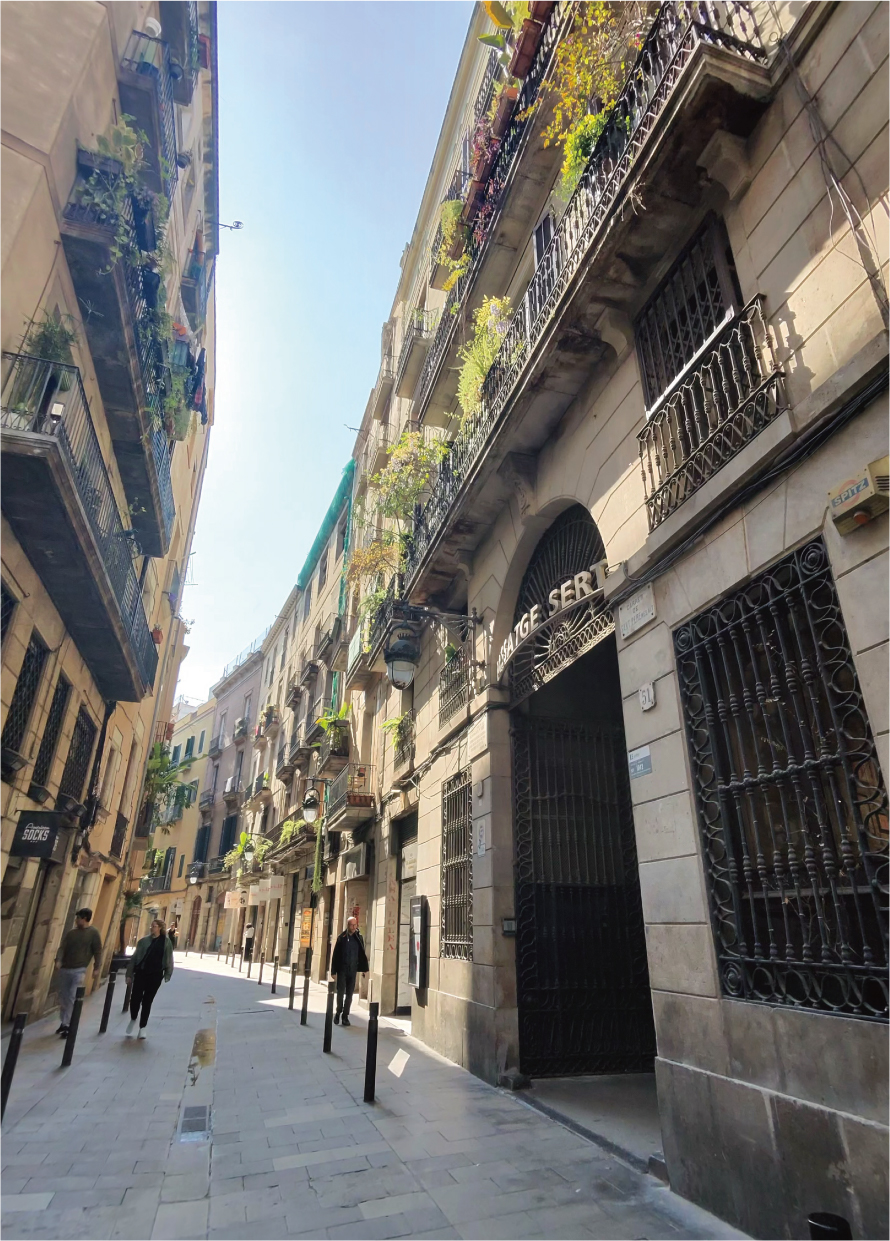
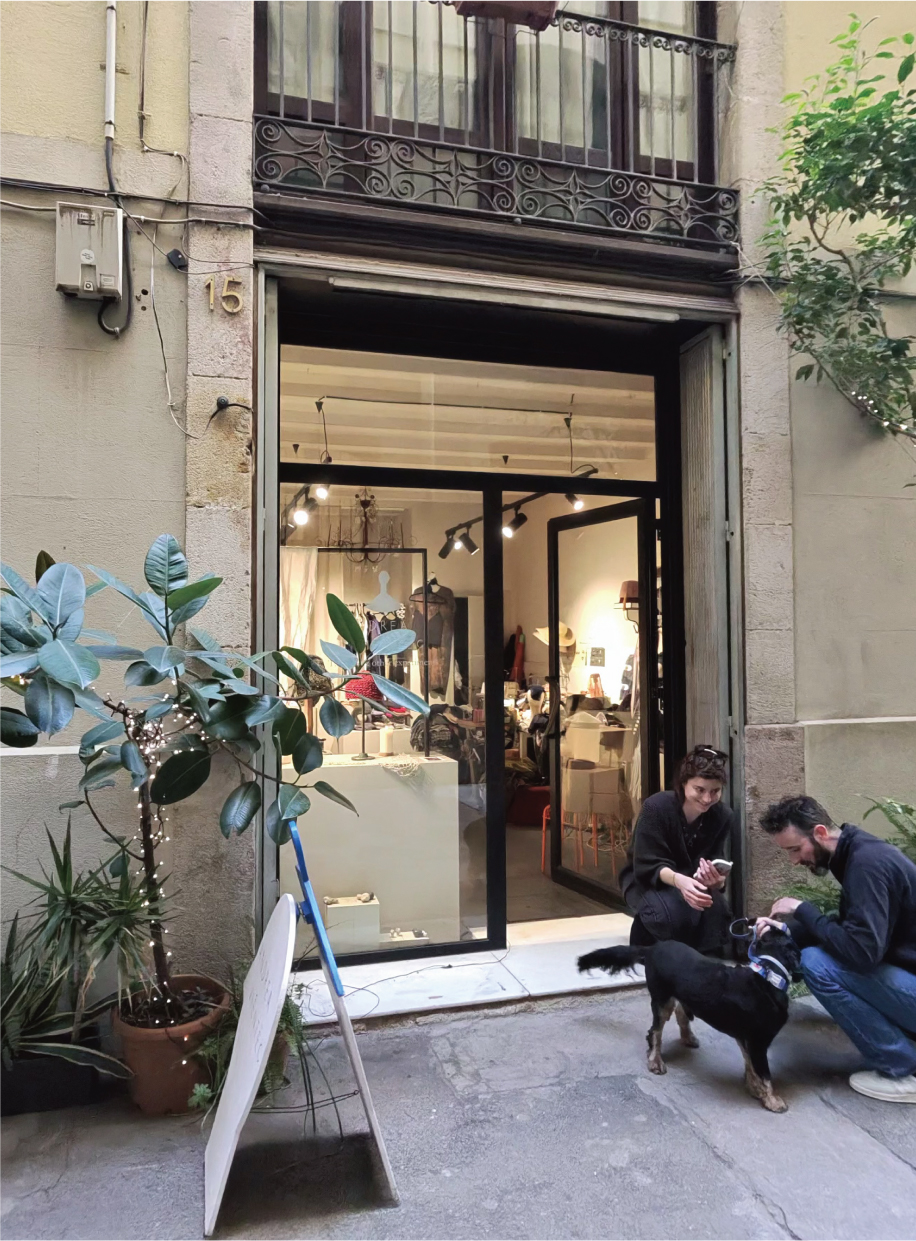
バルセロナ、ここは世界中から人が訪れる観光都市である前に、カタルーニャの人たちが働き、食べ、語らい、年を重ねてきた生活の場所。
大通りをはずれると、そのことがよりはっきりと感じられる。旧市街の中心にはバルセロナ大聖堂があり、そこから細い路地が迷路のように延びている。小さな広場があり、市場があり、教会があり、そのまわりに店や住まいが重なる。誰かが机の上で線を引いてつくった街というより、人の暮らしが少しずつつくっていった街。
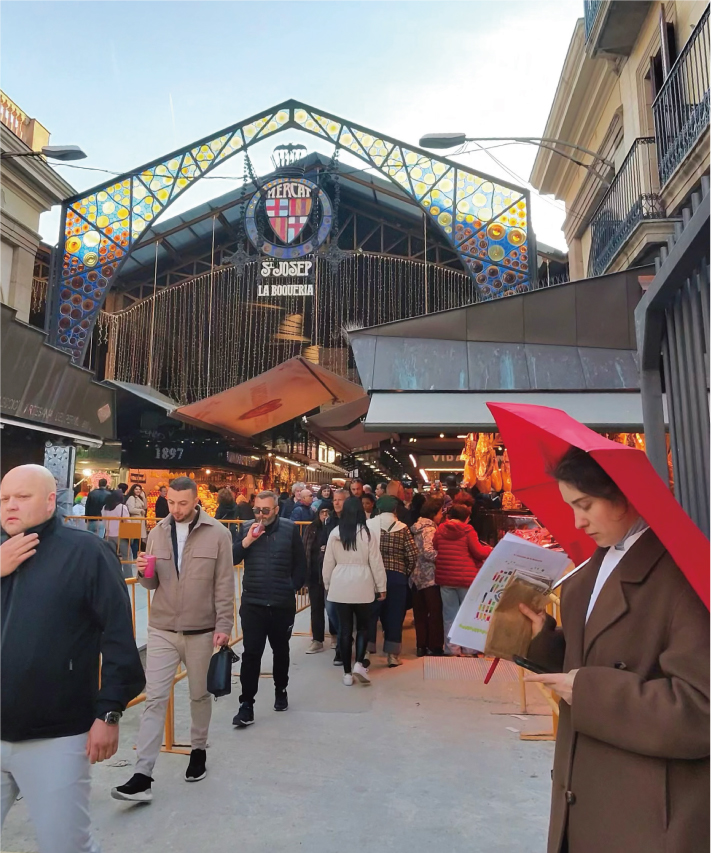
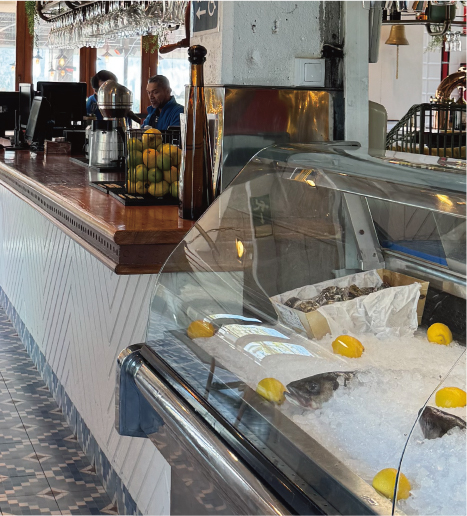
朝の市場には、野菜や魚の匂いが混ざった湿った空気がある。氷の上に並べられた魚、山のように積まれたトマトやオレンジ、籠からはみ出す香草。店の人は手際よく品物を並べ替え、客はひとつひとつを確かめるように覗き込む。売る人と買う人の距離が近く、声の調子にも、手つきにも、土地のリズムが感じられる。
バルのカウンターにも、この街の暮らし方が見える。食事だけの場ではなく、近況を交わし、少し休み、自分時間を整える場所。バルセロナでは、通りや広場、バルまでが家の延長のように使われている。
ふと見上げると、通り名や公共表示にはカタルーニャ語がある。
バルコニーには、黄色地に赤い縞の旗「セニェーラ」が揺れている。洗濯物のそばに旗が掛けられていたりもする。ことさらに訴えているというより、自分たちの文化を、暮らしのなかに置いている。
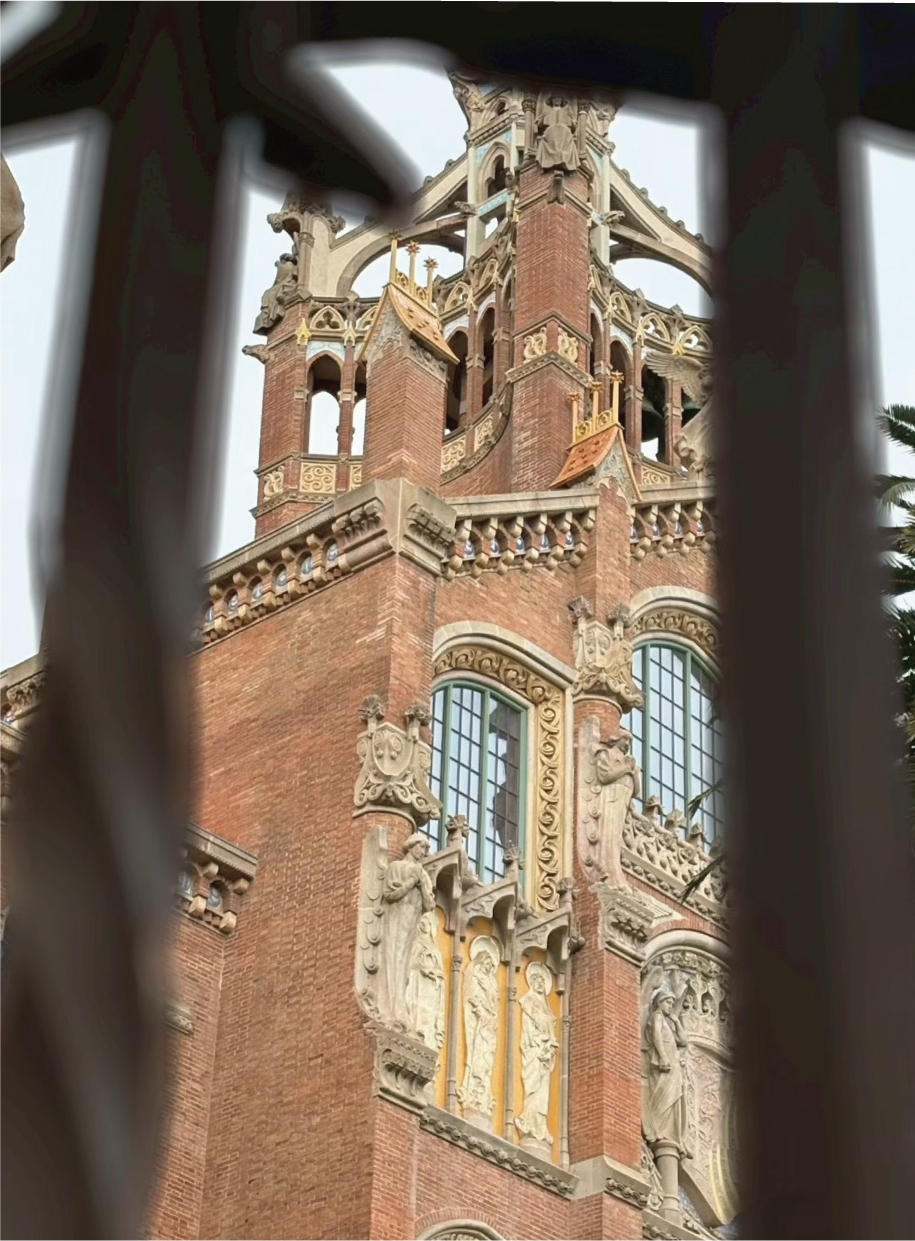
街の色にも、カタルーニャらしさはにじんでいる。モデルニスモ建築の柔らかな曲線、装飾の細やかさ、少し褪せたタイル、擦れて丸くなった石畳。華やかでありながら、どこか人の手の跡が残っている。
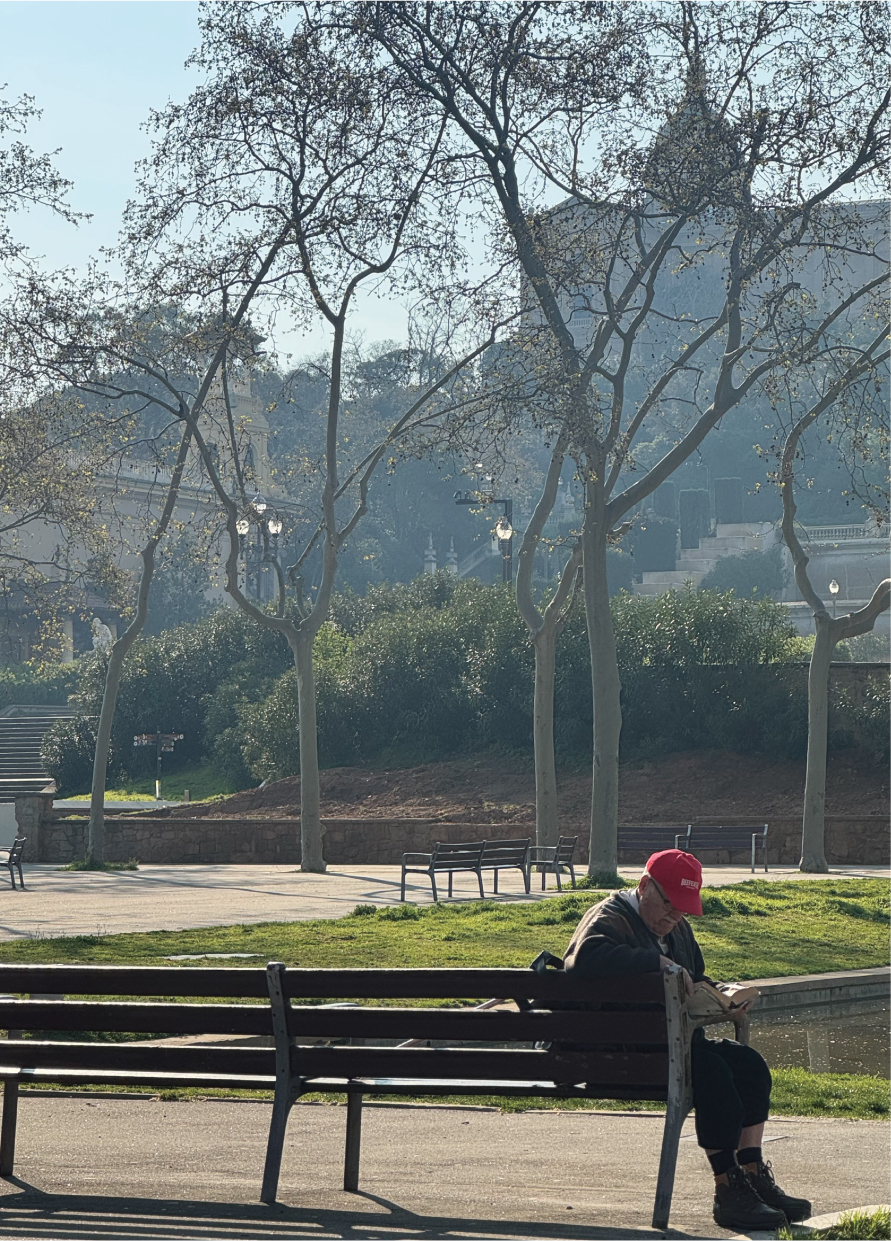
夜になると、街の表情はまた変わる。観光客の足音もまばらになり、大聖堂の周囲には静けさが戻る。小さな広場ではまだ、地元の人が過ごしている。子どもがはしゃぎ、ベンチでは年配の人たちがカタルーニャ語まじりに談笑している。けれど、それらは大きく響かない。何世紀も前から使われてきた石の壁や道に、音が吸い込まれていく。古い街だけが持っている、夜の深まり方。
バルセロナは、美しい建築を見に行くだけの街ではない。そこにあるのは、カタルーニャの人たちが長い時間をかけて育ててきた暮らし方。バルセロナという街の奥には、いまもカタルーニャの気配が息づいている。
Walk the city, and you can feel Catalonia.
The scents of everyday life waft through the streets. Here, time flows in ways sightseeing cannot reveal.
Before it became a global tourist destination, Barcelona was a place where Catalans worked, ate, conversed, and grew old. It is a city forged by daily life.
Stepping off the main avenues makes this reality clear. In the heart of the Old Town, the Barcelona Cathedral stands as a focal point from which narrow streets extend like a labyrinth. Small squares, bustling markets, and ancient churches are densely layered with local shops and residences. This is not a city drawn with straight lines on a planner’s desk; it is an organic landscape shaped over centuries by the hands of its residents.
In the morning market, the humid air hangs heavy with the scents of fresh vegetables and seafood. Fish gleam on beds of ice, tomatoes and oranges form vibrant mounds, and fresh herbs spill from woven baskets. Vendors arrange their goods with practiced speed as customers lean in to inspect each item. Here, the distance between buyer and seller vanishes, and in the tone of their voices and the movement of their hands, one can truly feel the authentic rhythm of the land.
At a bar counter, you see how this city lives. It is not just a place to eat, but a sanctuary to exchange news, take a short rest, and recalibrate one’s day. In Barcelona, the streets, squares, and bars function seamlessly as extensions of the home.
Looking up, street signs appear in Catalan. On balconies, the yellow-and-red striped Senyera flags flutter, sometimes right next to the laundry. Rather than a fierce political statement, it feels as though people are simply weaving their identity into the fabric of daily life.
The color of the city itself exudes Catalonia. The soft curves of Modernisme architecture, intricate ornaments, faded tiles, and cobblestones worn smooth by time—it is a landscape that remains grand yet deeply human.
At night, the city transforms. As tourist footsteps fade, a serene quiet returns to the cathedral. In small squares, locals still linger. Children play, and elders chat on benches, their voices laced with Catalan. Yet, these sounds do not echo; they are gently absorbed by stone walls that have stood for centuries. This is a deepening of the night that only ancient cities possess.
Barcelona is more than a gallery of beautiful architecture. It is a way of life cultivated over generations. Behind the facade of the metropolis, the true breath of Catalonia remains beautifully.
その皿には、カタルーニャがある。
Catalonia on the plate.
Feature | 2026.6.24
地中海と内陸の恵みを重ねながら、バルセロナの味は育まれてきた。
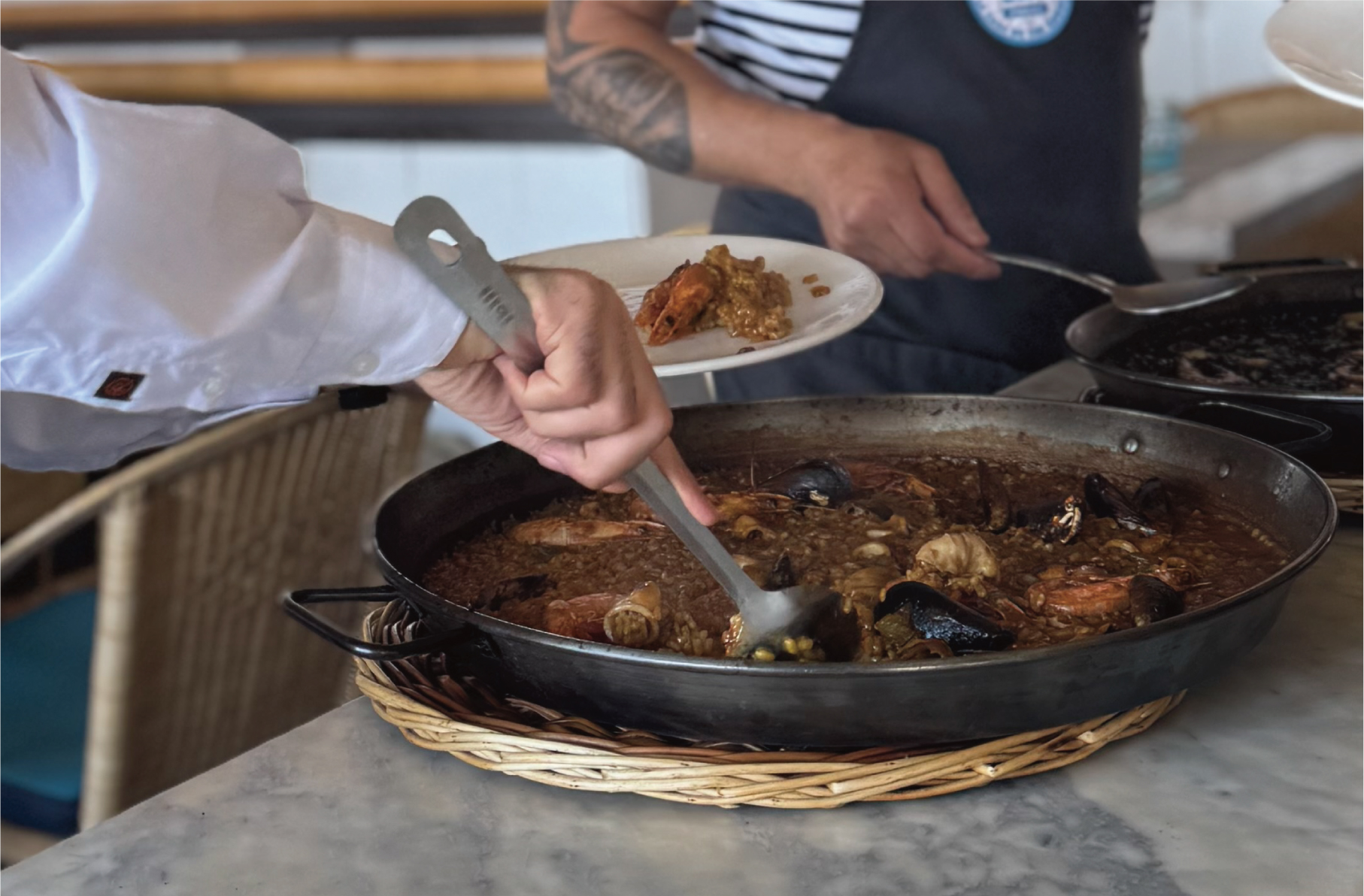
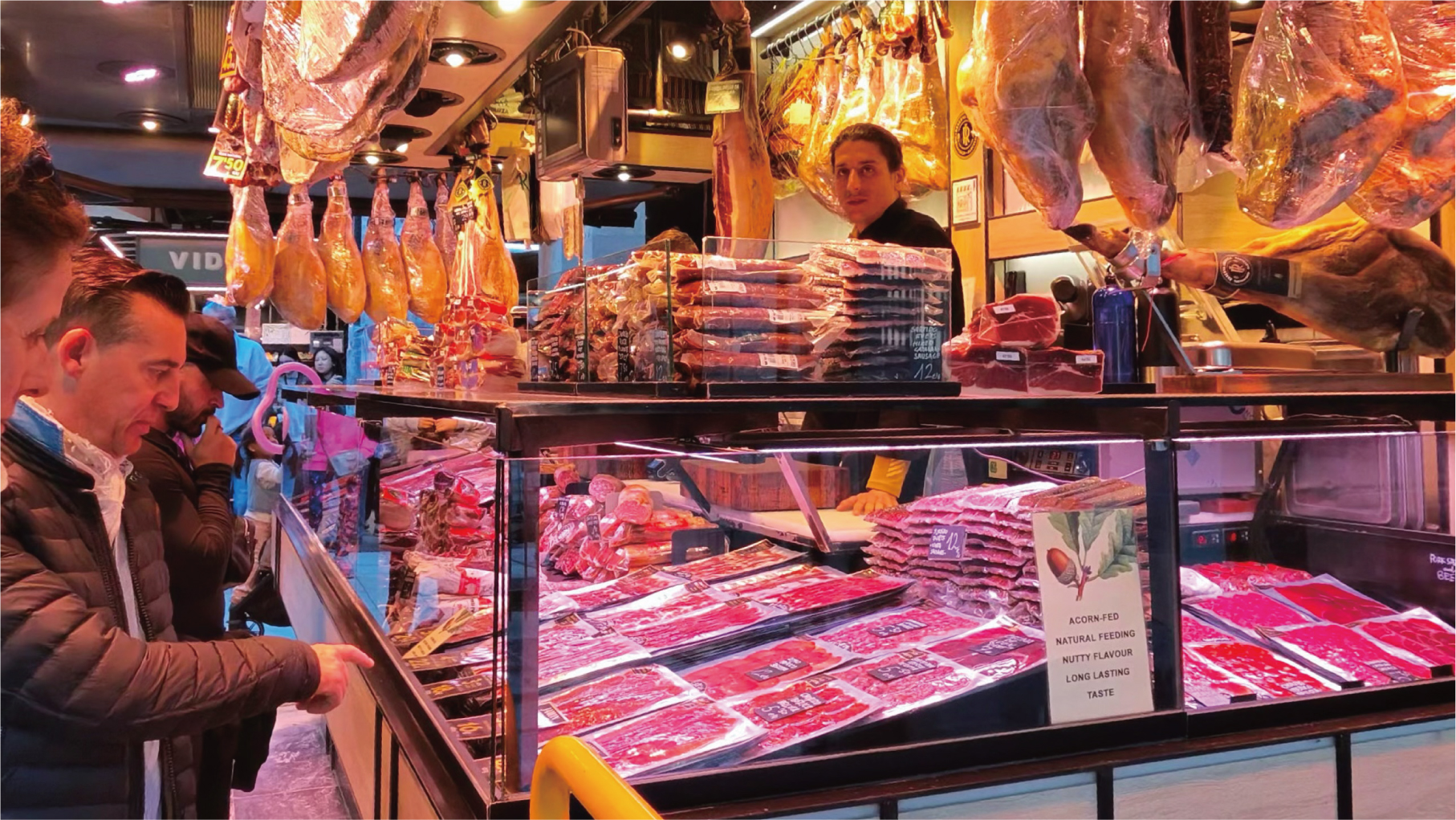
スペイン料理と聞くと、多くの人はパエリアや生ハムを思い浮かべる。さらに、オリーブ、チーズ、ワイン、タパス。いかにもスペインらしい陽気な食卓の風景がそこにある。
もちろん、バルセロナでもそれらを味わうことはできる。しかし、ここはスペインであると同時に、カタルーニャでもある。その違いは、皿の上にもあらわれている。
カタルーニャの食は、土地の条件をうまく使いこなした料理。地中海に面し、内陸には山があり、畑があり、牧畜の文化もある。海のものと山のものが、無理なくひとつの食卓にのる。
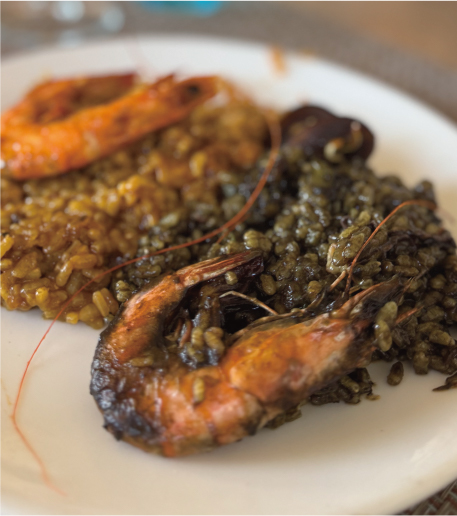
その象徴が、カタルーニャ語で“海と山”を意味する「マル・イ・ムンターニャ」と呼ばれる料理。鶏肉とロブスター、肉団子とイカ、魚介と肉をひとつの皿に合わせる。海と山のどちらにも手が届く土地だからこそ生まれた発想。異なるものを混ぜるのではなく、違いを生かしてひとつの味にまとめる。そこに、カタルーニャらしさがある。
「パン・コン・トマテ」も、カタルーニャを語るには欠かせない。焼いたパンにトマトをこすりつけ、オリーブオイルと塩をかける。ただそれだけ。しかし、これで美味しい。生ハムをのせてもいいし、チーズにも合う。華やかではないけど、忘れ難い。そういう食べものが、この土地にはある。
パエリアは、本来はバレンシアの料理。それでもバルセロナで食べるパエリアには、港町らしい魚介の旨味があふれている。
生ハムも同じだ。特別なご馳走というより、日常の食卓に置かれるもの。ワインやベルモットのそばで、薄い一枚があれば場がなごむ。カタルーニャの食卓は、そうした組み合わせの妙でできている。
素材を大切にする。煮込みに時間をかける。パンや豆や野菜をよく使う。カタルーニャの人たちは食を、料理を、大切にしてきた。外へ開かれながら、自分たちの文化を簡単には手放してこなかった土地。言葉も、祭りも、建築も、生活のなかで守られてきた。その姿勢は、食にも通じている。
食べることは、その土地をいちばん近くで知る方法。
バルセロナの皿を見つめると、観光地の顔とは別のものが見えてくる。声高ではないが、確かに、記憶に残る。カタルーニャの文化は、今日も食卓の上でみんなを笑顔にしている。
Catalonia on the plate.
Barcelona’s flavors have been shaped by the gifts of both the Mediterranean and the inland regions.
When thinking of Spanish cuisine, many picture paella, jamón, olives, and tapas. While you can enjoy these in Barcelona, it is important to remember that this city is both Spain and Catalonia. This unique distinction is beautifully reflected right on the plate.
Catalan cuisine is a masterful use of its geography. Facing the Mediterranean with mountains and fertile fields inland, the bounty of the sea and land naturally meet on a single table.
The symbol of this is a culinary style known as mar i muntanya—Catalan for “sea and mountain.” This concept brings together ingredients on one plate: chicken with lobster, meatballs with squid, or seafood with pork. Born from a land where both coast and peak are within reach, this philosophy does not just mix elements; it embraces differences to craft a unified flavor. This is the essence of Catalonia.
Another staple is pa amb tomàquet. Toasted bread rubbed with ripe tomato, drizzled with olive oil, and sprinkled with salt. That is all. Yet, it is delicious. It pairs perfectly with jamón or cheese. It is not flashy, but it is unforgettable.
That is the food of this land.Paella is originally a Valencian dish, yet the paella you enjoy in Barcelona overflows with the savory richness of a port town’s fresh seafood.
The same applies to jamón. Rather than being a special treat, it is a staple of the daily table. Paired with a glass of wine or vermouth, a single thin slice is enough to warm the room. The Catalan table is built on this exquisite art of combination.
They respect their ingredients, taking time to simmer stews, and using plenty of bread, beans, and vegetables. Catalans have always cherished their food and cooking. While open to the world, this is a land that has never easily surrendered its identity. Their language, festivals, and architecture have all been protected within daily life. This same steadfast attitude applies directly to their cuisine.
Eating is the closest way to truly know a land. Gazing at a plate in Barcelona reveals a different face from the usual tourist spots. It is not loud, but it leaves a lasting impression. Today, as always, Catalan culture continues to bring smiles to everyone around the dinner table.
カタルーニャの多彩な街が待っている!
Feature | 2026.6.24
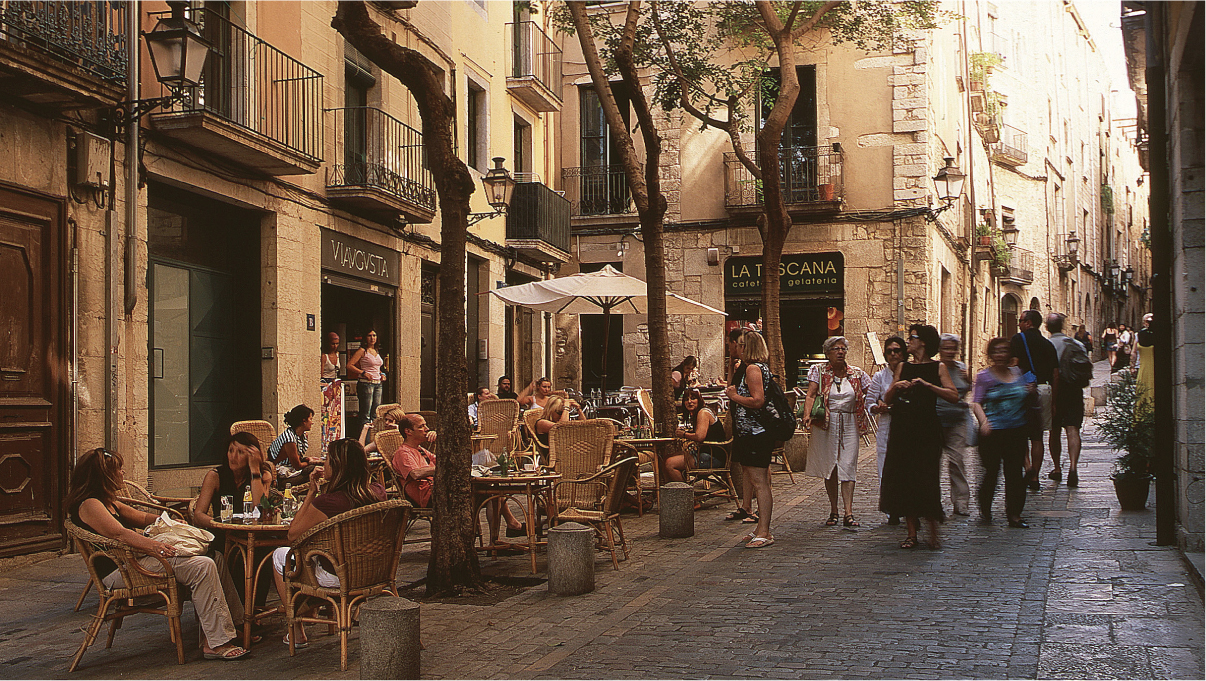
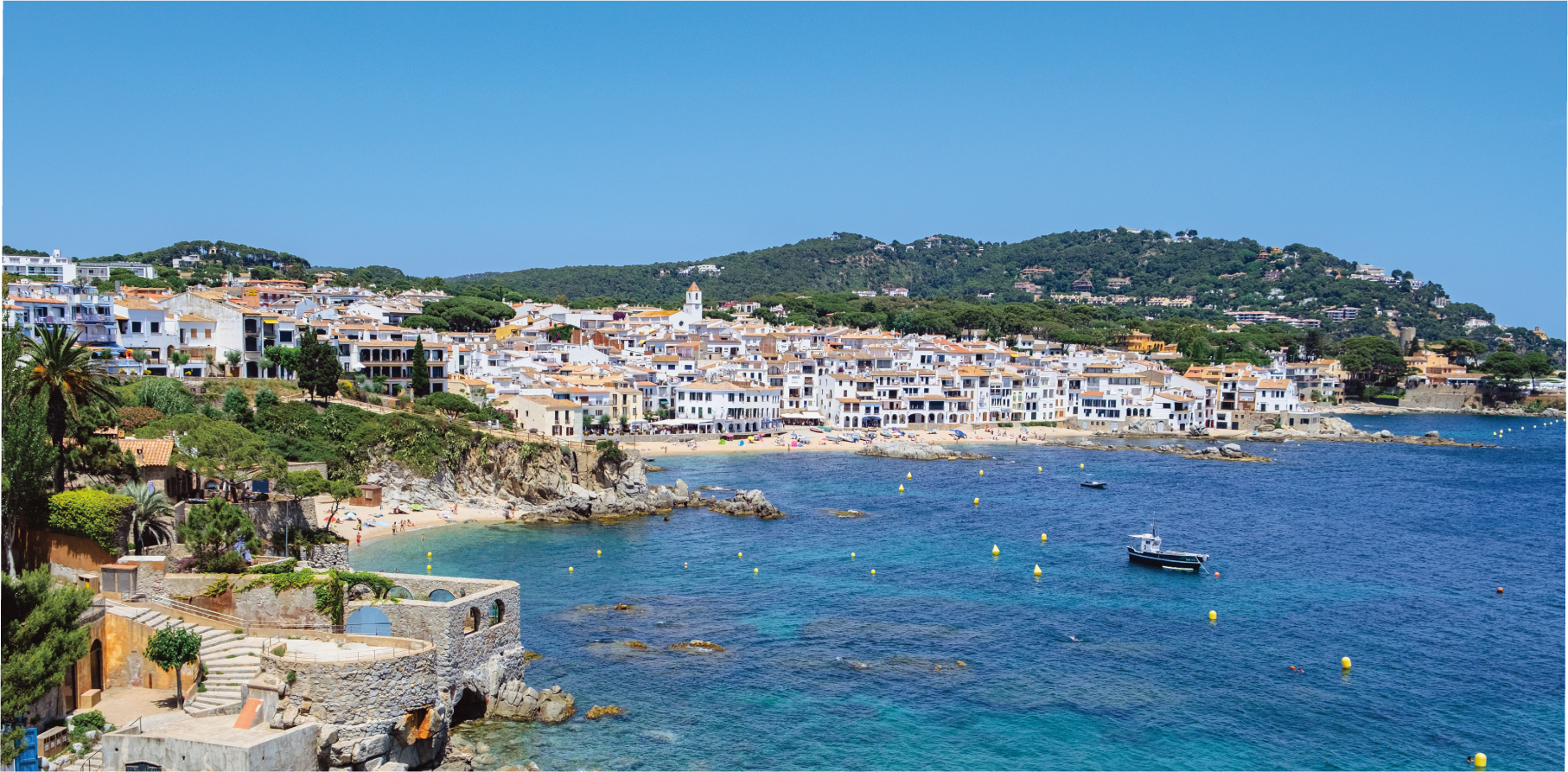
バルセロナから少し足を延ばせば、カタルーニャの魅力はさらに豊かに広がっていく。
川沿いに中世の面影を残す街、海辺の文化が息づく町、
ピレネーの山あいに佇む村、ガウディの原点に触れられる都市。
少し移動するだけで、カタルーニャはまったく違う表情を見せてくれる。
ジローナ
川と石畳に、
中世の記憶が残る街。

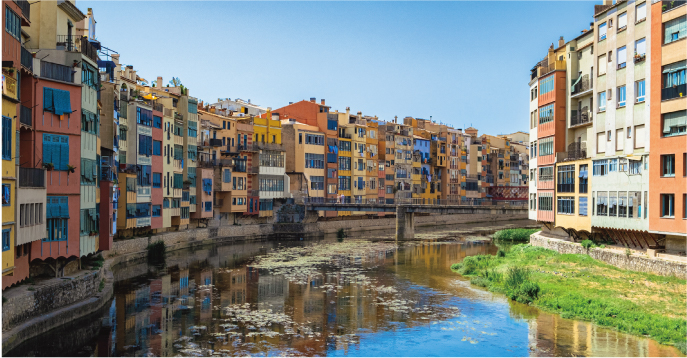
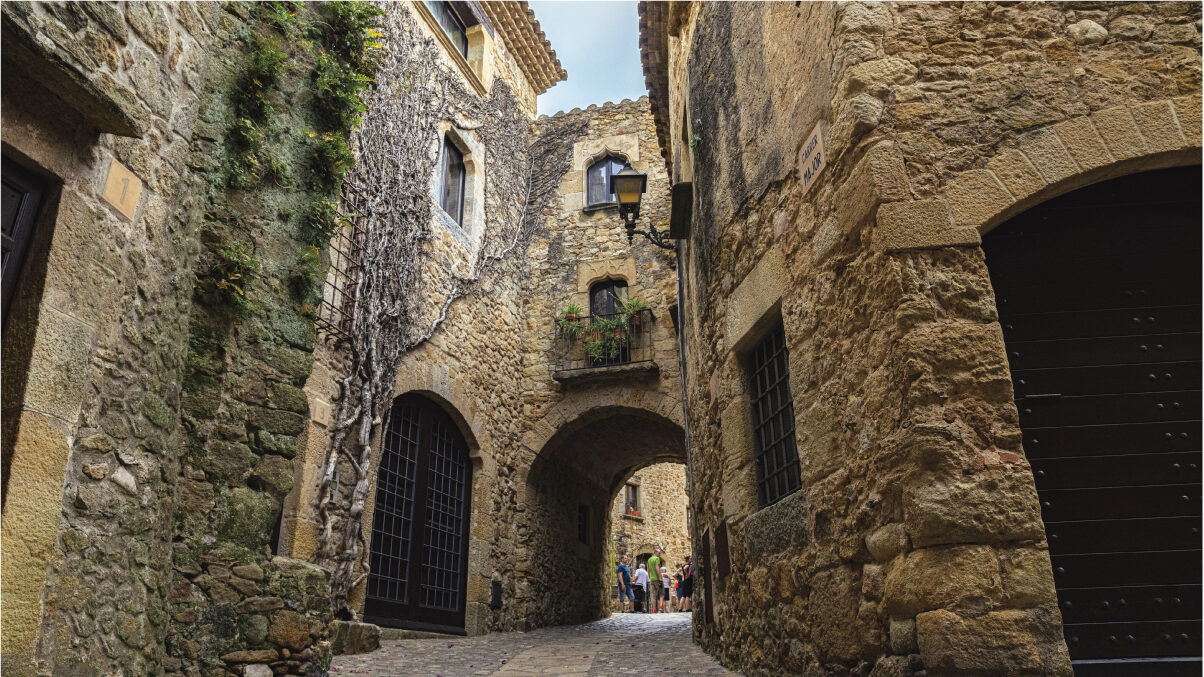
4本の川が流れるジローナは、ローマ、アラブ、ユダヤの記憶が重なる歴史の街。旧市街の石畳を歩けば、大聖堂、城壁、ユダヤ人街が連なり、オニャル川沿いには色とりどりの家並みが映る。カタルーニャの奥行きを感じる、旅情あふれる一日へ。
パラフルジェイ
海辺の町に、
文学とコルクの記憶を訪ねる。

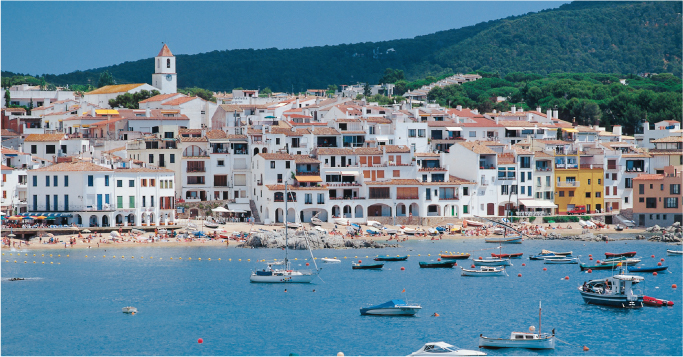
コスタ・ブラバの中央に位置するパラフルジェイ。作家ジュゼップ・プラゆかりの場所を巡るルート、かつて町を支えたコルク産業、点在する監視塔など、小さな町の歴史が今も残る。近くのフォルミゲス諸島は、ダイビングの名所としても知られる。
アルティエス
ピレネーの山懐に抱かれた、
静かなロマネスクの村。

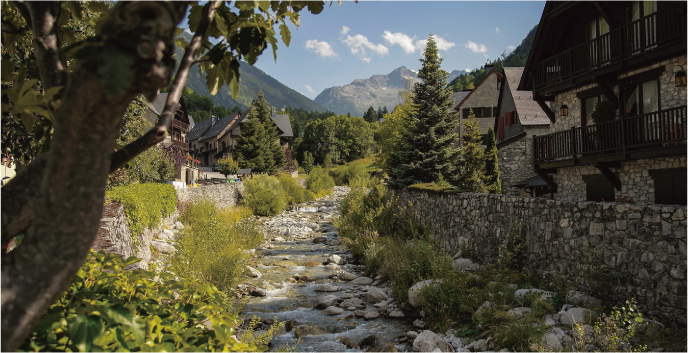
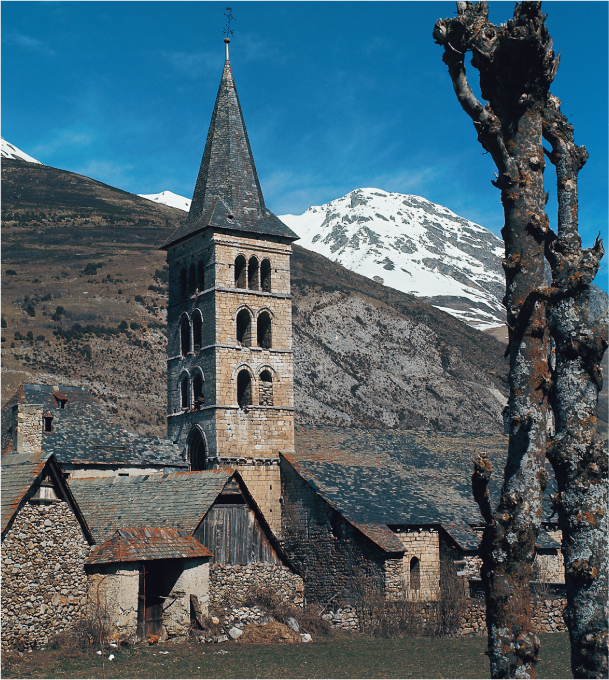
アラン渓谷にあるアルティエスは、標高1,114メートルの山あいの村。背後には約3,000メートルの峰がそびえ、歴史地区にはロマネスク様式のサンタ・マリア教会が立つ。石造りの家並み、澄んだ川、雄大な山脈。カタルーニャのもうひとつの顔がここにある。
レウス
ガウディの原点と、
モデルニスモの美に出会う街。

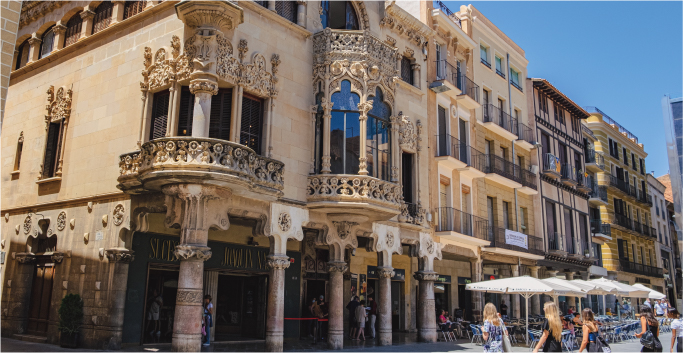
レウスは、ガウディが生まれた街。中心部にはドメネク・イ・ムンタネーが手がけたカサ・ナバスをはじめ、モデルニスモ建築が点在する。ガウディセンター、劇場、広場、ベルモットの文化まで。歩くほどに、創造の気配が街角から立ち上がる。
『 多様性と持続性が、スペインの旅のキーワード。 』
スペインには、地方ごとにまったく異なる文化や表情があります。その多様性こそ、スペインらしさです。地中海に面した地域、内陸の町、山岳部、アラブやローマ、キリスト教文化などが重なった土地。独自の言葉があり、それぞれの食があり、人々の気質があります。スペインを旅する面白さは、その違いに出会えることにもあるのです。
明るく、人生を楽しむライフスタイルもスペインの魅力です。その暮らしを象徴するもののひとつが、バル文化です。
バルは暮らしの一部。朝はコーヒーとトルティージャ、昼食前にはアペリティフ、そして仕事帰りにも一杯。同じバルを一日に何度も使うこともあります。そこには近所の人がいて、友人がいて、ニュースや情報が行き交う。バルはスペインの社交場なのです。
そんなスペインに、日本からもたくさんの方がいらっしゃいます。スペイン大使館観光部は開設から50年以上、日本の旅行者を見つめてきました。
近年、増えているのは個人で旅を組み立てる方。列車で移動したり、レンタカーで小さな町を訪ねたり。そうした旅のなかで、これまで知られていなかったスペインの豊かさにも触れていただきたいと思っています。
バルセロナがあるカタルーニャは、地中海に面した開放的な土地。古くから商人が行き交い、人や情報、さまざまな文化が入ってきました。そのため新しいものを受け入れる気質があり、商業の力も強い。一方で、ガウディ、ダリ、ミロ、フェラン・アドリアのような、突出した才能も生まれてきました。
カタルーニャには「セニーとラウシャ」という言葉があります。「セニー」は合理的に考える力、「ラウシャ」は情熱や心の動き。その二つをあわせ持つことが、この土地の個性なのかもしれません。
いまスペインでは「スペイン観光政策2030」を設定。観光客と住民の双方が満足できる、持続可能な観光をめざしています。観光客が集中する場所だけではなく、まだ知られていない町や地域へ旅を広げていく。スペインには、そうした魅力がまだたくさん残されています。
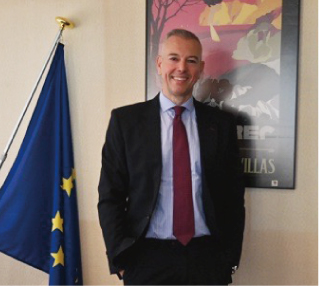
スペイン大使館 観光参事官
エンリケ・ルイス氏

スペイン大使館
観光部公式サイト
[PR]感性と情熱が融合した、最高のフェラーリに出会う。
Feature | 2026.6.24
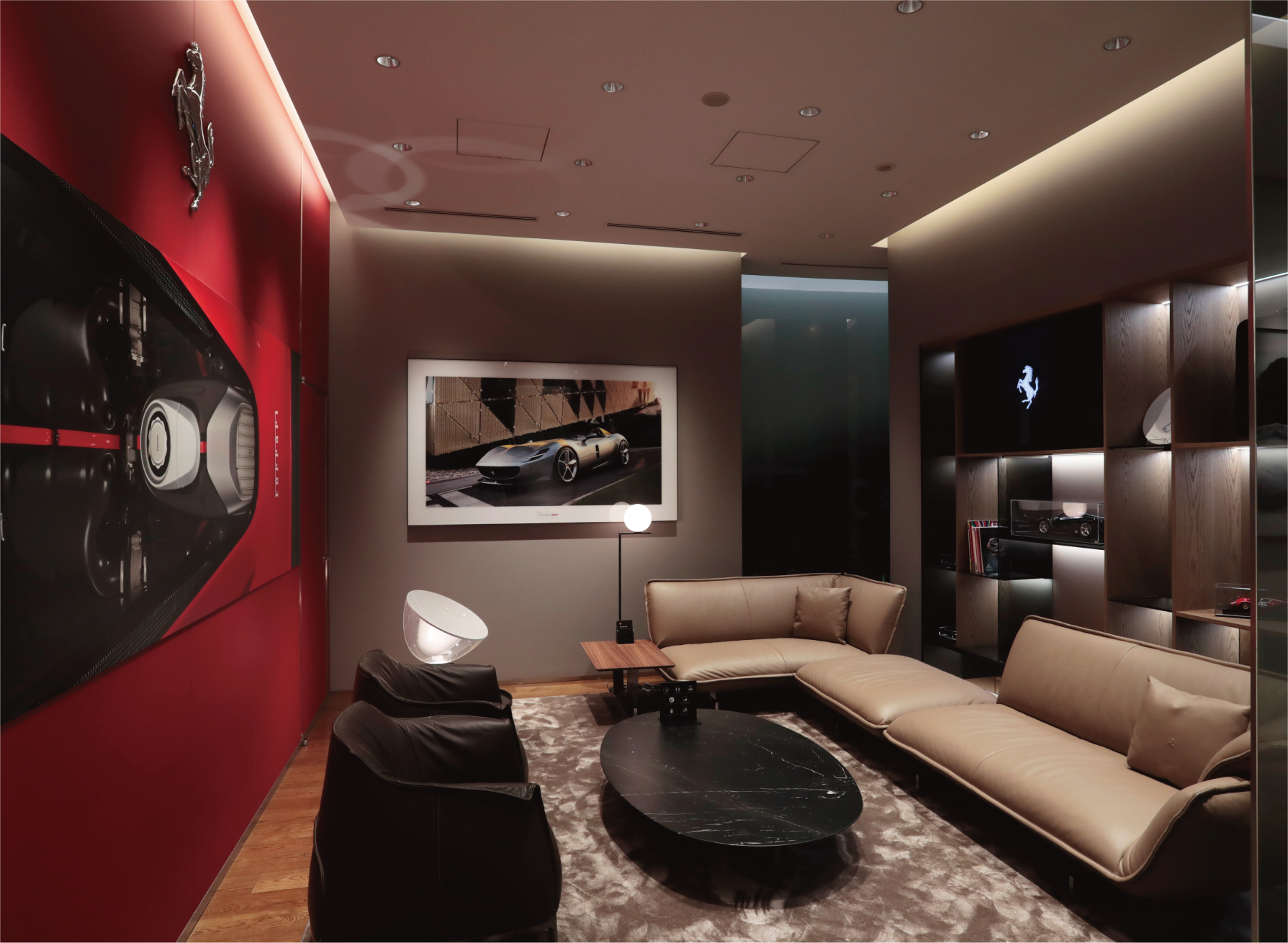
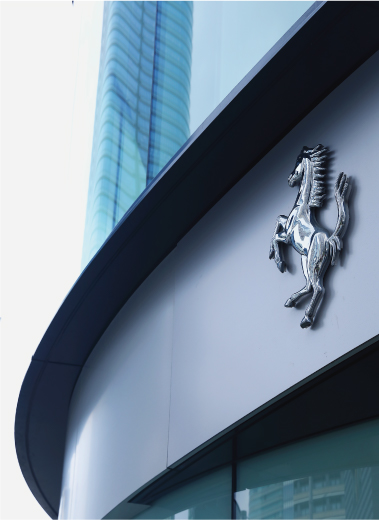
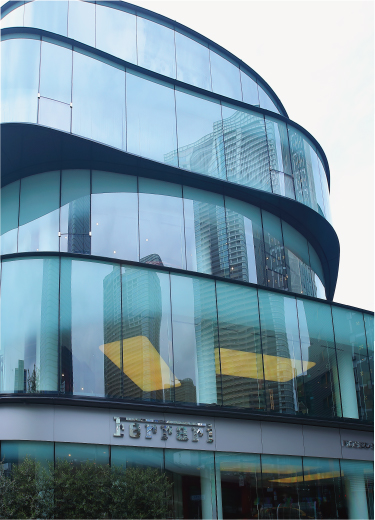
東京・六本木にある「Rosso Scuderia(ロッソ・スクーデリア)」。ここは、フェラーリの哲学と美意識に触れることができるショールーム。六本木という国際性と文化性を備えたエリアで、ブランドが育んできた美意識、情熱、そして革新へ向かう姿勢が体感できる。
フェラーリは単なる自動車メーカーではない。歴史や伝統に深く根ざしながら、常に新しい時代へ挑み続ける。そのクルマには、走る歓びを超えた価値がある。ショールームでは、完成されたモデルを眺めるだけでなく、コンフィギュレーションを通じて素材や色を選んでいくプロセスを味わえる。自身の感性とフェラーリとのコラボレーションという、最高の体験ができるわけだ。 スタッフによれば、納車はゴールではない。ステアリングを握る瞬間の高揚、愛車と過ごす日々、そして人生に刻まれていく記憶がここから始まる。その感動をさらに高めていくために、「Rosso Scuderia」ではイベントやさまざまなプログラムが用意されている。
あなただけの最高のフェラーリと出会える場所が、ここにある。
Located in Roppongi, Tokyo, Rosso Scuderia is more than a showroom; it is a sanctuary where one can immerse themselves in the philosophy and aesthetic of Ferrari. Situated near Roppongi—an area defined by its international flair and cultural depth—this space allows visitors to truly experience the brand’s heritage of passion, elegance, and relentless innovation.Ferrari is far from a mere automobile manufacturer. It is an icon deeply rooted in history and tradition, yet one that never ceases to challenge the boundaries of a new era. A Ferrari possesses a value that transcends the simple joy of driving. At the showroom, the experience goes beyond admiring finished models. Through a sophisticated configuration process, guests can savor the journey of selecting materials and colors, creating a unique collaboration between their personal sensibility and Ferrari’s DNA. It is the ultimate bespoke experience.According to the staff, delivery is never the finish line. The true journey begins with the exhilaration of gripping the steering wheel for the first time, the days spent with your car, and the memories that become etched into your life. To further elevate this emotion, Rosso Scuderia offers an array of exclusive events and programs designed for owners.Here, you will find the place to encounter your own “perfect Ferrari”—a partner that will redefine your journey and bring unparalleled color to your world.
Official Ferrari Dealer
Rosso Scuderia

・定休日 / 毎週火曜日
・営業時間 / 10:00~18:30
〒106-0032 東京都港区六本木 5-18-3 tel.03-3583-0458
https://tokyo-rossoscuderia.ferraridealers.com/ja-JP/
※ご来店はご予約をお願い致します。
広告