




大人を嗜む。
大人を嗜む。
大人の世界で人は大人になる、という話。
今の大人は、大人であることを楽しんでいるだろうか。 子どもたちのはしゃぎ声が届かない場所で、ゆったりと、じっと耳を傾けたくなる。 音楽に浸るのもいいし、アートや文学、ときには政治の話に花を咲かせるのもいいかもしれない。 子どもと一緒になって遊ぶことももちろん必要。 だけど、大人には大人の世界があることを忘れたくない。 たまには子ども立ち入り禁止の場所で、大人の時間を堪能する。 そんなことができる場所を選んだのが今回の特集。 この号を読んで、素敵な大人になる人が増えてくれると嬉しいです。
大人を嗜む。
Feature | 2026.1.24
大人の世界で人は大人になる、という話。
今の大人は、大人であることを楽しんでいるだろうか。
子どもたちのはしゃぎ声が届かない場所で、ゆったりと、じっと耳を傾けたくなる。
音楽に浸るのもいいし、アートや文学、ときには政治の話に花を咲かせるのもいいかもしれない。
子どもと一緒になって遊ぶことももちろん必要。
だけど、大人には大人の世界があることを忘れたくない。
たまには子ども立ち入り禁止の場所で、大人の時間を堪能する。
そんなことができる場所を選んだのが今回の特集。
この号を読んで、素敵な大人になる人が増えてくれると嬉しいです。
How maturity is cultivated within the world of adults.
Do the adults of today enjoy being adults?
It might be good to leisurely immerse oneself in music
that makes one want to listen intently,
in a place where the clamor of children does not reach,
or perhaps it might be good to have an animated conversation
about art or literature, and sometimes politics.
Of course, it is also necessary to play together with children.
However, the existence of an adult world should not be forgotten.
Occasionally, one should fully enjoy adult time in a place
where children are prohibited.
This feature selected places where such a thing is possible.
It is hoped that
more wonderful adults will increase by reading this issue.
振る舞い、言葉の選び方、余裕、ときにはダーティーな雰囲気など、
大人が放つ知識や品格、カッコ良さは、
子どもたちに「いつか自分もああなりたい」と思わせる力を持っていた。
しかし、子どもを優先しすぎる社会のなかで、
大人がその魅力を発揮する場が少しずつ失われている。
大人を嗜む。そんな場所が今は希少になりつつあるのでは。
知性や感性を静かに研ぎ澄ませ、時間と空間の使い方に美意識が宿る。
そこに身を置くことで、私たちは改めて気づく。
成熟した大人の魅力は、子どもの憧れを育む、とても豊かな文化なのだと。
Conduct, choice of words, composure, and sometimes even a touch of grittiness—the culture,
class, and coolness that adults exude—had the power to make children think, “I want to be like that someday.”
However, in a society that overly prioritizes children,
the places that allow adults to truly express their appeal are gradually disappearing.
The cultivation of adulthood requires spaces that seem to be becoming rare these days.
Places where one can quietly hone intellect and sensibility, where one’s use of time and space is a manifestation of aesthetic consciousness.
By immersing ourselves in such spaces, we realize anew:
The appeal of the sophisticated adult is a deeply rich culture that nourishes the aspirations of children.
少子化が進むとともに、いまの日本では奇妙な逆転現象が起きている気がする。子どもが少なくなるほど、大人が子ども化している。社会全体が子どもファーストを掲げるうちに、子どもにとって分かりやすく、安心で、やさしい空気が至上の価値となった。もちろん大切なことだけど、その裏側でひっそりと失われつつあるものがあるのでは。それは、大人のための場所。
その昔、私がまだ子どもだった頃、家の近所にスナックがあった。扉がわずかに開いた隙間から漏れる艶めかしい光、煙草をくゆらす濃い化粧をした女性。その妖しい雰囲気に心をつかまれ、早く大人になってこの扉の中に行きたかった。
子どもは、自分がまだ入れない世界を垣間見たとき、あるいはカッコイイなぁと思える大人に出会ったとき「早く大人になりたい」と思う。でも世の中に、そんな場所や人が減ってきていると思う。
大人が大人であることを楽しめる場所を求めて、小田原にある「小田原文化財団 江之浦測候所」と銀座にある「RESTAURANT DAZZLE」を訪れた。
「江之浦測候所」はジャンルを超えて活動する現代美術作家、杉本博司氏が設計したアートと自然が融合した芸術空間。日本文化の記憶や時間への意識を可視化したこの場所は、大人の知性や感性があってはじめて、その深みを味わえる場所だと感じた。
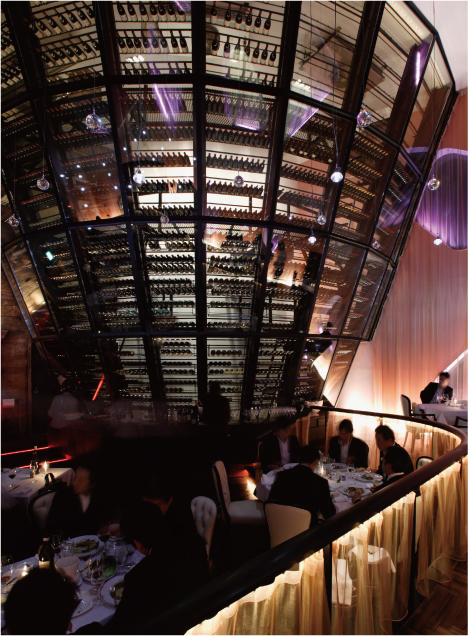
一方、銀座の「RESTAURANT DAZZLE」は、スワロフスキーの照明が煌めく華やかな空間でモダンイタリアンを楽しめるレストラン。2006年に開業しまもなく20周年を迎える。高い天井、劇場のような演出、数千本のワインを貯蔵するワインセラーなど、銀座らしい洗練と贅が凝縮された大人のための食と遊の空間。
アニメやゆるキャラ、アイドルを追いかけるのももちろんいい。でも、たまには大人の世界に身を置くのも悪くない。知的好奇心や美意識を追求し、雰囲気に浸り、ゆとりをもって、機知に富んだ会話を楽しむ。そうした「大人を嗜む」時間を積み重ねることで、大人は成熟し、子どもにとっての憧れの存在になっていくのだと思う。
As the birthrate declines, a strange inversion phenomenon seems to be occurring in Japan: as children decrease, adults are becoming more childlike. In a society championing “child-first” values, simple and safe environments have become supreme, leading to the quiet loss of adult spaces. In the past, the mysterious atmosphere of adult-only locales made children long to grow up, but such places and people are now decreasing.
Seeking places where adults can enjoy being adults, Enoura Observatory in Odawara and Restaurant Dazzle in Ginza were visited.
“Enoura Observatory” is an artistic space where art and nature fuse, designed by the contemporary artist Hiroshi Sugimoto, who works across various genres. Visualizing the memory of Japanese culture and an awareness of time, it felt as though this is a place whose depth can only be truly savored when approached with adult intellect and sensibility.
“Restaurant Dazzle” in Ginza is a restaurant where modern Italian cuisine can be enjoyed in a glamorous space sparkling with Swarovski lighting. It is a space for adult dining and leisure where the sophistication and luxury characteristic of Ginza are concentrated.
While pursuing pop culture is fine, placing oneself in the “adult world” is also valuable. By pursuing intellectual curiosity and enjoying witty conversation with composure, adults mature. Through these accumulated experiences of “savoring adulthood,” adults become figures of admiration for children.
~ 天空の位置 ~
Feature | 2026.1.24
江之浦測候所という“ 観測の場所”。
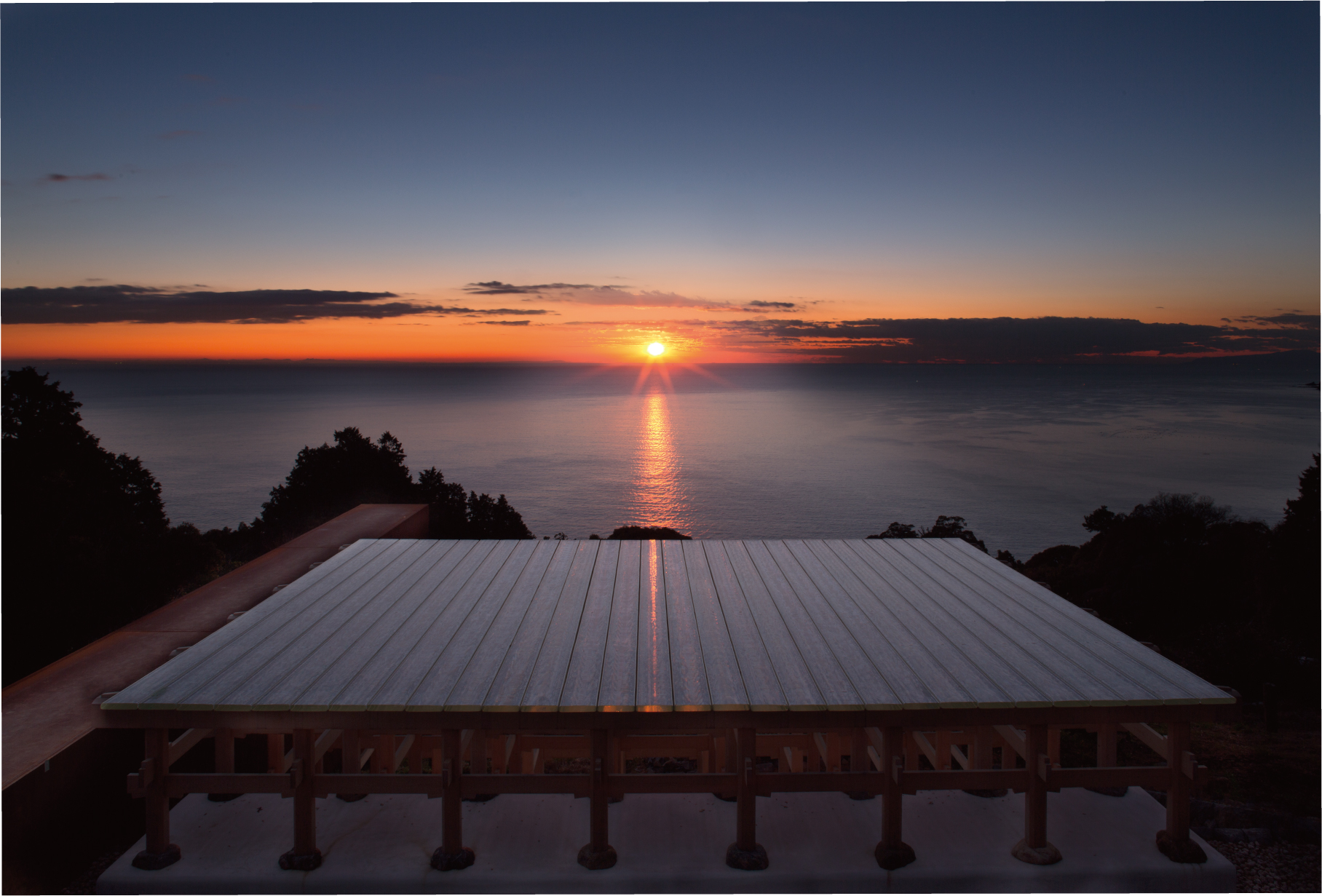
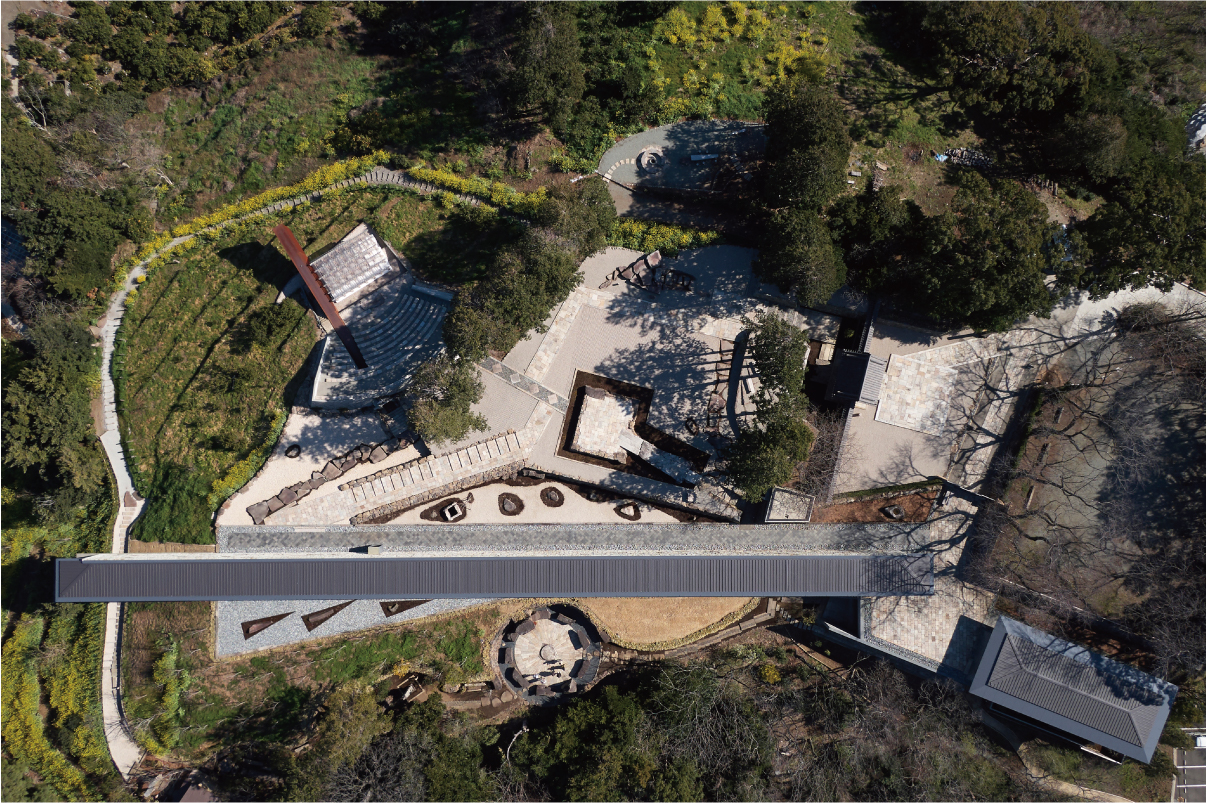
江之浦測候所という名は、キャッチコピー的に付けられているのではない。ここにあるのは本来の意味で、天空の動きを読むために構想された稀有な建築群。春分・秋分、そして夏至と冬至といった、一年の節目をかたどる太陽の軌道に沿って配置されているのではと思われる建造物。それはまるで、光がつくる線と影を手掛かりに、時間そのものが体験できる装置のようだ。
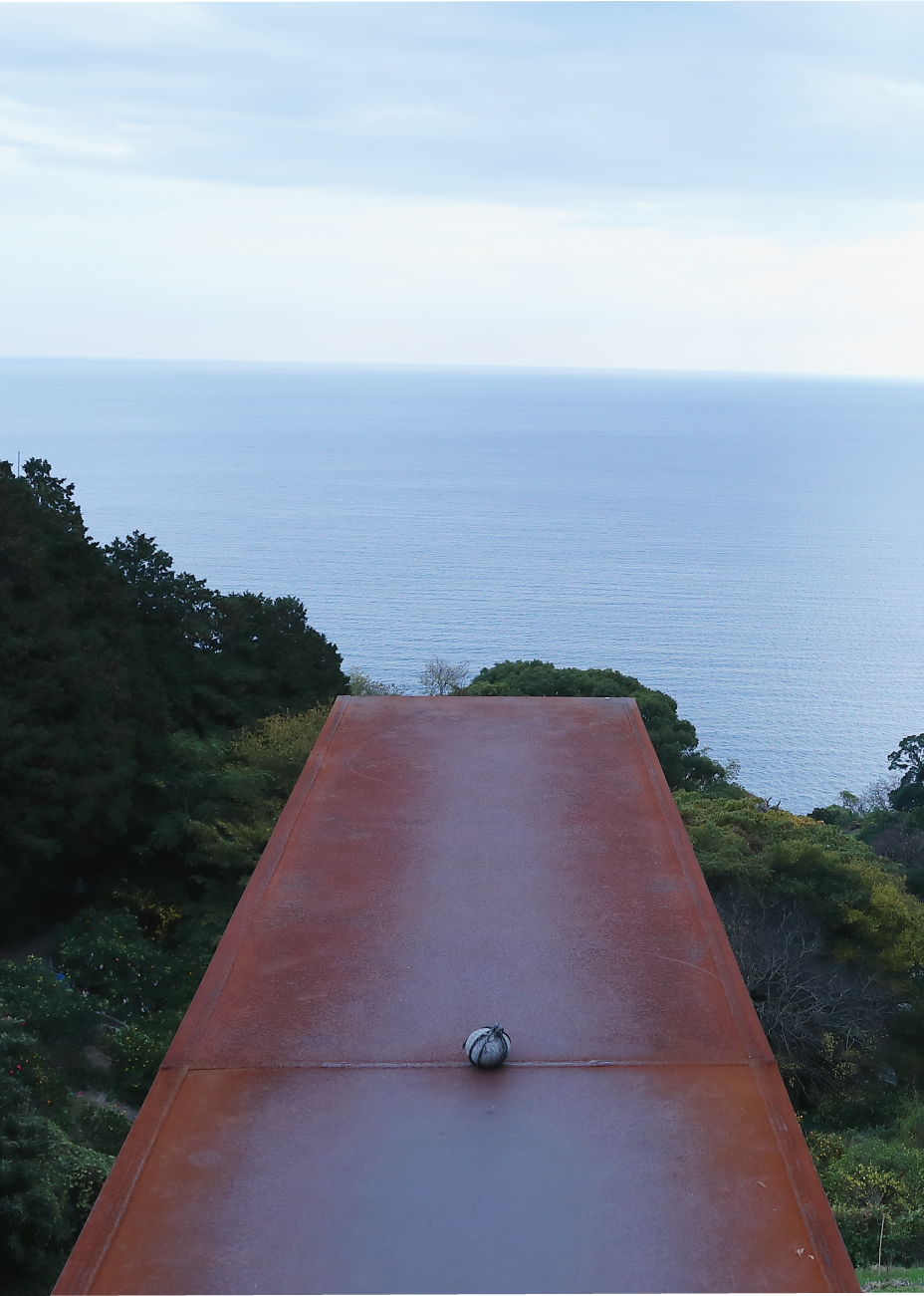
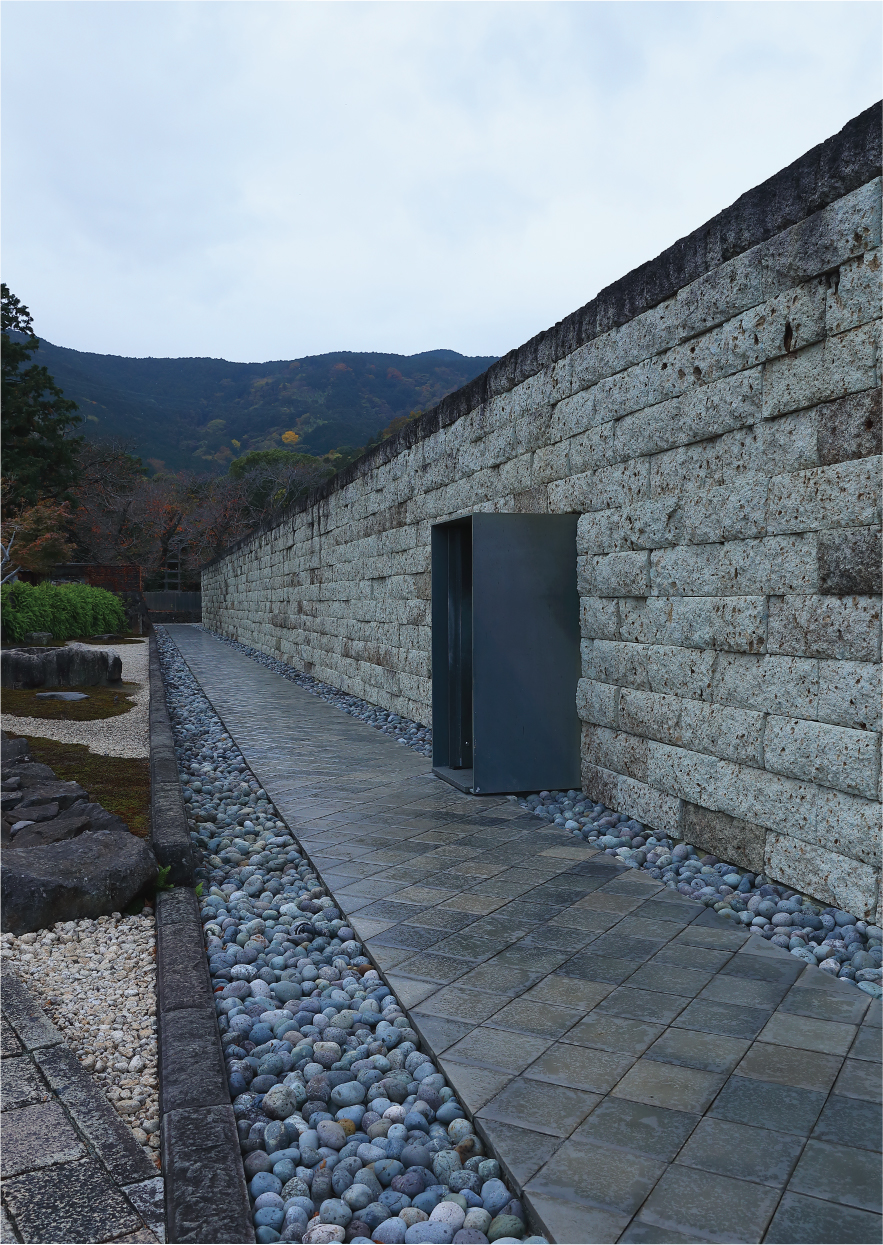
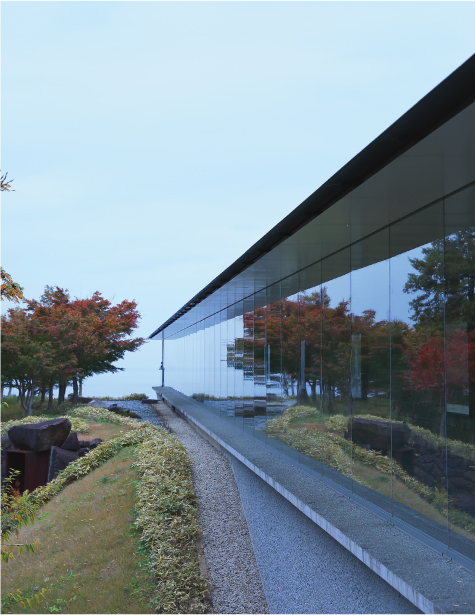
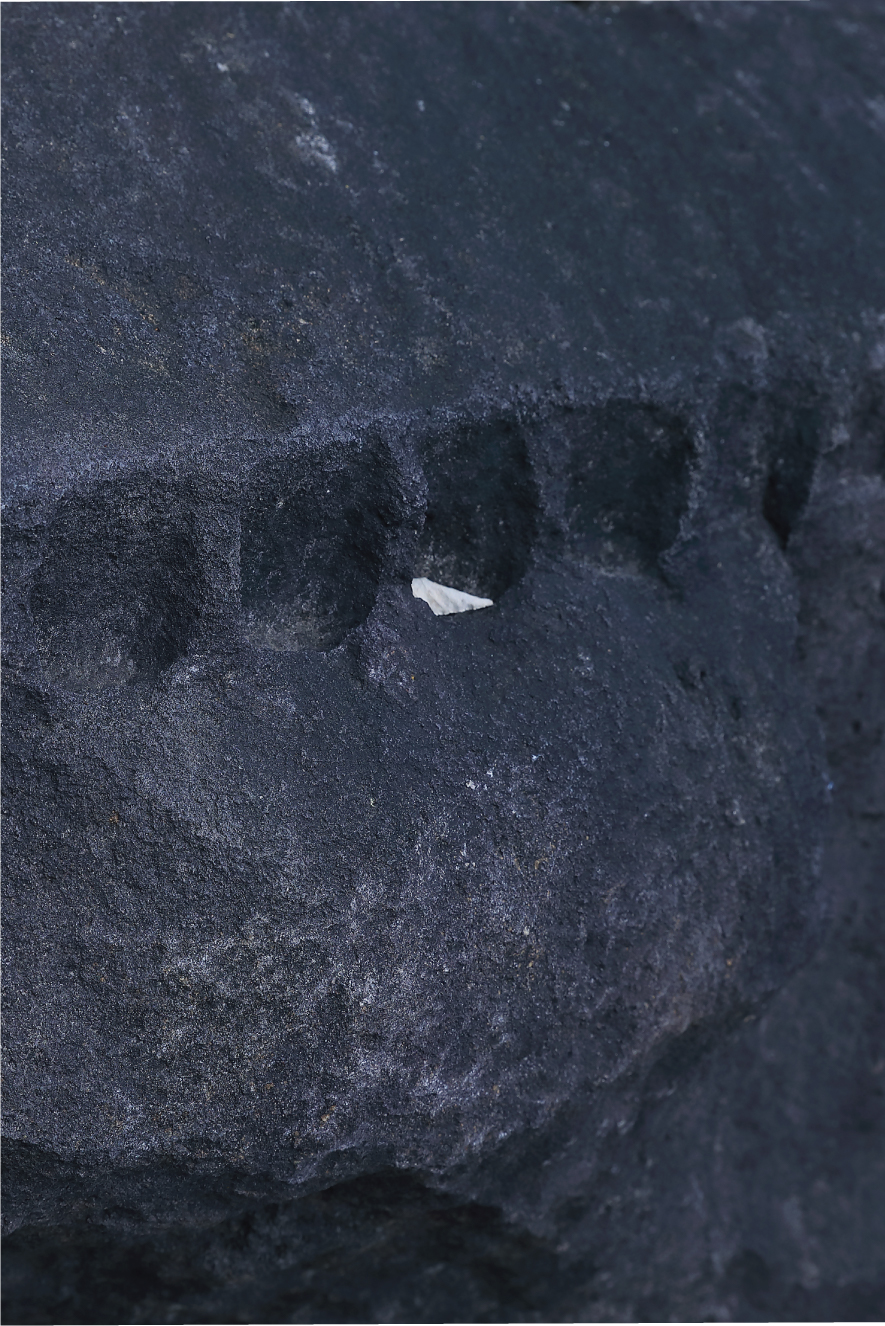
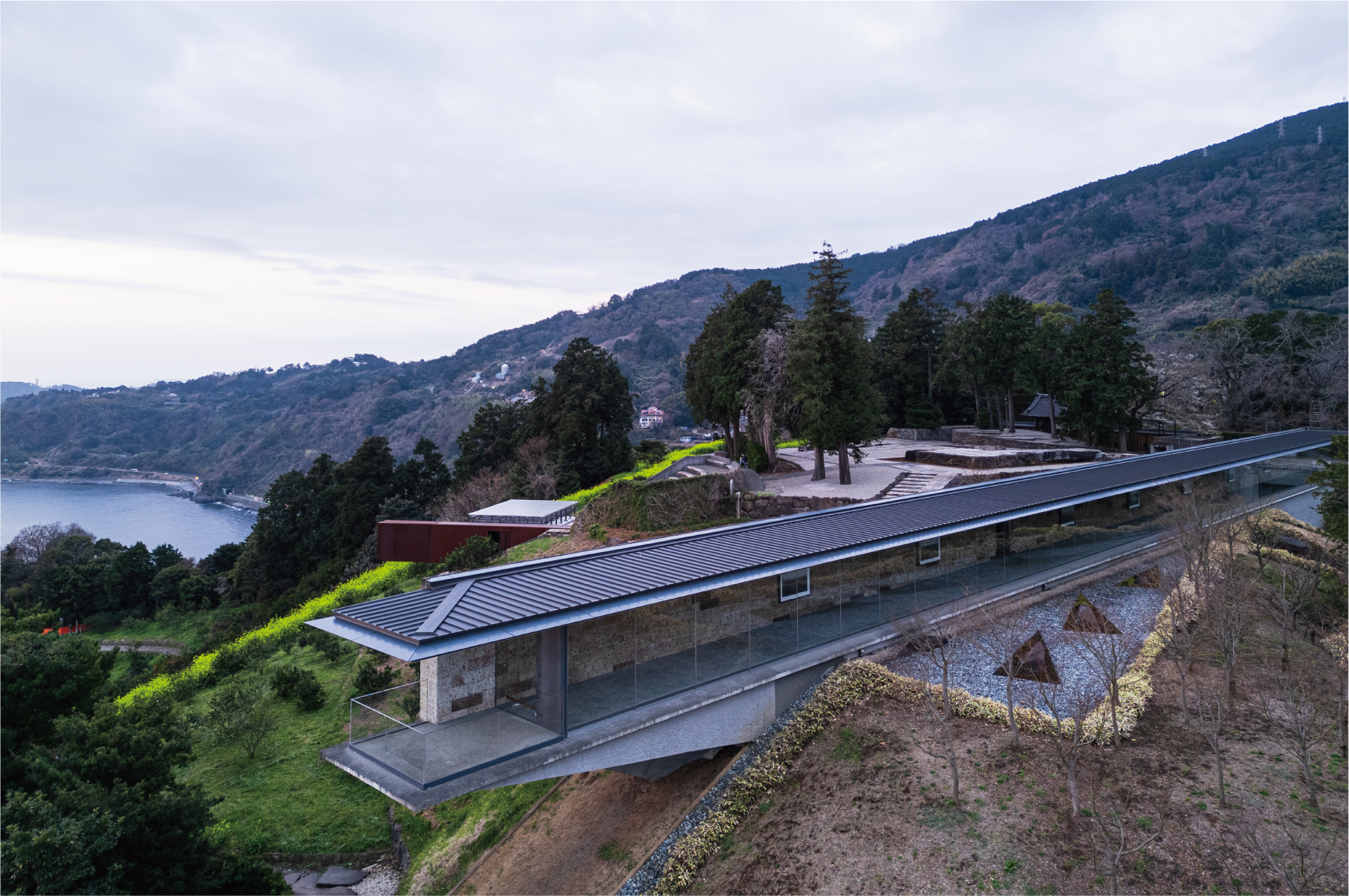
夏至には最も北寄りから太陽が昇る。それに呼応するように延びる「夏至光遥拝100メートルギャラリー」。太陽の最北点に向けて設けられた、古代の祭祀を思わせる一直線の通路。構造壁は大谷石の自然剥離肌に覆われ、光の角度によって表情が変わっていくのだろう。
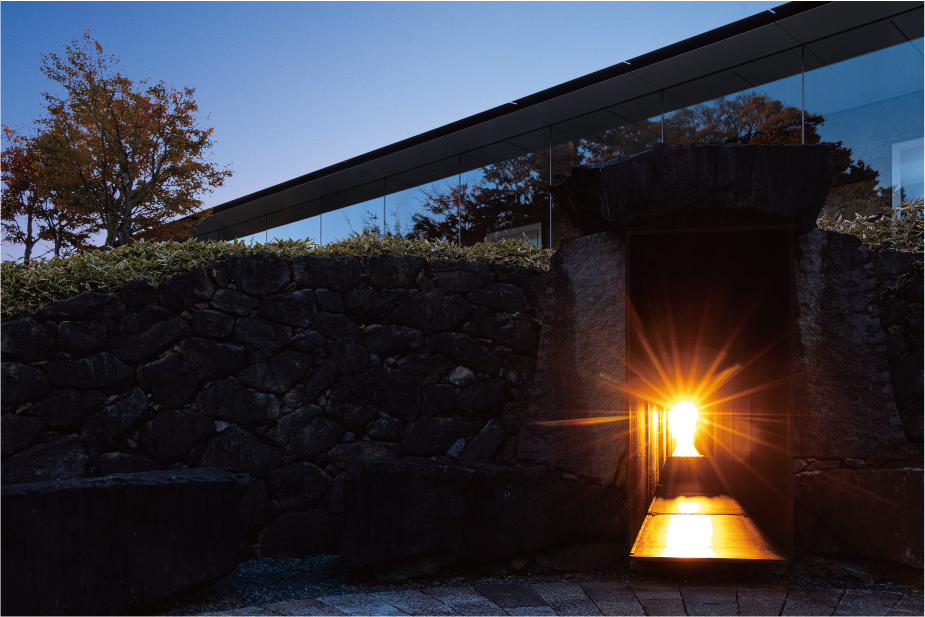
冬至の太陽を受け止めるのは「冬至光遥拝隧道」。冬至の朝に一本の光が内部を貫くよう設計されている。薄闇のなか沈黙が満たされる空間に、冬至の朝だけ時間が線を描く。
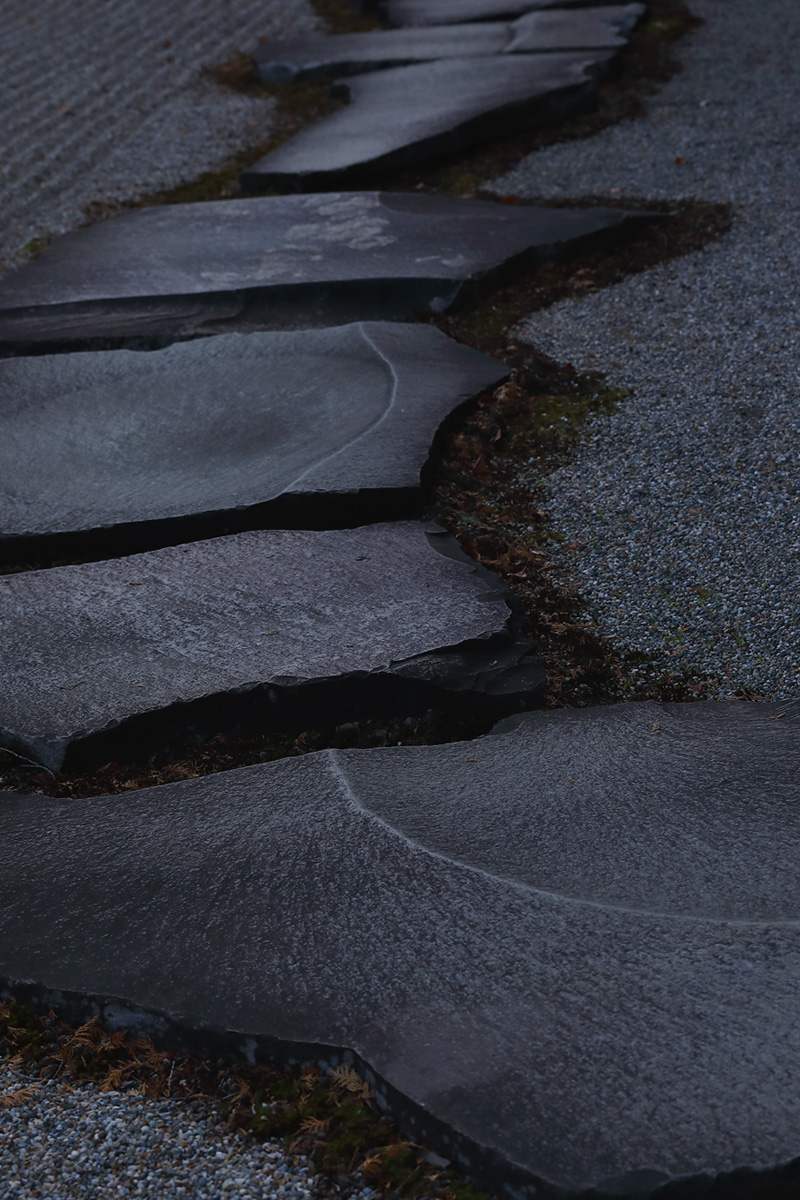
これら天体と人を結ぶ空間に使用された素材にも、太陽と時間を測る思想が息づいているようだ。左官の土壁、野面積みの石、敷地を縁どる石積みなど。人の手が入りながらも、地層の荒々しさや古い記憶をあえて残した素材たち。自然が刻んだ時間と、建築が刻む時間。その二つがここに存在しているように感じられた。
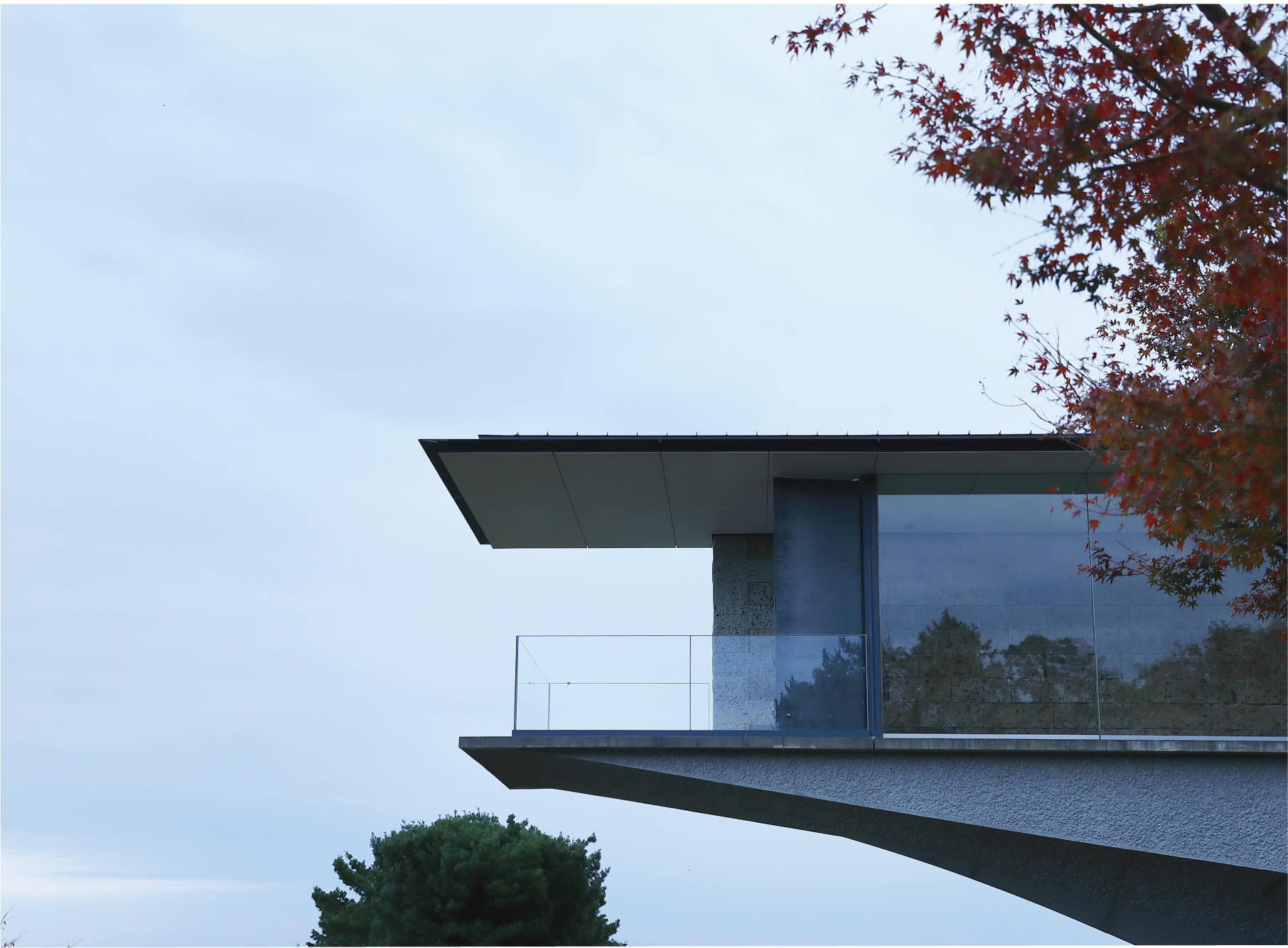
そして、江之浦測候所を特別な場所にしているのは、相模湾を正面に抱くその景観である。眼下にはゆるやかな水面の弧がひらけ、遠くには三浦半島や伊豆大島の影が淡く浮かぶ。太陽はここで、海から昇り、山へと静かに沈んでいく。
海と空が溶け合うその場所で、私たちは江之浦測候所を介して、光と時間の交わる瞬間に触れることができる。
江之浦測候所は、単なるアート空間ではない。ここは太陽の軌跡を建築と素材と地形によって可視化し、現代の人が失っている大らかな自然の時間を取り戻す場所。普段、私たちは空を見ているようで、実際にはほとんど見ていない。しかしここでは、太陽の位置が建築の線となって、静かにはっきりと自身の身体へと届く。
A Place in the Sky
Enoura Observatory: Site for Observation.
The name “Enoura Observatory” is not a mere catchphrase; it refers to a rare group of structures conceived to read the movements of the heavens. Arranged along the sun’s path during solstices and equinoxes, the site appears to be an apparatus for experiencing time itself through lines of light and shadow.
During the summer solstice, the “Summer Solstice Light-Worship 100-Meter Gallery” stretches toward the sun’s northernmost rising point, like a straight path for an ancient ritual. Its Oya stone walls, with their naturally peeled texture, likely change their expression with the shifting angle of light.
The “Winter Solstice Light-Worship Tunnel” is designed for a single beam of light to pierce its interior on the winter solstice morning. In this space filled with silence and dim light, time appears to draw a line only on that specific morning.
The materials used in these spaces—plaster, unhewn stone, and masonry—seem to breathe the philosophy of measuring time. While shaped by human hands, they retain a raw, geological memory. It felt as though two types of time exist here: one carved by nature and another by architecture.
What appears to make Enoura Observatory a special place is its landscape facing Sagami Bay. Below, a gentle arc of the water’s surface opens up, while the Miura Peninsula and Izu Oshima appear faintly in the distance. Here, the sun rises from the sea and sets quietly into the mountains.
In this place where the sea and sky dissolve into one, it seems that through the medium of Enoura Observatory, we can touch the moments where light and time intersect.
Enoura Observatory is more than just an art space; it appears to be a place to reclaim the expansive time of nature that modern people have lost. It visualizes the sun’s trajectory through architecture, materials, and terrain.
While we may think we look at the sky, we rarely truly see it. Here, the sun’s position becomes architectural lines, appearing to reach one’s body quietly yet clearly.
〜 時代の部分 〜
Feature | 2026.1.24
敷地を散策しながら様々な時代を想う。
江之浦測候所には、時間はひとつの線としてではなく、幾重もの層として存在しているようだ。それは例えば、古代の石、中世の石塔、江戸の灯籠、近代の都市の敷石といった、本来なら交わることのない断片。それらが光や風とともにひとつの風景を形づくる。ここでは、時代は積み重なる地層のように並び、互いの境界をぼかしながら溶け合っていくようだ。そのなかを歩くということは、時間を遡るのでも進むのでもなく、層と層のあいだを漂う体験をすること。
敷地内を歩けば、さまざまな時代が静かに顔を現す。それは歴史というより、もっとあやふやな、時代の気配といったものだ。
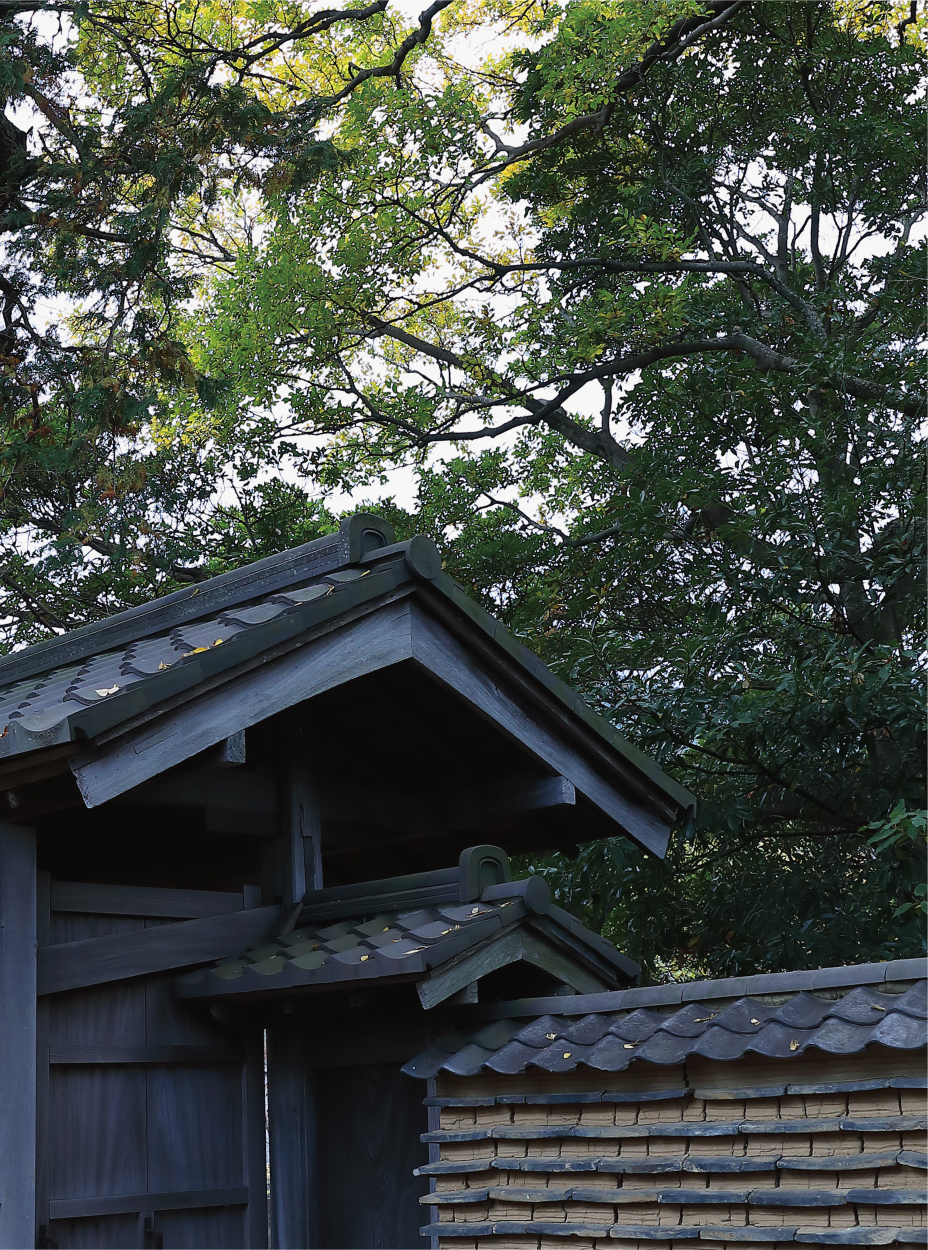
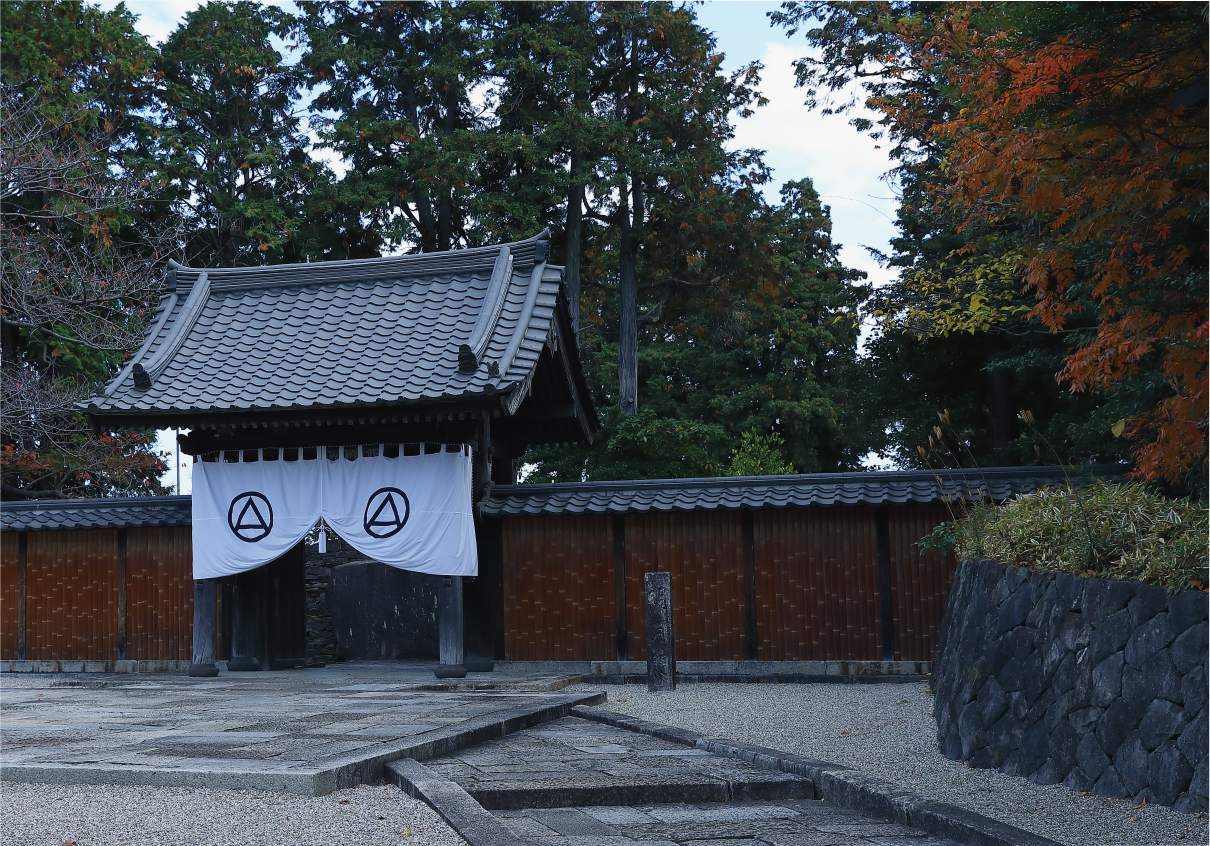
まず、エントランスとなるのが室町時代に建てられた明月門。室町時代の禅宗様式を纏った建築物は力強さと落ち着きをもって来館者を迎え入れる。
門をくぐった先では、大官大寺で使われた瓦と伝承される断片が、官寺のなかでも最高位の寺であったという品格を偲ばせている。
先にある「夏至光遥拝100メートルギャラリー」に沿って歩けば、存在感ある姿で据えられた川原寺の礎石が置かれている。これは天智天皇の時代に建立されたと思われるものだ。
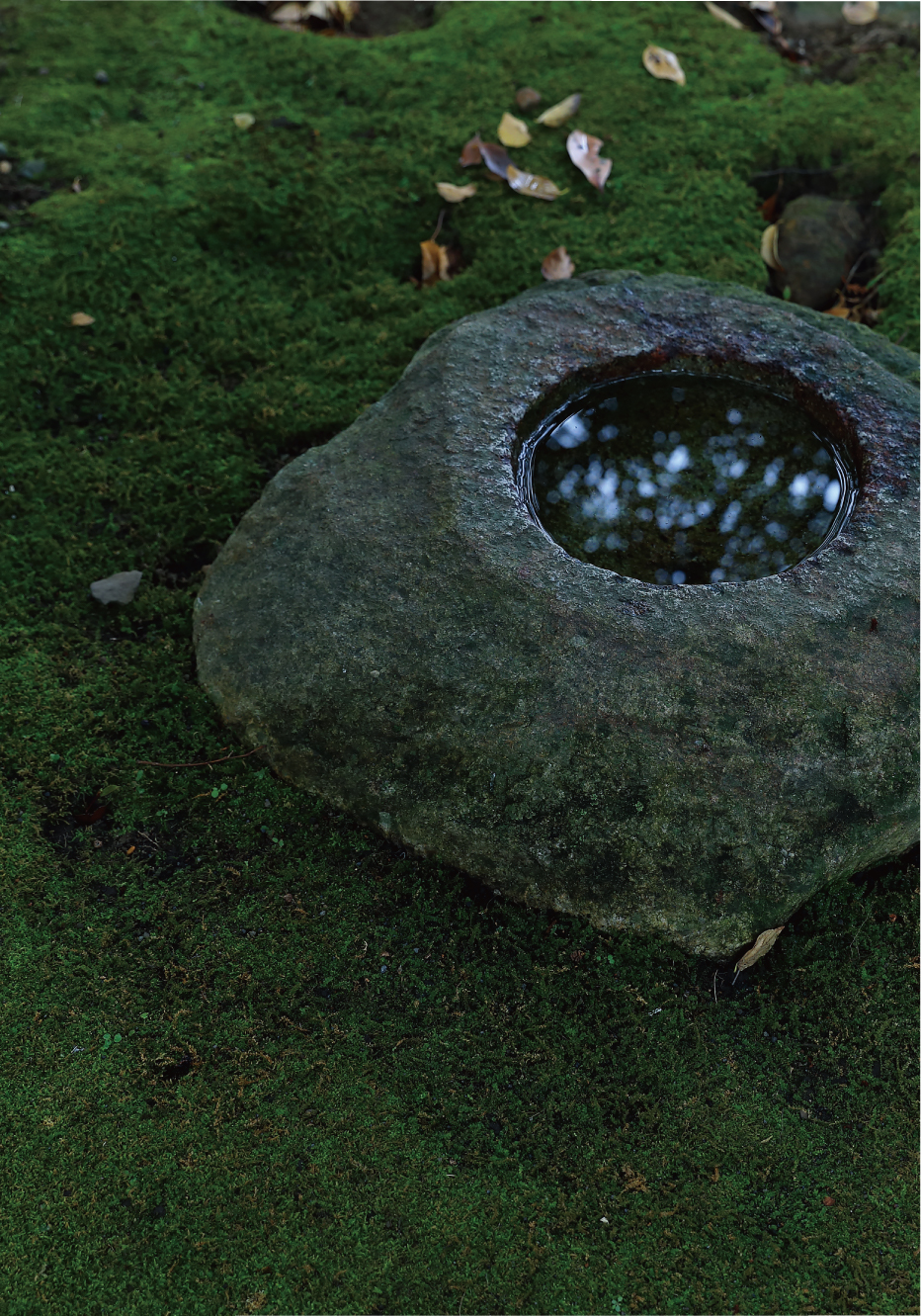
さらに歩を進め「光学硝子舞台」からぐるりと周って坂を下る。小径を行くうちに「榊の森」へ。ここでは細見古香庵が長年集めてきた石仏たちが、小径の脇に並び柔らかな影を連ならせている。それぞれの表情は柔らかく、苔むした頬の曲線やわずかな欠けに、ひとつずつが異なる土地の祈りを静かに宿しているようだ。
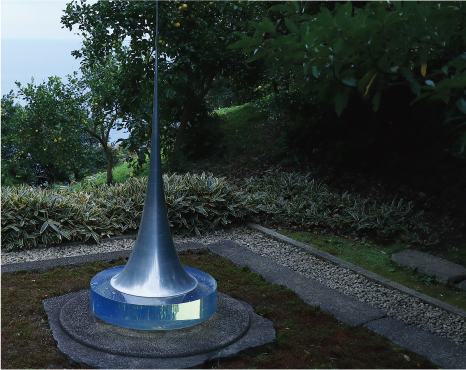
「榊の森」を抜けると5億年前の化石などが陳列された「化石窟」、側には縄文時代の後期のものといわれる石棒が供えられ、遥か昔の祈りがほのかに感じられる。ここから竹林へ向かう。途中に現れる、杉本博司氏の作品「数理模型0010 負の定曲率回転面」の抽象的な造形が、自然の風景に理知的な違和感を生みだしている。
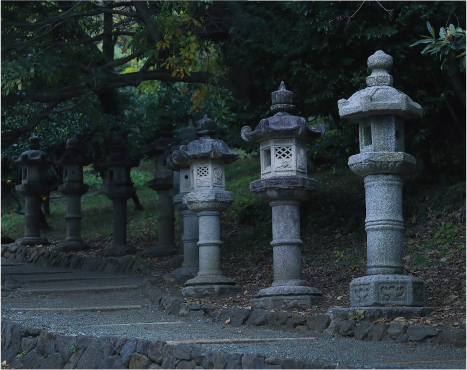
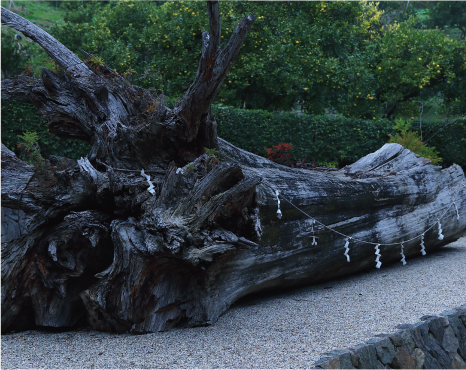
さらに進めば、道の脇に鎮座する「樹齢400年の春日杉」や「甘橘山春日社」へ続く参道では58基の燈籠に迎えられる。
「榊の森」から坂道を上がっていく。途中、遊歩道にぽつんと、桃山時代のものと思われる隠れキリシタン地蔵像が置かれている。背面には十字架らしきものが刻まれている。
そこから石造鳥居を抜けた先で、木組の気配が空気を変える。大正〜昭和初期に造られた名旅館「奈良屋」の別邸に至る門が移築され、静かに佇んでいる。
鳥羽天皇の勅願により平安末期に建立された内山永久寺の十三重塔を過ぎれば「夏至光遙拝100メートルギャラリー」エントランスへと辿り着く。ここには京都の市電の軌道敷石として使われた石があり、近代の街の記憶が古代の石や平安時代の石の塔と同じ空気の中へ溶け込んでいく。
江之浦測候所を歩くと、時代は線ではなく、レイヤーの集合体であると気づいた。風が触れると、その層は揺れ、重なり、移ろいながら、海へ向かう斜面でひとつの風景として結ばれていく。
Layers of Time
Walking the site, I reflect on the passage of various eras.
At Enoura Observatory, time seems to exist not as a single line, but as multiple layers. It is a collection of fragments that would normally never intersect—ancient stones, medieval pagodas, Edo-period lanterns, and modern city paving stones. They form a single landscape together with the light and wind. Walking through this is not about going back or forward in time, but experiencing drifting between the layers.
Walking through the grounds, various eras quietly reveal themselves—not as rigid history, but as a faint presence. “Meigetsu gate”, built in the Muromachi period, welcomes visitors with the powerful yet calm atmosphere of its Muromachi-style Zen architecture.
Beyond the gate, roof tile fragments—said to be from Daikandai-ji Temple —seem to evoke the dignity of what was once a top-ranking state temple.
Along the “Summer Solstice Light-Worship 100-Meter Gallery” a Foundation Stone from Kawahara-dera Temple sits with a strong presence. It is thought to have been established during the reign of Emperor Tenji.
Moving past the “Optical Glass Stage” into the Sakaki Forest, stone Buddhas line the path in soft shadows. Their gentle, mossy faces and slight chips seem to quietly harbor the prayers of different lands.
Emerging from the Sakaki Forest, the “Fossil Cave” displays 500-million-year-old fossils alongside “Stone Rods” said to date from the late Jomon period. Here, one seems to faintly sense the prayers of the distant past before heading toward the bamboo grove.
Along the way, the abstract form of Hiroshi Sugimoto’s “Mathematical Model 0010” appears to create an intellectual dissonance within the natural landscape.
Continuing further, one is greeted by 58 stone lanterns along the approach to the “Kankitsuzan Kasuga Shrine” and the “400-year-old Kasuga Sugi Cedar” standing by the path.
Ascending the slope from the Sakaki Forest, one finds a “Hidden Christian Jizo Statue” from the Momoyama period. What appears to be a cross is carved onto its back.
Beyond a “Stone Torii Gate”, the air seems to change with the presence of wooden joinery. A relocated gate from the villa of the famous “Naraya” stands quietly.
Passing a “Uchiyama Eikyu-ji Temple 13-Story Pagoda”, one reaches the gallery entrance. Here, “Kyoto Tramway Paving Stones” allow modern memories to dissolve into the same air as ancient and Heian-period stones.
Walking here, I realized that time is not a line, but a collection of layers. As the wind brushes by, these layers seem to sway and overlap, uniting as a single landscape on the slope facing the sea.
〜 日本の工法 〜
Feature | 2026.1.24
©小田原文化財団
全国から集まった技と素材。
江之浦測候所には、古来の日本建築が培ってきた素材や自然との向き合い方を、現代の工法と組み合わせて表現する姿勢があるように思われる。敷地には茶室、庭園、門、光学硝子舞台、ギャラリー棟などが点在し、それぞれに日本建築の歴史的要素や素材が配置されている。建築を単体ではなく、ランドスケープを含む敷地全体として捉える点に特徴があり、自然環境と建築の関係を考える場になっているようだ。
日本の建築は、木・石・土といった自然素材を中心に発展し、地形や気候と密接に関係してきた。江之浦測候所の主要施設のいくつかは海に向かう地形を生かし、光の取り込みや眺望が空間構成の要素になっている。
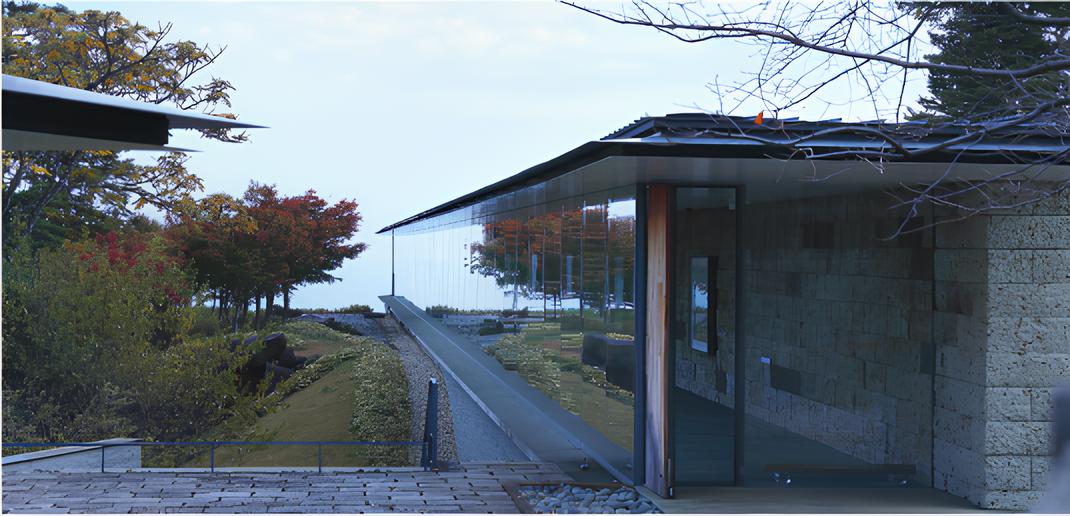
コンセプトを象徴する代表的な建築物である「夏至光遥拝100メートルギャラリー」は、長く伸びる軸線が海側に開き、壁に大谷石、反対側にはガラスが用いられている。天然と人工といった異なる素材と眺望を結び付ける構成で、自然光や海景を内部に取り込む設計が採用されている。
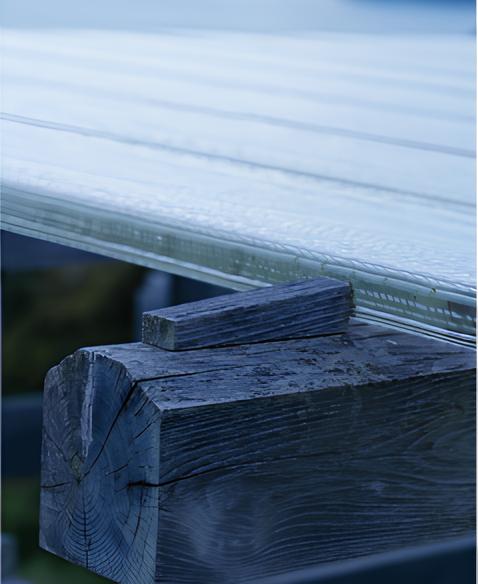
素材への意識は、石舞台や庭園にさらに明確に現れている。敷地に用いられる石材には近隣産の根府川石や小松石があり、庭園の景石には早川石丁場群跡から出土した江戸城石垣用の巨石が使われている。石材は、地質や歴史を示す要素となり、造園は景観づくりだけではなく、歴史を読み取る手掛かりになっている。
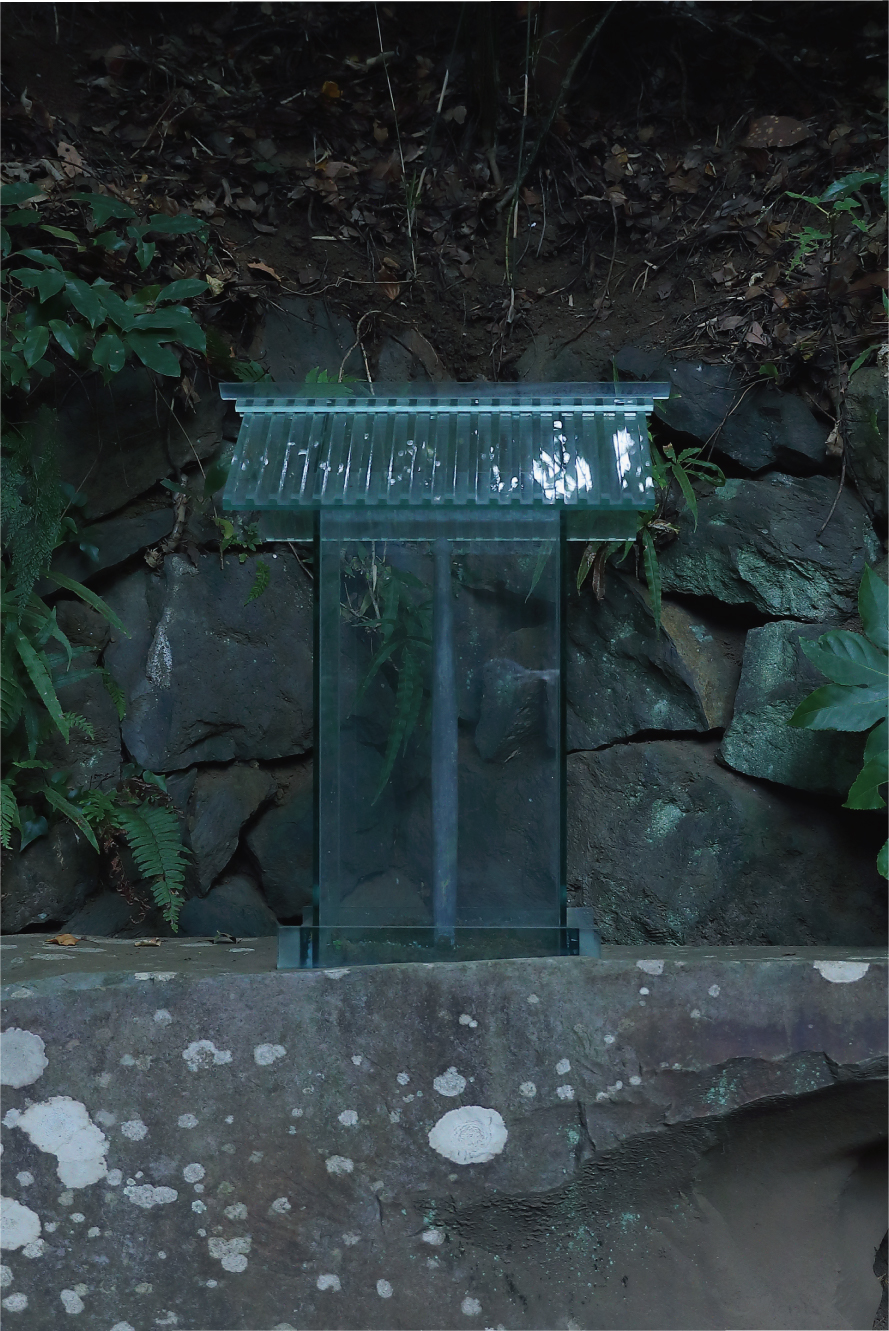
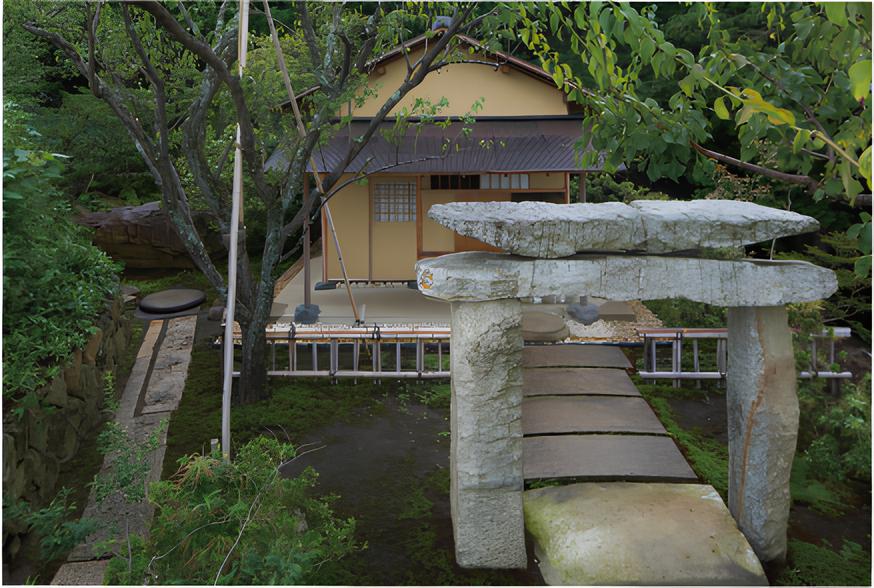
茶室「雨聴天」は国宝茶室「待庵」をもとに設計され、入口前の沓脱石には光学硝子が用いられる。内部は二畳台の小空間だが、壁面の小さな窓から光が差し込み、その陰影が空間に奥行きをもたらせている。
門の存在も重要。明月門は室町時代の山門が茶人の邸宅を経て、最終的に根津美術館から移築された。歴史ある門が敷地の入口に配置され、敷地へ入る際の意識を切り替える役割を担っているように感じられた。
江之浦測候所では、歴史的建築の移築、地域の石材、光を取り込む設計など、多様な方法が敷地全体に展開されていて、訪れる人に知的な刺激を与えてくれる。
Japanese Craftsmanship
Techniques and materials gathered from across Japan.
Enoura Observatory appears to express traditional ways of engaging with nature and materials by combining them with modern methods. With various structures dotted across the site, it is characterized by perceiving the entire landscape as one. It seems to serve as a place to contemplate the relationship between the environment and architecture.
Japanese architecture has historically developed in close relation to terrain and climate, centered on natural materials. At Enoura Observatory, some facilities appear to utilize the slope toward the sea, making light and views integral elements of their spatial composition.
The “Summer Solstice Light-Worship 100-Meter Gallery” symbolizes the concept with an axis opening toward the sea, combining Oya stone and glass. It appears to employ a design that integrates natural light and the seascape, linking the view with both natural and artificial materials.
The awareness of materials appears even more clearly in the stone stage and gardens. With local stones and massive blocks intended for Edo Castle in use, the stones serve as elements of geology and history. Landscaping seems to be not just for scenery, but a clue for reading history.
The “Uchoten Tea House” is designed after the national treasure “Tai-an,” featuring an optical glass entrance stone. Within the tiny space, light from small windows creates shadows that seem to bring a sense of depth to the room.
The presence of gates is also significant.“Meigetsu Gate”, a relocated Muromachi-period gate, stands at the entrance. It felt as though this historic gate plays the role of shifting one’s consciousness upon entering the grounds.
At Enoura Observatory, various methods—such as relocating historic buildings, using local stones, and designing with light—are deployed across the site. These elements seem to provide visitors with intellectual inspiration.
小田原文化財団 江之浦測候所
《事前予約・入替制》
・午前の部/10:00〜13:00
・午後の部/13:30〜16:30
ご見学の2日前までにインターネットからの予約が必要です。
・休館日/火・水曜日、年末年始および臨時休館日
※施設内の特性と来館者の安全性を考慮し、
中学生未満(乳幼児含む)の来館はNG。

江之浦測候所構想・小田原文化財団設立者 杉本博司 展覧会
『杉本博司 絶滅写真』
本展では、杉本の初期から現在に至る銀塩写真65点が展観されます。
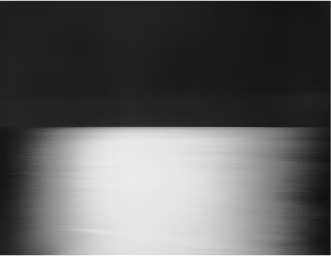
杉本博司 《相模湾、江之浦》 2025年
ゼラチン・シルバー・プリント 119.4×149.2cm
© Hiroshi Sugimoto / Courtesy of Gallery Koyanagi
《会場》
東京国立近代美術館 1F企画展ギャラリー
《開催日時》
・2026年6月16日(火)~
9月13日(日)
・10:00-17:00
(金・土曜10:00-20:00)
入館は閉館の30分前まで

◎主催/東京国立近代美術館、日本経済新聞社
~ 大人の銀座が残る場所 ~
Feature | 2026.1.24
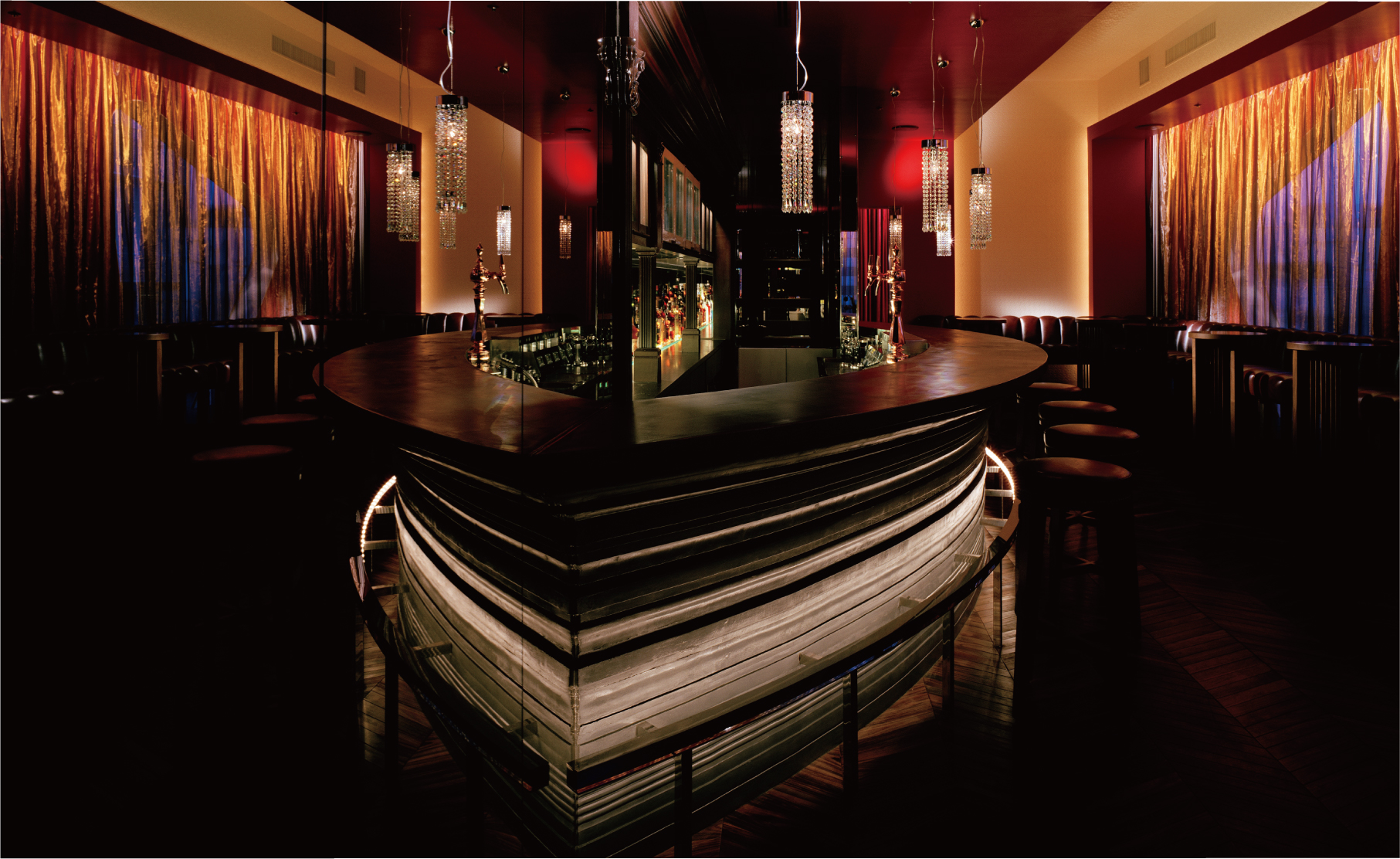
煌びやかさと洗練を楽しむ。
銀座が様変わりしてきた。ファストファッションの旗艦店もあれば、ディスカウントスーパーといった、庶民に馴染み深い店が増えた。それとともに、銀座らしさが薄れてきている感じがする。子どもには敷居が高かった紳士と淑女の街。有名ブランドが軒を連ね、夜のネオンは新宿や渋谷にあるものとは違い高尚に、優雅に輝いているように感じたものだ。
上質で、煌びやかで、本物を求めることを楽しむ。そんな大人の銀座が残っている場所がある。銀座二丁目、ミキモト銀座ビルにある「RESTAURANT DAZZLE」。ここは「大人のための宝石箱」というコンセプトのもとに作られたレストラン。
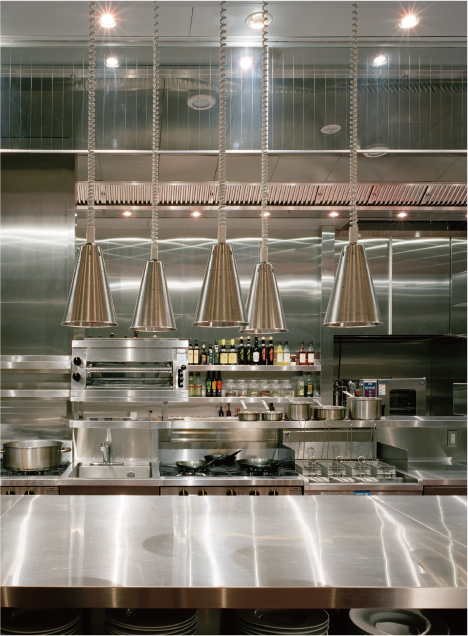
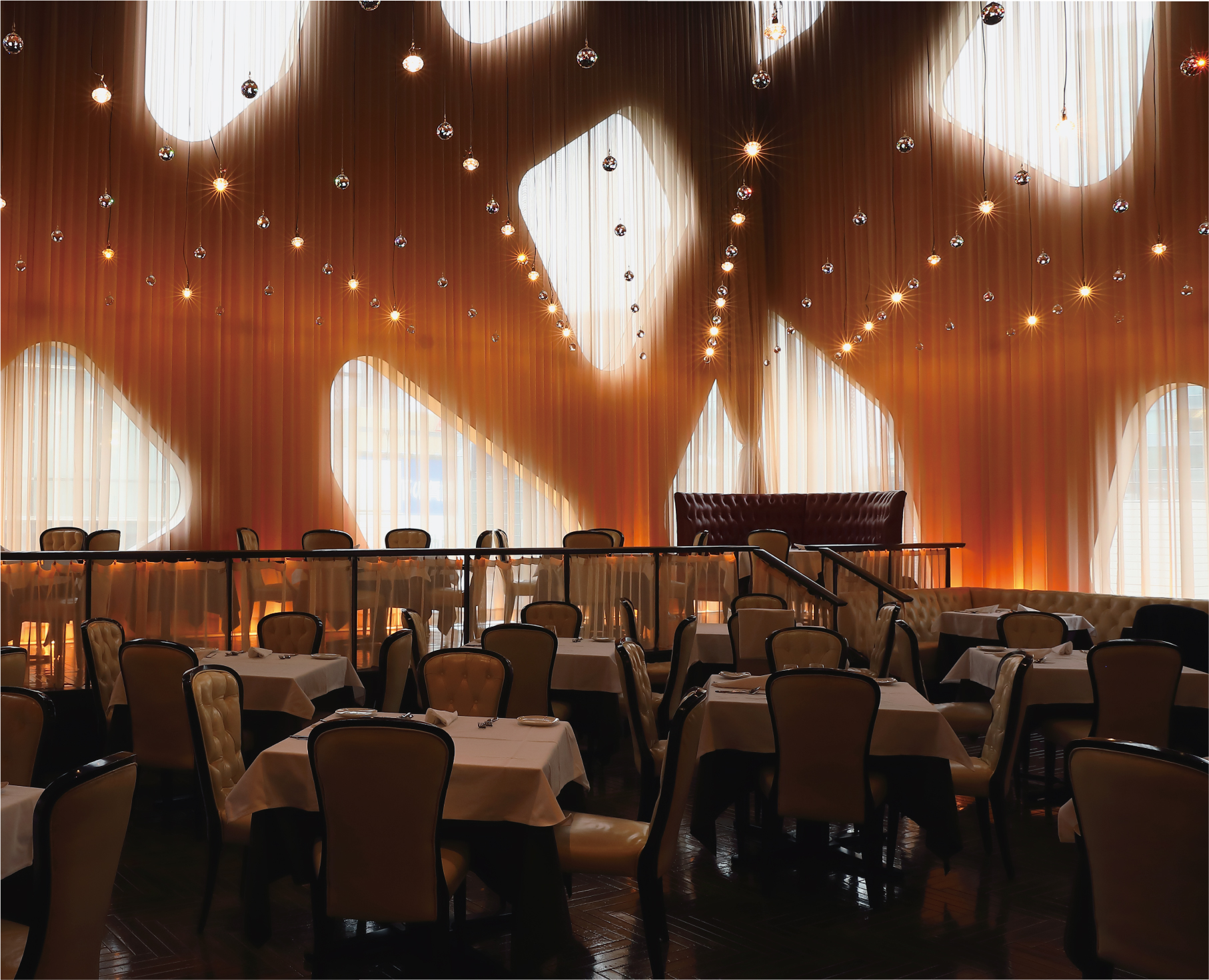
大人の世界へのストーリーは、エレベーターに乗るその瞬間から始まる。上階へと昇る箱の中は暗がりとなり、到着階で扉が開いた瞬間、いきなり活気あるキッチンが登場。さらに上階へ行くと、そこは天井高9mの巨大な吹き抜け空間。都市の喧騒が届かない静けさのなか、天井から吊るされたいくつものスワロフスキーが輝き、心が躍りだす。さらに、そこにある2000本を超える巨大なワインセラーの圧倒的なスケール感を前にして、これ以上ないほどに気分が上がる。
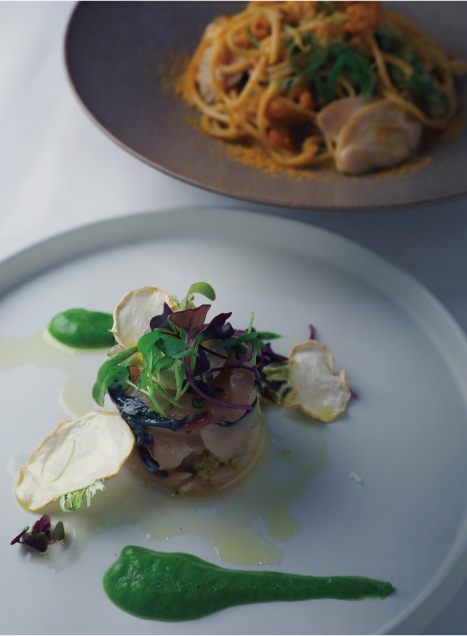
ここで提供されるのはモダンイタリアン。日本各地の旬を集め、手間を惜しまない調理で素材本来の魅力を引き出しながら、盛り付けや構成によって一皿ごとに小さな驚きを添えることを心がけている。
それはファインダイニングという言葉が指す「食事と空間が同じ価値で存在している場所」を体現したような印象を残している。
ディナータイムの個室のみ、子どもの同伴が可能ではあるものの、基本的には大人の社交が楽しめる場として設計されている。かつての銀座が持っていた華やかさと落ち着き。その名残が、ここには確かに息づいている。
オープン以来二十年、多くの常連客が通い続けているのは、銀座という街に少し緊張しながらも、自分らしい時間を穏やかに楽しみたい人にとって、居心地の良さが担保されているから。ワインを味わいながら、ゆっくりと料理に向き合う。特別な記念日はもちろん、日常の延長として訪れることもできる。
最近では、SNSで拡散できるインスタ映えする料理や空間を求めて、若い女性たちが訪れることも増えているという。こういった今の時代の動きと昔ながらの空気が共存しているところも、この店の魅力のひとつになっている。
料理を楽しむことは、人生を楽しむこと。そんな言葉がしっくりとくる場所。食にも洗練と知性、そして快楽を求める人たちが通う「RESTAURANT DAZZLE」。ここに来れば、大人を嗜む場所であった銀座に出会うことができる。
Where the Adult Ginza Still Lives
Enjoying glamour and refinement.
I feel that Ginza is changing, with the increase of familiar stores like fast fashion and discount supermarkets, diminishing its traditional, sophisticated atmosphere—the elegant street of ladies and gentlemen I once knew.
However, there remains an enclave for adults who seek quality and authenticity: RESTAURANT DAZZLE in the Mikimoto Ginza Building, conceived as a “Jewelry Box for Adults.”
The experience starts the moment I step into the elevator. Ascending to a 9m-high atrium, I’m captivated by Swarovski chandeliers and an immense wine cellar holding over 2,000 bottles, providing a dramatic setting away from the city noise.
The restaurant serves modern Italian cuisine, meticulously prepared with seasonal Japanese ingredients, designed to offer a surprise with every plate. This venue truly embodies the fine dining concept where “the meal and the space hold equal value.”
Though children are allowed only in private dining rooms during dinner, the space fundamentally preserves the glamour and serenity of the old Ginza.
The reason for its two-decade success is the comfortable atmosphere it offers to regulars who want to quietly enjoy their own time, despite the slight tension of being in Ginza. I can enjoy wine and the cuisine unhurriedly, visiting for both special occasions and as an extension of daily life.
The coexistence of this traditional atmosphere with new trends, such as young women seeking Instagrammable food and decor, adds to its charm.
RESTAURANT DAZZLE is a place where “enjoying food means enjoying life,” attracting those who seek sophistication, intelligence, and pleasure in dining. Visiting here allows me to experience the Ginza that was truly a place for cultivating adult refinement.
RESTAURANT DAZZLE
レストラン ダズル
東京都中央区銀座2-4-12 ミキモトギンザ2 8F/9F
TEL: 03-5159-0991
※子どもを同伴する場合はランチ・ディナー共に小学生以上。