







二千二百年目の紙。
二千二百年目の紙。
デジタルを使うほど、紙の良さを知っていく、という話。
二千二百年の紙。
On how the more we use digital technology, the more we come to appreciate paper.
Feature | 2026.7.27
デジタルを使うほど、紙の良さを知っていく、という話。
紙はおよそ二千二百年前に生まれ、
人の知識や記憶、思考を受け止めながら使い継がれてきた。
そして今、学校では一人一台のデジタル端末が配られ、
仕事の現場でも、紙を減らすことが当然のようになっている。
便利で、速く、保存できる。だから、デジタルが主流になる。
けれど、読むことは、画面を見ることだけなのか。
書くことは、キーボードを打つことだけなのか。
考えることは、検索の速さで深まるのか。
二千二百年目の紙をもう一度、見つめ直す今回の特集。
読んだ人があらためて、本誌をめくったり、紙面に触れたり、
指でなぞったりしてくれたら嬉しいです。
On how the more we use digital technology,
the more we come to appreciate paper.
Paper was born roughly 2,200 years ago,
evolving alongside human knowledge, memory, and thought.
Today, schools provide digital devices to every student,
and workplaces naturally strive to reduce paper.
Because digital tools are convenient, fast, and easy to store,
they have become the mainstream.
Yet, is reading merely about looking at a screen?
Is writing merely about typing on a keyboard?
Does thinking truly deepen through rapid searches?
This feature reconsiders paper in its 2,200th year.
We hope that reading this
inspires you to once again flip through these pages,
feel the paper, and trace the words with your fingertips.
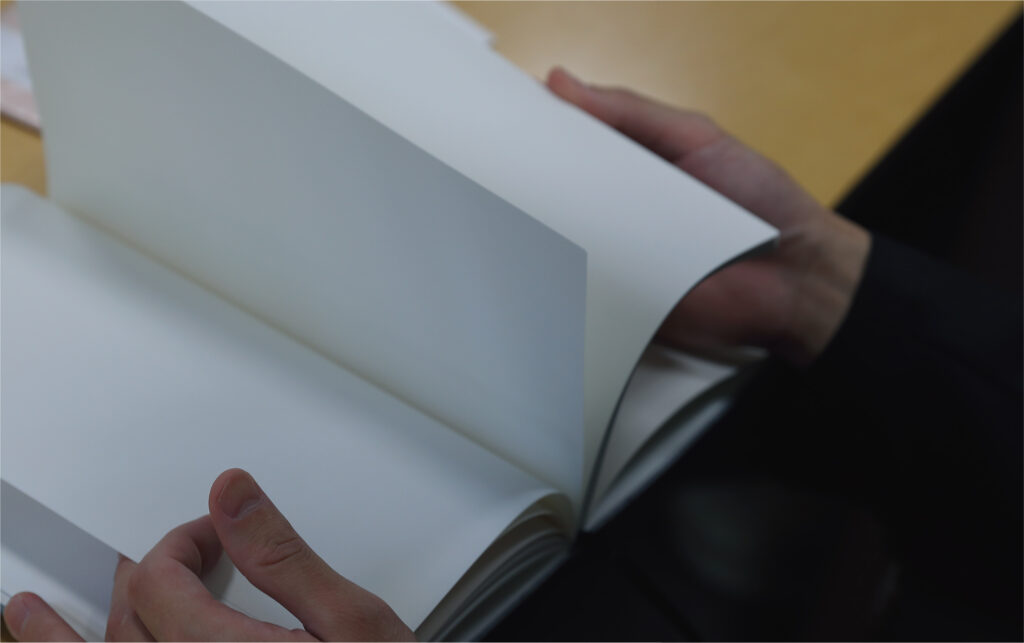
紙をめくる音。指先に残る、少しざらついた感触。
封筒を開けるときの小さな緊張。
本の厚みで、読み進めた時間を感じること。
私たちは毎日のなかで、何度も紙に触れている。
それなのに今、紙は肩身の狭いものとして語られることが増えた。
便利さを追いかけながら、紙は減らしていっていいのか。
そんな問いが、いま改めて投げかけられている。
The sound of turning a page. The slightly rough feeling that lingers on your fingertips.
The faint sense of anticipation when opening an envelope.
The way the thickness of a book lets you feel the time you have spent reading.
We touch paper countless times in our everyday lives.
And yet today, paper is increasingly treated as if it no longer has a place.
As we pursue convenience, should we simply keep using less and less paper?
That question is now being asked once again.
紙を減らす。紙をなくす。紙をデジタルに置き換える。ペーパーレスという言葉は、いつの間にか、効率のよさや環境への配慮と結びつき、紙を使うことそのものが、少し古い選択であるかのようになってきている。
もちろん、デジタルは便利だ。情報はすぐに届き、検索でき、保存できる。書類は画面の中に収まり、何枚もの資料を持ち歩く必要もなくなった。
では、紙はもう過去のものなのだろうか。画面で見られるものを、わざわざ印刷することに、どんな意味が残っているのだろう。
紙は、古代中国で生まれて以降、およそ二千二百年の歴史を辿ってきた。書くために、包むために、伝えるために使われてきた。手紙、書物、証書、包装紙、名刺、新聞、雑誌。そこには、情報だけではなく、渡すときの気持ち、読むためにかける時間も含まれていた。
紙は、ただ文字を載せるだけのものではない。
触る。めくる。折る。重ねる。並べる。書き込む。そうした行為を通して、人は情報と深く関わってきた。画面の中では通り過ぎてしまうものが、紙になると、手元に残る。すぐに消せないからこそ、考える時間が生まれることもある。
この特集では、紙の専門商社として百二十五年以上にわたり紙と向き合ってきた竹尾の竹尾稠会長と、紙とデジタルの読み書きを認知科学の立場から研究する柴田博仁先生に話を聞いた。一方は、紙をつくり、選び、届けてきた人。もう一方は、紙を使う人間の思考や身体に目を向けてきた人。
ペーパーレスの時代に、紙は何を失い、何を残しているのか。そして、これからの社会で、紙はどんな働きを持ち続けるのか。
二千二百年目の紙。それは、古いメディアを懐かしむ話ではない。画面の時代に生きる私たが、読むこと、考えること、伝えることを、もう一度手元から見直すための話である。
Reducing paper, eliminating it, or replacing it with digital—the word “paperless” is now tied to efficiency and environmental care, making paper seem like an outdated choice. Granted, digital devices are convenient. Information arrives instantly, searchable and storable. But is paper truly obsolete? What meaning remains in printing what can already be viewed on a screen? Since its birth, paper has a 2,200-year history of writing, wrapping, and communicating. It has shaped our lives through letters, books, certificates, wrapping paper, business cards, newspapers, and magazines. It contains not just data, but the giver’s feelings, the reader’s time, and tangible memory. Humans engage deeply with information through physical actions: touching, flipping, folding, and writing.
What quickly slips past on a screen remains firmly in our hands on paper, creating vital time for deep reflection.
For this feature, we interviewed Chairman Shigeru Takeo, who has led a century-old paper merchant, and Professor Hirohito Shibata, a cognitive scientist researching paper and digital media. One has delivered paper; the other has studied how it affects human thought and bodies.
In a paperless era, what has paper lost, and what does it retain? Paper, 2,200 Years On. It’s not a nostalgic tale about an old medium. It is a chance for us, living in a screen-dominated age, to reconsider reading, thinking, and communicating right from our own hands.
紙には、“人間の速度”が宿っている。
Paper carries a “human pace.”
Feature | 2026.7.27
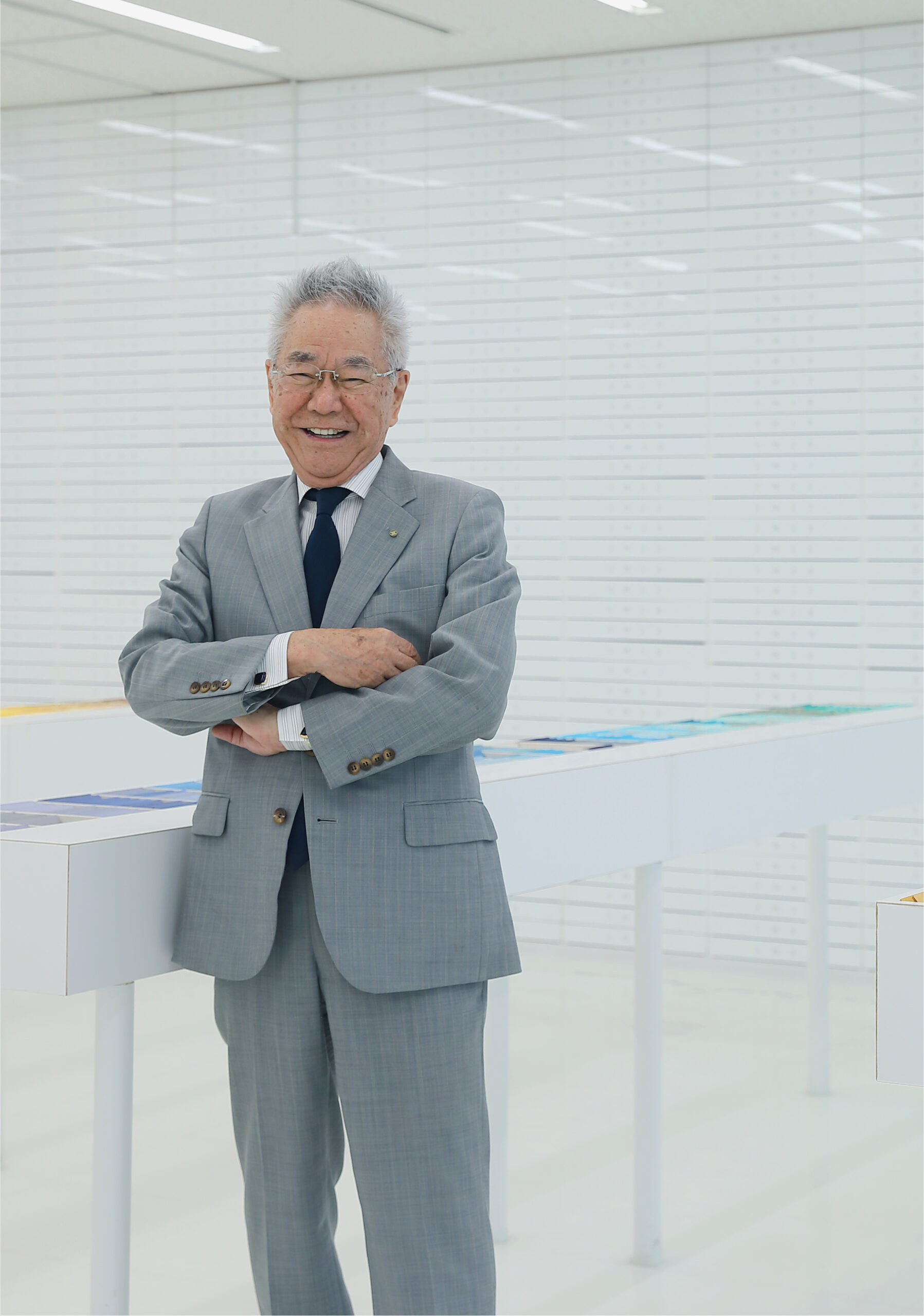
株式会社 竹尾 代表取締役会長CEO
竹尾 稠 氏
慶應義塾大学、米国ウェスタンミシガン大学を卒業後、
米国製紙会社などを経て竹尾に入社。
1991年に5代目社長に就任し、
2025年には代表取締役会長CEOに就任。
株式会社竹尾
1899年創業の紙の専門商社。
色や質感を重視したファインペーパーの開発・販売を行う。
「紙・デザイン・テクノロジー」を根底に置き、
竹尾ペーパーショウなどを通じ
紙文化の活性にも取り組んでいる。
今、紙の存在意義は薄まっているのだろうか。そう問うと、どこか寂しい。けれど竹尾会長の話は、紙が古いか新しいか、デジタルに負けるか残るか、という単純な方向へは進まなかった。「紙は、あって当たり前。水や空気のように。でも、その当たり前って何なのか、改めて考えてみたいんです」。
紙の基本機能は、三つのWと言われている。Write、Wrap、Wipe。書く、包む、拭く。そのうち“書く”については「書くということは、コミュニケーションのツール。自分の思いも書くし、人にも知らせたい。情報を伝達するために書く」と語る。考えを残す、約束を記す、誰かに届ける。紙はいつも、人間が文字を扱う場所にあった。
しかし今では、情報を流すだけなら画面のほうが速い。メール、SNS、AI。必要なものも、いらないものも、同じ速度で流れてくる。会長はその速度について率直に言った。「情報がいろいろ出てくる。いらない情報まで携帯に入ってきて、自分の時間、ないじゃないですか」。便利になった一方で、その便利さは人の時間の中へ強く入り込んでくる。
では紙は、遅く、使いものにならないのか。会長は逆から見る。「紙の機能の一部を、やっとデジタルに任せられる時代になったと思います」。紙がすべて置き換えられたのではない。速く知らせることや検索することを、ようやく別のものが引き受けるようになった。だから、紙には紙にしかできないことがある。
「デジタル化が進めば進むほど、アナログが大事になっていく」。紙に書く。訂正指示を入れる。二枚を横に並べる。ページをめくる。戻る。手で押さえる。会長自身も、紙に書きながら考えをまとめる。
「パソコンでもできるんでしょうけどね。やっぱり一覧性なのか、なんなんですかね」。この「なんなんですかね」という言葉にある、きれいに言い切れない感じに、紙の魅力があるような気がする。
人は二足歩行の動物として手を使うことができる、と会長は言う。持つ。折る。重みを感じる。文字をなぞる。消す。直す。そこに、その人の速度が加わる。会長は「触覚や視覚が、人の心や身体的なものに影響する」と話していた。紙は、単なる情報発信の場ではなく、人の身体に近いところにあるメディアなのだと思う。
災害時にも、紙は重要な働きをする。会長はそれを「究極のアナログインフラ」と表現した。「電気がなくても、書くものと紙があれば、何でもできる」。これは懐古ではなく、現実的な話である。
二千二百年生き続けてきた紙は、過去から届いた古い道具ではない。自分の速度で考えたいとき、画面の奥ではなく手元で向き合いたいときなど。人間は、あらゆる場面で紙を必要としている。
Paper carries a “human pace.”
Is paper’s significance diminishing today? Asking this feels melancholy. Yet, Mr. Takeo / Chairman & CEO, his perspective did not focus on whether paper will lose to digital. Instead, he observed, “Paper is taken for granted, like water or air. But I want to reconsider what that familiarity really means.”
The fundamental functions of paper are summarized by the “Three Ws”: Write, Wrap, and Wipe. Regarding “Write,” he stated, “Writing is a communication tool. We write our thoughts to transmit information.” Preserving thoughts, recording promises, delivering messages—paper has always been where humans interact with words.
Today, screens are faster at circulating information. Email, social media, and AI deliver necessary and useless data at the same speed. He spoke candidly: “So much information appears. Even unwanted data enters our phones, leaving us with no time for ourselves.” This convenience aggressively intrudes upon human time.
Is paper then merely slow and obsolete? He sees it from the opposite angle: “Digital technology has finally evolved to take over a part of paper’s functions.” Another medium has simply stepped up to handle rapid notification and search. Definitely, there are things that only paper can do.
“The more digitalized we become, the more important analog becomes,” he says. Writing, correcting, comparing two pages, flipping through, or holding it down. he himself organizes his thoughts by writing on paper.
“You can do this on computers, too. But maybe it is about scannability, or… I wonder what it is.” This vague feeling of not being able to fully define it is where paper’s charm lies.
He notes that as bipedal animals, humans are uniquely capable of using their hands. folding, feeling weight, erasing, and correcting. Through this, a person’s pace is introduced. He noted, “Touch and sight influence human emotions and physical well-being.” Paper is a medium close to the human body.
During disasters, paper plays a crucial role. He described it as the “ultimate analog infrastructure.” He noted, “Even without electricity, if you have a writing tool and paper, you can do anything.” This is a practical reality, not nostalgia.
Paper, which has survived for 2,200 years, is not an obsolete tool. When we want to think at our own pace or engage directly in our hands rather than through a screen, humans require paper in various situations.
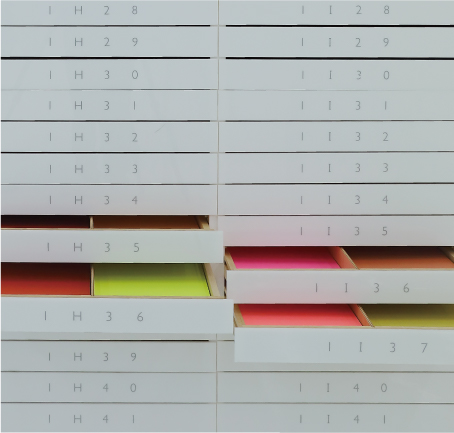
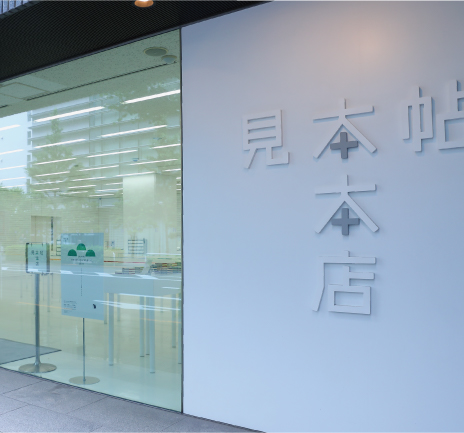
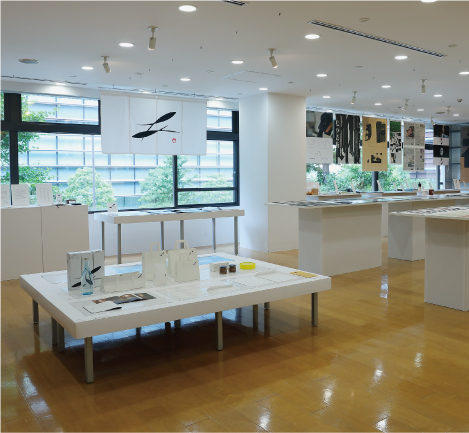
竹尾 見本帖本店
紙は、ものを包み、気持ちまで渡せてしまう。
Paper wraps objects—and carries feelings, too.
Feature | 2026.7.27
紙は、情報だけを運んできたわけではない。むしろ、言葉になる前のものを扱ってきたのかもしれない。
竹尾会長の話で、強く残った言葉がある。紙の三つのWのうちの「Wrap」、包む、という言葉だ。「包むというのは、物を包む。場合によっては、私どもは拡大解釈して、気持ちも包むというふうに考えています」。気持ちも包む。やわらかい言葉だが、そこにある意味は深い。紙は包んだ物の外側にある。なのに、受け取る人の気持ちまで変えてしまうことがある。
「お金って、裸で渡していいときと、気持ちを込めて渡すときがありますよね」。買い物の支払いなら、そのままでいい。けれど、お祝いは違うし、お年玉も違う。「お祝いを出すときに、裸では渡せませんよね」。中身は同じでも、同じではない。紙を一枚挟むだけで、渡す行為の意味が変わる。
高価な靴やバッグを、ビニールの袋に入れて渡されたらどうだろう。中身が本物でも、少し拍子抜けする。ブランドの箱、ショッピングバッグなど、紙の箱や袋は、受け取る前から気分を高める。会長は、同じものでも紙で包むことで印象が変わる、とも話していた。「やっぱり紙は変幻自在で表現力豊かだなと思います」。
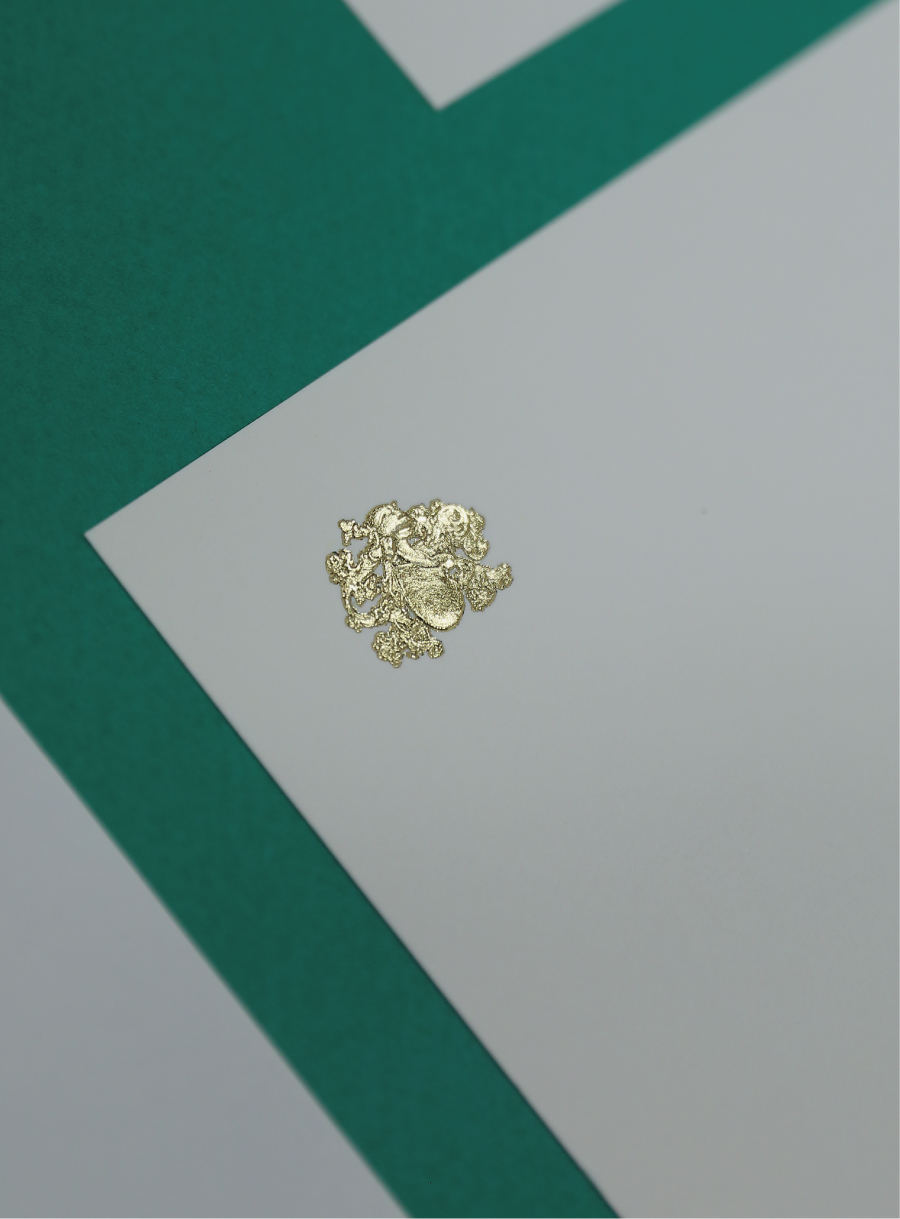
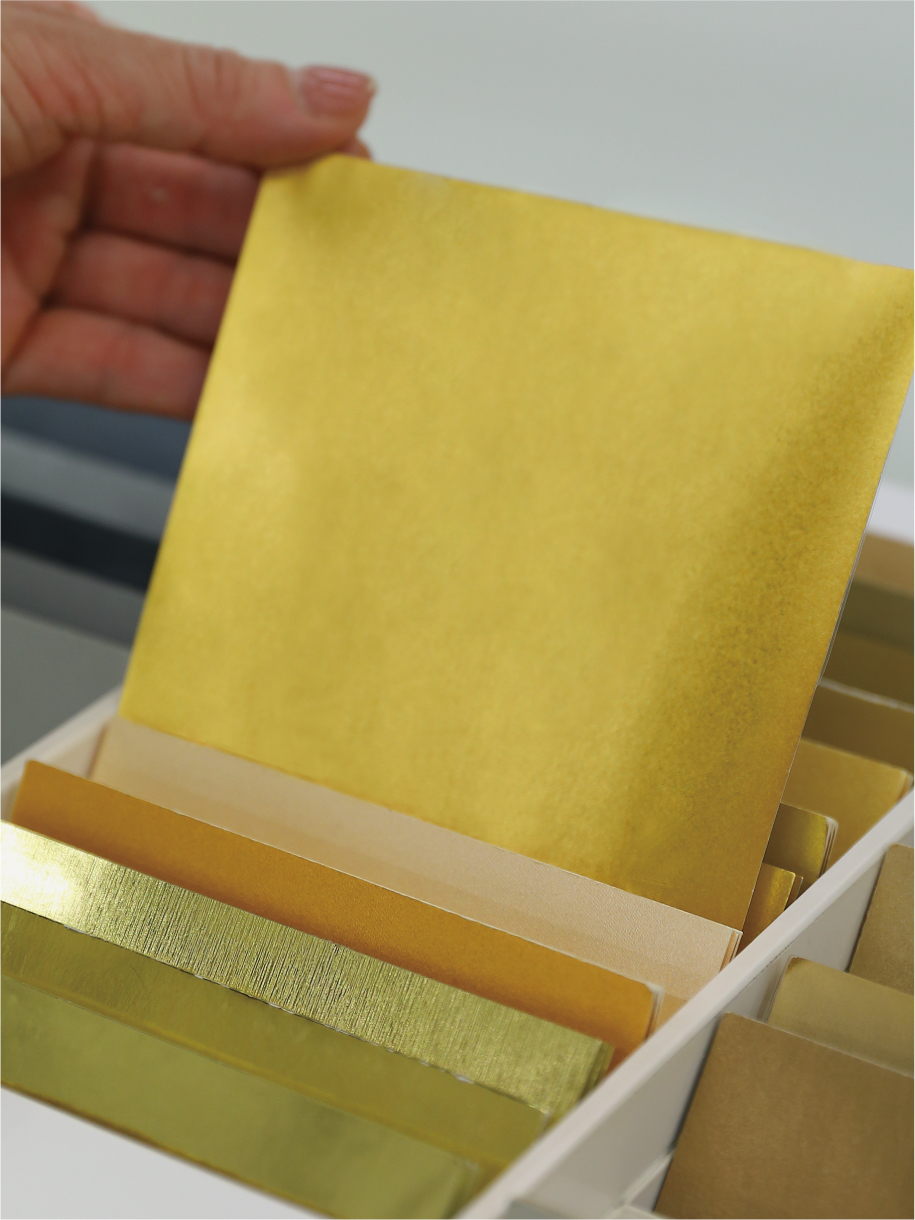
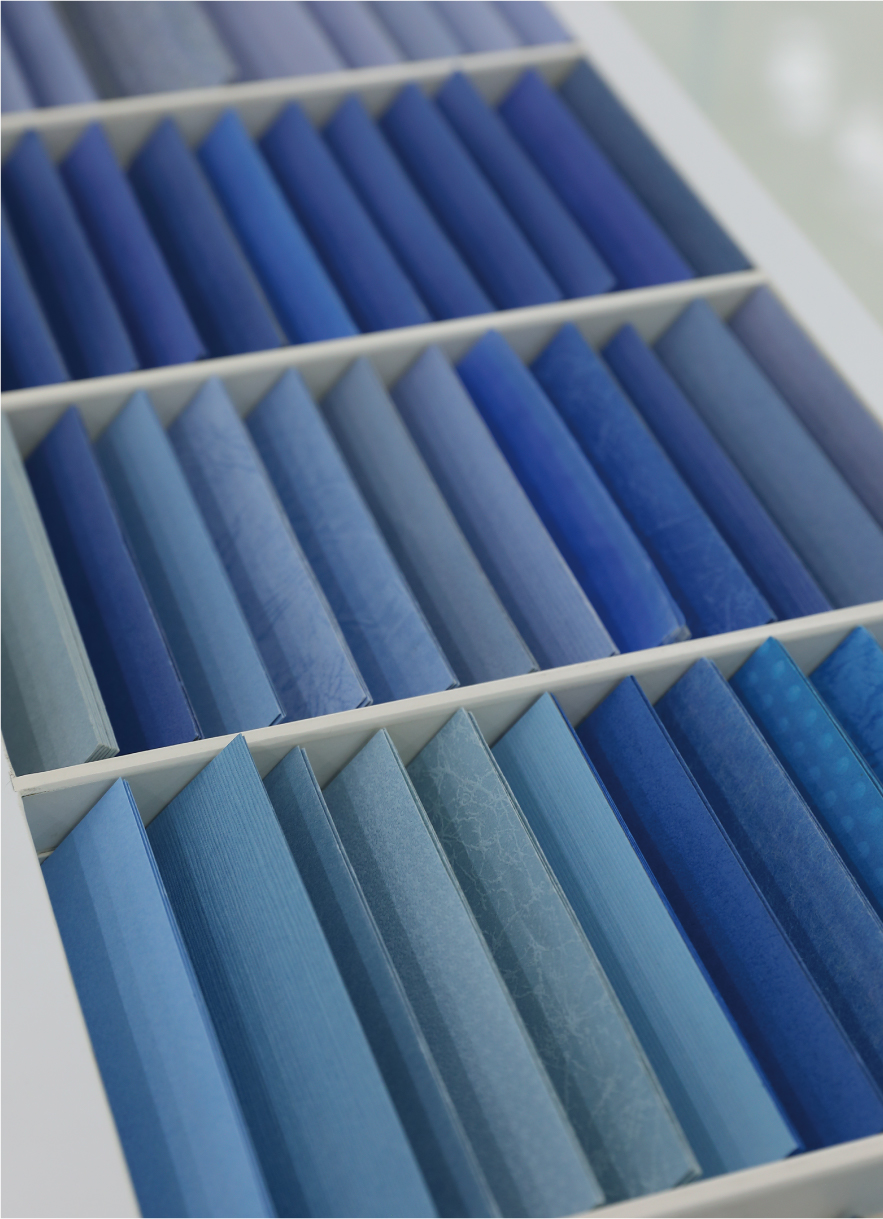
そこから、竹尾が扱う『ファインペーパー』の仕事が見えてくる。やわらかさ、あたたかみといった手触り。そうした小さな差が、受け取る印象を変える。そして話題は色へ。「白い紙くださいって言っても、通じますかね。私の思っている白と、相手の思っている白は違う」。白い紙はひとつではない。あたたかみのある『ロベール』、ナチュラルで気品のある『アラベール-FS』。究極の白を追求した『ルミネッセンス』。紙には、そうした微妙な表情がある。
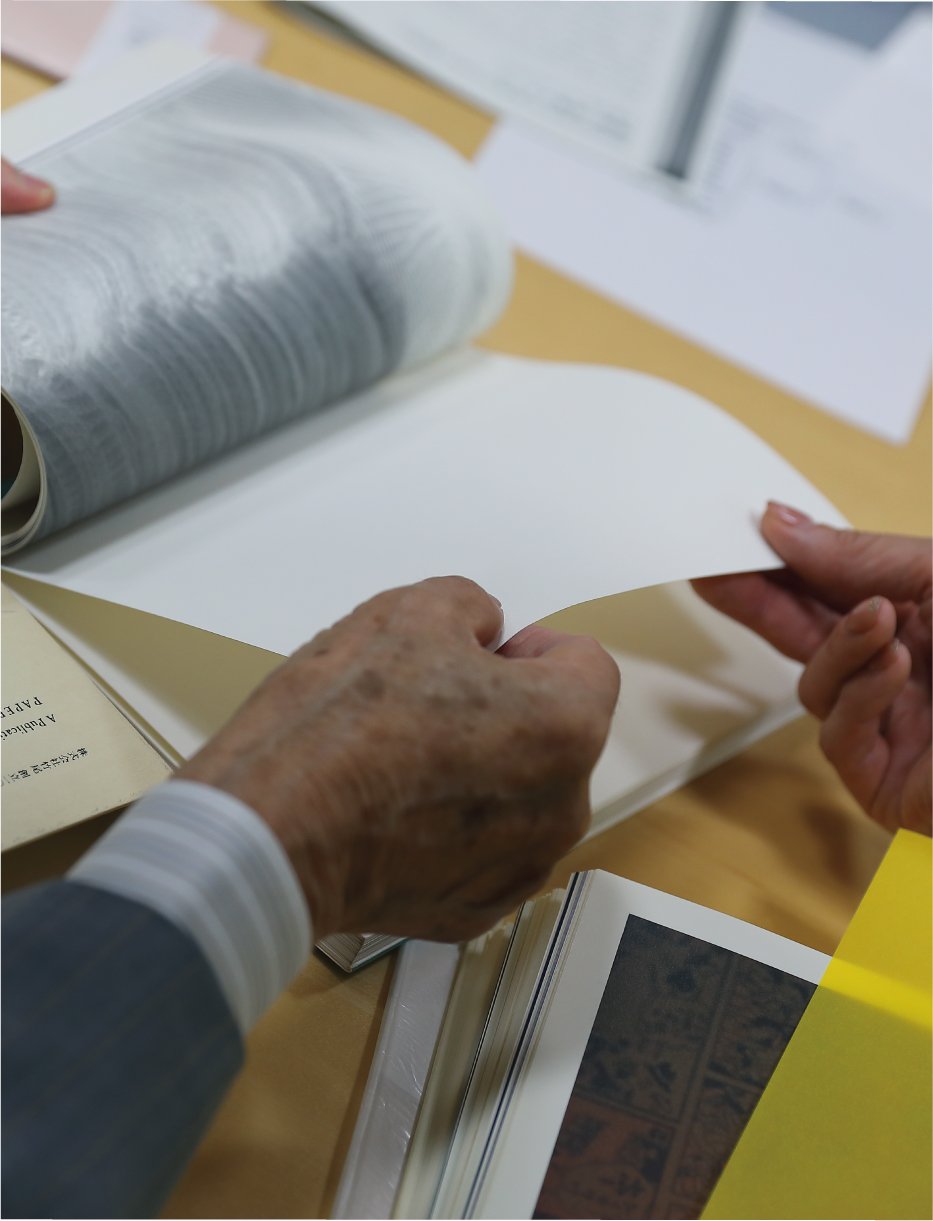
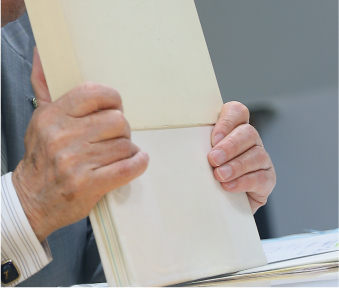
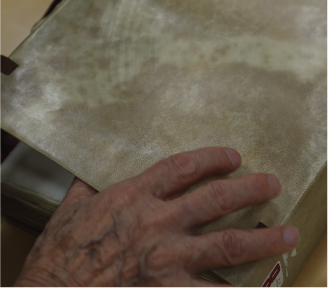
そして、紙を前に会長はこう言った。「触ってください。紙は触ってなんぼ」。紙は見るものでもあり、読むものでもある。でも、それだけでは足りない。指先に残るざらつき、厚み、しなり。言葉にしにくい差が、そこにある。
紙は、ただ残ってきたのではない。姿を変え、人の手元で働き続けてきた。包む。渡す。見せる。触れさせる。価値の見え方を変える。紙は、たいてい物の外側にある。けれど、ときどき、気持ちのいちばん近いところまで届いている。
Paper wraps objects—and carries feelings, too.
Paper carries more than just information; it handles emotions before they even become words.
Among Mr.Takeo’s insights, “Wrap”—one of paper’s “Three Ws”—leaves a deep, lasting impression. “Wrapping means enclosing an object,” he explains. “But we interpret it as wrapping one’s feelings as well.” This gentle phrase carries profound meaning. Paper exists on the outside, yet it transforms the recipient’s emotions beautifully.
He used the clear example of money. “Sometimes you hand over money as it is, and other times you give it with all your heart.” For everyday shopping, bare cash alone is fine. But for celebrations or New Year’s gifts, it is entirely different. “You cannot hand over a monetary gift bare.” Even if the amount is identical, a single sheet of paper alters the meaning of the act.
What if an expensive pair of shoes or a high-end handbag were handed to you in a plastic bag? Even if the item inside is authentic, it would feel disappointing. Brand boxes or paper shopping bags raise our anticipation before opening. He noted that the same object leaves a different impression when wrapped in paper: “Paper is endlessly versatile and rich in expression.”
This reveals the essence of “fine paper” that TAKEO handles. Textures such as softness and warmth subtly shift our impressions. Regarding color, he noted, “Even if you ask for ‘white paper,’ it does not fully communicate your intent. The white I imagine and the white someone else imagines are different.” White paper is not uniform. There is “Robert” with its warmth, “Allaveil-FS” with its elegance, and “Luminescence” pursuing ultimate purity.
He emphasized, “Please touch it. You only truly appreciate paper by touching it.” Reading and looking are not enough. The texture on fingertips, the weight, and the flexibility carry differences that are hard to verbalize.
Paper has not survived purely by chance. It has changed its form and continuously worked right in our hands: wrapping, giving, showcasing, and inviting touch. While usually on the outside, it often reaches the closest, most delicate place within our hearts.
紙は、見えないところでも働いている。
Paper works where we cannot see it.
Feature | 2026.7.27
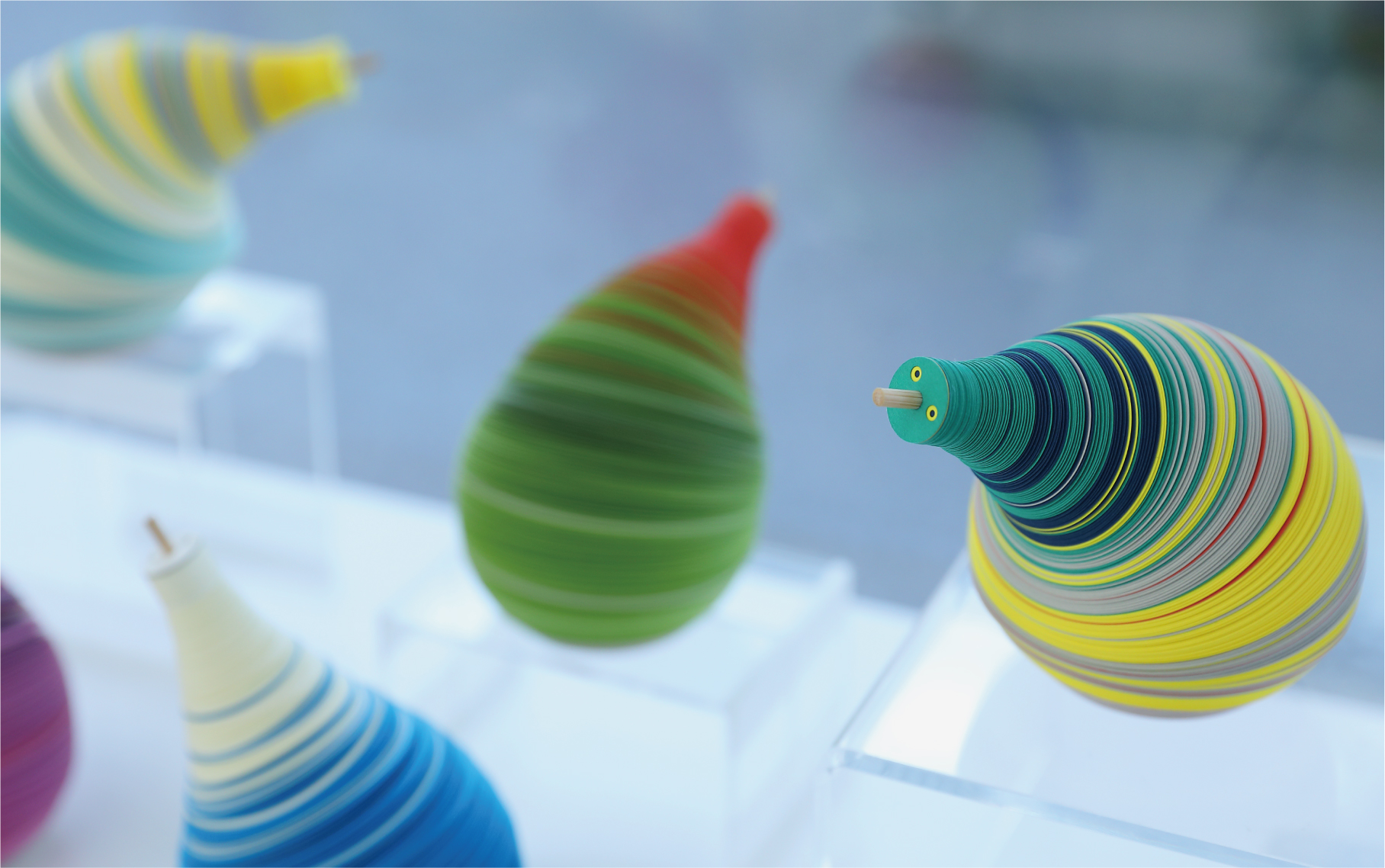
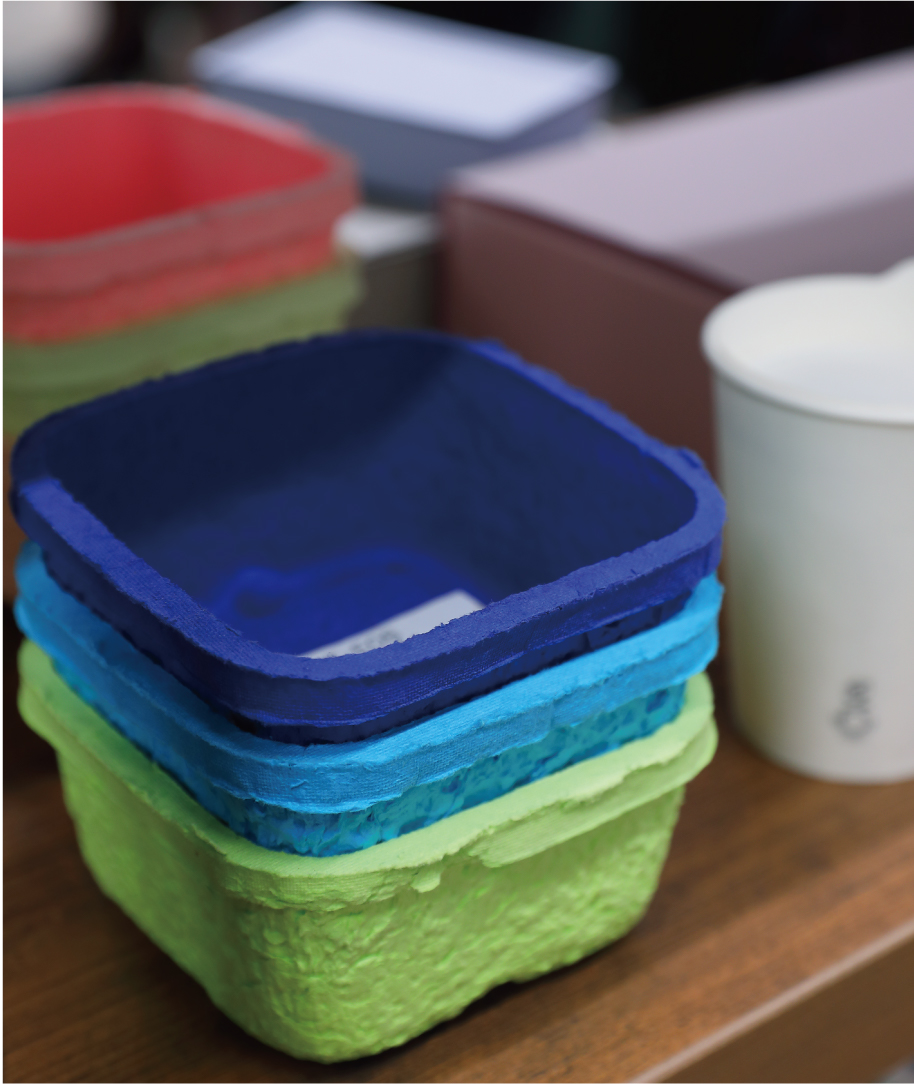
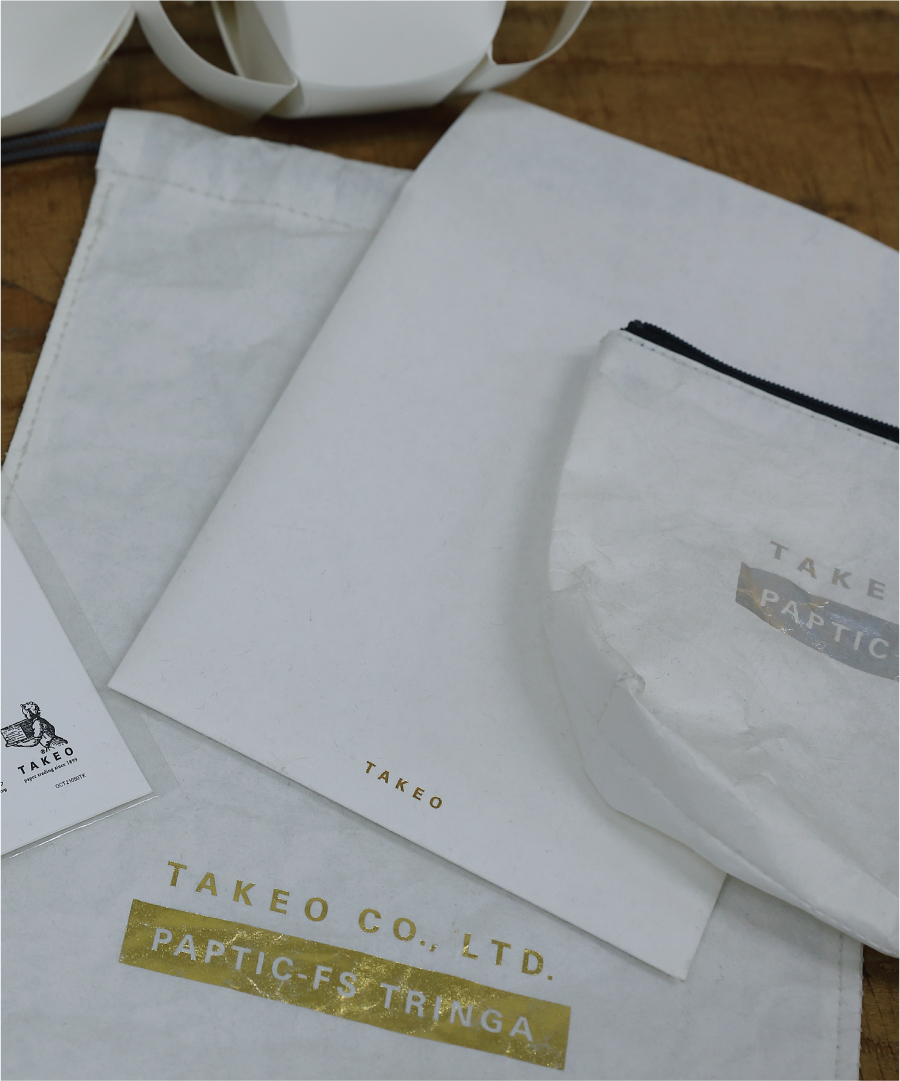
紙というと思い浮かべるのは、本や箱、包み紙といった、触れることができ、めくることができる紙だ。けれど竹尾会長は、紙にはもうひとつの世界があると言う。
「紙には、見える世界と見えない世界があるんです」。見えない世界とは「部品、部材なんですよね」と話す。たとえば、電子機器の中。車のシートに施された革のような模様。スチールデスクの表面に見える木目。私たちはそこに紙が働いているとは思っていない。けれど、そこには紙の素材としての機能や、紙にエンボスや印刷された模様が使われていることがある。
紙は、いつも主役でいるわけではない。むしろ、見えないところで何かを支えていることのほうが多いのかもしれない。会長も「その時々で、役割が主役であったり、脇役だったりする」と語る。出版物のように、紙そのものが表に立つ場面もある。一方で、製品の質感や表情をつくる、ものづくりの工程や部材の一部となっていることもある。
考えてみれば、二千二百年続いてきた紙の強さは、そこにあるのかもしれない。書くものになり、包むものになり、ときには部材にもなる。姿を変えながら、暮らしや産業の中に入り込んできた。
紙は、目に見える場所だけにあるのではない。気づかないところで、人の営みを豊かに支えている。
Paper works where we cannot see it.
When we think of paper, we imagine books, boxes, or wrapping paper—things we can touch and flip through. Yet, Mr. Takeo notes that paper exists in another dimension.
“Paper has a visible world and an invisible world,” he says. This invisible world refers to paper functioning as components and materials. For instance, it works inside electronic devices. It forms the leather-like textures on car seats or the wood grain on steel desks. We rarely realize paper is involved, but its functional properties and embossed textures are quietly at work.
Paper is not always the main character. Often, it supports things behind the scenes. He observes, “Depending on the occasion, its role shifts between the protagonist and a supporting actor.” While it stands at the forefront in publications, it also serves as a hidden material that shapes textures and appearances in manufacturing.
Perhaps this adaptability explains why paper has endured for 2,200 years. Becoming a tool for writing, wrapping, or serving as an industrial component, it has integrated into our lives by changing its form. It quietly shapes textures and supports human activities from where it cannot be seen.
TAKEO PAPER SHOW50 「祝と礼」
会 期 : 2026年10月17日(土)―10月25日(日)
会 場 : KANDA SQUARE HALL
東京都千代田区神田錦町2-2-1神田スクエア2F・3F
入場料:無料(事前予約制)※詳細は特設サイトをご覧ください
竹尾ペーパーショウとは
紙の専門商社 竹尾が1965年より開催している紙とデザインのイベントです。同展を通じ、紙を様々な角度と視点から掘り下げ、時代を牽引する多数のデザイナーとともに、その意味と価値を追求し続けています。本展で50回目を迎え、業界唯一そして最大規模のイベントと評されています。
●主催 / 株式会社竹尾 ●総合プロデューサー/竹尾 稠
●企画・構成/原 研哉+株式会社日本デザインセンター 原デザイン研究所
竹尾ペーパーショウ
特設サイト
前回(2023年)開催の様子
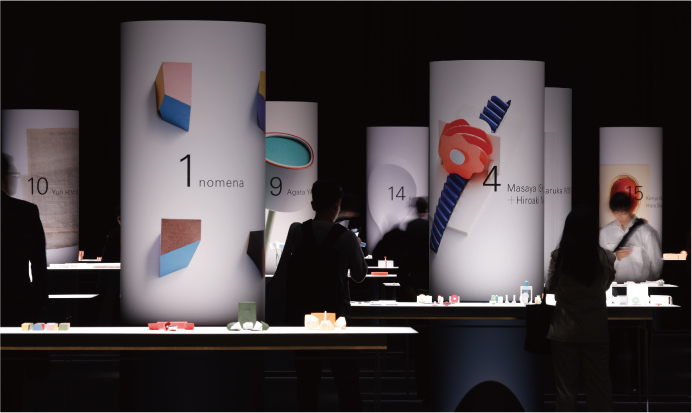
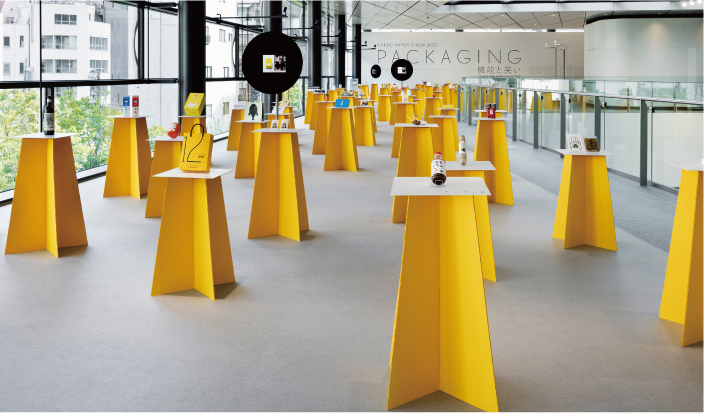
写真:ナカサアンドパートナーズ
人は紙の文書を、目ではなく「手」で読んでいる。
We read paper documents with our hands, not just our eyes.
Feature | 2026.7.27
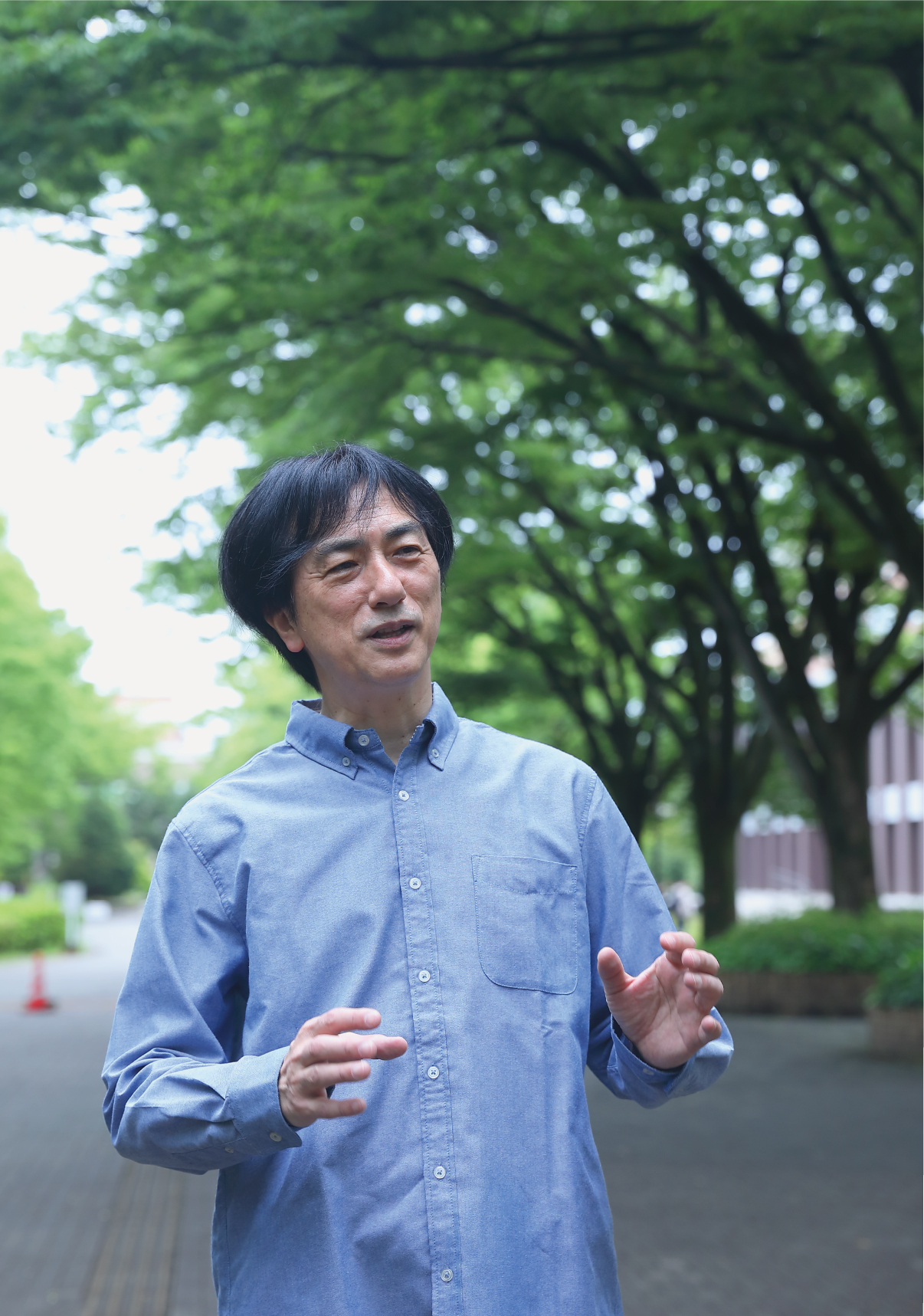
群馬大学 情報学研究科 HCI研究室 教授
柴田 博仁氏
専門はユーザーインターフェースデザインと認知科学。
紙とデジタルの読み書きを研究し、
『ペーパーレス時代の紙の価値を知る』
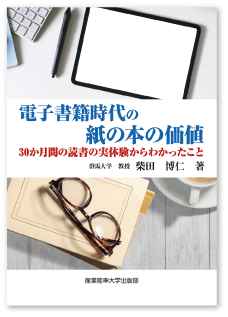
『電子書籍時代の紙の本の価値』などの
著書がある。
ペーパーレスの時代といわれて久しい。紙をデジタルに置き換えれば便利になると言われてきたが、柴田先生の話を聞いていると、そう単純ではない。
柴田先生はコンピューターの研究から出発した。「20代の頃、コンピューターを使って人を賢くしたいなって思いました」と話す。「コンピューターが賢くなるよりも、人間が賢くなったほうが嬉しいなと思ったんです」。その先にあったのが、紙と鉛筆だった。
「紙と鉛筆って、何の機能も持っていないんですよ。コンピューターに比べたら、できることは圧倒的に少ない。だけど、人間の読み書きを、うまくサポートする。これってすごいなと思いました」。紙は何もしてくれない。でも、その何もしなさこそが、人には扱いやすい。
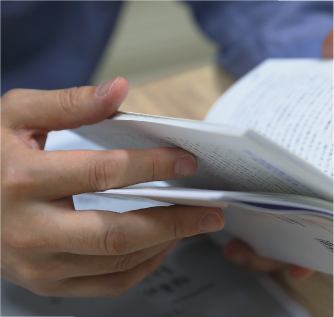
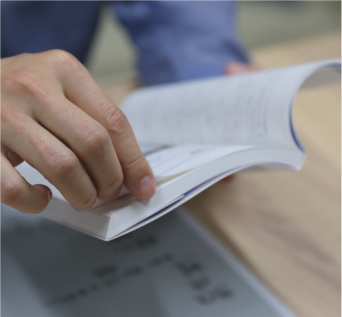
情報を見るだけなら、デジタルでいい。予定を確認し、短い文章を読み、検索する。そういう場面で、スクリーンは便利だ。問題は、情報と本気で向き合い、自分のものにしたいとき。「難しい文章の場合、手を突っ込んで、書き混ぜないと理解できない状況ってあるんです」。手を突っ込む。それは、線を引く、余白に書く、前のページへ戻る、ページとページの間に指を挟む、複数の資料を机に並べるといったようなこと。人は文章を目だけで追っているのではない。手を動かしながら読んでいる。
柴田先生は、紙を“操作メディア”と呼ぶ。「紙が読みやすいというのは、目に優しいというよりも、手での扱いやすさに抜群に優れていて、だから紙が好まれるんだというのが私の価値観です」。紙の価値は、きれいに見えることだけではない。思考を止めずに扱えることにある。
デジタルでは、スクロールやタップ、メニューを開くといった操作をする。そしてそのたびに、うまく操作できたかどうかを目で確認しなくてはいけない。ほんの一瞬。でも、その一瞬が、考えの流れに小さな切れ目を入れる。私たちは、専門書のページをめくり、文章を読み、図表を確認し、別のページと比べ、書き込みながら考える。デジタルでは、その最中に小さな思考の中断が積み重なる。
紙には、厚みがある。重さがある。いまどのあたりを読んでいるのか、残りがどれくらいあるのか、手でなんとなくわかる。デジタルではそれが数値で表現される。「同じ情報を出したからといって、人の認知の仕方は同じじゃないですよね」と柴田先生は言う。たしかに、Kindleでの99%という数字と、紙の本で右手に残る数ページの厚みは同じ終わりの近さを示していても、受け取り方が違う。
紙か、デジタルかの二択ではない。柴田先生も「どちらかを選択するというんじゃなくて、共存だと思います」と話す。速く見るものはデジタル。じっくり読み、書き込み、並べて比べて記憶に残したいときは紙。
紙は、デジタルの代わりではない。人が考えるときに、それは必要とされるもの。
We read paper documents with our hands, not just our eyes.
Although the “paperless era” promises ultimate convenience, Professor Shibata’s insights reveal that replacing paper with digital alternatives is not so simple. Starting his career in computer science, he initially aimed to make humans smarter through technology. Remarkably, this pursuit led him back to paper and pencil.
“A paper and pencil have no internal functions,” he notes. “Compared to computers, what they can do is overwhelmingly limited. Yet, they support human reading and writing beautifully.” Paper does nothing on its own, but its passive nature makes it incredibly intuitive to handle without distracting our thoughts.
While digital screens are perfect for quick tasks like checking schedules, they fall short when we need to deeply internalize complex texts. True comprehension requires us to physically engage with the material—underlining key phrases, scribbling in margins, and flipping pages. We do not absorb text through our eyes alone; we understand most deeply when we read while actively moving our hands.
He calls paper an “action medium.” He explains, “People prefer paper not simply because it is easy on the eyes, but because it is easy to handle with our hands.” Its true value lies in allowing us to process information smoothly without interrupting our train of thought.
With digital devices, every scroll or tap requires visual confirmation. This takes only a split second, but it creates micro-interruptions in our cognitive flow. When reading complex texts, we flip pages, compare diagrams, and scribble notes seamlessly. On screen, these tiny, accumulated disruptions quietly break our deep focus.
Furthermore, paper has physical weight and thickness, letting our hands naturally sense where we are. As he points out, “Even if the information displayed is identical, human perception is not the same.” Reading “99%” on a Kindle feels entirely different from feeling the literal thickness of the last few pages in your hand.
It is not a binary choice. “It is about coexistence,” Dr. Shibata emphasizes. Digital excels for quick scanning, while paper remains essential when we want to read deeply and internalize knowledge. Paper is not an outdated alternative; it is a vital tool for human thought.