










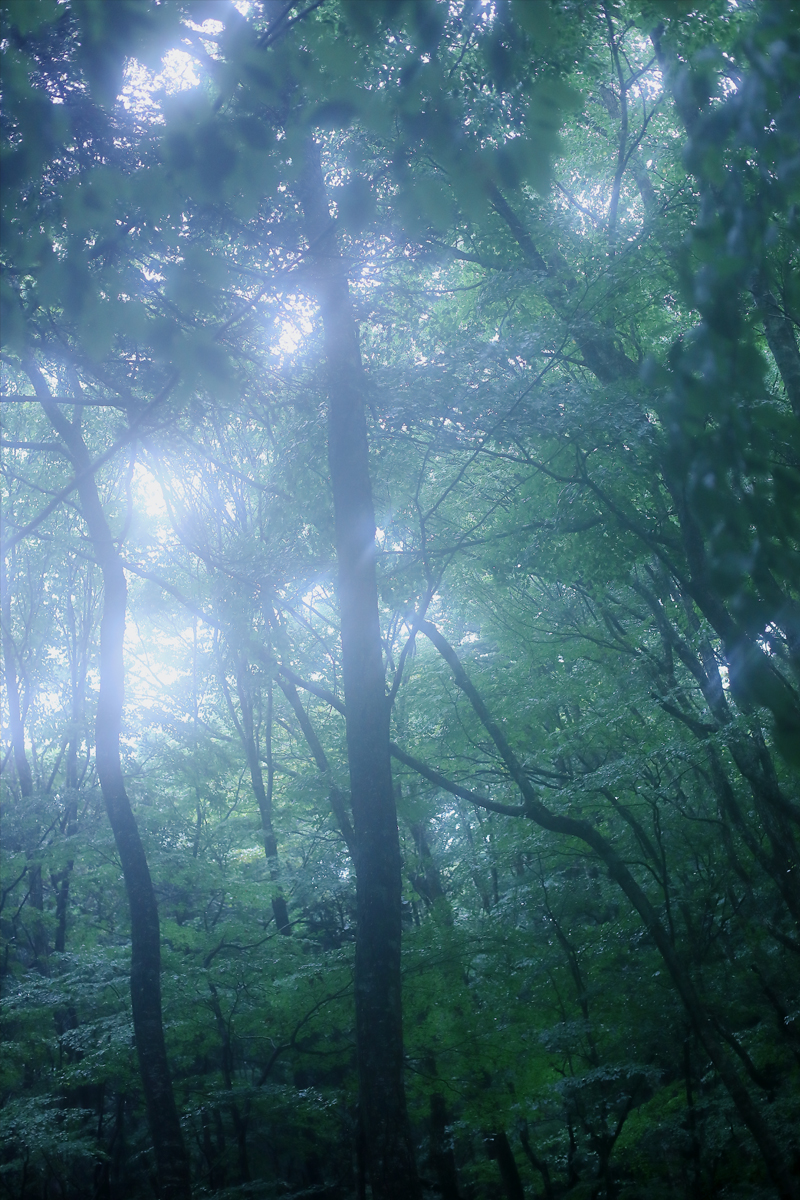
樹海は囁く。
樹海は囁く。
樹海では“ 自然が神” だと、素直に思える、という話。
樹海は囁く。
Why the Jukai Forest makes it easy to believe "nature is God"?
Feature | 2026.10.19
樹海では“自然が神” だと、素直に思える、という話。
「自然が神だ」と言われても、街にいると、
どこか遠い話に聞こえる。
ところが樹海では、話が違った。
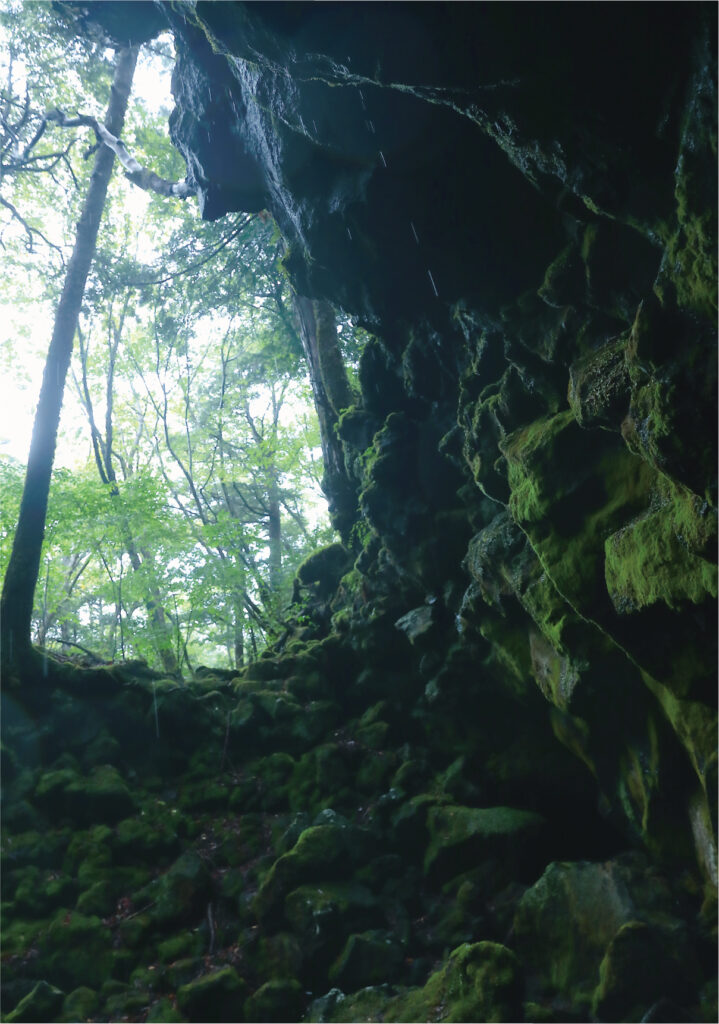
雨を含んだ苔は緑を深め、溶岩の割れ目には根が伸びる。
倒木の上では、もう次の木が育っていた。
この森では、人間の都合などほとんど役に立たない。
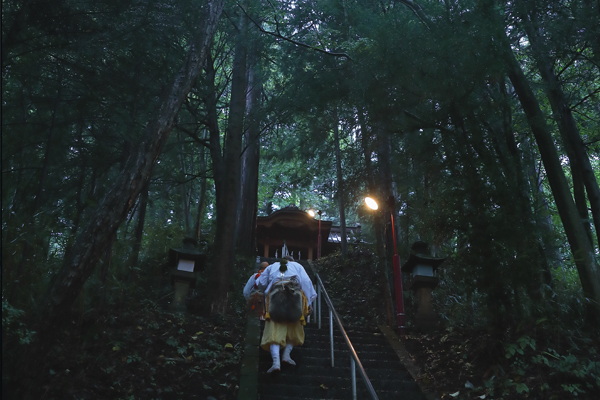
人は富士山に手を合わせ、修験者は森や洞穴へ入った。
なぜ、そこまでしたのだろう。
「山へ入らせてもらう」という言葉も、
ここでは大げさに聞こえない。
御師の家に泊まり、修験者と歩き、雨の樹海へ。
今号では、人が自然を神と呼んできた理由を、
富士山の麓で考えます。
Why the Jukai Forest makes it easy to believe “nature is God”?
Even when people say, “nature is God,”
it sounds like a distant concept in the city.
In the the Aokigahara Jukai Forest or “Sea of Trees”,
however, it is entirely different.
Rain-soaked moss turns a deeper green,
and roots stretch through lava crevices. Atop fallen trees,
new life is already growing. Here, human convenience holds no power.
People pray toward Mt. Fuji, and ascetic monks (shugenja)
venture into the woods and caves.
Why did they go to such lengths? Even the phrase “being permitted to enter the mountain” feels entirely natural here.
Staying at a Oshi pilgrim lodge, walking with shugenja,
and entering the rain-kissed forest…
In this issue, we explore at the foot of Mount Fuji
why humanity has long revered nature as divine.
人間を知るために、深い自然へ。
取材の日、富士山は雲の向こうに隠れたままだった。
麓まで来たのに、なんとも残念。
少し拍子抜けしたが、旅を続けるうちに、
富士山は眺めるだけの山ではないとわかってきた。
御師の家に残る富士講の記憶、樹海の下に広がる溶岩。
山の姿は見えなくても、その力が残したものは、いたるところにあった。
On the day of our visit, Mt. Fuji remained hidden behind clouds.
Arriving at its foot without a view was disappointing,
yet continuing our journey revealed that Mt. Fuji is not meant merely to be admired from afar.
From the memories of the Fuji-ko (Devotional Fuji confraternities)pilgrimage preserved in the
Oshi lodges to lava beds beneath the Jukai forest
—even unseen, the mountain’s power was present everywhere.
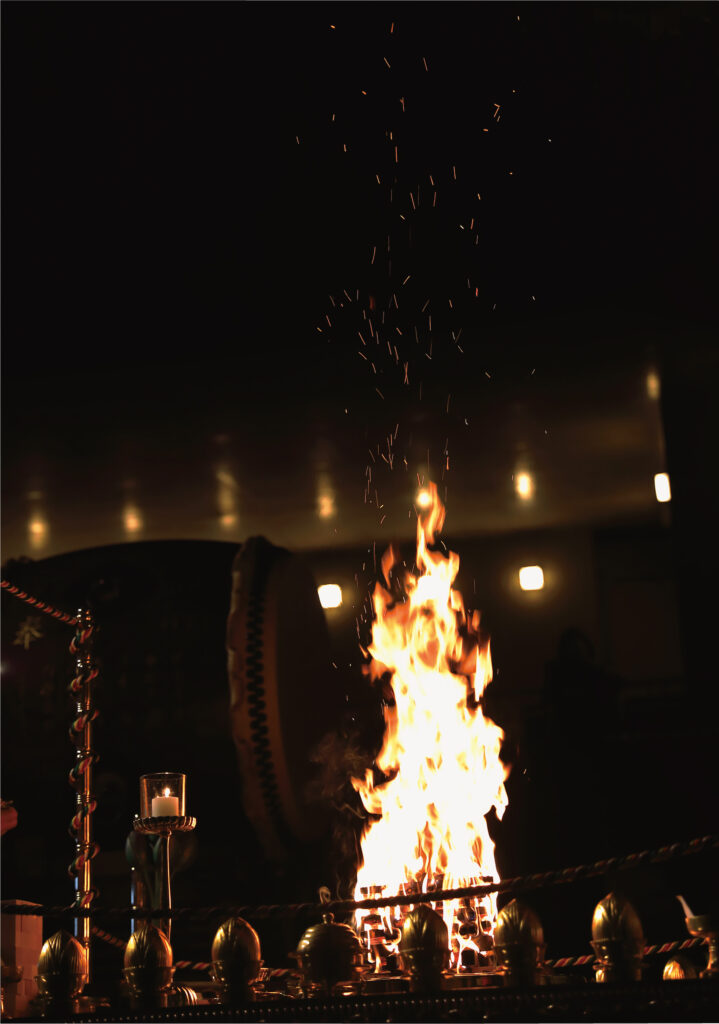
今回の旅は、東京の成田山深川不動堂から始まった。富士の麓へ向かい、かつて登拝者を迎えた御師の家「筒屋」に泊まる。鳴沢村の魔王天神社へ参拝し、修験者と青木ヶ原樹海に入った。
富士講の歴史をたどり、山に入る人の話を聞き、やがて森そのものの成り立ちへ目を向けていく。歩いてみると、信仰と自然がひとつになる理由がわかった感じがしてくる。
富士山は美しい。遠くから眺めれば、均整のとれた穏やかな山に見える。けれど、青木ヶ原の大地をつくったのは、噴火によって流れ出した溶岩だ。人の暮らしを脅かした山に、人は手を合わせ、何日も歩いて近づこうする。その理由を知りたくなった。
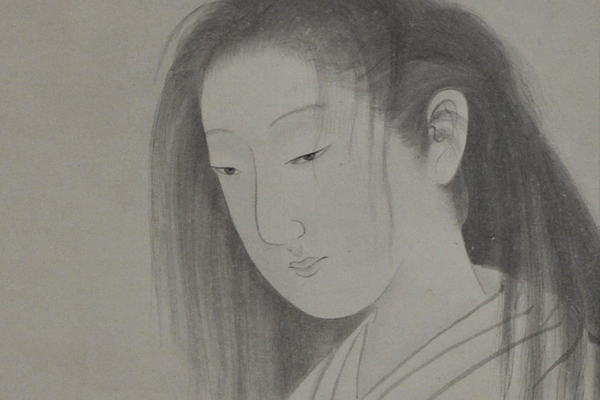
木や岩、山や洞穴に、人間を超えるものを感じる。後から言葉を当てればアニミズムだが、昔の人にとっては、もっと切実で、暮らしに近い感覚だったのだろう。柳田國男は、古い信仰が力を失うと、神が妖怪へと零落することがあると考えた。祀ることと恐れることは、離れているようで案外近い。森を美しい場所と見るのか、怖い場所と見るのか。そこには、自然そのものより、人間の気持ちが映っている。
普段の暮らしでは、時間も道も、できるだけ人間に都合よく整えられている。樹海へ入ると、その調子が通じない。根をまたぎ、滑る苔を避け、足を置ける場所を探しているうちに、頭を占めていた日常の用事が少しずつ遠のいた。歩く速度が落ちると、見えるものが増える。これは理屈ではなく、身体のほうが先に知る感覚。
足元では、木が倒れ、朽ちた幹を苔が覆い、その上からまた新しい芽が伸びている。森は完成した景色ではなく、長い時間の途中にある。水や土や、名も知らない小さな生き物の働きに支えられて暮らしている。
富士山を拝んだ人々の道をたどり、修験者と歩き、雨の樹海で森の成り立ちを知る。そこにあったのは、自然を知るための答えというより、自分たち人間を見直すための手がかりだった。
森を出たあと、いつもの日常はどう見えるだろうか。
Our journey began at Naritasan Fukagawa Fudoudou in Tokyo, leading to Zuzuya, a Oshi pilgrim lodge at Fuji’s foot. After visiting Maoten Shrine, we entered the Aokigahara Jukai forest with shugenja.
Tracing Fuji-ko history and listening to mountaineers shifted our eyes to the forest’s origins. Walking here reveals why faith and nature unite.
Mt. Fuji looks serene from afar, yet Aokigahara was forged by violent lava. We sought to understand why people pray to—and trek toward—a mountain that once threatened their lives.
We feel something beyond humanity in trees, rocks, mountains, and caves. Later labeled as animism, it was likely a far more immediate, everyday reality for ancient people. Folklore scholar Kunio Yanagita believed that when old faiths fade, gods drop into mere monsters. Revering the sacred and fearing the unknown are surprisingly close. Whether we view the forest as beautiful or terrifying reveals less about nature itself than about the human heart.
In daily life, time and paths are arranged for human convenience, but that logic fails inside the Jukai forest. Stepping over roots, dodging slick moss, and searching for foothold gradually pushes daily worries away. As your pace slows, you see more—a sensory shift felt in the body rather than explained by logic.
At your feet, fallen trees rot under moss as new sprouts rise. The forest is not a finished scene, but an unfolding passage of time, supported by water, soil, and microscopic life.
Tracing the path of Mt. Fuji worshipers, walking with an ascetic monk, and learning the forest’s origins in the rainy Jukai reveals fewer answers about nature and more clues to reconsider human existence.
Upon leaving the forest, how will everyday life appear?
成田山深川不動堂
信仰の道行きに樹海の自然があった、「富士講」。
The "Fuji-ko" pilgrimage: finding faith within the Jukai Forest.
Feature | 2026.10.19
江戸の町からも、富士山は見えた。晴れた日の西の空に立ち上がる白い山。毎日のように眺めていれば、いつかあそこへ行ってみたいと思う人が出てくるのも当然だろう。
とはいえ、江戸から富士山は遠い。何日も歩かなければならず、旅費もかかる。「来週、ちょっと富士山へ」と気軽に出かけられる距離ではなかった。
そこで人々がつくったのが、「講」と呼ばれる集まりである。地域の者同士で金を出し合い、くじで選ばれた代表が富士山へ向かう。講によっては、参詣を終えた人も積立を続け、まだ行っていない仲間に順番が回るよう工夫していたという。「講」は信仰の組織であり、旅の積立でもあった。
江戸から、富士山の入口である吉田口を目指す道の起点は、日本橋。甲州街道から富士道へ入り、上吉田を目指す。取材で聞いた話では、通常、江戸からは三泊で、健脚の場合は二泊で現在の富士吉田まで歩いたという。江戸の人の足には、まったく恐れ入る。
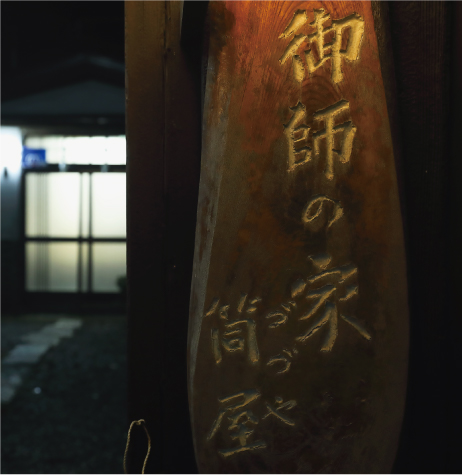
上吉田で人々を迎えたのが、「御師」と呼ばれる、祈祷を行い、御札を配り、登拝者の世話をする人たちだった。その拠点となった「御師の家」は、宿であり、祈りの場所であり、山へ向かう支度の場所でもあった。
今回の取材では、その一軒である「筒屋」に宿泊した。表通りから細長い「タツミチ」を進み、中門をくぐる。水路の先に主屋があり、裏庭には富士山の神を祀る御神前が建つ。
この、「御師の家」で一夜を過ごすと、ここへ草鞋姿の人々が着き、身体を休め、翌日の山を思ったことが少しだけ実感になる。富士講が、急に昔話ではなくなった。
上吉田の町も、富士山へ延びる道を軸につくられている。もとの集落は、積もった雪が川へ流れ出る雪代などの被害を避けるため、1572年に現在地へ移転した。町の入口には金鳥居が立ち、その先に北口本宮冨士浅間神社、さらに富士山がある。町の周囲には寺が配置されていた。明治以前の富士山信仰では、神も仏も一緒に山にいたのである。
富士山まで行けない人々は、江戸の各地に富士塚をつくった。富士山の溶岩を用いた小さな山に登り、本物の富士を拝む。「富士見」や「富士見坂」という地名からも、江戸の人々が富士山をどれほど身近に感じていたかがわかる。
何日も歩き、仲間と寝起きをともにして、みんなの願いを背負って山へ向かう。信仰ではあるけれど、旅の楽しみも、道中の苦労も、帰ってから語る土産話もあったはずだ。
神様を拝みに行く。けれど、旅はやっぱり楽しい。そのあたりが、いかにも人間らしい。
そんな富士山信仰を、別の身体感覚で生きてきたのが、修験者たちである。
The “Fuji-ko” pilgrimage: finding faith within the Jukai Forest.
Mt. Fuji was visible even from Edo, a white peak against the clear western sky. Seeing it daily, people naturally longed to visit.
Yet Fuji was distant, requiring days on foot and substantial funds. It was no trip to make on a whim.
To bridge this gap, communities formed local groups called “ko.” Members pooled money, choosing representatives by lottery to make the pilgrimage. In some groups, those who returned continued contributing so others could take their turn. The “ko” served as both a faith organization and a collective travel savings fund.
The journey began at Nihonbashi toward the Yoshidaguchi entrance via the Koshu Kaido and Fuji Road to Kamiyoshida. Fast walkers could reach present-day Fujiyoshida in just two nights—a remarkable feat of endurance.
In Kamiyoshida, pilgrims were welcomed by “Oshi,” practitioners who performed prayers, distributed amulets, and hosted travelers. Their residences, known as “Oshi houses,” functioned as inns, prayer halls, and preparation hubs for entering the mountain.
During our trip, we stayed at Zuzuya, one of these historic Oshi houses. Walking down the narrow tatsumichi path toward the main house, spending a night here makes the past tangible—picturing tired pilgrims in straw sandals resting before their morning ascent.
Kamiyoshida was built around the path to Mt. Fuji, relocated in 1572 to escape meltwater floods. Marked by the Kanadorii gate and Kitaguchi Hongu Fuji Sengen Shrine, the town reflects a pre-Meiji era when Shinto and Buddhism coexisted on the mountain.
For those unable to travel, mini replica mounds called fujizuka were built in Edo using actual lava rocks. Place names like Fujimi across Tokyo show how deeply connected people felt to the peak.
Trekking for days with companions carried sacred weight, yet it also brought the simple joys of travel and stories to share. Seeking the divine while enjoying the journey was a deeply human pursuit.
Meanwhile, ascetic monks, “shugenja” lived this faith through a very different physical experience.
修験者は、山のてっぺんは目指さない。
For shugensha, reaching the top is not the goal.
Feature | 2026.10.19
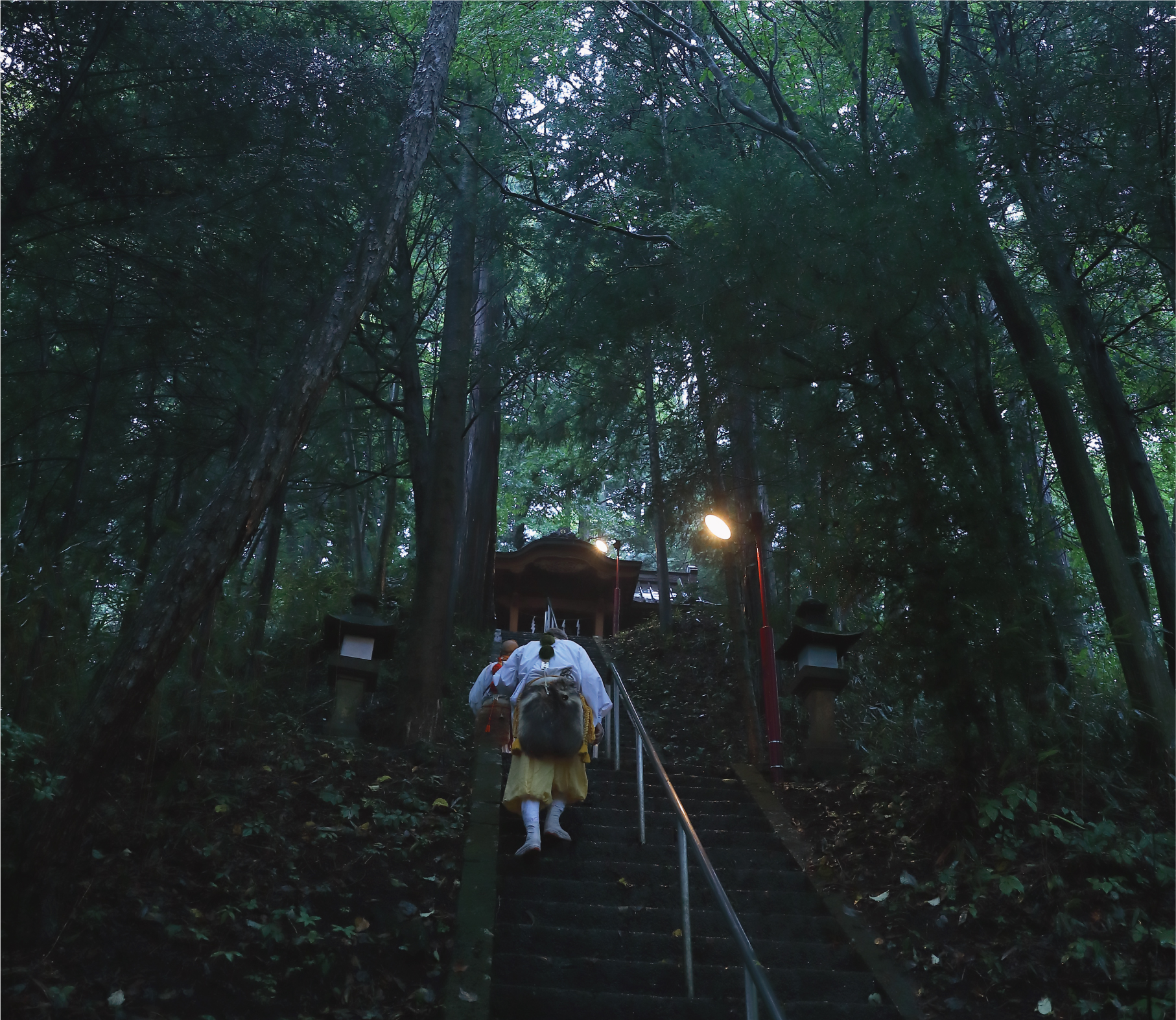
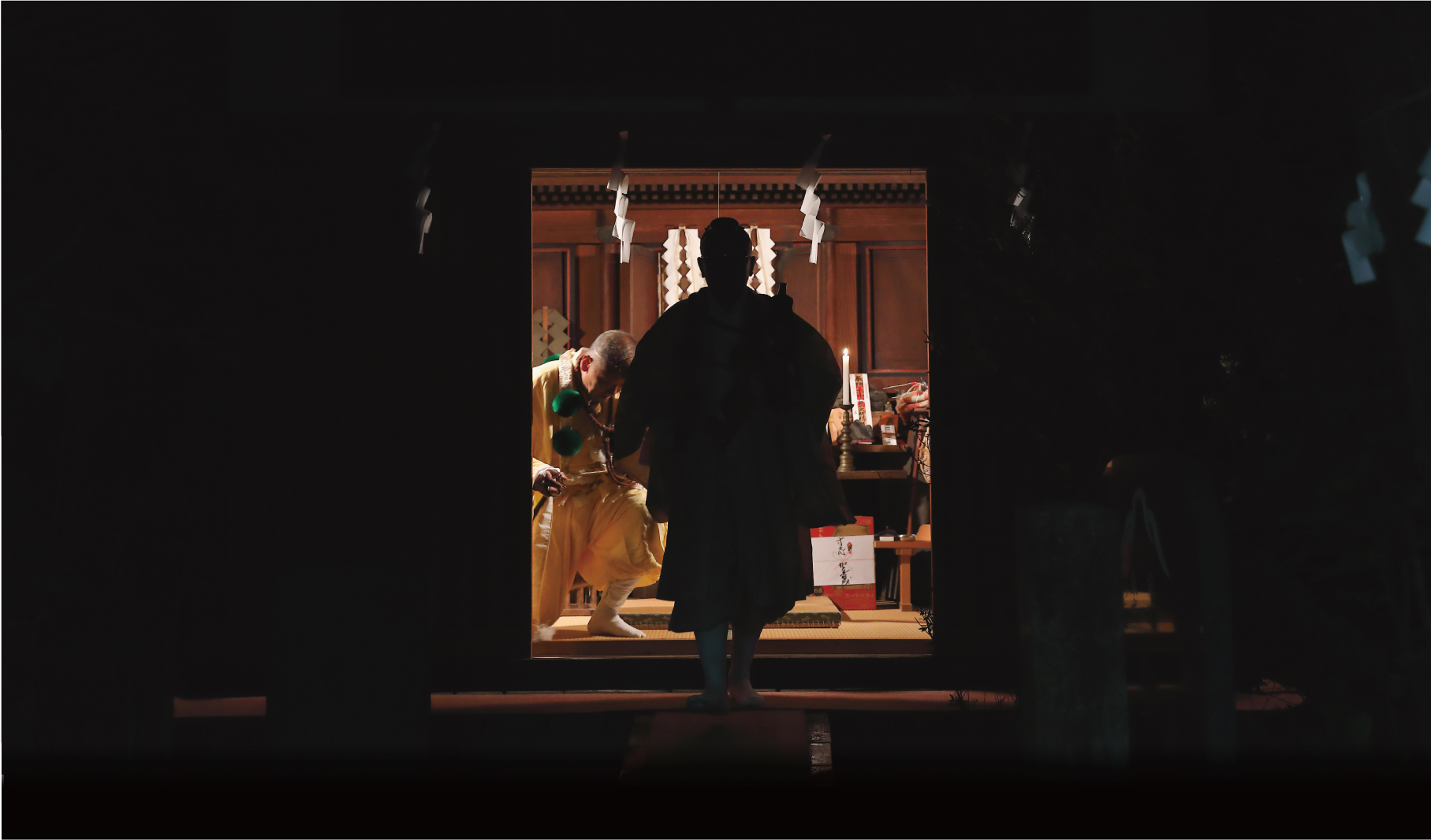
修験者は、なぜ山へ入るのだろう。車で行けるところまで行けばいいのに、わざわざ歩き、楽ではないほうへ進む。効率だけを考えれば、ずいぶん妙なことをしている。
取材中、そんな話になった。「頂上へ行くことが目的じゃないんです」。
ここで、ちょっと頭が混乱した。山に登るのに、頂上へ行かなくていい?
普通の登山なら、頂上は大きな目標になる。しかし修験者の登拝で大切なのは、山へ入らせてもらい、そこで拝ませてもらうことだという。
天候が崩れ、七合目までしか行けなくても、「今日は七合目まで行かせていただいた」と感謝して帰る。山を征服する、という考え方とはかなり遠い。
僕らはいつの間にか、何にでもゴールを決める癖がついている。どこまで行った。何を達成した。何分でできた。修験は、“効率化”を山へ持ち込まない。
山では天気が変わっただけで、人間の都合など簡単に吹き飛ばされる。雨に濡れ、寒さに耐えるうちに、屋根があることや、温かい場所で眠れることが、にわかにありがたくなる。便利な暮らしの中では、わざわざ考えもしないことだ。
そうした変化の中に身を置いていると、「自然イコール神」という感覚が出てくるのだと、修験者は話してくれた。富士山麓では、山頂へ向かうことだけが修行ではなかった。
噴火によって生まれた溶岩洞穴も、祈りや修行の場所になってきた。
その代表が「人穴」。青木ヶ原樹海から少し離れた富士山西麓にある、長さ約83メートルの溶岩洞穴だ。『吾妻鏡』には「浅間大菩薩の御在所」と記され、のちに富士講の開祖とされる長谷川角行が籠もって修行したと伝えられている。いまも人穴浅間神社の境内には、富士講の人々が建てた二百基を超える碑塔が残る。
青木ヶ原樹海の中にも、精進御穴や竜宮洞穴などがある。精進御穴では木食行や断食行が行われ、竜宮洞穴には水の神が祀られた。干ばつの際には、人々が雨を願ったという。
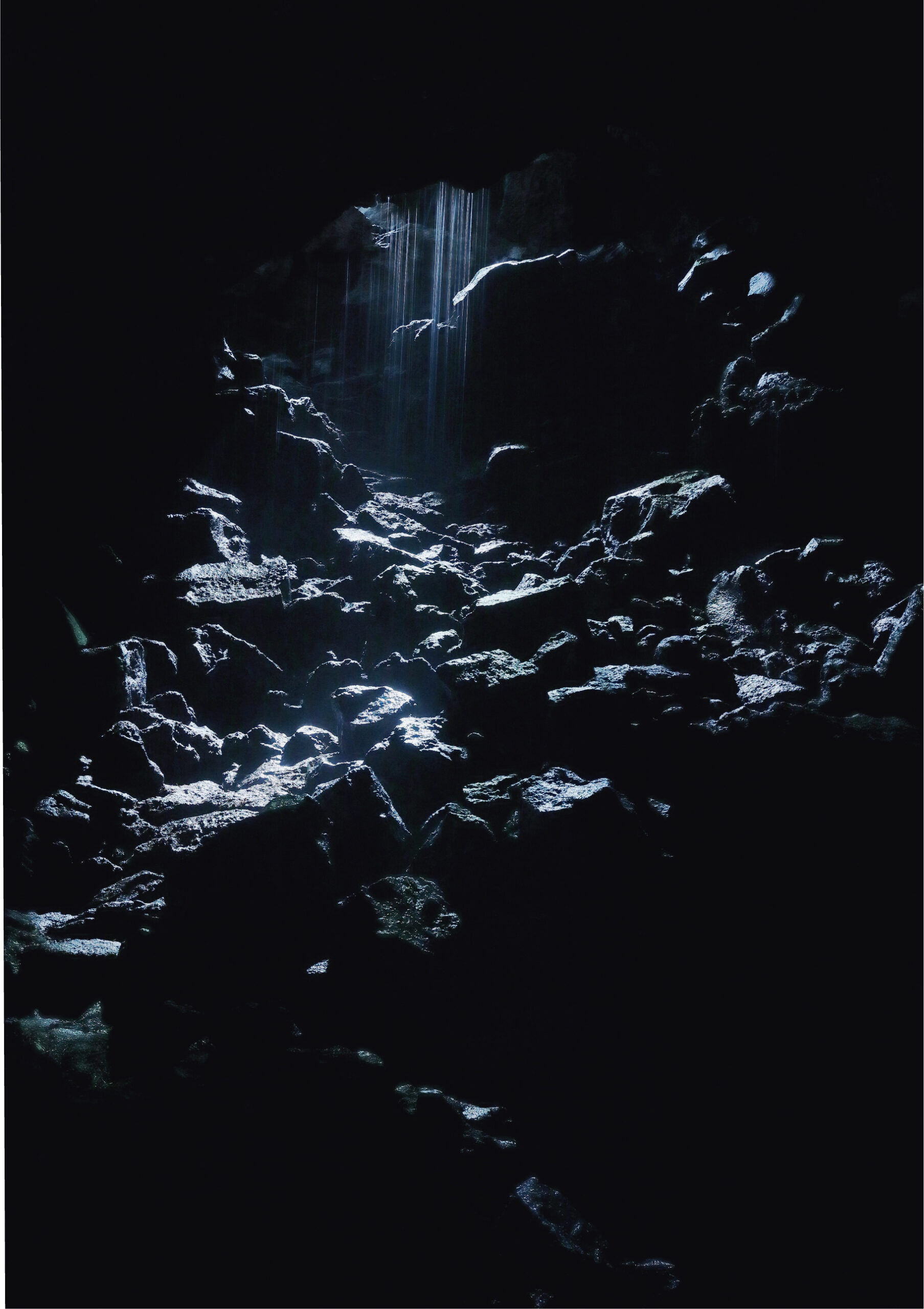
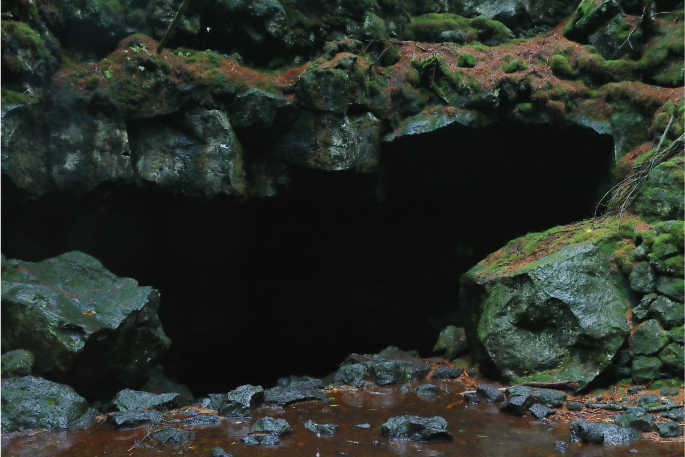
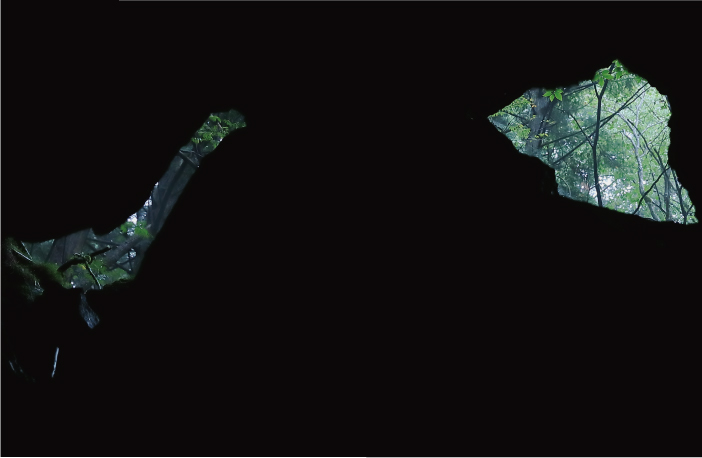
洞穴へ入ると光が消え、温度や音の響き方が変わる。遠くから山を仰ぐのとは違い、その山が生んだ暗闇へ、自分の身体ごと入っていく。修験とは身体で確かめるものだという意味が、少しわかる気がした。
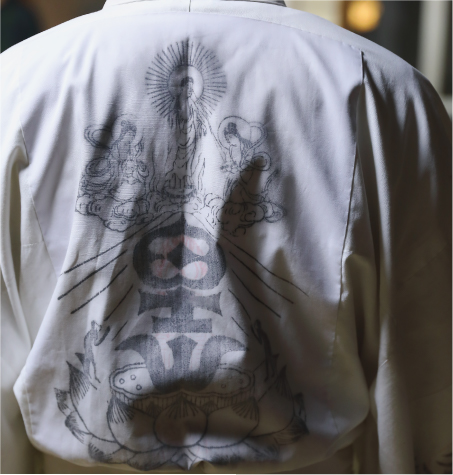
修験者の装束にも、祈りと実用が同居している。額につける「頭襟(ときん)」は法具だが、取材で聞いたところでは、山中で頭を守り、水をすくう器にもなるという。山で役に立つよう、きちんとできているのだ。
取材の最後、修験者がこう言った。「山伏なんだけど、里の修行のほうが大変なんだ」。山で感じたことを持って里へ戻り、人と付き合い、仕事をして、腹を立てたり、面倒なことに巻き込まれたりしながら暮らしていく。そっちのほうが、ずっと長い。
山伏の修行は、山を下りてからも続いている。
For shugensha, reaching the top is not the goal.
Why do shugenja walk into the mountains instead of driving as far as possible? If efficiency were the goal, choosing the harder path makes no sense.
During an interview, one explained: “Reaching the summit is not the objective.”
For ordinary hikers, the peak is everything. For shugenja, what matters is being permitted to enter and pray. Even if turned back at the seventh station by bad weather, they return with gratitude—a mindset far from conquering nature.
We instinctively assign goals to everything: distance, speed, achievement. Shugendo leaves efficiency behind.
In the mountains, shifting weather shatters human plans. Soaked and freezing, one suddenly appreciates a simple roof or warm bed. Experiencing this awakens the realization that nature itself is divine. Around Mount Fuji, ascending the summit was never the only path; lava caves created by eruptions have long served as sacred grounds for prayer and discipline.
A prime example is Hitoana, an 83-meter lava cave near the Jukai forest. Recorded in Azuma Kagami as a divine dwelling, Fuji-ko founder Hasegawa Kakugyo secluded himself here for ascetic practice. Over 200 stone monuments built by followers still stand at the site.
The forest also shelters Shojin Oana, used for fasting practices, and Ryugu Cave, where locals prayed to a water deity during droughts.
Inside a cave, light disappears and temperature drops. Unlike admiring a mountain from afar, you step directly into darkness forged by the mountain itself—a physical realization of shugensha faith.
Even attire blends prayer with utility: the forehead-worn “tokin” serves as both a sacred tool and a protective helmet or water cup.
As a shugenja noted, “Training back in the village is harder.” Bringing mountain insights into daily life, work, and human conflict is the true, lasting practice.
A shugenja’s training continues long after descending the mountain.
樹海の深奥に、神を見る。
Finding the sacred deep within the Jukai forest.
Feature | 2026.10.19
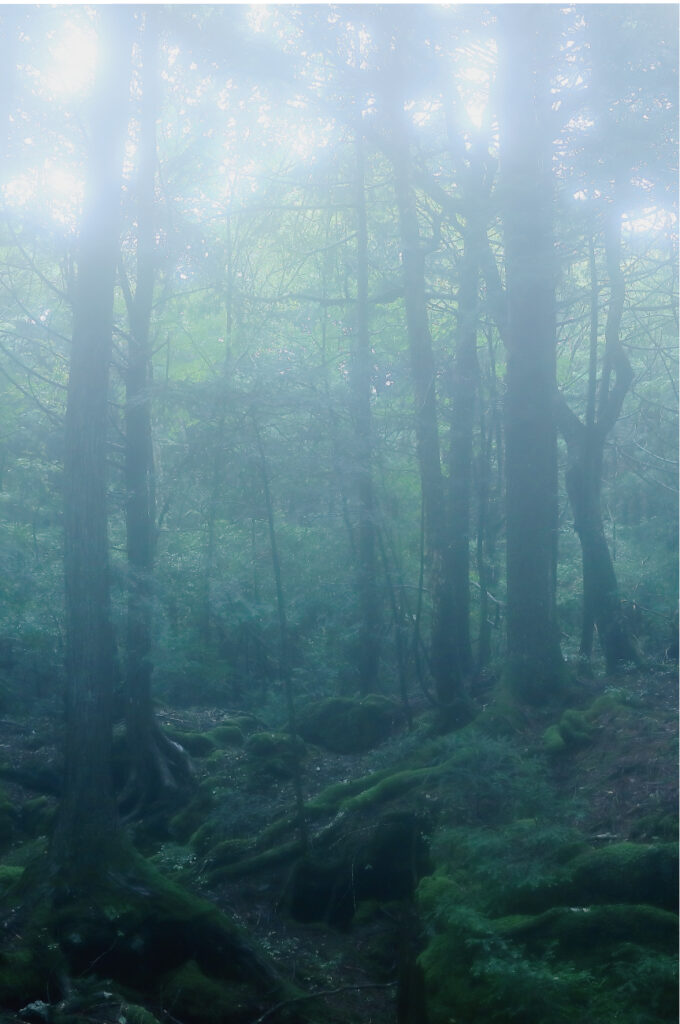
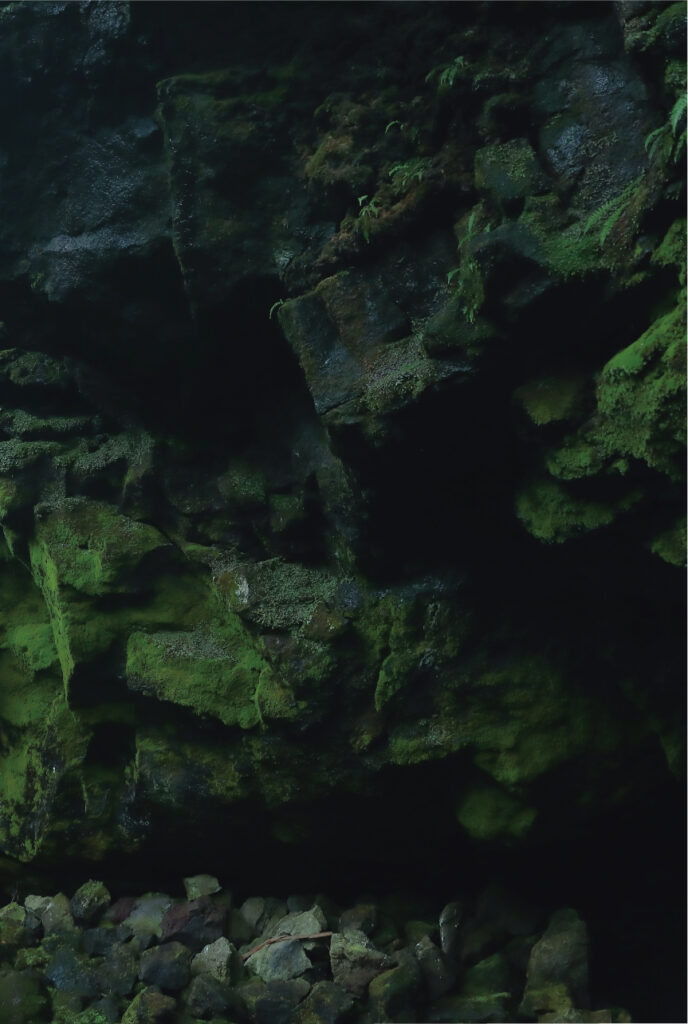
「樹海」という言葉には、重たいものがついてくる。暗い。怖い。入ったら出られない。テレビや映画のせいか、行ったことのない人の頭にも、すでに樹海らしき風景ができあがっている。僕も、たぶんそうだった。
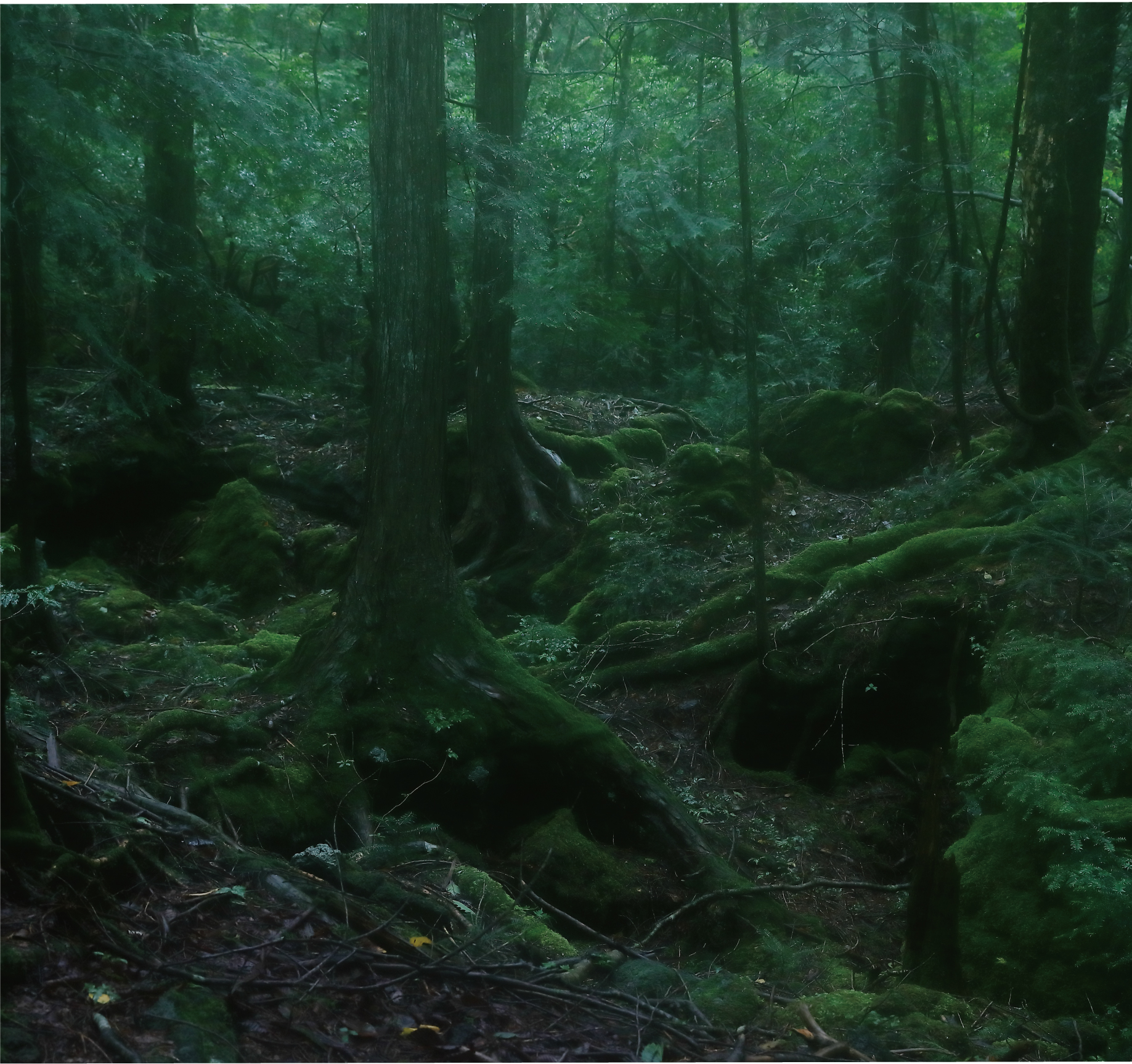
取材の日は、雨。空は低い雲に覆われ、富士山はとうとう姿を見せなかった。せっかくここまで来たのに、とは思う。ところが樹海へ入ると、雨でよかったのかもしれないと思い直した。曇っているのに、森は想像していたよりずっと明るい。苔は水を含み、木肌は黒く濡れ、葉の緑が何段階にも濃くなっている。自然が、怖いほどにイキイキしていた。
晴れた樹海はまだ知らない。でも、曇天の樹海も、かなりいい。
不思議なのは、これだけ雨が降っているのに、水溜まりがほとんどないことだ。地面の下には細かな穴や亀裂の多い溶岩があり、降った雨はすぐにしみ込んでしまう。あたり一面濡れているのに、ぬかるんでいない、妙な地面。
森の中は、かなりごちゃごちゃしている。苔の下にはごつごつした溶岩があり、穴や亀裂もある。根をまたぎ、足を置く場所を探しながら進むうちに、歩く速度が落ちてくる。
すると、いろいろなものが目に入る。一本の木についた様々な姿の苔。倒木の脇から伸びる若い木。むき出しの溶岩。雨粒が葉を叩く音や、自分の靴が地面を踏む音も、さっきよりはっきり聞こえた。
樹海の面白さは、ひとつの絶景を目指すこととは少し違う。歩いているうちに、こちらの目や耳のほうが変わってくる。ふいに大きな穴が現れる。それが溶岩洞穴だと知っていても、森の中に黒い口が開いていると、やはりぎょっとする。修験者や富士講の人々が、そこへ入り、祈り、修行した。そう聞いたあとでは、穴の暗さも別のものに見える。
遠くから眺める富士山は、あまりにも姿が整っている。けれど裾野へ入ると、溶岩はねじれ、木は曲がり、根は行き場を探して地面を這っている。倒木の上では、もう次の木が育ち始めていた。圧倒的な自然の力を感じ、少し怖い。だから、つい先を見たくなる。
その日、富士山を一度も見ることはできなかった。それでも、ずっと富士山がつくった地面を歩いていた。姿は見えなくても、足元の溶岩が、ここが富士山と地続きであると知らせてくる。
そして不思議に思った。これほど岩だらけの土地に、どうしてこんな森ができたのだろう。
Finding the sacred deep within the Jukai forest.
The word Jukai carries heavy baggage: dark, ominous, impossible to escape. Pop culture constructs a vivid picture even for first-time visitors—and I was no exception.
It rained on the day of our coverage. Low clouds hid Mt. Fuji, but stepping into the forest changed my perspective. Despite the overcast sky, the woods were far brighter than expected. Moss drank in moisture, tree trunks glistened black, and leaves deepened into layered shades of green. Nature was intensely, almost overwhelmingly alive.
Curiously, despite heavy rain, puddles were nowhere to be found. The ground—porous lava filled with fissures—absorbed rainfall instantly, leaving a wet yet firm path.
The forest floor is rugged, strewn with jagged lava and exposed roots that demand careful steps. As your walking pace slows, details come into focus: diverse mosses clinging to a single trunk, young saplings rising beside fallen trees, and the clear crunch of your boots above the gentle patter of rain.
The beauty of Jukai forest is not about chasing an iconic vista; walking here transforms your senses. A cavernous opening appears—a gaping black lava cave that gives you pause. Knowing shugensha and Fuji-ko pilgrims trained here gives that darkness profound weight.
Mt. Fuji appears symmetrical from afar, yet its base reveals twisted lava, gnarled trees, and creeping roots. New life sprouts atop fallen trunks. Facing this overwhelming force feels humbling, even unnerving.
Though Mt. Fuji remained hidden that day, we walked ground shaped by its hand. The lava beneath our feet confirmed we were part of the mountain.
It leaves you wondering: how did such a lush forest emerge from barren rock?
樹海、未来へのエコロジー。
The ongoing journey of a twelve-hundred-year-old forest.
Feature | 2026.10.19
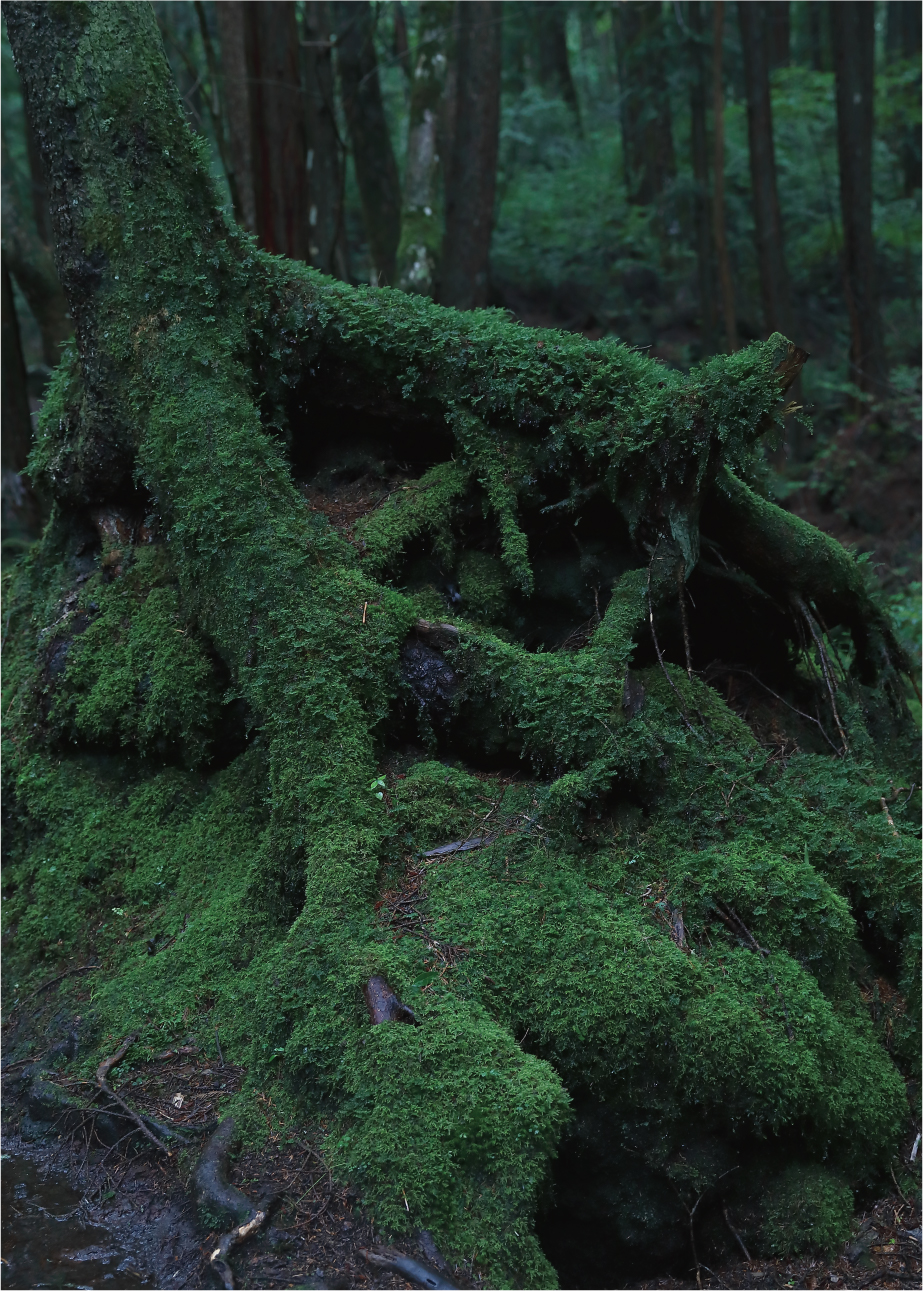
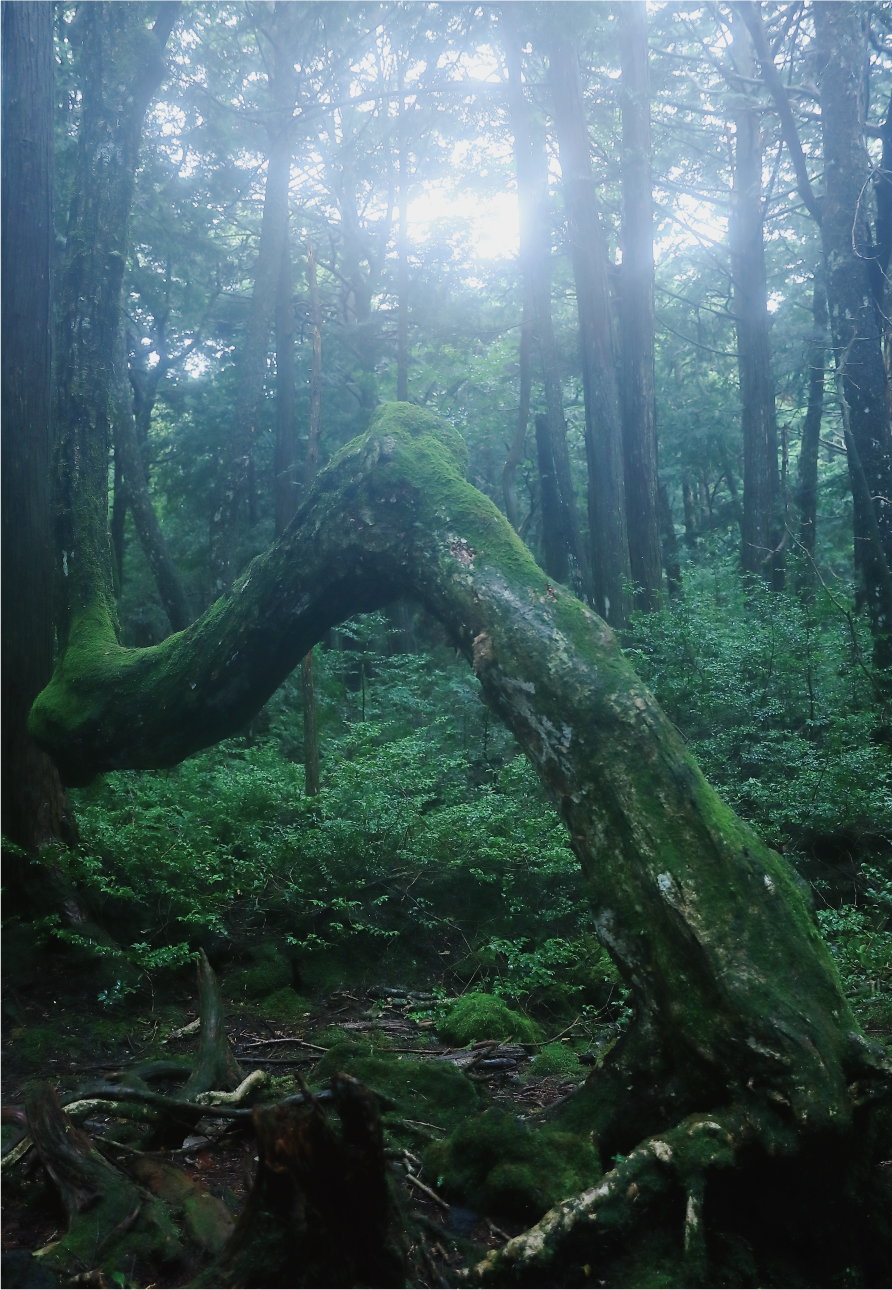
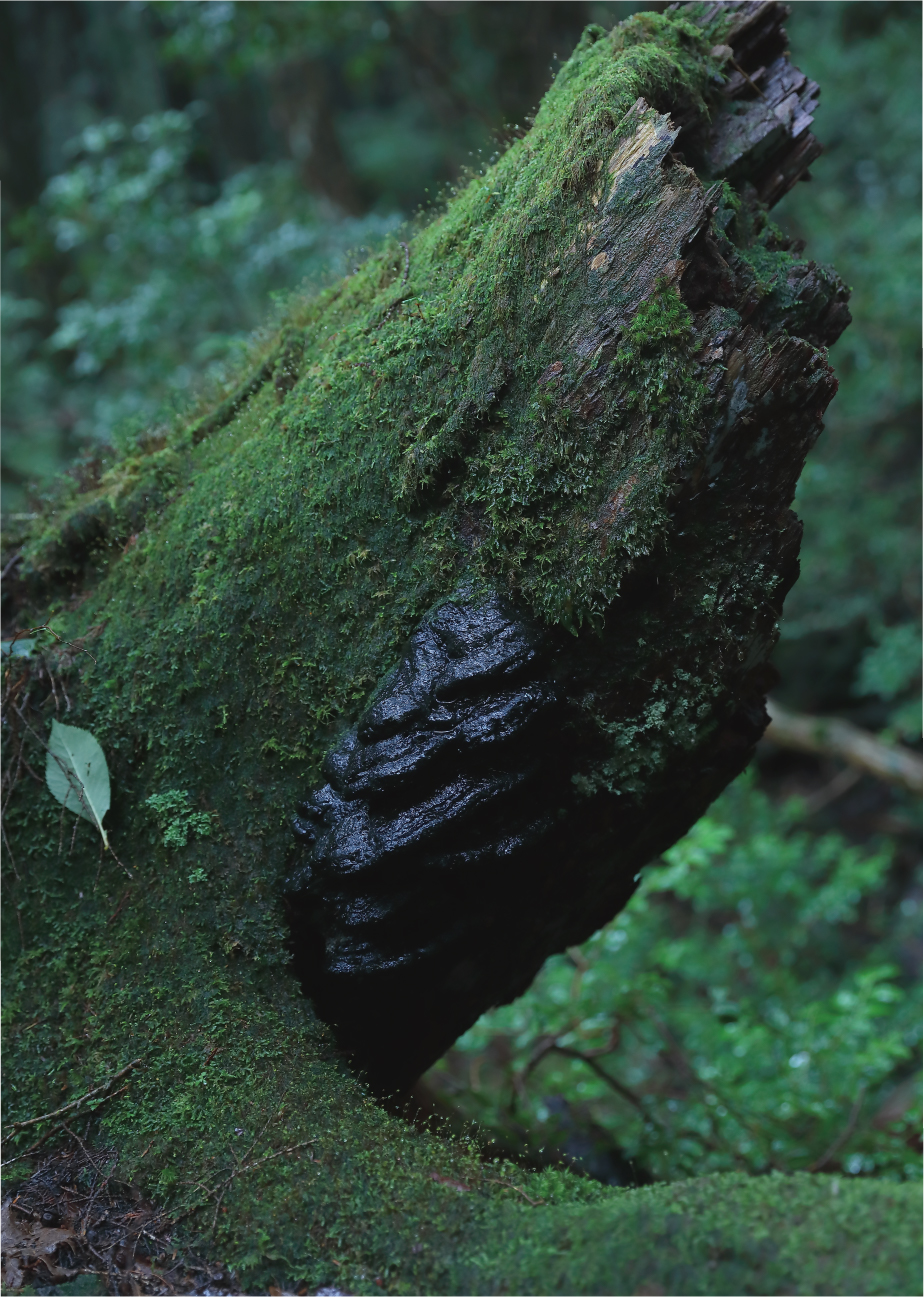
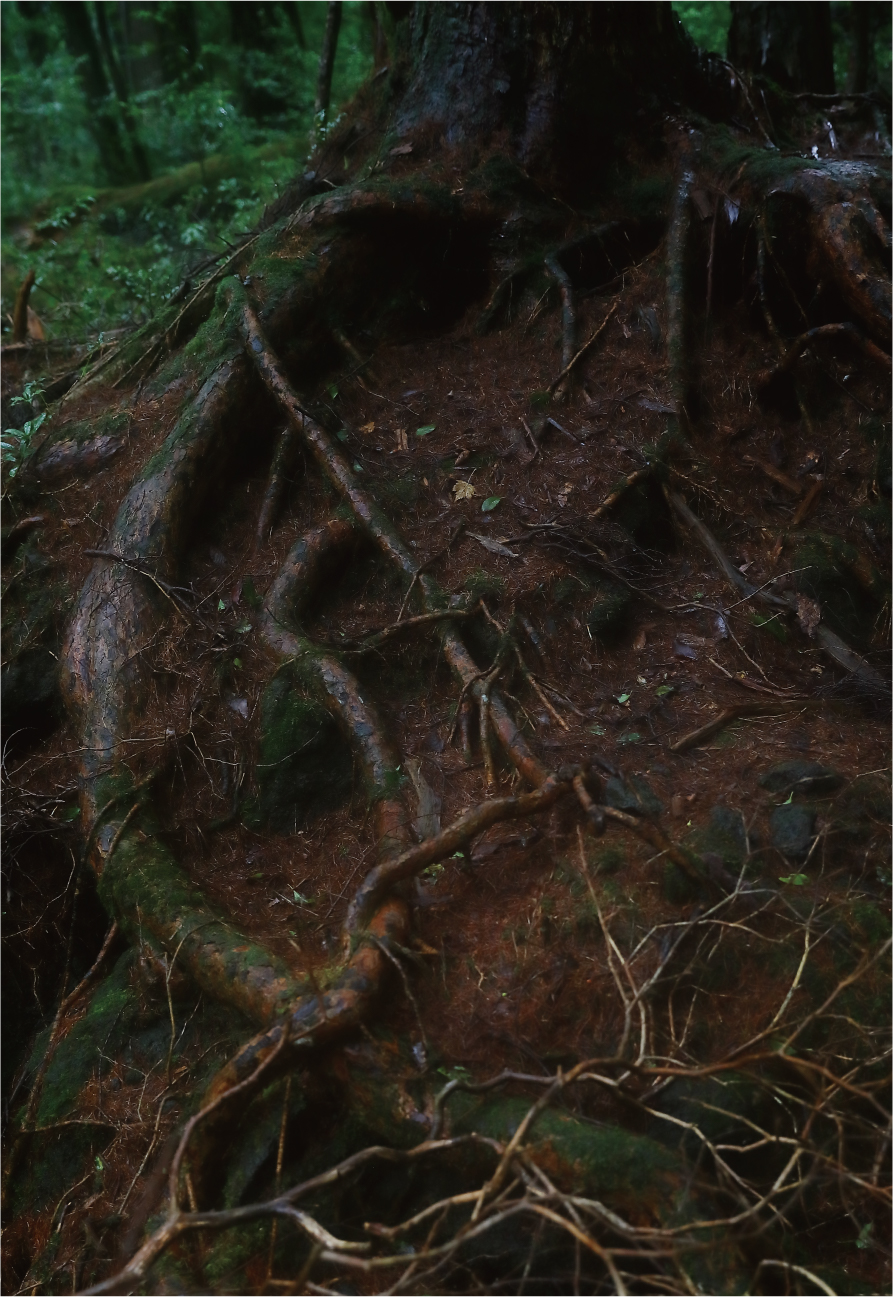
青木ヶ原樹海の始まりは、黒い溶岩の大地だった。西暦864年、富士山の貞観噴火で流れ出した溶岩の上に、およそ1200年をかけて現在の森ができた。1200年と聞けば、とてつもなく古く思える。しかし森の時間で考えると、青木ヶ原はまだ若いらしい。
水も養分も乏しい溶岩に苔やシダがつき、風に運ばれた種が落ちる。鳥や昆虫もやって来る。植物が枯れれば、それがわずかな土になる。そうした積み重ねが、岩の上に森をつくってきた。
樹海では、木の根が地面を這っている。平均4〜5cmほど、厚みがあるところでも10cm程度しかない土の下に、すぐ溶岩があり、深く根を下ろせないからだ。では、木々はどこから水分を得ているのか。答えは、苔だった。正確には、そこに蓄えられた雨水である。
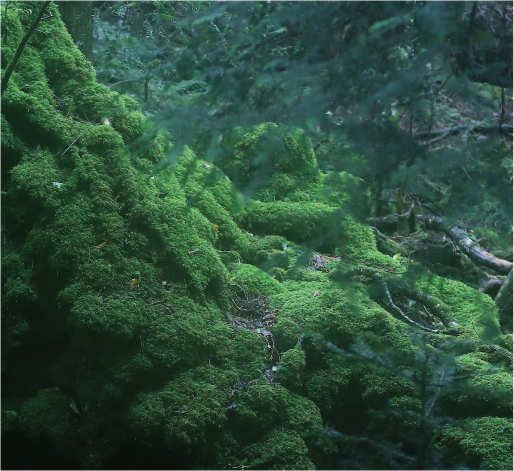
溶岩は雨をすぐ地下へ通してしまうが、表面を覆う苔は水分を蓄える。木々は、そこや薄い土に保たれた水を利用して育ってきた。雨を逃がす溶岩の上で、水をつなぎ止めている。
土が薄いため、倒れる木も少なくない。しかし、そこで役目が終わるわけではない。倒木は菌類などの働きで、少しずつ分解されていく。その上に種が落ちれば芽が出て、次の木が育ち始める。これを「倒木更新」という。
薄い土しかない森では、朽ちていく倒木が若い木の苗床になる。倒木の上に、若い木が一列に並んでいることがあるのは、そのためだ。木が倒れて頭上に隙間ができれば光が入り、林床の若い木も伸びていく。森では、倒れることも仕事のうちらしい。
青木ヶ原には、本来なら落葉広葉樹が育ちやすい標高帯でありながら、ツガやヒノキなどの常緑針葉樹が多い。その間にミズナラやカエデなどが交じり、足元にも緑が広がる。
頑丈そうに見える森だが、足元は案外もろい。同じ場所を人が何度も踏めば、地表の小さな植物が傷み、元へ戻るまでに長い時間がかかる。そのためエコツアーでは、歩く場所などにルールが設けられている。
森の仕組みを知ると、見る場所が変わってくる。薄い土、岩の上を這う根、水を蓄える苔、倒木に並ぶ若い木。
1200年かけて育った森は、今日もまだ途中にある。倒れた木から芽が出て、その木もいつか倒れる。僕らが歩いた一日も、その長い時間の中の、ほんの一日だった。
千年後、この森がどんな姿になっているか、もちろん僕にはわからない。ただ、その時間はもう始まっている。人間もこの森も、ともに豊かになっていく未来を願うばかりだ。
The ongoing journey of a twelve-hundred-year-old forest.
The Aokigahara Jukai forest began as a barren expanse of black lava. The Jogan eruption of Mt. Fuji in 864 AD unleashed a massive lava flow, upon which today’s forest slowly emerged over roughly 1,200 years. While 1,200 years sounds immense, in forest time, Aokigahara is surprisingly young.On nutrient-poor lava devoid of water, mosses and ferns took root first. Wind-borne seeds drifted in, followed by birds and insects. As decaying plant matter formed a thin layer of soil, this gradual accumulation built a forest atop the solid rock.
Because soil sits just centimeters deep above solid lava, tree roots cannot anchor downward, creeping horizontally instead. Trees survive by drawing rainwater stored not deep underground, but within the sponge-like moss covering the surface.
With shallow roots, trees fall easily. Yet fungi decompose the fallen wood, creating fertile ground where seeds sprout and grow—a self-sustaining cycle known as nurse log regeneration.
In thin soil, decaying trunks serve as nurseries for new life, prompting saplings to line up atop fallen logs. A fallen tree opens the canopy to light—here, even dying is part of the forest’s work. Though suited for broadleaf trees, Jukai is dominated by hemlock and cypress, mixed with oak and maple. Despite its rugged look, the ground is fragile. Repeated footsteps damage surface flora, taking years to recover—hence strict eco-tour rules.
Grasping these mechanics shifts your view: shallow soil, crawling roots, moss holding water, and saplings on logs reveal a living system.
A forest 1,200 years in the making remains a work in progress. Sprouts rise from logs, destined to fall in turn. Our single day in Jukai was merely a frame in a vast continuum.
What this forest looks like a thousand years from now is beyond knowing, yet that future has already begun—a shared path for humanity and the woods.
SPECIAL THANKS
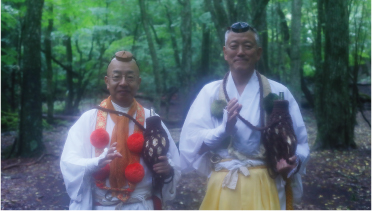
今回の取材に同行していただいた(左)成田山東京別院 深川不動堂 法務部長 安田明城氏と(右)山伏 柔道整復師 伊藤裕徳氏。お二人とも、富士山を修験道の根本道場として信仰している。
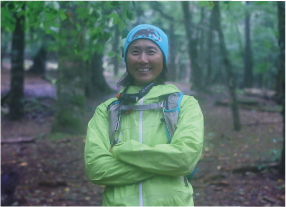
樹海を案内していただきながら、その自然の奥深さまで教えてくださった田福順氏。サハラ砂漠マラソン250kmを走るスーパーアスリートであり、富士山や樹海を知り尽くしたガイドのスペシャリストでもある。

取材協力
ふじよしだまちづくり公社