












令和の時代に紡ぐ『忠臣蔵』『赤穂義士銘々伝』師走に想いを馳せる。忠君愛国ではなく「別れ」がテーマとなる。
Column|2026.11.20
Text_kotaro sakata
Photo_kotaro sakata
NHKの大河ドラマが物議を醸している。史実に忠実につまらなく描くか、ドラマとしての演出を過度に施すのか。毎週放送後にネットがざわつく。
大河ドラマの定番といえば「戦国時代」か「幕末明治維新」か「忠臣蔵」と言われるほど、人気のテーマであった。しかし、45歳以下の世代では『忠臣蔵』を知らない方が多いと聞く。確かに、終身雇用が無くなり自社の社長への尊敬も憧れもない昨今において、利己主義な考え方がスタンダードになるのもよく理解できる。昭和、平成の時代に描かれた忠君愛国に共感を求めるのは酷であろう。
しかし、『忠臣蔵』の本質を探る答えが伝統芸能にあった。講談界の風雲児と呼ばれている六代目神田伯山は、神田愛山から「赤穂義士伝(『忠臣蔵』のこと)は人と人との別れの物語」と教わったと述べている。この「別れ」というテーマであれば、令和の現代においても『忠臣蔵』を復活させられるのではないか。いや、復活ではなく、史実に忠実に物語を紡ぐことが出来るのではないか。そう感じた。
筆者は仕事柄、クラシック音楽、オペラ、美術、世界史、文学、歌舞伎、文楽、能、狂言、落語、講談、食などの文化芸術芸能に魅せられて、古今東西の慣習に触れながら世界中を巡ってきた。その中で気づいたのは、時代とともに伝統が形を変えて守られ、変化を遂げて現代に繋がれてきたということである。
ここで、あの歴史的事件の原点に立ち返ってみたい。播州赤穂藩の藩主・浅野内匠頭は、江戸城において天皇の御接待役を仰せつかった。その作法に精通している年寄・高家の吉良義央(通称・吉良上野介)に礼儀作法を教わる中で、まじめな浅野が吉良に進物を渡さなかったために、吉野は浅野を苛め抜いた。堪忍袋の緒が切れた浅野は、江戸城内・松の廊下にて刃傷に及ぶ。
当時、城内で鯉口三寸を切っただけでもお身は切腹、お家は断絶、お城は取り潰しとなる時代だ。浅野はその日のうちに切腹を命じられたにもかかわらず、喧嘩両成敗の慣習は無視され、吉良には御咎めなしとなった。
この理不尽な判決に対し、播州赤穂の筆頭家老・大石内蔵助以下四十七人の浪士は約2年もの潜伏期間を乗り越え、殿である浅野への忠君の志を持って、12月14日未明に吉良邸に討ち入った。そして、吉良の首を浅野の眠る高輪泉岳寺の墓前に手向けたのである。
大石の本当の目的は、浅野だけに切腹をさせるという不公平なお沙汰の是非を、当時の将軍・綱吉に預けることだった。最初の判決のツケを払わされる形となった綱吉は、悩み苦しんだ。その末に四十七士は全員切腹し、今も輪泉岳寺に君主・浅野と共に眠っている。
この話は、人形浄瑠璃や歌舞伎の『仮名手本忠臣蔵』で有名になった。講談では『赤穂義士銘々伝』として300話を超える物語となって伝えられており、その多くは討ち入り当日ではなく、それ以前の出来事だ。隠密に進められた計画は、四十七士以外には家族であっても明かしてはならなかったという。そこには、愛する者への偽りの別れを告げなければならない苦悩が描かれている。別れをテーマにした『赤穂義士銘々伝』であれば、令和のコンプライアンス下において、NHKでも描けるのではないかと思う。
討ち入り日の12月14日には、高輪泉岳寺は『忠臣蔵』ファンでいっぱいになる。この義士たちの歴史的なドラマに想いを馳せ、四十七士が眠る泉岳寺へ詣でてみてはいかがだろうか。
Weaving “chushingura” in the reiwa era:
reflecting on december through the theme of farewell, not feudal loyalty.
NHK’s Taiga dramas constantly spark debate: stick strictly to history or embrace dramatic theatricality? Weekly broadcasts leave social media buzzing.
Popular staples were once the Warring States, Bakumatsu, or Chushingura. Yet today, many under forty-five know little of Chushingura. With lifelong employment gone, expecting modern audiences to sympathize with feudal loyalty is unrealistic.
Yet a key to Chushingura’s essence lies in traditional arts. Storyteller Kanda Hakuzan VI noted: “Chushingura is a story of farewells.” Centered on “parting,” this narrative can speak to the present—woven faithfully to human truth.
Working across classical music, opera, fine arts, traditional theater, and cuisine worldwide, I realized traditions endure by adapting—evolving their forms to stay connected to the present.
Let us return to the origins of the Ako incident.At Edo Castle, Lord Asano of Ako received etiquette lessons from master Kira Yoshinaka. When earnest Asano offered no bribery gifts, Kira humiliated him, driving Asano to draw his sword in the Pine Corridor.
While Asano was ordered to commit seppuku that very day, Kira went unpunished.
Seeking justice, forty-seven samurai led by Oishi Kuranosuke spent about two years in hiding before raiding Kira’s home on December 14, placing his head at Asano’s grave.
Oishi’s true intent was to challenge Shogun Tsunayoshi’s unfair ruling. Distressed, Tsunayoshi ultimately ordered all forty-seven to commit seppuku. Today, they rest beside their lord at Sengakuji.
This tale gained fame in Kabuki and puppet theater as “Kanadehon Chushingura.” In Kodan storytelling, over 300 episodes of “Ako Gishi Meimeiden” focus mostly on events before the raid. Because the plan was kept strictly secret, members could not tell even their families—depicting the agony of bidding false farewells to loved ones. Centered on parting, could this narrative find a home on modern television?
On December 14, Sengakuji Temple overflows with fans. Why not visit the temple where the forty-seven samurai rest, and reflect on their historic drama?
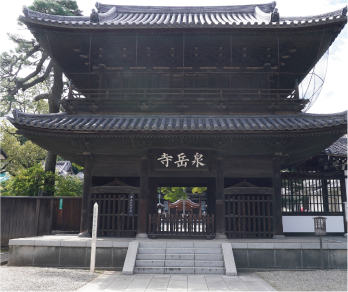
高輪泉岳寺正面門。四十七士の切腹後、
一夜で線香成金が出たという程
多くの参詣客で溢れかえった。
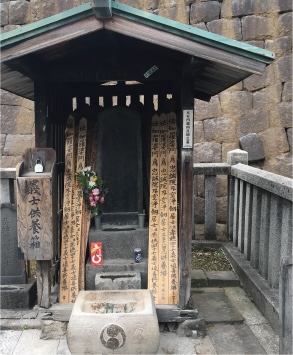
播州赤穂の筆頭家老・大石内蔵助の墓石。
いまでも一年中線香が尽きないほどである。