









フランドルが薫る
フランス。
フランドルが薫るフランス。
国の名前だけではわからない、旅の楽しさがある、という話。
フランドルが薫るフランス。
More than a name on a map: the unexpected pleasures of travel.
Feature | 2026.11.20
国の名前だけではわからない、旅の楽しさがある、という話。
「フランスらしい」と聞いて、どんな景色を思い浮かべるだろう。
パリの街角、カフェのテラス、ワインのある食卓。
行ったことがなくても、
映画や写真から、心に描いている風景がある。
それを実際に見たくて、旅に出る。
けれど、思っていたものと少し違う街に出会うのも、旅の楽しみだ。
ひとつの国でも、地方が変われば、街並みも暮らしもさまざま。
自分が思う「フランスらしさ」だけでは、想像できなかった風景がある。
フランスの北、ベルギーとの国境に近いリールも、そんな街のひとつ。
ここでは、隣り合う土地と育んできた文化が、
いまも暮らしに息づいている。パリが好きな人にも、
今度は少し北へ足を延ばしてみてほしい。
今号は、フランドルが薫る、もうひとつのフランスへ。
More than a name on a map:
the unexpected pleasures of travel.
When you hear “quintessentially French,” what comes to mind?
A Parisian street corner, a cafe terrace, a table with wine.
Even without visiting, screen images often paint these scenes, inspiring us to see them firsthand.
Yet encountering a city
that defies expectations is one of travel’s refined pleasures.
Across a single nation, each region yields its own architecture and daily rhythm, revealing scenes beyond imagination.
Lille, nestled in the north near the Belgian border, is one such city. Here, a culture nurtured alongside neighboring lands thrives
in everyday life.
For those who love Paris, venture a little further north.
This issue invites you to another France—
one touched by the spirit of Flanders.
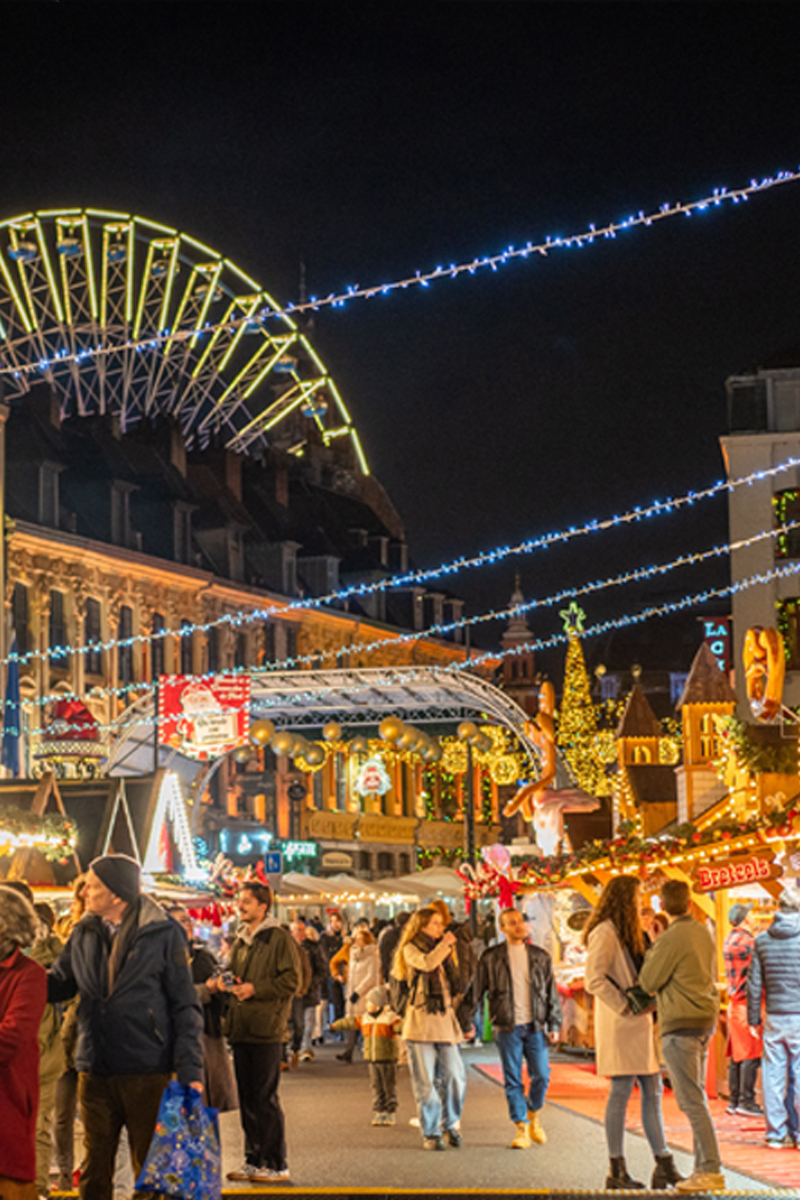
Lille centre Juillet Laurent Javoy
フランスを、少し北から見てみる。パリから列車でおよそ1時間。
ベルギーとの国境に近いリールには、赤レンガの家が並び、フランドルの装飾が街を彩る。
美術館へ行けば、そこはかつての市民プール。
名物は、ビールで牛肉をじっくり煮込んだ郷土料理。
パリとは違う街並みも、料理も、なんだか新鮮。見て歩くうちに、この土地の歴史も知りたくなってくる。
今号のyoffは、フランスの北の街リールへ。
An hour by train from Paris, Lille sits near the Belgian border.
Red-brick homes line the streets, styled with Flemish flourishes.
The local museum occupies a repurposed public pool,
while the signature dish is beef slow-simmered in beer.
The distinct scenery and flavors feel delightfully fresh,
awakening a desire to explore the land’s history. In this issue, yoff journeys north to Lille.
パリ北駅から、高速列車で北へ向かう。およそ1時間で着くリールは、フランスの旅先を考えるとき、真っ先に名前が挙がる街ではないかもしれない。けれど、パリとは違うフランスを知りたいなら、この近さは魅力的だ。
リールへの旅の入口に、意外な話があった。リールの玄関口であるリール・フランドル駅の正面は、かつてのパリ北駅にあったファサードを移してつくられたものだという。パリの駅が手狭になり、同じ時にリールも新しい駅舎が必要になった。そこで、北駅で解体された素材をこちらへ運び、組み直した。駅正面を別の街へ移す。パリ北駅からリール・フランドル駅、鉄道でつながっているからといっても、ずいぶんと大がかりなことをしたものだ。
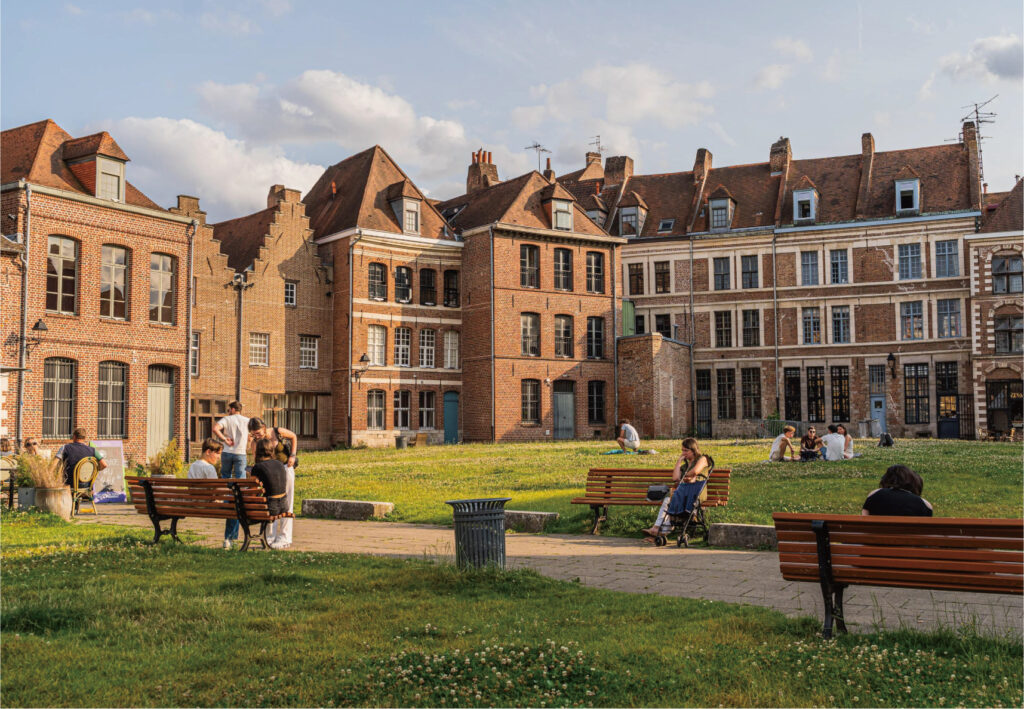
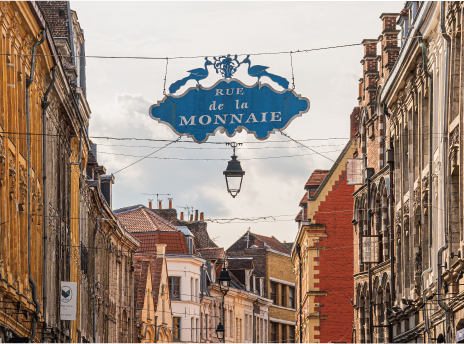
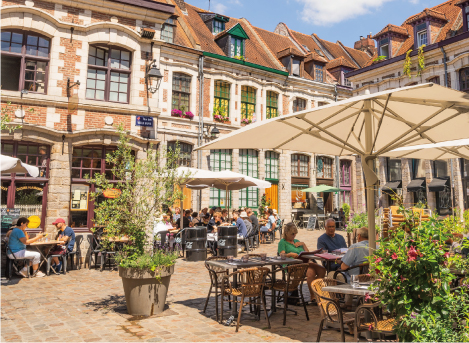
駅前から中心部へ進むと、赤や黄土色の建物が増えてくる。屋根の下でくるりと曲がる装飾、窓のまわりの彫刻。広場に出れば、家々の色も形もさまざま。一軒ずつ眺めて歩くのが楽しい。フランス語の看板の下に、ベルギーを思わせる街がある。
リールの街並みには、フランドルの影響が残っている。フランドルは、現在のベルギー西部を中心に、フランス北部やオランダ南西部の一部にも及ぶ歴史的な地域。いまの国境が引かれるより前から、人や品物が行き交い、商業都市が育ってきた。リールは中世のフランドル伯領の街の一つだった。支配する王家が変わっても、家の建て方や食卓の好みが、そのたびにそっくり入れ替わるわけではなかった。
旧市街の赤レンガの路地には、洗練された店が並ぶ。建物の装飾を眺めていたはずが、ショーウインドーの中も気になってくる。買い物や食事をしながら、歴史ある建物の中で過ごせるのも、旧市街を歩く楽しみのひとつ。
19世紀に繊維産業で栄えたリールと周辺の街は、産業の衰退も経験した。使われなくなった施設の中には、文化施設として残されたものもある。近郊のルーベには、市民プールを改修した美術館「ラ・ピシーヌ」もある。絵や彫刻はもちろん見たいが、泳いだり、身体を洗ったりしていた場所を、どんなふうに美術館にしたのか。それも気になる。
リールは、フランスの北の端にある。ベルギーに近いこの場所で、どんな人が暮らし、どんな文化が育ってきたのだろう。街を歩き、美術館へ足を延ばし、北の郷土料理を味わう。名前は知っていても、まだよく知らない街を訪ねるのは、やっぱり楽しみだ。
Boarding a high-speed train heading north from Paris Gare du Nord, you reach Lille in about an hour. It may not be the first name that comes to mind when planning a trip through France, but its proximity makes it immensely appealing for those wishing to discover a different facet of the country.
At the gateway to Lille lies a surprising piece of history: the facade of Gare de Lille-Flandres was reconstructed using the original entry of Paris’s Gare du Nord. When Paris required a larger station, the dismantled materials were transported north and reassembled. Transporting an entire facade across cities was a remarkably ambitious undertaking.
Heading toward the city center, red-brick and ochre buildings multiply. Scrollwork under the eaves and delicate carvings surrounding windows greet passersby. In the main square, every house reveals a unique hue and shape. Beneath French signage lies a town echoing the character of nearby Belgium.
Lille’s streetscapes bear the deep impress of Flanders—a historical region centered on modern western Belgium, extending into northern France. Long before modern borders were drawn, people and goods flowed through these thriving commercial centers, with Lille standing as a prominent city under the Counts of Flanders. Even as ruling dynasties shifted over centuries, local architecture and dining traditions quietly endured.
In the Old Town, refined boutiques line red-brick alleys. Admiring the ornate facades leads naturally to window-shopping, offering the pleasure of shopping and dining while spending time within living history.
Having flourished as a 19th-century textile giant, Lille and its neighboring towns later weathered industrial decline. Disused sites were reborn as cultural venues, such as “La Piscine” in nearby Roubaix—a public bathhouse repurposed into an art museum. Visitors come to admire paintings and sculptures, but also to see how a space dedicated to swimming was transformed.
Perched on France’s northern border near Belgium, Lille invites us to discover how its unique culture took root. Walking its historic streets, exploring its museums, and savoring northern cuisine bring the quiet joy of visiting a city you knew by name, but are truly discovering for the first time.
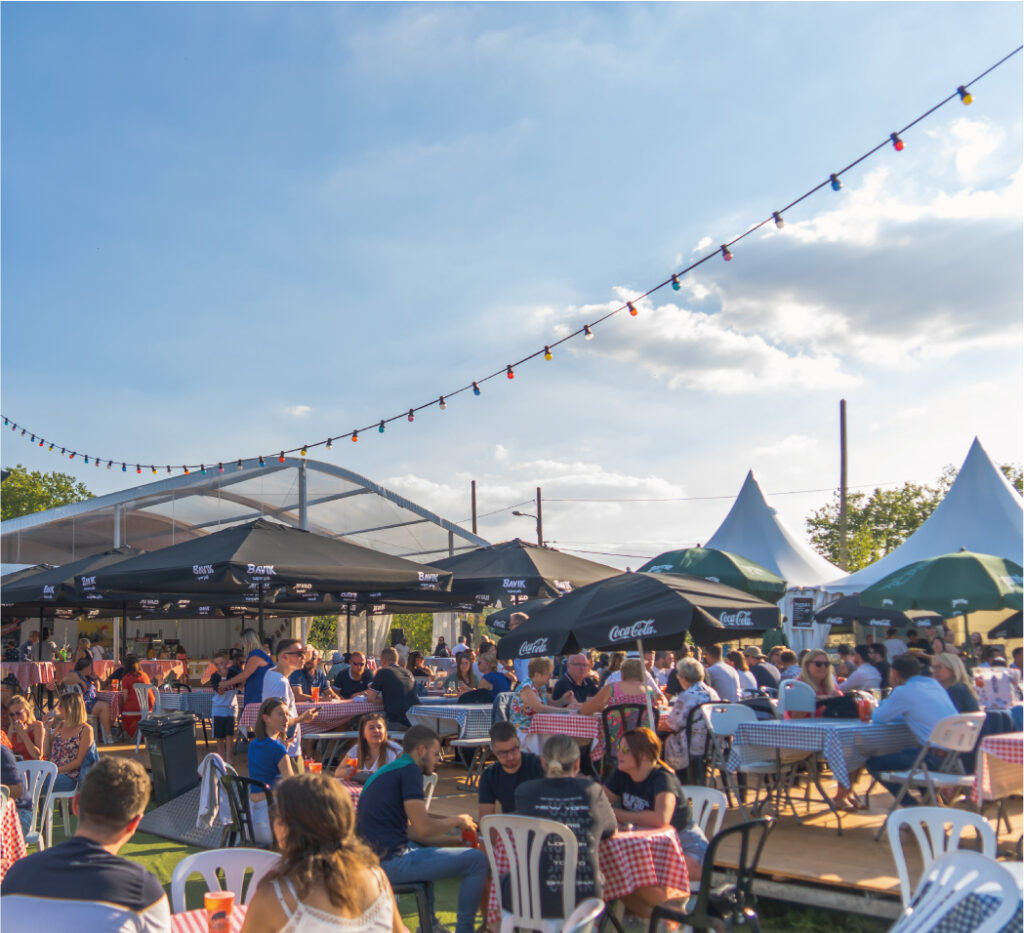
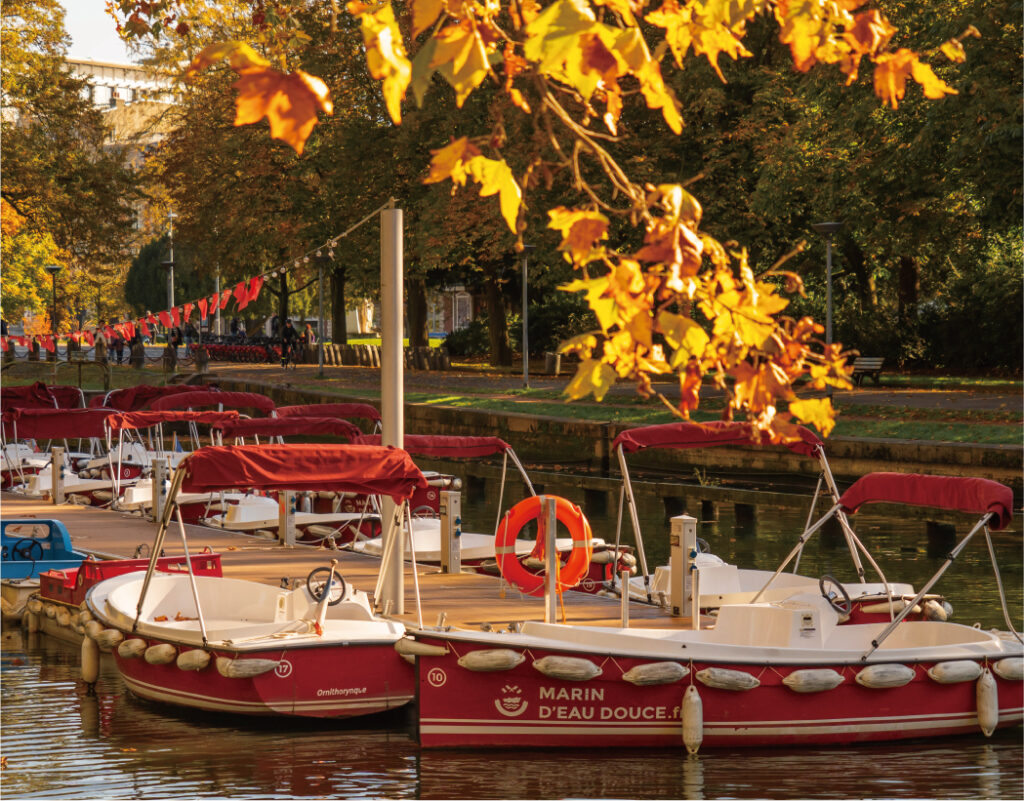
Guinguette de Marquette ©Laurent Javoy
Citadelle- © Laurent Javoy
フランドルが薫るフランス~国境がつくった場所。
Where borders made a mark.
Feature | 2026.11.20
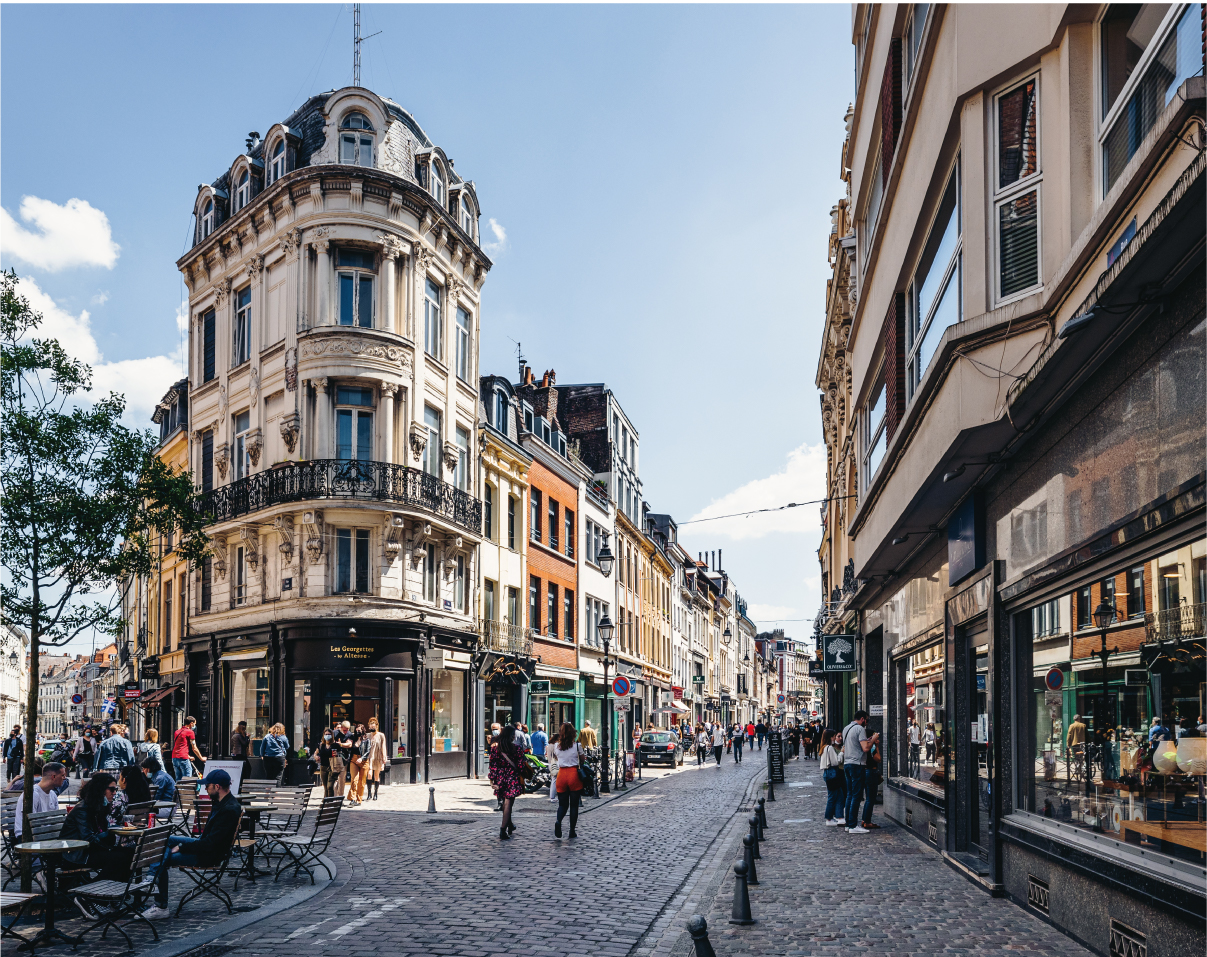
Rue Esquermoise ©Mathieu Lassalle
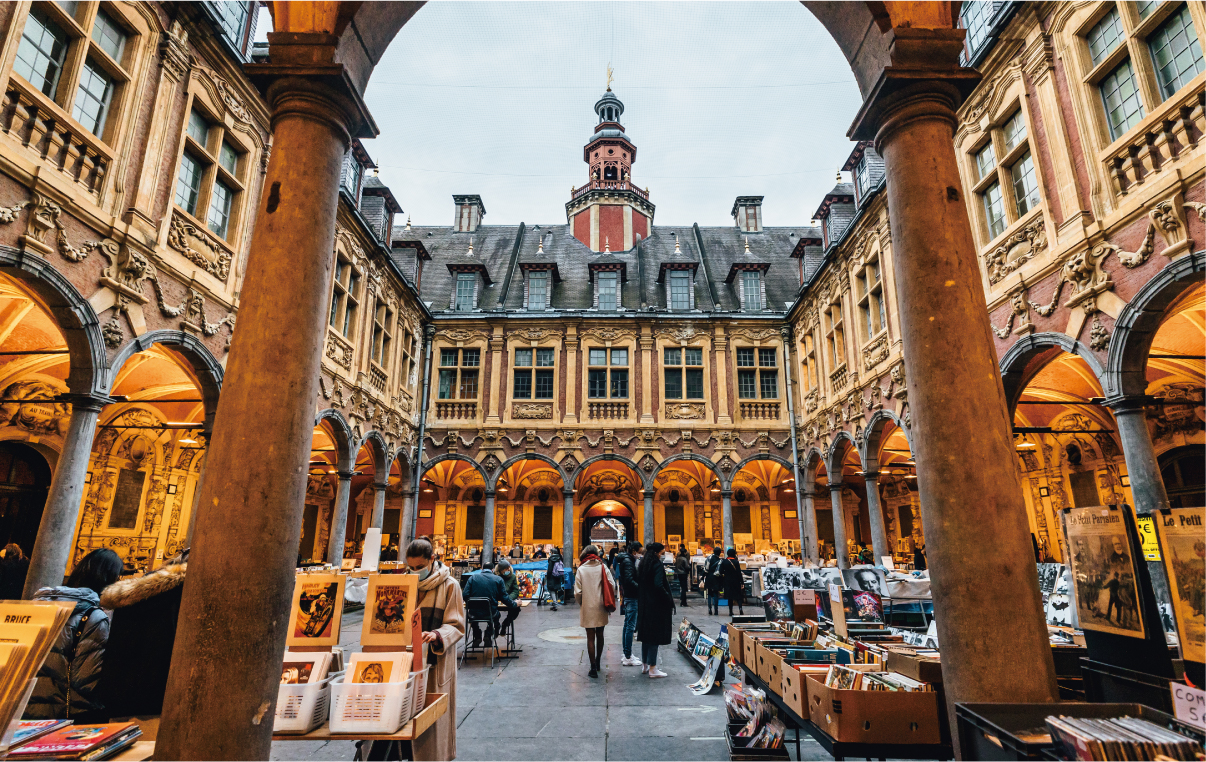
Vieille Bourse – Mathieu Lassalle
リールの街の中心にある広場、グラン・プラスでは、少し上を向いて歩きたい。店先に気を取られていると、その上の面白さを見落とす。赤レンガに明るい色の石を組み合わせ、窓を彫刻で囲み、屋根の輪郭まで凝っている。何軒も並ぶと、色や装飾の違いを見比べるのも楽しい。
なかでも目を引くのが、旧証券取引所「ヴィエイユ・ブルス」。1652~53年に建てられた、リールを代表する建築である。ひと続きの壮麗な建物に見えるが、実は24軒の家が中庭を囲む構成になっている。商人たちが取引をするために、これほど凝った建物をつくった。当時のリールが豊かな商業都市だったことが、よくわかる。
かつて商人たちが取引をした中庭は、いまでは古書市が開かれる場所になっている。古書市の日に門をくぐると、回廊に囲まれた空間に、昔の本や版画が並ぶ。文字は読めなくても、古い地図や表紙の絵なら楽しめる。回廊の装飾を見たり、古書をのぞいたりしながら、ゆっくり過ごせるのがいい。
この建物ができた頃、リールを治めていたのはスペイン王だった。そのいきさつには、この街を治める家系の移り変わりが関わっている。
街の支配権は、領主の家々の婚姻や相続によって、ブルゴーニュ公家からハプスブルク家へ移る。やがて、この家がスペイン王位も継承したため、リールはスペイン王が治める「スペイン領ネーデルラント」の一部となった。1667年にフランス王ルイ14世が街を占領し、翌1668年のアーヘン条約でフランスへの帰属が認められる。フランドルの文化を受け継ぐ街が、スペインの統治を経てフランスの街になった。
その変化は、街並みにも表れている。旧市街の北側、ロワイヤル通りのあたりへ進むと、整った街路に格式ある邸宅が並ぶ。ここはルイ14世による征服後に整備された地区。曲線や彫刻が目を引く旧証券取引所とは、印象が違う。旧証券取引所からここまで歩くだけでも、フランドル風とフランス風、二つの建築を見比べられる。
もっとも、リールの歴史をつくったのは王侯だけではない。ドゥール川を利用する交易が街を育て、19世紀には繊維産業が発展した。商人が集まり、工場で働く人が集まる。旧市街の美しい正面だけを眺めていると忘れそうになるが、この街の豊かさは、売買やものづくりの現場から生まれている。
石畳の路地へ戻り、建物をもう一度見上げる。フランドルの装飾が残る建物と、フランス風の邸宅が、同じ旧市街に並んでいる。この家はいつ建てられ、どんな人が使っていたのだろう。見た目に惹かれて立ち止まった建物にも、それぞれの来歴がある。もう少し詳しく知りたい。
Where borders made a mark.
In the Grand Place at the heart of Lille, one should walk looking slightly upward. Getting distracted by storefronts means missing the beauty above them. Bright stone frames red brick, windows are encircled with carvings, and roof contours are intricately detailed. Standing side by side, comparing the distinct colors and ornaments of each house is a true pleasure.
Most striking is the “Vieille Bourse,” the former stock exchange built in 1652–53. Though appearing as one grand monument, it actually comprises 24 houses enclosing a central courtyard. That merchants erected such an ornate space simply for trading reflects Lille’s wealth as a commercial hub.
The courtyard where merchants once traded now hosts a used book market. Stepping through the archway, vintage books and antique prints line the arcade. Even without reading French, historical maps and old cover art captivate visitors as they browse through history.
When this monument arose, Lille was ruled by the King of Spain—a legacy born from shifting dynasties that governed the city.
Through noble marriages and inheritance, control of the city passed from the Dukes of Burgundy to the Habsburgs, eventually placing Lille under Spanish rule within the Spanish Netherlands. In 1667, King Louis XIV of France captured the city, cementing its French allegiance via the Treaty of Aix-la-Chapelle in 1668. Thus, a city born of Flemish heritage passed through Spanish governance to join France.
This transition remains visible in the architecture. Heading north in the Old Town toward Rue Royale, orderly avenues feature grand mansions built after Louis XIV’s conquest—a marked contrast to the elaborate carvings of the “Vieille Bourse.” Strolling between these two sites offers a direct comparison of Flemish and French styles.
Yet kings alone did not shape Lille. Trade along the Deûle River fueled its growth, followed by a 19th-century textile boom that brought merchants and factory workers alike. Beyond the elegant facades lies a wealth built on trade and manufacturing.
Returning to the cobblestone alleys, Flemish ornamentations and French townhouses coexist side by side. Each intriguing facade holds its own story, prompting one to wonder who walked these halls and how their histories unfolded.
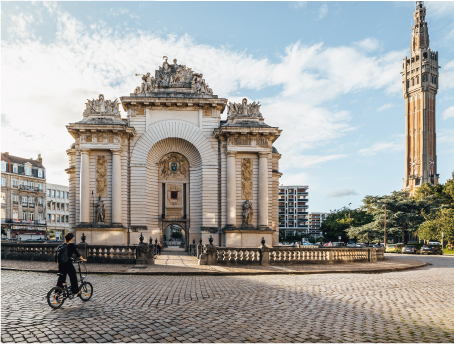
Porte de Paris – Mathieu Lassalle
Lille en Juillet © Laurent Javoy
Lille Centre-ville ©Laurent Javoy
フランドルが薫るフランス〜アートと生きつづける記憶。
Memories that live on in art.
Feature | 2026.11.20
La Piscine © Martin Vangaeveren
Palais des Beaux-Arts PBA Lille ©Laurent Javoy
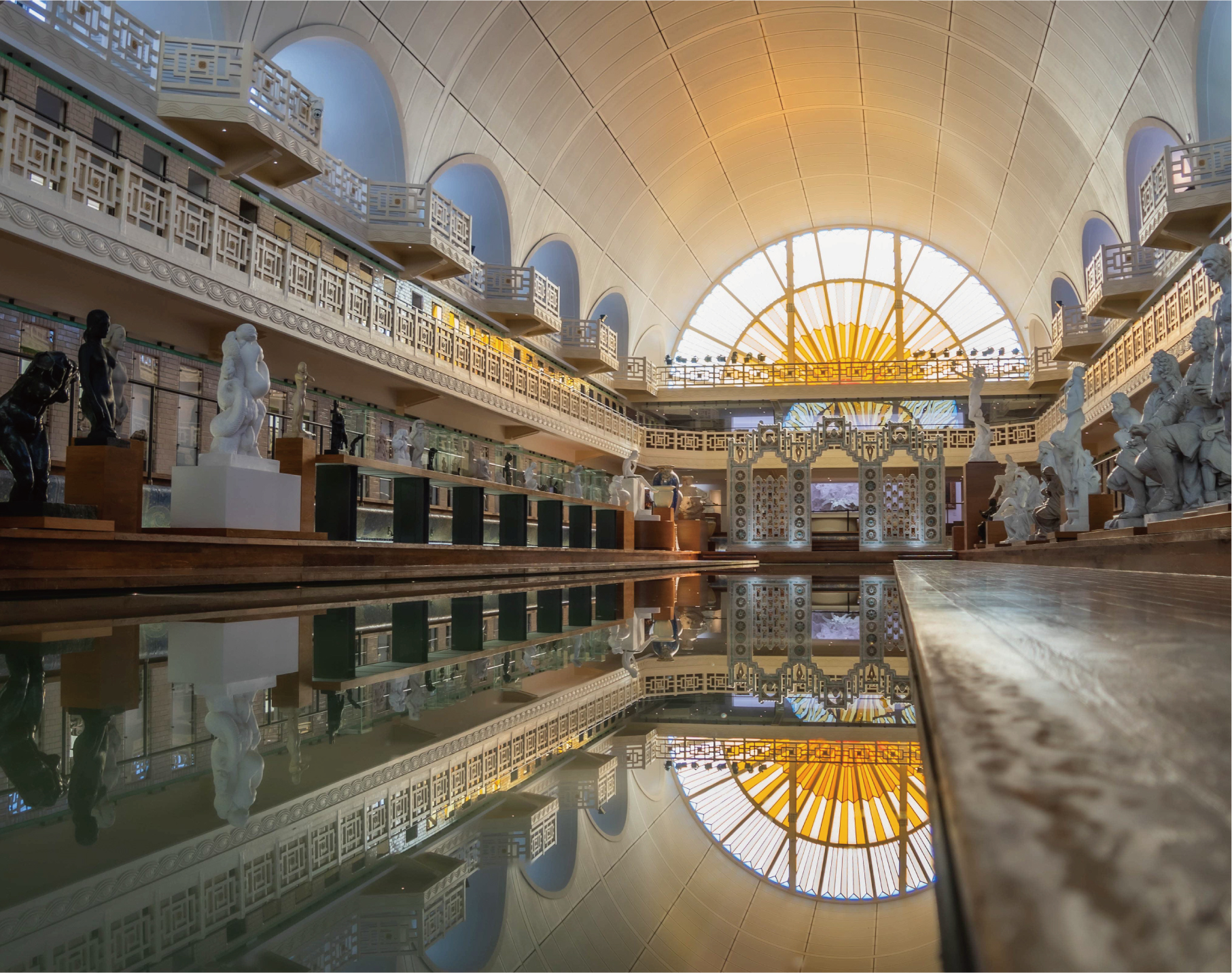
リールから足を延ばした街、ルーベにある「ラ・ピシーヌ」。ラ・ピシーヌとはフランス語でプールのこと。名前があらわしているとおり、1932年に設立されたアール・デコ様式の市民プールを美術館に変えた場所。
館内の中心には、いまも細長い水面がある。その両側に彫刻が並び、両端の大きなステンドグラスには、昇る太陽と沈む太陽が表されている。色を帯びた光が水に映り、彫刻の姿まで映し出す。それはそれは美しい空間。
リールと周辺の街を豊かにしたのは、繊維産業だった。なかでもルーベは、紡績や織物で大きく発展した。このプールは、市民が身体を洗うための浴場も備え、工場の労働者も経営者も利用したという。開設当初からステンドグラスを備えた豪華な建物が、市民の日常のためにつくられたことに驚く。
建物は屋根の安全性の問題から1985年に閉鎖されたが、2001年、美術館として再出発した。
ここに衣服や布地、見本帳が収蔵されているのも、繊維の街ならではのこと。コレクションの始まりは1835年。自分たちの製品の見本を集めた館は、後に絵画や彫刻へと収集の幅を広げた。その蓄積を受け継いでいるのが、「ラ・ピシーヌ」。
所蔵品には、ロダンやカミーユ・クローデルの彫刻、ボナールやデュフィの絵画もある。そうした作品とともに、布地の模様や織り方、衣服の形にも目を向ける。職人たちが考えた色や柄を眺めると、布をつくる仕事にも、美術に通じる工夫や美意識があったように感じる。市民が使ったプールで、名画や彫刻と、街の産業を伝える品々に出会う。その組み合わせが、「ラ・ピシーヌ」を訪ねる楽しさだ。
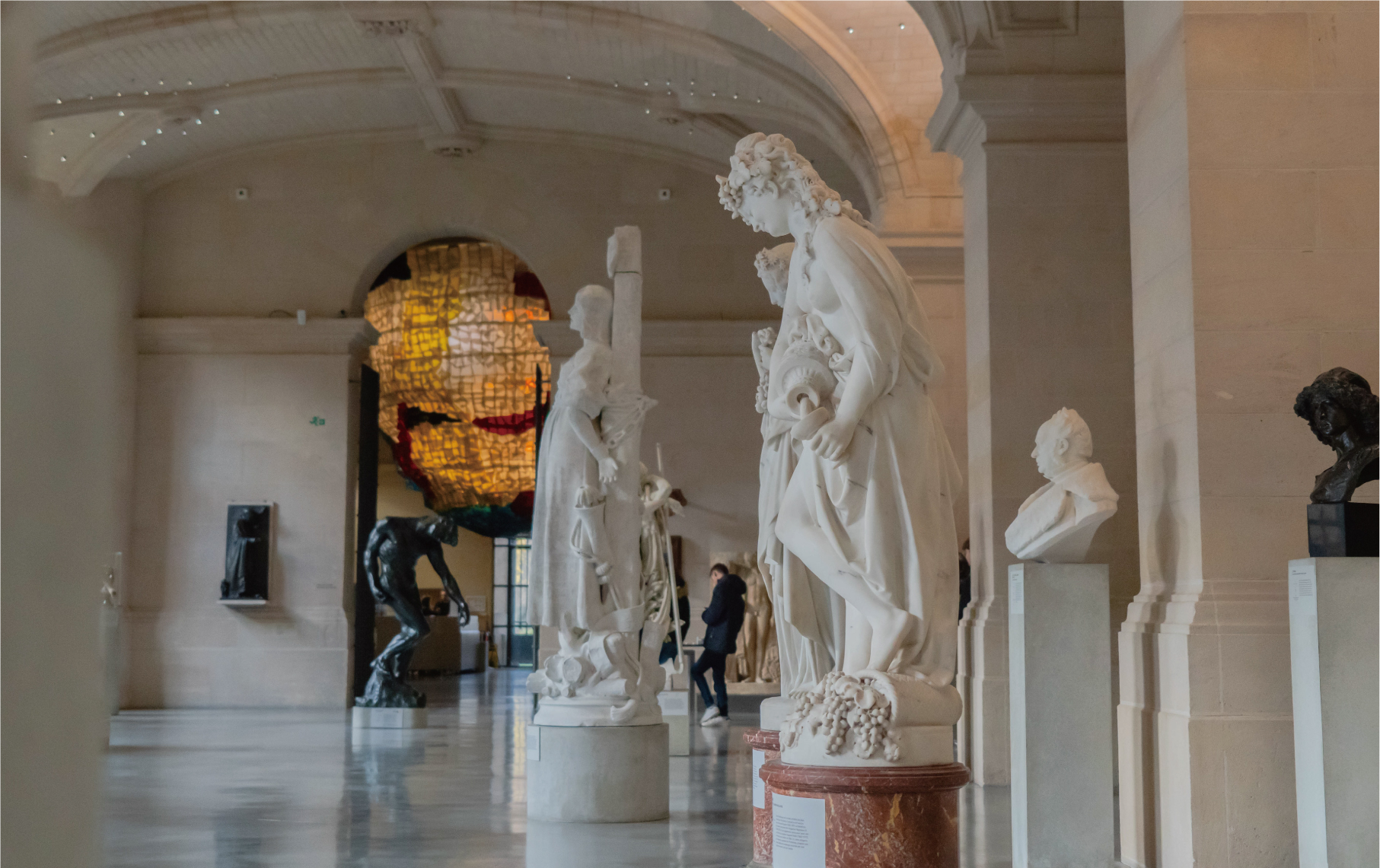
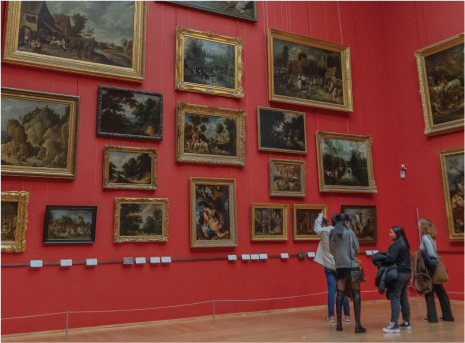
「ラ・ピシーヌ」のほかにも、リールとその周辺には訪ねたい美術館がある。まずはリール中心部にある市立美術館「パレ・デ・ボザール」。ここは、フランスの地方美術館のなかでも屈指のコレクションを誇るといわれている。ルーベンスやゴヤなどの絵画に加え、城塞都市を精密に再現した立体模型も見逃せない。
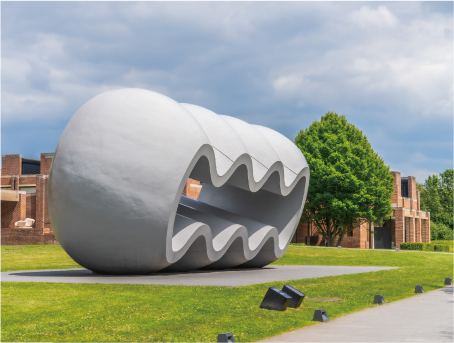
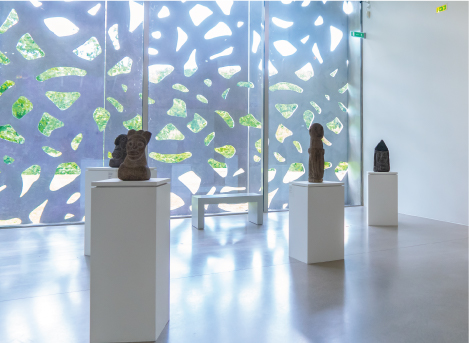
リールの東、ヴィルヌーヴ・ダスクにある「LaM」は、近代・現代美術とアール・ブリュットを扱う美術館。ピカソやモディリアーニの作品を所蔵し、既成の美術教育や流行から離れて生まれた表現も紹介している。知っている作家を目当てに訪ねて、初めて見る作品に感動する。そんな、思いがけないアートとの出会いが楽しめる。
一方、リール市内の「ガール・サン・ソヴール」は、貨物駅を再利用した文化施設である。2009年に転用され、展覧会やコンサートが開かれるほか、食事のできる場所もある。美術展示スペースで作品をじっくり見た後に、カフェへ立ち寄って一杯飲むのもよさそうだ。かつて人が働いた場所が、いまは気軽に文化を楽しめる場所として使われている。
Memories that live on in art.
In Roubaix, near Lille, lies “La Piscine”—French for “the pool.” True to its name, this venue transformed a 1932 Art Deco public bathhouse into a striking art museum.
At the center of the hall, a narrow pool remains. Sculptures flank both sides, while grand stained-glass windows at either end capture the rising and setting sun. Chromatic light refracts across the water, casting vivid reflections of the sculptures.
Textiles fueled the wealth of this region, with Roubaix flourishing in spinning and weaving. Designed with public baths for workers and executives alike, this lavish building with stained glass was remarkably created for everyday civic life.
Though roof safety concerns forced its closure in 1985, the building reopened in 2001 as a museum.
Housing garments and sample books, the collection reflects the town’s industrial soul. Originating in 1835 as an archive of local textile samples, the museum later expanded into paintings and sculptures—a rich legacy preserved today within La Piscine.
Alongside sculptures by Rodin and Claudel or paintings by Bonnard, visitors are drawn to the intricate patterns and weaves of textile samples. Examining motifs envisioned by artisans reveals an aesthetic sensibility rivaling fine art. Encountering masterpieces alongside relics of local industry inside a repurposed bathhouse defines the charm of La Piscine.
Beyond La Piscine, Lille and its surroundings offer exceptional museums. In the city center, the “Palais des Beaux-Arts” boasts one of France’s top regional collections. Beside Rubens and Goya masterpieces, detailed scale models of fortified cities reveal how the town was defended.
To the east in Villeneuve-d’Ascq, “LaM” showcases modern, contemporary, and Art Brut collections. Preserving pieces by Picasso and Modigliani, it also celebrates raw creative expressions outside mainstream art movements. Arriving for familiar names, one leaves moved by unexpected discoveries.
Meanwhile, the Gare Saint-Sauveur gives new life to a former freight depot. Converted in 2009 into a cultural venue, it hosts exhibitions, concerts, and relaxed dining spaces. After immersing oneself in art, stopping by the cafe for a drink completes the experience. Sites where people once labored now welcome everyone to enjoy culture.
LaM ©Laurent Javoy
Palais des Beaux-Arts PBA Lille ©Laurent Javoy
LaM ©Laurent Javoy
フランドルが薫るフランス〜ワインの国、ビールの街。
In the land of wine, a city that loves beer.
Feature | 2026.11.20
Estaminet Ch’tite Brigitte à Lille © Hauts-de-France Tourisme / Maïté Domisse
Lille : restaurant le Barbue d’Anvers
©Hauts-de-France Tourisme / Xavier Renoux
Welsh ©Hauts-de-France Tourisme / Anne-Sophie Flament
Maison Meert ©Laurent Javoy
フランスに来たから、まずワイン。そんなつもりでリールの食卓につくと、少し迷う。ビールが気になるのだ。しかも飲み物としてだけではない。料理の説明にも多く登場する。
リールは、ベルギーのフランドル地方と食文化を共有してきた街。北フランスにも古くからビールを醸す伝統があり、地元でつくられるビールが日々の暮らしに根づいてきた。飲んで楽しむだけでなく、煮込みのコクや風味を出すためにも使う。ビールを使った郷土料理が多いのも、この土地で長く親しまれてきたからこそ。
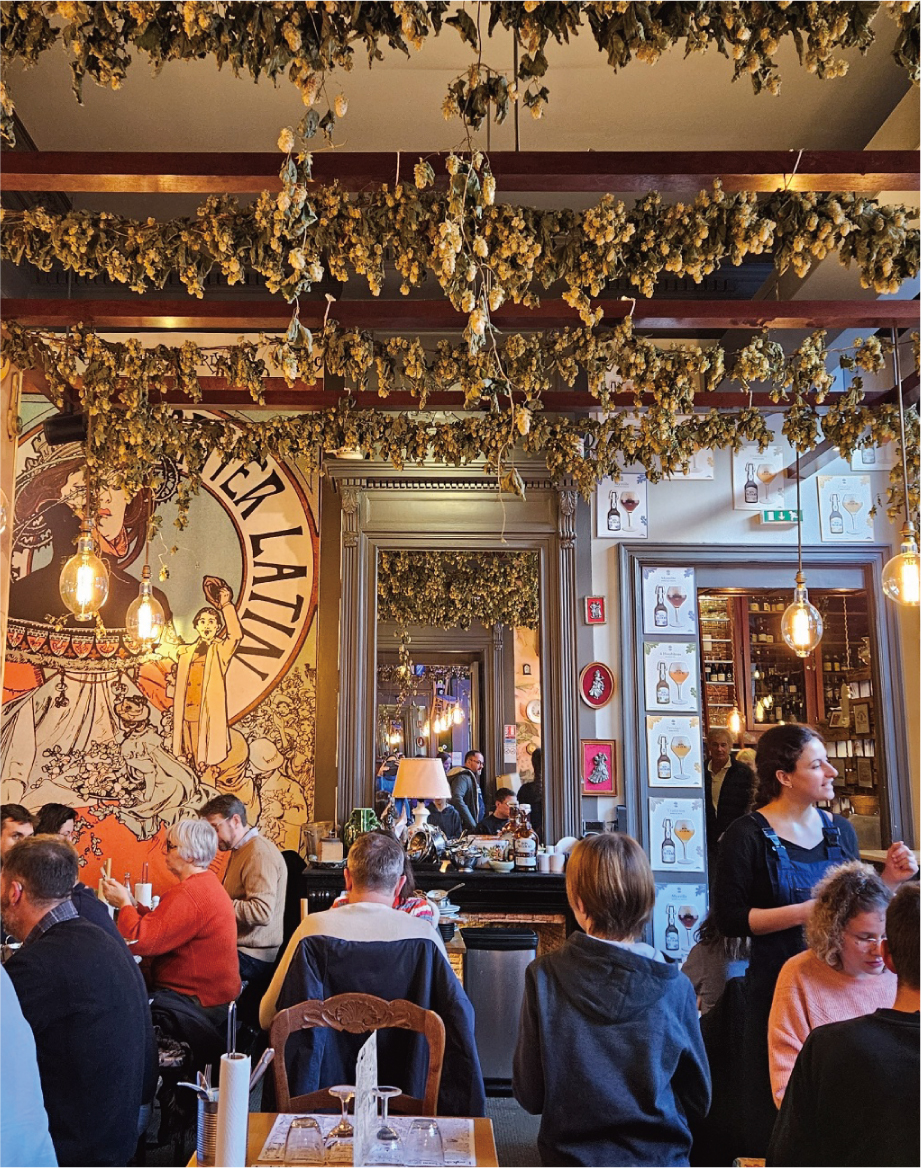
北の味を知るなら、エスタミネへ。エスタミネとはフランドル地方に伝わる、郷土料理を出す気さくな酒場だ。旧市街のガン通りなどに店が集まり、木の梁や使い込まれた家具が似合う。メニューには耳慣れない名前が並ぶが、皿の中身を知れば、途端に親しみが湧いてくる。
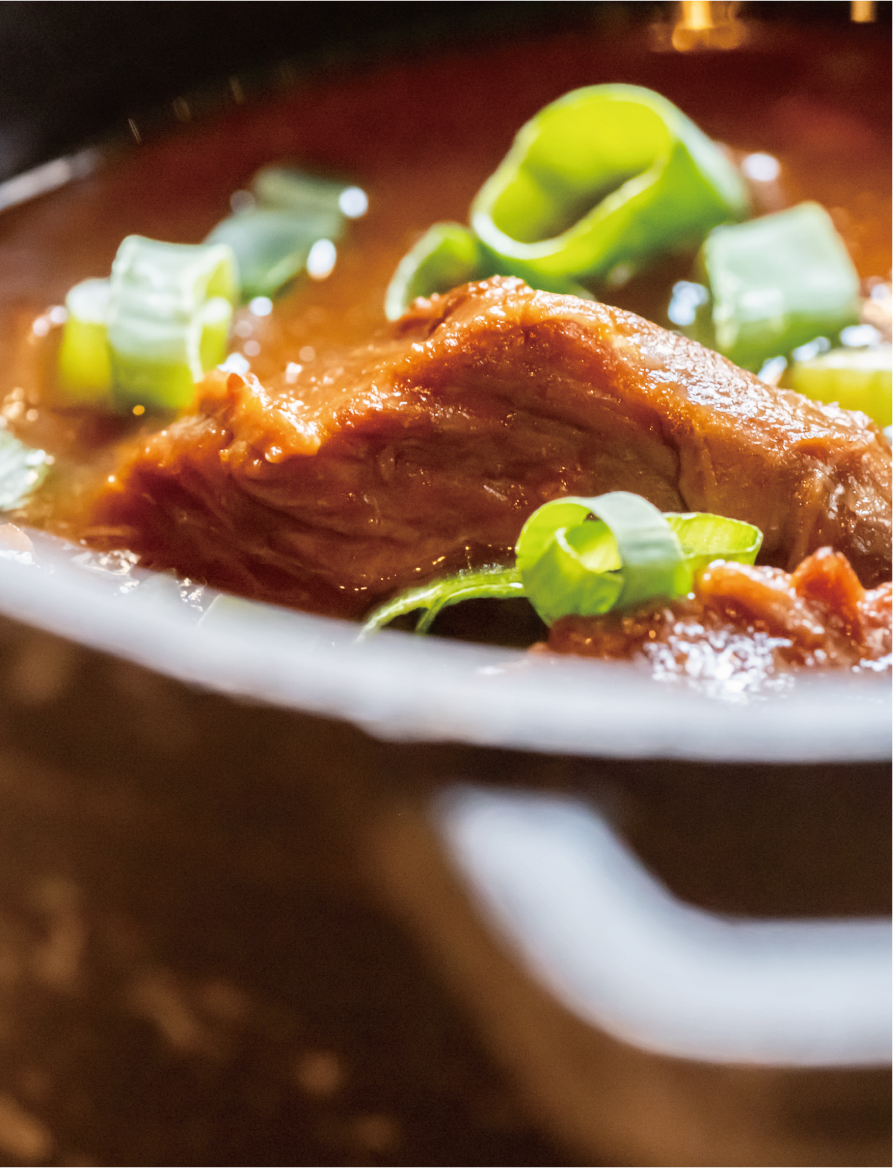
まずはカルボナード・フラマンド。牛肉をビールでじっくり煮込んだ料理。ビールのほろ苦さに、肉の旨みと甘みが重なる。パン・デピスというスパイス入りのパンを加え、ソースに甘みととろみをつけるつくり方もある。添えられたフリット、つまりフライドポテトで、そのソースまで味わう。付け合わせまで、きちんと旨い。
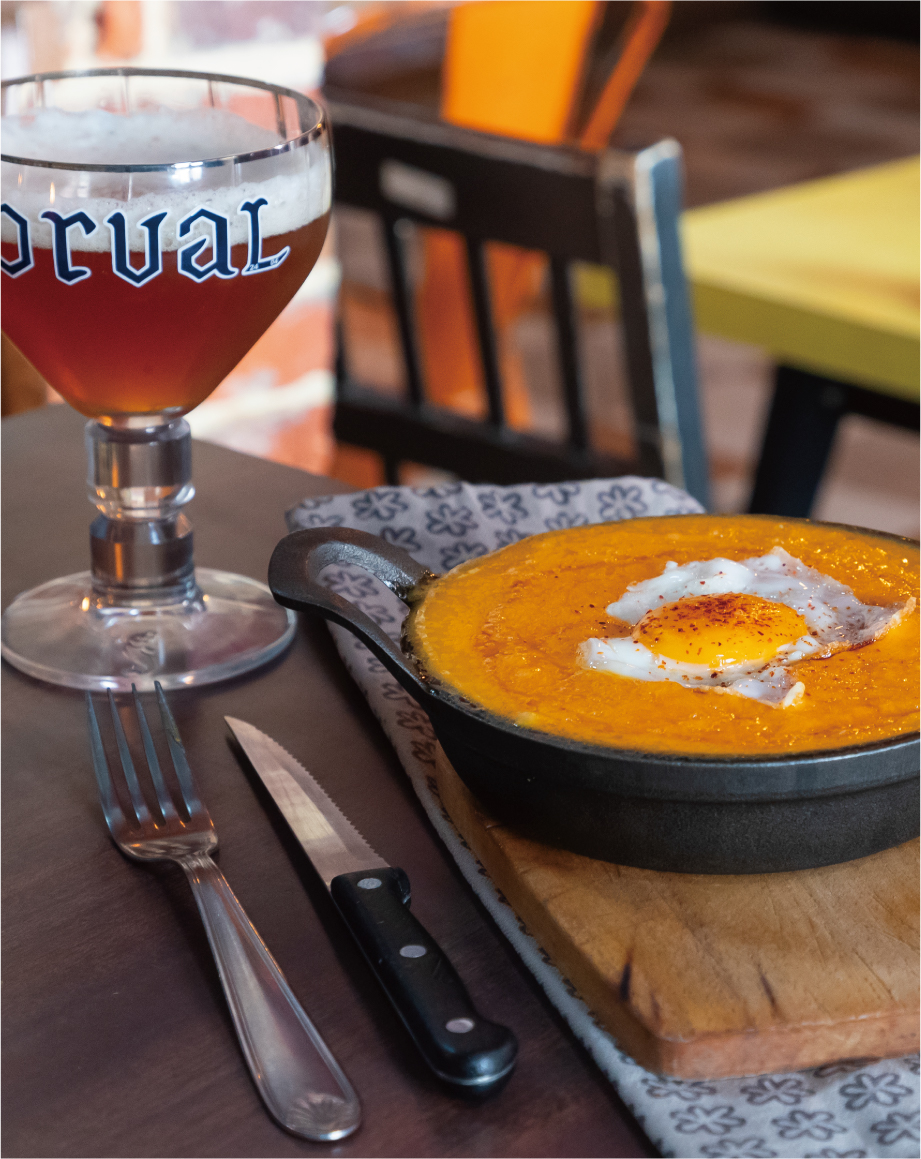
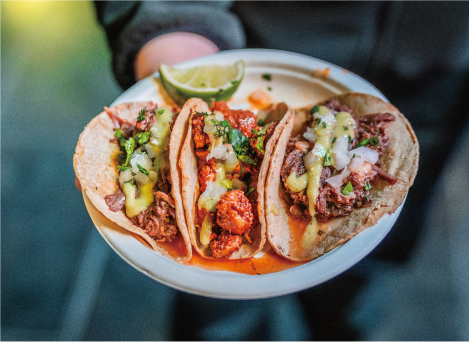
ウェルシュは、さらに思い切りがいい。パンとハムの上に、ビールで溶いたチェダーチーズをたっぷりかけて焼く。目玉焼きがのるものもある。チーズの国フランスで、主役を務めるのは英国生まれのチェダー。英国の料理を北フランス流にした一皿。食卓は、ずっと昔から友好的だ。
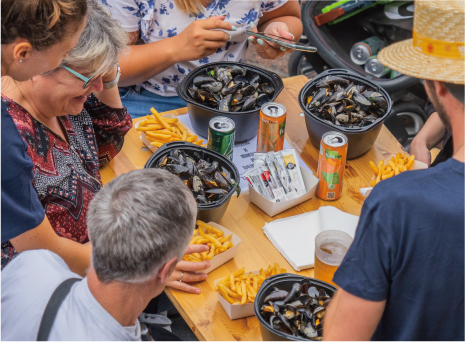
ポチェヴレシュは、鶏やウサギ、仔牛、豚などを使う肉のゼリー寄せ。冷たい肉と熱いフリットを合わせるのが面白い。ムール貝にフリットを添えたムール・フリットも、この地方の定番。
合わせるビールにも、土地の楽しみがある。北フランスを代表するビールの種類に、ビエール・ド・ギャルドがある。じっくり寝かせて熟成させ、味わいを整えたビール。旧市街には、「セレスタン」のような地元の醸造所もある。知らない銘柄ばかりなら、頼んだ料理に合う一杯を相談してみると、そこから好きな味が見つかるかもしれない。
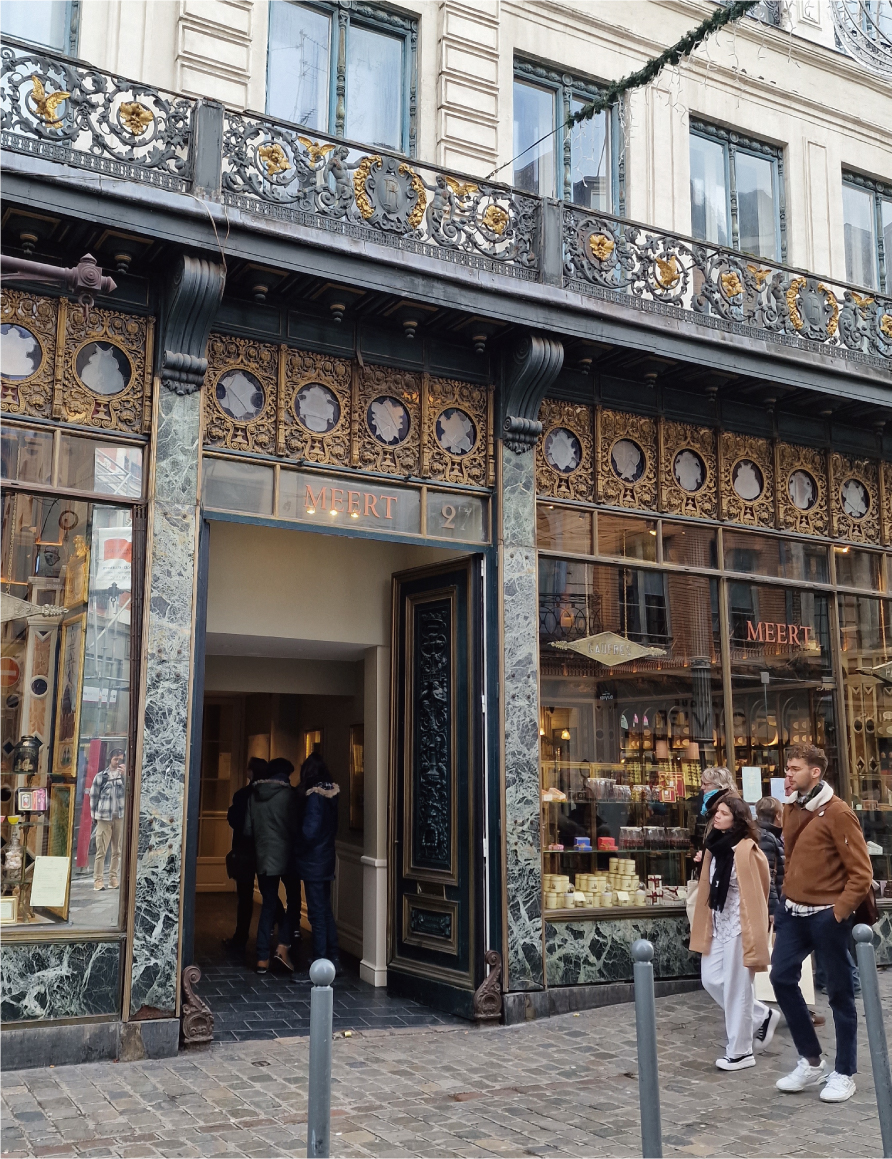
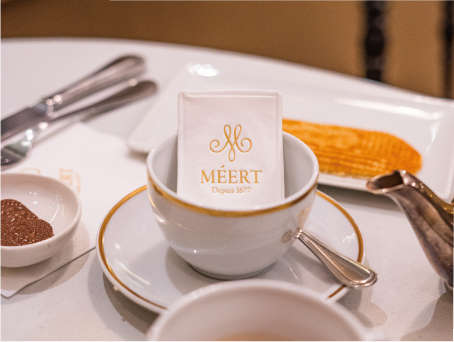
食後は、甘いもののために少し歩く。エスケルモワーズ通りの老舗菓子店「メール」で出会うゴーフルは、分厚いワッフルを想像していると意表を突かれる。薄い生地に、マダガスカル産バニラを使ったフィリング。しっとりした歯ざわりと甘い香りが持ち味で、1849年以来の看板菓子である。あれほど力強い料理の街に、こんな繊細なお菓子があるのもうれしい。
煮込みを食べ、ビールを選び、ゴーフルを土産にする。気づけば、そのどれにもリールを離れがたくする理由がある。パリへは約1時間。日帰りもできる近さだが、食べたいものすべてを、一日で味わうのは難しい。
In the land of wine, a city that loves beer.
“Arriving in France means starting with wine”—yet sitting down in Lille, one finds oneself pleasantly torn. Here, beer commands attention, appearing not merely as a drink but prominently across menu descriptions.
Lille shares its culinary soul with Belgian Flanders. Northern France preserves an ancient brewing tradition, with local ales deeply rooted in daily life. Beer is enjoyed in glasses and used to enrich stews with flavor.
To experience northern flavors, step into an estaminet—a casual bistro traditional to Flanders. Gathered along Rue de Gand in the Old Town, these welcoming spots suit exposed wooden beams and time-worn furnishings. Unfamiliar menu names quickly feel welcoming once the dishes arrive.
First is carbonnade flamande, beef slow-cooked in beer. The brew’s gentle bitterness layers with the meat’s rich sweetness. Some recipes add pain d’épices, a spiced gingerbread, lending warmth and texture to the sauce. Crispy frites serve to mop up every drop.
The Welsh is even bolder. Bread and ham are smothered in cheddar melted with beer and baked golden, often topped with a fried egg. In France, land of cheese, English cheddar takes center stage—a northern French interpretation of a British classic. At the dinner table, borders and rivalries have always dissolved.
Potjevlesch, a terrine of chicken, rabbit, veal, and pork in jellied broth, is served cold beside hot frites. Equally classic is moules-frites, steamy mussels paired with fries.
Pairing these with local beer is part of the pleasure. The region’s signature bière de garde is aged for a smooth, rounded flavor. In the Old Town, microbreweries like “Célestin” keep this craft alive. Asking for a recommendation matching your dish often reveals a new favorite.
After dining, a short walk leaves room for dessert. At “Meert” on Rue Esquermoise, the gaufre surprises those expecting a thick waffle. Thin dough holds a filling with Madagascar vanilla—a signature sweet unchanged since 1849. Finding such delicate pastry in a city known for robust food is a true joy.
Savoring stew, choosing a local ale, and leaving with gaufres—each gives a reason to linger. Though Paris is an hour away, tasting all of Lille in one day is nearly impossible.
Meert ©Laurent Javoy
Braderie de Lille © Laurent Javoy
Lille Street Food Festival 2023 ©Laurent Javoy
リールを歩いて、足を延ばして、北フランスの多彩へ。
Feature | 2026.11.20
©NICOLAS BRYANT – Louvre-Lens, La galerie du temps
© Benjamin Teissedre Saint Quentin la basilique reflets colorés des vitraux
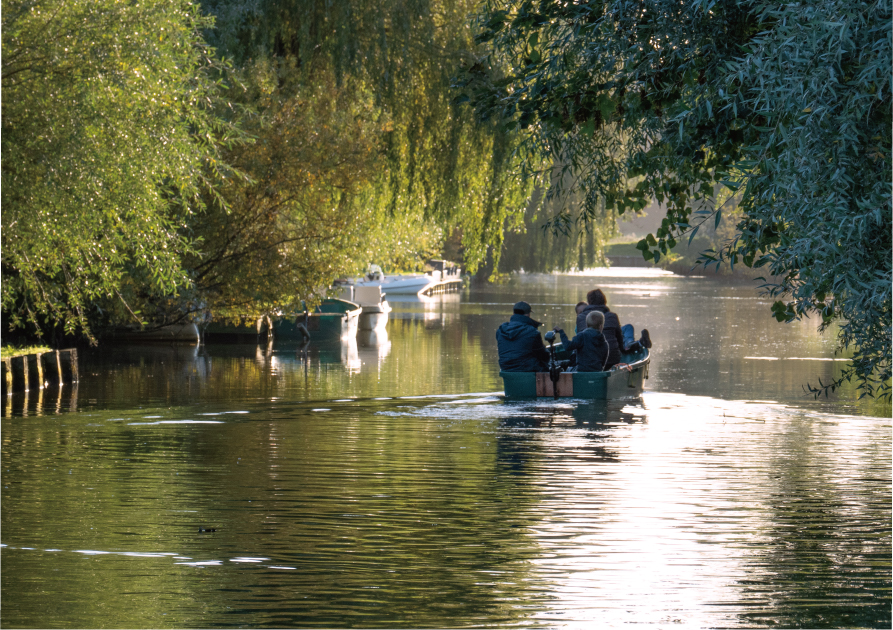
©Nicolas Bryant Promenade en barque sur le marais audomarois
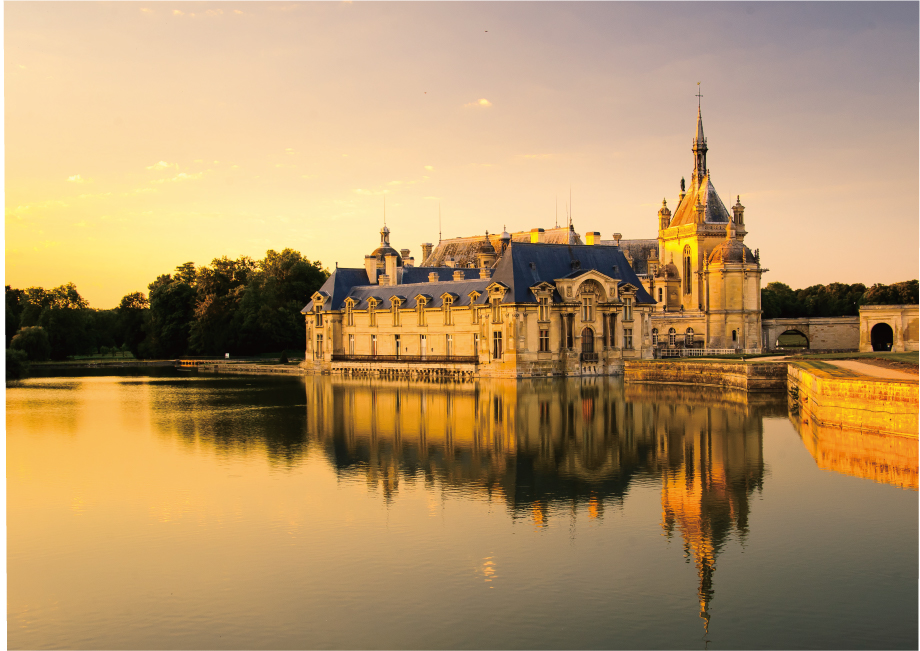
© Vincent Colin Chantilly – Le château au soleil couchant
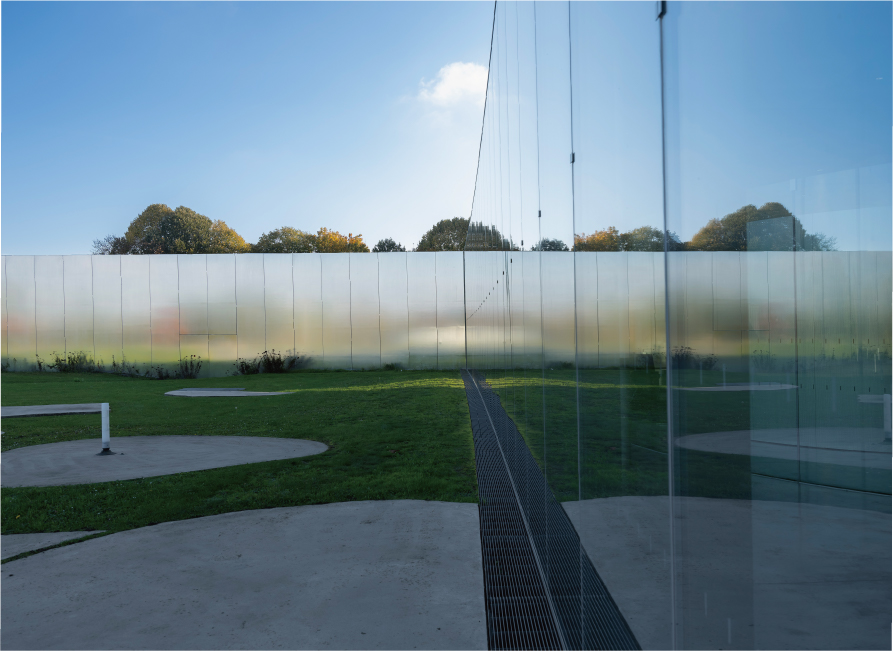
© 2024 Musée du Louvre-Lens Manuel Cohen
リールの街を楽しんだら、次は少し寄り道をして
北フランスのさらなる魅力を探るのもいい。
緑に囲まれた城塞を歩き、近代建築の名邸を訪ね、かつての貨物駅でアートに出会う。
さらに足を延ばせば、炭鉱跡に生まれた美術館や、水路に庭園が広がる町、マティスの故郷へ。
歴史も、アートも、水辺の風景も。行きたい場所が増えるほど、リールから始まる旅は大きく広がる。
もっと、リールを満喫する。〜リール観光局からのおすすめスポット〜
リール観光局
公式サイト

■シタデル・ド・リール
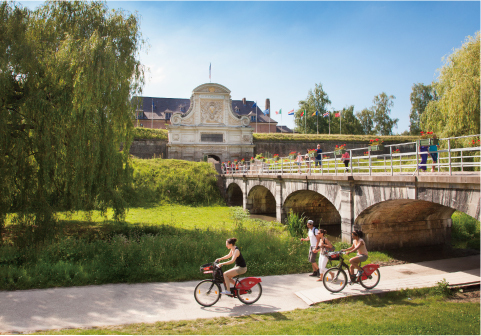
Citadelle ©JDHondt
ルイ14世の命により、軍事建築家ヴォーバンが設計した星形の城塞。17世紀に築かれた要塞の周囲には緑豊かな公園が広がり、今ではリール市民の憩いの場となっている。歴史ある城塞を眺めながら散策したり、自転車で公園を巡ったり。電動ボートに乗り、水上からリールの風景を楽しむのもおすすめ。かつて街を守るために築かれた場所で、今は市民とともにのんびり過ごす。街歩きの合間に訪ねたいスポット。

■ヴィラ・カヴロワ
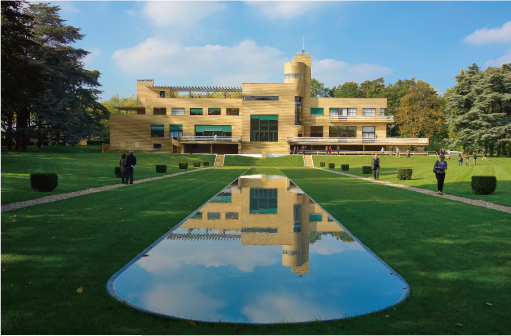
©Frederik Astier Croix _ la Villa Cavrois
1932年、リール郊外のクロワに建てられたモダニズム建築の傑作。繊維産業で財を成した実業家ポール・カヴロワの邸宅として、ロベール・マレ=ステヴァンスが設計した。幾何学的な外観から家具や照明、当時の最先端設備までこだわり抜いた「近代の城館」。長年の荒廃を経て大規模な修復が行われ、2015年に一般公開された。庭園を歩き、水盤越しに建物を眺めれば、邸宅の美しさを違う角度から楽しめる。

■ガール・サン・ソヴール
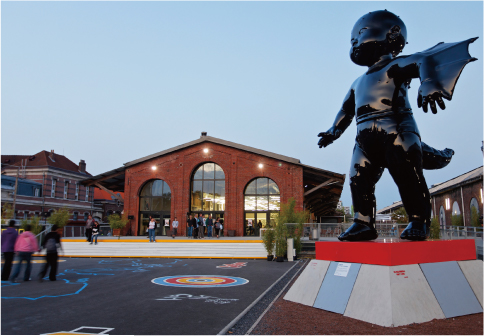
Gare Saint Sauveur ©Laurent Ghesquiere
かつての貨物駅を再生し、2009年に誕生した文化・交流スポット。リールの文化振興を担う「lille3000」の芸術祭「Europe XXL」を機にオープンした。広々とした旧駅舎や倉庫では、アート展や多彩な文化イベントを開催。館内には、施設の愛称「サン・ソ」を冠したビストロもあり、食事や音楽を楽しめる。産業都市リールの面影を残す空間で、アートに触れ、市民の日常生活に出会える場所。

リールからでかけるエクスカーション。〜オー・ド・フランス地方観光局からのおすすめ〜

オー・ド・フランス地方観光局
公式サイト

■ルーヴル・ランス
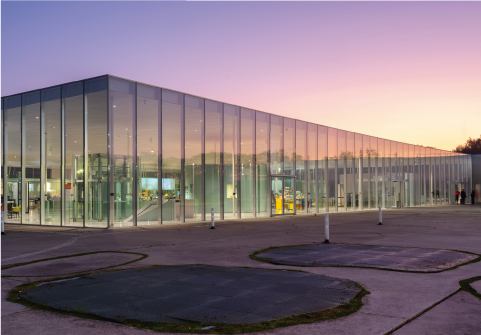
©2024 Musée du Louvre-Lens Manuel Cohen
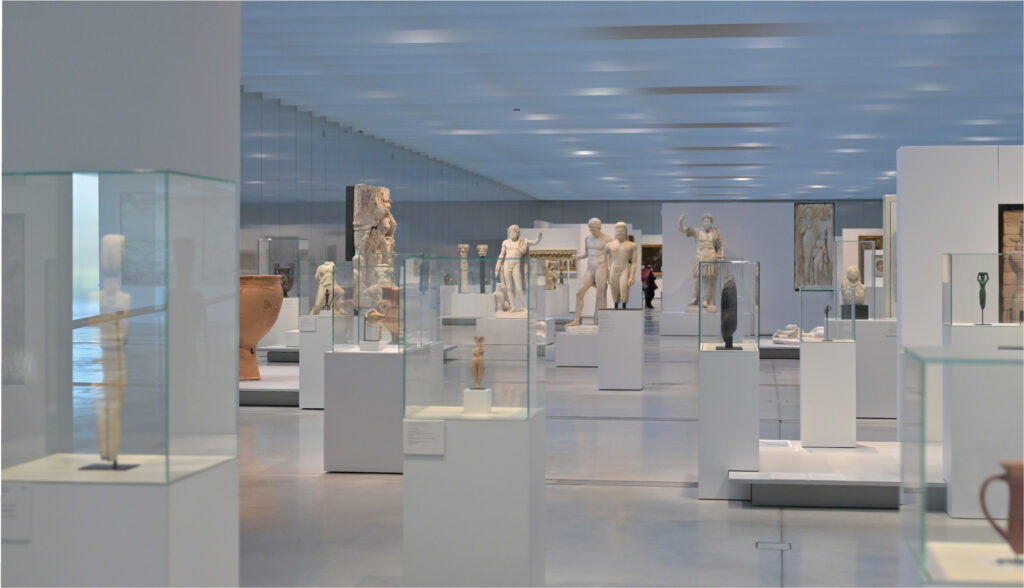
炭鉱で栄えた町ランスの採掘跡地に、2012年に開館したルーヴル美術館の分館。建築家ユニットSANAAが設計したガラスとアルミニウムの建物は、周囲の風景を柔らかく映し込む。仕切りのない大空間で、約5000年の美術史を時代順にたどる「時のギャラリー」が見どころ。鑑賞後は、炭鉱の歴史を伝える広大な公園へ。かつての産業都市が文化を通じて生まれ変わった姿を、建築と美術、風景から感じたい。

■アミアン
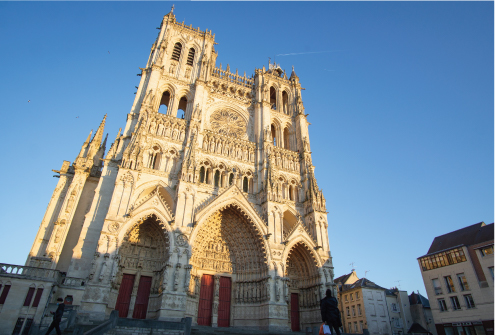
Amiens _ cathédrale au coucher du soleil
©Benoît Guilleux
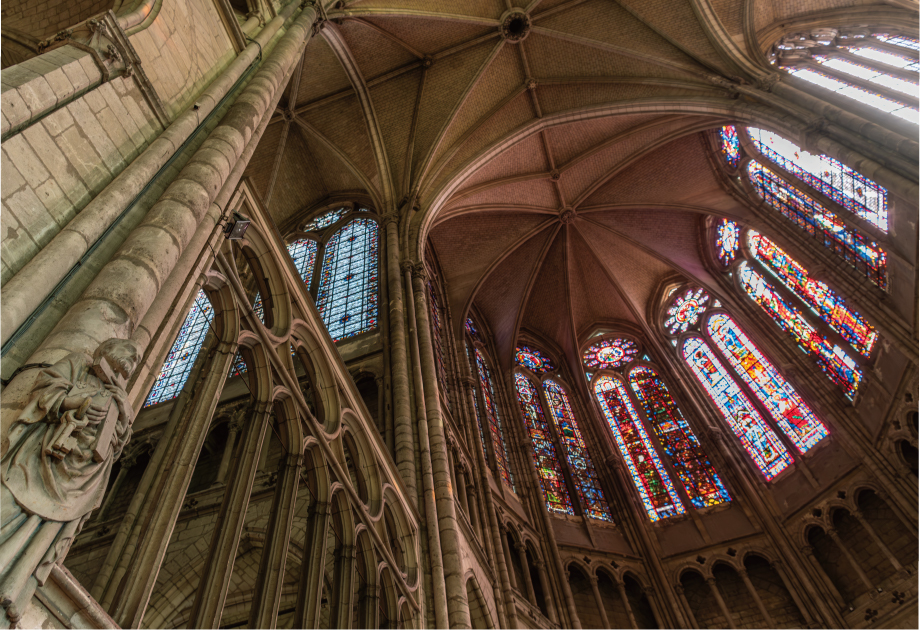
フランス最大規模のゴシック様式の大聖堂がそびえる、ピカルディー地方の中心都市。世界遺産に登録された大聖堂では、建築と精緻な彫刻に目を見張る。北側のサン・ルー地区には、運河沿いに色鮮やかな家々やカフェが並ぶ。中心部からほど近い「オルティヨナージュ」も訪ねたい。水路に囲まれた菜園や庭園が、パッチワークのように広がる場所だ。伝統的な小舟で水路を巡り、水辺の町ならではの風景を楽しもう。

■マティス美術館
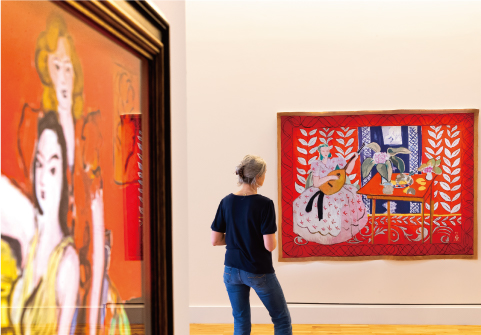
©FLAMENT Anne-Sophie – Musée Henri Matisse
マティスの故郷、北フランスのル・カトー・カンブレジにある美術館。1952年、本人が寄贈した82点の作品をもとに開館した。大司教の居館だったフェヌロン宮で、絵画や彫刻、素描、切り絵などを通して、その芸術をたどる。ピカソやシャガールらの作品を含む、出版人テリアードのコレクションも見どころ。2024年には改修・拡張を経て再開館。南仏の明るい色彩で知られる画家の原点を、北フランスに訪ねたい。