












ウクライナ&ロシア編
dumplings|2026.2.20
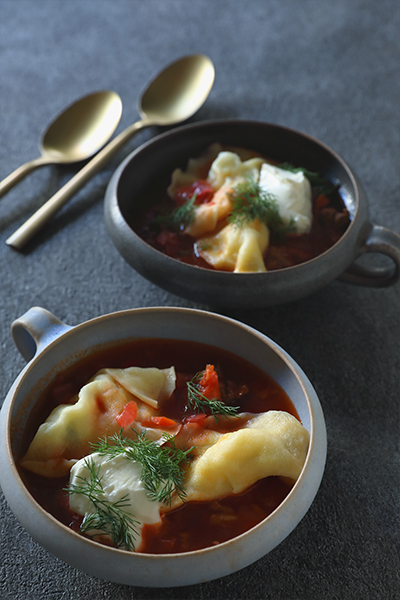
「旅する餃子」ウクライナ&ロシア編。
戦いが終わらない両国だけど、実は同じような文化が多くある。
そのなかで、食の共通項を一皿にまとめたのが今回の餃子。
さてさて、両国が美味しくひとつになれる餃子はできあがるか?
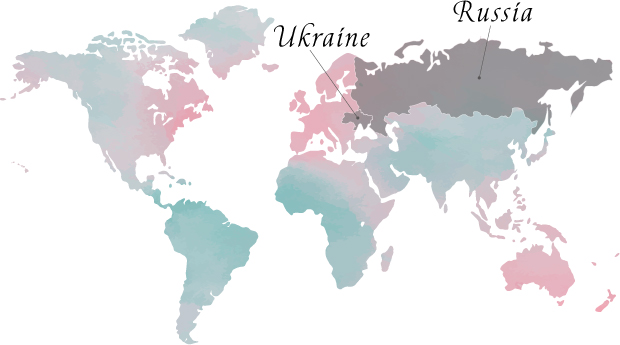
暮らしの根っこは共通しているウクライナとロシア。
ウクライナとロシアといえば、今は戦争という暗い影が落ちている。しかし、日々の暮らしや食卓に目を向けると、そこには長い時間をかけて共有されてきた共通項が浮かび上がってくる。
食でいえば、まず“スープ文化”があげられる。日本で知られている「ボルシチ」はウクライナに起源をもつといわれている。ビーツを使った赤いスープは、寒冷な気候のなかで体を温める家庭の味。一方ロシアには、キャベツを主役にした国民的スープ「シチ」がある。味わいは異なるが、どちらも日常に寄り添い、心まで温めてくれる存在だ。
次に共通するのは“包む料理”。ウクライナには「ヴァレニキ」という大きめの餃子のような料理がある。具材が多彩で、ジャガイモやチーズだけでなく、チェリーなどの果物を包んでデザートにすることもある。
一方、ロシアには「ペリメニ」がある。形が小さく、具材はシンプルに肉が中心。凍らせて冬の携帯食にしていたという。
“日常の飲み物”では、ライ麦を発酵させた「クワス」がある。アルコール度数は低く、夏には喉を潤し、冬には滋養を与える。ウクライナやロシアをはじめ東欧諸国で愛されている、スラブの国民的ドリンク。
食だけではない。刺繍や民族衣装に見られる幾何学模様、自然や大地を尊ぶ感覚、歌や踊りを通じて共同体の結束を確かめる風習。これらは東スラブ文化圏として共有されてきた。
ウクライナとロシアは陸続き、歴史的に文化の往来は頻繁に行われていた。同じような暮らしの根っこをもつ国同士、そこにある調和の部分を見つめることも、いまは必要なのではないかと思う。
Ukraine and Russia: Shared Roots of Daily Life.
Despite the dark shadow of war, looking at daily life and dining tables reveals deep commonalities shared between Ukraine and Russia over many centuries.
Both nations share a profound “soup culture,” from Ukrainian-origin Borscht to Russian Shchi—essential comforts that warm the heart in cold climates.
“Wrapped dishes” are another shared trait, notably Ukraine’s Varenyky, which feature diverse fillings ranging from savory potatoes to sweet fruit desserts.
Russia’s counterpart is Pelmeni—smaller, meat-centered dumplings traditionally frozen as portable nourishment for the winter.
Kvass, a fermented rye drink, is a national Slavic staple providing year-round refreshment and nourishment across Eastern Europe.
Beyond food, shared embroidery, reverence for nature, and communal customs define the East Slavic bond. Given their deep shared history, focusing on this harmony is essential now more than ever.
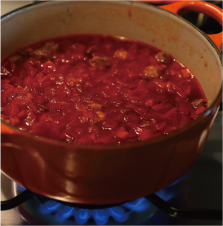
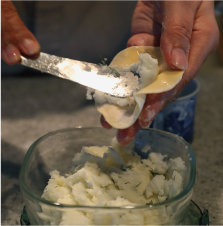
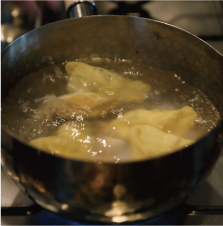
ボルシチとヴァレニキで、両国を美味しく、仲良く。
いま、こんな時代だからこそ、文化の共通項を見いだして餃子にまとめる。そんな試みが今回の“ウクライナとロシアの餃子”。ロシアの「ボルシチ」の温かさとウクライナの「ヴァレニキ」の素朴な優しさをひとつのお皿にして、両国が大切にしてきた食文化の分かち合いをあらためて感じてほしい。
では、レシピをご紹介しよう。
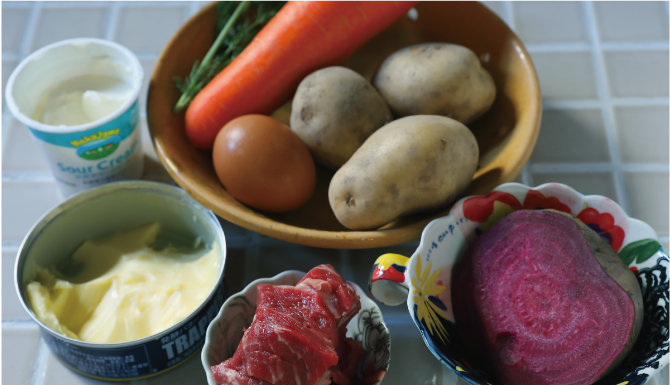
①牛肉と野菜(ビーツ、キャベツ、人参、玉ねぎ)を炒め。ブイヨントマトペースト、酢を加えて煮込み、ボルシチをつくる。
②皮は小麦粉、卵、塩、水を混ぜ、よくこねて休ませる。
③ジャガイモを茹でて潰し、バターで炒めた玉ねぎ、刻んだディル、塩胡椒と混ぜ合わせた餡をつくる。
④餡を三日月状の形に包み、茹でる。
⑤スープ皿にボルシチとヴァレニキを盛り付け、中央にサワークリームを添え、ディルを散らす。
さて、お味はいかがでしょう。
ビーツの鮮やかな赤色が特徴のボルシチスープのなかに、ウクライナの家庭の味であるジャガイモのヴァレニキを浮かべたスープ餃子。優しい酸味と甘味がひとつになった美味しさがいい。温かく、心が休まるこの一皿を、ウクライナとロシアの人たちにも味わってほしい。
Borscht and Varenyky : A Tasteful Bridge Between the Two Nations.
In these times, the “Friendship Dumplings” project seeks cultural common ground. By combining the warmth of Borscht and the rustic comfort of Varenyky, it invites us to share in the culinary traditions cherished by both nations.
Instructions: ① Sauté beef and vegetables, then add bouillon, tomato paste, and vinegar to simmer for the Borscht. ② Mix flour, egg, salt, and water; knead well and let rest. ③ Boil and mash potatoes, mixing with sautéed onions, dill, salt, and pepper for the filling. ④ Wrap the filling into crescent shapes and boil. ⑤ Arrange Borscht and Varenyky in a bowl, topping with sour cream and dill.
Now, how does it taste? These are soup dumplings where Ukrainian home-style potato Varenyky float within a Borscht soup characterized by its vivid red beet color. The deliciousness of the gentle acidity and sweetness becoming one is truly wonderful. I want the people of both Ukraine and Russia to taste this warm, soul-resting dish.
《料理家》 松井まり子 Mariko Matsui
株式会社De-De
Senior Art Director/Graphic Designer/Food Stylist
アートディレクター、フードスタイリストとして活動する傍ら2024年にはDe-De GYOZAもスタート。

webサイト