










Bourgogne |食|
Feature | 2025.12.24
広大な大地が支える、豊穣で堅実な食文化。
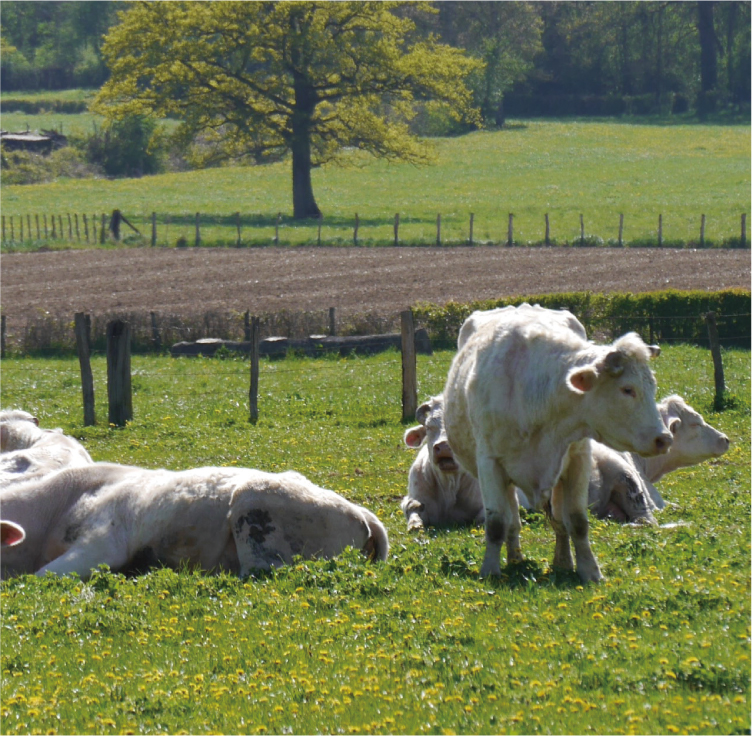
日曜の朝、「アニーの家でランチするけど、行く?」と誘われ、いまだシフトハンドルの車の助手席に乗ると、車はうねるように続く1本道を猛スピードで走り出した。車窓に一面の穀倉地帯が広がり、地平線まで続く広大な牧草地ではブルゴーニュ特有の白い牛、バッシュがのんびりと草を食んでいる。その間を縫うように、古い石造りの家の集落が転々と存在し、初春にはその風景が、なたね油を取るための菜の花で一面まばゆい黄色で埋め尽くされる。こうして「フランスの穀倉」ともいわれるこの土地の底力のようなものに触れた時から、私はブルゴーニュの虜になった。
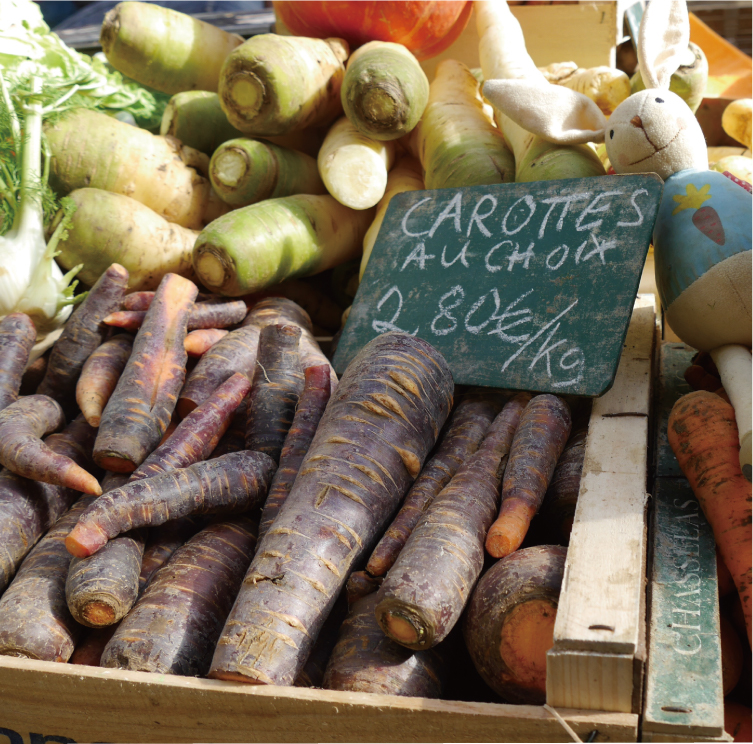
小さな村にはスーパーもないところもあるので、ここでの暮らしを支えるのが毎週決まった曜日に立つマルシェだ。近隣から生産者が集まり、広場に店を出す。特にBio(有機)にこだわる店は人気だ。フランス人のBioに対する関心はとても高く、不揃いで虫食いのあるような野菜から、好んで買われていく。
都会の小売店との違いは、流通に乗らない食品も多く売られていること。フロマージュ・ブランなどのフレッシュチーズはその代表で、地元の酪農家が少量作ってマルシェで地産地消されるのみということも多い。こうした小規模の生産者が多く存在しているのも、この地の魅力だ。
マルシェのある日は、街が心なしか浮き足立っている。あちこちで「サバ?」と挨拶が交わされ、周辺のカフェはおしゃべりに花が咲く地元の人々でいっぱい。「今日アペロに来ない?」なんていうお誘いがあるのも、こんな時だ。
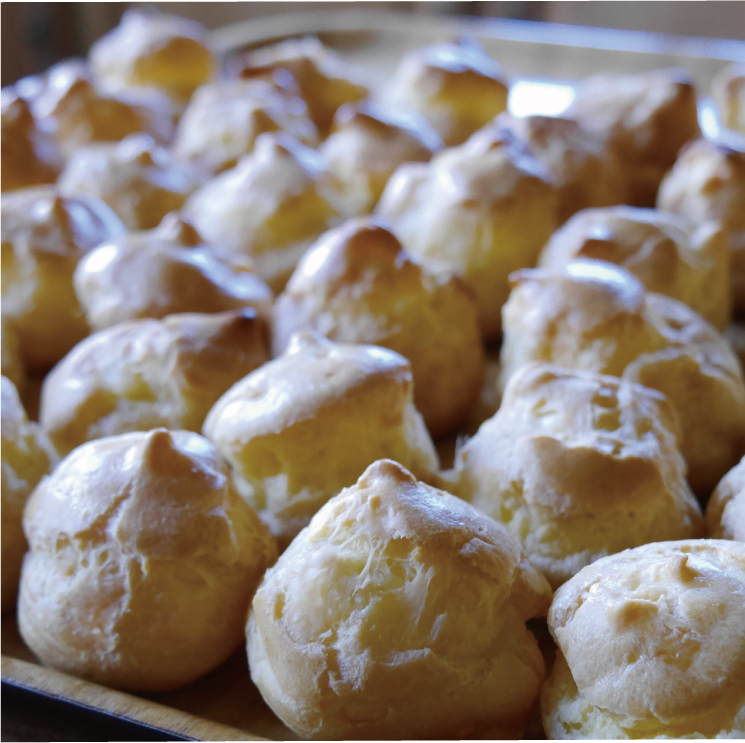
ブルゴーニュといえば、牛肉を赤ワインで煮込んだブッフ・ブルギニオンやエスカルゴなどの料理が思い浮かぶかもしれないが、日常の食卓はとてもシンプルで調理時間も短い。夕食の時間はだいたい8時から9時すぎで、それまではアペロの時間だ。パリなどの都市部では仕事帰りの人々がカフェでビールやワインを前におしゃべりに興じる姿が見られるけれど、カフェやバーが少ない地方の小さな村では、自宅でのおしゃべりに気軽に人を誘うための素敵な口実なのだ。 マルシェがある日は、名物のジャンボン・ペルシル(ハムのゼリー寄せ)や、グジェール(甘くないシュークリームの皮のようなパン)を買って並べたりもするけれど、多くはナッツやポテトチップス、オリーブなど手のかからないものを少しだけ。
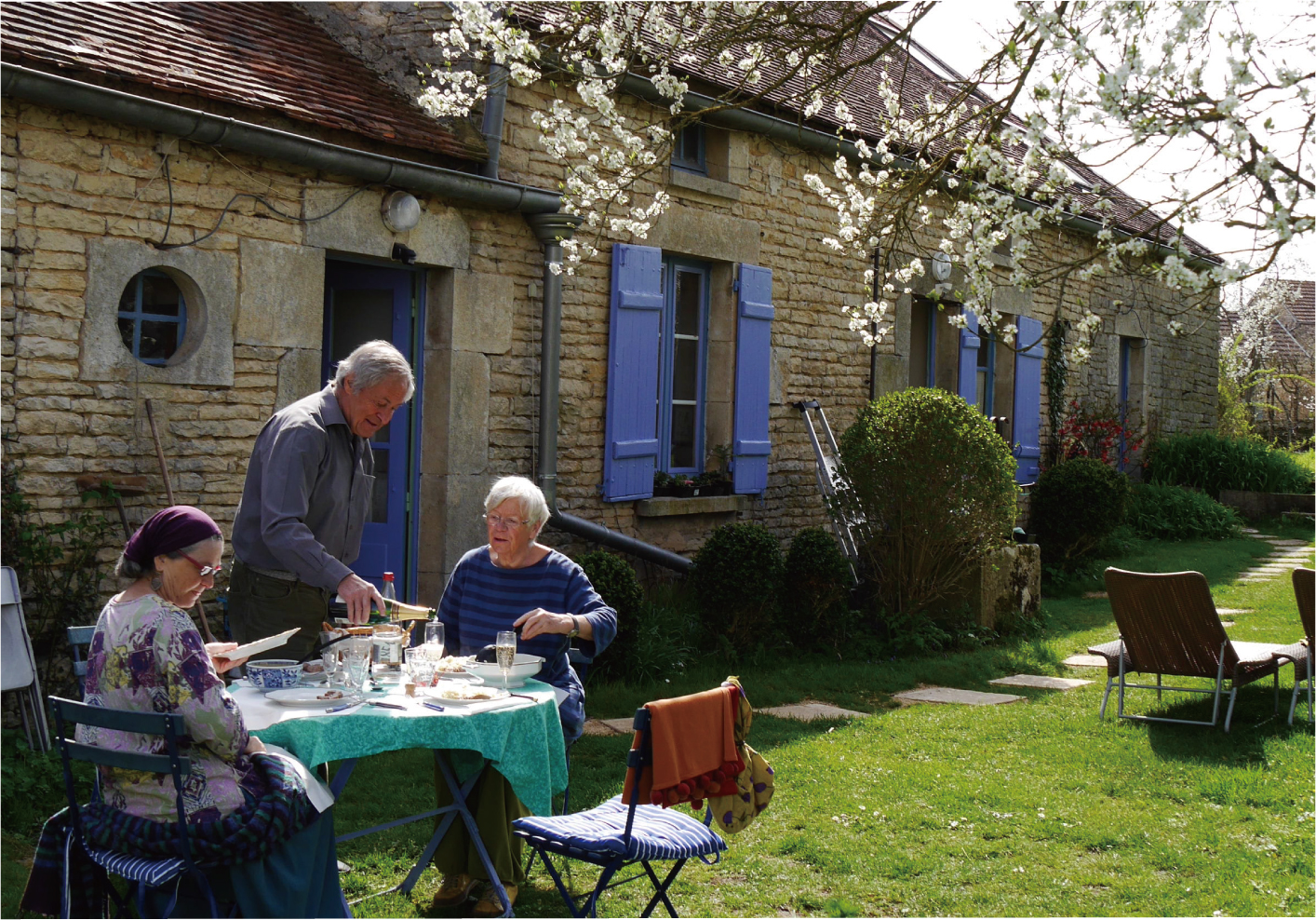
ブルゴーニュの冬はとても寒く、朝は9時ごろまで暗い。日中もどんよりと灰色の空に覆われて風が強い日も多いから、太陽が顔をのぞかせる季節になると、ランチもアペロも「外で!」と声がかかる。ベランダや庭にあるテーブルと椅子に、客も自然と手分けしてクロスをかけクッションを置き、誰かがチーズを広げ、その横で誰かがパンを切っている。
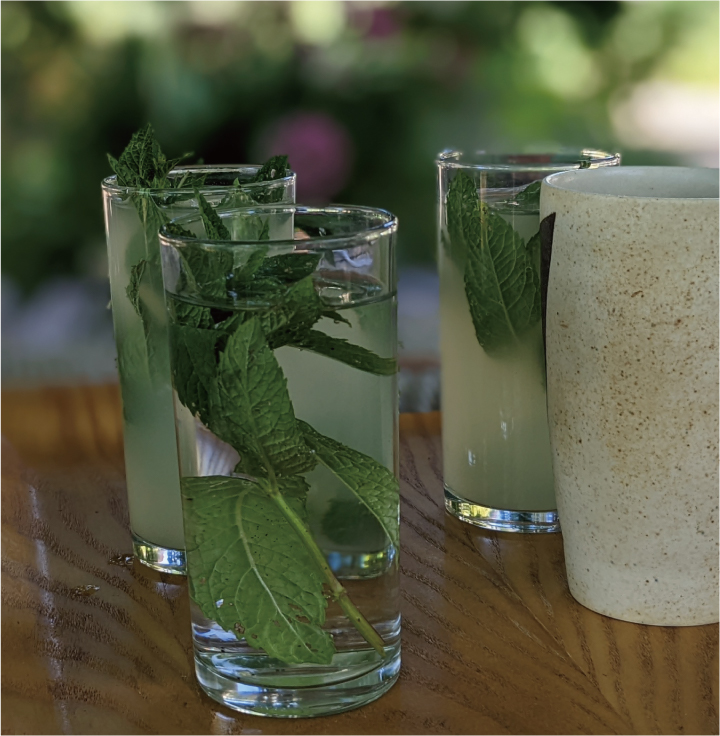
ハーブや野菜、果物を栽培している人も多く、グラスにペリエを注いだら、菜園から採ってきたミントがさっと添えられ、最後にはポットに庭から摘んだハーブを入れ、お湯を注いでティザーヌ(ハーブティ)を作る。
そんな風に、変わりゆく空の色を眺めながら、庭でのおしゃべりは延々と続いていく。
「ごちそう」の概念が、心地よく変わっていく時間。広大な穀倉地帯とぶどう畑に支えられたブルゴーニュの食は、力強く、豊かだ。
Burgundy — Gastronomy
A rich and robust cuisine sustained by a vast land.
One Sunday morning, I accepted an invitation for lunch at Annie’s. As we sped down winding country roads, the car window revealed vast grain fields and pastures where the unique white Burgundy cows graze. Interspersed were ancient stone villages. It was when I first witnessed this region—often called “France’s granary”—and its incredible vitality, especially when the fields turn bright yellow with rapeseed flowers in early spring, that I became completely captivated by Burgundy.
Since many small villages lack supermarkets, the weekly marché (market) is vital. Local producers gather, and stores specializing in Bio (organic) items are highly popular, as the French eagerly buy even imperfect organic vegetables.
Unlike urban stores, the market sells many products that don’t enter general distribution, like fromage blanc—a local specialty often made in small batches and sold only locally. The presence of these small-scale producers is a key charm of the region.
On market days, the town feels noticeably lively. I hear “Ça va?” greetings everywhere, and the surrounding cafes are filled with local people chatting. It’s often on these days that I get spontaneous invitations, like “Are you coming for apéro today?”
Although one might associate Burgundy with Bœuf Bourguignon or escargots, I find that daily meals are simple and quick to prepare. Dinner is late (8-9 PM), preceded by apéro (aperitif). In small, rural villages, the apéro serves as a lovely excuse to invite people over for casual conversation at home.
While specialties like Jambon Persillé or Gougères might be served on market days, the spread is usually minimal, consisting of simple, non-labor-intensive snacks like nuts and olives.Burgundy winters are cold and dark. When the sun finally appears in spring, the call is always “Outside!” for lunch and apéro. I notice that guests naturally pitch in, setting the table and preparing food—someone spreads cheese, another cuts bread.
Many grow their own herbs, which are spontaneously added to drinks or used to make tisane (herbal tea). As we watch the sky change, conversations in the garden continue endlessly.
This slow, shared process redefines what a “feast” means. I find that Burgundy’s cuisine, supported by its fields and vineyards, is robust and rich.

閲覧中の特集はこちら