










浜辺で泡盛を飲み、次の日の出を待ちたい。
Feature | 2026.3.24
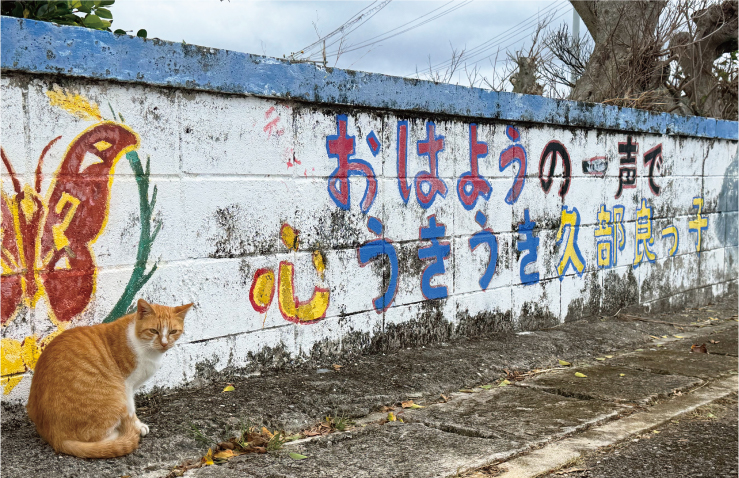
島のあちらこちらに猫がいた。ここではコタツで丸くなることもない。
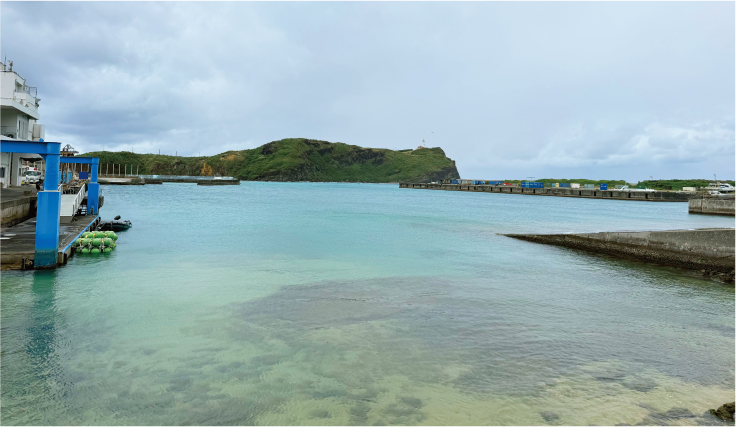
与那国島は海がきれい。4月頃には泳げるといわれている。
17時30分頃、与那国島はまだ明るい。久部良集落を散策して時間をつぶす。赤い瓦屋根の家が並び、庭には南国の植物が植えられ、なんともエキゾチック。小径を歩けば、すぐに海岸へでる。ときおり、家の前に椅子をだし、ぼんやりと座っている老人がいる。これも南の島によくある風景。
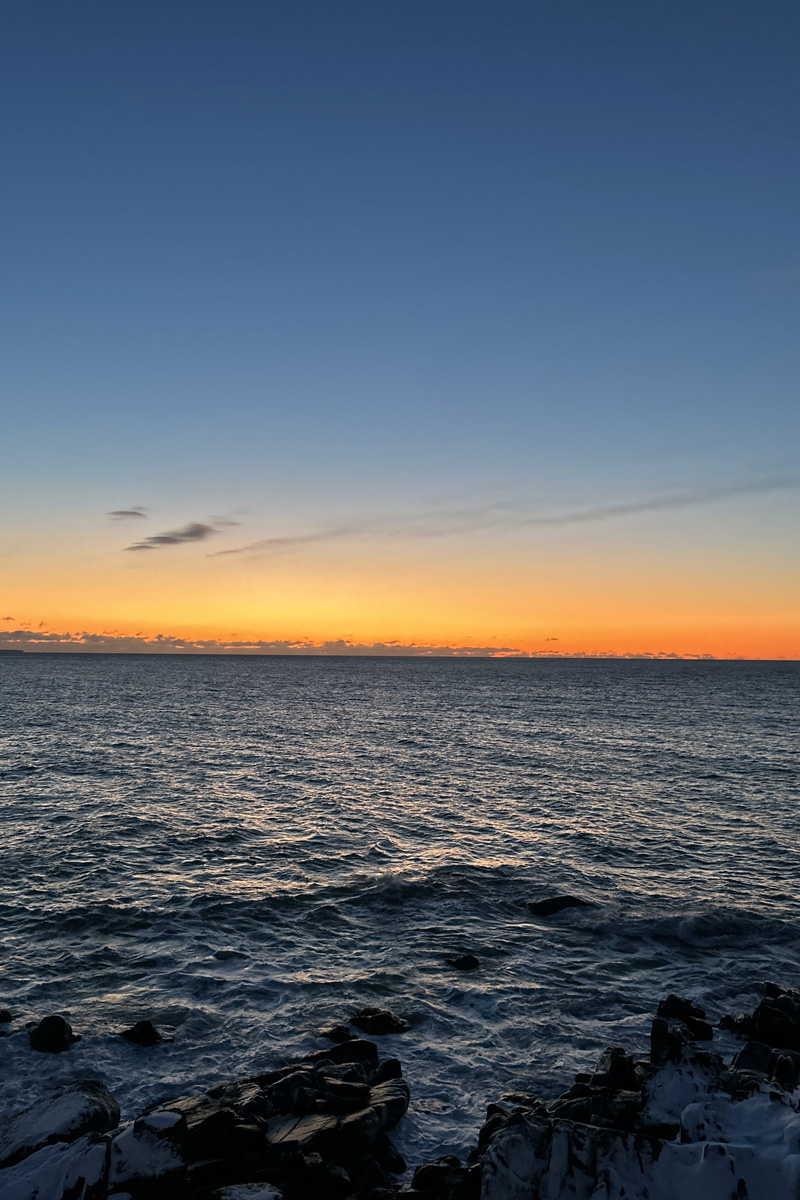
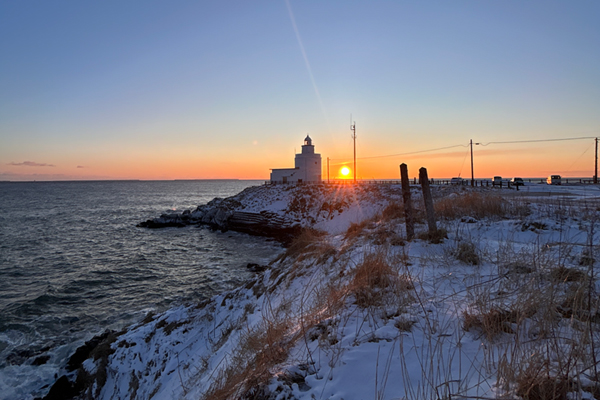
この日の与那国島の日没は18時25分頃。夕陽を見に西崎(イリザキ)へと向かう。灯台の近くには「最西端之地」と書かれた碑があり、ここで日の入りを待つ。しかし目に映るのは厚い雲だけ。
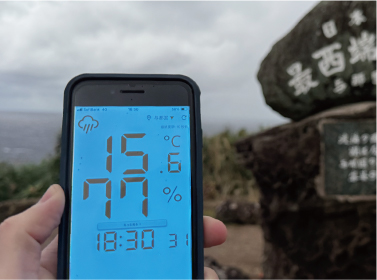
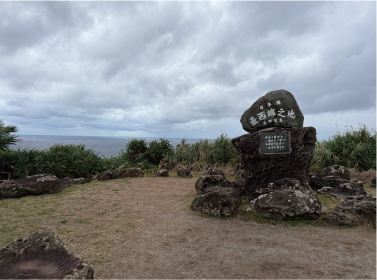
日本の最西端スポット。そして気温は約15℃。端っこに来たことを実感。
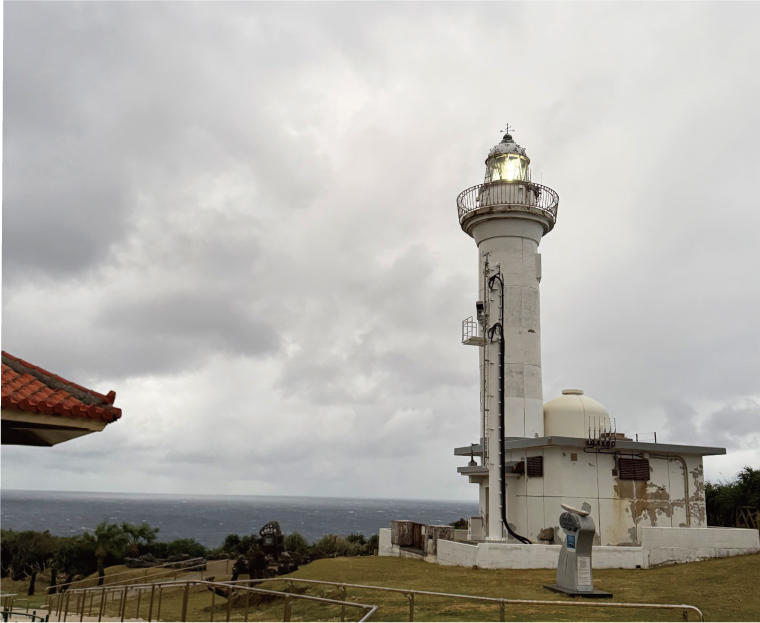
味わいある姿の西崎灯台。晴れた日はここから台湾が見えるという。
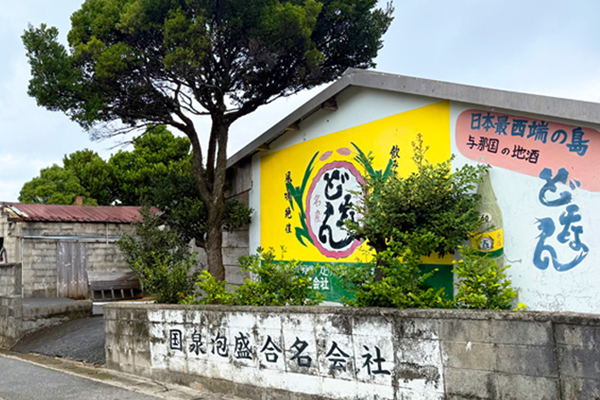
ま、こんな日もあるわ、と祖納集落へ晩ご飯を食べに行く。そこでは、カジキやシルイユーといった与那国近海で獲れた魚介や島らっきょうを味わいながら、泡盛「どなん」を楽しむ、最高の夕食が待っていた。
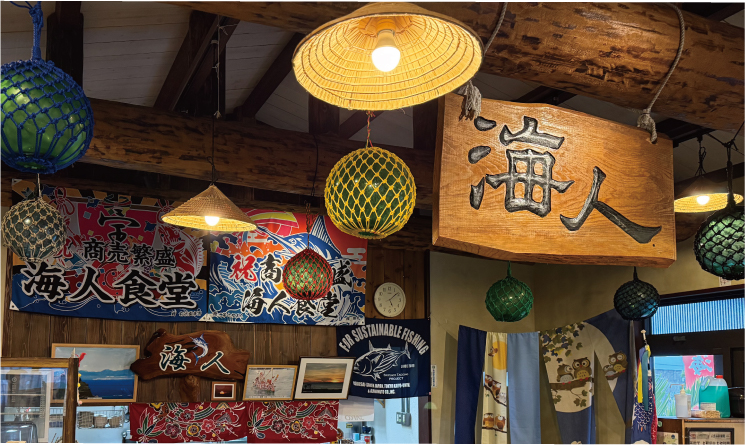
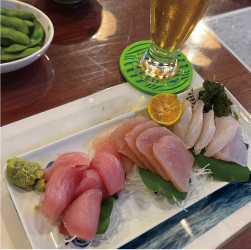
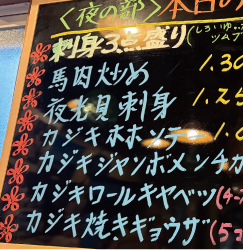
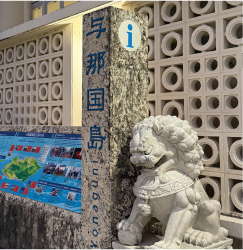
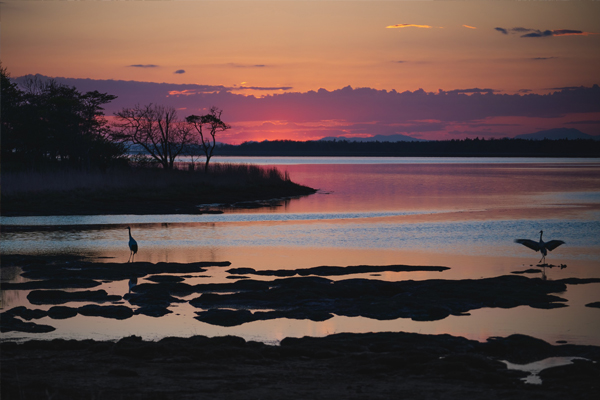
ゆっくりと流れる時間のなかに生活がある与那国島は、一日が長い。そして、そのスローなリズムが心地いい。泡盛を飲み、砂浜に腰を下ろして、そのまま、次の日の出を待つのもいいかもしれない。
Awamori on the beach, waiting for the next sunrise.
At 5:30 PM, Yonaguni was still bathed in daylight. I wandered through Kubura village, where red-tiled roofs and lush tropical plants created an exotic charm. On the paths leading to the shore, I saw elders sitting peacefuly in chairs outside their homes—a classic image of southern island life. Sunset was at 6:25 PM, so I headed to Cape Irizaki. Standing by the ‘Westernmost Point’ monument, I waited for the sun, but once again, thick clouds held firm. ‘Some days are just like this…,’ I thought, and headed back for dinner. It was a feast of local marlin and Shima-rakkyo paired with the potent Awamori, ‘Donan.’ Life on this island follows a slow, deliberate rhythm that makes the days feel wonderfully long. Sitting on the sand with a glass of Awamori, I felt I could stay there forever, simply waiting for the next sunrise.

閲覧中の特集はこちら