








端と端。
Feature | 2026.3.24
知るほどに日本は広い、という話。
1970年代に「せまい日本、そんなに急いでどこへ行く」という、
よくできた交通スローガンがあった。
標識や看板など、あちらこちらで目にするうちに、
子どもだった自分の頭にしっかりと刷り込まれ、
大人になった今でも、“日本って、せまいんだ” という思いが根づいている。
でも実際はそうでもない、というか国としては広い方だ。
国連統計によると、世界第61位の面積を誇る。
アメリカや 中 国より小さいのはもちろんだが、
ドイツやイタリアよりも大きい。
その広さを実感したくって、日本の最東端と最西端を取材した。
厳寒の納沙布岬と南国の与那国島。
日本の「端と端」を比べる今回の特集。
この号を読んで、広く多様な日本の魅力を知ってもらえるとうれしいです。
The more you get to know Japan, the bigger it feels.
In the 1970s, a clever traffic slogan was everywhere:
‘Small Japan—where are you going in such a hurry?’
Seeing it on signs as a child,
the idea that Japan is a small country was deeply etched into my
mind. Even now, that perception lingers.
Yet, the reality is quite different.
Globally, Japan ranks 61st in land area;
while smaller than giants like the U.S.,
we are actually larger than Germany or Italy.
To grasp this scale,
we journeyed to the country’s farthest reaches:
the freezing winds of Cape Nosappu and
the tropical shores of Yonaguni Island.
By comparing these two extremes,
this issue explores the surprising vastness and diversity of Japan.
I hope it inspires you to rediscover just how wide our country truly is.
北海道、本州、四国、九州をはじめとした
約14,125の島々からできている日本列島。
南北に長く伸び、北海道の亜寒帯・冷帯気候から南西諸島の亜熱帯気候まで
バラエティ豊かな気候と風土が広がっている。
文化も様々で、それらに出会えることが国内旅行の楽しみ。
日本は広い、そしてその多様性こそがこの国の面白さ。
最東端の納沙布岬と、最西端の与那国島を比べても、
日の出の時間には約50分、日の入りには2時間以上の差がある。
もちろん気温も異なり、そこに根づく暮らしも大きく違う。
日本の広さを実感し、多様性に気づき、それを大切にしてこそ、日本はより豊かになっていく。
Japan is an archipelago of about 14,125 islands, including Hokkaido, Honshu, Shikoku and Kyushu.
Stretching far from north to south,
it ranges from the subarctic and cool climates of Hokkaido to the subtropical climate of the Nansei Islands,
offering remarkable variety in weather and landscape.
Its cultures are equally diverse, and encountering them is one of the pleasures of traveling within the country.
Japan is vast, and it is precisely this diversity that makes it so fascinating.
Even comparing Cape Nosappu, the easternmost point, and Yonaguni Island, the westernmost,
sunrise differs by about 50 minutes and sunset by more than two hours.
Temperatures naturally vary as well, and the ways of life rooted there are very different.
By feeling the country’s scale and recognizing its diversity and valuing it, Japan becomes richer still.
日本は広い。国内のあちらこちらを旅するようになって、そう思うようになった。
数字で見ると、最北端の宗谷岬から最南端の波照間島まで、直線距離で約3000km。これは東京から台北とほぼ同じ距離。
一年の平均気温は、宗谷岬が約6℃、波照間島が約24℃。この大きな差のなかに、多様な文化や生活が育まれ、営まれている。
言葉では、標準語の「こんにちは」といったような挨拶の言葉が、津軽弁では「おはんでがす」、鹿児島弁では「おやっとさあ」となり、会話になれば東京在住の人間にはほとんど理解できないこともある。
家の造りも多彩で、京町家は奥行きある“通り庭”に情緒を感じ、沖縄では住まいを囲む木々や赤瓦が南国らしさをつくり、北海道は三角屋根が印象的。
食をみれば、関東は濃口しょうゆで関西は昆布であっさり、九州は甘口しょうゆがベースで、沖縄は豚・昆布・かつおをミックス。
自然も多彩。根室には流氷が流れ着き、白神山地にはブナの林が広がり、西表島にはマングローブの森が茂る。北海道ではエゾジカやキタキツネが雪原を走り、本州ではタヌキやムササビ、シカが見られ、沖縄ではイリオモテヤマネコやヤンバルクイナが顔を出す。
ついでにいえば、エスカレーターでは関西は右側に乗り、関東は左側に乗る。お笑いは、関西はしゃべくり漫才が、関東はコントが多くある。やはり、日本は広く、多様だ。
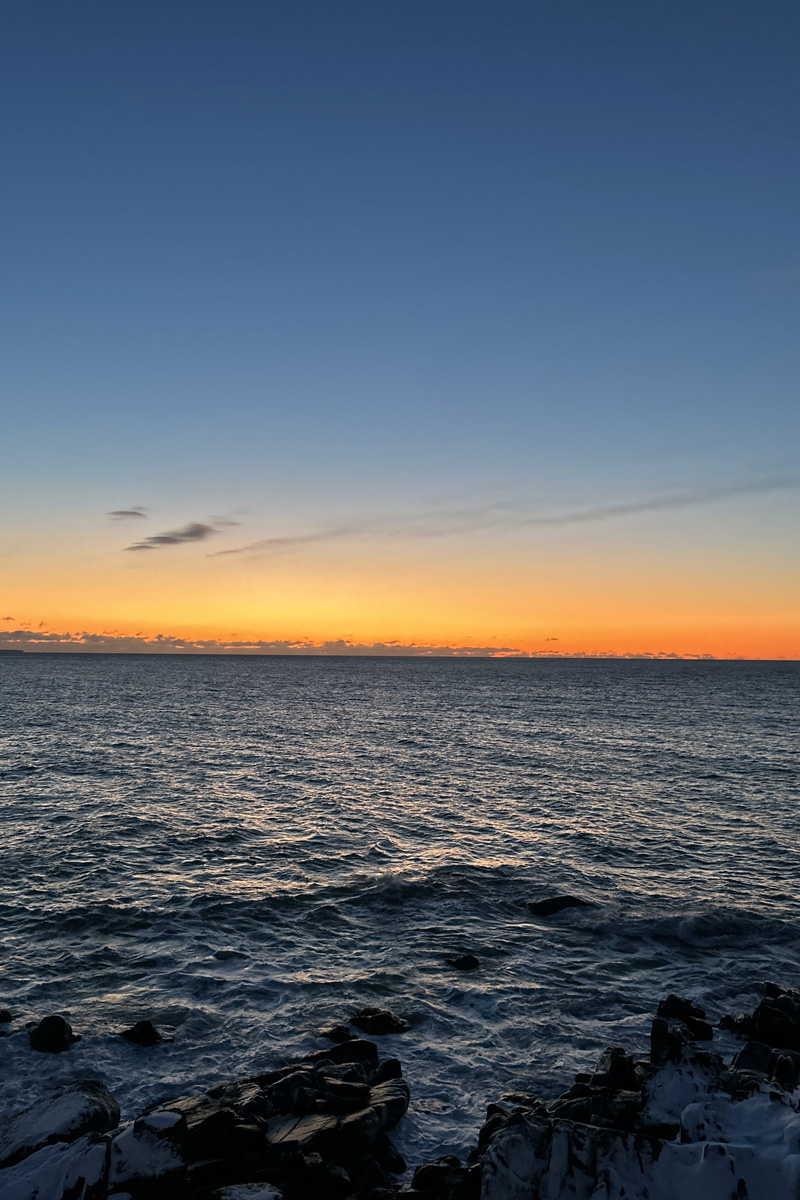
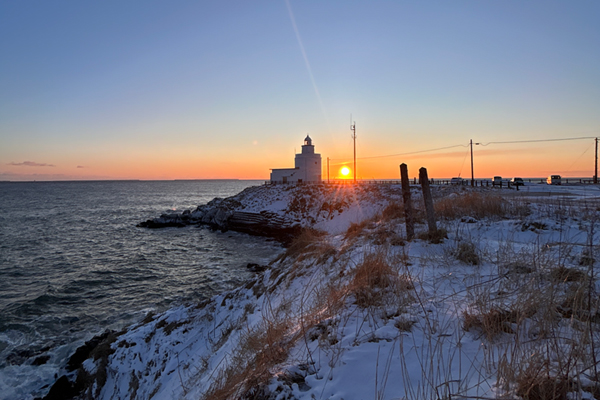
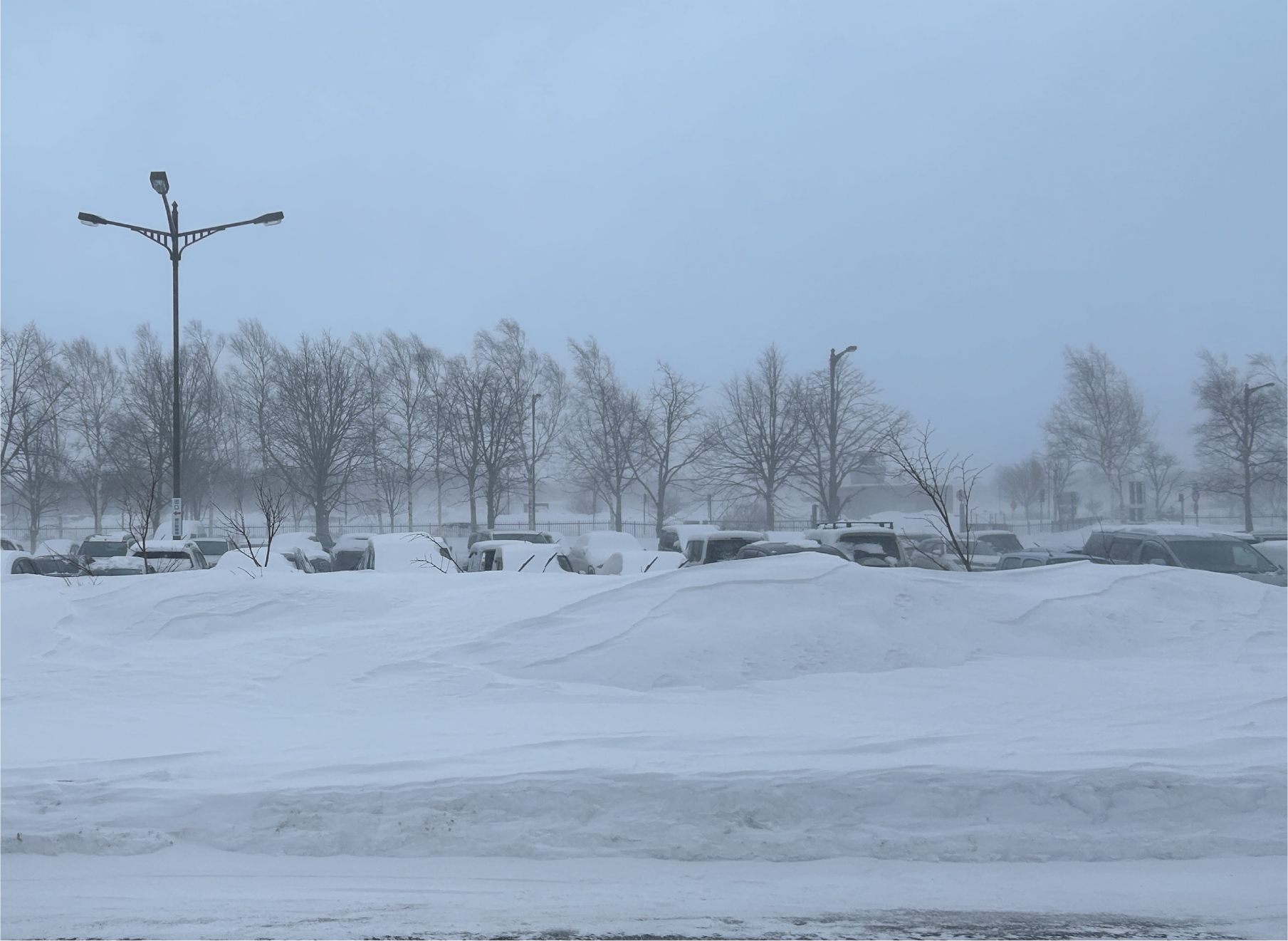
そんな日本を実感するために、最東端の納沙布岬と最西端の与那国島を同日に取材した。日付は冬まっただなかの1月21日。この日は日本海側と北海道に寒波が到来し、根室・納沙布岬では厳しい環境での取材になった。
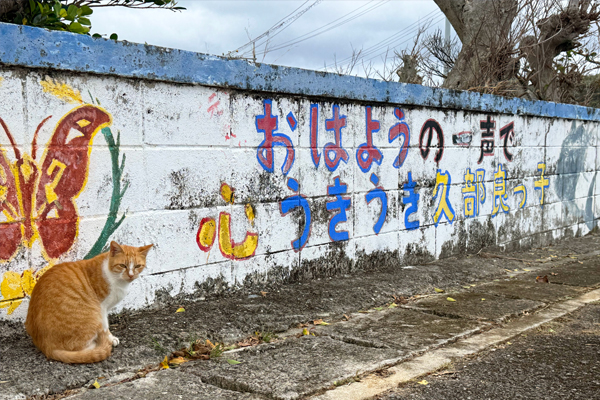
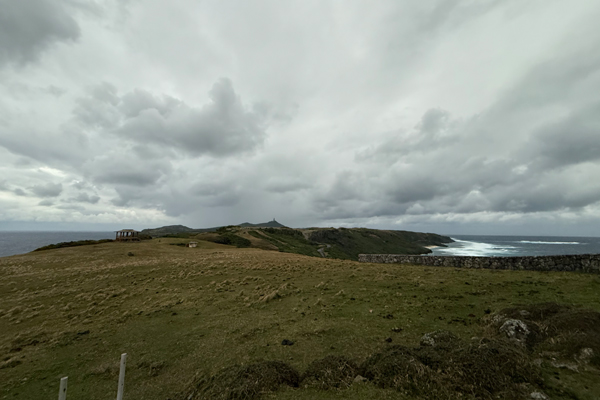
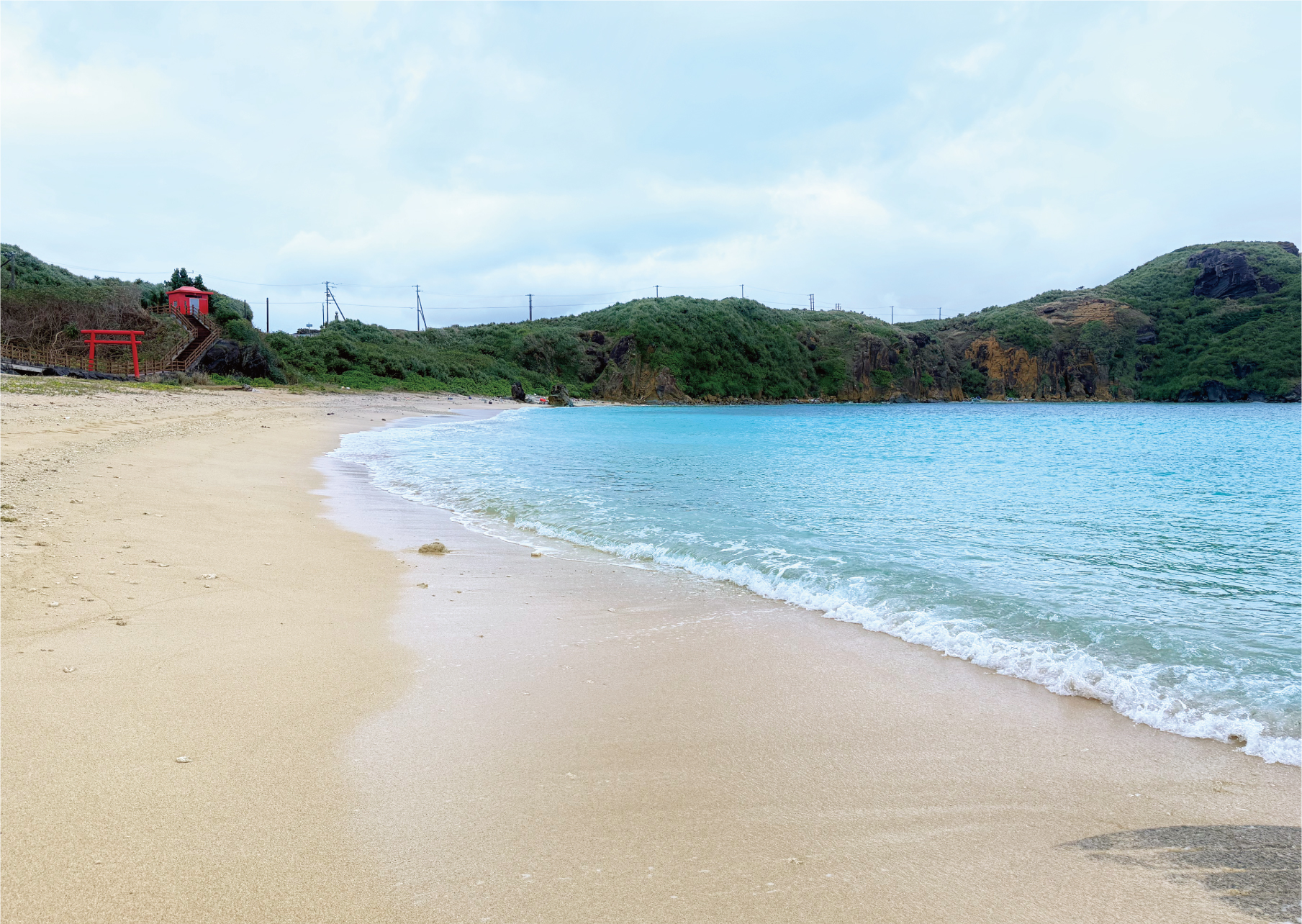
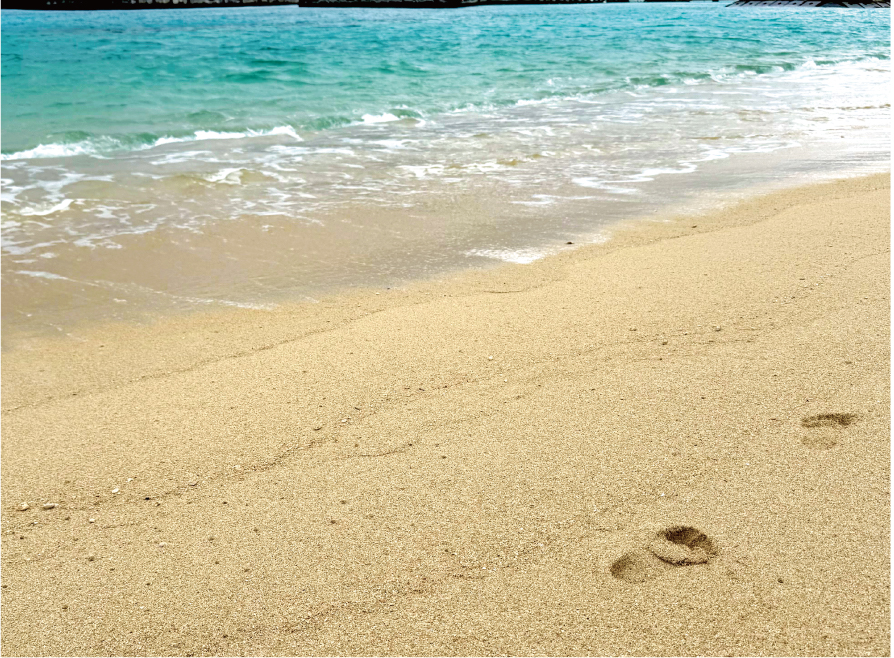
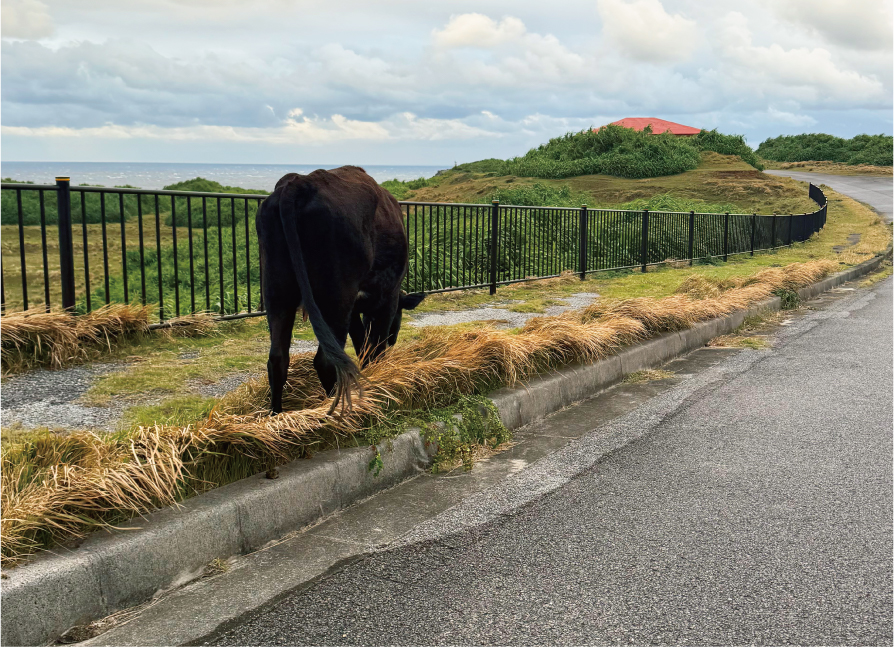
一方で与那国島は南国気分、だったはずが天候が思わしくなく、南の島にしては気温が上がらなかった。曇天のなかでの南国取材になったが、それでも納沙布岬に比べてみれば暖かく、動きやすかった。
厳寒の納沙布岬と南国の与那国島での一日を、時間の経過とともに追ってみた。そして感じたことは、やっぱり、日本は広い。
Japan is vast—a truth that becomes clearer with every journey. The 3,000km span from northernmost Cape Soya to southernmost Hateruma Island mirrors the distance from Tokyo to Taipei. This geographical reach creates a dramatic climate gap, with average temperatures ranging from 6℃ to 24℃. Within this span, diverse cultures flourish. Dialects vary so much that greetings like Tsugaru’s ‘Ohandegasu’ or Kagoshima’s ‘Oyattosa’ can feel like a foreign language. Architecture and cuisine also tell a story of regional pride, from Kyoto’s townhouses and Hokkaido’s gabled roofs to the distinct flavors that define each local table.
Japan’s landscapes are incredibly varied, from Nemuro’s drift ice to Iriomote’s mangroves. Wildlife follows suit, ranging from Hokkaido’s Ezo deer to Okinawa’s Yanbaru kuina. Social habits differ too, seen in escalator etiquette and regional comedy. To feel this scale, we visited the country’s eastern and western extremes on January 21.
While the east battled a fierce cold wave at Cape Nosappu, the westernmost Yonaguni Island remained relatively mild. Tracking these two opposites in a day reaffirmed one undeniable truth: Japan is remarkably vast.

閲覧中の特集はこちら