









歓迎されるまでの、時間とハードル。
Column|2026.5.22
Text_Toshinori Okada
Photo_Toshinori Okada
日本は、外国人にやさしい国なのだと思う。少なくとも、そういうことになっている。
ただ、そのやさしさには少し特徴がある。入口では笑顔で迎え、奥へ進もうとすると、条件が増えていく。滞在の更新、資格の変更、書類の提出。そこにさらに、大きな壁ができる気配が漂ってきた 。
報道によれば、国籍取得に必要な居住要件は「5年以上」から「原則10年以上」へと見直される方向で検討が進んでいるという。また、永住許可は「1万円から30万円」へと引き上げられる案が示され、国会での審議が想定されている。これは大変!
長く住めば住むほど、この国を理解できる。費用を払えば払うほど、本気度も伝わってくる。つまり、そういうことか。理屈としては筋が通っているようには思うけど。
問題は、それが現実的かどうか、ということ。
難民申請中の人たちは、数ヶ月ごとに在留資格の更新を求められる。そのたびに費用がかかるとすれば、これはもはや手続きというより、継続的な負担に近い。そんなのが暮らしのなかに組み込まれたら、たまったものじゃない。
深夜のコンビニで、外国人の店員がひとりでレジに立っている。客の少ない時間帯でも、棚を 整え、床を拭き、期限を確認する。単調な作業を、きっちりと繰り返す。
朝の保育園の前では、小さな子どもの手を引く母親が、少し急ぎ足で門をくぐる。先生に、まだ少しぎこちない日本語で短く挨拶をして、送り届けると、そのまま仕事へ向かう。言葉は多くないが、やるべきことはきちんとこなしていく。
建設現場では、慣れない手つきで工具を扱う若い作業員がいる。昼休み、スマートフォンの画面を見つめる、遠くの国にいる家族や友人とつながる休息の時間だ。
そうした風景は、あまりにも普通に、そこにある。
制度の変更は、そんな普通の生活の上に重なってくる。長く働いても、長く住んでも、「まだ足りない」と言われ続ける。歓迎しているのか、試しているのかよくわからん。
日本はやさしい国だ。たぶん、本当に。ただ、そのやさしさは、たくさんのハードルを超えた人にだけ用意されている、そんな気がする。
How long it takes—and what it takes—to be accepted.
Japan is often seen as a welcoming country—at least, that is the public narrative. However, this kindness has a peculiar trait: a warm smile at the entrance, but increasing hurdles as you venture deeper. Now, signs of even more formidable walls are appearing.
Reports suggest naturalization requirements may double from five to ten years. Meanwhile, visa fees could jump tenfold, and permanent residency costs may triple. The logic, perhaps, is that a longer stay fosters understanding and high costs prove a person’s commitment. But is this realistic? For asylum seekers who must renew their status every few months, such fees aren’t mere paperwork; they are a constant, crushing burden. If these barriers become a permanent fixture of daily life, the weight will simply be too much to bear.
Late at night, a foreign clerk stands alone at a convenience store. Even in the quiet hours, they methodically restock shelves, mop floors, and check expiration dates, repeating monotonous tasks with precision. In the morning, a mother grips her child’s hand, hurrying through the nursery school gates. She offers a brief, hesitant greeting in Japanese before rushing off to work. On construction sites, young workers handle tools with developing skill, using their lunch breaks to gaze at smartphone screens—connecting with families in distant lands.
These scenes are ordinary, woven into the fabric of daily life. Yet, the shifting immigration policies weigh heavily upon these very lives. No matter how long they work or live here, they are told it is “not enough.” It is hard to tell whether they are being welcomed or merely tested.
Japan is a kind country. Most likely, it truly is. However, one cannot help but feel that this kindness is reserved only for those who have managed to clear an ever-increasing number of hurdles.
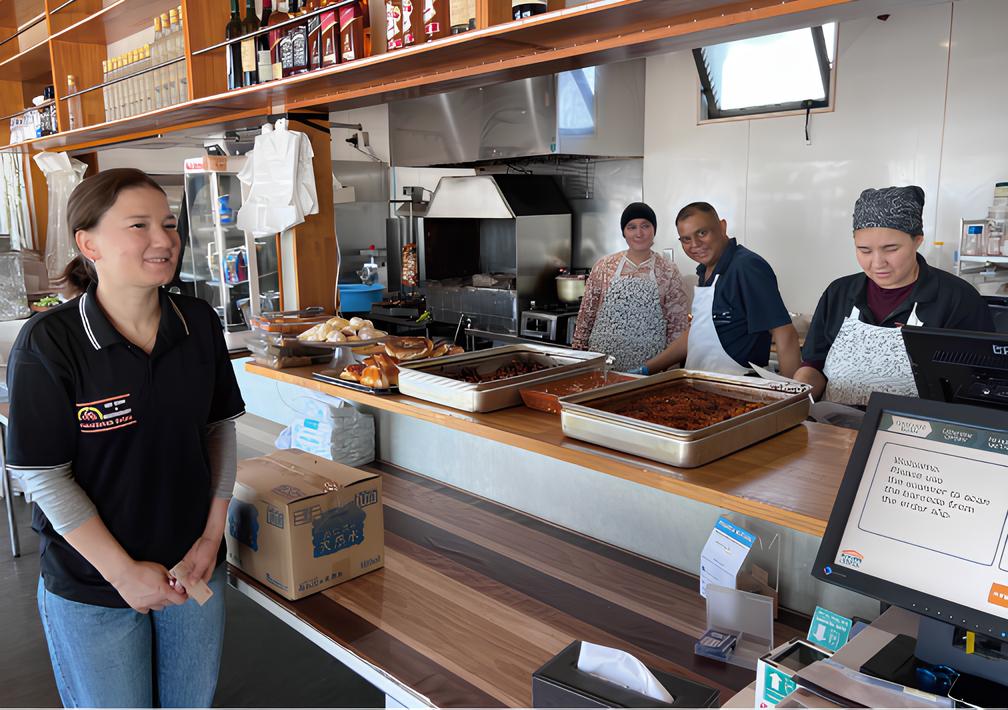
みなさん愛想がいいし、よく働く。
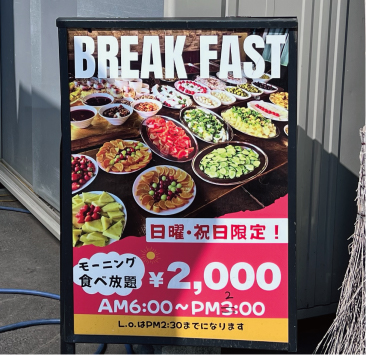
クルドのお店では、週末モーニングサービスも。
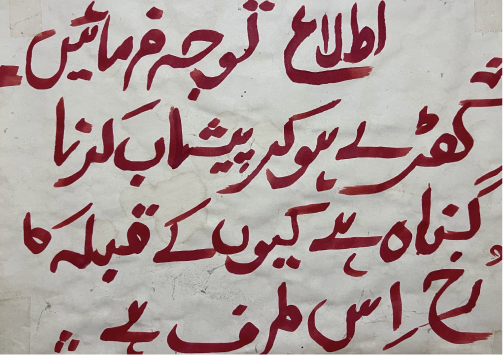
トイレに貼ってあった、メッカの方向を示す注意書き。