





都心よ止まれ。
都心よ止まれ。
止まった未来を前に、東京のこれからを考える、という話。
都心よ止まれ。
Across Tokyo, large-scale redevelopment carries on. Towers rise, offices fill, residents move in, and city life blossoms—or so it was meant to be. Lately, though, something feels uncertain. Costs soar, plans are revised, and completion dates fade away. Behind temporary hoardings lies the surreal sight of silent construction sites. What does this "frozen time" mean? Walking Nakano, Shinjuku, and Roppongi, we ponder Tokyo’s future.
Feature | 2026.9.15
止まった未来を前に、東京のこれからを考える、という話。
東京の再開発はいつも前のめりだ。
古い建物を壊し、もっと高く、もっと大きく、もっと便利に。
再開発の計画書には明るい未来しか載っていない。
予算も工期も、その未来についてくるはずだった。
ところが工費は暴騰し、人は足りず、完成予定の年まで消えはじめた。
中野、新宿、六本木。都心のあちこちで、
未来が足踏みしている。困った。
でも、せっかく止まったのだ、これを機に、よくよく考えてみよう。
そのプロジェクトは、暮らす人たちのためになっているのか。
いったん立ち止まり、再開発の善し悪しを考えてみる。
今号の特集が、そのきっかけになるとうれしいです。
Reflecting on Tokyo’s future in a paused tomorrow.
Redevelopment in Tokyo is always running at full tilt.
Out with the old, in with the new—
taller, grander, and more convenient.
Master plans promise only radiant visions of tomorrow,
with budgets and schedules expected to follow seamlessly.
Yet reality has hit a wall. Costs have skyrocketed,
labor shortages loom, and completion dates are vanishing.
Across Nakano, Shinjuku, and Roppongi,
that promised future is stuck in place.
Perhaps this pause is an opportunity to reflect:
Are these projects truly serving those who live here?
It is time to step back and weigh the merits and flaws of redevelopment. We hope this issue sparks that conversation.
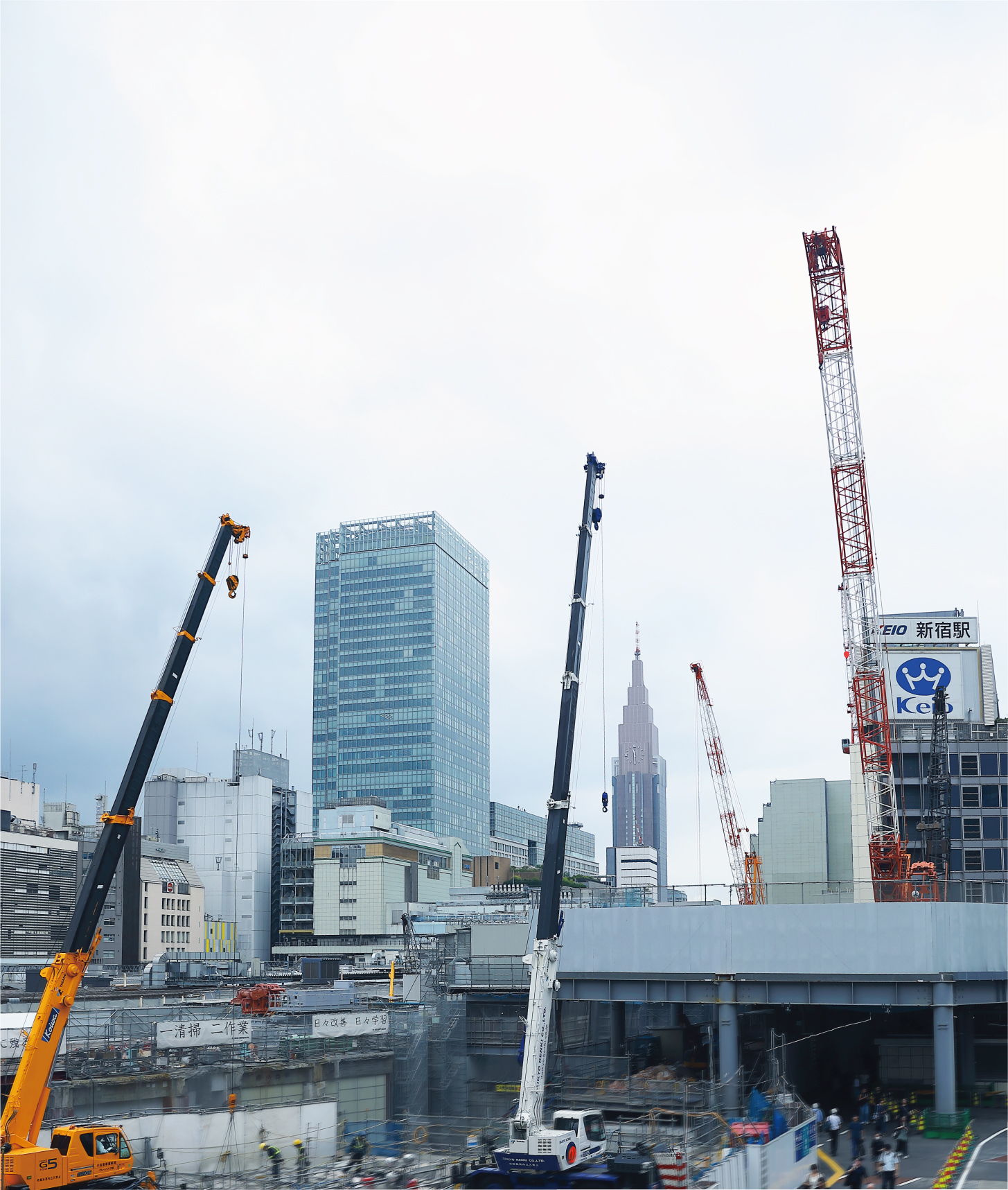
東京ではいたるところで、まだ大規模な再開発が続いている。
新しいビルが建ち、オフィスが集まり、人が暮らし、にぎわいが生まれる。
そのはずだったのに、近頃ではなんだか怪しい。
工事費は上がり、計画は見直され、完成の年が見えなくなってきた。
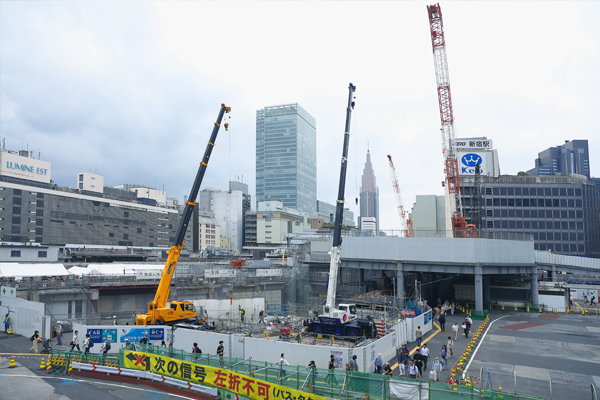
大都市に設けられた、工事用の仮囲いのなかに
静かな工事現場があるというシュールな風景。
いま都心のあちらこちらにある、この「止まった時間」は何だろう。
中野、新宿、六本木を歩き、東京のこれからを考える。
Across Tokyo, large-scale redevelopment carries on. Towers rise, offices fill,
residents move in, and city life blossoms—or so it was meant to be.
Lately, though, something feels uncertain. Costs soar, plans are revised,
and completion dates fade away.
Behind temporary hoardings lies the surreal sight of silent construction sites.
What does this “frozen time” mean?
Walking Nakano, Shinjuku, and Roppongi, we ponder Tokyo’s future.
再開発の話は、いつも夢が詰まっている。ここに広場が生まれ、人の流れが変わり、駅と街がひとつになる。完成予想CGの空はたいてい青く、歩く人はみな楽しそうだ。そして図の隅には、竣工予定の年が小さく記されている。それは、予定どおりに未来がやってくるという約束のはず。
ところが、その年が消えはじめた。資材も人件費も上がり、工事を引き受ける会社が決まらない。2021年1月からの約5年間で、建設資材の価格は38%上昇したという。人件費の上昇まで含めれば、建設コスト全体は平均で26〜30%増。おおまかにいえば、100億円の工事が130億円近くになる計算だ。計画を立てたときの予算では、もう建てることはできない。中野サンプラザの再開発は一度白紙に戻り、新宿駅西南口では完成時期が未定になった。六本木五丁目の巨大計画も、2030年竣工は難しいと事業者自身が話している。
東京は、止まらないことを力にしてきた。古い建物を壊し、床を増やし、どんどん高く積み上げていく。それが都市の活力だと信じてきた。だけど止まってみると、見えてくるものもある。
閉ざされた建物の前を行き交う人、仮囲いの脇で営業を続ける店、動かないクレーン、そしてそこは工事現場とは思えないほど静か。こうして動きだすことを待ち、さらに完成するまでの数年は、事業者には工程の遅れでも、そこで暮らす人には毎日の生活の場。街は工期とは別に、今日も動いている。
再開発を否定するつもりはない。老朽化した建物は直さなければならないし、混雑や防災上の問題も放置できない。ただ、大きくすることと、よくすることは同じだろうか。新しくすることと、暮らしやすくすることも、たぶん同じではない。完成の日付が遠のいた三つの場所を歩く。止まった時間のなかには、街を考え直すための時間も流れている。
Redevelopment plans are full of dreams: new plazas emerge, foot traffic shifts, and stations merge with the city. Renderings feature blue skies and happy faces, with a small completion date in the corner—a promise that the future will arrive on schedule.
Yet those dates are vanishing. Material and labor costs have surged, making contractors hard to find. Since 2021, material prices jumped 38%, pushing total budgets up by 26–30%. A 10-billion-yen project now costs nearly 13 billion yen, making initial budgets unfeasible. Nakano Sunplaza was reset, Shinjuku’s timeline is uncertain, and Roppongi 5-Chome’s 2030 target looks unlikely.
Tokyo always drew strength from relentless growth. Yet in this pause, new perspectives emerge.
People pass by closed buildings, and shops operate beside temporary fences. Cranes stand motionless in an unexpectedly quiet construction site. These years waiting for completion may represent a project delay to developers, but for those who live here, it remains the setting of their daily lives. Regardless of schedules, the city moves forward today.
I do not intend to deny redevelopment. Aging structures need repair, and safety issues cannot be left unaddressed. Yet, is making something larger truly the same as making it better? Is making something brand new the same as making it more liveable? Probably not. Walking through three delayed locations, I feel that within this frozen time, a quiet moment flows to rethink what a city should truly be.
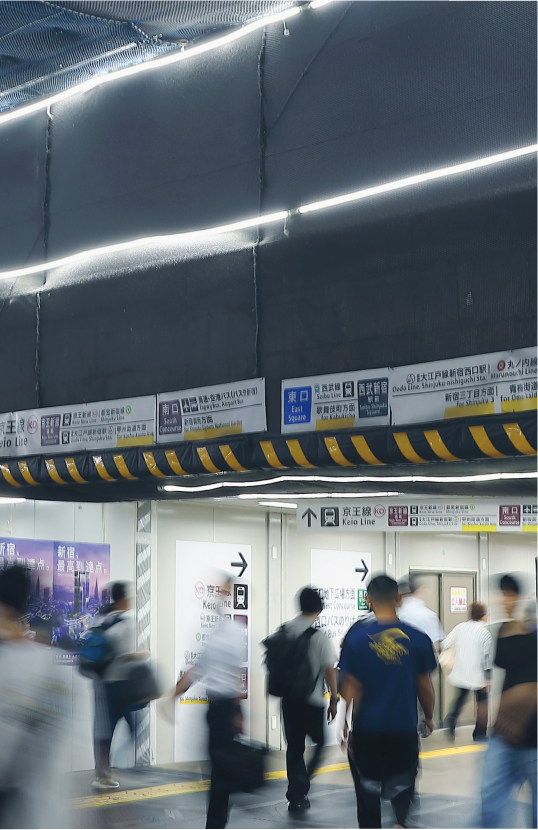
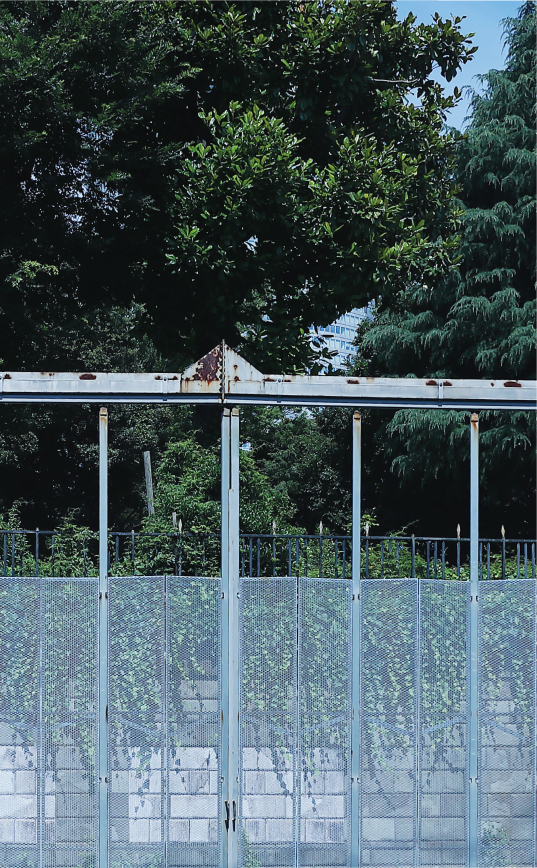
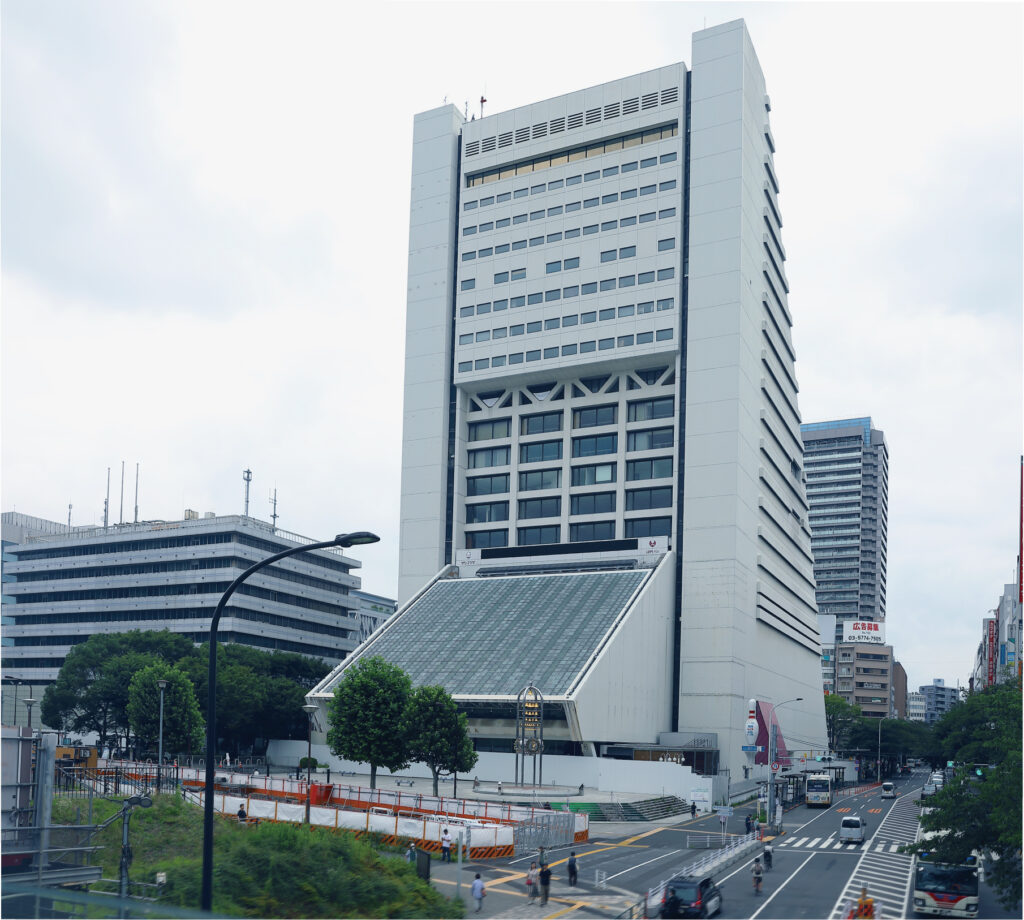
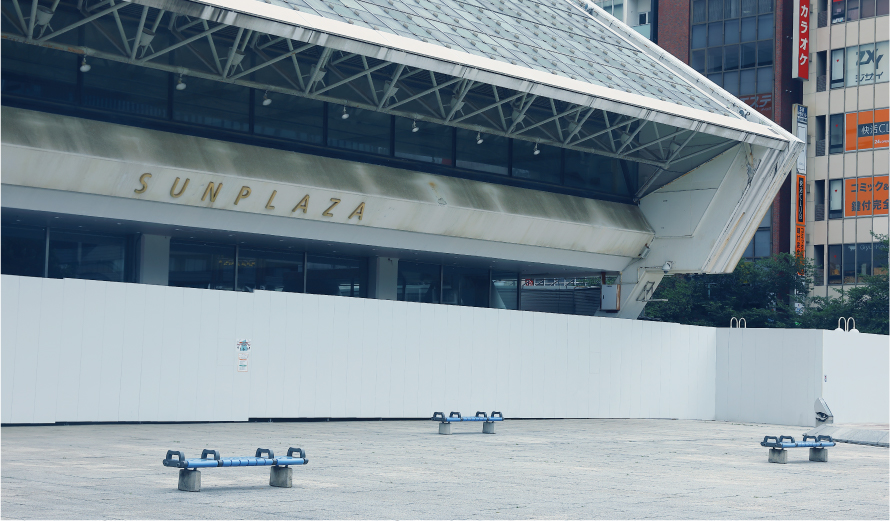
白い三角形だけが、まだそこにある。街の顔を失った中野サンプラザの再開発。
Only the white triangle remains. The redevelopment of Nakano Sunplaza has stripped the town of its icon. Closed in 2023, its plans were scrapped, leaving only rewritten schedules.Time for the building stands still
Feature | 2026.8.20
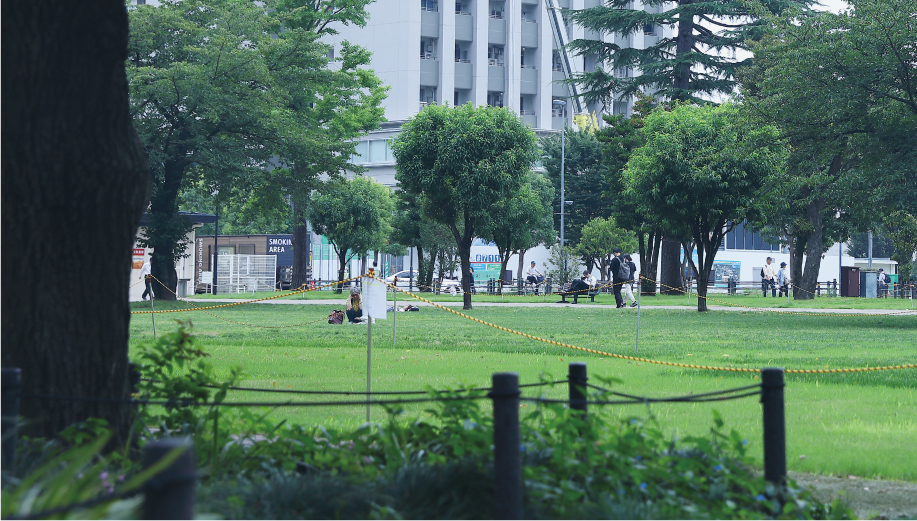
2023年に閉館し、計画はいったん白紙になり、
新しい予定だけが書き直された。
建物の時は、まだ動き出していない。
中野駅の北口を出る。駅前に、あの白い三角形が見える。中野サンプラザ。姿は以前と変わらないのに、まわりは仮囲いで閉じられている。2023年7月、開業から50年で閉館した。館内の設備や什器は可能な限り撤去され、2024年3月末には通電も止まった。駅前の一等地に建物だけが立っている。
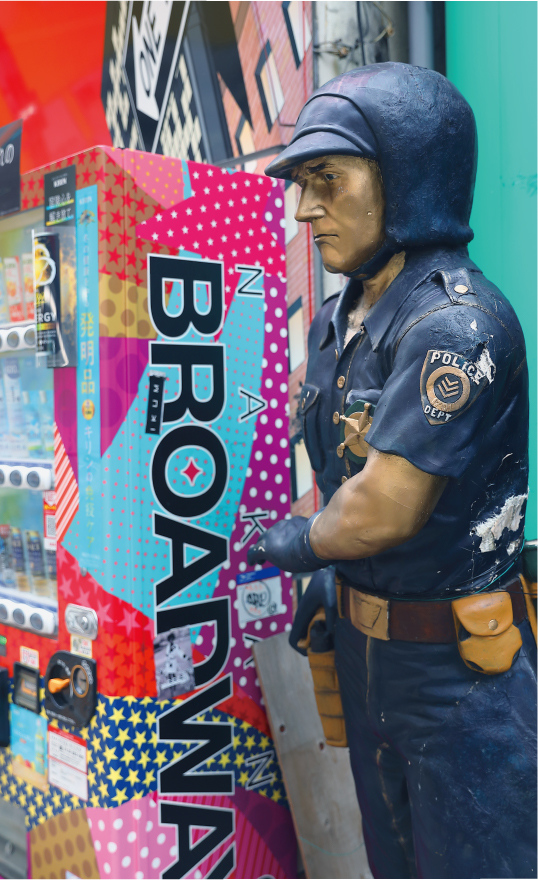
妙な感じがする。その周囲が、あまりにも中野らしく動いているからだ。サンモールには多くの人がいて、ブロードウェイへ流れ込む。昼から飲める店があり、古本とフィギュアと高級時計が並んでいる。整然とはしていない。だから、歩いていて飽きない。サンプラザは、そんな街の待ち合わせ場所だった。コンサートを観に来た人、ホテルに泊まる人、上の階から東京を眺める人。誰かの思い出の中に建っていた。
建物を残してほしいという声もあった。けれど中野区の概算では、改修費は約175億円。しかも、区が負担する費用だ。壊すのも、残すのも簡単ではない。
その場所には、7000人規模のホールを中心とする高層複合施設が計画された。だが、施行認可申請時の総事業費は2639億円まで膨らみ、計画は行き詰まった。2025年6月、中野区は施行予定者との基本協定を合意解除。旧計画は、いったん白紙へ。
2026年7月、区は新たな方針を示した。多目的ホールは3000人を基本とし、2500〜5000人に対応する規模へ縮小。2030年度に解体・建築工事に着手し、2034年度の竣工を目指すという。ふたたび、数字と日付が並びはじめた。
新しい建物は、たぶん立派になる。でも、それだけでは居心地はつくれない。中野の気安さや、人が混ざり合う感じまで、再開発のなかに残せるか。
計画には「サンプラザのDNAを継承する」とある。DNAって、何だろう。三角形の外観か、ホールの席数か、それとも街のシンボルであることか。形ではなく役割を受け継ぐのなら、その中身をいま、はっきりさせたほうがいい。
止まった時間はサンプラザを傷め、維持費を生む。長ければいいわけではない。ただ、急いで建てることだけが、街を前へ進めることでもない。サンプラザを失った後も中野が中野であるために、何を残すのか。白い三角形は、答えを待つ巨大な空欄に見える。
Only the white triangle remains.
The redevelopment of Nakano Sunplaza has stripped the town of its icon.
Closed in 2023, its plans were scrapped, leaving only rewritten schedules.Time for the building stands still.
Exit Nakano Station’s north gate, and the familiar white triangle of Nakano Sunplaza appears. Though its appearance remains unchanged, it is enclosed by temporary fences. Closed in July 2023 after 50 years, its equipment was removed, and power was cut in March 2024. Only the structure stands on this prime station-front site.It feels strange because the surroundings buzz with distinct Nakano vitality—people stream from Sun Mall to Broadway, enjoying daytime bars, used books, figures, and luxury watches. Sunplaza was the ultimate meeting spot, firmly built within people’s memories.
While some called for preservation, renovation was estimated at 17.5 billion yen. Plans for a high-rise complex with a 7,000-seat hall ballooned to 263.9 billion yen, reaching a standstill. In June 2025, the basic agreement was dissolved, sending the project back to a clean slate. In July 2026, the ward set a new policy: downscaling the hall to 2,500–5,000 capacity (3,000 baseline), with demolition in 2030 and completion in 2034. Numbers and dates line up again.
The new building may be grand, but structure alone cannot create comfort. Can Nakano’s friendly vibe and vibrant mix of people survive redevelopment?
The plan promises to “inherit Sunplaza’s DNA.” Is that its shape, seating count, or status as a local icon? To inherit its role rather than form, its true meaning must be clarified now.
Delays damage the site and build costs; speed alone isn’t progress either. What must remain for Nakano to stay Nakano? The white triangle stands as a giant blank space waiting for an answer.
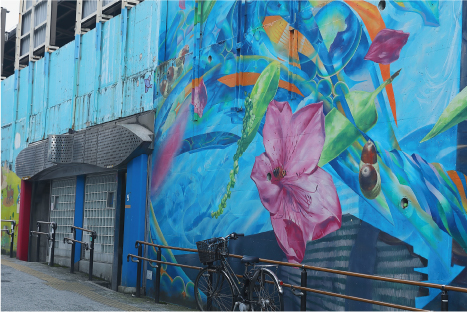
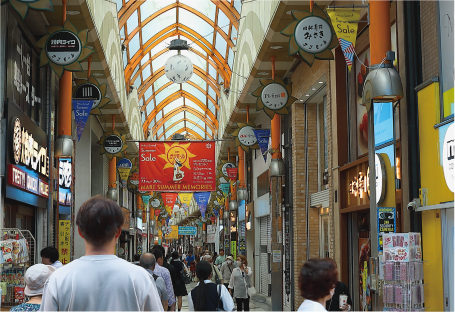
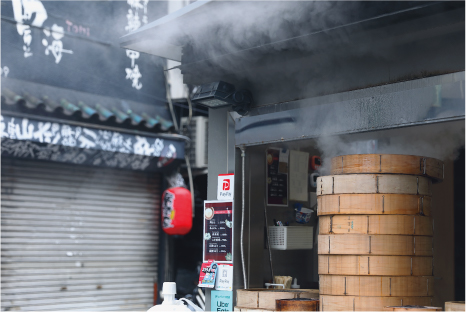
壊す工事だけが、先へ進んでいる。完成の日付を失った新宿駅西南口。
Demolition moves forward. Shinjuku Station southwest exit lost its completion date. 2028 completion became "TBD."Demolition goes on, yet future plans remain unseen.walk through Shinjuku—stuck, yet relentless.
Feature | 2026.8.20
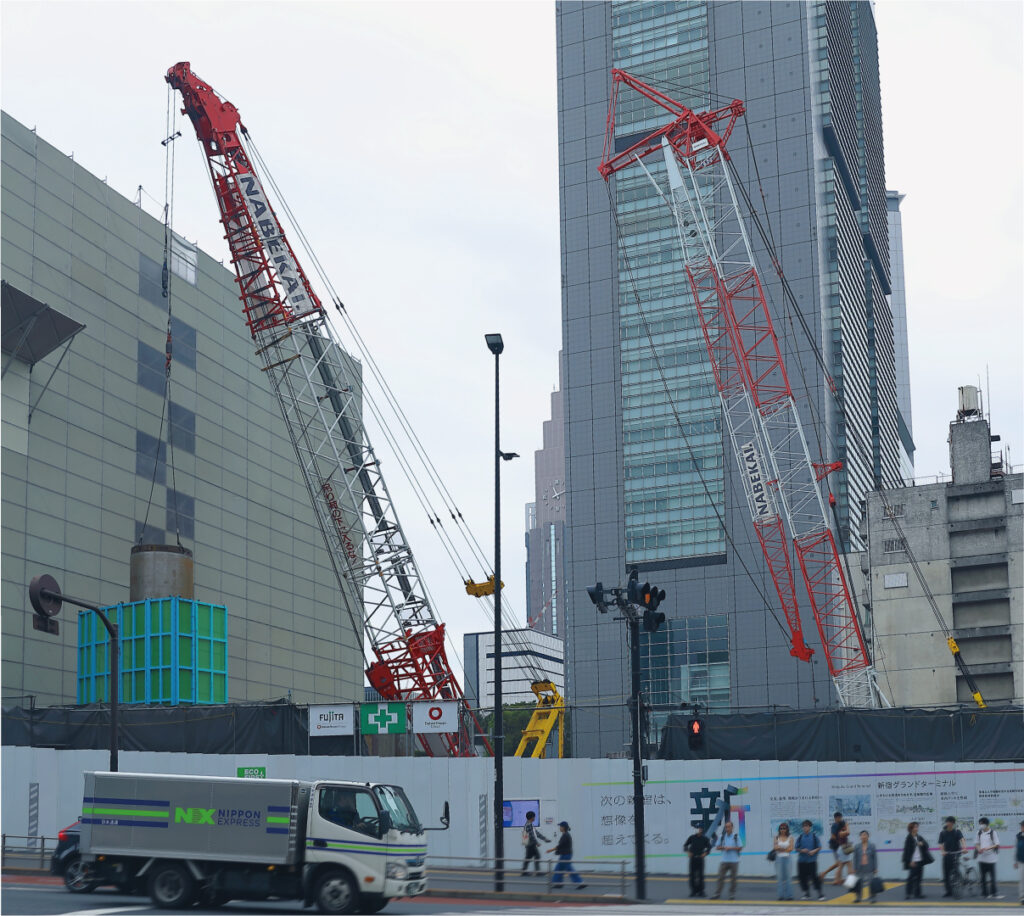
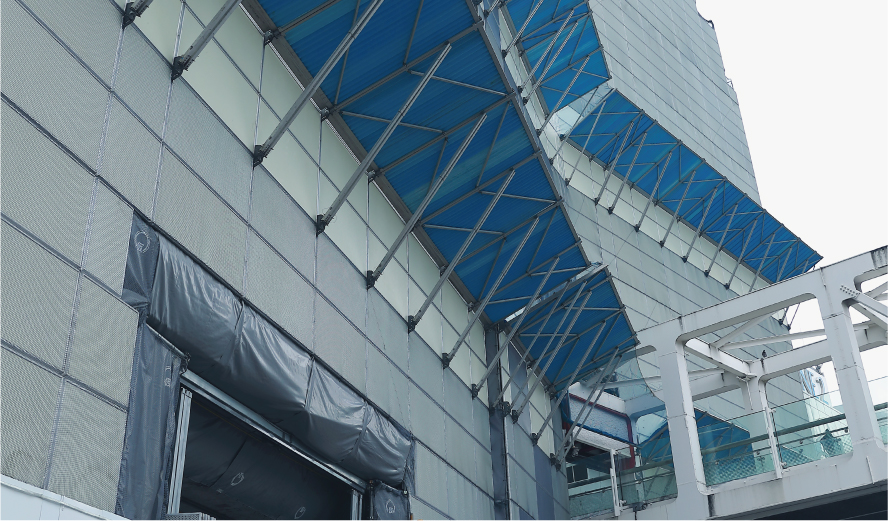
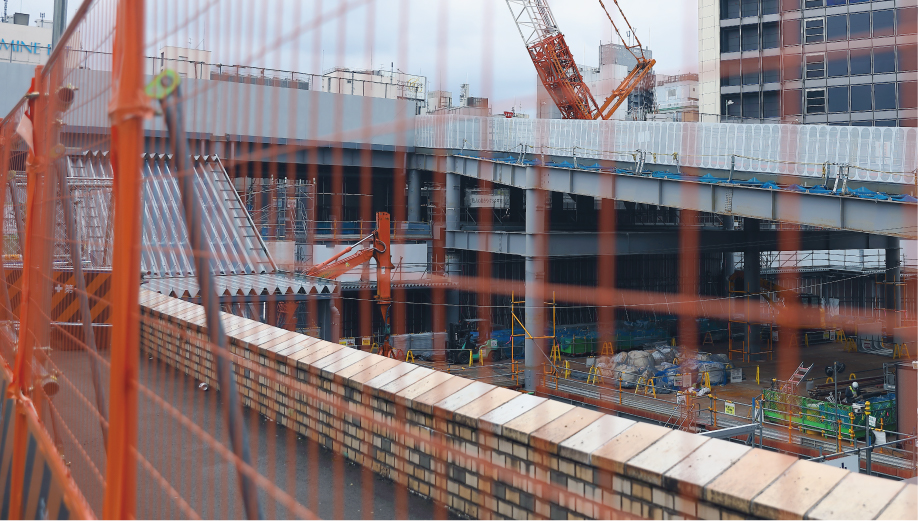
2028年度の竣工予定が「未定」に変わった南街区。
解体工事は進んでいるのに、その先の工期は見えない。
止まっているのに、止まることのできない新宿を歩く。
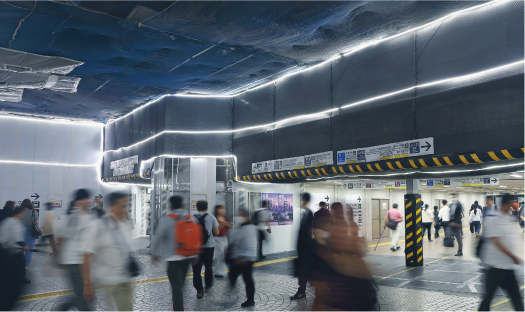
新宿駅では、迷うことが街の一部になっている。西口へ出たいのに南口へ着く。地上へ上がったつもりが、まだ地下にいる。案内表示を一枚見落とすだけで、たちまち人の流れに逆らうことになる。
西南口の再開発は、その複雑さを解消する大きな計画だった。京王電鉄とJR東日本が、駅の南西側に高さ200メートルを超える高層複合施設をつくり、南街区を整備する。商業施設、オフィス、ホテルが入り、京王線新宿駅の改良や歩行者ネットワークの整備も進める。計画は2023年度に始まり、南街区は2028年度の完成を目指していた。けれど、その2028年度が「未定」に変わった。
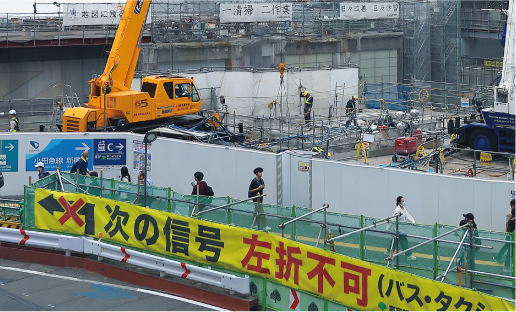
工事の施工者が決まらないまま、2025年3月、工期は見直された。その間も、既存建物の解体は続く。ミヤコビルと地下部の解体は、2029年3月末までを予定している。だが、その後の新築工事は、着工時期も竣工時期も、施工者も決まっていない。現場は動いている。重機が入り、建物は消えていく。それなのに、向かう先を示す日付だけがない。
建てる時間だけが宙に浮いても、街は止まらない。電車は毎日走り、人は途切れることなく駅を通り抜ける。道路、線路、地下通路、商業施設。長い時間をかけて継ぎ足された都市を、営業させたまま組み替える。考えてみれば、とんでもなく難しい仕事だ。
南街区が完成した後には、京王百貨店のある北街区に着手する計画もある。北街区は2040年代の竣工を見込む。南の遅れは北にも影響する。仮設の通路や工事囲いを日常として受け入れる期間は、いったい何年になるのだろう。
再開発が目指す、動線のわかりやすさや安全性、乗り換えのしやすさは必要だと思う。一方で新宿は、すべてがきれいにつながらないことで、いろいろな人や場所を抱えてきたようにも思う。地下の小さな店、行き止まりのような通路、地上へ出たときの方角のわからなさ。合理化のなかで消えるものに、この街の面白さまで含まれていないだろうか。
壊す工程だけが進み、つくる時間は決まらない。西南口で止まっているのは、現在そのものなのかもしれない。ここを毎日通り抜ける人に、計画は何を伝えるのか。完成予想図より先に、いまの街への理解が要る。そして、決まっていないことを伝える言葉も。
Demolition moves forward. Shinjuku Station southwest exit lost its completion date. 2028 completion became “TBD.”
Demolition goes on, yet future plans remain unseen.
I walk through Shinjuku—stuck, yet relentless.
At Shinjuku Station, getting lost is part of the urban experience. You head for the West Exit only to end up at the South Exit. You think you have reached ground level, but you are still underground. Missing just a single sign instantly puts you against the flow of people.
The southwest exit redevelopment aimed to fix this. Keio and JR East planned a 200m-plus skyscraper with shops, offices, and a hotel, completing the south district by fiscal 2028. However, that target year changed to “TBD.”
With no contractor chosen, the schedule was revised in March 2025. Demolition continues through March 2029, yet future start dates, completion dates, and contractors remain undecided. Heavy machinery moves and buildings vanish, yet no date guides the future.Even if construction timelines hang in limbo, the city never stops. Trains run daily, and crowds pass through. Rebuilding a city pieced together over time while keeping it operational is an immensely hard task.
Plans also exist for the north district after the south finishes, targeting the 2040s. Delays in the south impact the north. How many years will temporary walkways and construction fences remain part of daily life?Clearer foot traffic, safety, and easier transfers are necessary. Yet Shinjuku has embraced diverse people and places precisely because not everything connects neatly. Small underground shops, dead-end corridors, and disorientation above ground—does rationalization risk erasing the city’s charm? Only demolition proceeds while building schedules stay unknown. Perhaps what stands still here is the present itself. Before renderings, we need understanding of the present city—and words to explain what remains undecided.
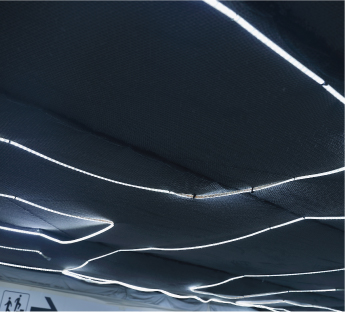
巨大すぎて、予定どおりには動けない、六本木五丁目の再開発。
A 327m future floats above. Too huge to proceed as planned: Roppongi 5-chome. 800 billion yen, Japan's largest scale. 2030 completion slipped to 2032. Beneath this huge project sits present-day Roppongi.
Feature | 2026.8.20
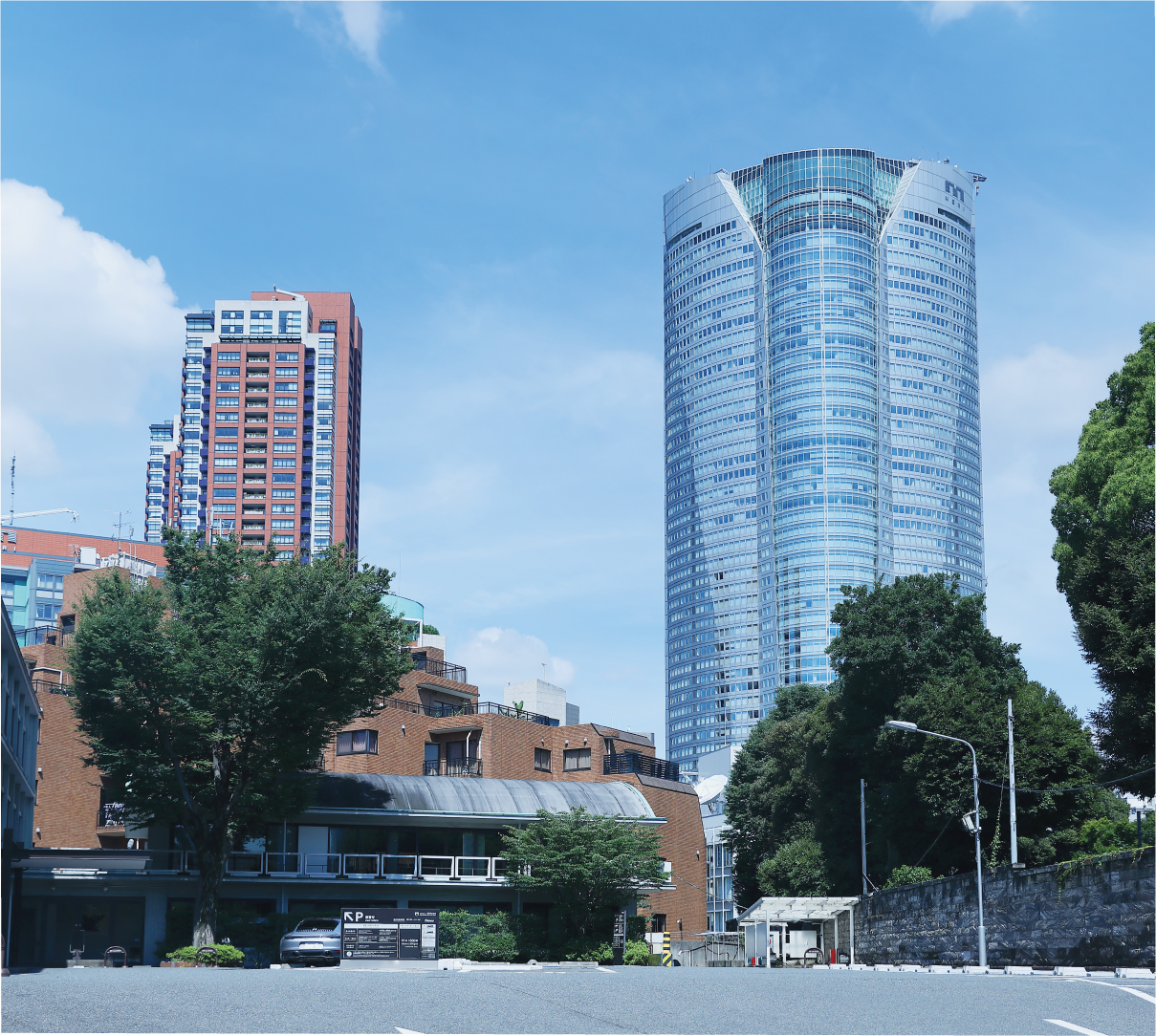
高さ327メートルの未来が浮かんでいる。
巨大すぎて、予定どおりには動けない、六本木五丁目の再開発。
総事業費8000億円規模ともされる、日本最大級の構想。
2030年度の竣工は難しくなり、2032年度予定となった。
その途方もないプロジェクトの足元に、いまの六本木がある。
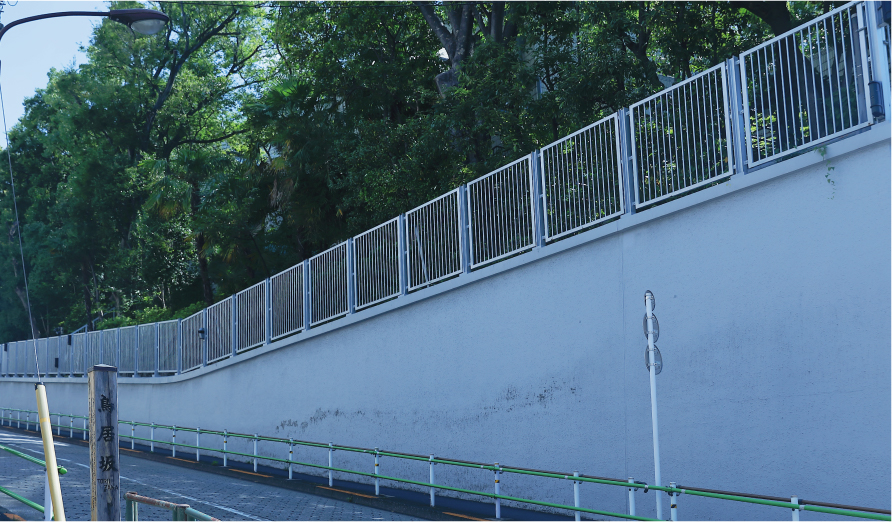
六本木交差点から芋洗坂を下る。脇へ入れば道は細くなり、坂は曲がり、建物の高さもばらばらになる。飲食店の看板の向こうに住宅があり、学校や教会もある。国際都市、夜の街、生活の街。六本木という名前のなかには、いくつもの時間が重なっている。
この一帯、約9.2ヘクタールが、六本木五丁目西地区再開発の舞台だ。中心となるA-1街区は地上66階、高さ327メートル。向かいのB街区には、地上70階、高さ288メートルの住宅棟が計画されている。総延床面積は約108万平方メートル。当初は約1000戸の住宅も想定され、都市計画決定時に示された総事業費は8000億円規模だった。いくつかのビルというより、街をもう一つつくる。そんな大きさだ。
もちろん、大がかりに更新する理由はある。地区内には細い道や行き止まりがあり、旧耐震基準の建物も多い。土砂災害特別警戒区域も一部に含まれる。六本木交差点では車が滞り、地下鉄駅の周辺には人がとどまれる空間が少ない。安全や移動の問題を、いまのままにしてよいわけではない。ただ、その解決のための場が、あまりにも大きい。
2024年4月に都市計画が決まり、当初は2025年度着工、2030年度竣工とされた。しかし2026年5月、事業協力者である森ビルは、建築費の高騰と工期の長期化を理由に、2030年度の竣工は難しいとの見通しを示した。翌6月、準備組合が公表した参考工程では、組合設立認可を2026年度、工事完了を2032年度とした。しかも工程は、まだ「見直し中」だという。途方もない構想は、その大きさゆえ、簡単には動けない。
そもそも、急に持ち上がった話ではない。地元のまちづくり協議会が生まれたのは2006年、再開発準備組合は2008年にできた。もう20年が過ぎている。だが、目に見える建物は、まだ姿を現していない。
六本木には六本木ヒルズがあり、東京ミッドタウンがあり、近くには麻布台ヒルズもできた。そこへまた、国際競争力を高めるための床を増やす。どこまで増えれば都市は完成するのだろう。それとも、都市は完成などしないものなのか。
高い建物に反対したいのではない。古い路地をそっくり保存すればよいとも思わない。考えたいのは、そこにあった“らしさ”を、新しい街がどこまで受け止められるかということだ。高さ327メートルの未来を見上げる前に、その足元にある、名前のない現在をもう少しよく見ておきたい。
A 327m future floats above. Too huge to proceed as planned: Roppongi 5-chome.
800 billion yen, Japan’s largest scale. 2030 completion slipped to 2032.
Beneath this huge project sits present-day Roppongi.
Walk down Imoarai-zaka from Roppongi Crossing. Turn into side streets and roads narrow, curve, and building heights vary. Restaurants sit next to homes, schools, and churches. Global hub, nightlife spot, daily life—multiple layers of time coexist in Roppongi.
This 9.2-hectare area is the Roppongi 5-chome West site. Block A-1 features a 327m, 66-story tower; Block B plans a 288m residential tower. With 1.08 million m² total floor area and 800 billion yen cost, it is less about building towers than creating a new city.
Upgrades are needed: narrow paths, old seismic standards, landslide hazard zones, traffic jams, and crowded station areas require safety fixes. Yet, the scale of the solution remains overwhelmingly massive.
Approved in April 2024, the plan originally targeted start of construction in fiscal 2025 and completion in fiscal 2030. However, in May 2026, Mori Building cited soaring construction costs and longer timelines, making 2030 unrealistic. Revised plans push completion to fiscal 2032, yet schedules remain under review.A project of this immense scale cannot move easily.
This idea didn’t emerge overnight. The local council formed in 2006, and the union in 2008. Over two decades have passed, yet no visible building has appeared. Joining Roppongi Hills, Tokyo Midtown, and Azabudai Hills, more floor space is added to boost global competitiveness. How much expansion does it take for a city to be complete? Or is a city never truly finished?This isn’t opposition to tall towers or nostalgia for old alleys. It is about how well new developments can retain local identity. Before looking up at a 327m future, we should look closely at the nameless present at our feet.
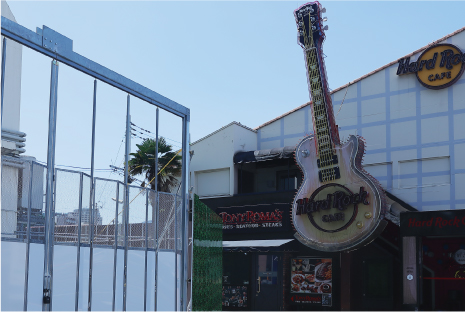
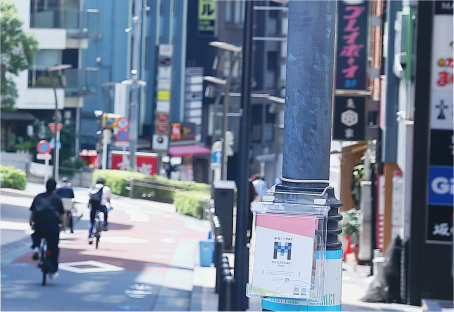
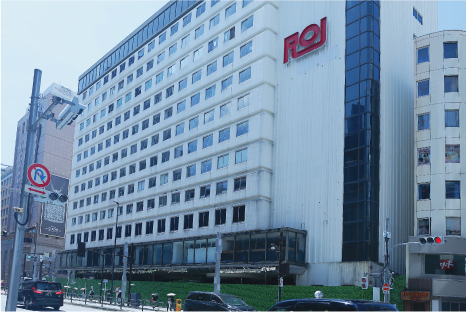
再開発が優先してきたものを、いま問い直す。建築家・山本理顕氏に聞いた。
Rising costs, labor shortages, low profits. That is how halted Tokyo redevelopments are explained. …Is that all? Investors over residents, sellable space over city memory. We rethink these priorities. An interview with architect Riken Yamamoto.
Feature | 2026.8.20
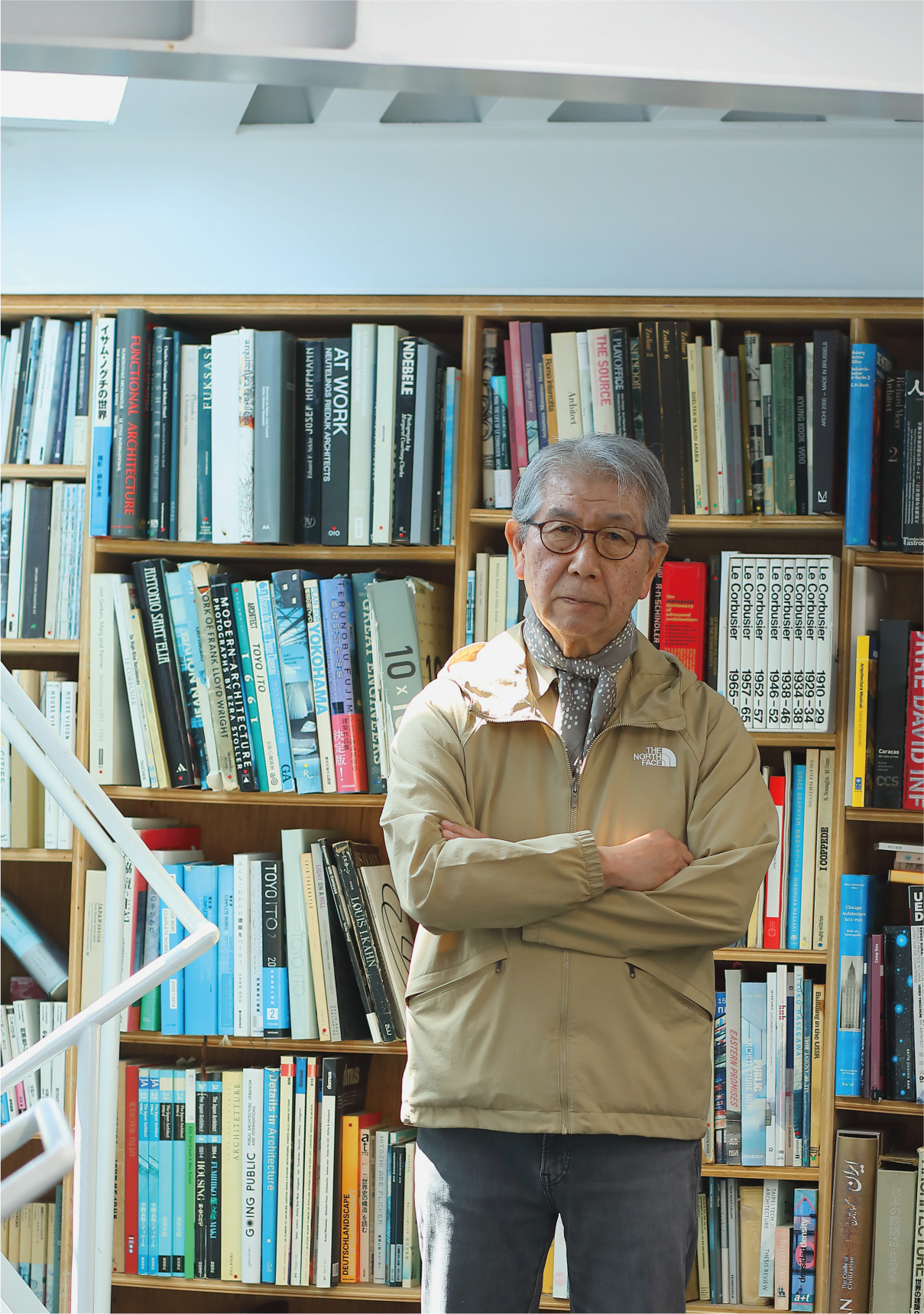
工費が上がった。人が足りない。採算が合わない。
都心の再開発が止まった理由は、そう説明される。問題はそれだけだろうか。
住む人より投資する人、街の記憶より売れる床。再開発が優先してきたものを、いま問い直す。
建築家・山本理顕氏に聞いた。
Rising costs, labor shortages, low profits.
That is how halted Tokyo redevelopments are explained. …Is that all?
Investors over residents, sellable space over city memory.
We rethink these priorities.
An interview with architect Riken Yamamoto.
『再開発は、真面目にやらなきゃダメですよ。』
いま、停滞している都心の再開発に対して、
山本さんはどう思っていますか?
一言でいえば、真面目にやっていないからです。制度をつくる側も、事業をする側も、建築家も。大きなお金を使い、街の姿を変えるのだから、真面目にやらなきゃダメですよ。
もともと建築には、乱暴なものにならないよう、法律や条例で規制の網がかけられていました。ところがいまは、その網をどうすり抜け、もっと高く、大きく建てるかを考える。行政側も規制を緩めるなどをして応える。その結果、法律を破るのではなく、むしろ法律を使って、建てられる床を増やしていくんです。
背景の一つに、不動産の証券化があります。ファンドを通じて建物にお金を集められるようになり、住む人のためでも、働く人のためでもなく、投資家の利回りを高めるために建てるようになった。建築がお金を生む商品になったんです。
そうなると、床は多いほうがいい。許される限り高く、大きくする。でも、建築家の仕事は、法令の限界まで床を積み上げることじゃない。法令を守って建てられるとしても、周辺にとってよくないなら低くする。その判断をするのが建築家です。
今回の停滞は、工費の高騰だけが原因ではありません。同じ仕組みを繰り返すうちに、その仕組み自体が行き詰まった。当たり前ですよ。永遠に同じやり方で儲かるはずがない。
だから、止まった計画をそのまま再開できるのか。私はかなり難しいと思います。すでに投資した人は困るでしょう。正直にいえば、私にもすぐに答えがあるわけではありません。でも、採算が合うまで待って、また同じものを建てることが答えではないのは、はっきりしています。
再開発では、広場やデッキ、緑地をつくって「公共性があります」と説明します。でも、広場があれば公共という話ではない。よくあるように、禁止事項によって公共空間ができるはずはない。私たちが自由に入れるから、公共なんです。
あらゆる建築には公共性があります。大きな建築ほど、周辺の暮らしや風景を変えるのだから、その責任は重くなる。事業者が儲けるのは悪いことではありません。儲けていいんです。ただ、誰のための建築で、街に何を残すのかも、同じくらい真面目に考えてほしい。
止まったのなら、ちょうどいい。まず、誰のための再開発なのかを考え直すべきです。その答えが「投資する人のため」というだけなら、建てないほうがいい。都市は、誰か一人の所有物ではないんですから。
“Redevelopment must be taken seriously”
—What are your thoughts
on current stalled urban redevelopments in central Tokyo?
In short, it is because people aren’t taking it seriously—policymakers, developers, and architects alike. When using vast funds and altering cityscapes, you must be serious.
Originally, architecture had laws and regulations to prevent reckless building. Today, people figure out how to bypass those grids to build higher and larger. Authorities respond by easing rules. Consequently, instead of breaking laws, they use laws to maximize sellable floor area.
Behind this lies real estate securitization. Gathering money through funds, buildings are constructed not for residents or workers, but to raise investor yields. Architecture became a commodity that generates cash.
Naturally, more floor space is better, pushing height and size to the limit. But an architect’s job isn’t stacking floor area to legal boundaries. Even if legally permitted, if harmful to surroundings, keep it lower. Making tha tjudgment is the architect’s duty.
This stall isn’t caused by rising costs alone. Repeating the same mechanism led to its deadlock. Naturally, no method stays profitable forever.
Can paused plans restart as they were? I find that doubtful. Early investors will struggle. Honestly, I lack an immediate answer. Yet waiting for profitability just to build the same thing is clearly wrong.
Redevelopments offer plazas, decks, or green spaces, claiming “public value.” But a plaza alone doesn’t create public space. If filled with restrictions, as is common, it isn’t public. Space is public because we enter freely.
All architecture possesses public nature. Larger buildings alter surroundings and lives, carrying heavier duties. Profits aren’t bad. Developers should profit. Yet they must seriously ask who it serves and what stays in the city.
This pause is a good chance to rethink who redevelopment is for. If the answer is “for investors,” build nothing. A city belongs to no single owner.
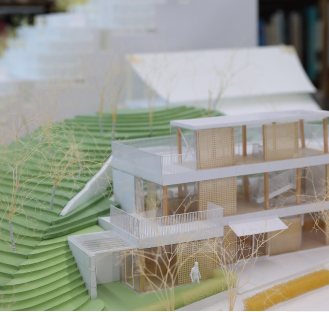
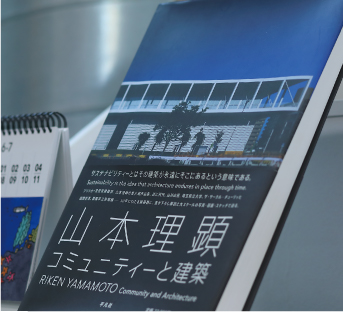
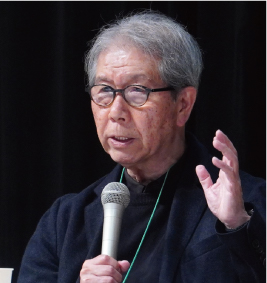
©sekiguchitaketo
建築家
山本理顕氏(やまもと・りけん)
1945年北京生まれ。1973年、山本理顕設計工場を設立。
住宅から公共施設まで幅広く手がけ、建築と地域社会の関係を問い続ける。代表作に埼玉県立大学、横須賀美術館など。2024年、建築界のノーベル賞とも称されるプリツカー賞を受賞。