







異国が混じる団地の隣で出会う、本当のベトナム。
Feature | 2026.5.22
[ ベトナム料理 THANH HA(タンハー)]
高座渋谷、いちょう団地のそば、食と人が交わる食堂「タンハー」。
ベトナム料理 THANH HA (タンハー)
〒245-0018 神奈川県横浜市泉区上飯田町3050
tel.045-878-1720
神奈川県大和市、高座渋谷。小田急江ノ島線が通るこの街は、穏やかな住宅地の顔を持ちながら、異国の気配も併せ持っている。
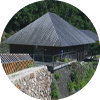
駅から少し離れた場所に広がる、いちょう団地。高度経済成長期に建てられた大規模団地は、いまでは多くの、海外をルーツとする人々が暮らしている。ベトナム、中国、南米などのさまざまな言葉が飛び交い、食材店や雑貨店が点在する。
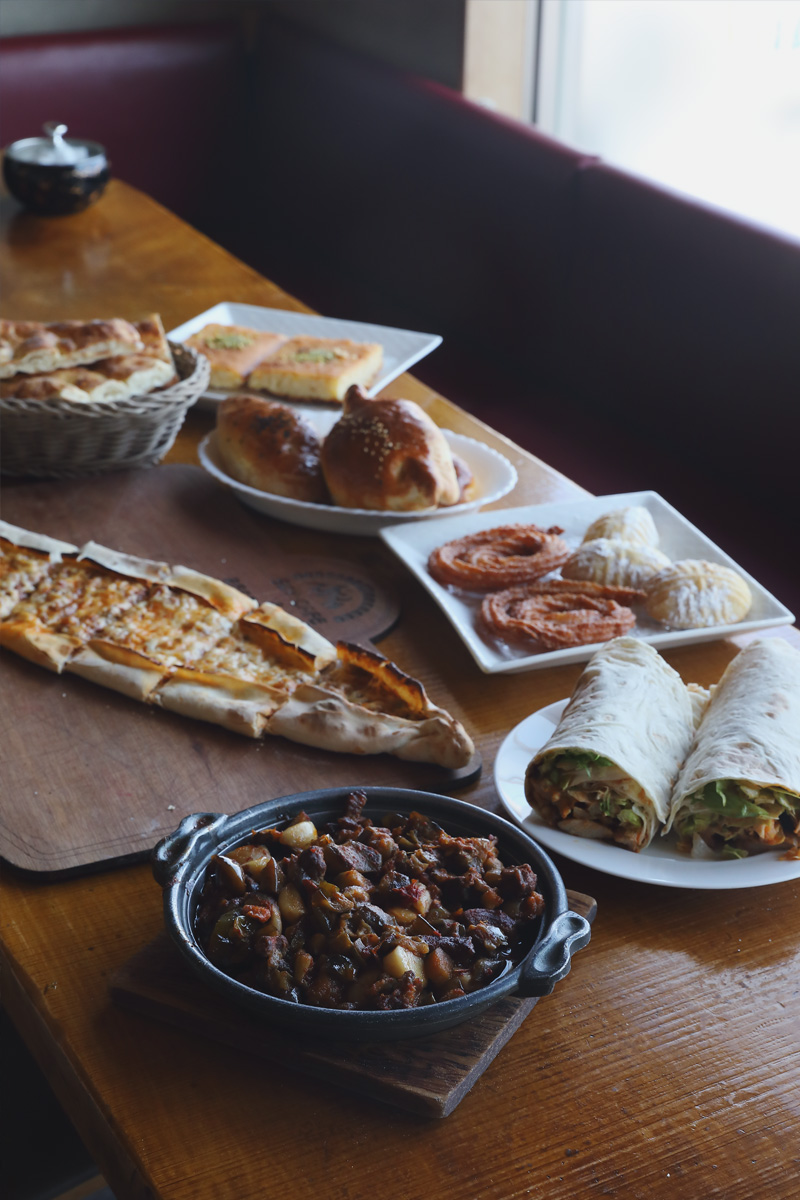
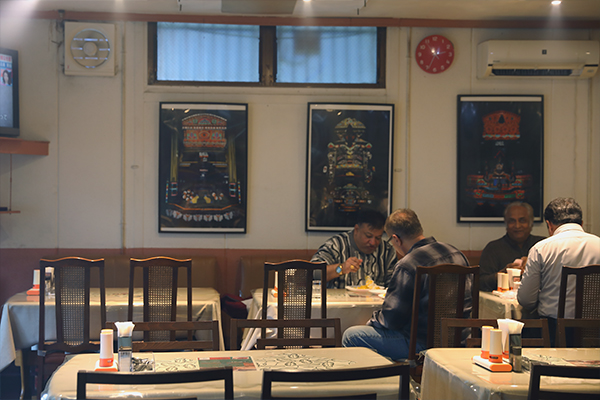
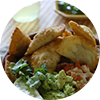
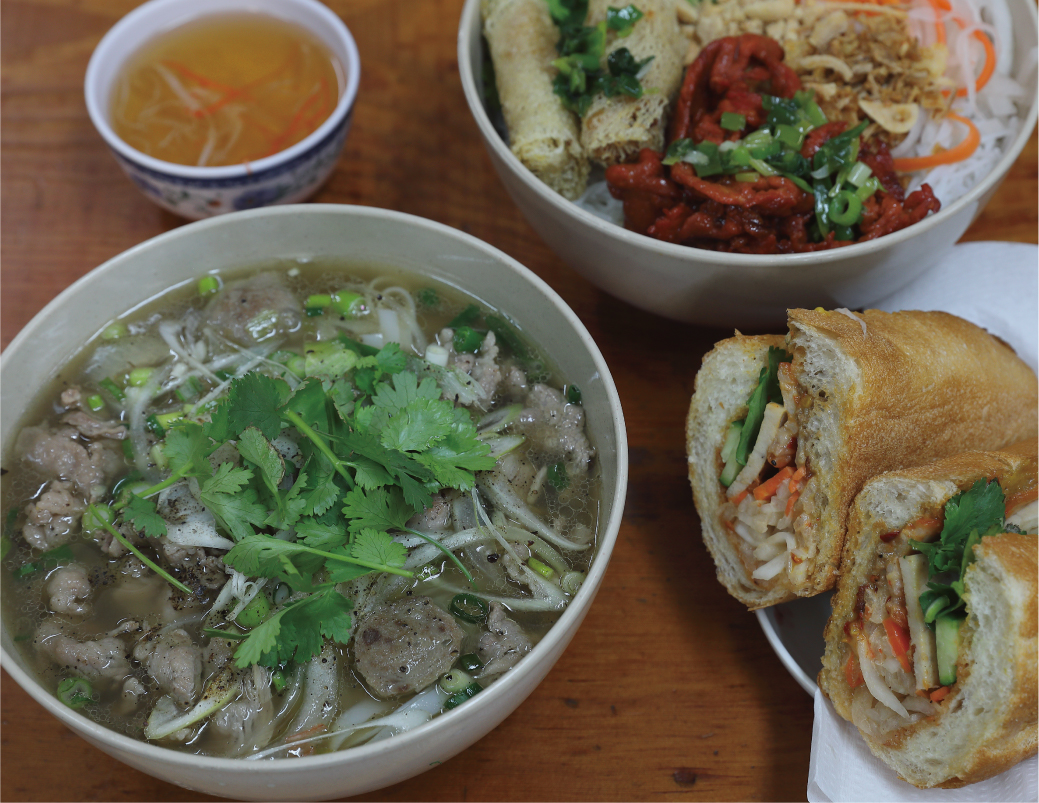
いちょう団地のすぐそばにあるのが、ベトナム料理の食堂「タンハー」。朝の開店と同時に、店には次々と人がやってくる。団地に住む人、近隣で働く人、そして噂を聞きつけて遠方から訪れる人。なかには高座渋谷駅からタクシーで乗りつける客もいるというから、この店の引力は相当なものだ。
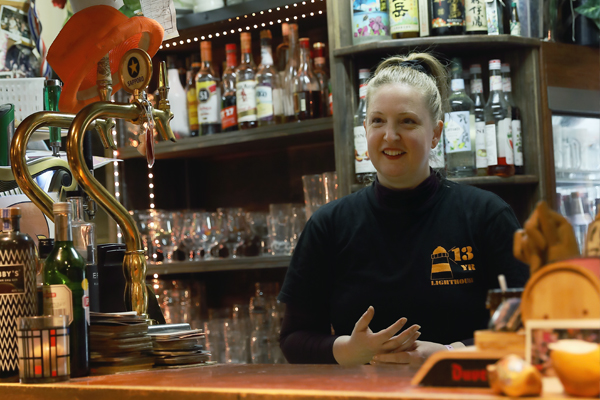
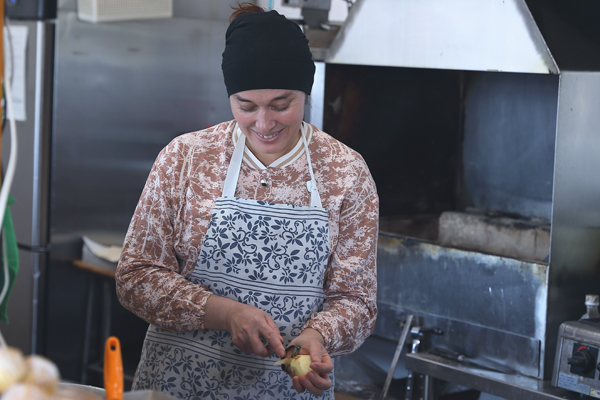
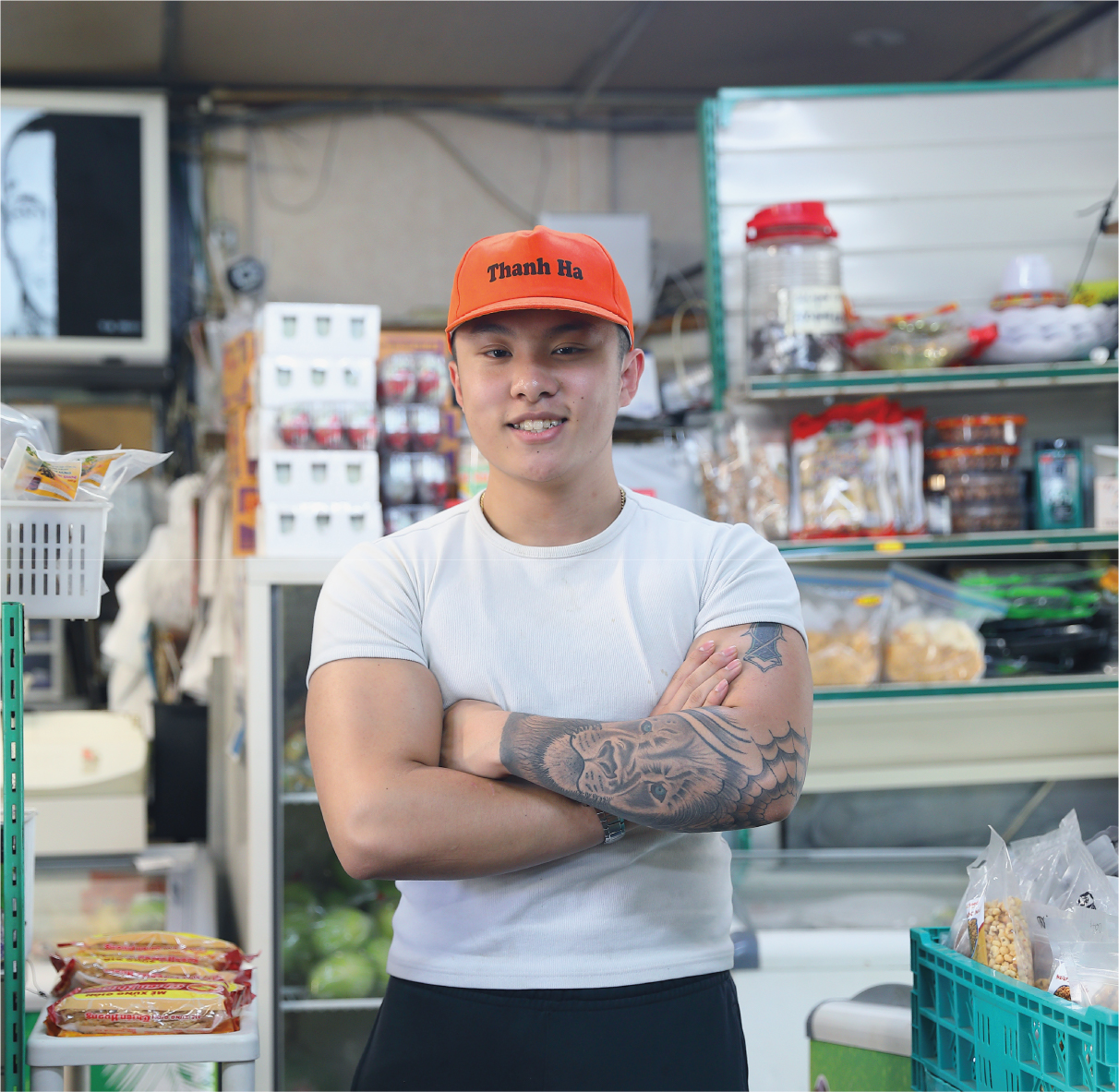
店を切り盛りするのはグエンさん。日本生まれで日本語も流暢、次々に来店する客をさばき、厨房とホールを行き来しながら黙々と働いている。だが、その素顔は少し意外だ。店に立たない日は格闘技のトレーニングに通い、鍛え上げた身体は筋肉隆々。試合では3戦3勝という強者だ。そのギャップもまた、この店の魅力のひとつになっている。
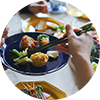
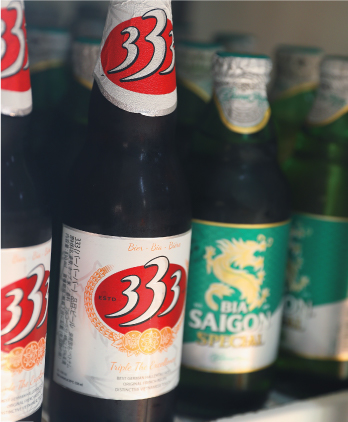
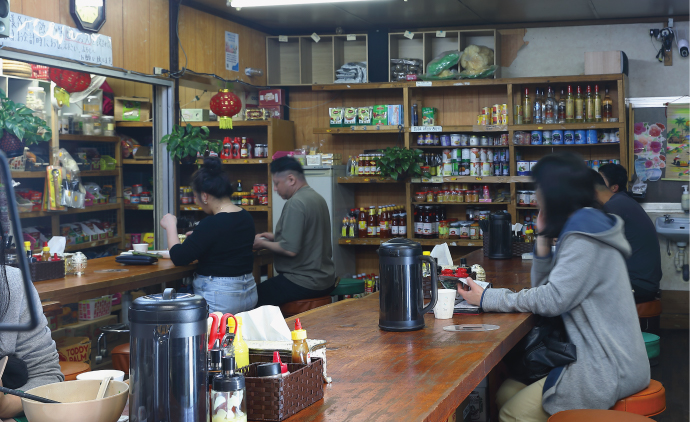
店内に入ると、まず目に入るのは並べられたベトナムの食材や菓子。魚醤の瓶、乾麺、見慣れないパッケージのスナック。その中央に長テーブルが据えられ、食事の場となっている。“レストラン”というより、“現地の食堂兼雑貨店”。そんな空気が自然に成立している。そこにあるのは、つくり込まれた演出ではなく、生活の延長としての風景。
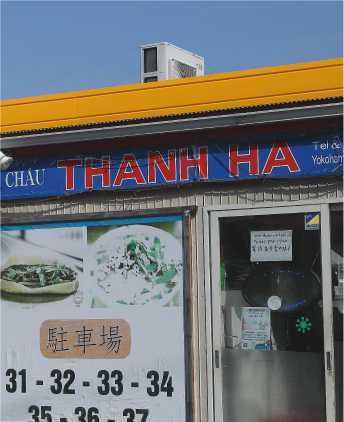
店構えもどこか既視感がある。ハノイ郊外、例えばグエン・バン・リン通り沿いに点在するロードサイドの食堂のような、あのどこか懐かしい空気感がある。看板は色褪せ、営業中なのかもわかりにくい。それでも、誰でもふらりと入っていける、不思議な親近感がある。
いちょう団地という、多様な文化が交わる場所の隣にあるこの店は、単なる異国料理店ではない。そこにあるのは、日本に翻訳されないまま持ち込まれたベトナムの断片。
異国が混じる街の中にある、もうひとつの異国。「タンハー」は、今日も多くのベトナム人と日本人で賑わっている。
Authentic Vietnam, Thriving Beside a Multicultural Crossroads.
Inside “THANH HA”: Where Food and People Converge Near the Icho Housing Complex.
In Koza-Shibuya, Yamato City, Kanagawa, the quiet residential streets hum with an international undertone. Nearby lies the Icho Housing Complex—a sprawling postwar development that is now home to a vibrant community from Vietnam, China, and South America. In this neighborhood, a mosaic of languages fills the air between local grocery stores.
Just steps from the complex is “THANH HA,” a Vietnamese eatery with a powerful magnetic pull. From the moment it opens, the shop is bustling. Locals from the housing complex and nearby workers are joined by visitors who travel from afar—some even arriving by taxi from the station just to eat here.
Managing the rush is Nguyen. Despite his Vietnamese roots, his Japanese is remarkably fluent as he silent and efficiently navigates between the kitchen and the floor. Yet, he leads a surprising double life: on his days off, he trains in martial arts. With a muscular physique and an undefeated 3-0 record in the ring, the gap between his stoic service and his strength as a fighter adds to the restaurant’s unique charm.Upon entering the shop, the first thing that catches your eye is the array of Vietnamese groceries and snacks: bottles of fish sauce, stacks of dried noodles, and snacks in unfamiliar packaging. In the center, long tables are arranged for dining. It feels less like a “restaurant” and more like a local “eatery-meets-grocery store.” This atmosphere isn’t a deliberate stage set; it is a natural extension of daily life.
The storefront itself carries a sense of déjà vu. It has that nostalgic air of a roadside diner you might find along Nguyen Van Linh Street on the outskirts of Hanoi. The sign is faded, and at first glance, you might even wonder if it’s open. Yet, it possesses a strange, welcoming familiarity that invites anyone to wander in.
Located next to the Icho Housing Complex—a crossroads of diverse cultures—THANH HA is more than just a place for foreign cuisine. It is a fragment of Vietnam brought to Japan, left entirely untranslated. It is a world within a world, nested in an international neighborhood. Today, as always, Thanh Ha is alive with the hum of Vietnamese and Japanese voices alike.

閲覧中の特集はこちら