












観せたい映画。
観せたい映画。
映画の価値を、興行成績だけで測っていいのか、という話。
観せたい映画。
Films I want to show.
Feature | 2026.9.15
映画の価値を、興行成績だけで測っていいのか、という話。
映画のニュースには、大きな数字がよく似合う。
興行収入100億円、観客動員何百万人、
ロングランの記録更新。
でも、映画の価値までそこに書いてあるわけではない。
何百万人を集める映画もあれば、
たった一人の記憶に、ずっと残る映画もある。
問題は、そんな一本が、
どうすれば私たちの前までやって来られるのか。
世界のどこかで見つけ、買い付け、字幕をつけ、劇場へ届ける。
売れる保証もない映画に、
自分のお金と時間を賭ける人たちがいる。
なぜ、そこまでして観せたいのか。
今号では、その少々厄介で、幸福な映画愛を追いかけます。
Should a film’s value be measured solely by box office numbers?
Big numbers suit movie news well.
A box office total of ten billion yen, millions of theatergoers,
unbroken long-run records.
Yet the true value of a film is never written in those statistics.
While some movies draw millions,
others remain forever etched in the memory of a single person.
The question is: how does such a film find its way to us?
Discovering it somewhere in the world, buying the rights,
creating subtitles, and delivering it to theaters.
There are people who wager their own money
and time on films with no guarantee of commercial success.
Why go to such lengths to share these films?
In this issue, we trace that somewhat troublesome,
yet utterly joyful love for cinema.
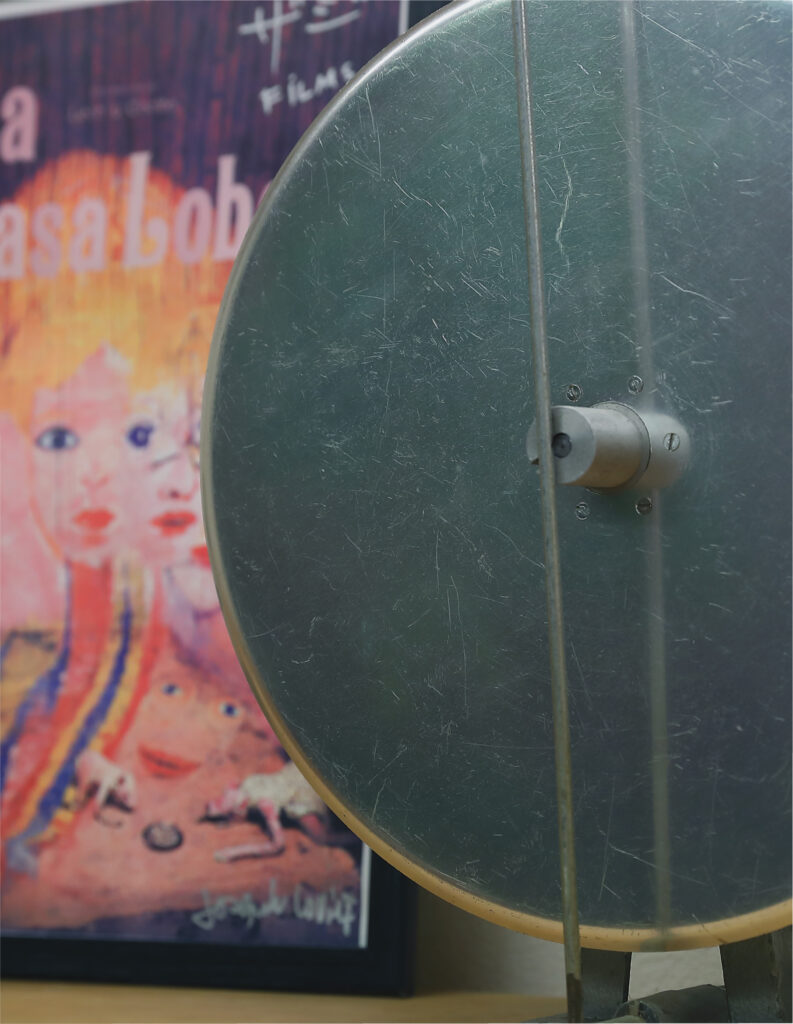
映画は、よく観られているものから、
さらに観られていく。
ハリウッドの大作、全国一斉ロードショー、ランキングの上位。
「みんなが観ているなら、きっと面白い」。
そんな映画選びの外側で、名画は今日も埋もれていく。
そこから一本を拾い上げ、
自分の手で観客に届けようとする人たちがいる。
映画が好きで、
ついには自分で配給会社まで始めてしまった人たち。
儲かるとは限らない。それでもやめられない。
映画を選び、届けるという、
どうしようもなく魅力的な仕事を追う。
Popular movies only get more views. Hollywood blockbusters, nationwide releases,
top charts. “If everyone is watching, it must be good.”
Beyond that mainstream, masterpieces stay hidden.
Yet some pick them up to share.
People who loved cinema so much they started their own distribution firms.
Profit isn’t guaranteed, yet they can’t stop.
We follow the irresistible job of bringing films to light.
映画の選び方は自由だ。人気俳優が出ている、宣伝をよく目にする、人気ランキングで一位。「多くの人が観ているのだから、つまらないはずはない」と思う。たしかに、間違いの少ない選択かもしれない。
ただ、そんななかでは、知られていない映画は、知られないまま終わる。面白くないから観られないのではない。観られていないから、面白いかどうかさえ判断されない。
かつて、その視界を少し広げてくれたのがミニシアターだった。ヨーロッパをはじめ、さまざまな土地で生まれた映画を教えてくれた。そこで偶然観た一本から、知らなかった社会や価値観に触れた人も少なくないだろう。ただ、老舗館の閉館も相次ぎ、ミニシアターを取り巻く環境は厳しい。
映画は劇場に届く前にも、誰かに選ばれている。海外の映画祭やマーケットを歩き、まだ日本では知られていない作品を観る。そして、これは観せたいと思う。売れそうだからではない。自分が心を動かされ、誰かにも観てほしいから。その衝動が高じて、自ら配給会社を始める人までいる。
一本の作品を日本で公開するまでには、買い付け、字幕制作、宣伝、劇場との交渉と、いくつもの仕事と費用が重なる。作品がどれほど優れていても、その価値が興行成績に結びつくとは限らない。評判が広がる前に上映が終わることもあれば、公開時には振るわなかった作品が、何年か後に見直されることもある。
映画配給は、文化を届ける仕事であると同時に、先の読めない賭けのようなところがある。何が観客の心に触れるのかは、公開してみなければわからない。満席になる日もあれば、数人の観客からの熱のこもった言葉が、数字以上の手応えになる日もある。一人が誰かに話し、その映画が時間をかけて社会のなかへ広がっていくこともある。予測できないなかでたまに訪れるヒットと、作品が観客に響いた瞬間の喜びを知ってしまうと、また次の一本を探さずにはいられない。映画への愛と、少しばかりの中毒性。それが、映画配給という仕事を続けさせているのかもしれない。
今回訪ねるのは、「ザジフィルムズ」と「kinologue」。何を観せたいのか。なぜ、その映画でなければならないのか。私たちが一本の映画に出会う前には、誰かの強い思いと、小さな賭けがある。
Choosing movies is open to anyone: famous actors, heavy promo, or top ranks. “If many watch it, it must be good.” That is a safe approach. Yet under this system, unknown films stay invisible. They are not unwatched because they are bad; they are never judged because they remain unseen.
Mini-theaters once widened that horizon, introducing gems from Europe and beyond. Many encountered unfamiliar worlds through a chance showing. Today, however, these spaces face closure and hard times.
Before hitting theaters, movies are chosen. Distributors walk global markets, finding undiscovered works. They buy a film not just to profit, but because it moved them and they must share it. That passion even drives some to start their own distribution firms.
Bringing a film to Japan involves many steps and costs: buying rights, subtitling, promo, and negotiating with theaters. Exceptional quality never guarantees box office success. Some runs end before word of mouth spreads; others flop initially, only to be rediscovered years later.
Film distribution delivers culture, yet it remains an unpredictable gamble. You never know what resonates until release. Empty seats happen, yet praise from a few viewers outweighs raw numbers. A single recommendation helps a film slowly permeate society over time.
Experiencing an unexpected hit or seeing a movie touch people creates an addictive pull to seek the next gem. Cinema love mixed with a bit of addiction fuels this work.
We visit “ZAZIE FILMS” and “kinologue”. What do they want us to see? Why this specific film? Before we meet a movie, someone took a passionate, small gamble.
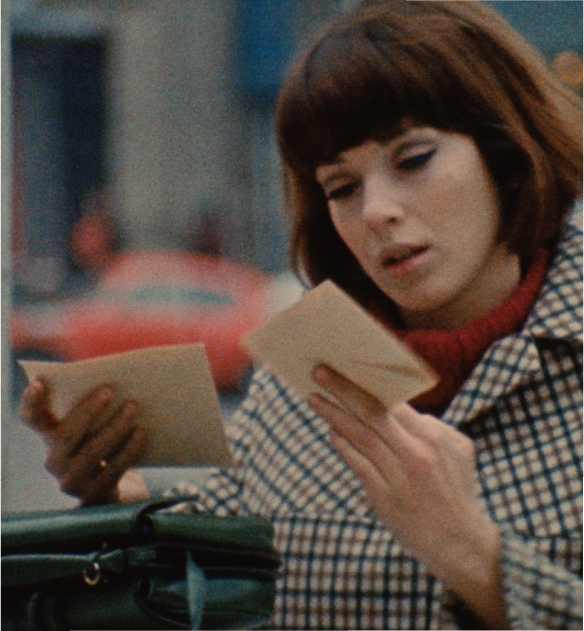
パリところどころ © LES FILMS DU LOSANGE 1965
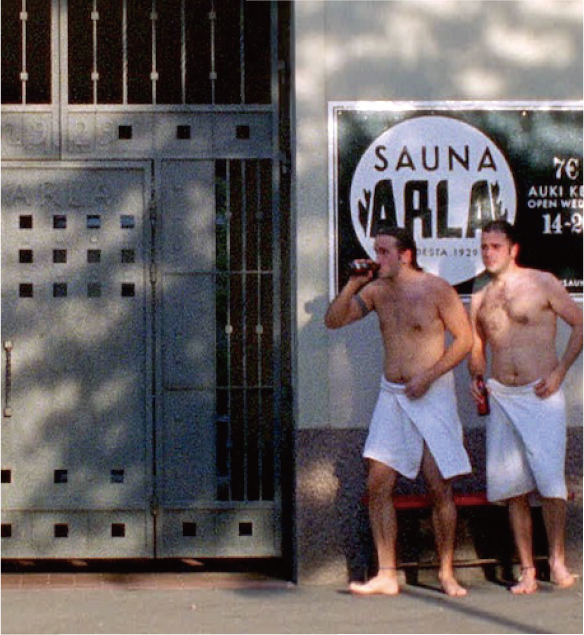
サウナのあるところ ©2010 Oktober Oy.
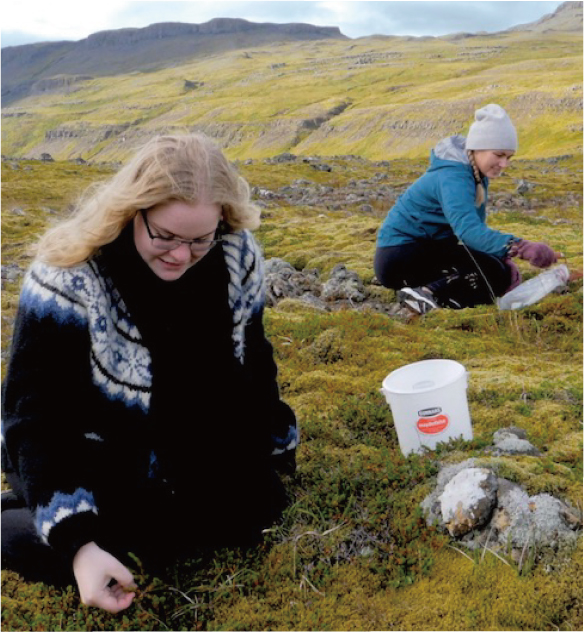
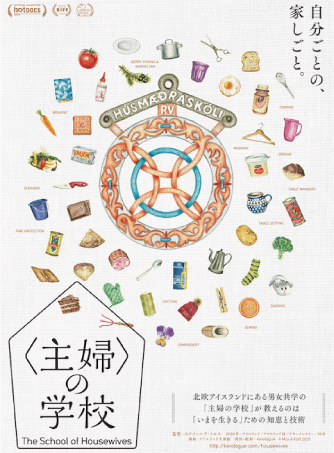
〈主婦〉の学校 © Mús & Kött 2020
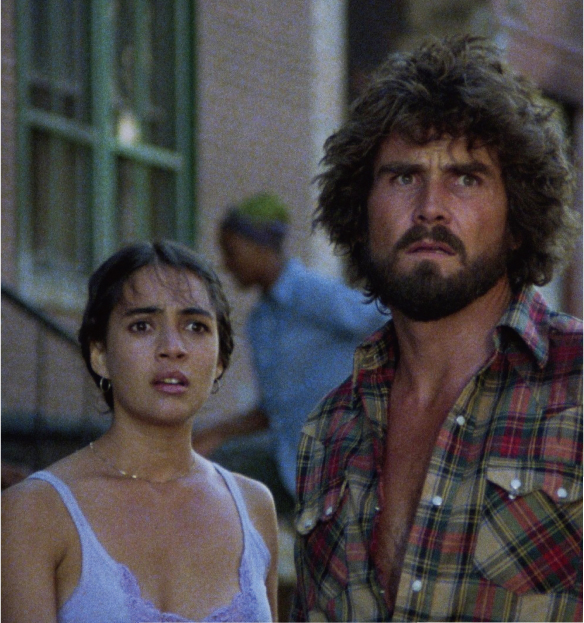
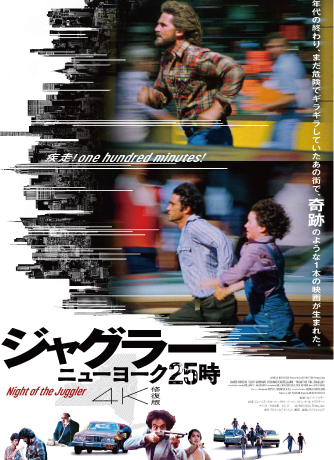
ジャグラー/ニューヨーク25時 4K修復版
© 1980 GCC Films,Inc
高そうな映画は、なるべく観ないんです。観たら、欲しくなっちゃうから。
“I try not to watch movies that look expensive— if I do, I’ll just end up wanting them.
Feature | 2026.9.15
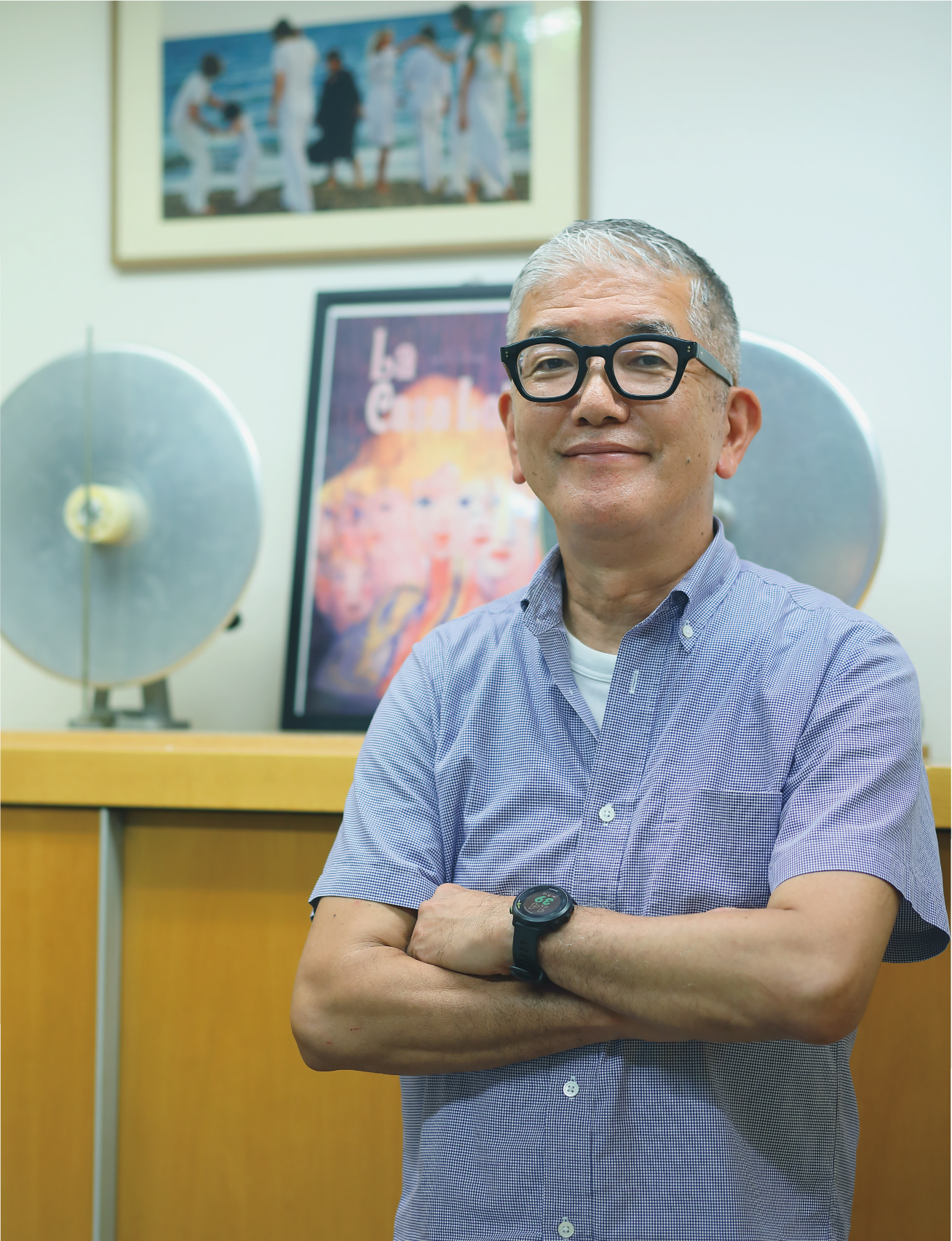
ザジフィルムズ代表
志村大祐氏

ザジフィルムズ
1989年設立の独立系映画配給会社。
劇場未公開作品のライセンス事業から出発し、
1992年に劇場配給を開始。
ゴダール、ヴァルダ、シャブロルなど
世界の個性的な作品を日本のスクリーンへ届けてきた。
配給会社の仕事は、映画をつくることではない。
世界のどこかで生まれた一本を見つけ、日本の観客の前まで連れてくる。
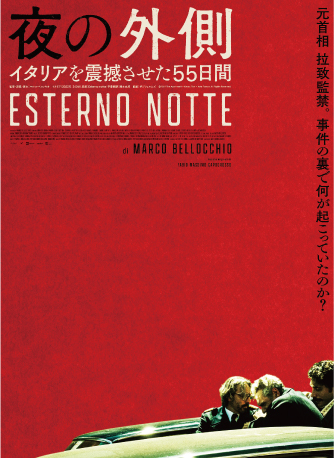
ゴダール、ロッセリーニ、ルイ・マル。まだ日本では知られていない新作も、忘れられかけた旧作もある。
1989年にザジフィルムズを立ち上げた志村大祐さんは、
約37年間、映画を選び続けたいまも、何が当たるかは「わからない」という。
その、わからなさのなかで、なぜ映画を選び続けるのか。
――そもそも、なぜ配給会社を始めたんですか。
映画は小学生の頃からよく観ていました。中学生の頃、横浜から銀座の映画会社まで、友人とチラシをもらいに行ったりして。その後、レンタルビデオ向けに劇場未公開作をリリースする会社に入りました。そこで2年半ほど働いて、独立しました。
――社名の「ザジ」は、ルイ・マルの『地下鉄のザジ』から?
そうです。ただ、ものすごく『地下鉄のザジ』が好きだったから、というほど格好いい話でもなくて(笑)。友人と「濁音の多い会社は伸びるらしい」なんて話をしていて、「じゃあザジじゃない?」と。それでザジフィルムズになりました。
――作品を選ぶとき、「売れるか」はどのくらい考えますか。
もちろん考えます。でも、緻密にマーケティングしているわけでもない。「これ、かっこいいな」とか、「いまやったら面白いんじゃないか」とか、わりと動物的な勘でやっているところもあります。
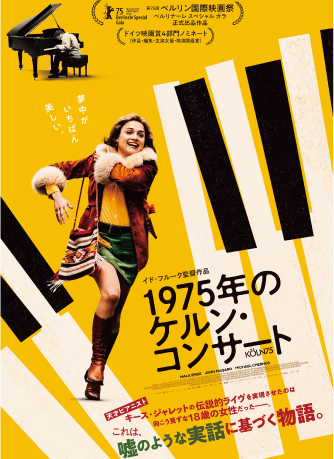
たとえば『1975年のケルン・コンサート』。キース・ジャレットの伝説的なコンサートを描いているのに、本人の音源が使われていない。それでほかの配給会社は躊躇していた。でも私は観て、音楽がなくても全然問題ない、映画としてすごく面白いと思った。登場人物も魅力的で、観たあとに気持ちが上がる。それで買い付けました。
――いいと思ったら、走ってしまう。
そうですね。カンヌなんかでも、「これは絶対に値段が上がるな」と思う映画は、なるべく観ないようにすることがあります。観てしまって、いいと思うと、欲しくなってしまうから(笑)。見なければ諦められる。でも見て気持ちが動いたら、諦められない。
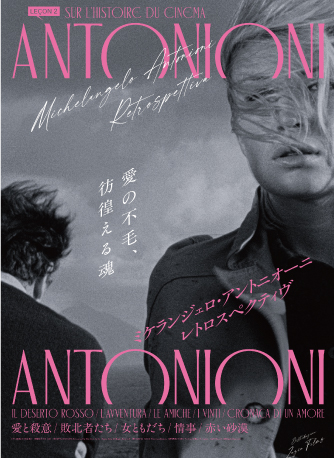
――新作だけでなく、ゴダールやロッセリーニ、ジャック・タチ、アラン・ロブ=グリエなど、旧作の上映も続けています。
私自身、昔の映画を映画館で観て育ったところがあります。銀座文化や名画座に通って、ルイ・マルの映画や『地下鉄のザジ』もスクリーンで観た。そうやって映画を勉強してきたんです。
だから、いまの20代、30代にもスクリーンで観てもらいたい。ロッセリーニの『ドイツ零年』とゴダールの『新ドイツ零年』を組み合わせて上映してみたり、知られていなかった監督を特集したり。ただ古い映画を並べるのではなく、いま観る理由をつくる。昔から映画を観ている人の知的好奇心にも応えたいし、初めて観る人の入口にもしたい。その両方ですね。
“I try not to watch movies that look expensive—
if I do, I’ll just end up wanting them.
A distributor doesn’t make films,
but brings works from around the world to Japanese audiences—from Godard,
Rossellini, and Malle to obscure classics. Daisuke Shimura, founder of ZAZIE FILMS,
says that after 37 years, he still cannot predict what will be a hit.
Why keep choosing films amid such uncertainty?
—Why start a distribution company?
I’ve loved movies since childhood, even traveling from Yokohama to Ginza in middle school to collect flyers. After working two and a half years distributing unreleased films for video, I went independent.
—Is “Zazie” from Louis Malle’s“Zasie” in the Metro?
Yes, but simply because a friend and I heard company names with voiced consonants bring success. We said, “How about Zazie?” and ZAZIE FILMS was born.
—How much do you consider commercial potential?
Of course I do, but mostly through gut instinct—thinking, “This looks cool.” Take “The 1975 Cologne Concert”. It lacked Keith Jarrett’s actual music, making others hesitate. But I found it compelling anyway, with great characters that lifted your spirits, so I bought it.
—So once you like a film, you can’t resist taking the plunge?
Exactly. At Cannes, I avoid watching expensive-looking movies—if I do, I’ll want them. If I don’t see a film, I can walk away. But if it moves me, I can’t.
—You also continue screening classics like Godard, Rossellini, Tati, and Robbe-Grillet.
I grew up watching classics in theaters, which is how I learned cinema. I want younger generations to experience them on screen too. Rather than just showing old films, I create a reason to watch them today—like pairing Rossellini’s “Germany Year Zero” with Godard’s “Germany Year 90 Nine Zero”. I aim to satisfy longtime filmgoers while creating entry points for newcomers.




何年やっても読めない。配給はやめられない。
――1本を買い付けたら、
次はどうやって観客のところまで届けるんですか。
映画によって、合う劇場は違います。ロバート・バトラー監督の『ジャグラー/ニューヨーク25時4K修復版』ならシネマート新宿がいいんじゃないか、と考える。作品を買うだけではなく、どこで、どのタイミングで上映するかまでが配給の仕事なんです。
――宣伝にも、ザジフィルムズは長く関わってきましたね。
『落下の王国』も最初の日本公開では、うちが邦題を考えました。当時は大ヒットというほどではなかったけれど、その後、衣装を担当した石岡瑛子さんの展覧会などをきっかけに作品を知る人が増えていった。2025年の再上映では大ヒットしました。映画って、公開したときだけで終わらないんですよね。
――宣伝でヒットをつくることはできる?
例えば『オオカミの家』はSNSで独特の世界観が広がった。『バッド・ジーニアス 危険な天才たち』では、「タイ版『カメラを止めるな!』」という一言が作品の魅力を広めてくれた。一方、『1975年のケルン・コンサート』は、大きな起爆剤があったわけではなく、じわじわと観客に届いた。ヒットの仕方も一本ずつ違います。
――公開するときは、いまでも緊張しますか。
しますよ。いまはオンラインでチケットの売れ方が見える。入る映画はどんどん席が埋まるし、厳しい映画は、本当にポツポツとしか動かない。
だから初日は、何十年、何十本やっていても胃が痛いです。うまくいったらいったで、「2週目にどれくらい落ちるんだろう」と気になる。心が安定する仕事ではないですね(笑)。
――それでも、やめられない。
やっぱり楽しいんです。私は映画をつくる芸術家ではないけれど、作品を選び、買って、どう見せるかを考えて、観客に届ける。それはある意味、自己表現でもある。しかも黄金率みたいなものがない。絶対に当たると思ったものが厳しかったり、難しいだろうと思ったものがうまくいったりする。何年やっても興行はわからない。だから、やめられないんでしょうね。
――これまでで、特に思い入れのある映画は?
『サヨナラCOLOR』ですね。私は原田知世さんの43年来のファンで(笑)。竹中直人監督の作品で、配給がまだ決まっていないと聞いたとき、プロデューサーに紹介してもらい、うちで配給することになった。
――ヨーロッパ映画ではなく、『サヨナラCOLOR』なんですね。
そうなんですよ(笑)。
――最後に。配信で何でも観られる時代に、それでも映画館で観せる意味は?
知らない人同士が同じ場所で同じ映画を体験することが大きいと思います。映画って、誰と、どこで観るかによっても変わるんです。
それに配信には、あまりにたくさんの映画があって、何を観たらいいかわからない。音楽をレーベルで選ぶように、「この配給会社が選ぶ映画なら観てみよう」という見方があってもいいと思う。実際、「ザジが配給するものは信頼して観ています」と言ってくださる方もいる。長く続けてきたことで、そういう人が少しずつ増えているのかもしれません。
No matter how many years pass, it remains unpredictable.
Yet film distribution is impossible to stop.
—Once you buy a film, how do you reach audiences?
Different films suit different theaters. For Butler’s “Night of The Juggler”, Cinemart Shinjuku felt right. Distribution isn’t just buying movies—it’s choosing where and when to show them.
—ZAZIE FILMS has long handled promotion as well.
We named “The Fall “for its original Japanese release. It wasn’t a hit then, but interest grew through costume designer Eiko Ishioka’s exhibition, making the 2025 re-release a big hit. Movies don’t end after their first run.
—Can promotion create a hit?
“The Wolf House” spread via SNS. For Bad Genius, calling it “the Thai One Cut of the Dead” built buzz. Meanwhile, “The 1975 Cologne Concert” grew slowly without a big trigger. Every hit is unique.
—Do opening days still make you nervous?
Always. Online ticketing shows real-time sales. Popular films fill up fast, while tough ones move slowly. After decades, opening day still causes stomachaches. Even with a good start, I worry about week two. It’s not a job for peace of mind!
—And yet, you can’t stop.
It’s just fun. I’m not an artist who makes films, but selecting, buying, presenting, and delivering a movie to audiences is, in a way, self-expression. Plus, there’s no golden rule. Films expected to hit can struggle, while difficult ones succeed. Box office outcomes remain unpredictable no matter how many years pass. That’s probably why I can’t quit.
—Is there a film you hold particularly dear?
“Sayonara Color”. I’ve been a fan of Tomoyo Harada for 44 years! (laughs) Hearing Naoto Takenaka’s film lacked a distributor, I met the producer and brought it to us.
—Not a European film?
Exactly! (laughs)
—In the streaming era, why show films in theaters?
Experiencing a movie in the same space alongside strangers is huge—where and with whom you watch it changes the film. Also, streaming offers too many choices. Just as people choose music by record label, some now say, “I trust whatever ZAZIE distributes.” Continuing for so long has gradually built that trust.
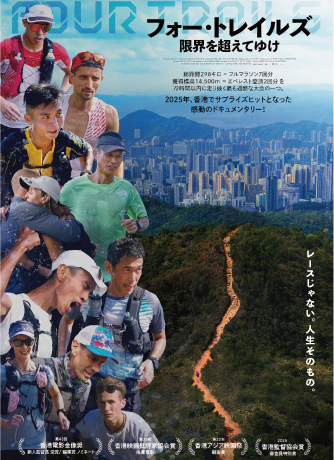
フォー・トレイズ限界を超えてゆけ《全国順次公開中!》
© Lost Atlas Productions
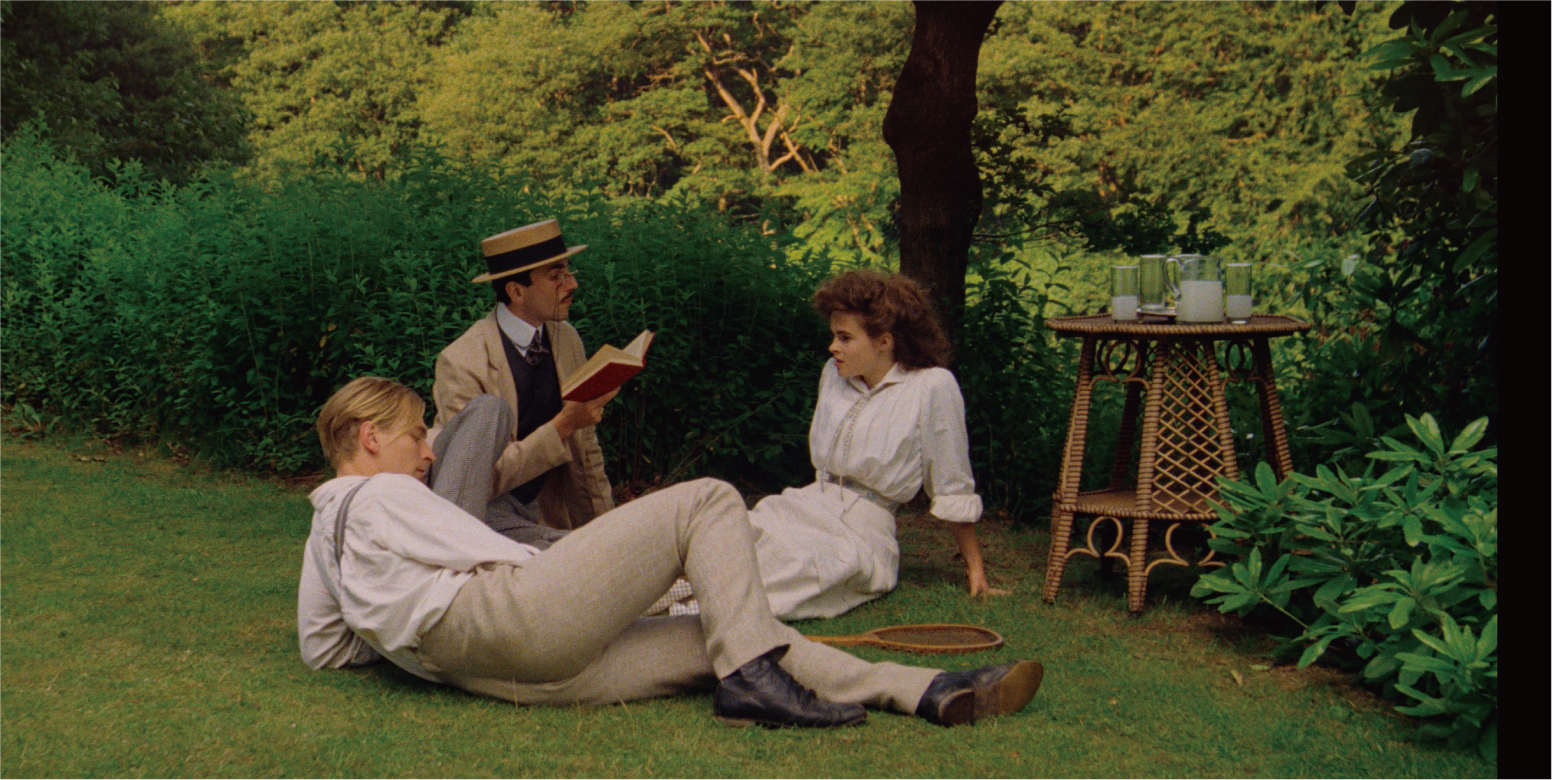
眺めのいい部屋 4K 《9月25日より 全国順次公開》
©1985 A ROOM WITH A VIEW PRODUCTIONS LTD. ALL RIGHTS RESERVED.
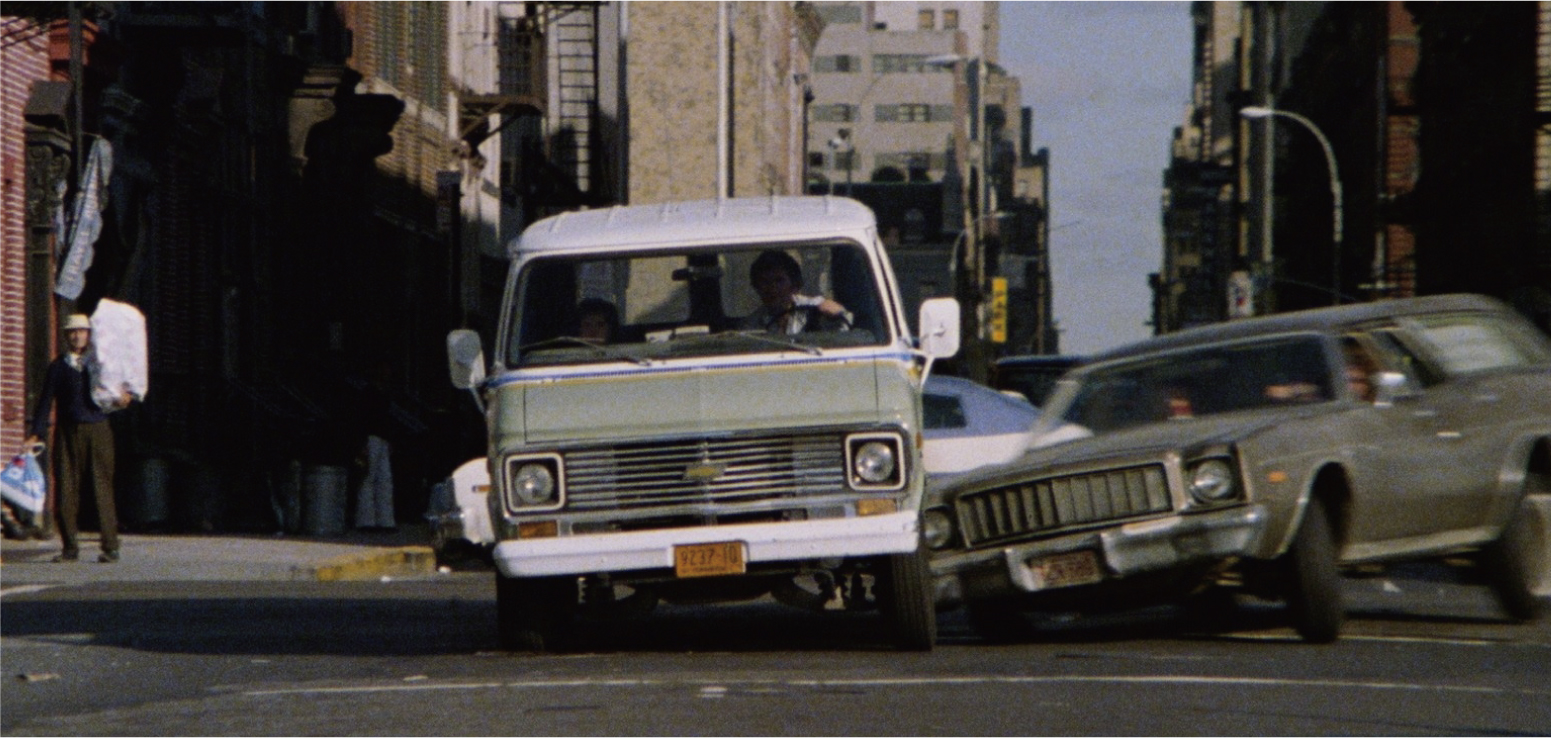
ジャグラー/ニューヨーク25時 4K修復版
© 1980 GCC Films,Inc
『眺めのいい部屋 4K』 9月25日(金)より
Bunkamuraル・シネマ 渋谷宮下ほか全国順次公開

【第59回アカデミー賞3部門受賞】
名匠ジェームズ・アイヴォリー(『君の名前で僕を呼んで』脚色/共同製作)監督作品。映画史にその名を刻む不朽の名作が、作品生誕40周年を記念して4Kで甦る!

配給:ザジフィルムズ ©1985 A ROOM WITH A VIEW PRODUCTIONS LTD. ALL RIGHTS RESERVED.
ザジフイルム作品の
詳しい公開情報はこちら

「週刊ザジフィルムズ通信」連載中

公式ホームページ

映画は、思いがけない場所からやってくる。
Films come from the most unexpected places.
Feature | 2026.9.15

kinologue代表
森下詩子氏

kinologue(キノローグ)
2011年にワークショップ・プロジェクトとして始動し、
2013年から北欧映画を中心に配給。
『365日のシンプルライフ』などを届ける一方、出版やイベントも手がけ、映画から生まれる対話や行動を広げている。
自分がもってきた映画を、観客に届いたその先まで見届けたい人。
それがkinologueの森下詩子さん。
旅先でたまたま立ち寄った塩尻の映画館から映画業界へ。
3.11をきっかけに会社を辞め、向かったフィンランドで、また映画に出会う。
いつも不思議と映画が現れ、次の扉を開いてきた。
これは映画配給の話であると同時に、少しばかり出来すぎた、ひとりの人生の話でもある。
――映画の仕事に入ったきっかけからして、かなり偶然なんですよね。
大学院の春休みに長野を旅行していて、塩尻の映画館をふと思い出したんです。以前、深夜番組で、そこでミニシアターを立ち上げた女性を見ていて。携帯もない時代なので、駅の電話帳で住所を調べて、全然知らないのに訪ねていった。
1カ月後、その方から「森下さん、就職決まった?」と電話が来て、「配給会社に興味ない?」と。紹介先の社長には「とりあえずバイトして、4月から社員になれば?」と言われて。あ、就職決まったんだ、みたいな(笑)。私、就職活動ゼロなんですよ。
その後は宣伝会社でハリウッド大作も担当し、再び配給会社へ。でも邦画中心になり、俳優のマネージャーやスタイリストとの調整に追われて、「これって映画の仕事?」と。会社の再編で配給部門がなくなり、そのままITの仕事へ移りました。
――それが3.11で変わった。
「私、何をやっているんだろう」と思ったんです。計画停電や、慕っていた人の突然の死も重なって、何があるかわからない、と。それで会社を辞めました。
――そして、フィンランドへ。
『かもめ食堂』を一緒に観た友人に誘われて行って以来、ハマって何度も通うようになりました。映画のなかで小林聡美さん、片桐はいりさん、もたいまさこさんがいた、あのヘルシンキです。会社を辞めたあと3カ月ほど滞在して、思ったのは、住みたいのではなく、フィンランド人と仕事がしたいということ。それなら、自分がやってきた映画配給なのかなと思ったんですね。
――そこで、『365日のシンプルライフ』に出会う。
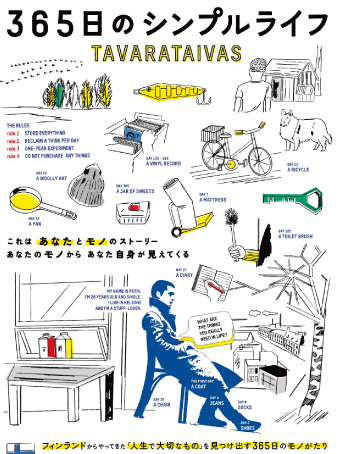
2013年、フィンランドの映画関係者に「詩子が好きそう」と薦められました。主人公が持ち物をすべて倉庫に預け、一日一個だけ取り戻しながら、本当に必要なものを考える映画です。3.11以降、私も同じことを考えていたので、すごく響いた。
観たとき、「これが私のやる映画なのかもしれない」と思いました。
――そのときはもう仕事をされていた?
いえ、まだ無職です(笑)。
Films come from the most unexpected places.
Utako Morishita of kinologue follows her films beyond release.
From a chance theater visit in Shiojiri to discovering cinema in Finland after 3/11,
movies have constantly opened doors for her.
This is a story of distribution and a serendipitous life.
—Your entry into the film industry started with pure chance.
In graduate school, while traveling in Nagano, I remembered a mini-theater in Shiojiri I’d seen on TV. I looked up the address in a station phonebook and visited unannounced. A month later, the owner connected me with a film distributor. The president said, “Start part-time, then go full-time in April.” That was it—I did zero job hunting. Later, I handled PR for Hollywood blockbusters before returning to distribution. But working on Japanese films meant endless coordination with talent managers, making me question my path. Following corporate restructuring, I shifted to IT.
—Then 3/11 changed everything.
I asked myself, “What am I doing?” Facing rolling blackouts and the loss of someone I respected, I realized life is completely unpredictable. So, I quit.
—And then, off to Finland.
A friend invited me after “Kamome Diner”, and I fell in love with Helsinki, visiting repeatedly. After quitting my job, I stayed three months. I realized I wanted to work with Finnish people—and film distribution was the way.
—That’s where you encountered “My Stuff”.
In 2013, a local contact recommended it. The main character vaults his items, taking back one daily to rethink true necessities. Having pondered this since 3/11, it struck a deep chord. I thought, “This might be my film.”
—Were you working then?
No, still unemployed! (laughs)




“いい映画”ではなく、余白のある映画を求めて。
――「キノローグ」という名前は、どこから?
最初は配給ではなく、“映画を観たあとに対話する”ワークショップの名前でした。フランスの子どもたちが哲学を語る『ちいさな哲学者たち』を使ってやることになって、当日、打合せのカフェで友人に「名前、いま決めて」と言われて。kino=映画とdialogue=対話で「kinologueってどう?」と。思いつきの造語です(笑)。
でも実際にやると、映画の話がだんだんその人自身の話になっていく。それが面白くて、自分が配給するなら、観たあとに誰かと話したくなる映画がいいと思いました。
――それが『365日のシンプルライフ』。
そうです。「決して傑作ではないけれど、余白がある」と思った。最初に相談した配給会社の社長には「何も起こらない映画だね」と言われました。確かに何も起こらない(笑)。でも初日から人が来て、思いがけずロングランになりました。あの一本が、その後のkinologueの名刺になってくれたんです。また偶然です(笑)。
――そこからムーミン、マリメッコ、サウナへ。
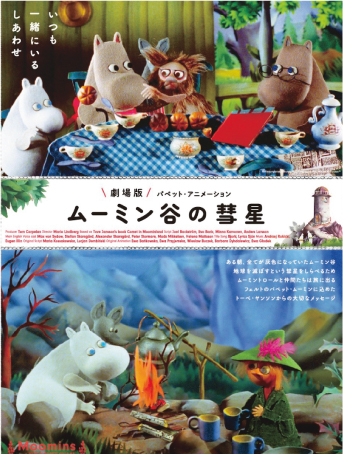
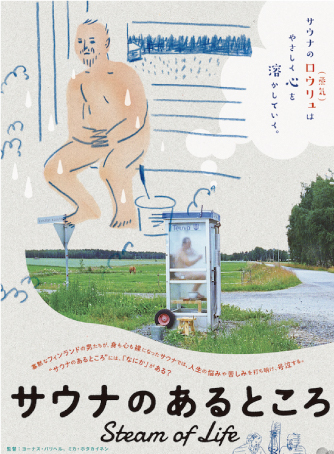
『劇場版 ムーミン谷の彗星 パペット・アニメーション』、『ファブリックの女王』、『サウナのあるところ』。『ファブリックの女王』で描かれたマリメッコ創業者アルミ・ラティアは、アル中の怖いおばちゃんです(笑)。敗戦間もなくブランドを立ち上げるなんて並大抵の女性の訳がない。私が届けたいのは「素敵な北欧」だけじゃないんです。『サウナのあるところ』では、サウナは「ととのう」ではなく、弱音を吐く場所だと。そういう、ユートピアではない北欧に惹かれます。
――作品選びでは「いい映画は買わない」と。
言い方が悪いんですけど(笑)、きっちり完成されて、みんなが「よかったね」となる映画は、私がやらなくてもいい。配給するなら、観たあとに何かが残り、誰かと話したくなる。私がやる意味があるかを考えます。
――『女性の休日』は最大のヒットになりました。
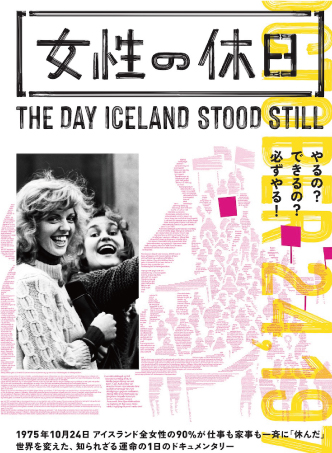
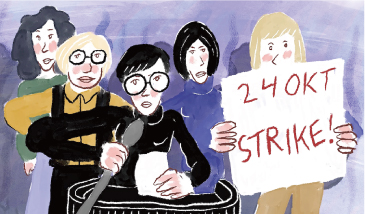
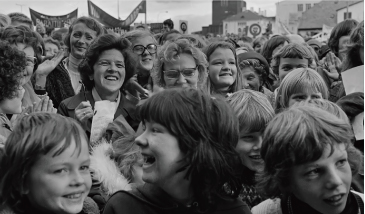
1975年、アイスランドの女性の約9割が仕事や家事を休んだ一日を描いた映画です。これまでよりポリティカルなので迷いましたが、声を上げ、見えなかった問題を可視化する。その価値観は、私がいま北欧から届けたいものだと思いました。結果的にkinologue最大のヒットに。そういう瞬間があるから、配給はやめられないのかもしれません。
――本もつくっていますね。
ここ2作のパンフレットに配信視聴をつけて書籍化しています。本屋さんも映画と出会う場所にしたい。映画館だけじゃなくていいと思っています。
映画は新しい関係性をつくってくれます。私が映画を届ける、今度はその映画が誰かをどこかへ連れていく。観た人が誰かと話したり、本を手に取ったり、知らなかった国や社会に興味を持ったりする。映画って、そうやって人と何かを繋いでいくものなのかもしれない。私が偶然、映画に連れてこられたように、今度は一本の映画が、誰かをどこかへ届ける。その先で何かが始まったら、こんなにうれしいことはないですね。
Looking beyond “good cinema”—in search of films that leave room to breathe.
—Where did the name “kinologue” come from?
At first, it was a workshop for “dialogue after watching a film.” Using a documentary about children discussing philosophy, my friend asked me to pick a name at a café. I combined kino (cinema) and dialogue into “kinologue”—pure whim! But as discussions turned into personal stories, I realized I wanted to distribute films that make you want to talk to someone afterward.
—Which led you to “My Stuff”.
Exactly. It wasn’t a masterpiece, but it left room to breathe. A distributor president told me “nothing happens,” and he was right! Yet crowds showed up from day one, forcing an extended run. That film became kinologue’s calling card—another coincidence!
—From there, you moved on to Moomins, Marimekko, and saunas.
We distributed “Moomins and the Comet Chase”, “Armi Alive!”, and “Steam of Life”. Marimekko’s founder in”Armi Alive!” was actually a terrifying, alcoholic woman! Building a brand post-war takes an extraordinary person. I don’t just share “charming Nordic culture.” In “Steam of Life”, saunas are places to show vulnerability, not “recharge.” I’m drawn to a Scandinavia that isn’t a utopia.
—You say you “don’t buy good movies.”
It sounds awful! (laughs) But films so polished everyone just says “that was good” don’t need me. I want films that linger and make you want to talk to someone. I ask if there’s a purpose in me distributing it.
—”The Day Iceland Stood Still” became your biggest hit.
It shows a 1975 day when 90% of Icelandic women struck from work and home duties. Being more political, I hesitated, but making unseen issues visible fit what I want to share from the Nordics. It became kinologue’s biggest hit—moments like that keep me in distribution.
—You also make books.
We turned our last two pamphlets into books bundled with streaming. Bookstores can be places to discover films too. Movies create new connections: I deliver a film, and it takes someone somewhere new. If something begins from there, nothing makes me happier.
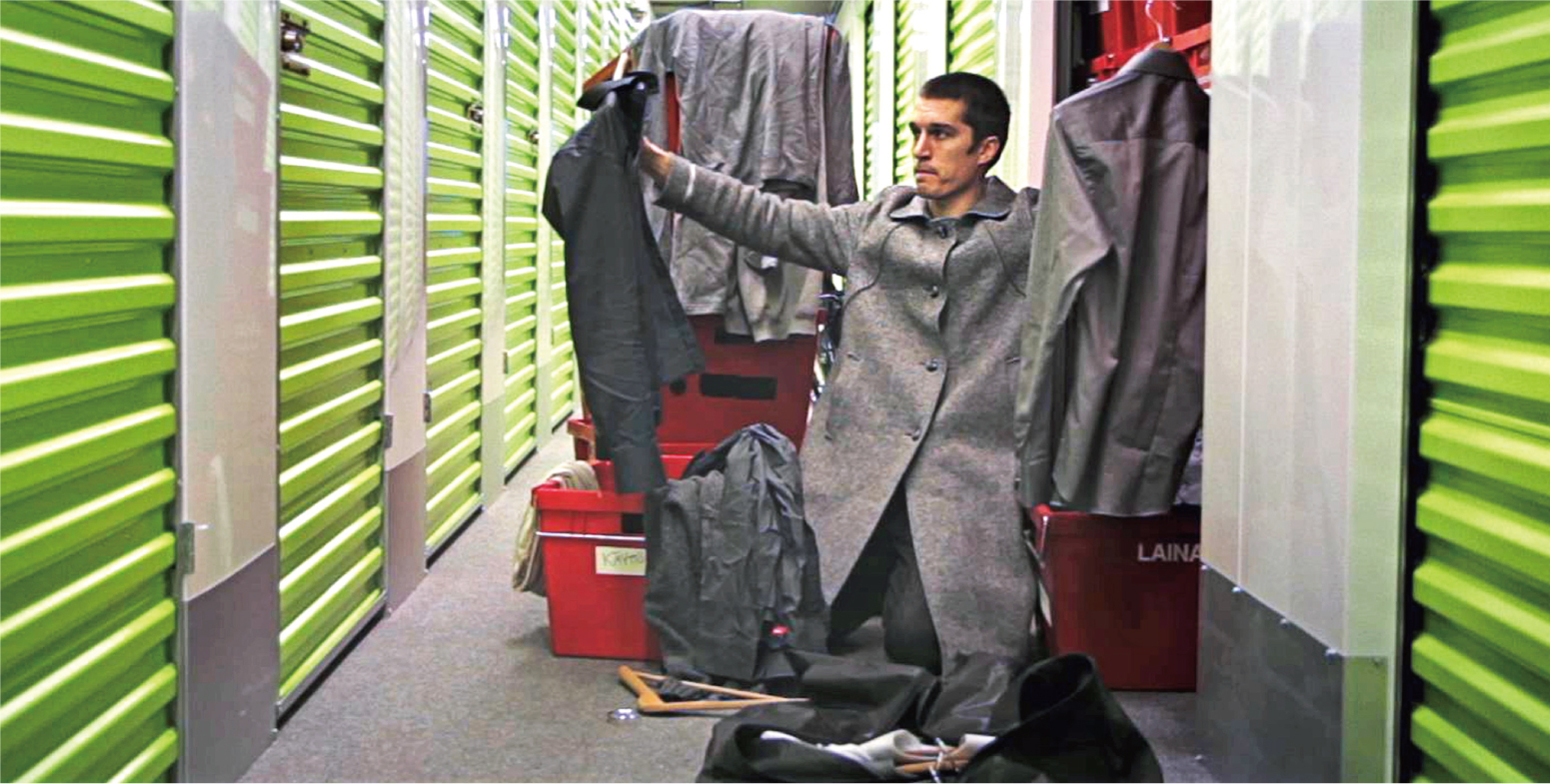
365日のシンプルライフ © Unikino 2013

女性の休日
© 2024 Other Noises & Krumma Films.
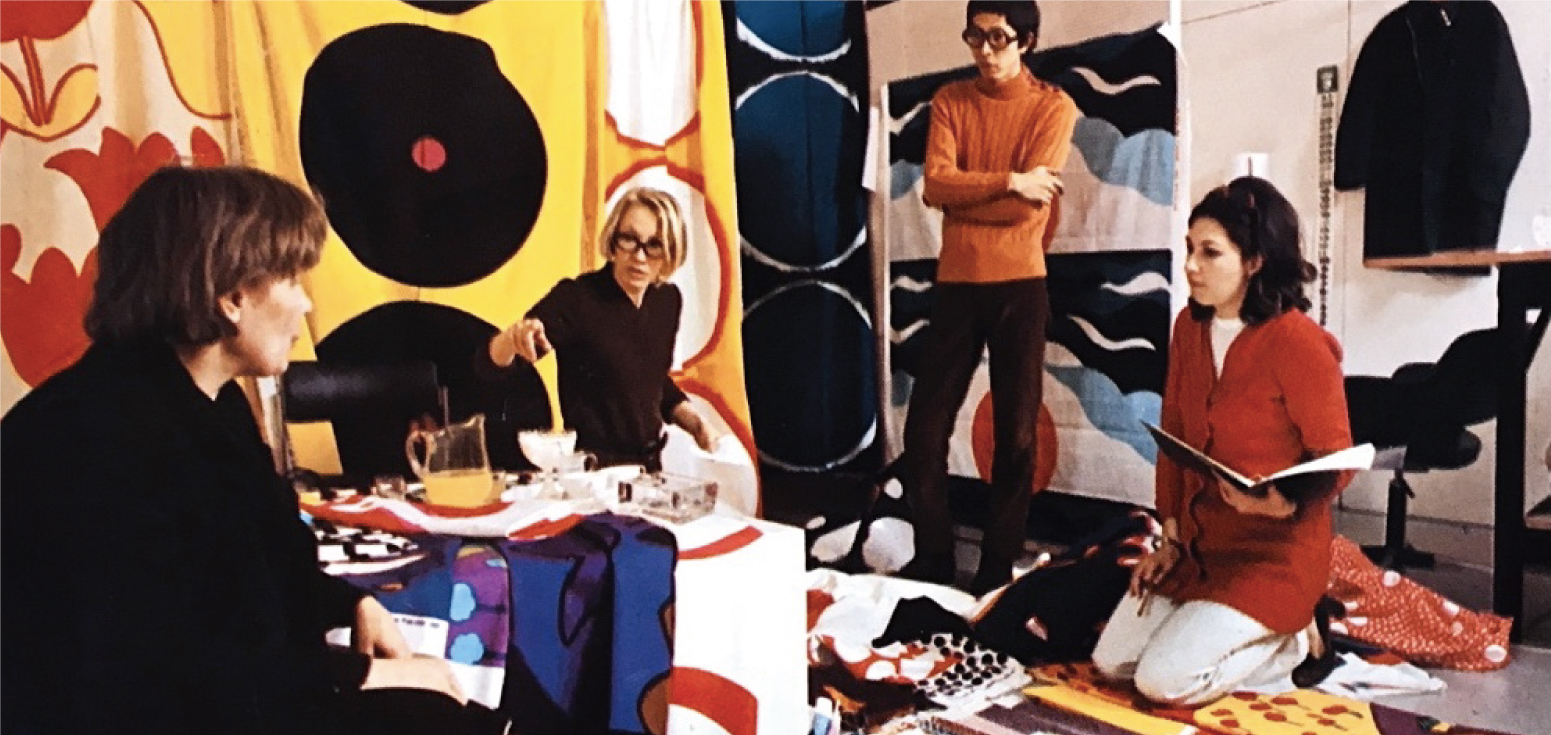
マイヤ・イソラ
旅から生まれるデザイン
© 2021 Greenlit Productions and New Docs
『女性の休日』10月24日(51回目の「女性の休日」)より
1週間限定アンコール上映(東京・大阪・名古屋)
渋谷シアター・イメージフォーラム、Morc阿佐ヶ谷、シネマ・チュプキ・タバタ他にて
《書籍》
「社会を変える柔らかなシスターフッド〜アイスランドの『女性の休日』」
(初版特典:本編配信視聴)10/24発売
『マイヤ・イソラ 旅から生まれるデザイン』
展覧会「マリメッコ展〜模様のちから」に合わせて上映予定
kinologueの
詳しい公開情報はこちら
「#今週のkinologue」
毎週日曜日更新

公式ホームページ