




世界食堂Ⅱ。
世界食堂Ⅱ。
異国は、遠くにあるとは限らない、という話。
世界食堂Ⅱ。
On how foreign lands are not always far away.
Feature | 2026.5.22
異国は、遠くにあるとは限らない、という話。
街で外国人を見かけることは、もう特別ではなくなった。
でも、「外国人」という言葉でひとまとめにされ、
顔や声までは見えてこないことがあるのも現実。
距離は、まだ遠い。
以前、yoffでは「世界食堂」という特集を行いました。
その反響を受け、今回「世界食堂Ⅱ」として、
パキスタン、クルド、ベトナム、オランダの食堂を訪ねました。
知らない言葉、見慣れない料理。
だけど席についてみれば、その距離は思っているより近いものです。
一緒に食べる。それだけで、少しわかり合えることがあります。
そんな距離の取り方を、この特集で感じてもらえたら嬉しいです。
On how foreign lands are not always far away.
Seeing foreign residents in our streets has become commonplace. Yet, under the broad label of “foreigners,” individual faces and voices can sometimes remain blurred, leaving a quiet sense of distance between us.
Following the profound response to our previous feature,
we now present Global Eateries 2. In this edition,
we visited the kitchens and tables of Vietnam, Pakistan, Kurdistan, and the Netherlands.
The languages may be unfamiliar and the dishes new. However, once you take a seat, you realize the distance is much shorter than you imagined. There is a simple,
shared understanding that grows when we eat together.
Through this feature, we hope you discover
that bridging the gap starts with a single, shared meal.
異国は、遠くにあるとは限らない。
いつもの通りの先、見慣れた街のなかに紛れていることもある。
扉の向こうに広がるのは、知らない言葉と匂い。
けれどそれは、そこで暮らす人たちにとっての当たり前の日常だ。
そこに入るかどうか。
それだけで、見える景色は変わる。
まずは席についてみることが、距離を近づける。
パキスタン、クルド、ベトナム、オランダ。それぞれの食堂を訪ねた。
Foreign lands are not always far away.
Sometimes they lie just beyond the usual street, folded into a city we think we know.
Beyond doors are unfamiliar languages and unfamiliar smells.
Yet for the people who live there, it is simply everyday life.
The question is whether we step inside. That alone will change what we see.
Sometimes sitting down at a dining table is all it takes to close the distance.
Pakistan, Turkey, Vietnam, the Netherlands.
I visited four eateries.
いまの日本にとって、外国人は特別な存在ではなくなった。コンビニでも、飲食店でも、建築現場でも、日常のあちこちで働き、すでに日本の風景の一部になっている。
それでもどこかで、「外国人」というひとまとめの言葉で語られてしまうことがある。ニュースやSNSで流れてくるのは、切り取られた一面ばかりだ。多くの人が、知らないまま距離をとり、相手を理解しようとしていない。
最近では、在留資格の手続きにかかる負担が増えるなど、受け入れの条件が厳しくなっていく流れもある。必要としながら、どこかで線を引こうとする。そんな矛盾も感じる。制度の話は大事だが、その前にできることもあるはず。それは、まず会って話してみることだと思う。
そのきっかけとして選んだのが、食堂だった。パキスタン、クルド、ベトナム、オランダ。それぞれの店には、その国の人たちが自然に集まっている。日本人向けに整えられた“異国感”ではなく、日々の延長としての食事がそこにある。聞き慣れない言葉が飛び交い、見たことのない料理が並ぶ。でも、少し勇気を出して席につけば、その距離は思っているより近い。
「これはどうやって食べるの?美味しいね!」そんなやりとりから会話が始まることもある。料理の話は、やがて暮らしの話へと広がる。どこから来たのか、日本での生活はどうか、困っていることはないか。気がつけば、「外国人」という輪郭はぼんやりと薄れ、目の前の一人へと変わっていく。
一緒に食べる、というのはいいものだ。同じ皿を囲むだけで、少しずつ心が開く。美味しい、という感覚は、ニッコリと笑うことで共有できる。そこにお酒があれば、なおさらだ。完璧に理解し合う必要はない。ただ、同じ時間を過ごす。それだけで、多くのことをわかり合える。
遠くから語るより、近くで話すこと。理解は、そのあとについてくる。まずは一度、扉を開けてみてほしい。世界は、案外すぐ隣にある。
In Japan, foreign residents are no longer a “special” presence. From convenience stores to construction sites, they are part of our daily landscape. Yet, many still see them only through the collective label of “foreigners.” Fragmented media snapshots often keep us at a distance, preventing us from seeing the person behind the name.
As residency regulations tighten, a contradiction emerges: we rely on their presence, yet continue to draw lines of exclusion. While systems matter, there is something we can do first—we can meet and talk. To find this connection, we chose the eatery.
In the kitchens of Vietnam, Pakistan, Kurdistan, and the Netherlands, people gather naturally. These aren’t polished spaces for tourists; they are extensions of daily life. You will hear unfamiliar languages and see unknown dishes, but if you take a seat, the distance is much shorter than you imagined.
“How do you eat this?” Such simple exchanges often lead to stories about their origins and lives in Japan. In these moments, the hazy outline of a “foreigner” fades, replaced by the vivid presence of an individual.
Sharing a table naturally opens the heart. The sensation of “delicious” can be shared with a simple smile. We don’t need to understand each other perfectly; simply occupying the same space allows us to connect. Understanding follows proximity. Rather than observing from afar, we must speak from up close. Open the door and step inside. The world is right there next to you.
八潮で出会った、日常としてのパキスタン。
Finding Pakistan: An Everyday Reality in Yashio
Feature | 2026.5.22
[ パキスタン料理 Al Karam (アルカラム)]
この店には、異国の料理だけではなく、
異国の暮らしそのものがあった。
Al Karam (アルカラム)
〒340-0816 埼玉県八潮市中央1丁目8−10
tel.048-949-6878
その国の人が、本当に通っているかどうか。今回の取材で重視したのは、そこだった。八潮にあるこのパキスタン料理店「アルカラム」は、そんな条件を満たしていた。
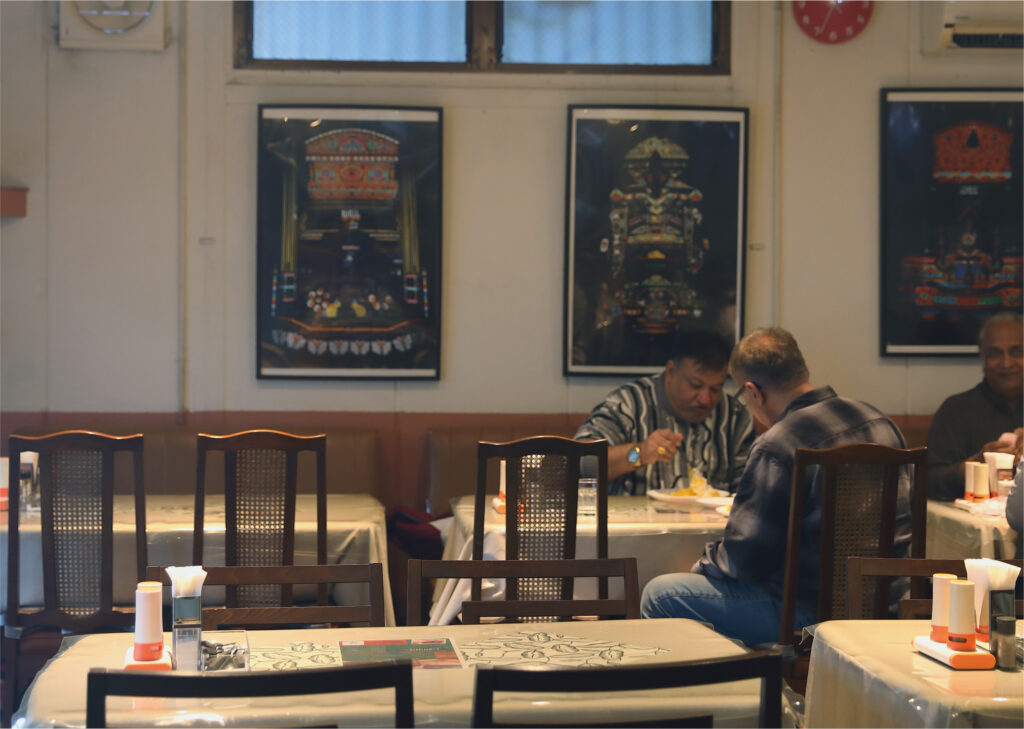
店に入ると、日本語だけではない会話が自然に交わされている。パキスタンやバングラデシュなど南アジアの人たちが日常的に通い、それぞれに食事を楽しんでいる。かつては工場が多くあり、外国人労働者が集まったこの地域では、いまもその流れが続いているという。この店は、彼らにとって母国の味に戻れる場所になっている。
話を聞いたイフティハルさんは来日して約11年。兄を頼って日本へ来て、この店で働くようになった。これまでドバイをはじめとした様々な国で働いてきたが、「日本は安全で暮らしやすい」と話す。食べ物の美味しさや教育環境、行政サービスまで、その印象は一貫している。
イフティハルさんの子どもたちは日本で育ち、日本語が第一言語になった。学校生活にもなじみ、宗教上の理由で弁当を持参することも受け入れられている。娘がスカーフを着けていても特別視されないし、いじめにあうこともない。そうした環境が、安心して暮らせる理由のひとつだ。
パキスタンの人たちは、みんなで集まることが好きだという。休日には友人や親戚と集まり、食べて話す。イスラム教は飲酒を禁じていて、その代わりにチャイを飲む。濃く煮出したミルクティーでひと息つく。断食明けの一杯もチャイ。日本人にとってのビールのような存在かもしれない。
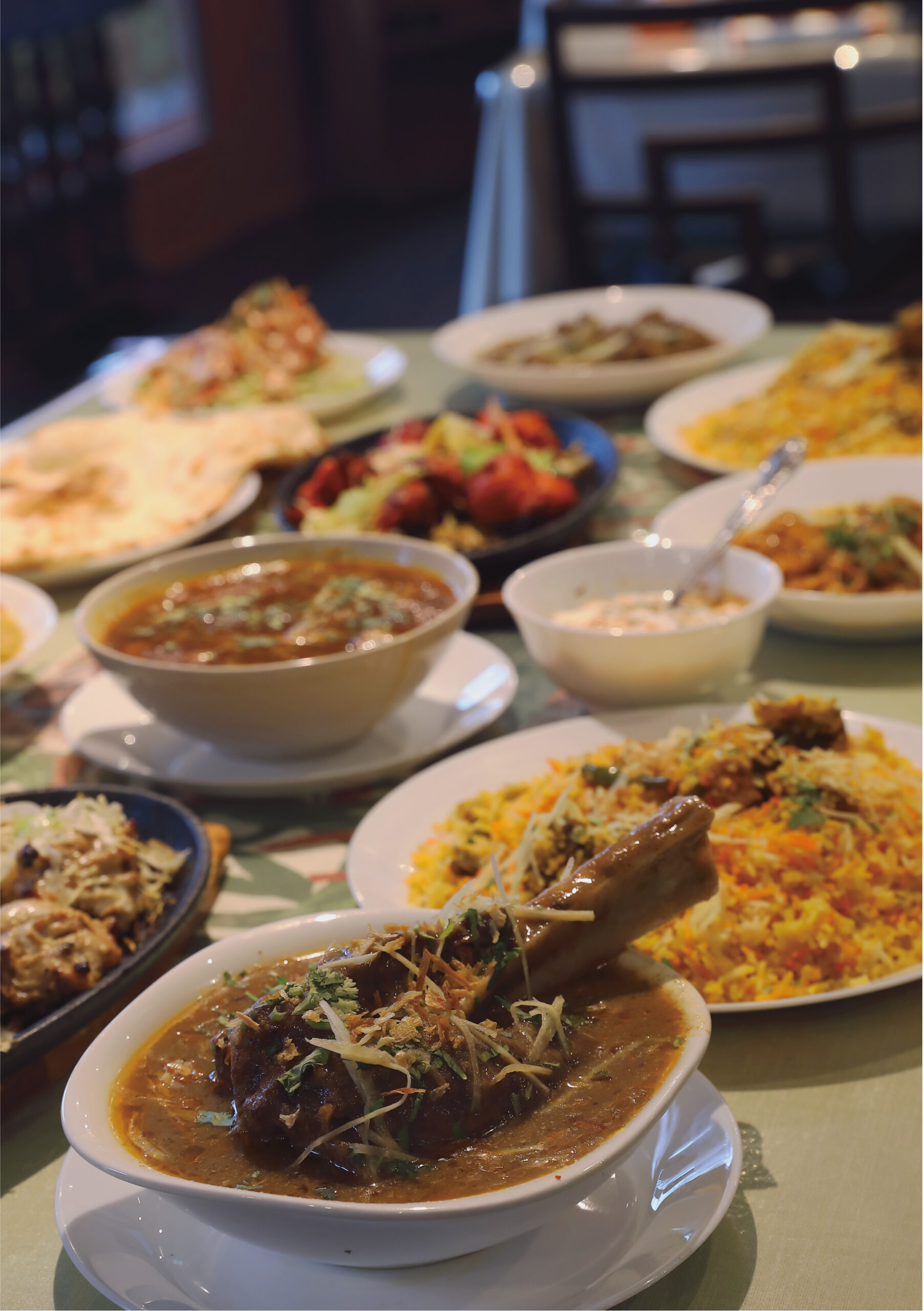
料理は本場の味を基本にしている。人気は「マトンカレー」。ほかにも「ビリヤニ」や「シシカバブ」、「ハリーム」などが並ぶ。金曜、土曜、日曜にはそれぞれ特別メニューも用意される。現地の人が食べても納得できる味を守っていることが、この店の軸になっている。
客の割合は外国人が6割、日本人が4割ほど。それでも日本人の常連も多く、食後に持ち帰りをする人もいる。現地の人には懐かしく、日本人には新鮮。その両方を満たしている。
「お客さんの気持ちが大切」。そう話す店の姿勢はシンプルだ。味で満足してもらい、また来てもらう。
その積み重ねが、この場所を支えている。
異国の料理を楽しみながら、異国の日常を味わう。マトンの香りとチャイの湯気の向こうに、日常としてのパキスタンが静かに広がっている。
Finding Pakistan: An Everyday Reality in Yashio.
More than foreign cuisine, there was the reality of a life from another land.
Our priority was simple: do the people of that nation living in Japan truly eat here? Al-Karam, a Pakistani restaurant in Yashio, perfectly fits this description. Inside, the air is filled with conversations in languages other than Japanese, creating an effortless, authentic atmosphere. As a daily hub for the immigrant community, this restaurant remains a sanctuary of home-cooked flavors in a region long shaped by its international workforce.
Iftikhar, who arrived 11 years ago, speaks of Japan with consistent praise. Having worked in cities like Dubai, he finds Japan exceptionally safe and livable, citing everything from food quality to reliable public services.
His children are being raised here, with Japanese as their first language. They have integrated well into school life, where their religious needs—such as bringing specific lunches or wearing a headscarf—are respected without judgment. This environment of quiet acceptance is exactly why Iftikhar feels his family can truly call Japan home.The people of Pakistan, it is said, love to gather.
On holidays, friends and relatives congregate to share meals and long conversations. Since Islam forbids alcohol, chai takes its place—a richly brewed milk tea that marks every moment of rest. It is the first drink after the fast, serving much the same cultural role as beer does for the Japanese.
The menu stays true to its roots. Mutton curry is a favorite, alongside staples like biryani, seekh kababs, and haleem. Special menus are also prepared every Friday, Saturday, and Sunday. Staying faithful to flavors that satisfy those who grew up with them is the core philosophy of this kitchen.
The clientele is roughly 60% foreign residents and 40% Japanese. Many Japanese regulars have become fond of the food, often ordering takeout after their meal. The restaurant offers a nostalgic refuge for some and a fresh discovery for others, striking a perfect balance between the two.
“The customer’s feelings are what matter most.” This simple mantra defines the shop’s approach. By ensuring every guest leaves satisfied, they have built a loyal following that sustains this space. As you enjoy the aroma of mutton and the steam rising from your chai, you realize that you aren’t just tasting foreign cuisine—you are experiencing the quiet, everyday reality of Pakistan.
トルコの風景が、越谷にぽつりと現れる。
A Turkish Landscape, Rooted in Koshigaya.
Feature | 2026.5.22
[トルコ料理 SKY CAFE & RESTAURANT ]
クルドの人々が日々をつなぐ、もうひとつの食卓。
SKY CAFE & RESTAURANT
〒343-0805 埼玉県越谷市神明町3丁目54−6
tel.048-916-1461
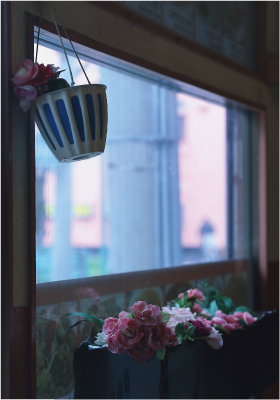
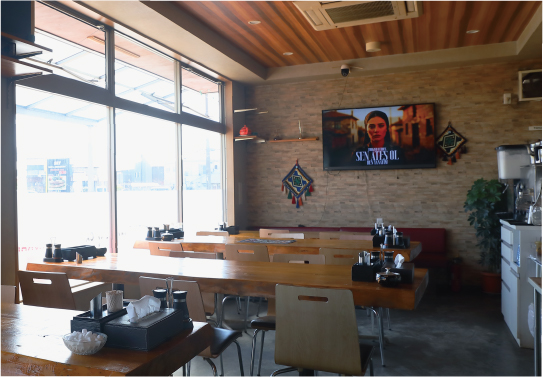
埼玉・越谷の郊外。どこにでもあるような通り沿いに、その店はある。一見すると、特別な店には見えない。だが扉を開けた瞬間、空気が切り替わる。流れているのはトルコ音楽。飛び交うのは、日本語ではない言葉。ここは、「SKYCAFE & RESTAURANT」。この店は、周辺に暮らすクルド人たちの拠点のひとつとなっている。
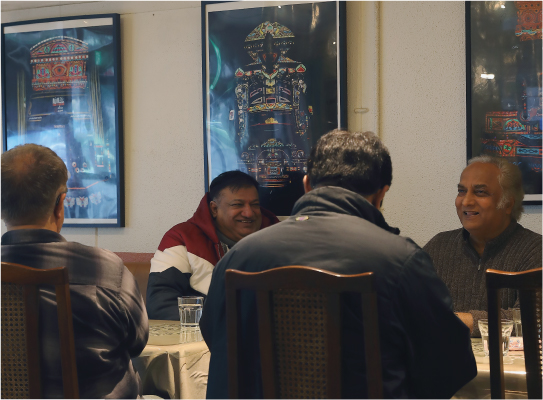
店の中で聞こえてくるのはトルコ語やクルド語。客の多くはこの地に暮らすクルド人たちだ。関東では川口や蕨を中心に、数千人規模のクルド人コミュニティが形成されているといわれ、この店もまた、その日常の一部として機能している。
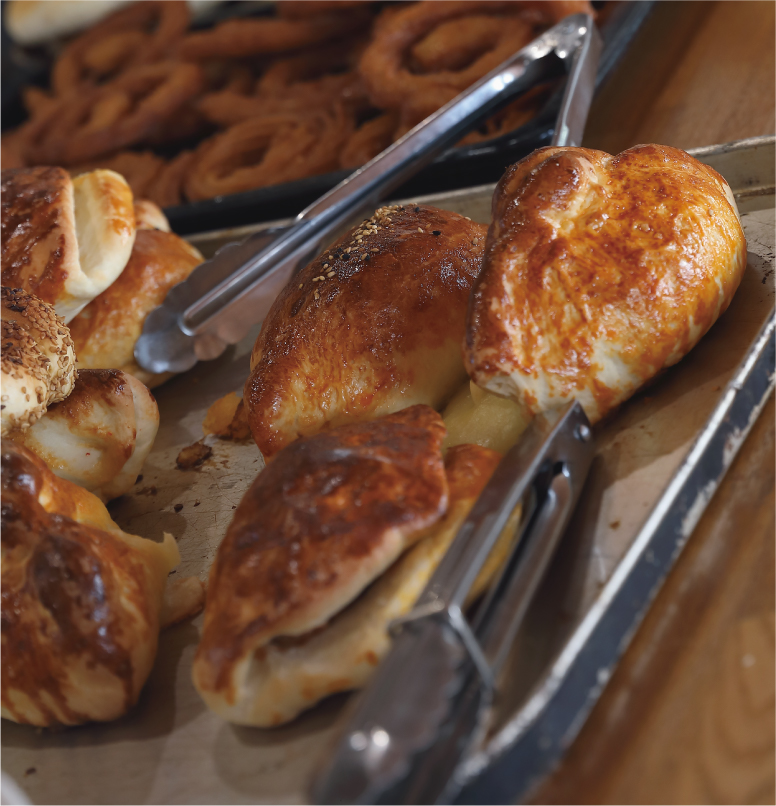
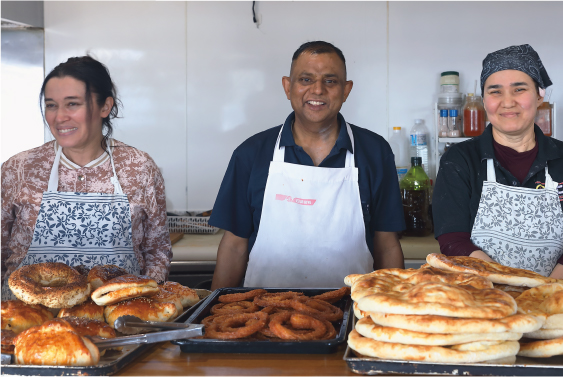
朝は早い。7時台から店は開き、ゴマがびっしりついたリング状のパン「シミット」を頬張る人々が次々とやってくる。昼も夜も、食事のリズムは絶えない。日曜・祝日にはバイキング形式で提供される朝食からしっかりした食事まで、ここでは一日を通して“故郷の味”が供されている。実際、ほぼ終日営業で、朝から晩まで客足が途切れないのも、この店の特徴。
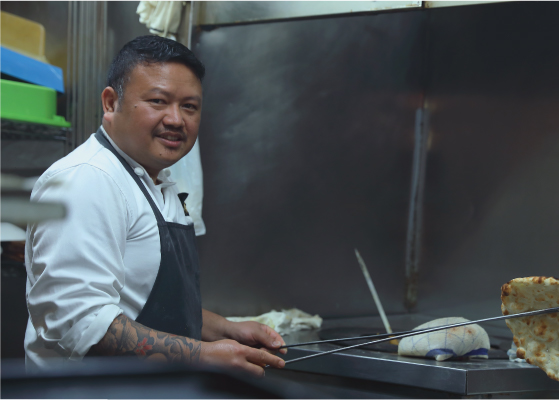
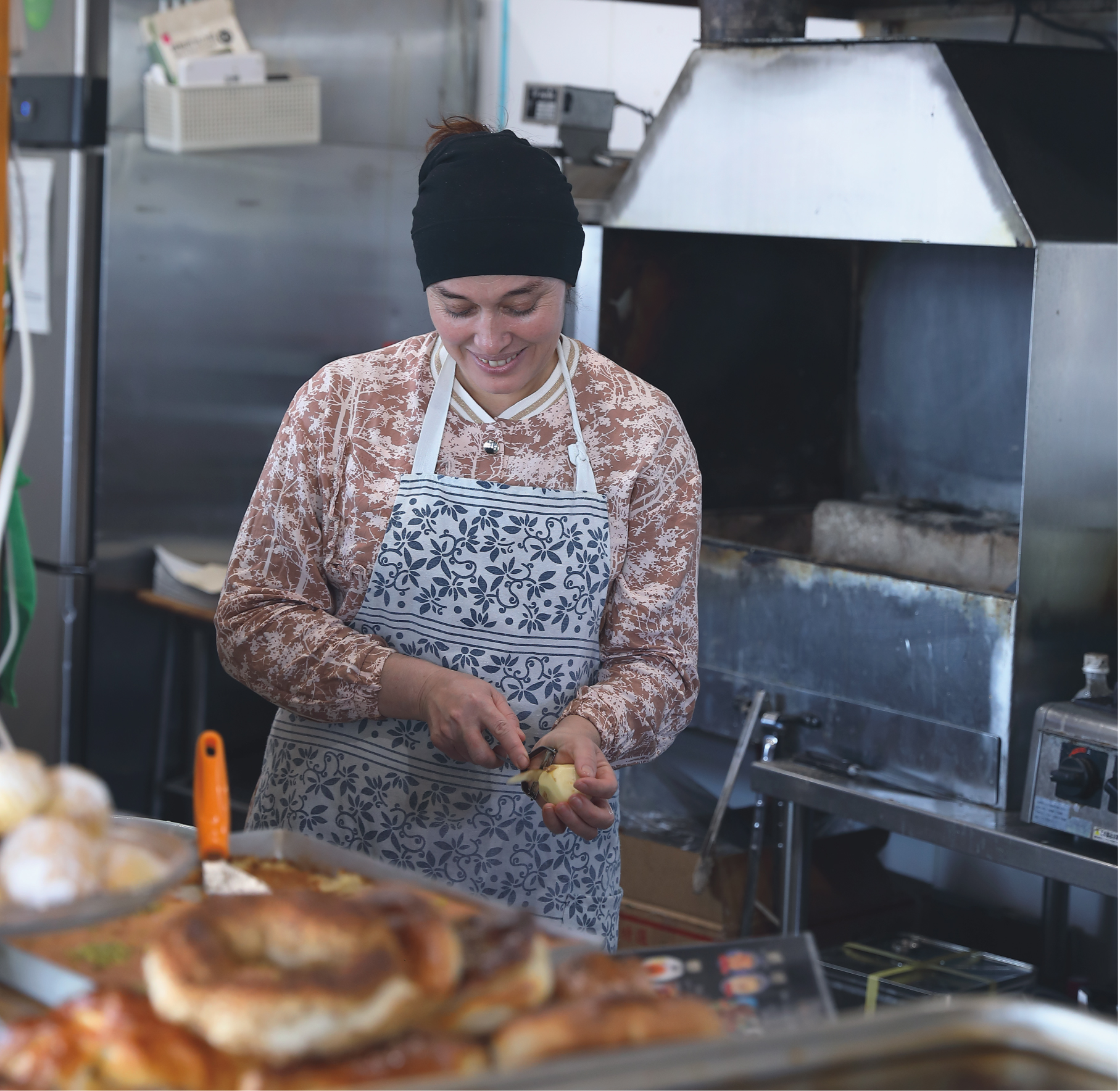
厨房とホールを切り盛りする女性たちは、大らかでよく笑う。言葉が通じなくても、手振りと笑顔でなんとかしてくれる。その距離感の近さに、異国であることを忘れる。
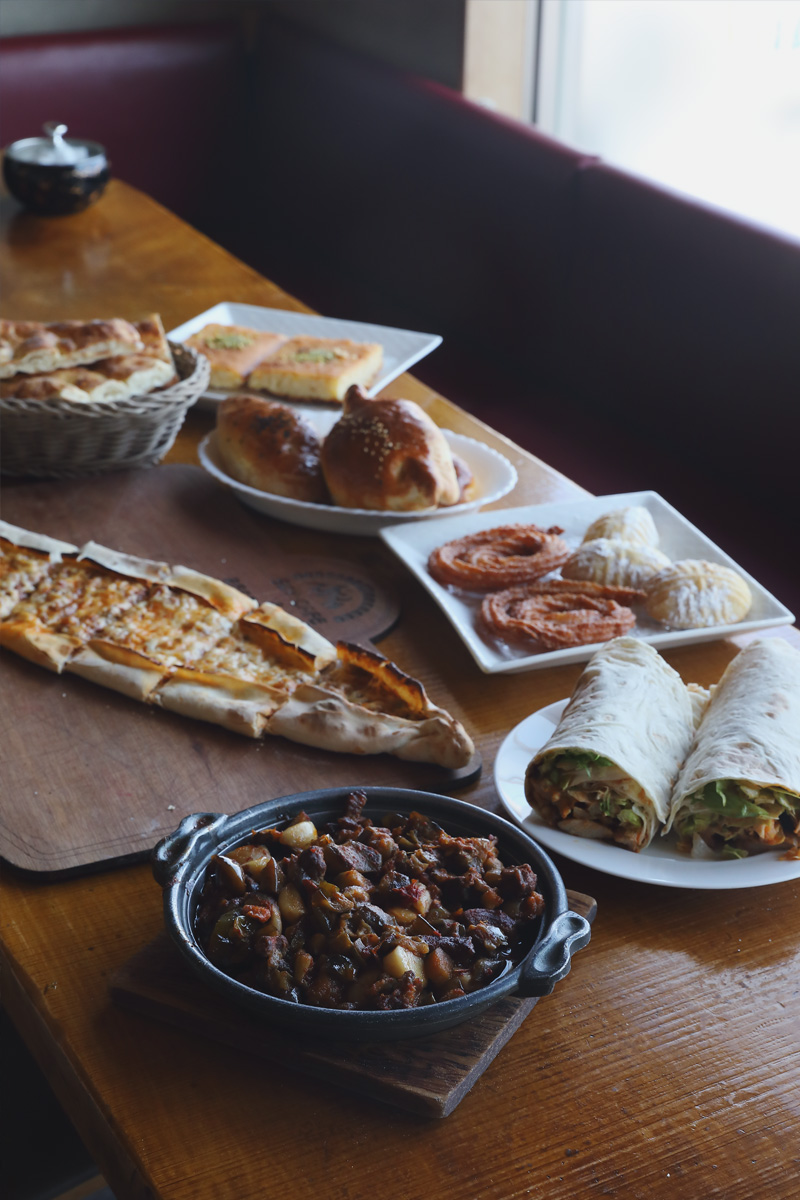
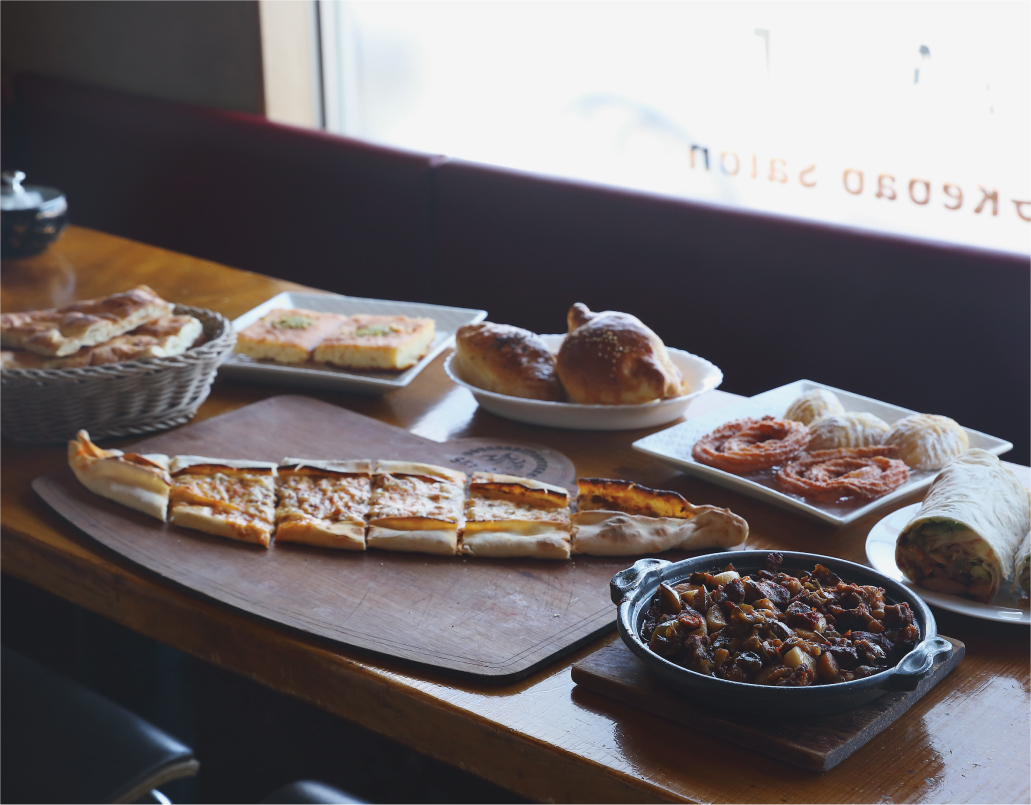
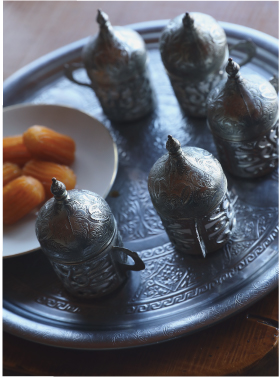
料理はどれもストレートだ。「チキンケバブ」は香ばしく、余計な装飾がない。舟形のピザ「ピデ」は、もちっとした生地に具材の旨味がのる。「トルココーヒー」は濃く、甘い菓子「カダイフ」は驚くほど軽やかで、食後の舌を整えてくれる。どの味も店の料理が“現地のまま”であることを物語っている。
この土地にクルドの人々が集まる背景には、事情がある。彼らはトルコ、イラク、シリアなどにまたがって暮らしてきた民族で、国家を持たない。日本ではトルコ国籍として扱われることが多く、その存在は見えにくい。難民申請や在留資格の問題を抱えながら暮らす人も多く、社会のなかで不安定な立場に置かれているのが現実だ。
一方で、地域のなかで誤解や偏見が生まれもしている。だが、外国人の増加と治安の悪化が必ずしも結びつくわけではないというデータもあり、そこには情報の偏りや感情の問題も横たわっている。
だからこそ、この店の意味は小さくない。ここではただ、食べて、話し、笑う。それだけのことが、彼らにとっては生活の軸になる。そして、日本人にとっては、ニュースの向こう側にいた人々と、同じテーブルを囲む機会になる。
異国の料理を味わう、というよりも、異国の時間に触れる。そんな場所が、越谷にある。
A Turkish Landscape, Rooted in Koshigaya.
Another Kitchen, Bridging the Lives of the Kurdish Community.
In the suburbs of Koshigaya, Saitama, along an ordinary street, stands a restaurant that looks unremarkable from the outside. But the moment you open the door, the atmosphere shifts. Turkish music fills the air, and conversations flow in languages other than Japanese. This is “SKY CAFE & RESTAURANT,” a vital hub for the local Kurdish community.
With thousands of Kurds living in the Kanto region, particularly around Kawaguchi and Warabi, this shop functions as an essential part of their daily lives. The day starts early; from 7:00 AM, people arrive to enjoy simit—ring-shaped bread encrusted with sesame seeds.
Whether it is the breakfast buffet or a hearty dinner, the “taste of home” is served all day long. The women managing the kitchen and floor are generous and quick to laugh. Even without a shared language, their gestures and smiles bridge the gap. In this close-knit space, you almost forget you are in a foreign land.
The food is straightforward and authentic. The “Chicken Kebab” is fragrant and unadorned,while the “Pide,” a boat-shaped pizza,offers a savory blend of toppings on chewy dough. Thick Turkish coffee paired with “Kadayif”—a surprisingly light, sweet pastry—cleanses the palate. Every flavor tells the story of a kitchen that remains fiercely true to its roots.
There is a complex history behind why Kurdish people gather here. As a stateless nation spanning Turkey, Iraq, and Syria, they are often officially classified in Japan as Turkish citizens, making their true identity hard to see. Many live in legal limbo, facing unstable social positions as they navigate the complexities of refugee status and residency.
In the community, misunderstandings and prejudices can arise. Yet, data suggests that an increase in foreign residents does not necessarily correlate with a rise in crime; rather, the friction often stems from biased information and emotional barriers.
This is why this restaurant is so significant. Here, they simply eat, talk, and laugh—a routine that forms the core of their daily lives. For Japanese guests, it is a chance to sit at the same table with people who previously only existed behind news headlines. Rather than just tasting foreign cuisine, you are touching the rhythm of another world’s time.
異国が混じる団地の隣で出会う、本当のベトナム。
Authentic Vietnam, Thriving Beside a Multicultural Crossroads.
Feature | 2026.5.22
[ ベトナム料理 THANH HA(タンハー)]
高座渋谷、いちょう団地のそば、食と人が交わる食堂「タンハー」。
ベトナム料理 THANH HA (タンハー)
〒245-0018 神奈川県横浜市泉区上飯田町3050
tel.045-878-1720
神奈川県大和市、高座渋谷。小田急江ノ島線が通るこの街は、穏やかな住宅地の顔を持ちながら、異国の気配も併せ持っている。
駅から少し離れた場所に広がる、いちょう団地。高度経済成長期に建てられた大規模団地は、いまでは多くの、海外をルーツとする人々が暮らしている。ベトナム、中国、南米などのさまざまな言葉が飛び交い、食材店や雑貨店が点在する。
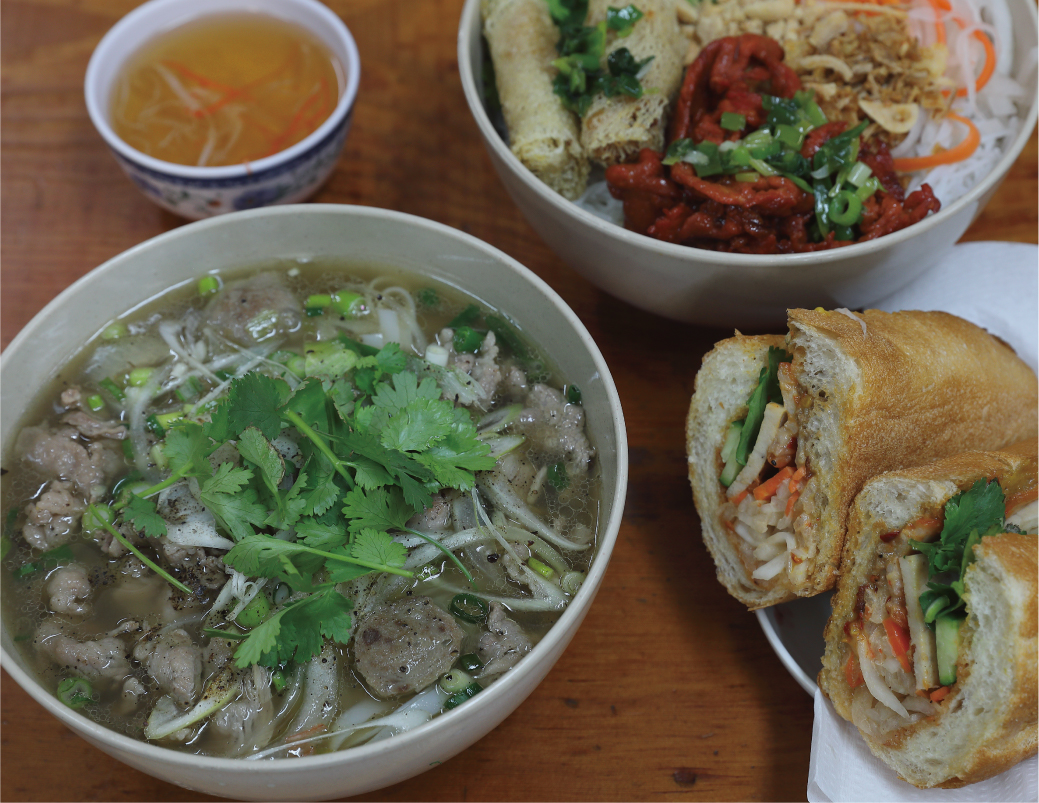
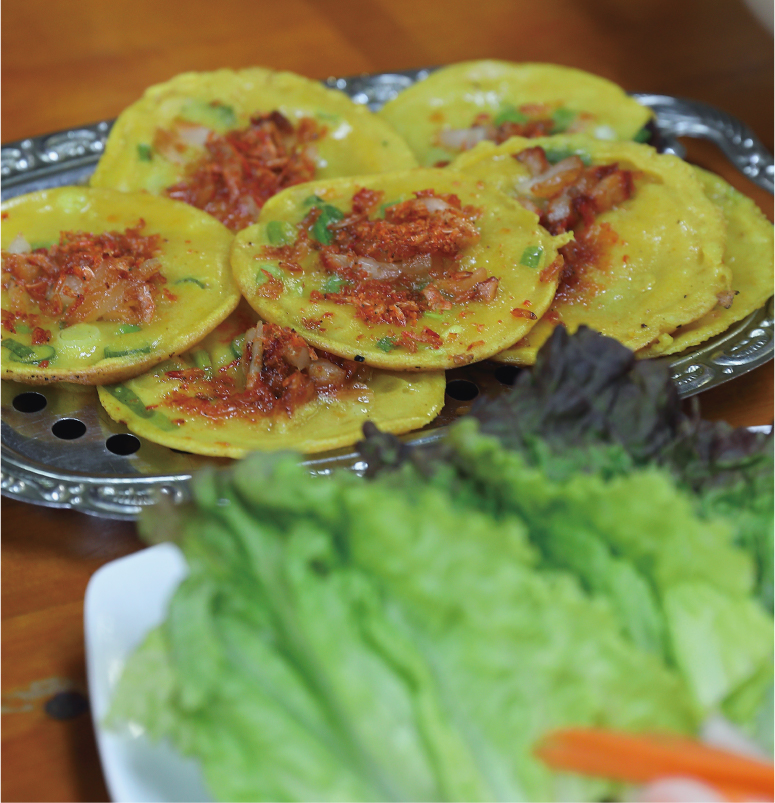
いちょう団地のすぐそばにあるのが、ベトナム料理の食堂「タンハー」。朝の開店と同時に、店には次々と人がやってくる。団地に住む人、近隣で働く人、そして噂を聞きつけて遠方から訪れる人。なかには高座渋谷駅からタクシーで乗りつける客もいるというから、この店の引力は相当なものだ。
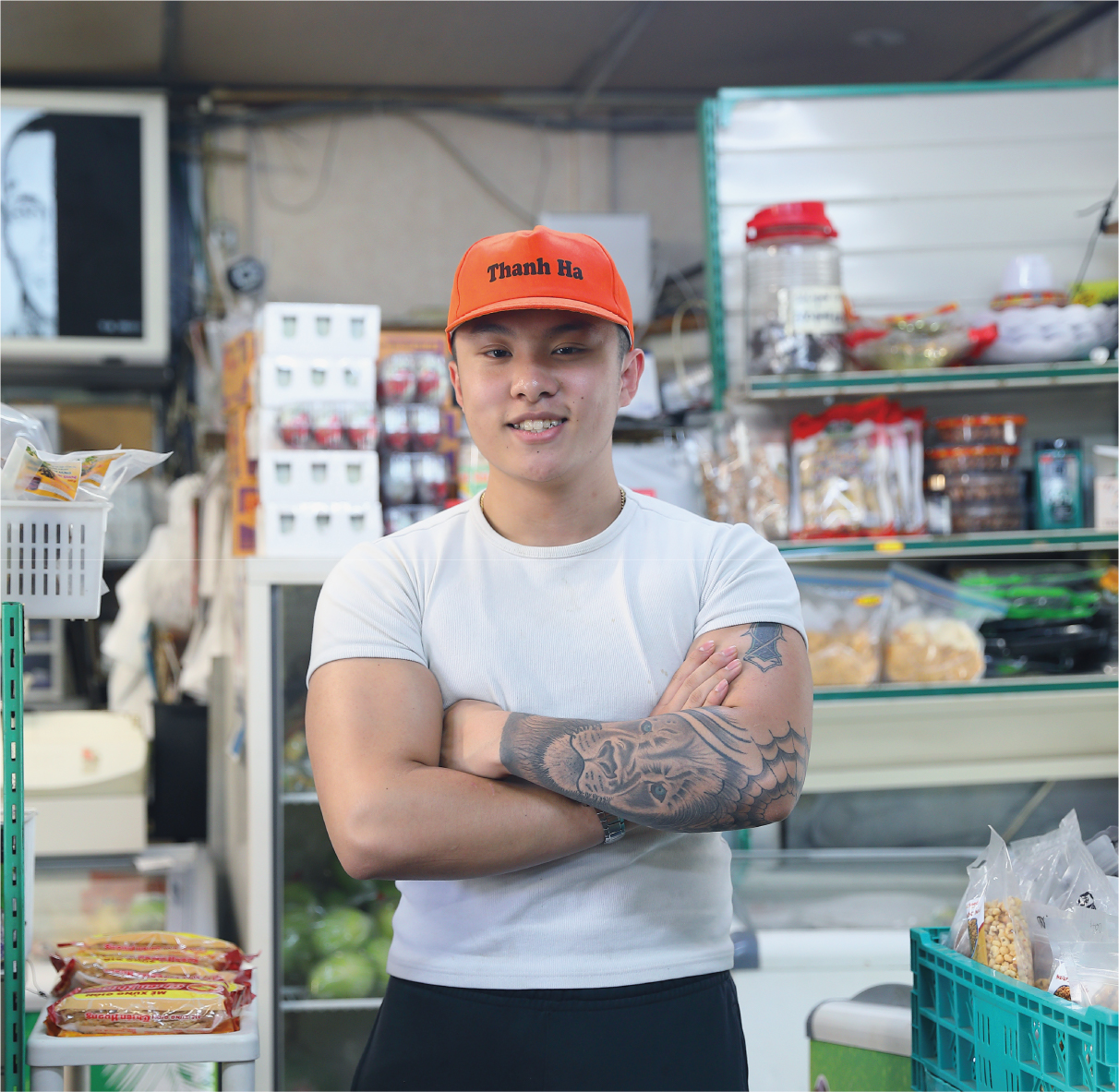
店を切り盛りするのはグエンさん。日本生まれで日本語も流暢、次々に来店する客をさばき、厨房とホールを行き来しながら黙々と働いている。だが、その素顔は少し意外だ。店に立たない日は格闘技のトレーニングに通い、鍛え上げた身体は筋肉隆々。試合では3戦3勝という強者だ。そのギャップもまた、この店の魅力のひとつになっている。
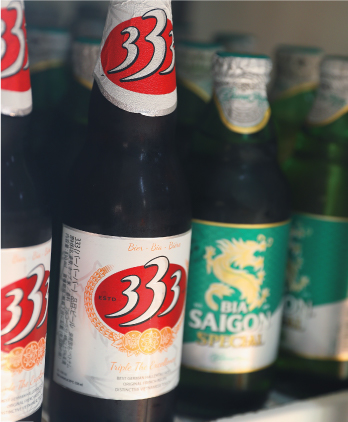
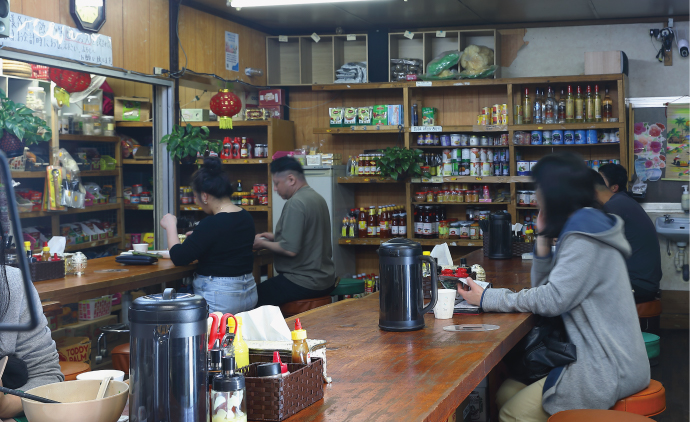
店内に入ると、まず目に入るのは並べられたベトナムの食材や菓子。魚醤の瓶、乾麺、見慣れないパッケージのスナック。その中央に長テーブルが据えられ、食事の場となっている。“レストラン”というより、“現地の食堂兼雑貨店”。そんな空気が自然に成立している。そこにあるのは、つくり込まれた演出ではなく、生活の延長としての風景。
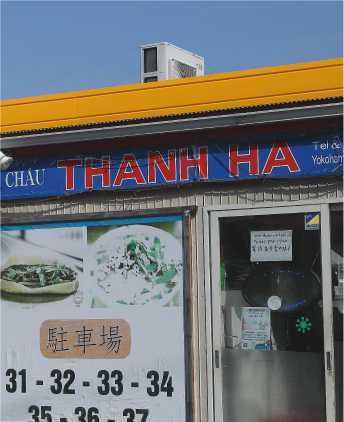
店構えもどこか既視感がある。ハノイ郊外、例えばグエン・バン・リン通り沿いに点在するロードサイドの食堂のような、あのどこか懐かしい空気感がある。看板は色褪せ、営業中なのかもわかりにくい。それでも、誰でもふらりと入っていける、不思議な親近感がある。
いちょう団地という、多様な文化が交わる場所の隣にあるこの店は、単なる異国料理店ではない。そこにあるのは、日本に翻訳されないまま持ち込まれたベトナムの断片。
異国が混じる街の中にある、もうひとつの異国。「タンハー」は、今日も多くのベトナム人と日本人で賑わっている。
Authentic Vietnam, Thriving Beside a Multicultural Crossroads.
Inside “THANH HA”: Where Food and People Converge Near the Icho Housing Complex.
In Koza-Shibuya, Yamato City, Kanagawa, the quiet residential streets hum with an international undertone. Nearby lies the Icho Housing Complex—a sprawling postwar development that is now home to a vibrant community from Vietnam, China, and South America. In this neighborhood, a mosaic of languages fills the air between local grocery stores.
Just steps from the complex is “THANH HA,” a Vietnamese eatery with a powerful magnetic pull. From the moment it opens, the shop is bustling. Locals from the housing complex and nearby workers are joined by visitors who travel from afar—some even arriving by taxi from the station just to eat here.
Managing the rush is Nguyen. Despite his Vietnamese roots, his Japanese is remarkably fluent as he silent and efficiently navigates between the kitchen and the floor. Yet, he leads a surprising double life: on his days off, he trains in martial arts. With a muscular physique and an undefeated 3-0 record in the ring, the gap between his stoic service and his strength as a fighter adds to the restaurant’s unique charm.Upon entering the shop, the first thing that catches your eye is the array of Vietnamese groceries and snacks: bottles of fish sauce, stacks of dried noodles, and snacks in unfamiliar packaging. In the center, long tables are arranged for dining. It feels less like a “restaurant” and more like a local “eatery-meets-grocery store.” This atmosphere isn’t a deliberate stage set; it is a natural extension of daily life.
The storefront itself carries a sense of déjà vu. It has that nostalgic air of a roadside diner you might find along Nguyen Van Linh Street on the outskirts of Hanoi. The sign is faded, and at first glance, you might even wonder if it’s open. Yet, it possesses a strange, welcoming familiarity that invites anyone to wander in.
Located next to the Icho Housing Complex—a crossroads of diverse cultures—THANH HA is more than just a place for foreign cuisine. It is a fragment of Vietnam brought to Japan, left entirely untranslated. It is a world within a world, nested in an international neighborhood. Today, as always, Thanh Ha is alive with the hum of Vietnamese and Japanese voices alike.
オランダと日本が交わる食堂に英語が飛び交う。
At the Crossroads of Two Nations, Conversations Flow in English.
Feature | 2026.5.22
[ オランダ料理屋&バー LIGHTHOUSE-TOKYO(ライトハウス)]
国分寺にある、フラットで心地いい異文化のテーブル。
LIGHTHOUSE-TOKYO(ライトハウス)
〒185-0021東京都国分寺市南町2-15-6
tel.050-1361-4797
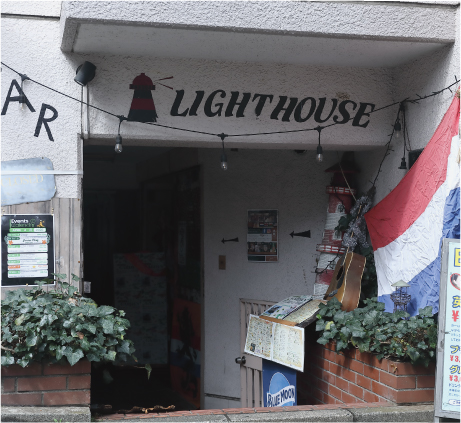
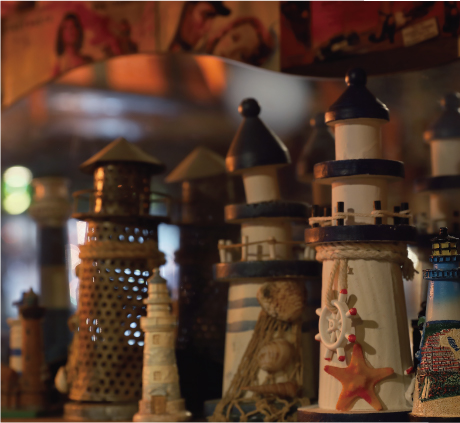
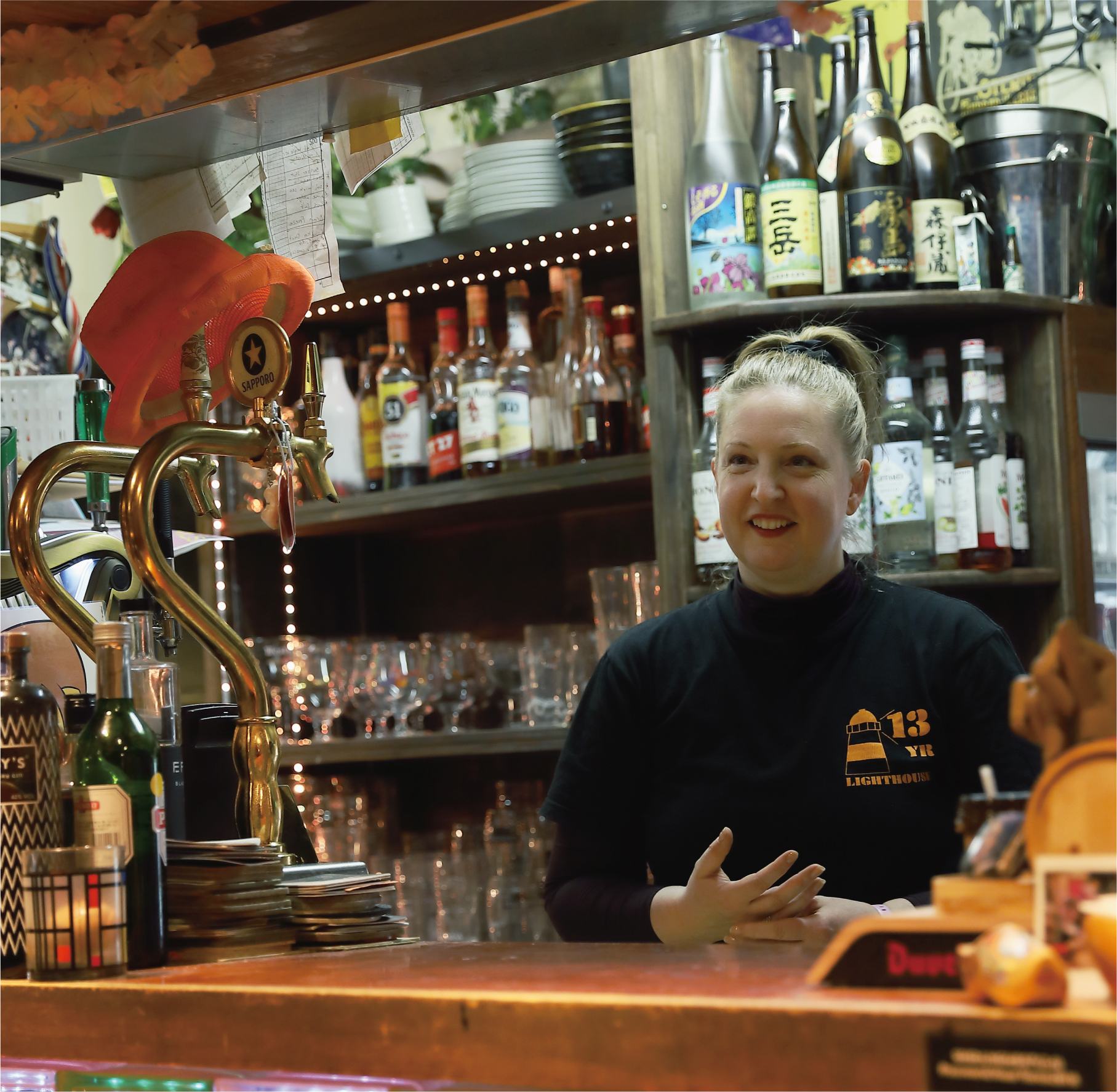
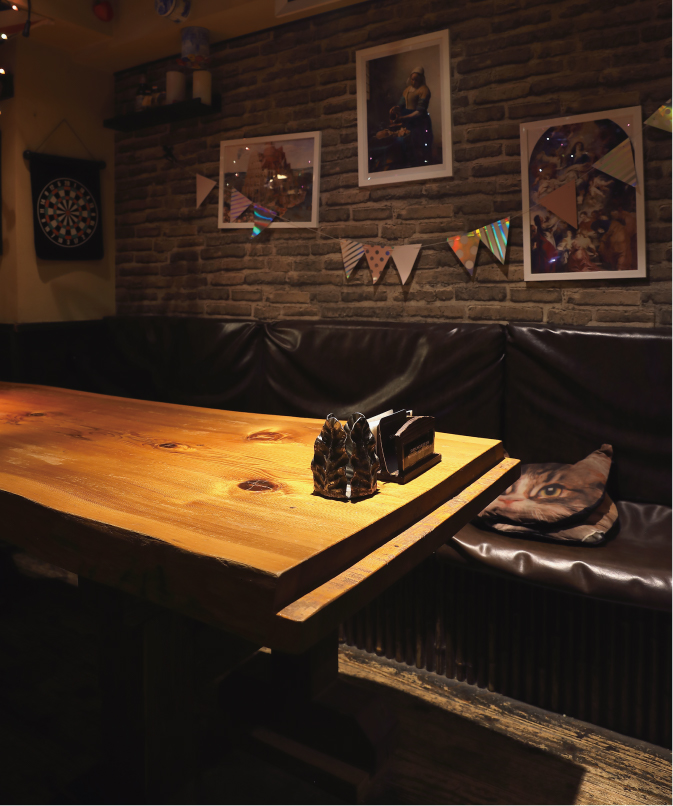
国分寺。人気の中央線沿線にある、育ちの良さが感じられる街。その一角に、オランダ料理の店がある。「LIGHTHOUSE-TOKYO」。駅南口から歩いて数分、店へ入ると、空気がふっと切り替わる。
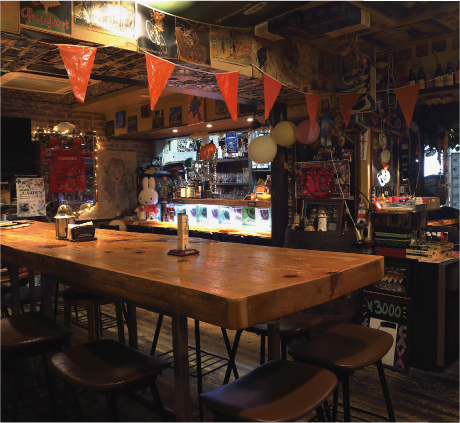
店内には外国人の姿が多い。もちろん、とくにオランダ人の姿が目立つ。ただし閉じたコミュニティではなく、地元の人も自然に混ざり合っている。
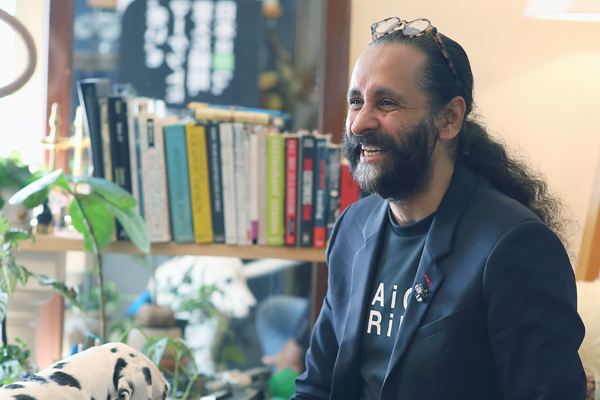
初対面でも距離を詰めるのが早く、誰に対してもフラット。それがオランダ人特有の気質だという。そう教えてくれたのが、店主のハナさんだ。店内では見知らぬお客さん同士でも、すぐにコミュニケーションが生まれるという。
ハナさんは続ける、「オランダ人はとてもストレートです。思ったことは、はっきり言葉にします。美容院で仕上がりが気に入らなければ、『これは好きではない』とそのまま伝える(笑)」。
ただし、それは単なる率直さではない。曖昧な言葉やその場しのぎの賛辞のほうが、むしろ相手に対して失礼になるという感覚がある。正直に伝えることが、相手へのリスペクトになる。そんな価値観が根底にある。
一方で、そのストレートさは冷たさにつながるわけではない。オランダは世界幸福度ランキングでも常に上位に位置しており、総じて生活満足度が高いとされている。仕事が終わればすぐに帰り、家族や自分の時間を大切にする。上司より先に帰ることに遠慮はない。仕事と生活のバランス、いわゆるQOLが整っているからこそ、人との関係もどこかしなやかだと、ハナさんは話す。
そんな人たちが集まるこの店では、気負わず、隣にいる人と言葉を交わすのが正解。その延長に、食事があり、酒がある。
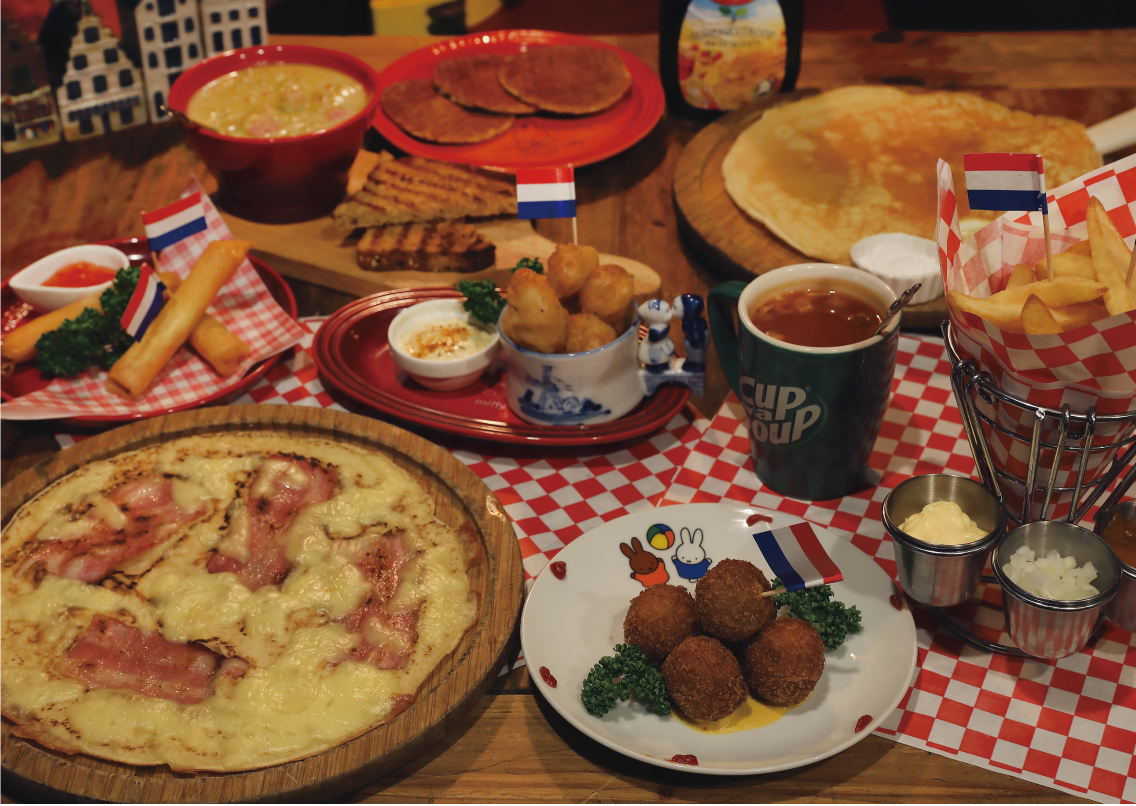
料理はコロッケのような「ビターバレン」や、素朴なスープやパイ。どれも主張しすぎず、この場の空気になじむ。料理をきっかけに、「それはどんな味?」と自然に会話が始まり、知らなかった国の話がテーブルの上に広がっていく。
この店は、火曜から日曜の14時~17時は英会話CAFEとして営業。といっても、学ぶ場というより、あくまで交流の延長。学ぶ人同士で、その場を共有することが優先される。その感覚もまた、オランダ的なのかもしれない。
オランダ人も、地元の人も、ふらりと来て、同じテーブルにつく。ここでは、率直さとやわらかい関係性が、同時に成り立っている。
At the Crossroads of Two Nations, Conversations Flow in English.
A Hidden Space in Kokubunji: A Flat, Comforting Table for All Cultures.
Kokubunji, a refined and pleasant neighborhood along the popular Chuo Line, holds a unique secret: an authentic Dutch establishment called “LIGHTHOUSE-TOKYO.” Just a few minutes’ walk from the station’s south exit, you descend into a basement where the atmosphere instantly shifts.
Inside, the presence of foreign residents is striking. Yet, it is far from an exclusive circle; local residents blend in naturally, creating a diverse and open space.
“The Dutch are quick to close the distance, even with strangers. They treat everyone as a flat equal,” explains Hana, the owner. In this shop, spontaneous conversations often spark between people who have never met.
Hana continues with a smile: “Dutch people are very straightforward. They say exactly what’s on their mind. If they don’t like their haircut at a salon, they’ll tell the stylist plainly, ‘I don’t like this.'”
This isn’t mere bluntness. Behind it lies a cultural belief that ambiguity or hollow praise is actually disrespectful. For them, being honest is the ultimate form of respect. This fundamental value defines the very soul of the shop.
This straightforwardness, however, does not translate into coldness. The Netherlands consistently ranks high in the World Happiness Report, and general life satisfaction is remarkably high. People head home immediately after work, prioritizing family and personal time without hesitation—even if it means leaving before the boss. “Because their work-life balance (QOL) is so well-maintained, their relationships with others remain flexible and resilient,” Hana explains.
In this restaurant, the correct way to spend time is to simply strike up a conversation with the person next to you. Food and drinks serve as a natural extension of that connection.
The menu features “bitterballen”—savory, croquette-like snacks, and rustic soups or pies. None of the dishes are overly assertive; they blend seamlessly into the social atmosphere. A meal often becomes a conversation starter: “How does that taste?” From there, stories of a distant land naturally unfold across the table.
The shop also hosts events and English conversation classes, though these are less about formal study and more about social interaction. Sharing the experience with others takes priority over the curriculum—a very Dutch approach. Here, Dutch expats and locals alike drop by and sit at the same table. It is a place where radical honesty and gentle, flexible relationships exist in perfect harmony.