











修験者は、山のてっぺんは目指さない。
Feature | 2026.10.19
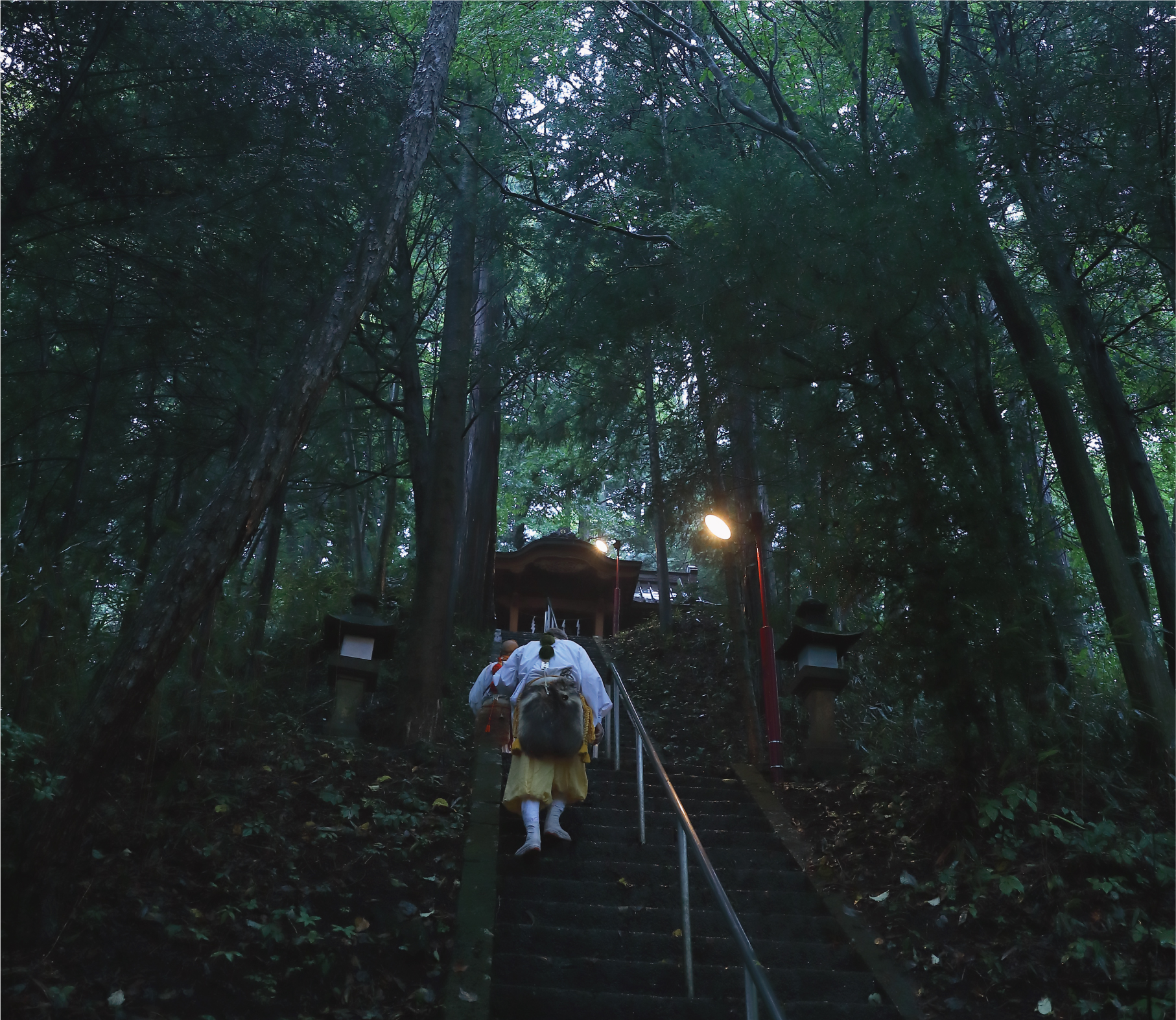
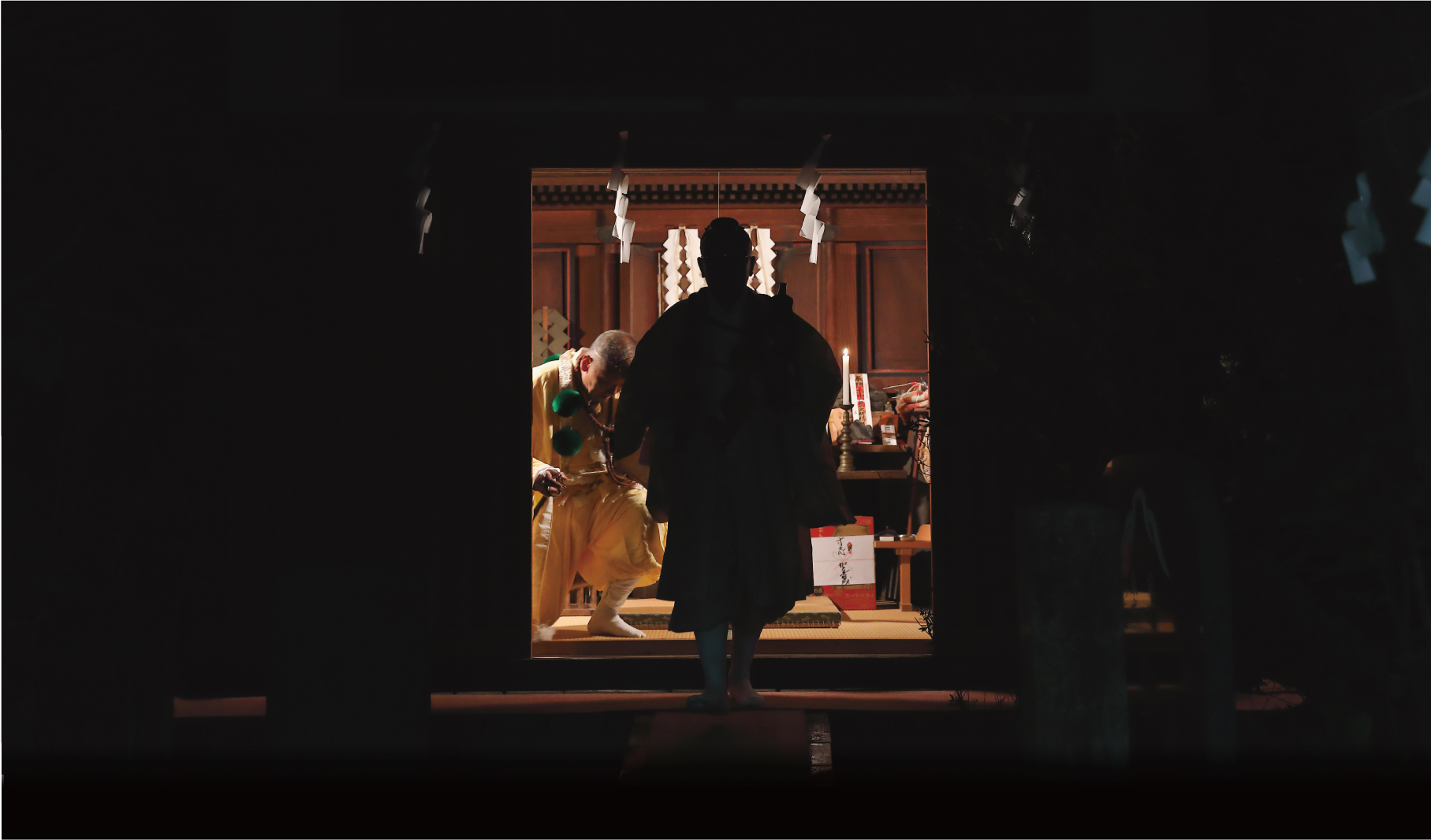
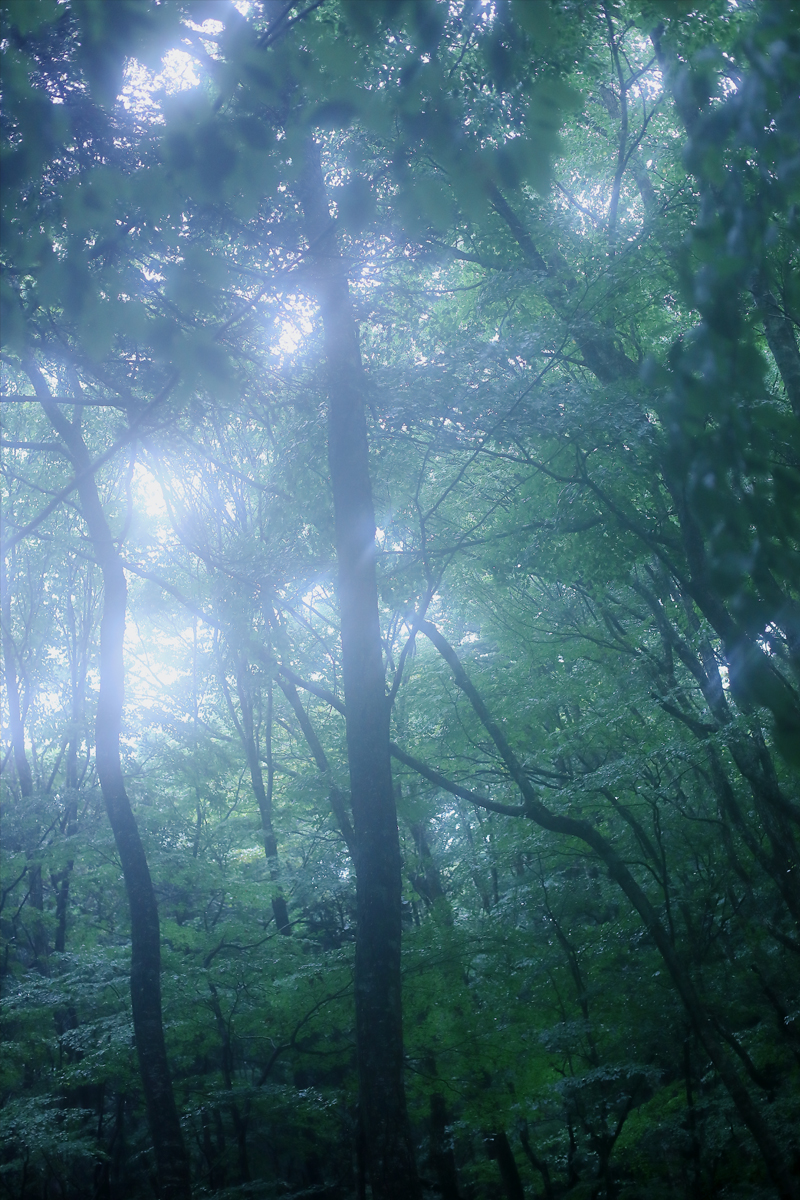
修験者は、なぜ山へ入るのだろう。車で行けるところまで行けばいいのに、わざわざ歩き、楽ではないほうへ進む。効率だけを考えれば、ずいぶん妙なことをしている。
取材中、そんな話になった。「頂上へ行くことが目的じゃないんです」。
ここで、ちょっと頭が混乱した。山に登るのに、頂上へ行かなくていい?
普通の登山なら、頂上は大きな目標になる。しかし修験者の登拝で大切なのは、山へ入らせてもらい、そこで拝ませてもらうことだという。
天候が崩れ、七合目までしか行けなくても、「今日は七合目まで行かせていただいた」と感謝して帰る。山を征服する、という考え方とはかなり遠い。
僕らはいつの間にか、何にでもゴールを決める癖がついている。どこまで行った。何を達成した。何分でできた。修験は、“効率化”を山へ持ち込まない。
山では天気が変わっただけで、人間の都合など簡単に吹き飛ばされる。雨に濡れ、寒さに耐えるうちに、屋根があることや、温かい場所で眠れることが、にわかにありがたくなる。便利な暮らしの中では、わざわざ考えもしないことだ。
そうした変化の中に身を置いていると、「自然イコール神」という感覚が出てくるのだと、修験者は話してくれた。富士山麓では、山頂へ向かうことだけが修行ではなかった。
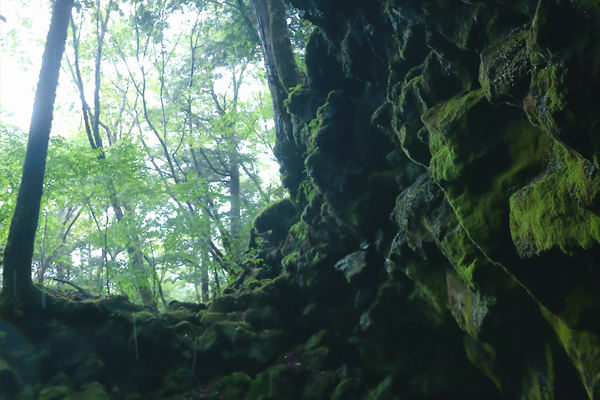
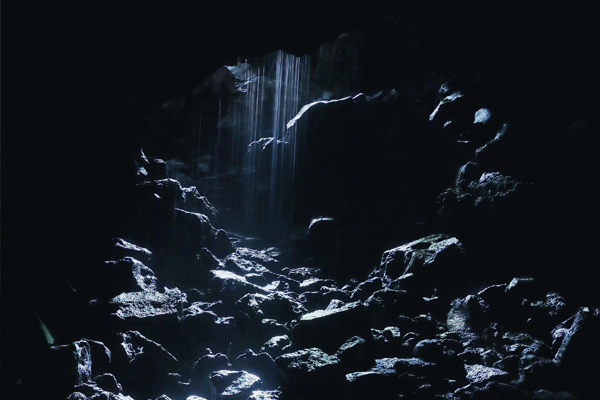
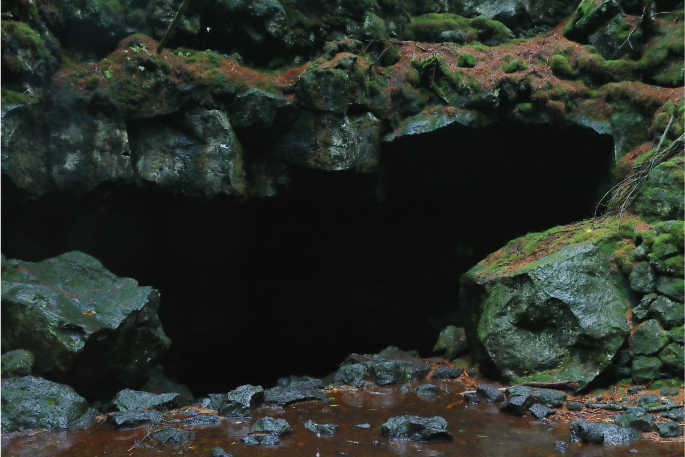
噴火によって生まれた溶岩洞穴も、祈りや修行の場所になってきた。
その代表が「人穴」。青木ヶ原樹海から少し離れた富士山西麓にある、長さ約83メートルの溶岩洞穴だ。『吾妻鏡』には「浅間大菩薩の御在所」と記され、のちに富士講の開祖とされる長谷川角行が籠もって修行したと伝えられている。いまも人穴浅間神社の境内には、富士講の人々が建てた二百基を超える碑塔が残る。
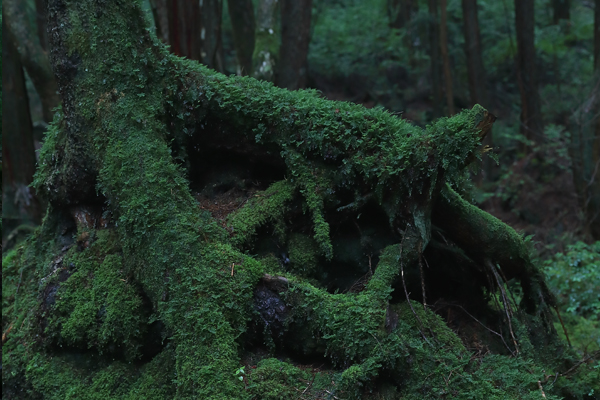
青木ヶ原樹海の中にも、精進御穴や竜宮洞穴などがある。精進御穴では木食行や断食行が行われ、竜宮洞穴には水の神が祀られた。干ばつの際には、人々が雨を願ったという。
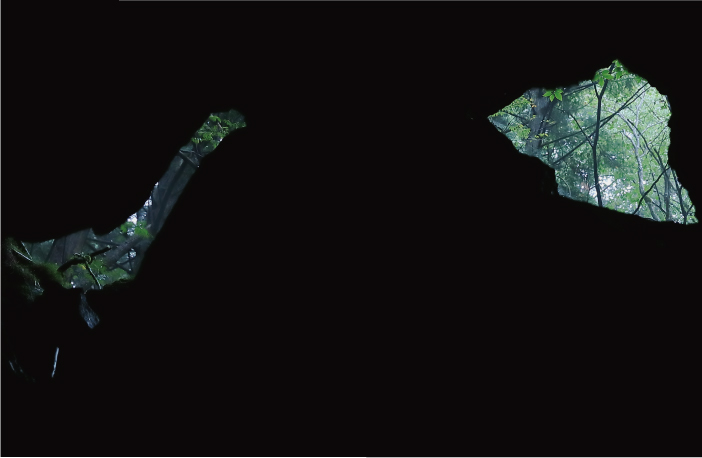
洞穴へ入ると光が消え、温度や音の響き方が変わる。遠くから山を仰ぐのとは違い、その山が生んだ暗闇へ、自分の身体ごと入っていく。修験とは身体で確かめるものだという意味が、少しわかる気がした。
修験者の装束にも、祈りと実用が同居している。額につける「頭襟(ときん)」は法具だが、取材で聞いたところでは、山中で頭を守り、水をすくう器にもなるという。山で役に立つよう、きちんとできているのだ。
取材の最後、修験者がこう言った。「山伏なんだけど、里の修行のほうが大変なんだ」。山で感じたことを持って里へ戻り、人と付き合い、仕事をして、腹を立てたり、面倒なことに巻き込まれたりしながら暮らしていく。そっちのほうが、ずっと長い。
山伏の修行は、山を下りてからも続いている。
For shugensha, reaching the top is not the goal.
Why do shugenja walk into the mountains instead of driving as far as possible? If efficiency were the goal, choosing the harder path makes no sense.
During an interview, one explained: “Reaching the summit is not the objective.”
For ordinary hikers, the peak is everything. For shugenja, what matters is being permitted to enter and pray. Even if turned back at the seventh station by bad weather, they return with gratitude—a mindset far from conquering nature.
We instinctively assign goals to everything: distance, speed, achievement. Shugendo leaves efficiency behind.
In the mountains, shifting weather shatters human plans. Soaked and freezing, one suddenly appreciates a simple roof or warm bed. Experiencing this awakens the realization that nature itself is divine. Around Mount Fuji, ascending the summit was never the only path; lava caves created by eruptions have long served as sacred grounds for prayer and discipline.
A prime example is Hitoana, an 83-meter lava cave near the Jukai forest. Recorded in Azuma Kagami as a divine dwelling, Fuji-ko founder Hasegawa Kakugyo secluded himself here for ascetic practice. Over 200 stone monuments built by followers still stand at the site.
The forest also shelters Shojin Oana, used for fasting practices, and Ryugu Cave, where locals prayed to a water deity during droughts.
Inside a cave, light disappears and temperature drops. Unlike admiring a mountain from afar, you step directly into darkness forged by the mountain itself—a physical realization of shugensha faith.
Even attire blends prayer with utility: the forehead-worn “tokin” serves as both a sacred tool and a protective helmet or water cup.
As a shugenja noted, “Training back in the village is harder.” Bringing mountain insights into daily life, work, and human conflict is the true, lasting practice.
A shugenja’s training continues long after descending the mountain.

閲覧中の特集はこちら