












ジョアキーノ・ロッシーニ編
dumplings|2025.12.21
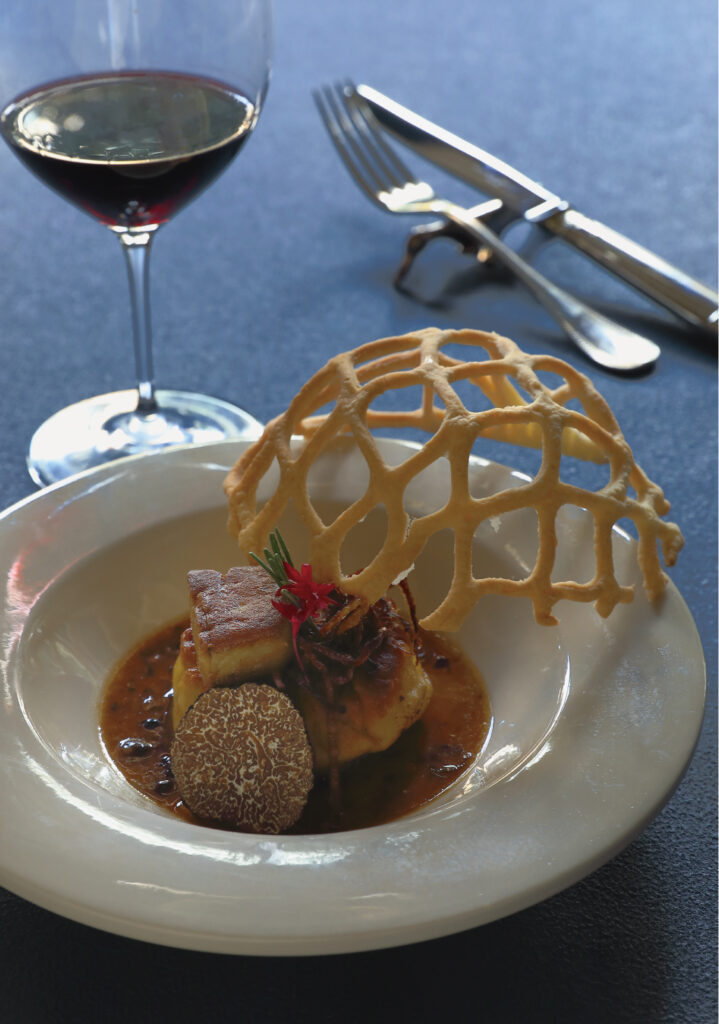
「旅する餃子」ジョアキーノ・ロッシーニ編。
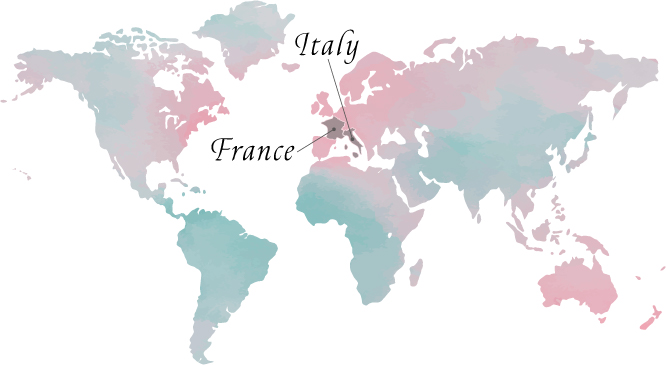
国でいうとすればフランスとイタリア。
今回は音楽家であり美食家であったアーティストがテーマ。
オペラのように華やかで麗しい餃子はできあがるか?
音楽と美食を愛した天才芸術家がいた。
ジョアキーノ・ロッシーニをご存知だろうか。19世紀初頭のイタリアを代表する作曲家であり、「セビリアの理髪師」や「ウィリアム・テル」といった作品が有名。太陽のように明るく、エネルギーに満ちていると評される。
1792年、イタリア北部ペーザロに生まれたロッシーニは、幼少期から音楽に親しみ、驚異的な速度で作曲技術を身につけた。わずか20代でヨーロッパ中のオペラ座を席巻し、その旋律の輝きは“イタリア・オペラの奇跡”と称された。彼の作品には、軽妙なリズム、巧妙なアンサンブル、そして何よりも“笑い”がある。悲劇よりも喜劇を愛し、人間の機微を音で描き出す天才だった。
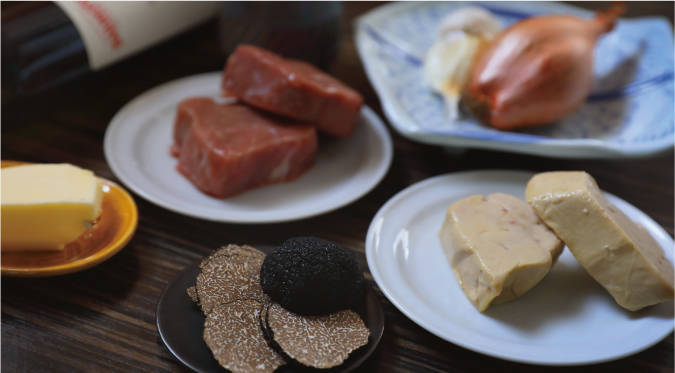
しかし、37歳で発表した大作『ウィリアム・テル』を最後に、彼は突如としてオペラの世界から姿を消す。名声も富も手にしたのに、以後は料理と社交、そして若い音楽家たちとの交流に没頭する。パリでは美食家として知られ、好物であるフィレ肉、フォアグラ、トリュフを使った特別料理を注文し、この贅沢な組み合わせが「トゥルヌド・ロッシーニ(ロッシーニ風ステーキ)」と名付けられた。
卓越した作曲家であり美食家でもあったロッシーニのための餃子とは。今回はフランスとイタリアという2つの芸術大国もイメージに含めながら創作された。
A genius artist who adored music and fine cuisine.
Gioachino Rossini (1792-1868) was a leading early 19th-century Italian composer, known for works like The Barber of Seville and William Tell.
Praised as bright and energetic, he mastered composition rapidly, dominating European opera in his twenties and earning the title “Miracle of Italian Opera.” His genius lay in depicting human nature through music, characterized by lively rhythms, clever ensembles, and, above all, humor.
After his masterpiece William Tell at age 37, Rossini abruptly retired from opera, despite his fame and wealth. He dedicated his later years to cooking, socializing, and mentoring young musicians. As a famous gourmet in Paris, he commissioned a special dish using his favorite ingredients—fillet, foie gras, and truffle—which was named “Tournedos Rossini”.
This context sets the stage for a gyoza creation inspired by both the exceptional composer/gourmet and the artistic traditions of France and Italy.
ロッシーニの才能を凝縮した芸術的餃子。
美食家で音楽家のロッシーニは“官能”と“ユーモア”の人だった。オペラ『セビリアの理髪師』の軽やかなリズム、テンポよく重なり合う声のアンサンブル。それを料理に置き換えるなら、多層的で香り高い味わいになりそうだ。あの「トゥルヌド・ロッシーニ」のように贅沢でありながら、どこか遊び心がある美味しさの餃子は、はたしてできるのか。
では、そのレシピをご紹介しよう。
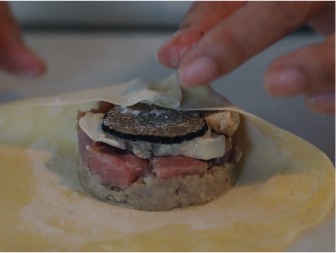
①バターと卵と小麦粉と水で皮を作る。
②仔牛のフィレ、トリュフ、フォアグラ、フォンドボー、ニンニク、塩を和えて餡にする。
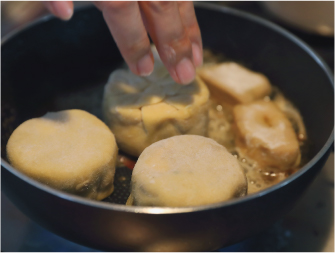
③餡を皮で包み、セルクルを使って成形し、バターで焼く。
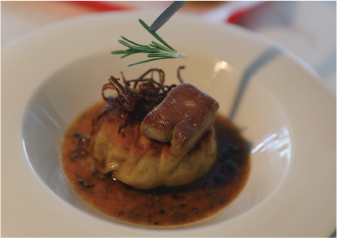
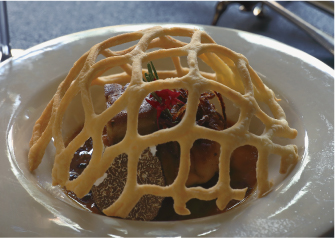
④お皿にソースを敷き、餃子を置き、トッピングのフォアグラソテー、トリュフ、エシャロットのフライ、ハーブを盛り付ける。ドーム状にしたチュイールをかぶせる。
さて、お味はいかがでしょう。
なるほど、重厚感あるフォアグラやフィレステーキに重なるストリングスのような軽やかなエシャロットのフライ。食材のそれぞれも音やリズムを奏でている。芳醇な香りのソースによって生まれるハーモニーも、ロッシーニならではの味わいといったところ。音楽ホールをイメージしたチュイールは、響きあう高揚感を一皿にまとめている。芸術的で音楽的な餃子になっていた。
Rossini’s genius, distilled in an artistic dumpling.
The musician and gourmet Rossini was a man of “sensuality” and “humor.” His light rhythms and ensemble music, like in The Barber of Seville, suggest a multi-layered, fragrant culinary experience. The question posed is whether a gyoza (dumpling) can achieve the same playful yet luxurious flavor as the famous “Tournedos Rossini.” The following recipe is introduced to answer this.
① Make the wrapper using butter, egg, flour, and water. ② Mix the filling ingredients: veal fillet, truffle, foie gras, fond de veau, garlic, and salt. ③ Wrap the filling in the skin, shape it using a ring mold (cercle), and pan-fry in butter. ④ Place the sauce on the plate, set the gyoza on top, and garnish with pan-seared foie gras, truffle, fried shallots, and herbs. Cover with the dome-shaped tuile.
Now, how is the taste?
The dish is a success, evoking Rossini’s music. The heavy foie gras and veal are contrasted by the light, string-like fried shallots. Each ingredient contributes its own “sound and rhythm.” The fragrant sauce creates a harmony characteristic of Rossini’s work. The tuile, designed like a concert hall, encapsulates the resonating excitement of the dish, resulting in an artistic and musical gyoza.
《料理家》 松井まり子 Mariko Matsui
株式会社De-De
Senior Art Director/Graphic Designer/Food Stylist
アートディレクター、フードスタイリストとして活動する傍ら2024年にはDe-De GYOZAもスタート。