












熱波、ヨーロッパ。
Column|2026.9.14
Text_Toshinori Okada
Photo_Toshinori Okada
今頃はもう、秋の涼やかな風が吹いているかな?とにかく、今夏のフランスは暑かった。というより、熱かった。
6月下旬、リールに滞在していた。気温は40℃に迫っていた。乾燥しているから、日本の夏のように湿気が体へまとわりつく感じはない。日陰に入り、風が吹けば、なんとかやり過ごせる。それでも、40℃は40℃。石畳から照り返す熱にあぶられながら歩いていると、観光より先に、生命を守ることを考えるようになる。いや、ほんと、大げさではなく。道を行く人の速度も、会話も、街全体の情景が少しずつスローになっていた。
助かったのは美術館だった。リール近郊、ルーベのラ・ピシーヌ美術館は、暑さをしのぎたい人のために館内を無料開放していた。アール・デコの美しい室内プールを眺め、彫刻や絵画を見ながら涼める。避難所としては、かなり贅沢。
問題は、美術館を一歩出たあとである。フランスでは、ホテルにも店にも、エアコンがないことが珍しくない。カフェに入ると、大きな扇風機がぶんぶん回っていた。しかし運んでくるのは、温風。ビールを頼んだが、冷えていたのは最初の三口くらいで、がっかり。
なぜフランスにはエアコンが少ないのか。「フランス人はエコだから」とよくいわれる。半分は本当で、半分は話がきれいすぎる。フランスの冷房普及率は上がっているものの、2025年で家庭の24%ほどだという。もともと夏が短く、住宅は寒い冬を基準につくられてきた。古い集合住宅では室外機の設置が難しく、外観を変える工事には自治体への届け出や管理組合の承認が必要になる場合もある。思想というより、気候と建物と面倒な手続きの合作なのだ。
もちろん、環境意識が高い人が多いのも確かだ。エアコンは電気を使い、冷媒ガスは温暖化の一因になり、室外機は部屋の熱を街へ吐き出す。自分の部屋を冷やしながら、みんなの街を暑くするのはどうかと考える。大いなるジレンマ。
そこでパリは、日除け、街路樹、噴水、夜間開放の公園などを増やし、教会、美術館、図書館を含む約1400カ所を「涼める場所」として案内している。
ただ、それだけで追いつくのか。今年の6月、フランスの6月としては観測史上もっとも暑く、国土の4割以上で一度は40℃を超えた。ヨーロッパは、世界平均の2倍を超す速さで温暖化しているという。「エアコンを使わない」は美徳でも、「エアコンなしで耐える」は対策ではない。これから問われるのは、使うか使わないかではなく、誰の命を守るために、どこで、どう使うかということではないか。
エアコンを遠ざけてきたフランスは、たぶん正しい。けれど地球のほうは、その美徳にまるで関心がないようだから困ったものだ。
Heatwave, Europe.
In late June, I stayed in Lille as temperatures approached 40°C. Being dry, it lacked Japan’s humidity, making shade and breezes bearable. Still, 40°C is 40°C. Heat radiating off cobblestones shifted my focus from sightseeing to pure survival—no exaggeration. Pedestrian pace, conversations, and the city’s pulse slowed down.
Museums were a lifesaver. La Piscine Museum in nearby Roubaix opened for free to let people escape the heat. Cooling off beside its beautiful Art Deco pool, sculptures, and paintings felt like a luxurious sanctuary.
The real trouble started upon stepping outside. Air conditioning remains rare in French hotels and shops. In a cafe, a massive fan whirred, yet only circulated hot air. The beer I ordered stayed cold for just three sips—a complete disappointment.
Why is AC so rare in France? “They’re eco-conscious” is only half true. Adoption sits around 24% in 2025. Homes were built for cold winters, and retrofitting old apartments involves heavy red tape. It’s a mix of climate, architecture, and bureaucracy.
Still, environmental awareness is real. AC uses power, releases warming gases, and pumps indoor heat into the streets—a painful dilemma. Paris has responded with shade, fountains, and 1,400 designated “cool spots.”
Yet is it enough? June 2025 was France’s hottest June ever, with 40% of the land hitting 40°C. Europe warms twice as fast as the global average. Refusing AC is noble, but enduring heat isn’t a solution. The question now is where and how to use it to save lives.
France was right to resist AC. The trouble is, the planet couldn’t care less about that virtue.
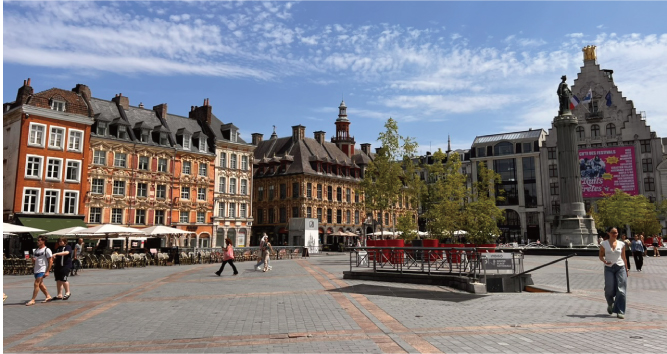
熱波のなかのリールの街、人もまばら。
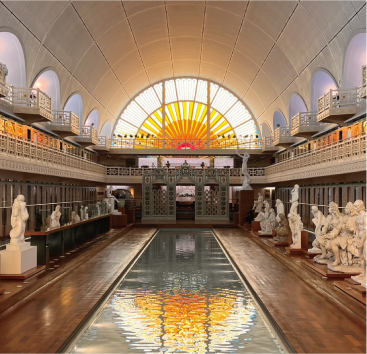
プールが涼しげなラ・ピシーヌ美術館。
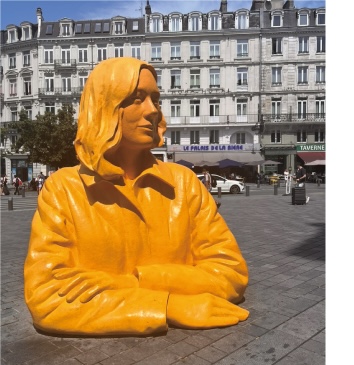
リール駅前の女性像も、心なしか暑そう。