










歩けばわかる、カタルーニャの気配。
Feature | 2026.6.24
街に広がる暮らしの匂い。ここには、観光では見えない時間が流れている。
バルセロナ、ここは世界中から人が訪れる観光都市である前に、カタルーニャの人たちが働き、食べ、語らい、年を重ねてきた生活の場所。
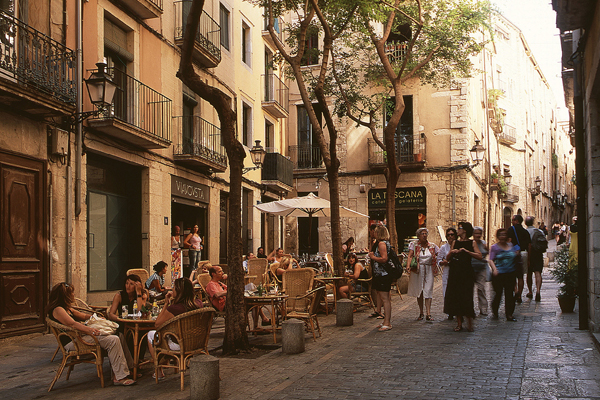
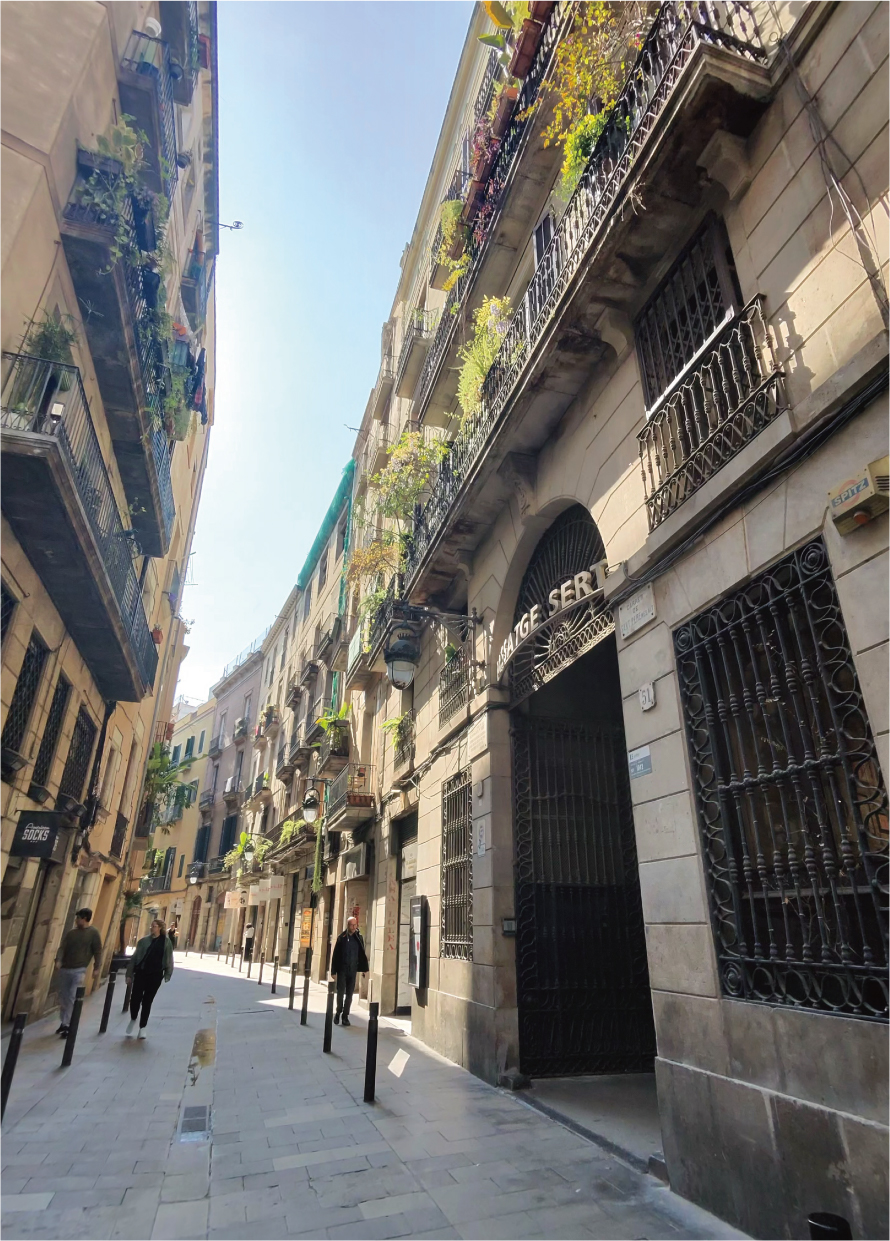
大通りをはずれると、そのことがよりはっきりと感じられる。旧市街の中心にはバルセロナ大聖堂があり、そこから細い路地が迷路のように延びている。小さな広場があり、市場があり、教会があり、そのまわりに店や住まいが重なる。誰かが机の上で線を引いてつくった街というより、人の暮らしが少しずつつくっていった街。
朝の市場には、野菜や魚の匂いが混ざった湿った空気がある。氷の上に並べられた魚、山のように積まれたトマトやオレンジ、籠からはみ出す香草。店の人は手際よく品物を並べ替え、客はひとつひとつを確かめるように覗き込む。売る人と買う人の距離が近く、声の調子にも、手つきにも、土地のリズムが感じられる。
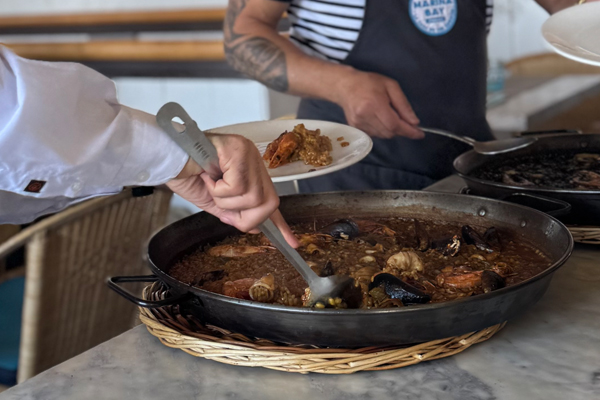
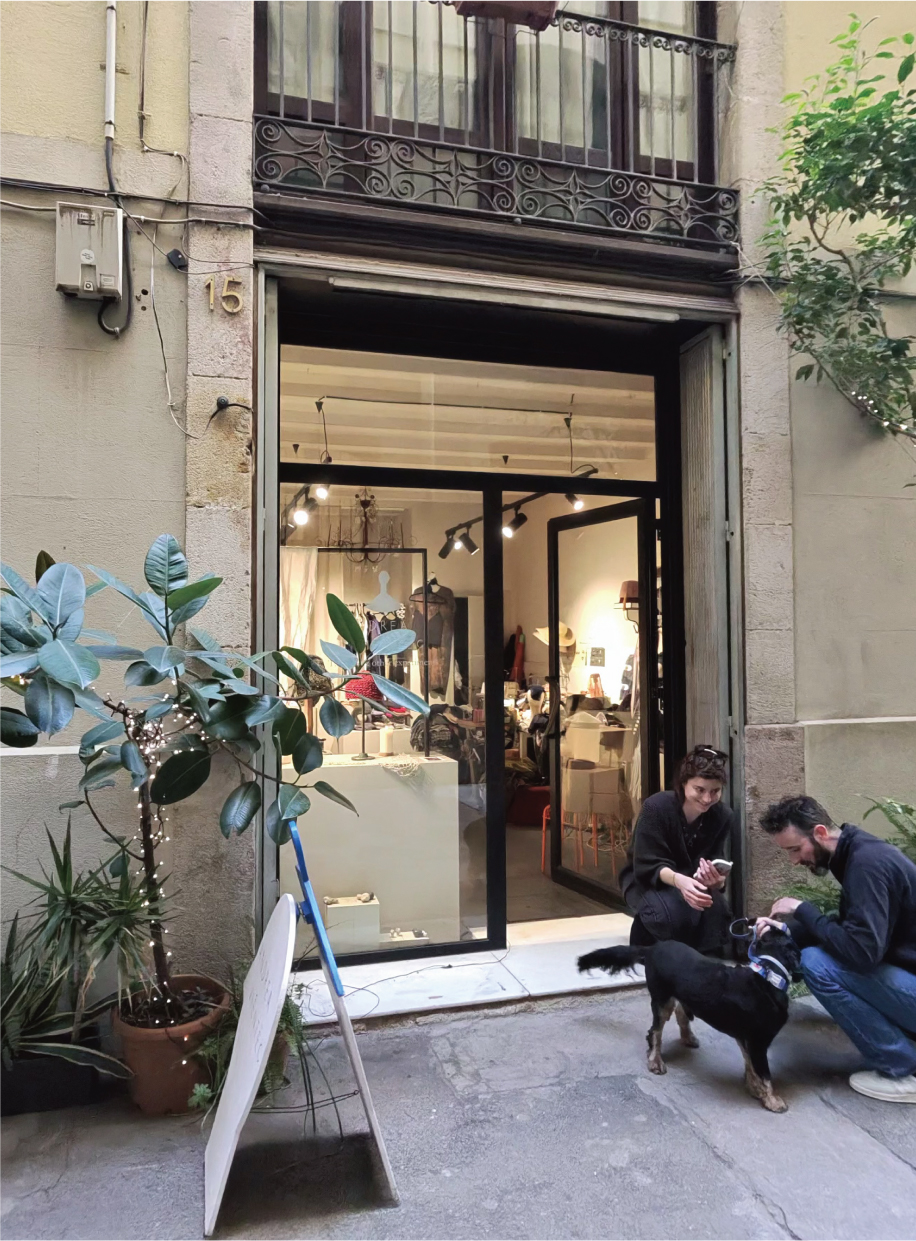
バルのカウンターにも、この街の暮らし方が見える。食事だけの場ではなく、近況を交わし、少し休み、自分時間を整える場所。バルセロナでは、通りや広場、バルまでが家の延長のように使われている。
ふと見上げると、通り名や公共表示にはカタルーニャ語がある。
バルコニーには、黄色地に赤い縞の旗「セニェーラ」が揺れている。洗濯物のそばに旗が掛けられていたりもする。ことさらに訴えているというより、自分たちの文化を、暮らしのなかに置いている。
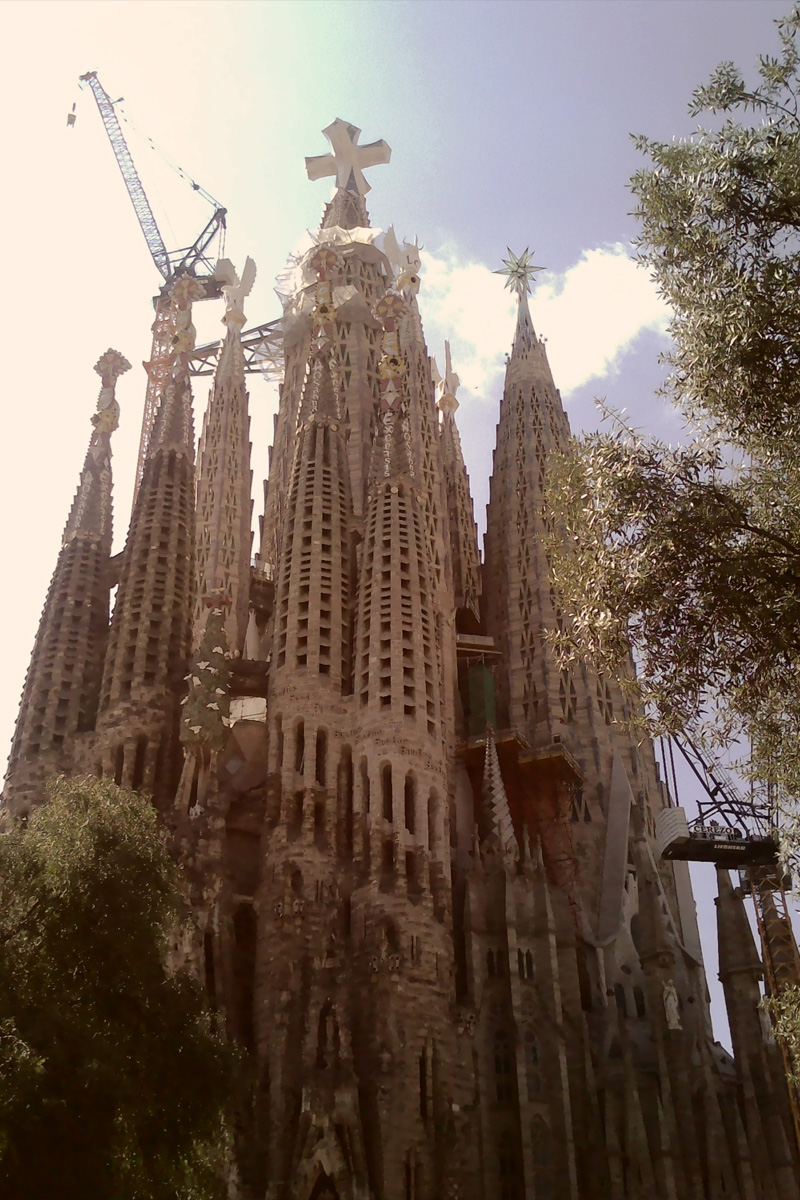
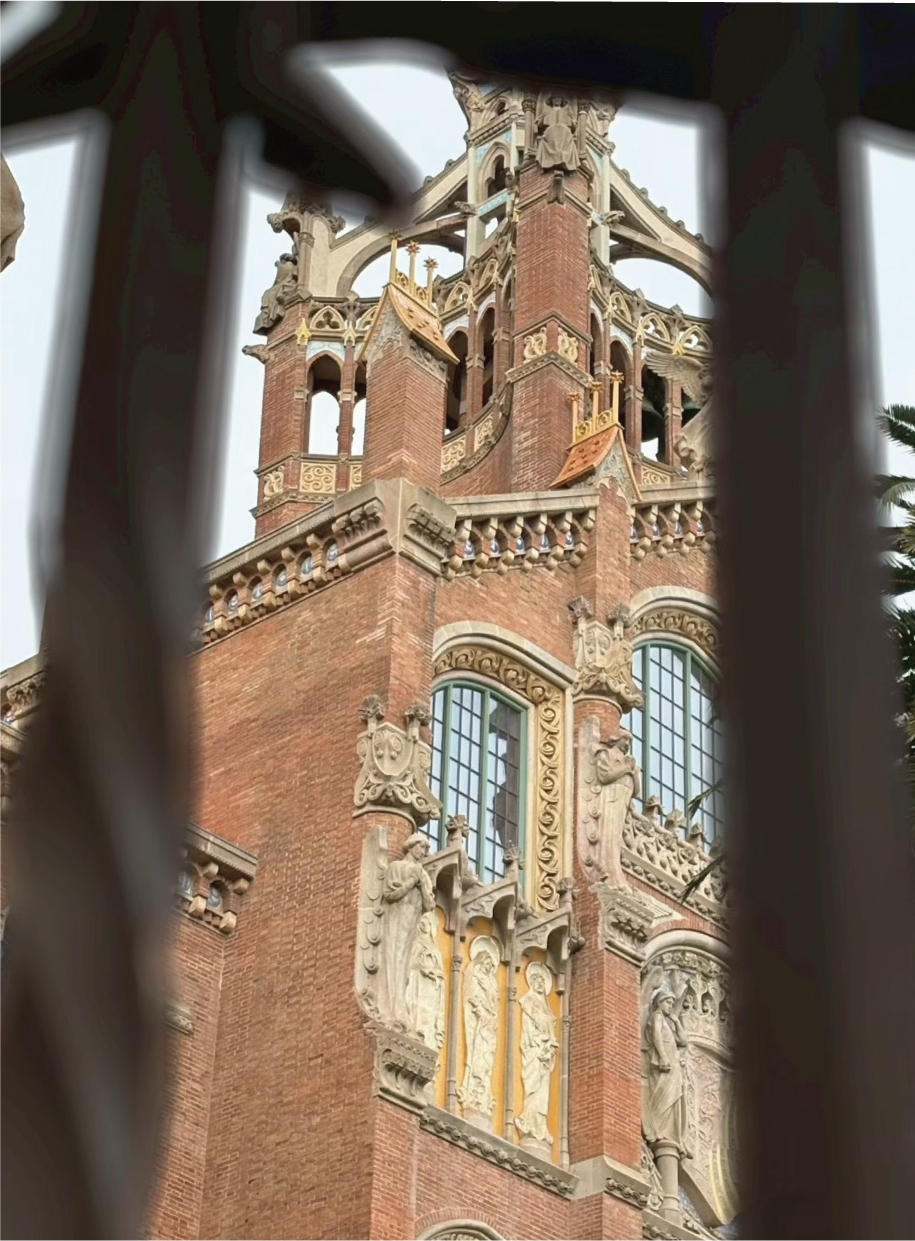
街の色にも、カタルーニャらしさはにじんでいる。モデルニスモ建築の柔らかな曲線、装飾の細やかさ、少し褪せたタイル、擦れて丸くなった石畳。華やかでありながら、どこか人の手の跡が残っている。
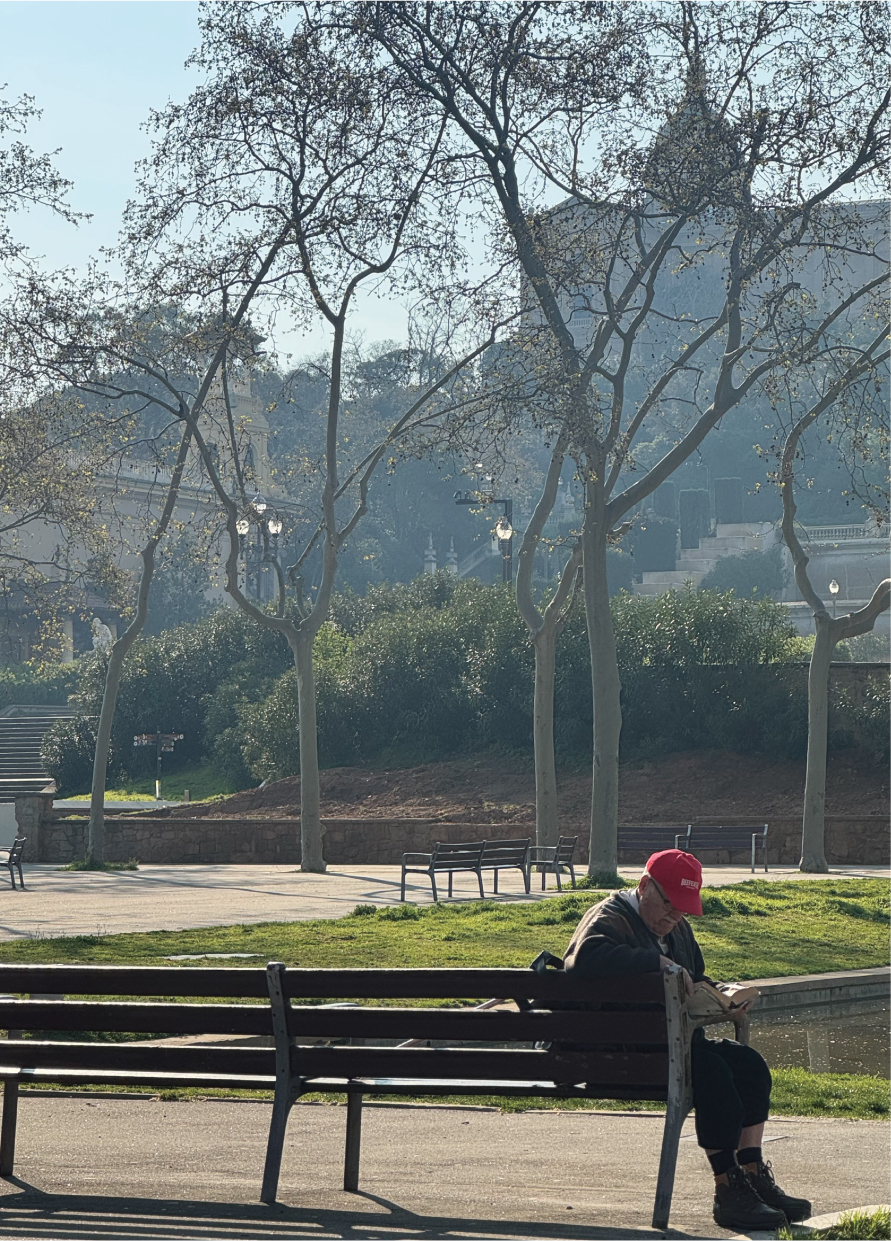
夜になると、街の表情はまた変わる。観光客の足音もまばらになり、大聖堂の周囲には静けさが戻る。小さな広場ではまだ、地元の人が過ごしている。子どもがはしゃぎ、ベンチでは年配の人たちがカタルーニャ語まじりに談笑している。けれど、それらは大きく響かない。何世紀も前から使われてきた石の壁や道に、音が吸い込まれていく。古い街だけが持っている、夜の深まり方。
バルセロナは、美しい建築を見に行くだけの街ではない。そこにあるのは、カタルーニャの人たちが長い時間をかけて育ててきた暮らし方。バルセロナという街の奥には、いまもカタルーニャの気配が息づいている。
Walk the city, and you can feel Catalonia.
The scents of everyday life waft through the streets. Here, time flows in ways sightseeing cannot reveal.
Before it became a global tourist destination, Barcelona was a place where Catalans worked, ate, conversed, and grew old. It is a city forged by daily life.
Stepping off the main avenues makes this reality clear. In the heart of the Old Town, the Barcelona Cathedral stands as a focal point from which narrow streets extend like a labyrinth. Small squares, bustling markets, and ancient churches are densely layered with local shops and residences. This is not a city drawn with straight lines on a planner’s desk; it is an organic landscape shaped over centuries by the hands of its residents.
In the morning market, the humid air hangs heavy with the scents of fresh vegetables and seafood. Fish gleam on beds of ice, tomatoes and oranges form vibrant mounds, and fresh herbs spill from woven baskets. Vendors arrange their goods with practiced speed as customers lean in to inspect each item. Here, the distance between buyer and seller vanishes, and in the tone of their voices and the movement of their hands, one can truly feel the authentic rhythm of the land.
At a bar counter, you see how this city lives. It is not just a place to eat, but a sanctuary to exchange news, take a short rest, and recalibrate one’s day. In Barcelona, the streets, squares, and bars function seamlessly as extensions of the home.
Looking up, street signs appear in Catalan. On balconies, the yellow-and-red striped Senyera flags flutter, sometimes right next to the laundry. Rather than a fierce political statement, it feels as though people are simply weaving their identity into the fabric of daily life.
The color of the city itself exudes Catalonia. The soft curves of Modernisme architecture, intricate ornaments, faded tiles, and cobblestones worn smooth by time—it is a landscape that remains grand yet deeply human.
At night, the city transforms. As tourist footsteps fade, a serene quiet returns to the cathedral. In small squares, locals still linger. Children play, and elders chat on benches, their voices laced with Catalan. Yet, these sounds do not echo; they are gently absorbed by stone walls that have stood for centuries. This is a deepening of the night that only ancient cities possess.
Barcelona is more than a gallery of beautiful architecture. It is a way of life cultivated over generations. Behind the facade of the metropolis, the true breath of Catalonia remains beautifully.

閲覧中の特集はこちら