




ガウディ、その曲線の奥にあるカタルーニャ。
Feature | 2026.6.24
奇抜さではなく、この土地の自然や文化からガウディを読み解く。
バルセロナといえばガウディ。サグラダ・ファミリア、カサ・バトリョ、グエル公園など、どれも個性的なのに、不思議と街の風景から浮いていない。それは、ガウディが奇抜な建築をつくろうとしていたのではなく、この土地の感覚を、建築に表現しようとしたからなのかもしれない。
ガウディはスペインの建築家として紹介される。だが本人は、強いカタルーニャ意識を持っていたようだ。公の場ではカタルーニャ語を使い続け、スペイン語を話すよう求められても応じなかったという逸話も残る。言葉を守ることは、土地の文化や誇りを守ることでもあった。
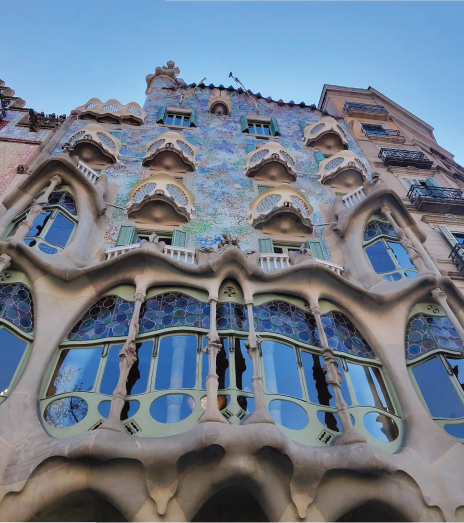
そう考えると、彼の建築の見え方も変わってくる。たとえばカサ・バトリョ。あの建物に多くの人は「海」や「生き物」を連想する。けれど、カタルーニャの文脈で見ると土地の神話が潜んでいる。屋根は、守護聖人サン・ジョルディが退治したドラゴンの背中。外壁の鱗のような色彩も、その物語につながっている。
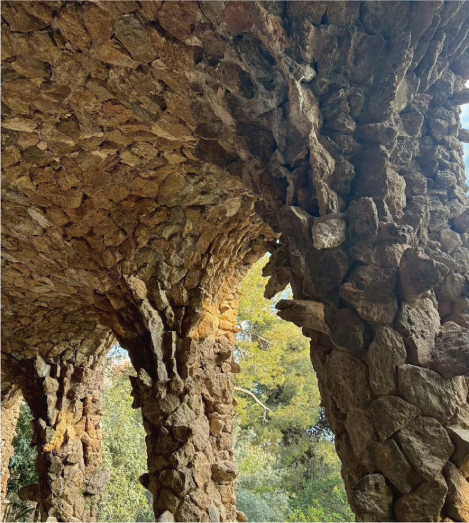
また、グエル公園では地中海の光やモンセラットの岩山、乾いた大地の色が表現され、波打つベンチや傾いた柱などにもカタルーニャの自然観が現れている。
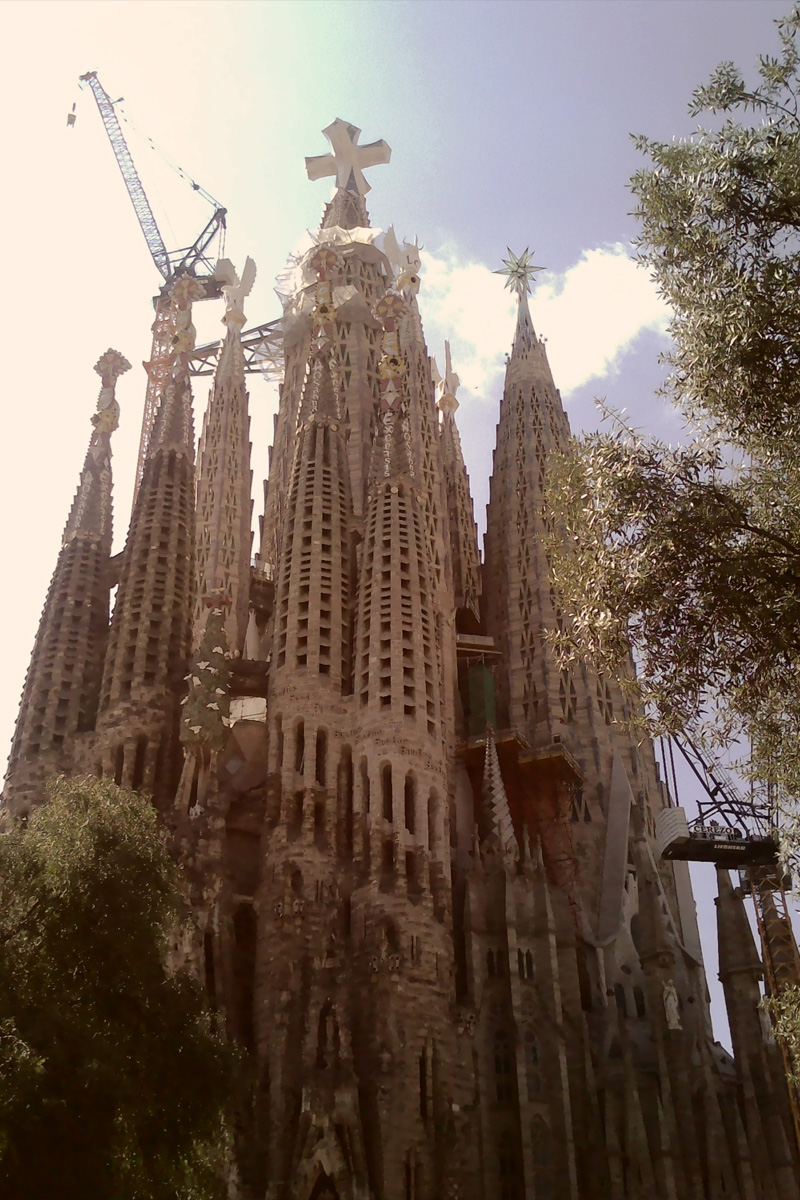
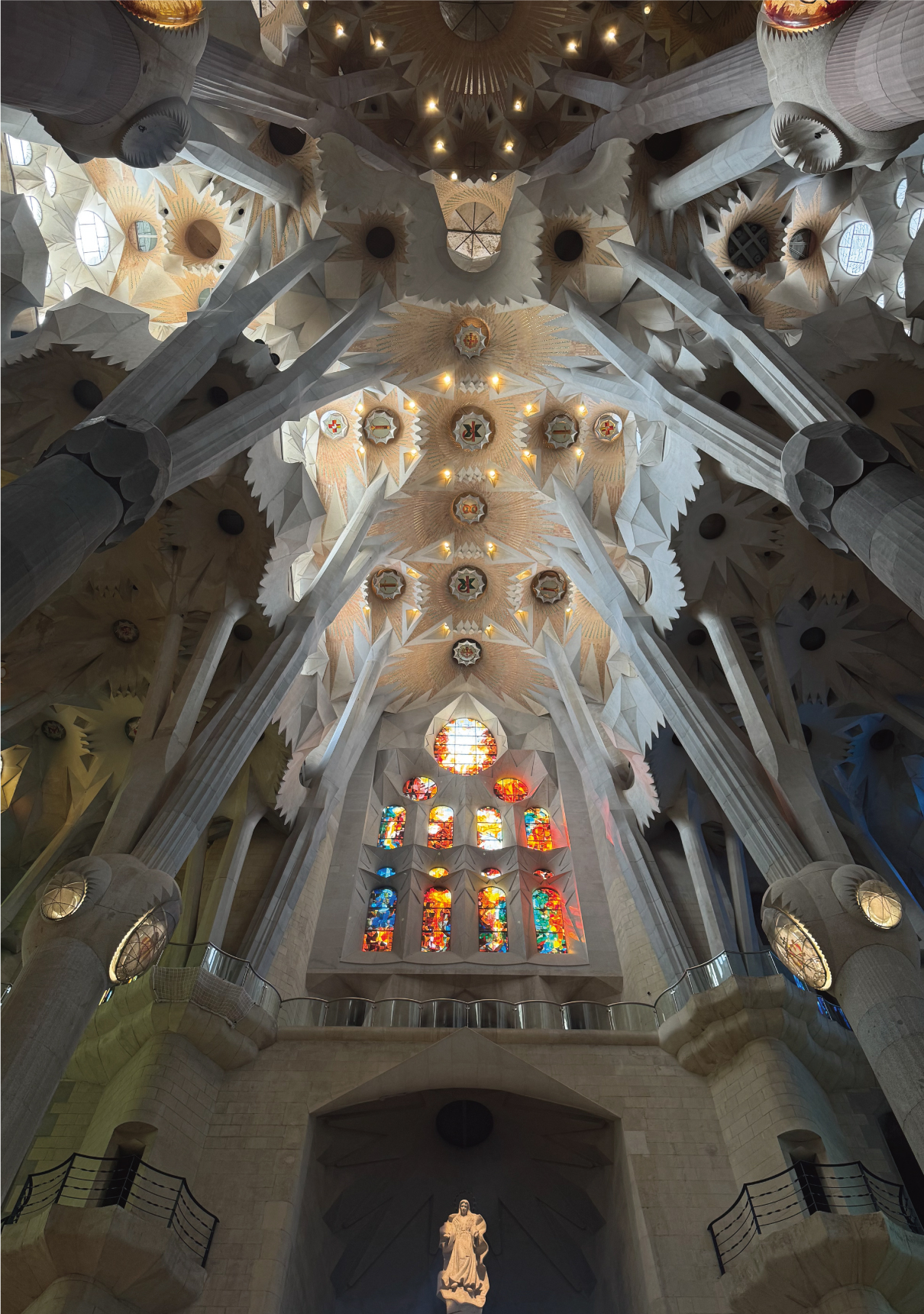
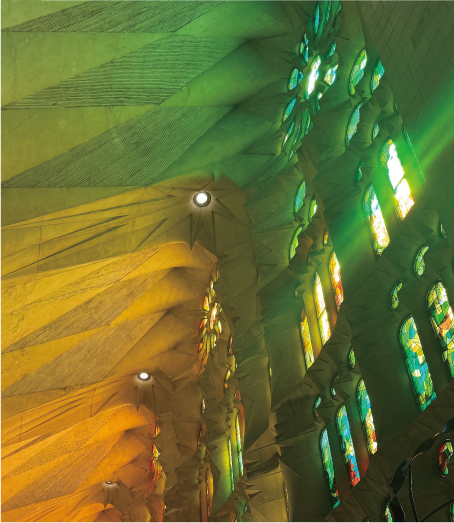
そしてサグラダ・ファミリア。内部に入ると、柱は木の幹のように枝分かれし、光は森の木漏れ日のように落ちてくる。カトリック建築でありながら、どこか地中海的な自然信仰の気配すら漂う。
今年、中央の「イエス・キリストの塔」が完成した。ただ、それでも全体はまだ未完。140年以上を経たいまも、なお完成していない。だが、その“終わらなさ”も、どこかこの土地に重なる。独自の言葉や文化、自治への意識を守りながら、いまもなお完成形を持たずに揺れ続けている土地だからだ。
こうしたガウディを生んだ背景にあるのが、「モデルニスモ」と呼ばれるカタルーニャ独自の芸術運動。19世紀末から20世紀初頭、バルセロナでは建築や工芸、絵画などで新しい表現が次々に生まれた。それは自分たちの文化を形にしようとする運動でもあり、ガウディはその中心にいた。
ガウディの建築は、単なる観光名所ではない。あの曲線の奥には、この土地の歴史や言葉、神話や自然観が折り重なっている。バルセロナでガウディを見るということは、カタルーニャという土地の精神を見る、ということなのだと思う。
Gaudí, and the Catalonia behind his Curves
Reading Gaudí not through eccentricity, but through the nature and culture of this land.
Mention Barcelona, and Gaudí immediately comes to mind. Masterpieces like the Sagrada Família, Casa Batlló, and Park Güell are undeniably unique, yet they never feel detached from the cityscape. This harmony exists because Gaudí was not merely trying to build something eccentric; he was giving architectural form to the very essence of his homeland.
Though often introduced globally as a Spanish architect, Gaudí possessed a fierce Catalan identity. He insisted on speaking Catalan in public, reportedly refusing to switch even when requested—a steadfast defense of his culture and pride.
Viewed through this lens, his buildings reveal deeper meanings. Take Casa Batlló: while many see “the ocean” or “living creatures,” Catalan context uncovers local mythology. The roof represents the spine of the dragon slain by Sant Jordi, the region’s patron saint, and the scaly colors of the facade tie directly into this legend.
Similarly, Park Güell channels the Mediterranean light, the jagged peaks of Montserrat, and the warm tones of the dry earth. Its undulating benches and tilted columns are not just playful designs, but a physical manifestation of the Catalan worldview rooted in nature.
Inside the Sagrada Família, columns branch out like tree trunks, and stained-glass light filters down like sunshine through a forest canopy. While it is a Catholic cathedral, it carries the mystical aura of Mediterranean nature worship.
With the Jesus Christ tower recently completed, the overall structure remains unfinished. This perpetual state of being “under construction” mirrors Catalonia itself—a region fiercely guarding its language, culture, and autonomy, constantly evolving without a fixed endpoint.
This environment was shaped by Modernisme, Catalonia’s unique art movement at the turn of the 20th century. Driven by a desire to manifest their cultural identity through architecture and crafts, it placed Gaudí at its heart.
Gaudí’s architecture transcends mere tourist landmarks. Beneath those famous organic curves lie layers of history, language, myth, and a distinct worldview. To gaze upon his creations in Barcelona is, ultimately, to look directly into the living soul of Catalonia.

閲覧中の特集はこちら