








壊す工事だけが、先へ進んでいる。完成の日付を失った新宿駅西南口。
Feature | 2026.8.20
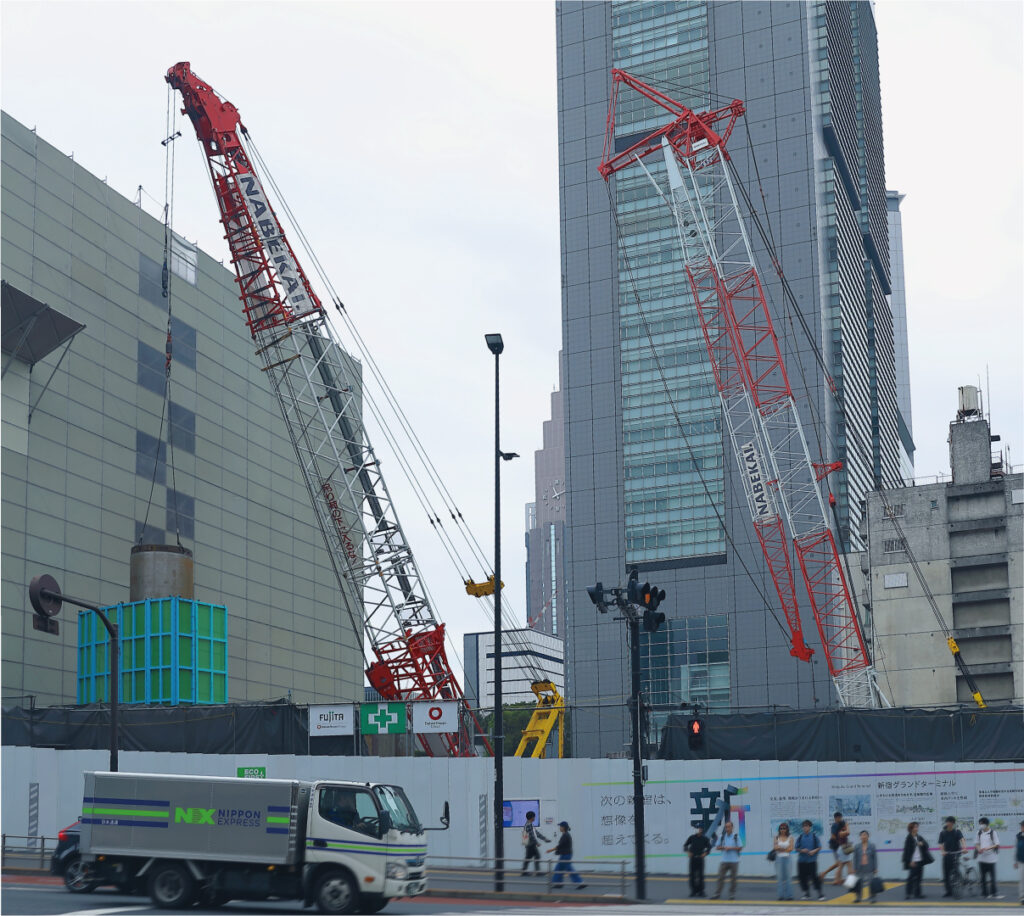
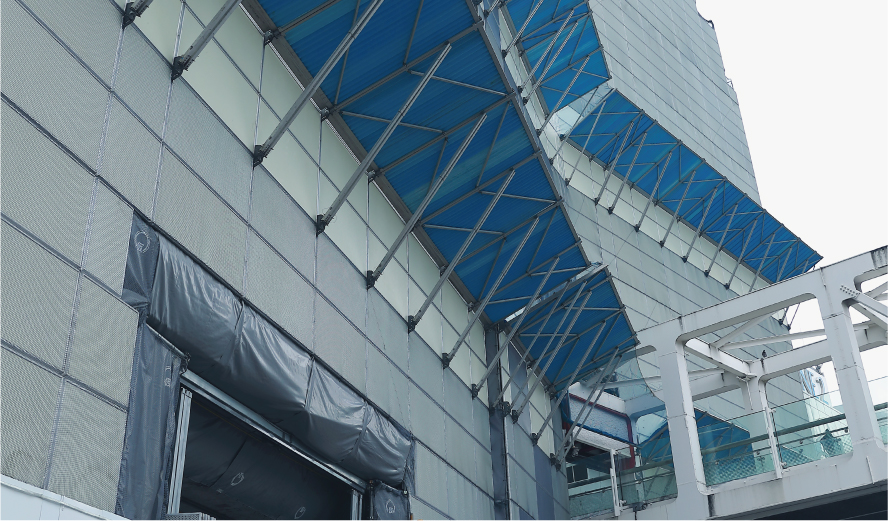
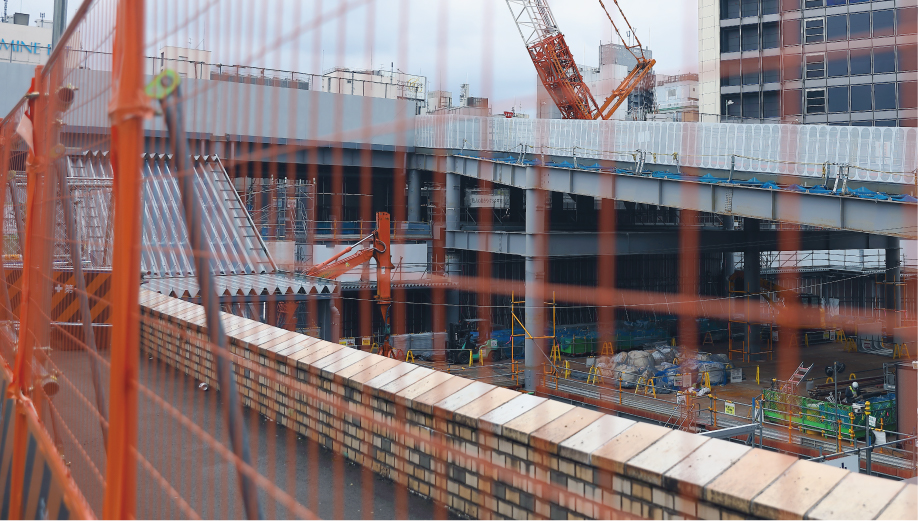
2028年度の竣工予定が「未定」に変わった南街区。
解体工事は進んでいるのに、その先の工期は見えない。
止まっているのに、止まることのできない新宿を歩く。
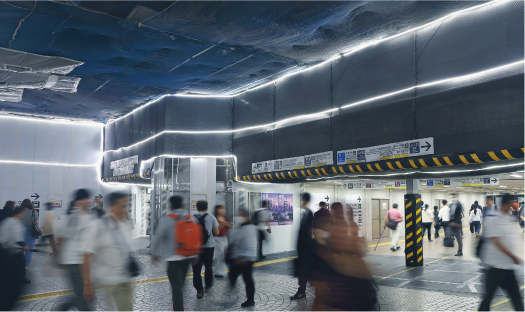
新宿駅では、迷うことが街の一部になっている。西口へ出たいのに南口へ着く。地上へ上がったつもりが、まだ地下にいる。案内表示を一枚見落とすだけで、たちまち人の流れに逆らうことになる。
西南口の再開発は、その複雑さを解消する大きな計画だった。京王電鉄とJR東日本が、駅の南西側に高さ200メートルを超える高層複合施設をつくり、南街区を整備する。商業施設、オフィス、ホテルが入り、京王線新宿駅の改良や歩行者ネットワークの整備も進める。計画は2023年度に始まり、南街区は2028年度の完成を目指していた。けれど、その2028年度が「未定」に変わった。
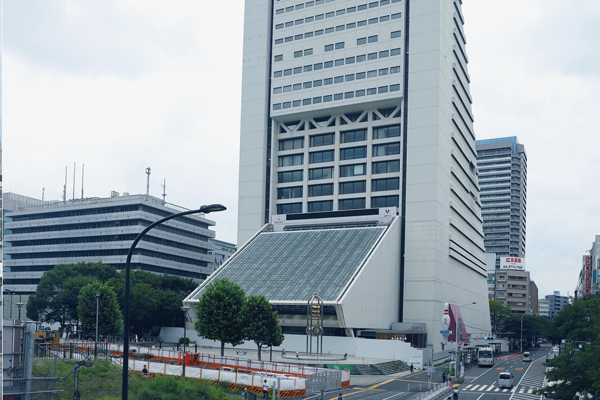
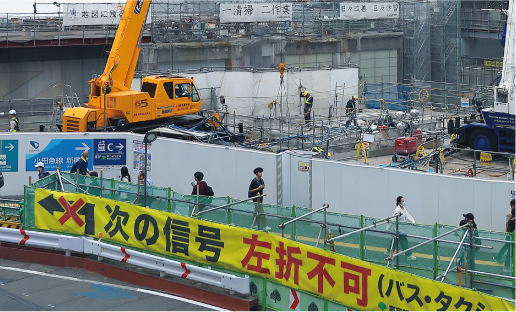
工事の施工者が決まらないまま、2025年3月、工期は見直された。その間も、既存建物の解体は続く。ミヤコビルと地下部の解体は、2029年3月末までを予定している。だが、その後の新築工事は、着工時期も竣工時期も、施工者も決まっていない。現場は動いている。重機が入り、建物は消えていく。それなのに、向かう先を示す日付だけがない。
建てる時間だけが宙に浮いても、街は止まらない。電車は毎日走り、人は途切れることなく駅を通り抜ける。道路、線路、地下通路、商業施設。長い時間をかけて継ぎ足された都市を、営業させたまま組み替える。考えてみれば、とんでもなく難しい仕事だ。
南街区が完成した後には、京王百貨店のある北街区に着手する計画もある。北街区は2040年代の竣工を見込む。南の遅れは北にも影響する。仮設の通路や工事囲いを日常として受け入れる期間は、いったい何年になるのだろう。
再開発が目指す、動線のわかりやすさや安全性、乗り換えのしやすさは必要だと思う。一方で新宿は、すべてがきれいにつながらないことで、いろいろな人や場所を抱えてきたようにも思う。地下の小さな店、行き止まりのような通路、地上へ出たときの方角のわからなさ。合理化のなかで消えるものに、この街の面白さまで含まれていないだろうか。
壊す工程だけが進み、つくる時間は決まらない。西南口で止まっているのは、現在そのものなのかもしれない。ここを毎日通り抜ける人に、計画は何を伝えるのか。完成予想図より先に、いまの街への理解が要る。そして、決まっていないことを伝える言葉も。
Demolition moves forward. Shinjuku Station southwest exit lost its completion date. 2028 completion became “TBD.”
Demolition goes on, yet future plans remain unseen.
I walk through Shinjuku—stuck, yet relentless.
At Shinjuku Station, getting lost is part of the urban experience. You head for the West Exit only to end up at the South Exit. You think you have reached ground level, but you are still underground. Missing just a single sign instantly puts you against the flow of people.
The southwest exit redevelopment aimed to fix this. Keio and JR East planned a 200m-plus skyscraper with shops, offices, and a hotel, completing the south district by fiscal 2028. However, that target year changed to “TBD.”
With no contractor chosen, the schedule was revised in March 2025. Demolition continues through March 2029, yet future start dates, completion dates, and contractors remain undecided. Heavy machinery moves and buildings vanish, yet no date guides the future.Even if construction timelines hang in limbo, the city never stops. Trains run daily, and crowds pass through. Rebuilding a city pieced together over time while keeping it operational is an immensely hard task.
Plans also exist for the north district after the south finishes, targeting the 2040s. Delays in the south impact the north. How many years will temporary walkways and construction fences remain part of daily life?Clearer foot traffic, safety, and easier transfers are necessary. Yet Shinjuku has embraced diverse people and places precisely because not everything connects neatly. Small underground shops, dead-end corridors, and disorientation above ground—does rationalization risk erasing the city’s charm? Only demolition proceeds while building schedules stay unknown. Perhaps what stands still here is the present itself. Before renderings, we need understanding of the present city—and words to explain what remains undecided.

閲覧中の特集はこちら