








巨大すぎて、予定どおりには動けない、六本木五丁目の再開発。
Feature | 2026.8.20
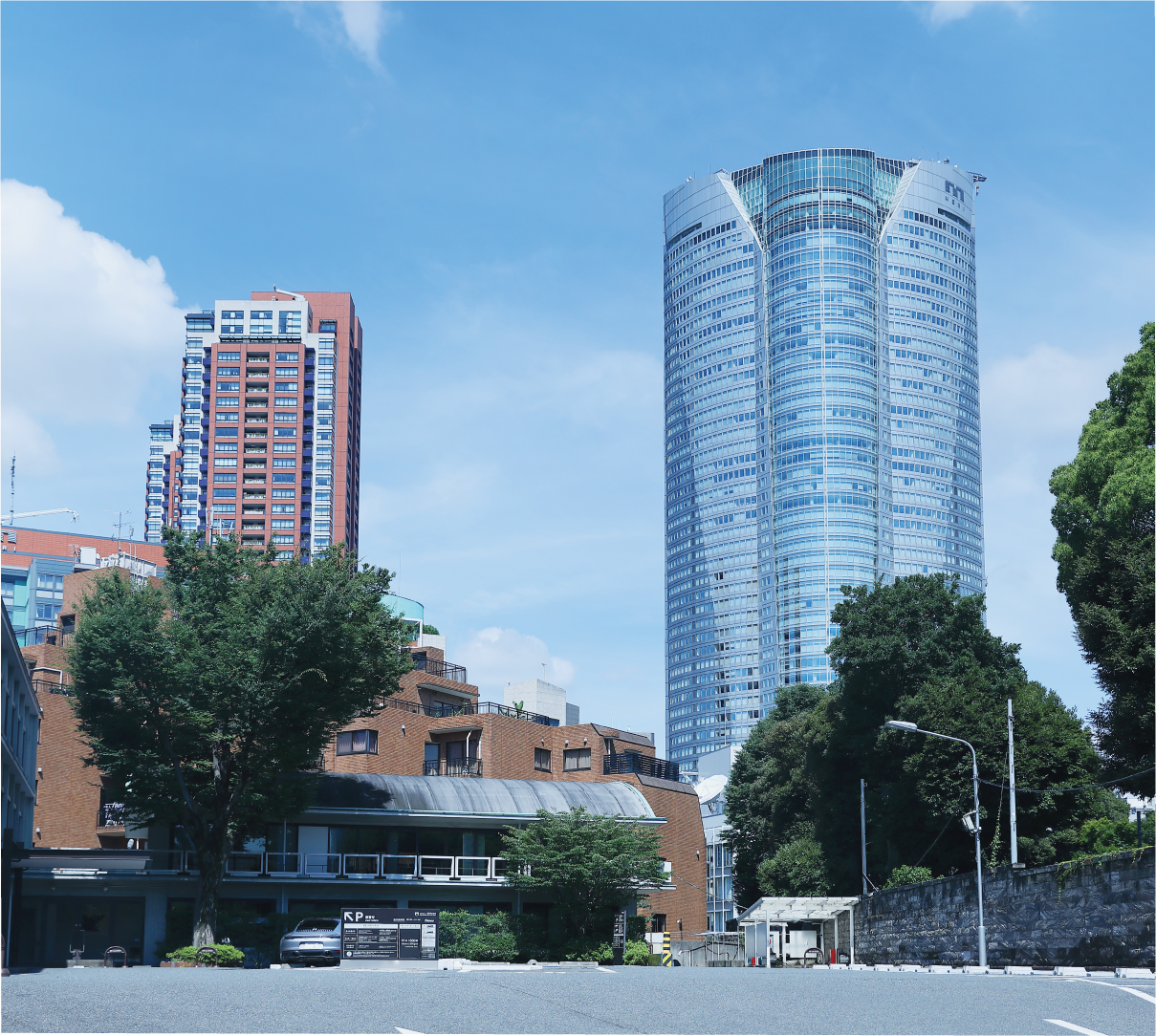
高さ327メートルの未来が浮かんでいる。
巨大すぎて、予定どおりには動けない、六本木五丁目の再開発。
総事業費8000億円規模ともされる、日本最大級の構想。
2030年度の竣工は難しくなり、2032年度予定となった。
その途方もないプロジェクトの足元に、いまの六本木がある。
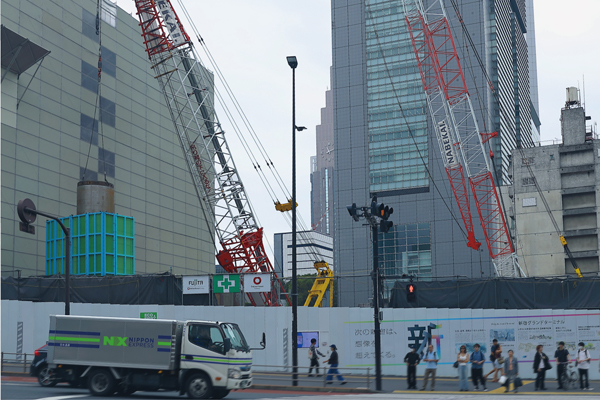
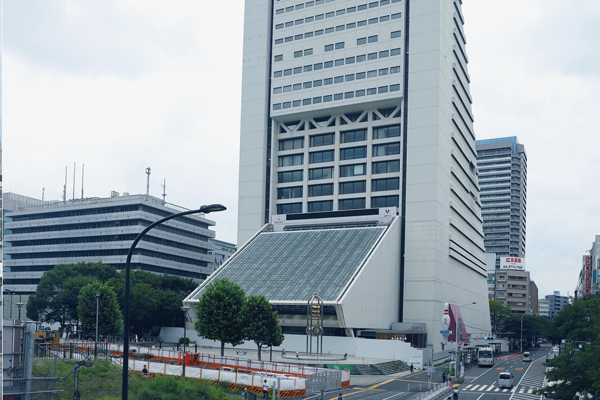
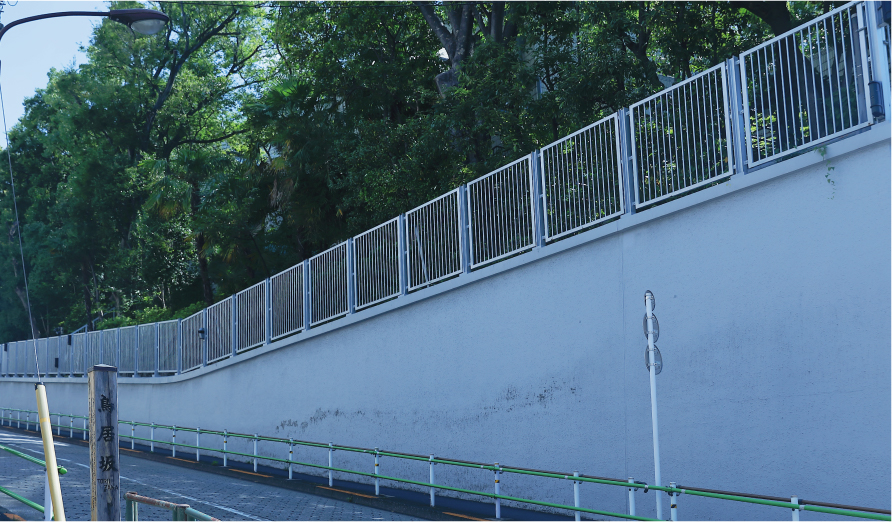
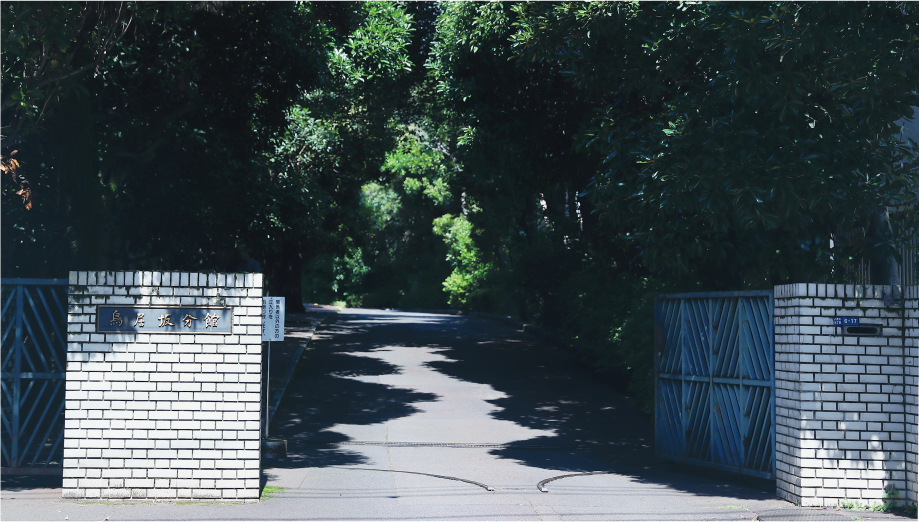
六本木交差点から芋洗坂を下る。脇へ入れば道は細くなり、坂は曲がり、建物の高さもばらばらになる。飲食店の看板の向こうに住宅があり、学校や教会もある。国際都市、夜の街、生活の街。六本木という名前のなかには、いくつもの時間が重なっている。
この一帯、約9.2ヘクタールが、六本木五丁目西地区再開発の舞台だ。中心となるA-1街区は地上66階、高さ327メートル。向かいのB街区には、地上70階、高さ288メートルの住宅棟が計画されている。総延床面積は約108万平方メートル。当初は約1000戸の住宅も想定され、都市計画決定時に示された総事業費は8000億円規模だった。いくつかのビルというより、街をもう一つつくる。そんな大きさだ。
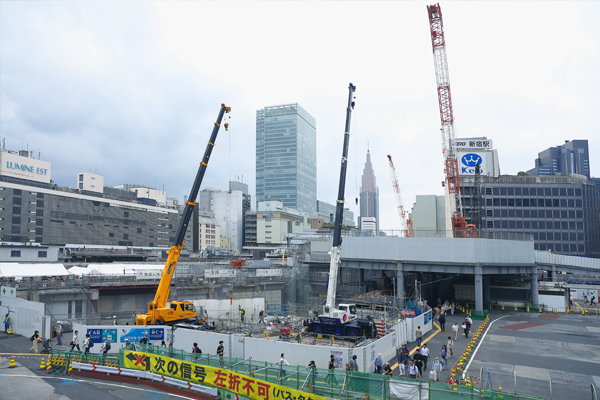
もちろん、大がかりに更新する理由はある。地区内には細い道や行き止まりがあり、旧耐震基準の建物も多い。土砂災害特別警戒区域も一部に含まれる。六本木交差点では車が滞り、地下鉄駅の周辺には人がとどまれる空間が少ない。安全や移動の問題を、いまのままにしてよいわけではない。ただ、その解決のための場が、あまりにも大きい。
2024年4月に都市計画が決まり、当初は2025年度着工、2030年度竣工とされた。しかし2026年5月、事業協力者である森ビルは、建築費の高騰と工期の長期化を理由に、2030年度の竣工は難しいとの見通しを示した。翌6月、準備組合が公表した参考工程では、組合設立認可を2026年度、工事完了を2032年度とした。しかも工程は、まだ「見直し中」だという。途方もない構想は、その大きさゆえ、簡単には動けない。
そもそも、急に持ち上がった話ではない。地元のまちづくり協議会が生まれたのは2006年、再開発準備組合は2008年にできた。もう20年が過ぎている。だが、目に見える建物は、まだ姿を現していない。
六本木には六本木ヒルズがあり、東京ミッドタウンがあり、近くには麻布台ヒルズもできた。そこへまた、国際競争力を高めるための床を増やす。どこまで増えれば都市は完成するのだろう。それとも、都市は完成などしないものなのか。
高い建物に反対したいのではない。古い路地をそっくり保存すればよいとも思わない。考えたいのは、そこにあった“らしさ”を、新しい街がどこまで受け止められるかということだ。高さ327メートルの未来を見上げる前に、その足元にある、名前のない現在をもう少しよく見ておきたい。
A 327m future floats above. Too huge to proceed as planned: Roppongi 5-chome.
800 billion yen, Japan’s largest scale. 2030 completion slipped to 2032.
Beneath this huge project sits present-day Roppongi.
Walk down Imoarai-zaka from Roppongi Crossing. Turn into side streets and roads narrow, curve, and building heights vary. Restaurants sit next to homes, schools, and churches. Global hub, nightlife spot, daily life—multiple layers of time coexist in Roppongi.
This 9.2-hectare area is the Roppongi 5-chome West site. Block A-1 features a 327m, 66-story tower; Block B plans a 288m residential tower. With 1.08 million m² total floor area and 800 billion yen cost, it is less about building towers than creating a new city.
Upgrades are needed: narrow paths, old seismic standards, landslide hazard zones, traffic jams, and crowded station areas require safety fixes. Yet, the scale of the solution remains overwhelmingly massive.
Approved in April 2024, the plan originally targeted start of construction in fiscal 2025 and completion in fiscal 2030. However, in May 2026, Mori Building cited soaring construction costs and longer timelines, making 2030 unrealistic. Revised plans push completion to fiscal 2032, yet schedules remain under review.A project of this immense scale cannot move easily.
This idea didn’t emerge overnight. The local council formed in 2006, and the union in 2008. Over two decades have passed, yet no visible building has appeared. Joining Roppongi Hills, Tokyo Midtown, and Azabudai Hills, more floor space is added to boost global competitiveness. How much expansion does it take for a city to be complete? Or is a city never truly finished?This isn’t opposition to tall towers or nostalgia for old alleys. It is about how well new developments can retain local identity. Before looking up at a 327m future, we should look closely at the nameless present at our feet.

閲覧中の特集はこちら