









八潮で出会った、日常としてのパキスタン。
Feature | 2026.5.22
[ パキスタン料理 Al Karam (アルカラム)]
この店には、異国の料理だけではなく、
異国の暮らしそのものがあった。
Al Karam (アルカラム)
〒340-0816 埼玉県八潮市中央1丁目8−10
tel.048-949-6878
その国の人が、本当に通っているかどうか。今回の取材で重視したのは、そこだった。八潮にあるこのパキスタン料理店「アルカラム」は、そんな条件を満たしていた。
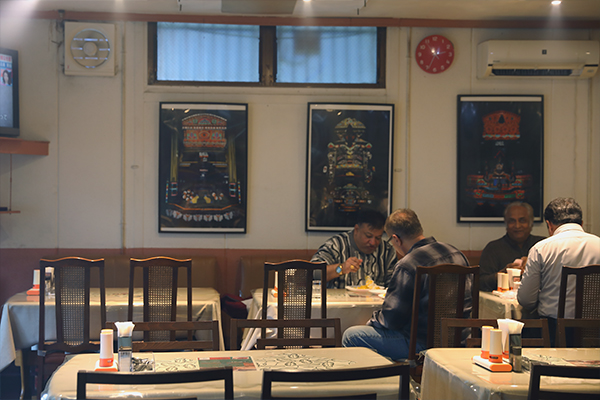
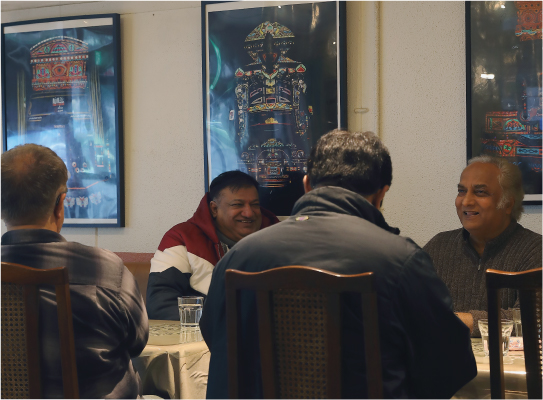
店に入ると、日本語だけではない会話が自然に交わされている。パキスタンやバングラデシュなど南アジアの人たちが日常的に通い、それぞれに食事を楽しんでいる。かつては工場が多くあり、外国人労働者が集まったこの地域では、いまもその流れが続いているという。この店は、彼らにとって母国の味に戻れる場所になっている。
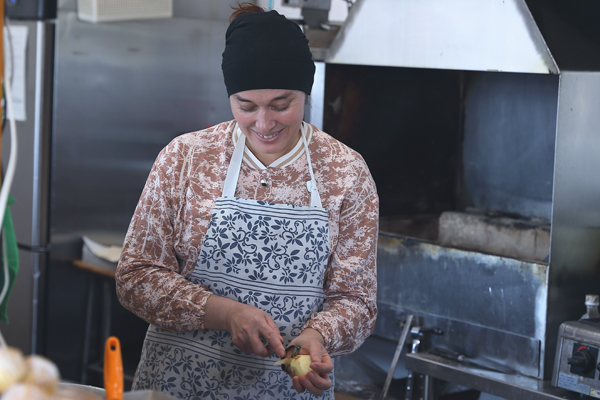
話を聞いたイフティハルさんは来日して約11年。兄を頼って日本へ来て、この店で働くようになった。これまでドバイをはじめとした様々な国で働いてきたが、「日本は安全で暮らしやすい」と話す。食べ物の美味しさや教育環境、行政サービスまで、その印象は一貫している。
イフティハルさんの子どもたちは日本で育ち、日本語が第一言語になった。学校生活にもなじみ、宗教上の理由で弁当を持参することも受け入れられている。娘がスカーフを着けていても特別視されないし、いじめにあうこともない。そうした環境が、安心して暮らせる理由のひとつだ。
パキスタンの人たちは、みんなで集まることが好きだという。休日には友人や親戚と集まり、食べて話す。イスラム教は飲酒を禁じていて、その代わりにチャイを飲む。濃く煮出したミルクティーでひと息つく。断食明けの一杯もチャイ。日本人にとってのビールのような存在かもしれない。
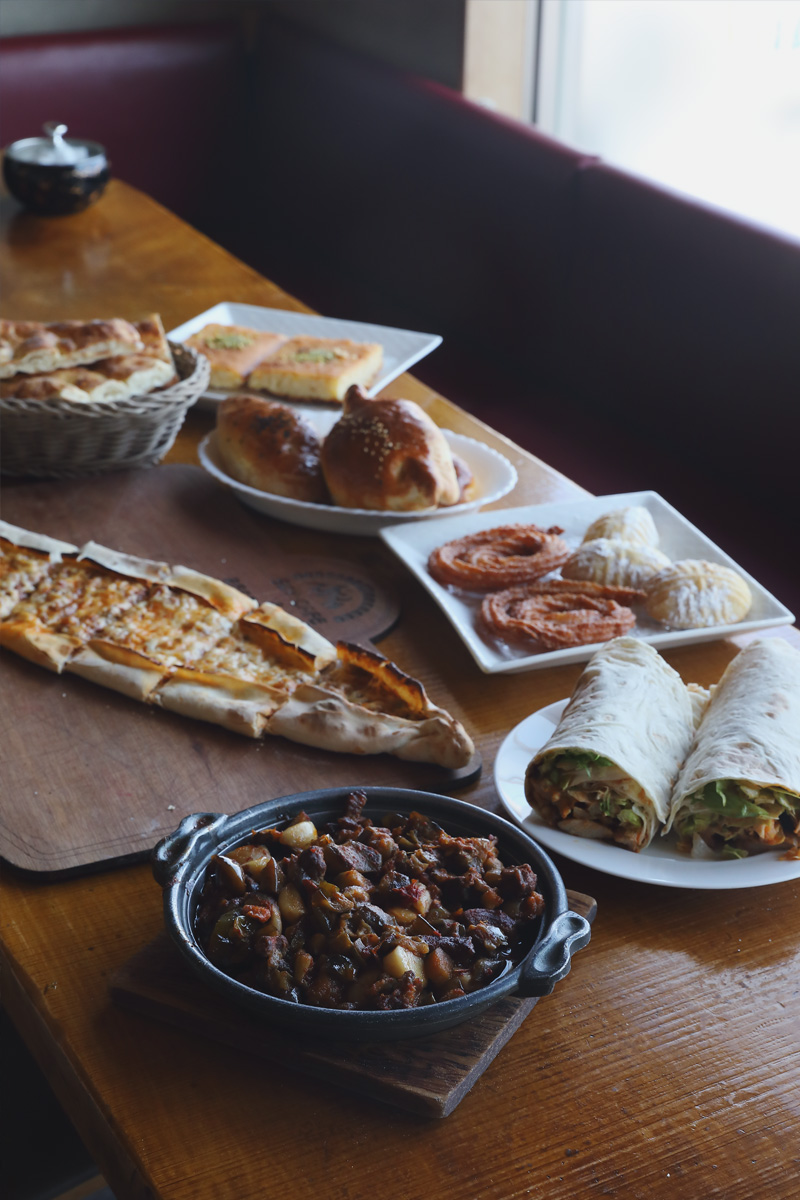
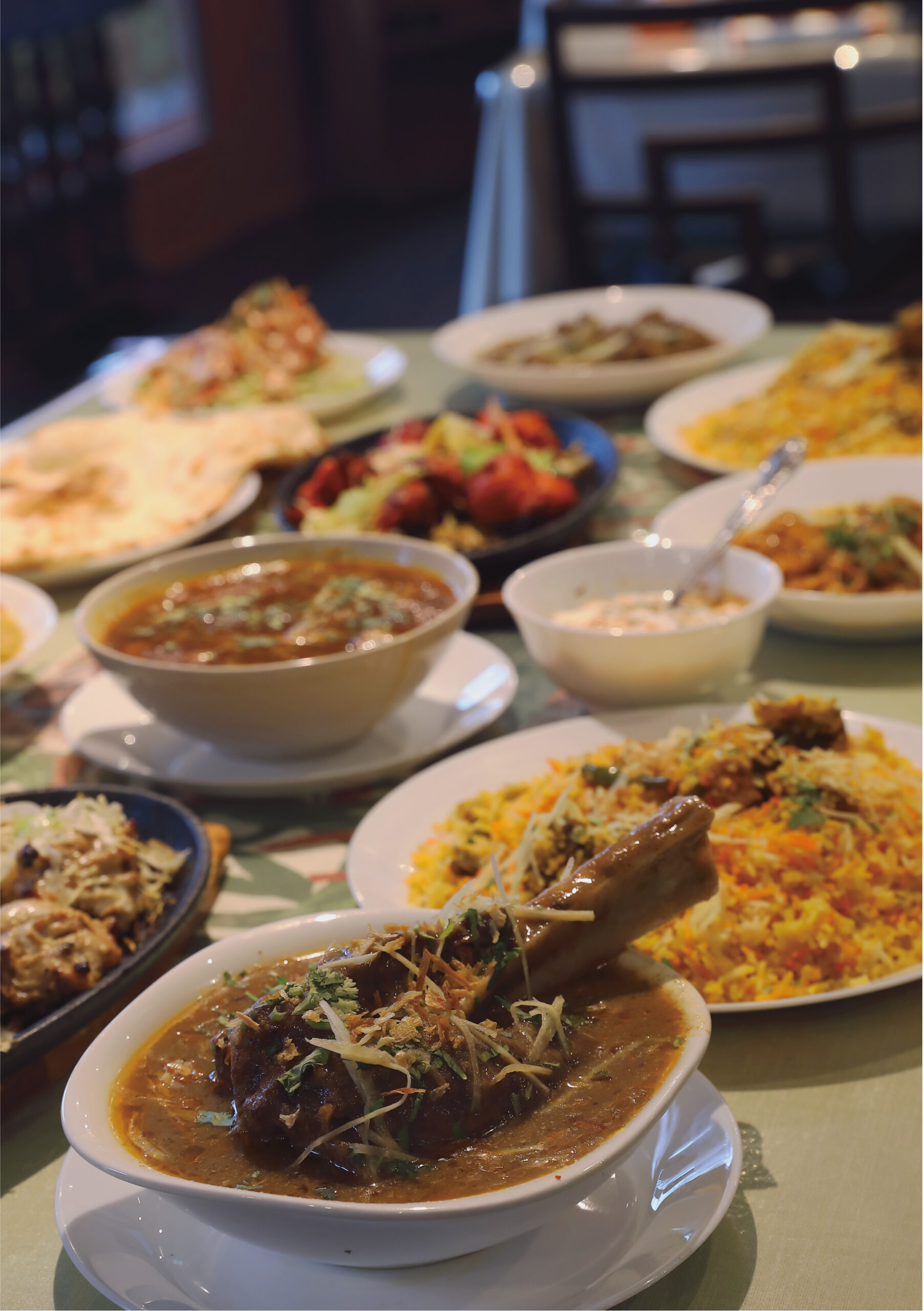
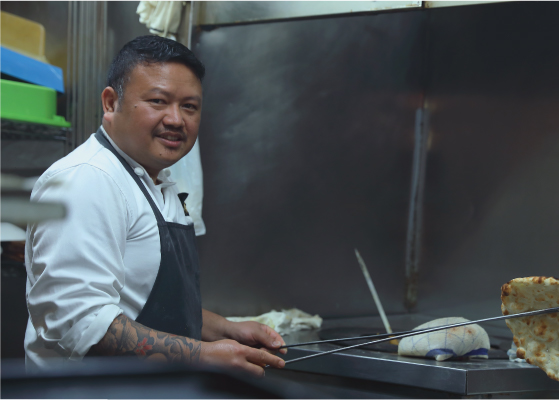
料理は本場の味を基本にしている。人気は「マトンカレー」。ほかにも「ビリヤニ」や「シシカバブ」、「ハリーム」などが並ぶ。金曜、土曜、日曜にはそれぞれ特別メニューも用意される。現地の人が食べても納得できる味を守っていることが、この店の軸になっている。
客の割合は外国人が6割、日本人が4割ほど。それでも日本人の常連も多く、食後に持ち帰りをする人もいる。現地の人には懐かしく、日本人には新鮮。その両方を満たしている。
「お客さんの気持ちが大切」。そう話す店の姿勢はシンプルだ。味で満足してもらい、また来てもらう。
その積み重ねが、この場所を支えている。
異国の料理を楽しみながら、異国の日常を味わう。マトンの香りとチャイの湯気の向こうに、日常としてのパキスタンが静かに広がっている。
Finding Pakistan: An Everyday Reality in Yashio.
More than foreign cuisine, there was the reality of a life from another land.
Our priority was simple: do the people of that nation living in Japan truly eat here? Al-Karam, a Pakistani restaurant in Yashio, perfectly fits this description. Inside, the air is filled with conversations in languages other than Japanese, creating an effortless, authentic atmosphere. As a daily hub for the immigrant community, this restaurant remains a sanctuary of home-cooked flavors in a region long shaped by its international workforce.
Iftikhar, who arrived 11 years ago, speaks of Japan with consistent praise. Having worked in cities like Dubai, he finds Japan exceptionally safe and livable, citing everything from food quality to reliable public services.
His children are being raised here, with Japanese as their first language. They have integrated well into school life, where their religious needs—such as bringing specific lunches or wearing a headscarf—are respected without judgment. This environment of quiet acceptance is exactly why Iftikhar feels his family can truly call Japan home.The people of Pakistan, it is said, love to gather.
On holidays, friends and relatives congregate to share meals and long conversations. Since Islam forbids alcohol, chai takes its place—a richly brewed milk tea that marks every moment of rest. It is the first drink after the fast, serving much the same cultural role as beer does for the Japanese.
The menu stays true to its roots. Mutton curry is a favorite, alongside staples like biryani, seekh kababs, and haleem. Special menus are also prepared every Friday, Saturday, and Sunday. Staying faithful to flavors that satisfy those who grew up with them is the core philosophy of this kitchen.
The clientele is roughly 60% foreign residents and 40% Japanese. Many Japanese regulars have become fond of the food, often ordering takeout after their meal. The restaurant offers a nostalgic refuge for some and a fresh discovery for others, striking a perfect balance between the two.
“The customer’s feelings are what matter most.” This simple mantra defines the shop’s approach. By ensuring every guest leaves satisfied, they have built a loyal following that sustains this space. As you enjoy the aroma of mutton and the steam rising from your chai, you realize that you aren’t just tasting foreign cuisine—you are experiencing the quiet, everyday reality of Pakistan.

閲覧中の特集はこちら