








オランダと日本が交わる食堂に英語が飛び交う。
Feature | 2026.5.22
[ オランダ料理屋&バー LIGHTHOUSE-TOKYO(ライトハウス)]
国分寺にある、フラットで心地いい異文化のテーブル。
LIGHTHOUSE-TOKYO(ライトハウス)
〒185-0021東京都国分寺市南町2-15-6
tel.050-1361-4797
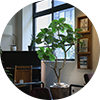
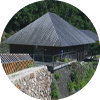
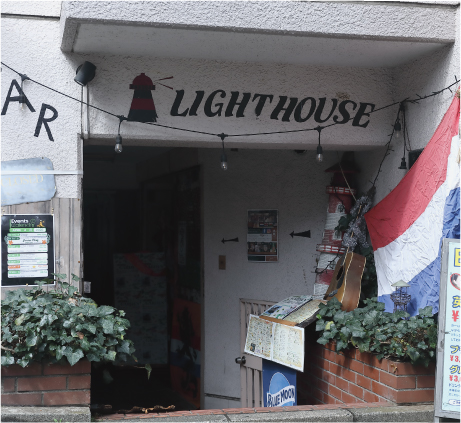
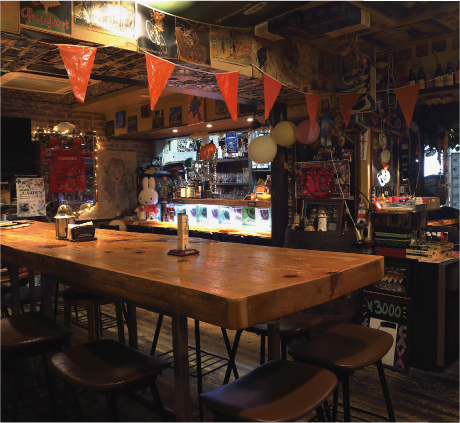
国分寺。人気の中央線沿線にある、育ちの良さが感じられる街。その一角に、オランダ料理の店がある。「LIGHTHOUSE-TOKYO」。駅南口から歩いて数分、店へ入ると、空気がふっと切り替わる。
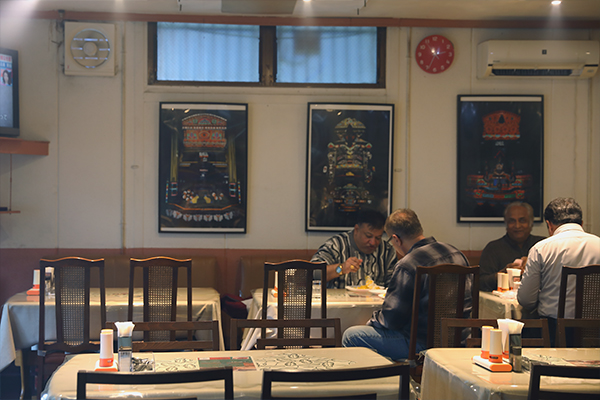
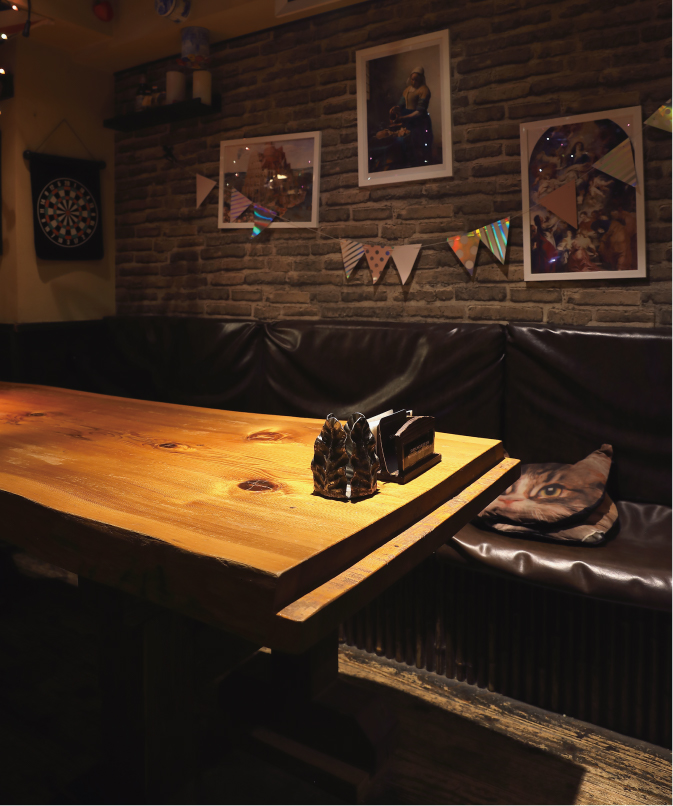
店内には外国人の姿が多い。もちろん、とくにオランダ人の姿が目立つ。ただし閉じたコミュニティではなく、地元の人も自然に混ざり合っている。
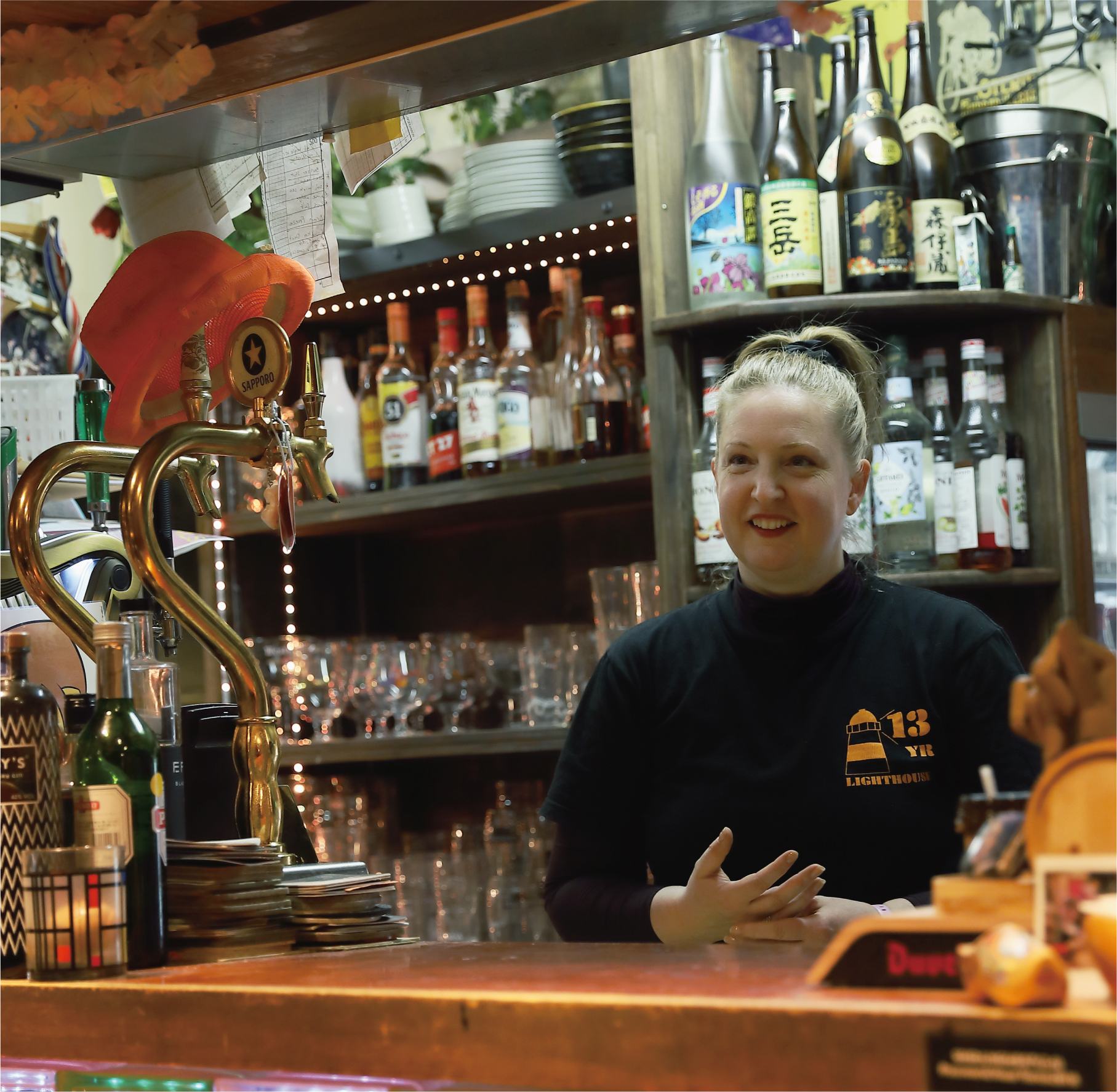
初対面でも距離を詰めるのが早く、誰に対してもフラット。それがオランダ人特有の気質だという。そう教えてくれたのが、店主のハナさんだ。店内では見知らぬお客さん同士でも、すぐにコミュニケーションが生まれるという。
ハナさんは続ける、「オランダ人はとてもストレートです。思ったことは、はっきり言葉にします。美容院で仕上がりが気に入らなければ、『これは好きではない』とそのまま伝える(笑)」。
ただし、それは単なる率直さではない。曖昧な言葉やその場しのぎの賛辞のほうが、むしろ相手に対して失礼になるという感覚がある。正直に伝えることが、相手へのリスペクトになる。そんな価値観が根底にある。
一方で、そのストレートさは冷たさにつながるわけではない。オランダは世界幸福度ランキングでも常に上位に位置しており、総じて生活満足度が高いとされている。仕事が終わればすぐに帰り、家族や自分の時間を大切にする。上司より先に帰ることに遠慮はない。仕事と生活のバランス、いわゆるQOLが整っているからこそ、人との関係もどこかしなやかだと、ハナさんは話す。
そんな人たちが集まるこの店では、気負わず、隣にいる人と言葉を交わすのが正解。その延長に、食事があり、酒がある。
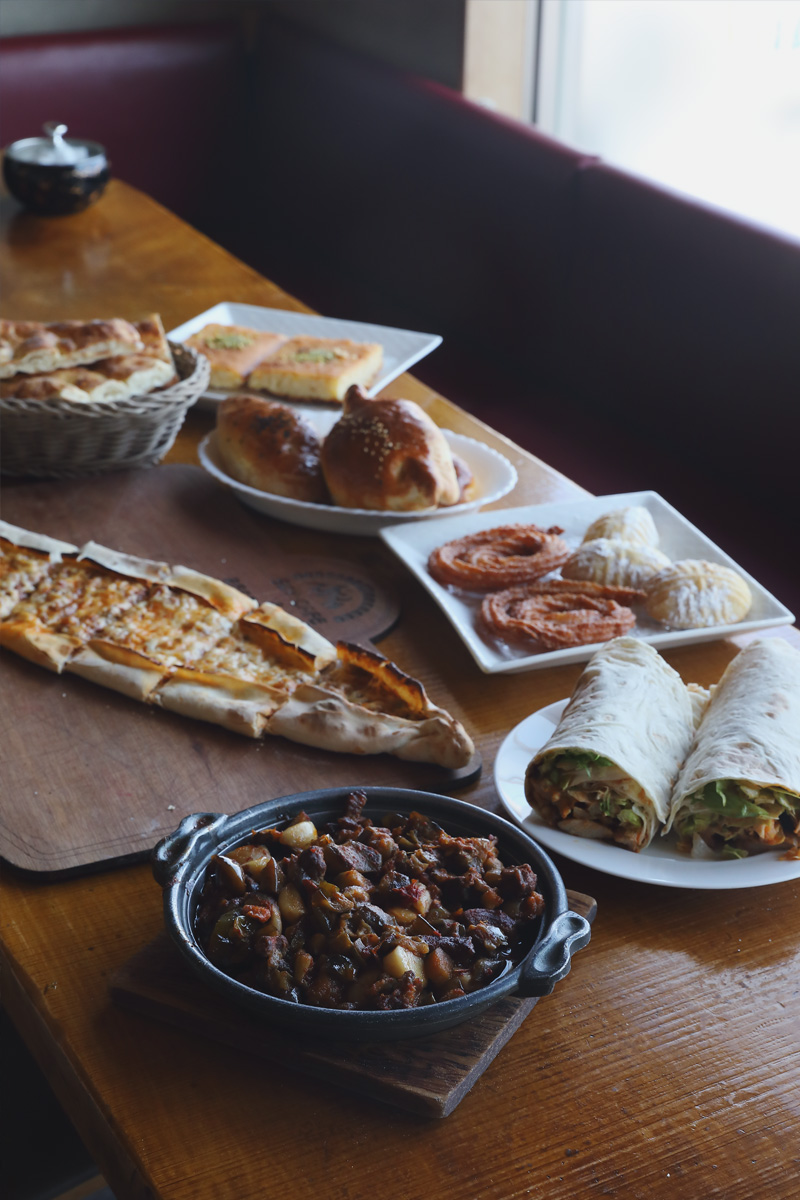
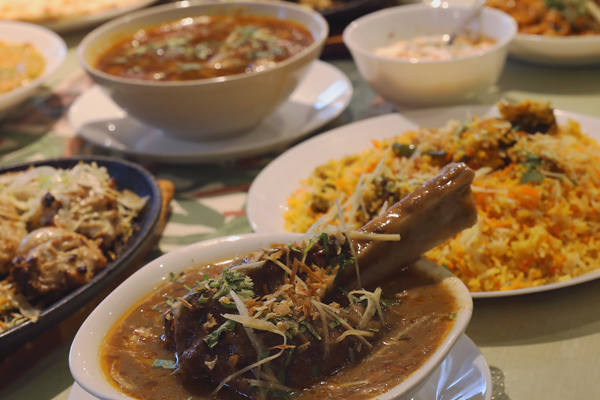
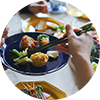
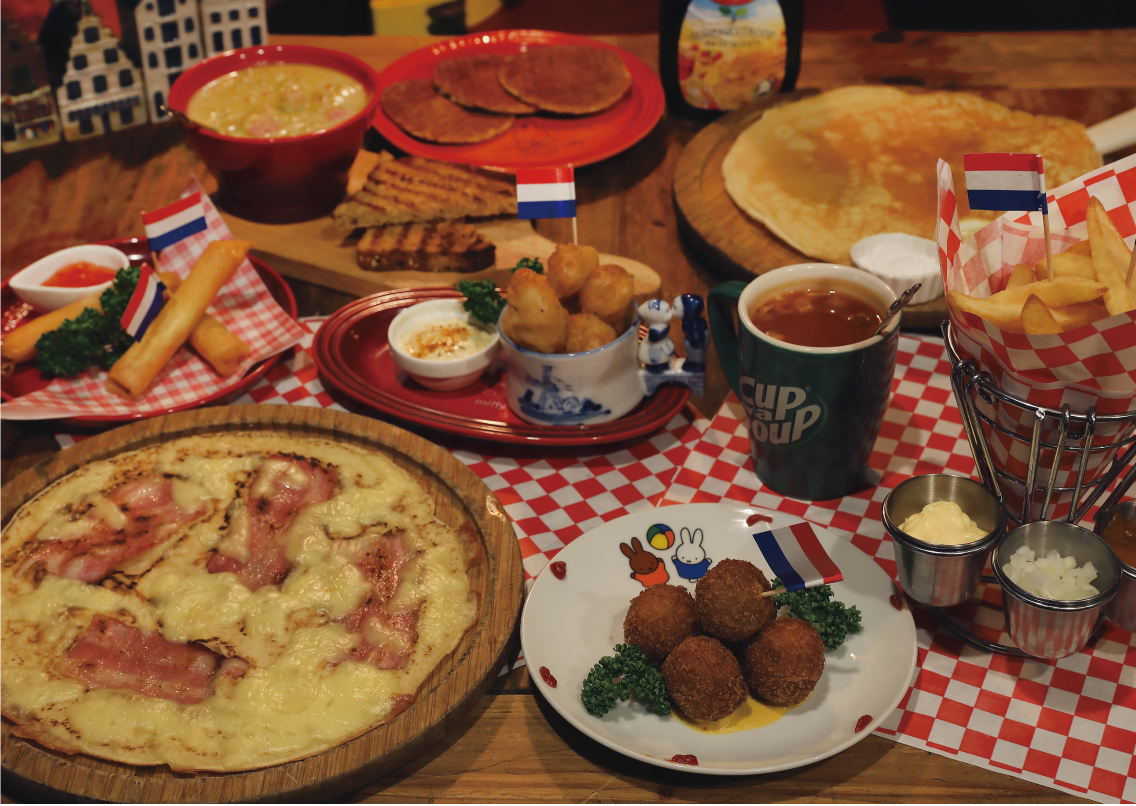
料理はコロッケのような「ビターバレン」や、素朴なスープやパイ。どれも主張しすぎず、この場の空気になじむ。料理をきっかけに、「それはどんな味?」と自然に会話が始まり、知らなかった国の話がテーブルの上に広がっていく。
この店は、火曜から日曜の14時~17時は英会話CAFEとして営業。といっても、学ぶ場というより、あくまで交流の延長。学ぶ人同士で、その場を共有することが優先される。その感覚もまた、オランダ的なのかもしれない。
オランダ人も、地元の人も、ふらりと来て、同じテーブルにつく。ここでは、率直さとやわらかい関係性が、同時に成り立っている。
At the Crossroads of Two Nations, Conversations Flow in English.
A Hidden Space in Kokubunji: A Flat, Comforting Table for All Cultures.
Kokubunji, a refined and pleasant neighborhood along the popular Chuo Line, holds a unique secret: an authentic Dutch establishment called “LIGHTHOUSE-TOKYO.” Just a few minutes’ walk from the station’s south exit, you descend into a basement where the atmosphere instantly shifts.
Inside, the presence of foreign residents is striking. Yet, it is far from an exclusive circle; local residents blend in naturally, creating a diverse and open space.
“The Dutch are quick to close the distance, even with strangers. They treat everyone as a flat equal,” explains Hana, the owner. In this shop, spontaneous conversations often spark between people who have never met.
Hana continues with a smile: “Dutch people are very straightforward. They say exactly what’s on their mind. If they don’t like their haircut at a salon, they’ll tell the stylist plainly, ‘I don’t like this.'”
This isn’t mere bluntness. Behind it lies a cultural belief that ambiguity or hollow praise is actually disrespectful. For them, being honest is the ultimate form of respect. This fundamental value defines the very soul of the shop.
This straightforwardness, however, does not translate into coldness. The Netherlands consistently ranks high in the World Happiness Report, and general life satisfaction is remarkably high. People head home immediately after work, prioritizing family and personal time without hesitation—even if it means leaving before the boss. “Because their work-life balance (QOL) is so well-maintained, their relationships with others remain flexible and resilient,” Hana explains.
In this restaurant, the correct way to spend time is to simply strike up a conversation with the person next to you. Food and drinks serve as a natural extension of that connection.
The menu features “bitterballen”—savory, croquette-like snacks, and rustic soups or pies. None of the dishes are overly assertive; they blend seamlessly into the social atmosphere. A meal often becomes a conversation starter: “How does that taste?” From there, stories of a distant land naturally unfold across the table.
The shop also hosts events and English conversation classes, though these are less about formal study and more about social interaction. Sharing the experience with others takes priority over the curriculum—a very Dutch approach. Here, Dutch expats and locals alike drop by and sit at the same table. It is a place where radical honesty and gentle, flexible relationships exist in perfect harmony.

閲覧中の特集はこちら