








二千二百年の紙。
Feature | 2026.7.27
デジタルを使うほど、紙の良さを知っていく、という話。
紙はおよそ二千二百年前に生まれ、
人の知識や記憶、思考を受け止めながら使い継がれてきた。
そして今、学校では一人一台のデジタル端末が配られ、
仕事の現場でも、紙を減らすことが当然のようになっている。
便利で、速く、保存できる。だから、デジタルが主流になる。
けれど、読むことは、画面を見ることだけなのか。
書くことは、キーボードを打つことだけなのか。
考えることは、検索の速さで深まるのか。
二千二百年目の紙をもう一度、見つめ直す今回の特集。
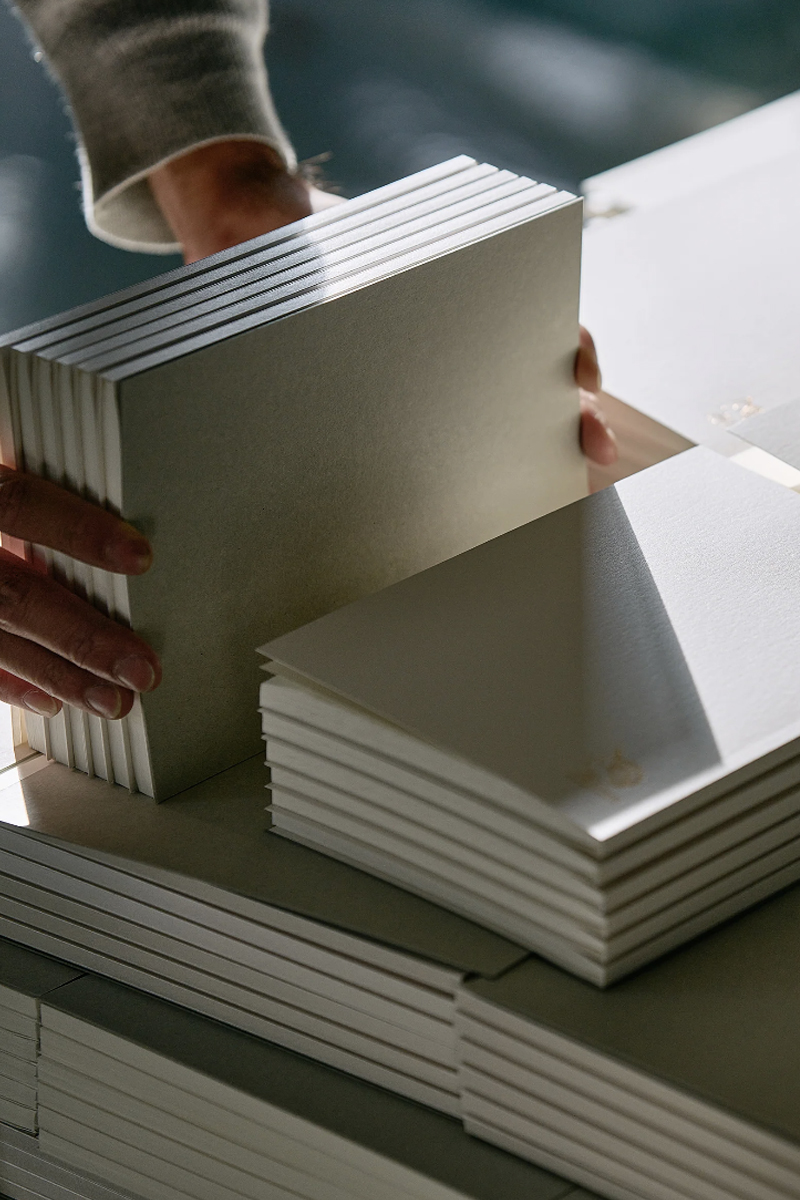
読んだ人があらためて、本誌をめくったり、紙面に触れたり、
指でなぞったりしてくれたら嬉しいです。
On how the more we use digital technology,
the more we come to appreciate paper.
Paper was born roughly 2,200 years ago,
evolving alongside human knowledge, memory, and thought.
Today, schools provide digital devices to every student,
and workplaces naturally strive to reduce paper.
Because digital tools are convenient, fast, and easy to store,
they have become the mainstream.
Yet, is reading merely about looking at a screen?
Is writing merely about typing on a keyboard?
Does thinking truly deepen through rapid searches?
This feature reconsiders paper in its 2,200th year.
We hope that reading this
inspires you to once again flip through these pages,
feel the paper, and trace the words with your fingertips.
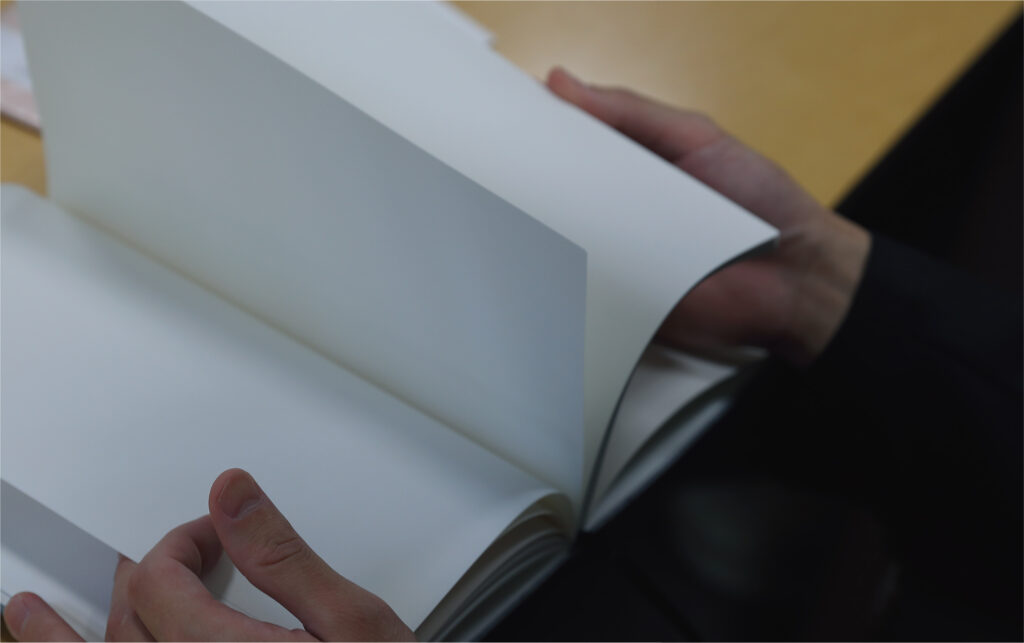
紙をめくる音。指先に残る、少しざらついた感触。
封筒を開けるときの小さな緊張。
本の厚みで、読み進めた時間を感じること。
私たちは毎日のなかで、何度も紙に触れている。
それなのに今、紙は肩身の狭いものとして語られることが増えた。
便利さを追いかけながら、紙は減らしていっていいのか。
そんな問いが、いま改めて投げかけられている。
The sound of turning a page. The slightly rough feeling that lingers on your fingertips.
The faint sense of anticipation when opening an envelope.
The way the thickness of a book lets you feel the time you have spent reading.
We touch paper countless times in our everyday lives.
And yet today, paper is increasingly treated as if it no longer has a place.
As we pursue convenience, should we simply keep using less and less paper?
That question is now being asked once again.
紙を減らす。紙をなくす。紙をデジタルに置き換える。ペーパーレスという言葉は、いつの間にか、効率のよさや環境への配慮と結びつき、紙を使うことそのものが、少し古い選択であるかのようになってきている。
もちろん、デジタルは便利だ。情報はすぐに届き、検索でき、保存できる。書類は画面の中に収まり、何枚もの資料を持ち歩く必要もなくなった。
では、紙はもう過去のものなのだろうか。画面で見られるものを、わざわざ印刷することに、どんな意味が残っているのだろう。
紙は、古代中国で生まれて以降、およそ二千二百年の歴史を辿ってきた。書くために、包むために、伝えるために使われてきた。手紙、書物、証書、包装紙、名刺、新聞、雑誌。そこには、情報だけではなく、渡すときの気持ち、読むためにかける時間も含まれていた。
紙は、ただ文字を載せるだけのものではない。
触る。めくる。折る。重ねる。並べる。書き込む。そうした行為を通して、人は情報と深く関わってきた。画面の中では通り過ぎてしまうものが、紙になると、手元に残る。すぐに消せないからこそ、考える時間が生まれることもある。
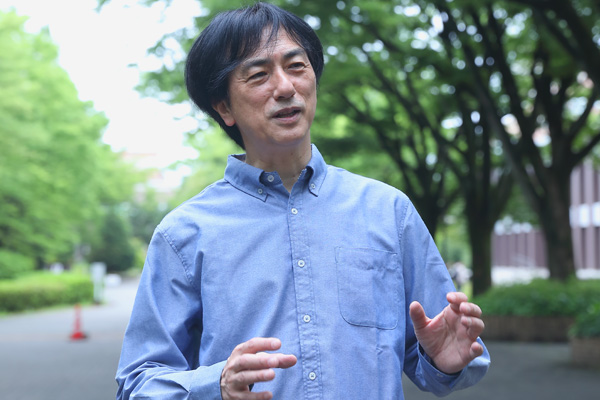
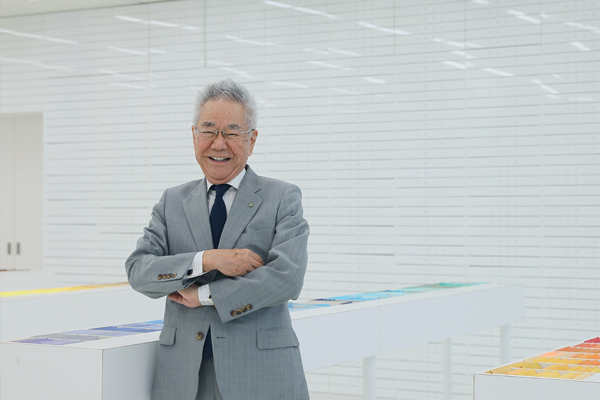
この特集では、紙の専門商社として百二十五年以上にわたり紙と向き合ってきた竹尾の竹尾稠会長と、紙とデジタルの読み書きを認知科学の立場から研究する柴田博仁先生に話を聞いた。一方は、紙をつくり、選び、届けてきた人。もう一方は、紙を使う人間の思考や身体に目を向けてきた人。
ペーパーレスの時代に、紙は何を失い、何を残しているのか。そして、これからの社会で、紙はどんな働きを持ち続けるのか。
二千二百年目の紙。それは、古いメディアを懐かしむ話ではない。画面の時代に生きる私たが、読むこと、考えること、伝えることを、もう一度手元から見直すための話である。
Reducing paper, eliminating it, or replacing it with digital—the word “paperless” is now tied to efficiency and environmental care, making paper seem like an outdated choice. Granted, digital devices are convenient. Information arrives instantly, searchable and storable. But is paper truly obsolete? What meaning remains in printing what can already be viewed on a screen? Since its birth, paper has a 2,200-year history of writing, wrapping, and communicating. It has shaped our lives through letters, books, certificates, wrapping paper, business cards, newspapers, and magazines. It contains not just data, but the giver’s feelings, the reader’s time, and tangible memory. Humans engage deeply with information through physical actions: touching, flipping, folding, and writing.
What quickly slips past on a screen remains firmly in our hands on paper, creating vital time for deep reflection.
For this feature, we interviewed Chairman Shigeru Takeo, who has led a century-old paper merchant, and Professor Hirohito Shibata, a cognitive scientist researching paper and digital media. One has delivered paper; the other has studied how it affects human thought and bodies.
In a paperless era, what has paper lost, and what does it retain? Paper, 2,200 Years On. It’s not a nostalgic tale about an old medium. It is a chance for us, living in a screen-dominated age, to reconsider reading, thinking, and communicating right from our own hands.

閲覧中の特集はこちら