







都心よ止まれ。
Feature | 2026.9.15
止まった未来を前に、東京のこれからを考える、という話。
東京の再開発はいつも前のめりだ。
古い建物を壊し、もっと高く、もっと大きく、もっと便利に。
再開発の計画書には明るい未来しか載っていない。
予算も工期も、その未来についてくるはずだった。
ところが工費は暴騰し、人は足りず、完成予定の年まで消えはじめた。
中野、新宿、六本木。都心のあちこちで、
未来が足踏みしている。困った。
でも、せっかく止まったのだ、これを機に、よくよく考えてみよう。
そのプロジェクトは、暮らす人たちのためになっているのか。
いったん立ち止まり、再開発の善し悪しを考えてみる。
今号の特集が、そのきっかけになるとうれしいです。
Reflecting on Tokyo’s future in a paused tomorrow.
Redevelopment in Tokyo is always running at full tilt.
Out with the old, in with the new—
taller, grander, and more convenient.
Master plans promise only radiant visions of tomorrow,
with budgets and schedules expected to follow seamlessly.
Yet reality has hit a wall. Costs have skyrocketed,
labor shortages loom, and completion dates are vanishing.
Across Nakano, Shinjuku, and Roppongi,
that promised future is stuck in place.
Perhaps this pause is an opportunity to reflect:
Are these projects truly serving those who live here?
It is time to step back and weigh the merits and flaws of redevelopment. We hope this issue sparks that conversation.
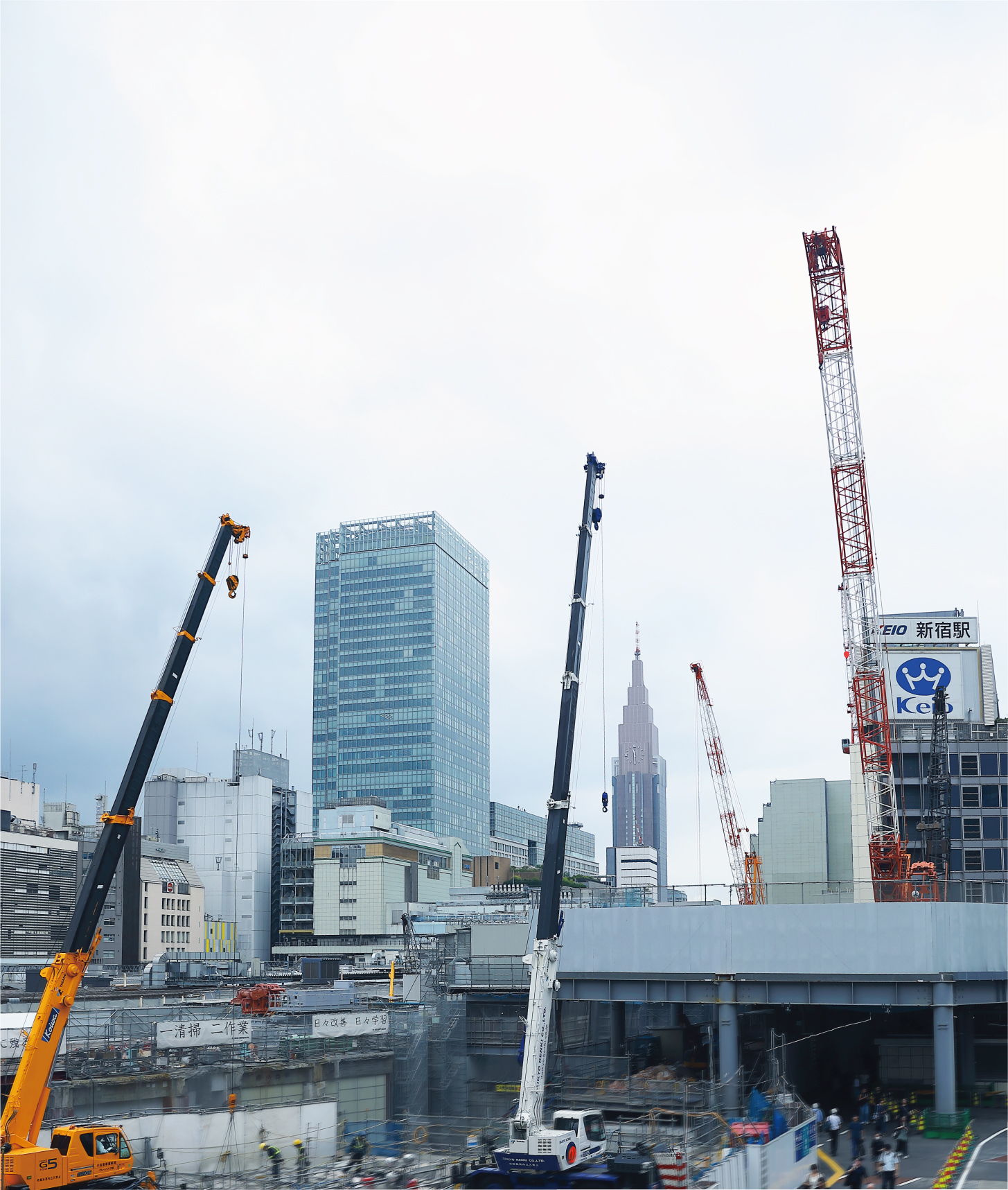
東京ではいたるところで、まだ大規模な再開発が続いている。
新しいビルが建ち、オフィスが集まり、人が暮らし、にぎわいが生まれる。
そのはずだったのに、近頃ではなんだか怪しい。
工事費は上がり、計画は見直され、完成の年が見えなくなってきた。
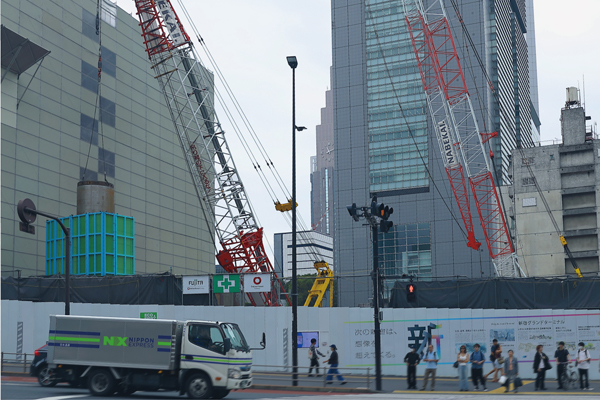
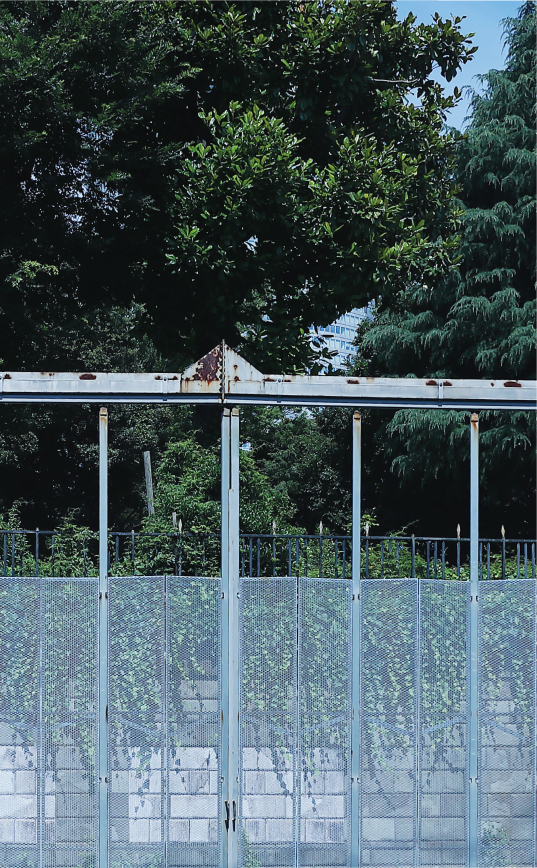
大都市に設けられた、工事用の仮囲いのなかに
静かな工事現場があるというシュールな風景。
いま都心のあちらこちらにある、この「止まった時間」は何だろう。
中野、新宿、六本木を歩き、東京のこれからを考える。
Across Tokyo, large-scale redevelopment carries on. Towers rise, offices fill,
residents move in, and city life blossoms—or so it was meant to be.
Lately, though, something feels uncertain. Costs soar, plans are revised,
and completion dates fade away.
Behind temporary hoardings lies the surreal sight of silent construction sites.
What does this “frozen time” mean?
Walking Nakano, Shinjuku, and Roppongi, we ponder Tokyo’s future.
再開発の話は、いつも夢が詰まっている。ここに広場が生まれ、人の流れが変わり、駅と街がひとつになる。完成予想CGの空はたいてい青く、歩く人はみな楽しそうだ。そして図の隅には、竣工予定の年が小さく記されている。それは、予定どおりに未来がやってくるという約束のはず。
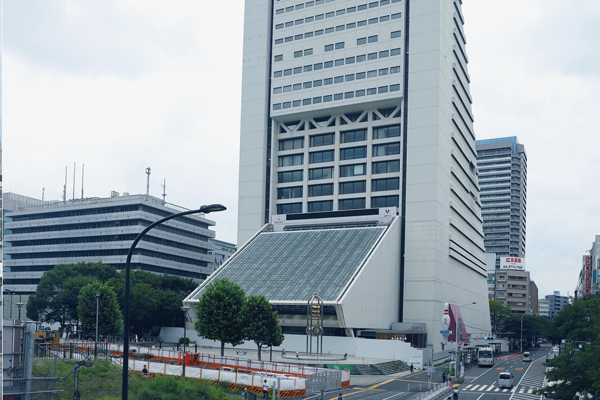
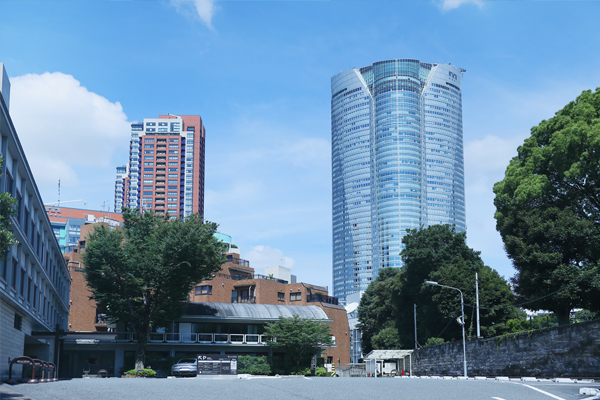
ところが、その年が消えはじめた。資材も人件費も上がり、工事を引き受ける会社が決まらない。2021年1月からの約5年間で、建設資材の価格は38%上昇したという。人件費の上昇まで含めれば、建設コスト全体は平均で26〜30%増。おおまかにいえば、100億円の工事が130億円近くになる計算だ。計画を立てたときの予算では、もう建てることはできない。中野サンプラザの再開発は一度白紙に戻り、新宿駅西南口では完成時期が未定になった。六本木五丁目の巨大計画も、2030年竣工は難しいと事業者自身が話している。
東京は、止まらないことを力にしてきた。古い建物を壊し、床を増やし、どんどん高く積み上げていく。それが都市の活力だと信じてきた。だけど止まってみると、見えてくるものもある。
閉ざされた建物の前を行き交う人、仮囲いの脇で営業を続ける店、動かないクレーン、そしてそこは工事現場とは思えないほど静か。こうして動きだすことを待ち、さらに完成するまでの数年は、事業者には工程の遅れでも、そこで暮らす人には毎日の生活の場。街は工期とは別に、今日も動いている。
再開発を否定するつもりはない。老朽化した建物は直さなければならないし、混雑や防災上の問題も放置できない。ただ、大きくすることと、よくすることは同じだろうか。新しくすることと、暮らしやすくすることも、たぶん同じではない。完成の日付が遠のいた三つの場所を歩く。止まった時間のなかには、街を考え直すための時間も流れている。
Redevelopment plans are full of dreams: new plazas emerge, foot traffic shifts, and stations merge with the city. Renderings feature blue skies and happy faces, with a small completion date in the corner—a promise that the future will arrive on schedule.
Yet those dates are vanishing. Material and labor costs have surged, making contractors hard to find. Since 2021, material prices jumped 38%, pushing total budgets up by 26–30%. A 10-billion-yen project now costs nearly 13 billion yen, making initial budgets unfeasible. Nakano Sunplaza was reset, Shinjuku’s timeline is uncertain, and Roppongi 5-Chome’s 2030 target looks unlikely.
Tokyo always drew strength from relentless growth. Yet in this pause, new perspectives emerge.
People pass by closed buildings, and shops operate beside temporary fences. Cranes stand motionless in an unexpectedly quiet construction site. These years waiting for completion may represent a project delay to developers, but for those who live here, it remains the setting of their daily lives. Regardless of schedules, the city moves forward today.
I do not intend to deny redevelopment. Aging structures need repair, and safety issues cannot be left unaddressed. Yet, is making something larger truly the same as making it better? Is making something brand new the same as making it more liveable? Probably not. Walking through three delayed locations, I feel that within this frozen time, a quiet moment flows to rethink what a city should truly be.

閲覧中の特集はこちら