











樹海は囁く。
Feature | 2026.10.19
樹海では“自然が神” だと、素直に思える、という話。
「自然が神だ」と言われても、街にいると、
どこか遠い話に聞こえる。
ところが樹海では、話が違った。
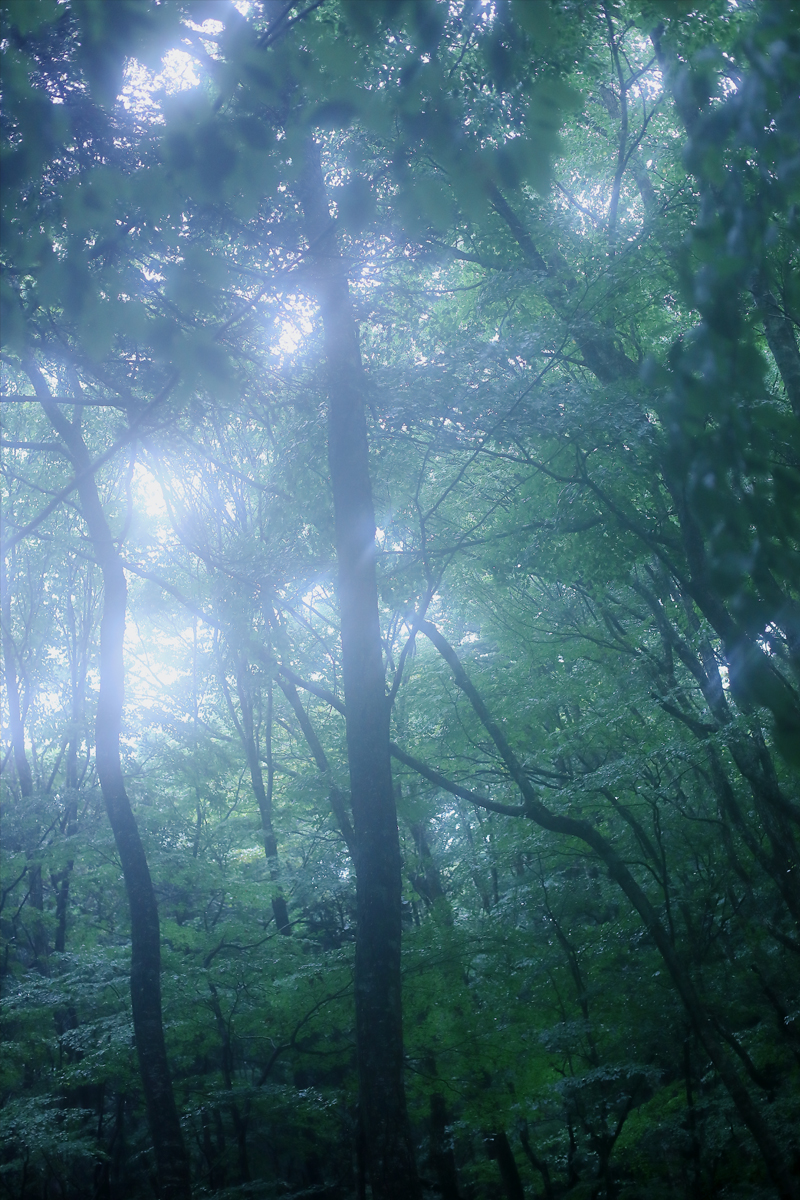
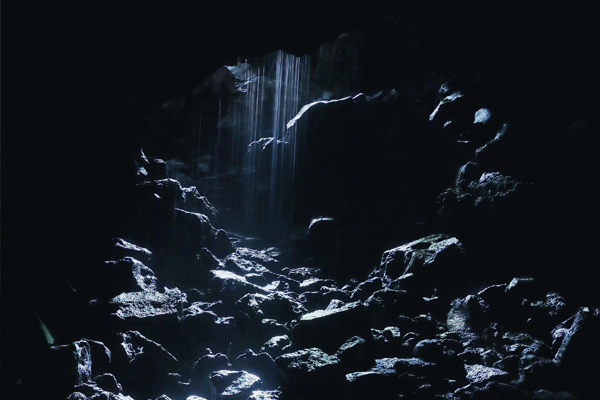
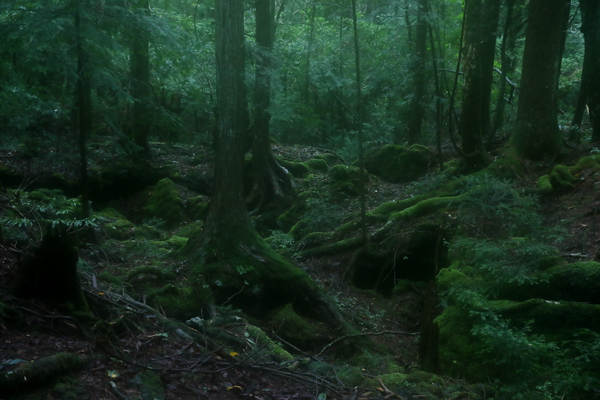
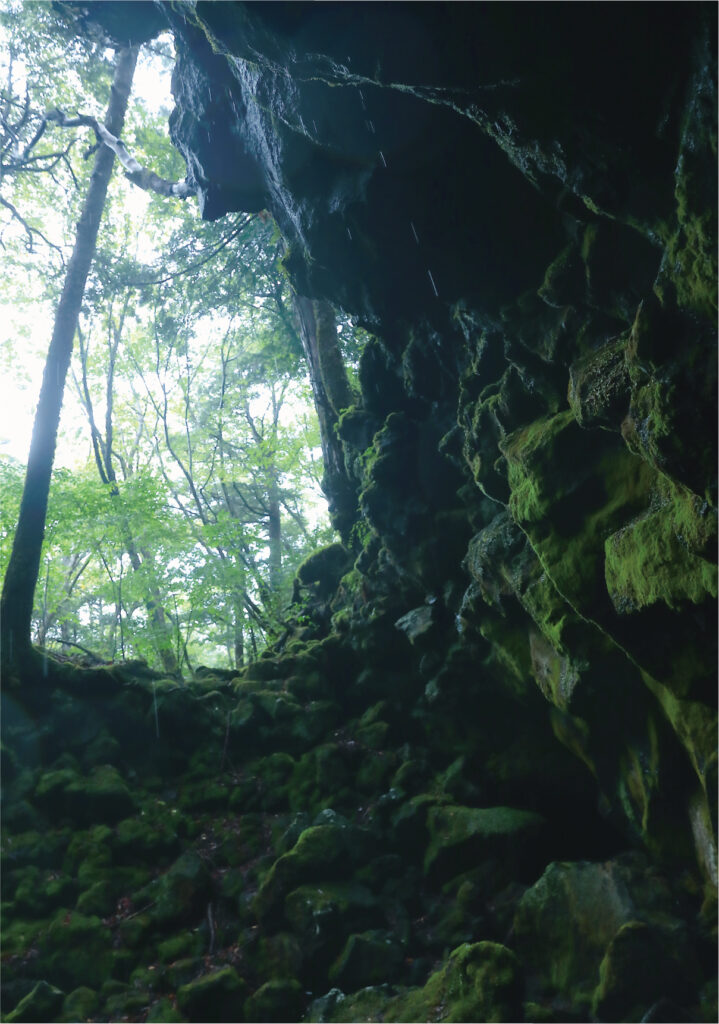
雨を含んだ苔は緑を深め、溶岩の割れ目には根が伸びる。
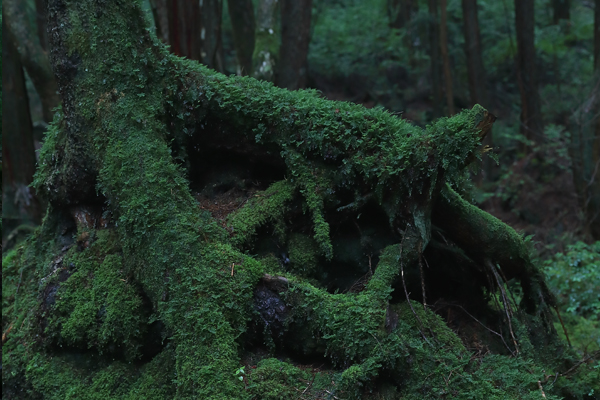
倒木の上では、もう次の木が育っていた。
この森では、人間の都合などほとんど役に立たない。
人は富士山に手を合わせ、修験者は森や洞穴へ入った。
なぜ、そこまでしたのだろう。
「山へ入らせてもらう」という言葉も、
ここでは大げさに聞こえない。
御師の家に泊まり、修験者と歩き、雨の樹海へ。
今号では、人が自然を神と呼んできた理由を、
富士山の麓で考えます。
Why the Jukai Forest makes it easy to believe “nature is God”?
Even when people say, “nature is God,”
it sounds like a distant concept in the city.
In the the Aokigahara Jukai Forest or “Sea of Trees”,
however, it is entirely different.
Rain-soaked moss turns a deeper green,
and roots stretch through lava crevices. Atop fallen trees,
new life is already growing. Here, human convenience holds no power.
People pray toward Mt. Fuji, and ascetic monks (shugenja)
venture into the woods and caves.
Why did they go to such lengths? Even the phrase “being permitted to enter the mountain” feels entirely natural here.
Staying at a Oshi pilgrim lodge, walking with shugenja,
and entering the rain-kissed forest…
In this issue, we explore at the foot of Mount Fuji
why humanity has long revered nature as divine.
人間を知るために、深い自然へ。
取材の日、富士山は雲の向こうに隠れたままだった。
麓まで来たのに、なんとも残念。
少し拍子抜けしたが、旅を続けるうちに、
富士山は眺めるだけの山ではないとわかってきた。
御師の家に残る富士講の記憶、樹海の下に広がる溶岩。
山の姿は見えなくても、その力が残したものは、いたるところにあった。
On the day of our visit, Mt. Fuji remained hidden behind clouds.
Arriving at its foot without a view was disappointing,
yet continuing our journey revealed that Mt. Fuji is not meant merely to be admired from afar.
From the memories of the Fuji-ko (Devotional Fuji confraternities)pilgrimage preserved in the
Oshi lodges to lava beds beneath the Jukai forest
—even unseen, the mountain’s power was present everywhere.
今回の旅は、東京の成田山深川不動堂から始まった。富士の麓へ向かい、かつて登拝者を迎えた御師の家「筒屋」に泊まる。鳴沢村の魔王天神社へ参拝し、修験者と青木ヶ原樹海に入った。
富士講の歴史をたどり、山に入る人の話を聞き、やがて森そのものの成り立ちへ目を向けていく。歩いてみると、信仰と自然がひとつになる理由がわかった感じがしてくる。
富士山は美しい。遠くから眺めれば、均整のとれた穏やかな山に見える。けれど、青木ヶ原の大地をつくったのは、噴火によって流れ出した溶岩だ。人の暮らしを脅かした山に、人は手を合わせ、何日も歩いて近づこうする。その理由を知りたくなった。
木や岩、山や洞穴に、人間を超えるものを感じる。後から言葉を当てればアニミズムだが、昔の人にとっては、もっと切実で、暮らしに近い感覚だったのだろう。柳田國男は、古い信仰が力を失うと、神が妖怪へと零落することがあると考えた。祀ることと恐れることは、離れているようで案外近い。森を美しい場所と見るのか、怖い場所と見るのか。そこには、自然そのものより、人間の気持ちが映っている。
普段の暮らしでは、時間も道も、できるだけ人間に都合よく整えられている。樹海へ入ると、その調子が通じない。根をまたぎ、滑る苔を避け、足を置ける場所を探しているうちに、頭を占めていた日常の用事が少しずつ遠のいた。歩く速度が落ちると、見えるものが増える。これは理屈ではなく、身体のほうが先に知る感覚。
足元では、木が倒れ、朽ちた幹を苔が覆い、その上からまた新しい芽が伸びている。森は完成した景色ではなく、長い時間の途中にある。水や土や、名も知らない小さな生き物の働きに支えられて暮らしている。
富士山を拝んだ人々の道をたどり、修験者と歩き、雨の樹海で森の成り立ちを知る。そこにあったのは、自然を知るための答えというより、自分たち人間を見直すための手がかりだった。
森を出たあと、いつもの日常はどう見えるだろうか。
Our journey began at Naritasan Fukagawa Fudoudou in Tokyo, leading to Zuzuya, a Oshi pilgrim lodge at Fuji’s foot. After visiting Maoten Shrine, we entered the Aokigahara Jukai forest with shugenja.
Tracing Fuji-ko history and listening to mountaineers shifted our eyes to the forest’s origins. Walking here reveals why faith and nature unite.
Mt. Fuji looks serene from afar, yet Aokigahara was forged by violent lava. We sought to understand why people pray to—and trek toward—a mountain that once threatened their lives.
We feel something beyond humanity in trees, rocks, mountains, and caves. Later labeled as animism, it was likely a far more immediate, everyday reality for ancient people. Folklore scholar Kunio Yanagita believed that when old faiths fade, gods drop into mere monsters. Revering the sacred and fearing the unknown are surprisingly close. Whether we view the forest as beautiful or terrifying reveals less about nature itself than about the human heart.
In daily life, time and paths are arranged for human convenience, but that logic fails inside the Jukai forest. Stepping over roots, dodging slick moss, and searching for foothold gradually pushes daily worries away. As your pace slows, you see more—a sensory shift felt in the body rather than explained by logic.
At your feet, fallen trees rot under moss as new sprouts rise. The forest is not a finished scene, but an unfolding passage of time, supported by water, soil, and microscopic life.
Tracing the path of Mt. Fuji worshipers, walking with an ascetic monk, and learning the forest’s origins in the rainy Jukai reveals fewer answers about nature and more clues to reconsider human existence.
Upon leaving the forest, how will everyday life appear?
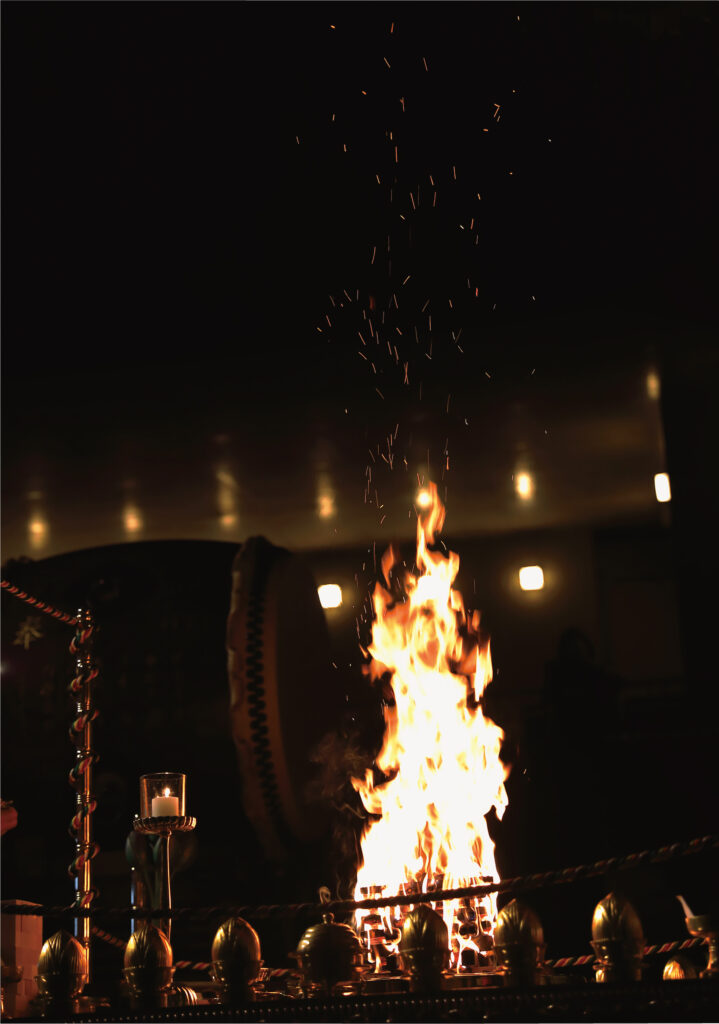
成田山深川不動堂

閲覧中の特集はこちら