











樹海、未来へのエコロジー。
Feature | 2026.10.19
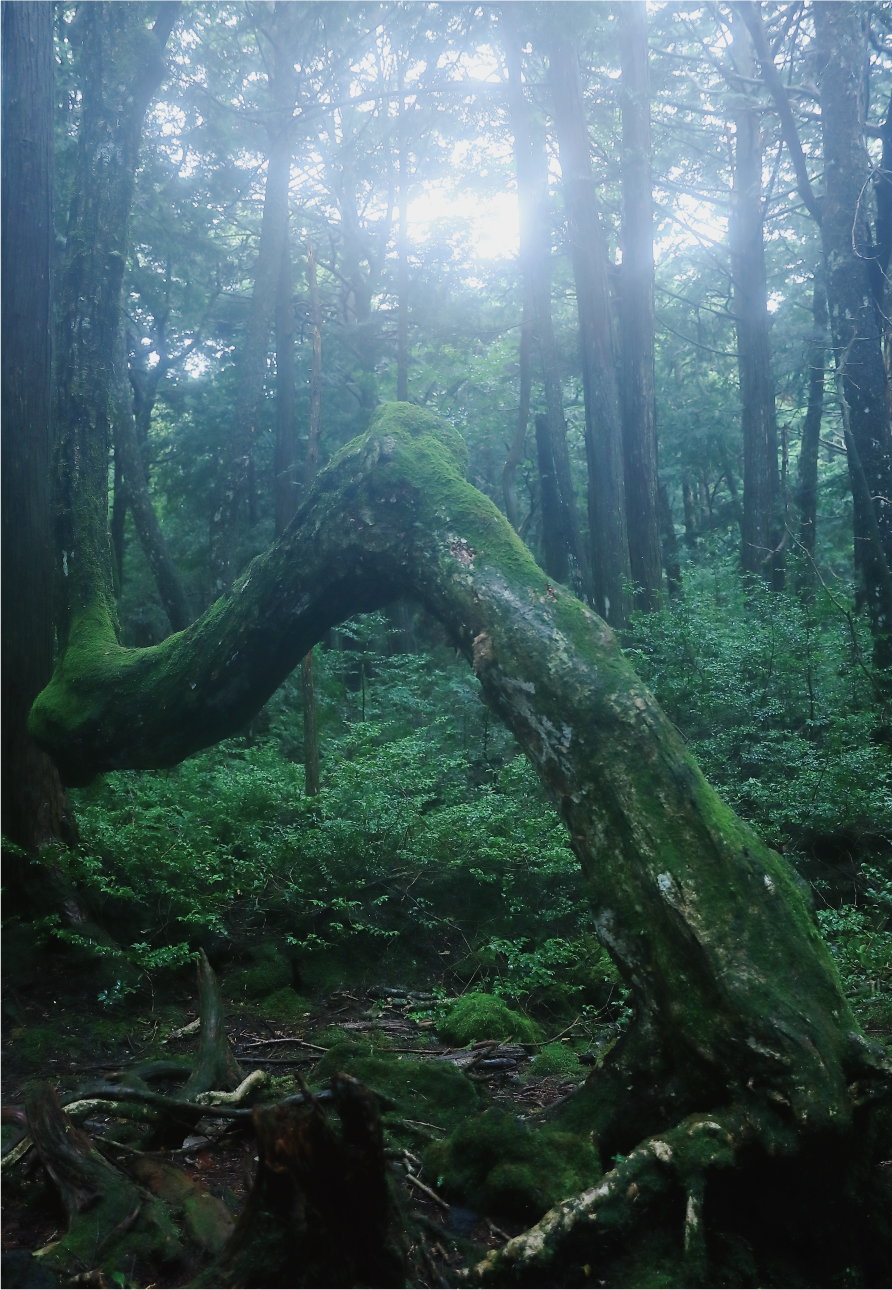
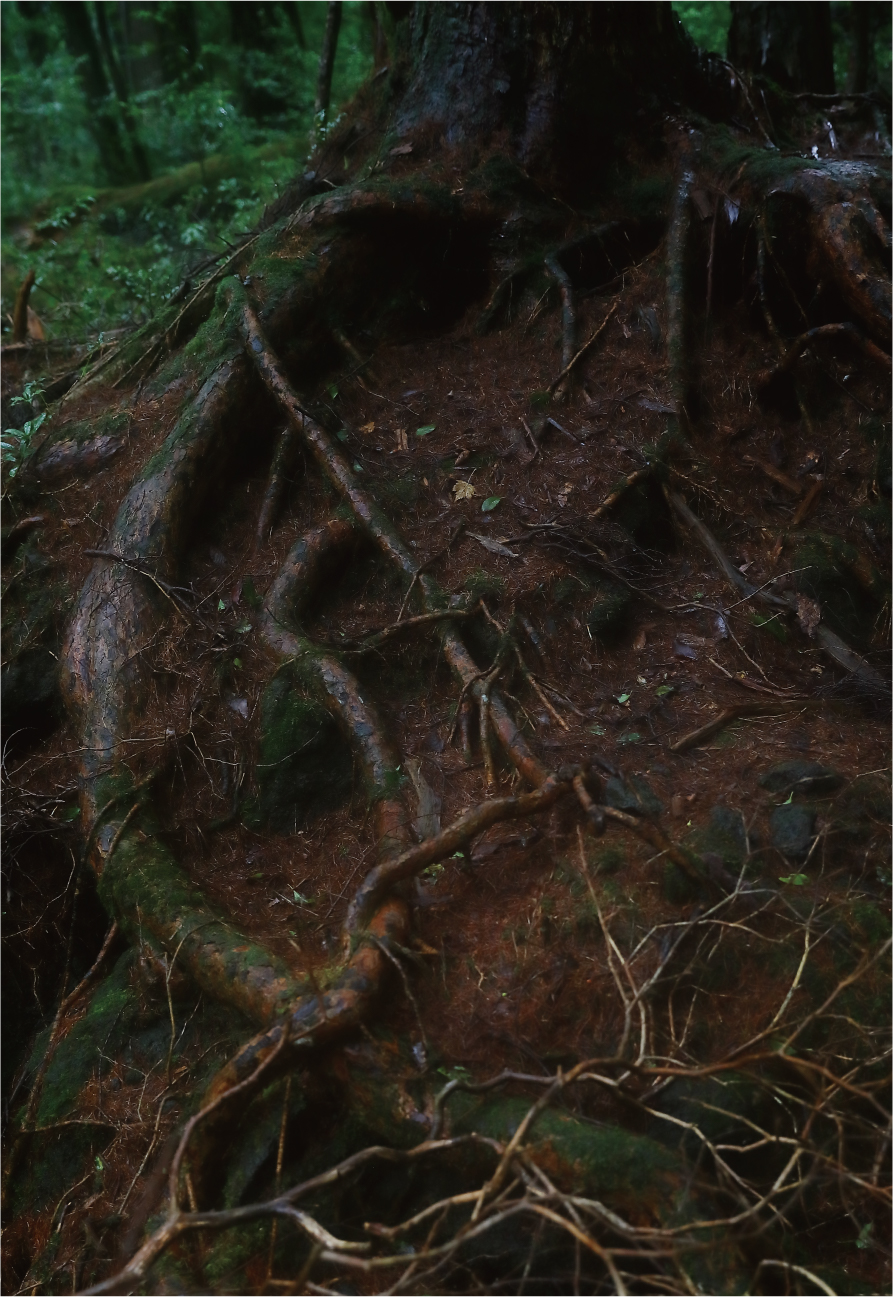
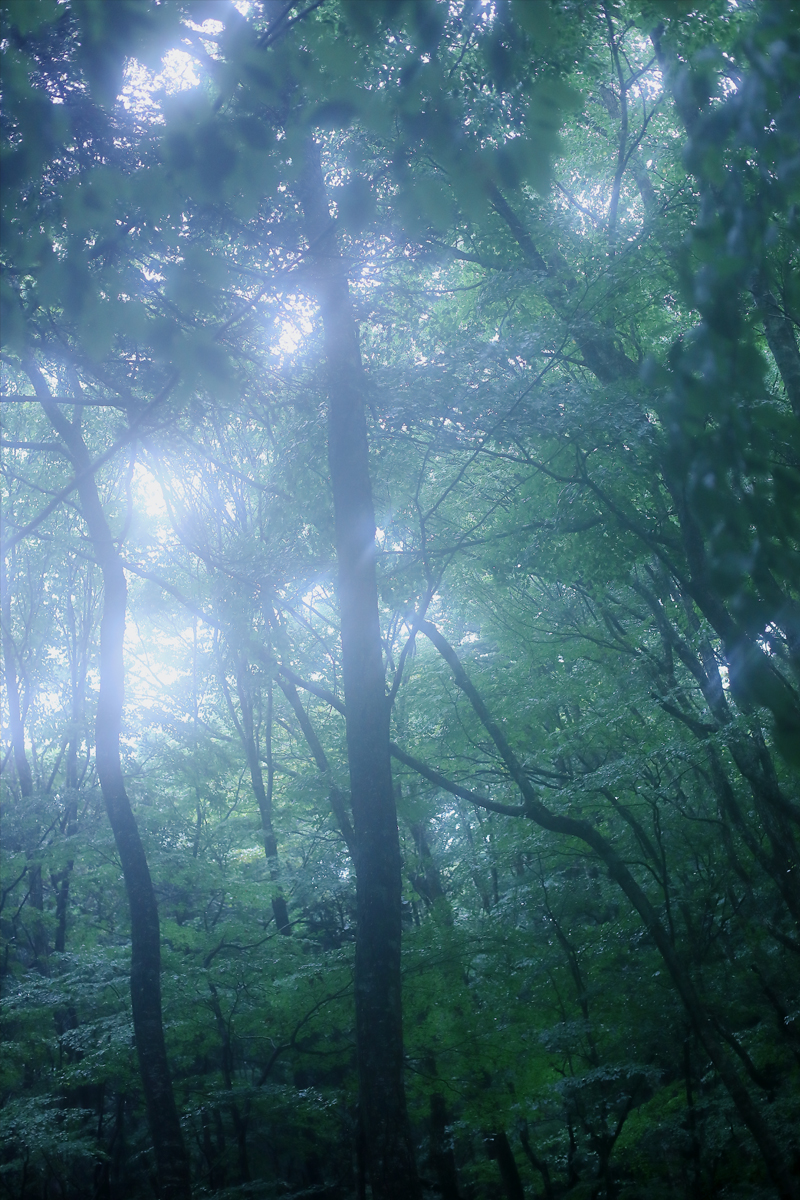
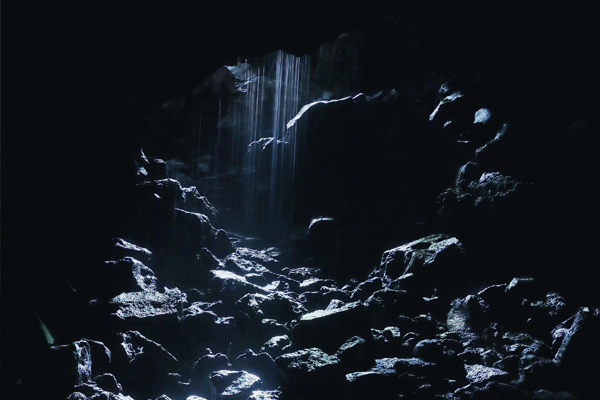
青木ヶ原樹海の始まりは、黒い溶岩の大地だった。西暦864年、富士山の貞観噴火で流れ出した溶岩の上に、およそ1200年をかけて現在の森ができた。1200年と聞けば、とてつもなく古く思える。しかし森の時間で考えると、青木ヶ原はまだ若いらしい。
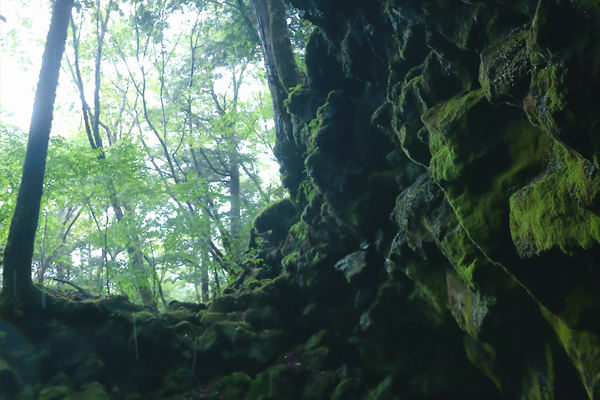
水も養分も乏しい溶岩に苔やシダがつき、風に運ばれた種が落ちる。鳥や昆虫もやって来る。植物が枯れれば、それがわずかな土になる。そうした積み重ねが、岩の上に森をつくってきた。
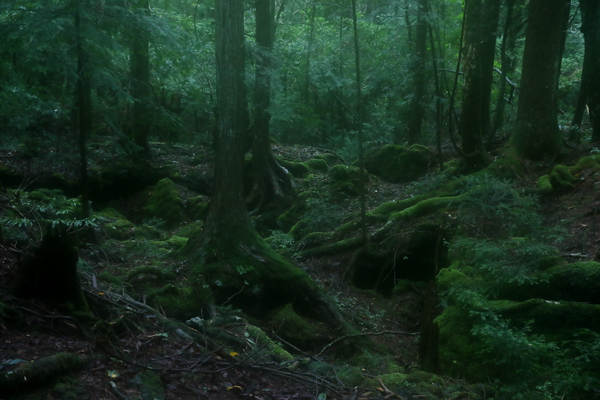
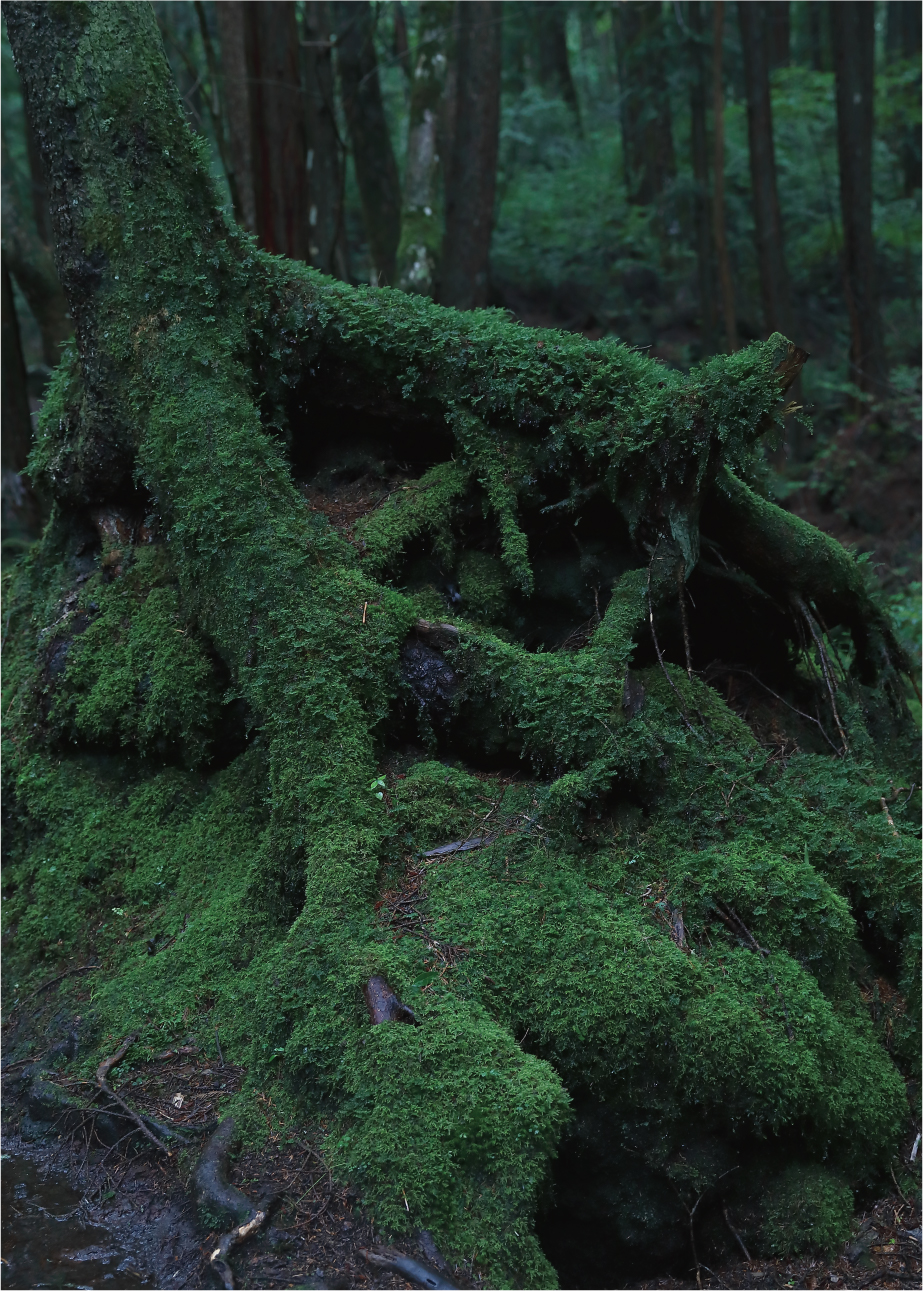
樹海では、木の根が地面を這っている。平均4〜5cmほど、厚みがあるところでも10cm程度しかない土の下に、すぐ溶岩があり、深く根を下ろせないからだ。では、木々はどこから水分を得ているのか。答えは、苔だった。正確には、そこに蓄えられた雨水である。
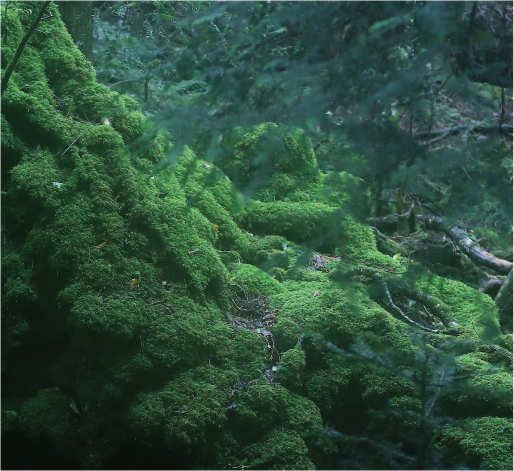
溶岩は雨をすぐ地下へ通してしまうが、表面を覆う苔は水分を蓄える。木々は、そこや薄い土に保たれた水を利用して育ってきた。雨を逃がす溶岩の上で、水をつなぎ止めている。
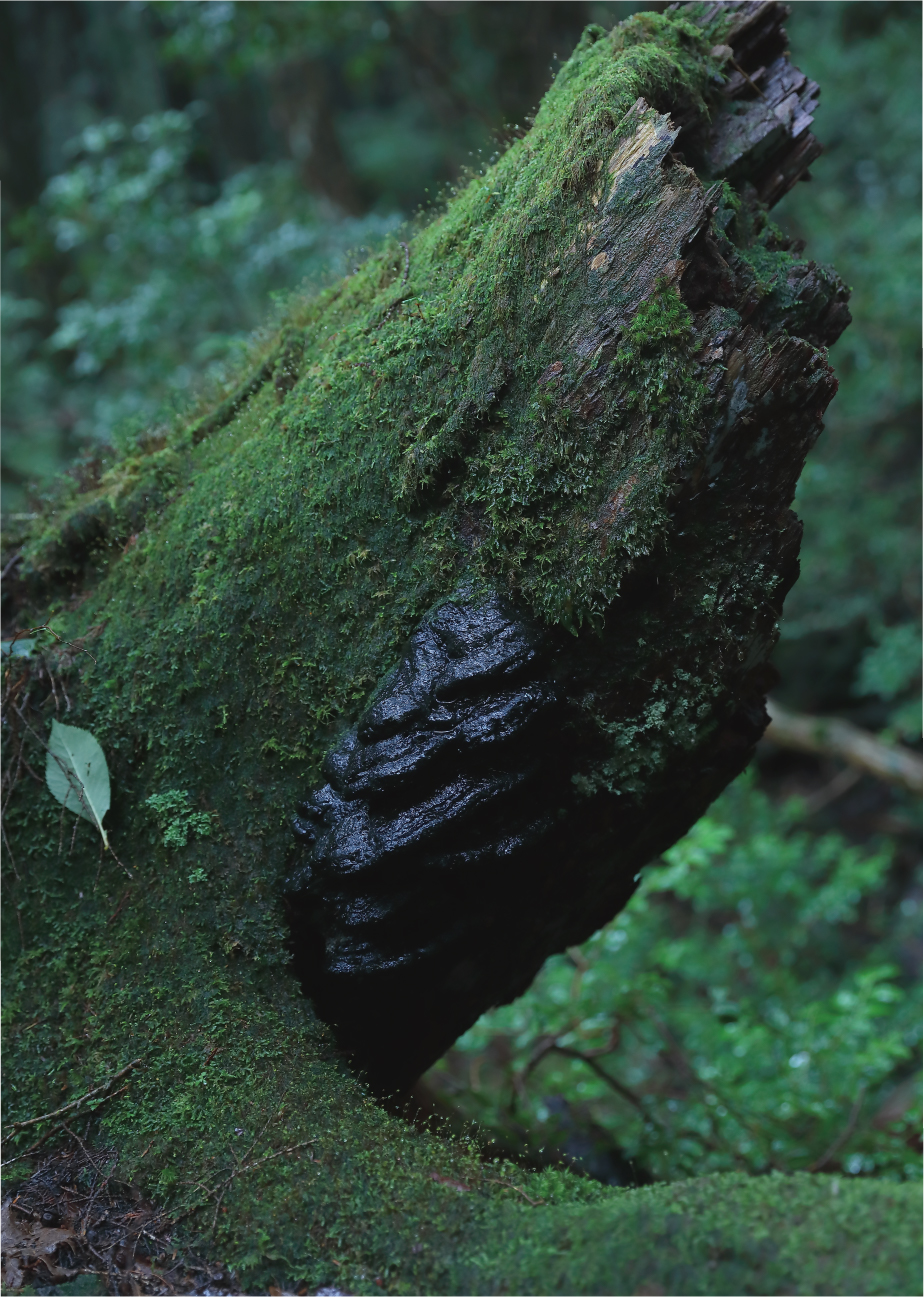
土が薄いため、倒れる木も少なくない。しかし、そこで役目が終わるわけではない。倒木は菌類などの働きで、少しずつ分解されていく。その上に種が落ちれば芽が出て、次の木が育ち始める。これを「倒木更新」という。
薄い土しかない森では、朽ちていく倒木が若い木の苗床になる。倒木の上に、若い木が一列に並んでいることがあるのは、そのためだ。木が倒れて頭上に隙間ができれば光が入り、林床の若い木も伸びていく。森では、倒れることも仕事のうちらしい。
青木ヶ原には、本来なら落葉広葉樹が育ちやすい標高帯でありながら、ツガやヒノキなどの常緑針葉樹が多い。その間にミズナラやカエデなどが交じり、足元にも緑が広がる。
頑丈そうに見える森だが、足元は案外もろい。同じ場所を人が何度も踏めば、地表の小さな植物が傷み、元へ戻るまでに長い時間がかかる。そのためエコツアーでは、歩く場所などにルールが設けられている。
森の仕組みを知ると、見る場所が変わってくる。薄い土、岩の上を這う根、水を蓄える苔、倒木に並ぶ若い木。
1200年かけて育った森は、今日もまだ途中にある。倒れた木から芽が出て、その木もいつか倒れる。僕らが歩いた一日も、その長い時間の中の、ほんの一日だった。
千年後、この森がどんな姿になっているか、もちろん僕にはわからない。ただ、その時間はもう始まっている。人間もこの森も、ともに豊かになっていく未来を願うばかりだ。
The ongoing journey of a twelve-hundred-year-old forest.
The Aokigahara Jukai forest began as a barren expanse of black lava. The Jogan eruption of Mt. Fuji in 864 AD unleashed a massive lava flow, upon which today’s forest slowly emerged over roughly 1,200 years. While 1,200 years sounds immense, in forest time, Aokigahara is surprisingly young.On nutrient-poor lava devoid of water, mosses and ferns took root first. Wind-borne seeds drifted in, followed by birds and insects. As decaying plant matter formed a thin layer of soil, this gradual accumulation built a forest atop the solid rock.
Because soil sits just centimeters deep above solid lava, tree roots cannot anchor downward, creeping horizontally instead. Trees survive by drawing rainwater stored not deep underground, but within the sponge-like moss covering the surface.
With shallow roots, trees fall easily. Yet fungi decompose the fallen wood, creating fertile ground where seeds sprout and grow—a self-sustaining cycle known as nurse log regeneration.
In thin soil, decaying trunks serve as nurseries for new life, prompting saplings to line up atop fallen logs. A fallen tree opens the canopy to light—here, even dying is part of the forest’s work. Though suited for broadleaf trees, Jukai is dominated by hemlock and cypress, mixed with oak and maple. Despite its rugged look, the ground is fragile. Repeated footsteps damage surface flora, taking years to recover—hence strict eco-tour rules.
Grasping these mechanics shifts your view: shallow soil, crawling roots, moss holding water, and saplings on logs reveal a living system.
A forest 1,200 years in the making remains a work in progress. Sprouts rise from logs, destined to fall in turn. Our single day in Jukai was merely a frame in a vast continuum.
What this forest looks like a thousand years from now is beyond knowing, yet that future has already begun—a shared path for humanity and the woods.
SPECIAL THANKS
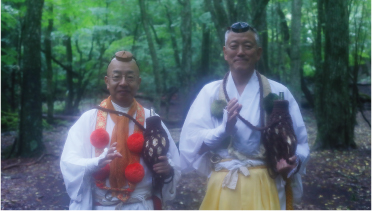
今回の取材に同行していただいた(左)成田山東京別院 深川不動堂 法務部長 安田明城氏と(右)山伏 柔道整復師 伊藤裕徳氏。お二人とも、富士山を修験道の根本道場として信仰している。
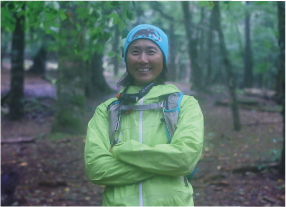
樹海を案内していただきながら、その自然の奥深さまで教えてくださった田福順氏。サハラ砂漠マラソン250kmを走るスーパーアスリートであり、富士山や樹海を知り尽くしたガイドのスペシャリストでもある。

取材協力
ふじよしだまちづくり公社


閲覧中の特集はこちら