







再開発が優先してきたものを、いま問い直す。建築家・山本理顕氏に聞いた。
Feature | 2026.8.20
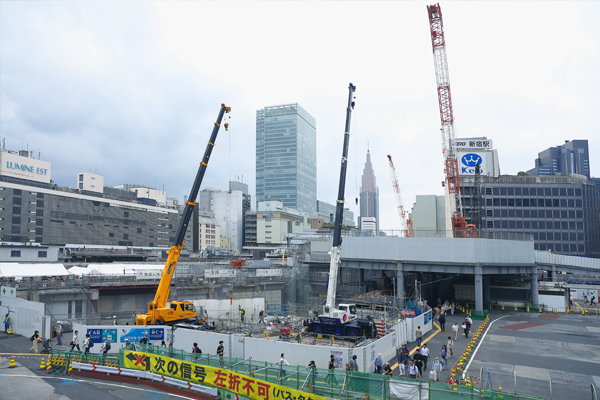
工費が上がった。人が足りない。採算が合わない。
都心の再開発が止まった理由は、そう説明される。問題はそれだけだろうか。
住む人より投資する人、街の記憶より売れる床。再開発が優先してきたものを、いま問い直す。
建築家・山本理顕氏に聞いた。
Rising costs, labor shortages, low profits.
That is how halted Tokyo redevelopments are explained. …Is that all?
Investors over residents, sellable space over city memory.
We rethink these priorities.
An interview with architect Riken Yamamoto.
『再開発は、真面目にやらなきゃダメですよ。』
いま、停滞している都心の再開発に対して、
山本さんはどう思っていますか?
一言でいえば、真面目にやっていないからです。制度をつくる側も、事業をする側も、建築家も。大きなお金を使い、街の姿を変えるのだから、真面目にやらなきゃダメですよ。
もともと建築には、乱暴なものにならないよう、法律や条例で規制の網がかけられていました。ところがいまは、その網をどうすり抜け、もっと高く、大きく建てるかを考える。行政側も規制を緩めるなどをして応える。その結果、法律を破るのではなく、むしろ法律を使って、建てられる床を増やしていくんです。
背景の一つに、不動産の証券化があります。ファンドを通じて建物にお金を集められるようになり、住む人のためでも、働く人のためでもなく、投資家の利回りを高めるために建てるようになった。建築がお金を生む商品になったんです。
そうなると、床は多いほうがいい。許される限り高く、大きくする。でも、建築家の仕事は、法令の限界まで床を積み上げることじゃない。法令を守って建てられるとしても、周辺にとってよくないなら低くする。その判断をするのが建築家です。
今回の停滞は、工費の高騰だけが原因ではありません。同じ仕組みを繰り返すうちに、その仕組み自体が行き詰まった。当たり前ですよ。永遠に同じやり方で儲かるはずがない。
だから、止まった計画をそのまま再開できるのか。私はかなり難しいと思います。すでに投資した人は困るでしょう。正直にいえば、私にもすぐに答えがあるわけではありません。でも、採算が合うまで待って、また同じものを建てることが答えではないのは、はっきりしています。
再開発では、広場やデッキ、緑地をつくって「公共性があります」と説明します。でも、広場があれば公共という話ではない。よくあるように、禁止事項によって公共空間ができるはずはない。私たちが自由に入れるから、公共なんです。
あらゆる建築には公共性があります。大きな建築ほど、周辺の暮らしや風景を変えるのだから、その責任は重くなる。事業者が儲けるのは悪いことではありません。儲けていいんです。ただ、誰のための建築で、街に何を残すのかも、同じくらい真面目に考えてほしい。
止まったのなら、ちょうどいい。まず、誰のための再開発なのかを考え直すべきです。その答えが「投資する人のため」というだけなら、建てないほうがいい。都市は、誰か一人の所有物ではないんですから。
“Redevelopment must be taken seriously”
—What are your thoughts
on current stalled urban redevelopments in central Tokyo?
In short, it is because people aren’t taking it seriously—policymakers, developers, and architects alike. When using vast funds and altering cityscapes, you must be serious.
Originally, architecture had laws and regulations to prevent reckless building. Today, people figure out how to bypass those grids to build higher and larger. Authorities respond by easing rules. Consequently, instead of breaking laws, they use laws to maximize sellable floor area.
Behind this lies real estate securitization. Gathering money through funds, buildings are constructed not for residents or workers, but to raise investor yields. Architecture became a commodity that generates cash.
Naturally, more floor space is better, pushing height and size to the limit. But an architect’s job isn’t stacking floor area to legal boundaries. Even if legally permitted, if harmful to surroundings, keep it lower. Making tha tjudgment is the architect’s duty.
This stall isn’t caused by rising costs alone. Repeating the same mechanism led to its deadlock. Naturally, no method stays profitable forever.
Can paused plans restart as they were? I find that doubtful. Early investors will struggle. Honestly, I lack an immediate answer. Yet waiting for profitability just to build the same thing is clearly wrong.
Redevelopments offer plazas, decks, or green spaces, claiming “public value.” But a plaza alone doesn’t create public space. If filled with restrictions, as is common, it isn’t public. Space is public because we enter freely.
All architecture possesses public nature. Larger buildings alter surroundings and lives, carrying heavier duties. Profits aren’t bad. Developers should profit. Yet they must seriously ask who it serves and what stays in the city.
This pause is a good chance to rethink who redevelopment is for. If the answer is “for investors,” build nothing. A city belongs to no single owner.
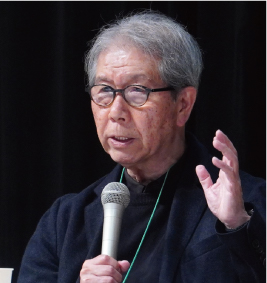
©sekiguchitaketo
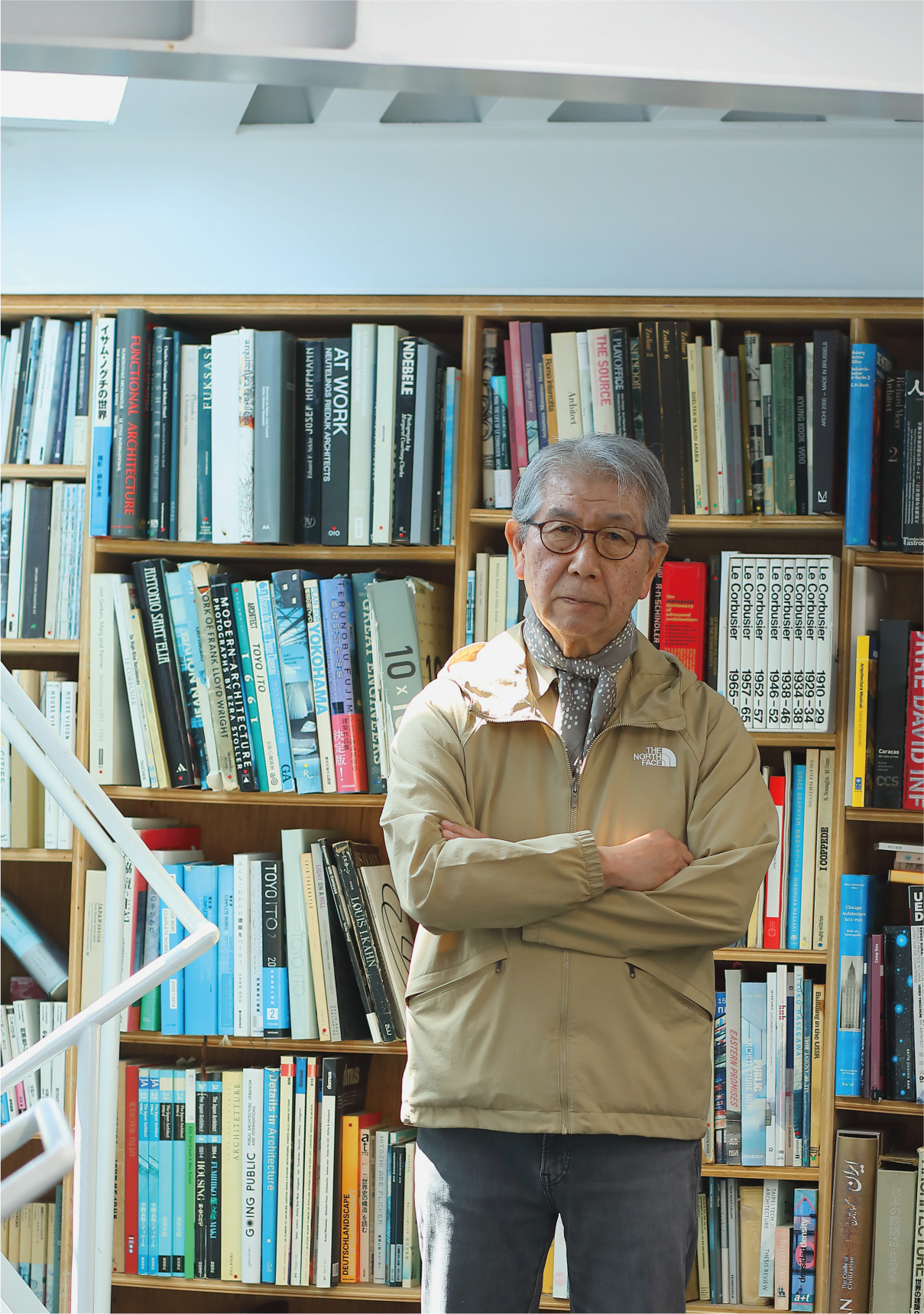
建築家
山本理顕氏(やまもと・りけん)
1945年北京生まれ。1973年、山本理顕設計工場を設立。
住宅から公共施設まで幅広く手がけ、建築と地域社会の関係を問い続ける。代表作に埼玉県立大学、横須賀美術館など。2024年、建築界のノーベル賞とも称されるプリツカー賞を受賞。

閲覧中の特集はこちら