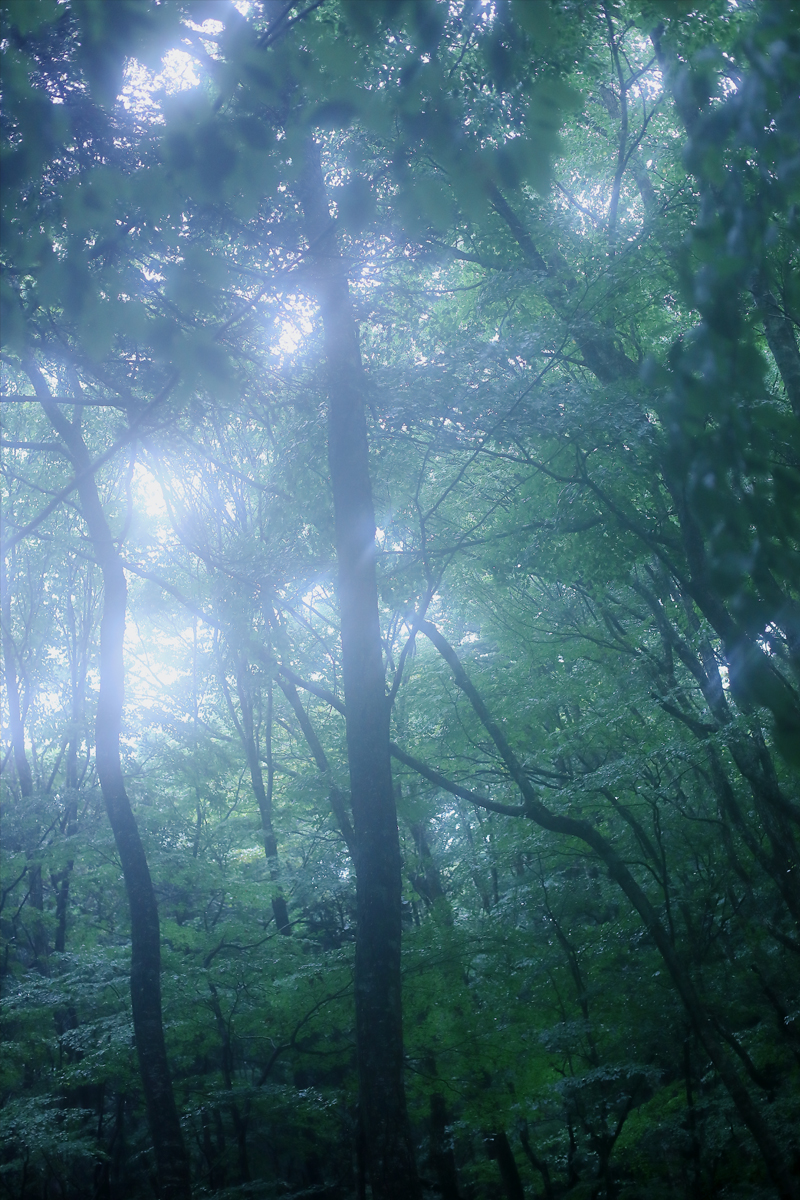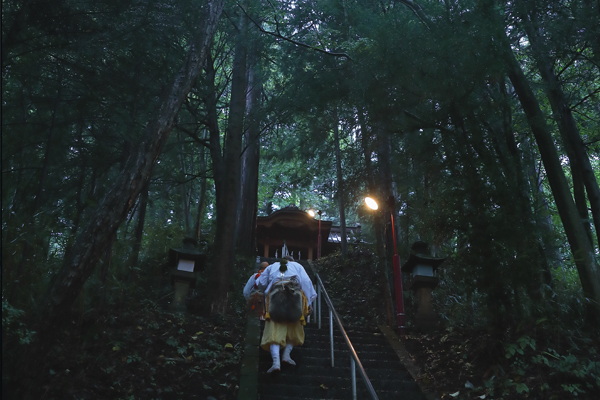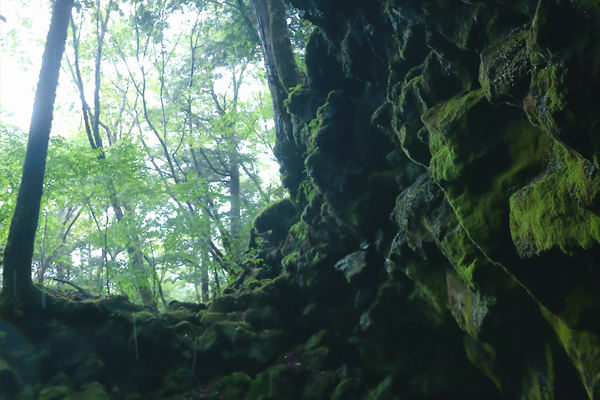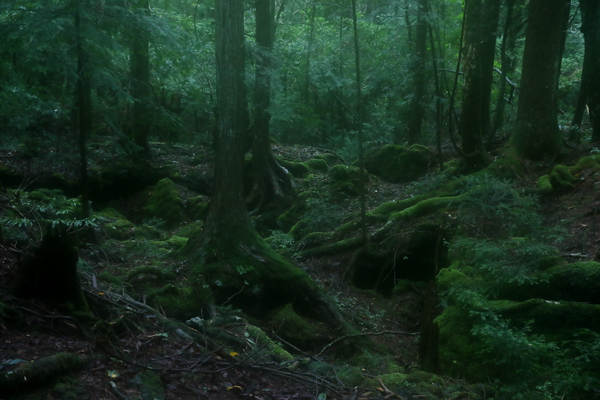











信仰の道行きに樹海の自然があった、「富士講」。
Feature | 2026.10.19
江戸の町からも、富士山は見えた。晴れた日の西の空に立ち上がる白い山。毎日のように眺めていれば、いつかあそこへ行ってみたいと思う人が出てくるのも当然だろう。
とはいえ、江戸から富士山は遠い。何日も歩かなければならず、旅費もかかる。「来週、ちょっと富士山へ」と気軽に出かけられる距離ではなかった。
そこで人々がつくったのが、「講」と呼ばれる集まりである。地域の者同士で金を出し合い、くじで選ばれた代表が富士山へ向かう。講によっては、参詣を終えた人も積立を続け、まだ行っていない仲間に順番が回るよう工夫していたという。「講」は信仰の組織であり、旅の積立でもあった。
江戸から、富士山の入口である吉田口を目指す道の起点は、日本橋。甲州街道から富士道へ入り、上吉田を目指す。取材で聞いた話では、通常、江戸からは三泊で、健脚の場合は二泊で現在の富士吉田まで歩いたという。江戸の人の足には、まったく恐れ入る。
上吉田で人々を迎えたのが、「御師」と呼ばれる、祈祷を行い、御札を配り、登拝者の世話をする人たちだった。その拠点となった「御師の家」は、宿であり、祈りの場所であり、山へ向かう支度の場所でもあった。
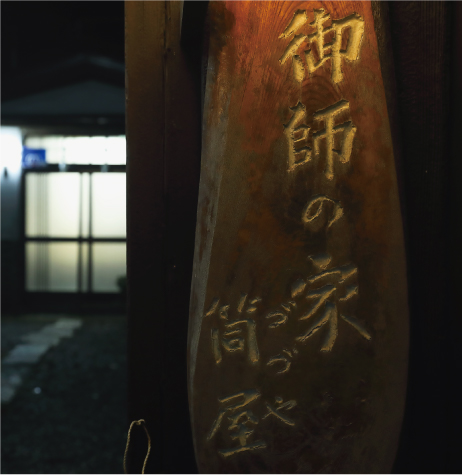
今回の取材では、その一軒である「筒屋」に宿泊した。表通りから細長い「タツミチ」を進み、中門をくぐる。水路の先に主屋があり、裏庭には富士山の神を祀る御神前が建つ。
この、「御師の家」で一夜を過ごすと、ここへ草鞋姿の人々が着き、身体を休め、翌日の山を思ったことが少しだけ実感になる。富士講が、急に昔話ではなくなった。
上吉田の町も、富士山へ延びる道を軸につくられている。もとの集落は、積もった雪が川へ流れ出る雪代などの被害を避けるため、1572年に現在地へ移転した。町の入口には金鳥居が立ち、その先に北口本宮冨士浅間神社、さらに富士山がある。町の周囲には寺が配置されていた。明治以前の富士山信仰では、神も仏も一緒に山にいたのである。
富士山まで行けない人々は、江戸の各地に富士塚をつくった。富士山の溶岩を用いた小さな山に登り、本物の富士を拝む。「富士見」や「富士見坂」という地名からも、江戸の人々が富士山をどれほど身近に感じていたかがわかる。
何日も歩き、仲間と寝起きをともにして、みんなの願いを背負って山へ向かう。信仰ではあるけれど、旅の楽しみも、道中の苦労も、帰ってから語る土産話もあったはずだ。
神様を拝みに行く。けれど、旅はやっぱり楽しい。そのあたりが、いかにも人間らしい。
そんな富士山信仰を、別の身体感覚で生きてきたのが、修験者たちである。
The “Fuji-ko” pilgrimage: finding faith within the Jukai Forest.
Mt. Fuji was visible even from Edo, a white peak against the clear western sky. Seeing it daily, people naturally longed to visit.
Yet Fuji was distant, requiring days on foot and substantial funds. It was no trip to make on a whim.
To bridge this gap, communities formed local groups called “ko.” Members pooled money, choosing representatives by lottery to make the pilgrimage. In some groups, those who returned continued contributing so others could take their turn. The “ko” served as both a faith organization and a collective travel savings fund.
The journey began at Nihonbashi toward the Yoshidaguchi entrance via the Koshu Kaido and Fuji Road to Kamiyoshida. Fast walkers could reach present-day Fujiyoshida in just two nights—a remarkable feat of endurance.
In Kamiyoshida, pilgrims were welcomed by “Oshi,” practitioners who performed prayers, distributed amulets, and hosted travelers. Their residences, known as “Oshi houses,” functioned as inns, prayer halls, and preparation hubs for entering the mountain.
During our trip, we stayed at Zuzuya, one of these historic Oshi houses. Walking down the narrow tatsumichi path toward the main house, spending a night here makes the past tangible—picturing tired pilgrims in straw sandals resting before their morning ascent.
Kamiyoshida was built around the path to Mt. Fuji, relocated in 1572 to escape meltwater floods. Marked by the Kanadorii gate and Kitaguchi Hongu Fuji Sengen Shrine, the town reflects a pre-Meiji era when Shinto and Buddhism coexisted on the mountain.
For those unable to travel, mini replica mounds called fujizuka were built in Edo using actual lava rocks. Place names like Fujimi across Tokyo show how deeply connected people felt to the peak.
Trekking for days with companions carried sacred weight, yet it also brought the simple joys of travel and stories to share. Seeking the divine while enjoying the journey was a deeply human pursuit.
Meanwhile, ascetic monks, “shugenja” lived this faith through a very different physical experience.

閲覧中の特集はこちら