


海の色、空の色。ハワイ、自由な創作が生まれる場所。
Feature | 2026.4.22
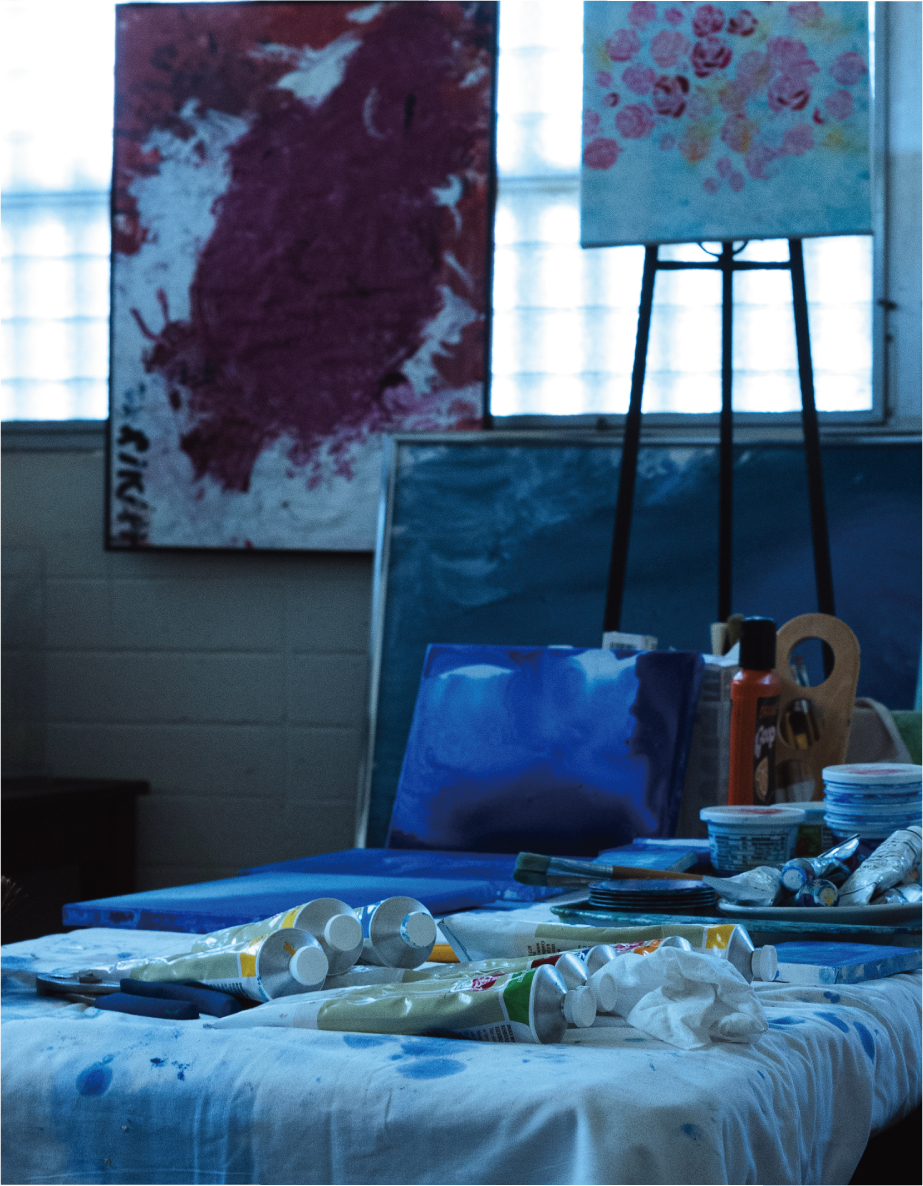
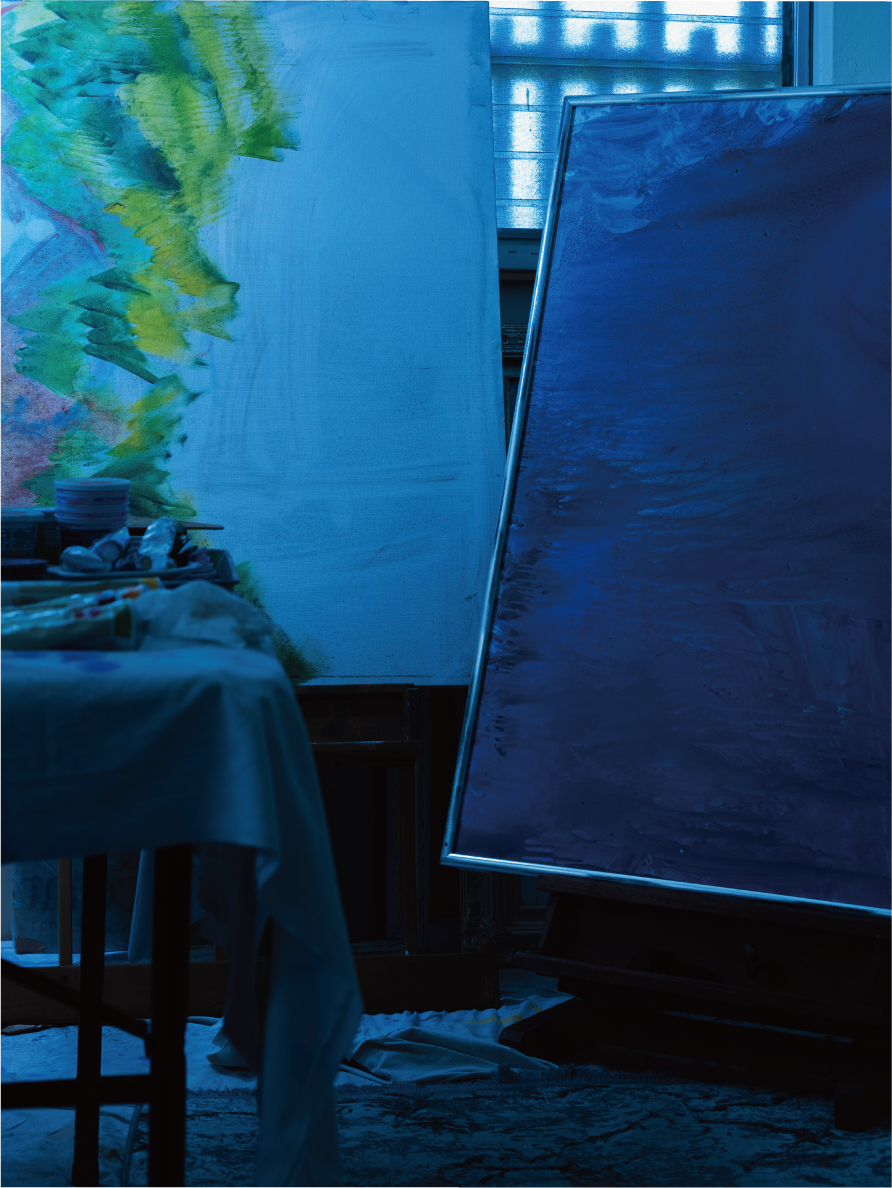
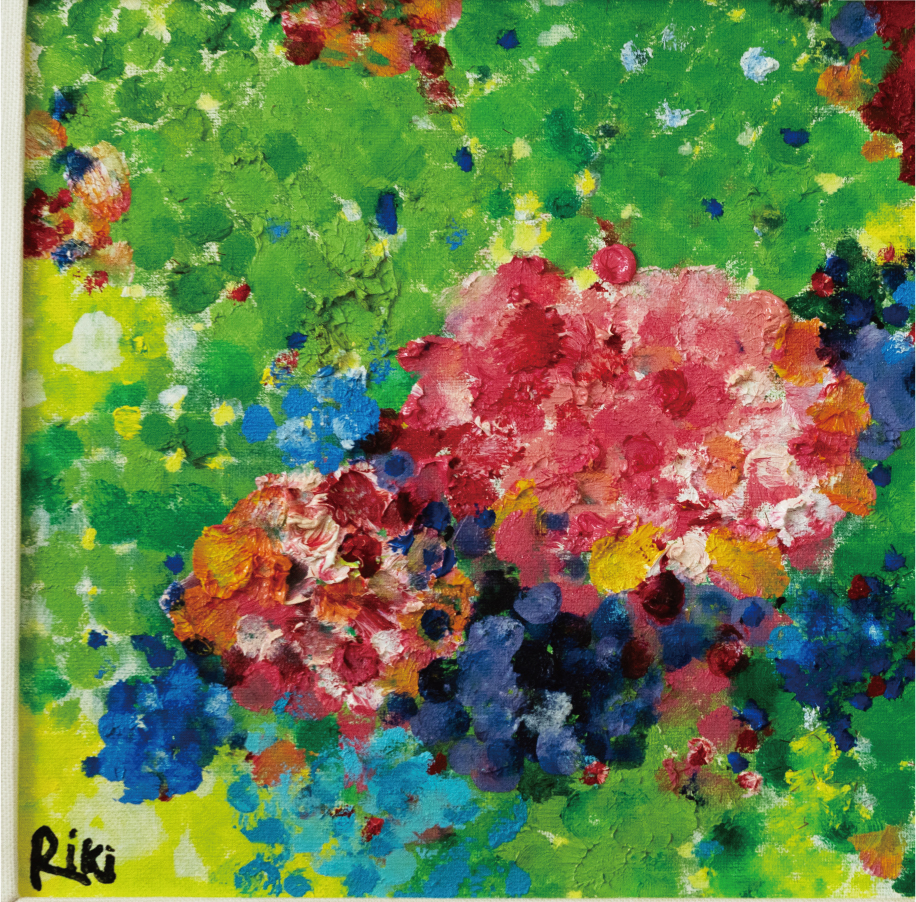
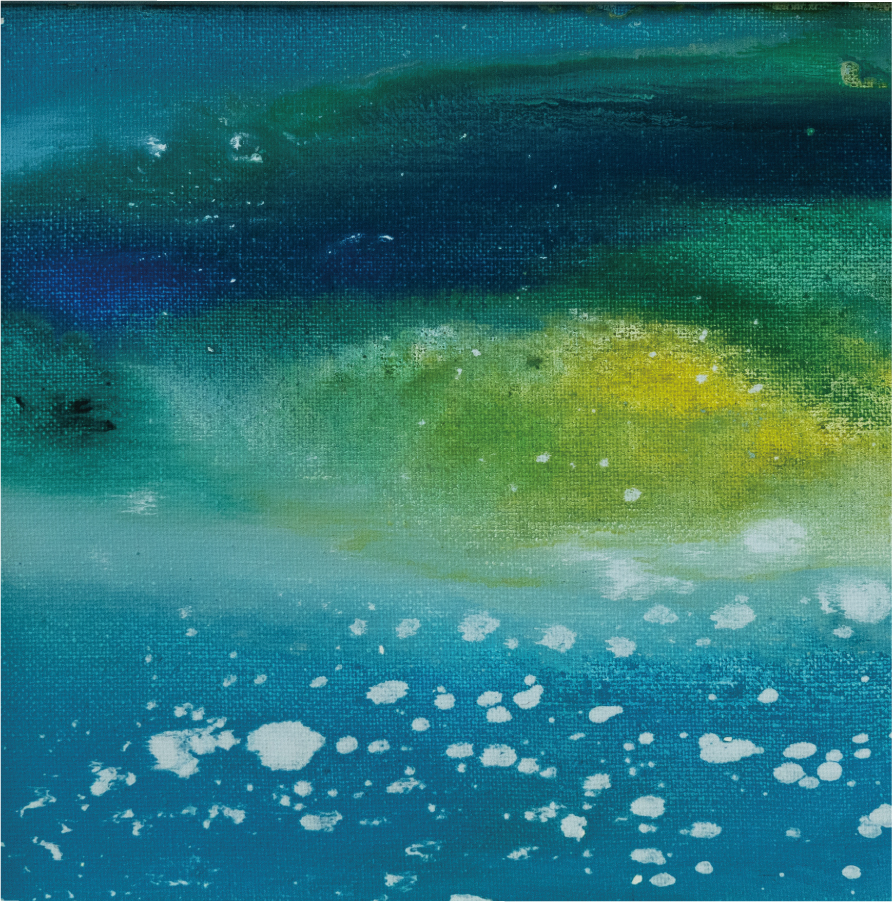
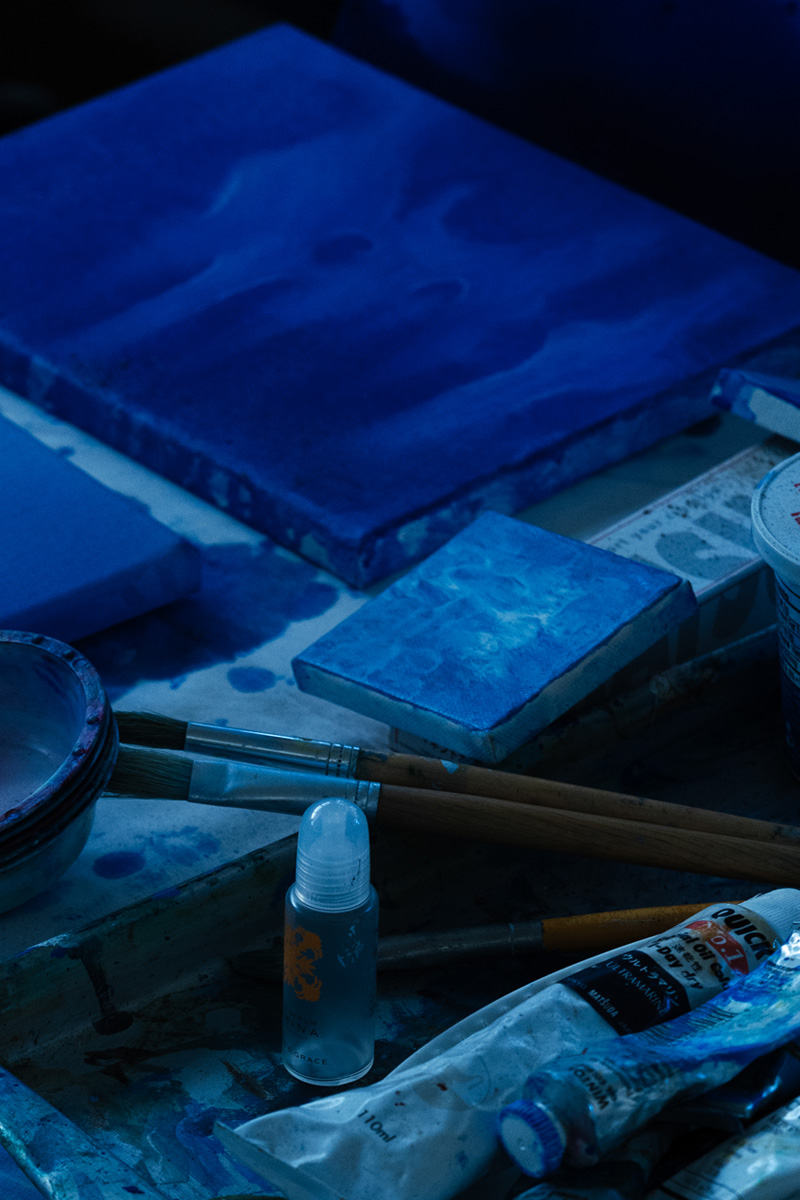
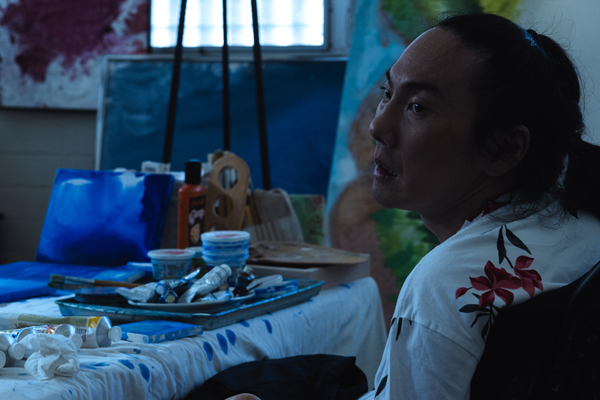
リッキーの絵には、ひとつの特徴がある。それは、道具に縛られない自由な表現。
最初は指で色を塗ることから始まった。やがてリッキーは、身の回りのさまざまなものを使うようになる。スプーン、スポンジ、ボール。ときには野菜まで道具になる。人参や大根、リンゴを絵の具につけ、キャンバスに押し当てる。そこから偶然生まれる形や質感が、新しい表現につながっていった。
普通なら「それは食べ物でしょう」と止めてしまうかもしれない。しかし母の三和子さんは、リッキーの発想を制限することはなかった。子どもが何に興味を持つのかを見守り、その可能性を広げていく。それが三和子さんの基本姿勢だったのだ。
ある日、描きためた作品を画材店に持ち込んだとき、店主は驚いた。「これは誰の先生の絵ですか」。そう尋ねられた三和子さんが「息子の絵です」と答えると、店主は「素晴らしい!」と言って額装を勧めてくれた。その言葉は、家族にとって大きな励ましになった。
その後、油絵の具の使用にもチャレンジし、リッキーの表現の幅はさらに広がっていく。筆に限らず、身の回りのものすべてが道具になるという発想は、この頃から育っていった。
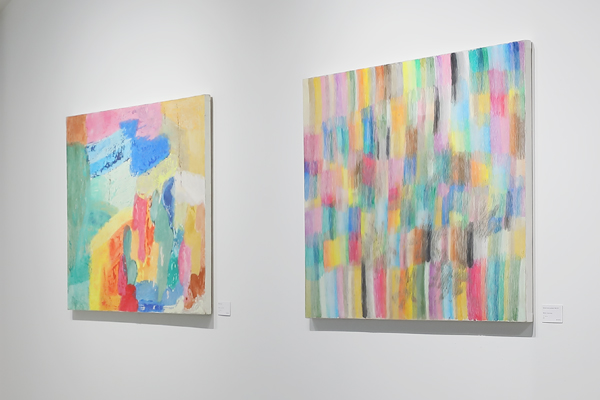
こうして8歳のとき、リッキーは初めての個展を開くことになる。小さな会場ではあったが、壁に並んだ絵はどれも色に満ち、見る人の目を引いた。子どもの作品でありながら、どこか独特の世界観があったことが、人の心を惹きつけていた。
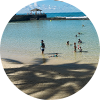
彼の感性を育てたものは、絵の具だけではない。ハワイの自然そのものが、大きな影響を与えている。ハワイの海は、時間によって色を変える。青から緑へ、そして紫へ。七色に変わるともいわれる海の色を、彼は日常の風景として見て育っている。
家の窓から海が見える生活。朝の光に照らされた水面、夕暮れに染まる空。時間とともに変わる海と空の色は、リッキーの色彩感覚を豊かに育てていった。まるで自然そのものが絵の具の見本帳のようなものだったのかもしれない。
さらに、父の拠点があるアメリカ本土では、山や森の自然にも触れた。鹿やバッファローなど野生動物が暮らす広大な景色。ハワイの海とアメリカ本土の山、まったく異なる風景を体験しながら育ったことが、彼の表現に奥行きを与えた。
芸術的な刺激は舞台からも得ていた。三和子さんは幼いころから、リッキーをミュージカルやオーケストラの演奏会に連れて行った。舞台の光、音楽、衣装の色彩。そうした総合的な表現は、彼の感覚を強く刺激した。こうした舞台の鮮やかな色彩や照明の変化は、のちに作品の色づかいにも影響を与えている。
現在もリッキーの制作のスタイルは変わらない。描きたいときに描き、描きたくないときは描かない。数か月、あるいは一年描かないこともあるという。それでも、再びキャンバスに向かうとき、新しい色が生まれる。描かない時間もまた、リッキーにとっては大切な創作の一部なのかもしれない。
リッキーは、ときには同じ花を見ても、実際の色とは違う色で描くことがある。赤いバラを青で描いたり、ピンクの花を紫で描いたりすることも。しかしそれは間違いではなく、そのとき彼が感じた感情の色なのだという。色は単なる視覚ではなく、心の温度を映すもの。
三和子さんは言う、「子どもが何を好きなのか、何をしたいのかを、同じ目線で考えてあげてほしいのです」と。そして、できるだけ多くの場所に連れて行ってあげてほしいとも言う。数字や成績だけで子どもを見ないこと。多様な世界を見せること。それが子どもの感性を育てる。
リッキーの絵には、そうした経験のすべてが息づいている。海の色、空の色、そして自由な発想。言葉よりも先に色や形が物語る。その作品は、世界をやさしく見つめる視線の記録なのかもしれない。
The colors of the sea, the colors of the sky.
Hawaii, the birthplace of free creativity.
A hallmark of Ricky’s art is his absolute freedom from traditional tools. Starting with finger painting, he soon incorporated spoons, sponges, and even fresh vegetables. By pressing painted carrots or apples onto the canvas, he discovered spontaneous textures that led to new modes of expression. While many would have stopped a child from “playing with food,” his mother, Miwako, never restricted his imagination. Her philosophy was to observe his curiosity and nurture its potential without judgment.
This support bore fruit when Miwako took Ricky’s work to an art store. The owner was stunned, asking, “Which master painted these?” Learning they were by her young son, his praise and recommendation to frame them gave the family immense confidence. Ricky soon embraced oil paints, firmly believing that anything in his reach could be a tool.
By age eight, Ricky held his first solo exhibition. The walls were alive with colors that captivated every visitor; there was a sophisticated worldview in his work that transcended his age. This sensibility was nurtured by Hawaii’s nature. Living with a constant view of the sea, Ricky watched the water transform through seven hues—from emerald to deep purple. These shifting colors of the ocean and twilight skies served as his daily scenery, acting as a living color palette that forever enriched his vision.
Ricky’s creative horizons were further expanded in the American mainland, where he explored majestic mountains and forests inhabited by wild deer and buffalo. Growing up between the radiant tropical seas of Hawaii and the vast wilderness of the mainland provided his artistic expression with an extraordinary sense of depth. Beyond nature, he found profound inspiration in the performing arts; from a very young age, Miwako took him to live musicals and orchestral concerts. The dramatic stage lighting, the evocative music, and the vivid colors of the costumes deeply influenced the bold and imaginative palettes he uses in his artwork today.
His creative process remains intuitive: he only picks up a brush when the inner urge truly strikes, sometimes stepping away from the canvas for an entire year. For Ricky, these long pauses are an essential part of his journey. He often paints subjects in non-literal colors—imagining a rose in shades of blue or a lily in deep purple—to reflect the “temperature” of his emotions rather than visual reality. To him, color is a mirror that captures the shifting weather of the human heart.
Miwako believes in nurturing this unique spirit by seeing the world through a child’s eyes. She encourages parents to expose children to diverse environments, rather than judging their potential by grades or numbers. Ricky’s art is a living testament to this philosophy, breathing with the light of the ocean, the shadows of the forest, and the rhythm of the stage. Each of his canvases serves as a gentle record of how he perceives and embraces the beauty of the world around him.

閲覧中の特集はこちら