










「障害」という言葉を越え、作品との出会いが人をつなぐ社会へ。
Feature | 2026.4.22
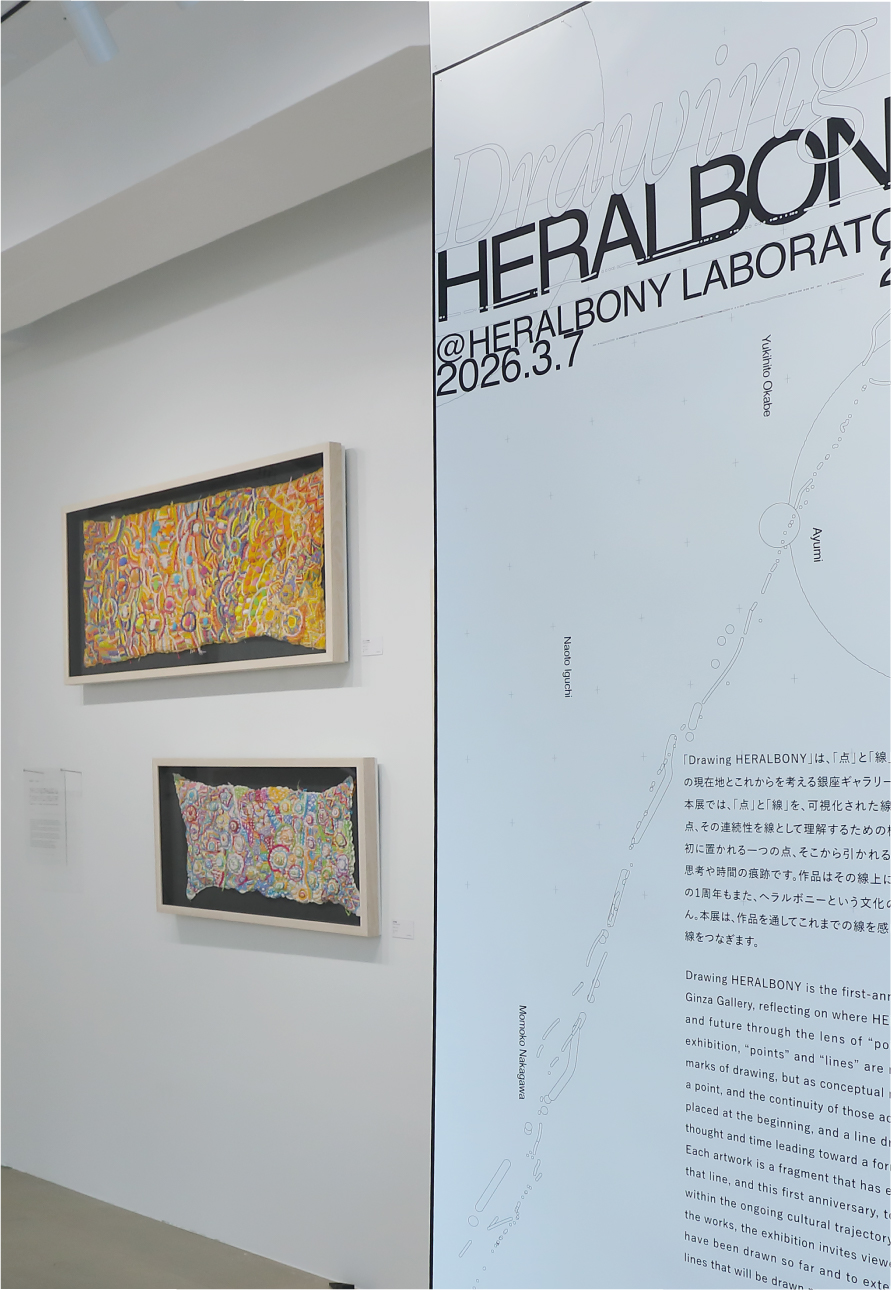
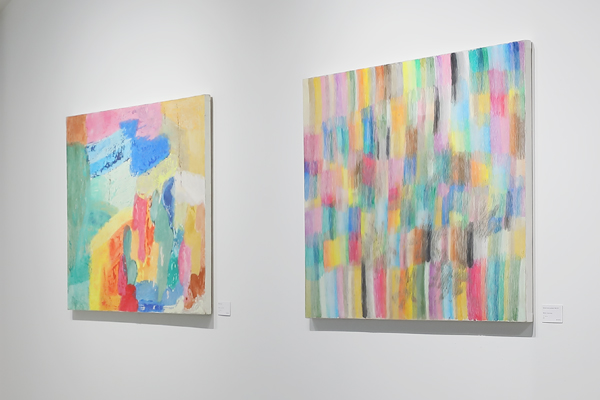
下:作品名「白の刺繍」 作家名「あゆみ」
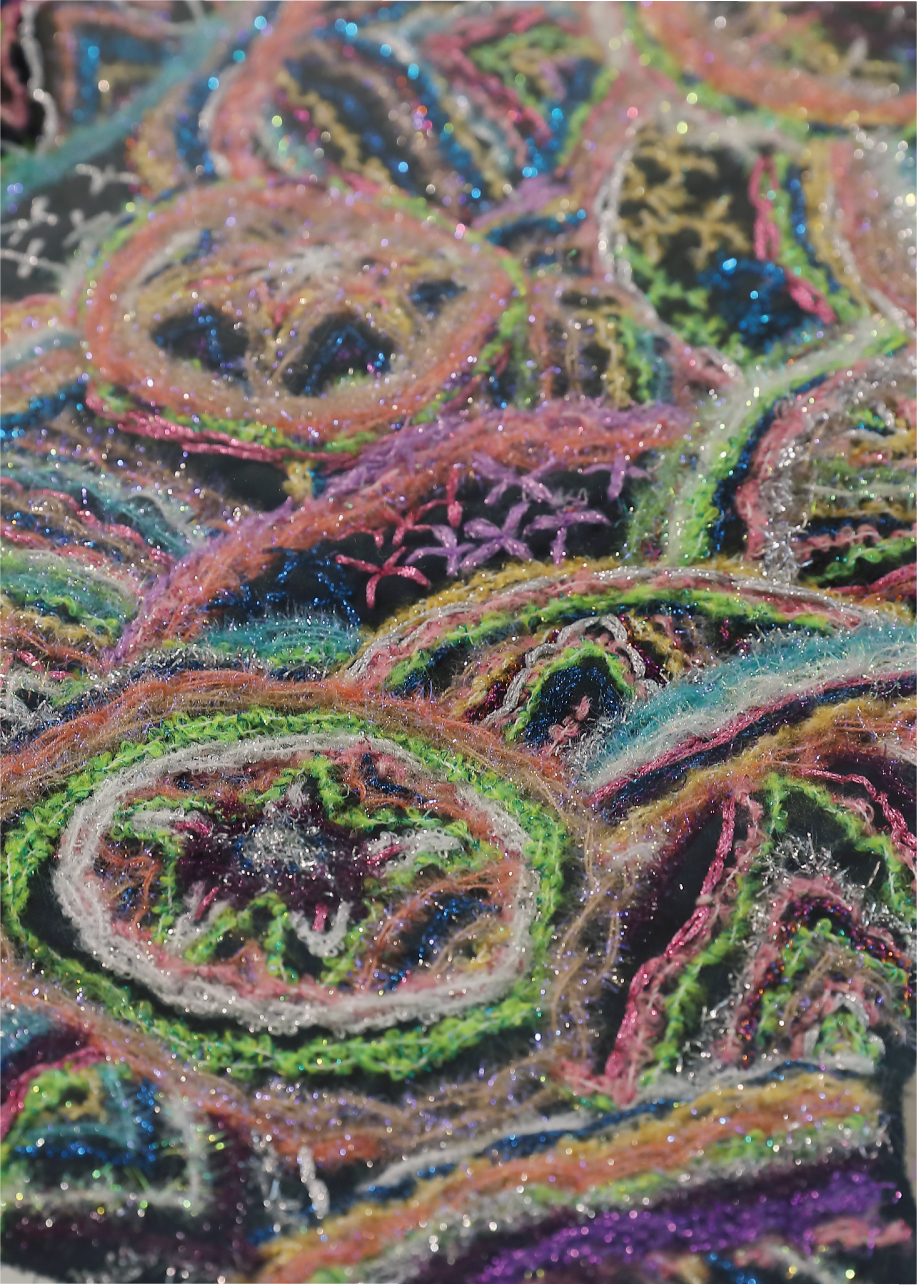
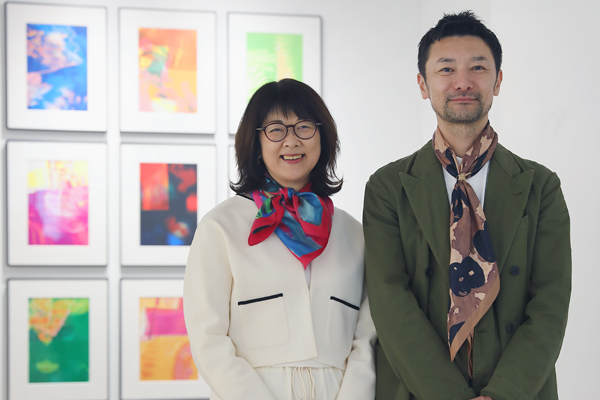
黒澤さんと大平さんの話をうかがっていると、ヘラルボニーは「障害」という言葉を起点に物事を語ろうとしていないことがよくわかる。
社会には、障害やジェンダーなど、さまざまなラベルがある。そうしたカテゴリーのなかで理解されてきた人たちがいる。しかし黒澤さんは、そのラベルを越えていきたいのだと言う。「社会はどうしても、人を分かりやすいカテゴリーに入れて理解しようとします。でも私たちは、そのラベルを越えていきたいんです」。
どんな特性であれ、どんな才能であれ、その人が持っているものを尊重する。「そうやって関係が生まれると、環境が変わっていく。環境が変わると社会も変わっていく。私たちはその連鎖を信じています」。
連鎖していくのは、「障害があるから」という理由からではない。黒澤さんは言う。「“障害があるからすごい”ではなくて、純粋にその絵って“いいね”“楽しそうだね”“うれしいね”というところで人がつながる社会。そういう感情の一点で結ばれていく社会ですね」。
作品との出会いについても、黒澤さんは「選定」という言葉を避けていた。「私たちは“選定する”という感覚ではないんです。ご縁なんです。世界には美しいものや面白いものがたくさんある。その中で“これは誰かに伝えたい”と思う作品と、ご縁があって出会うことがあるんです」。
その衝動が活動の出発点になる。「社内のスタッフが“これは伝えたい”と思った作品から、自然に話が始まっていくんです」。
一方、大平さんは「障害があるのにすごい」という評価について、別の角度から語る。「私は25年ほどアパレル業界にいました。その間に、ものづくりの価値観が大きく変わるのを見てきました」。かつて環境配慮やオーガニック素材は、一部の人たちのテーマだった。しかし今では、それを考えないものづくりのほうがむしろ時代遅れになっているという。
「同じように、障害やジェンダーといったラベリングも変わっていくと思うんです。まだ触れる機会が少ないから特別に見えるだけで、社会の中で当たり前に出会うようになれば、見方は自然と変わっていくはずです」。
そして大平さんはこう続けた。「5年後、10年後には変わっていると思います。その変化の震源地のひとつに、ヘラルボニーがなれたらいいなと思っています」。
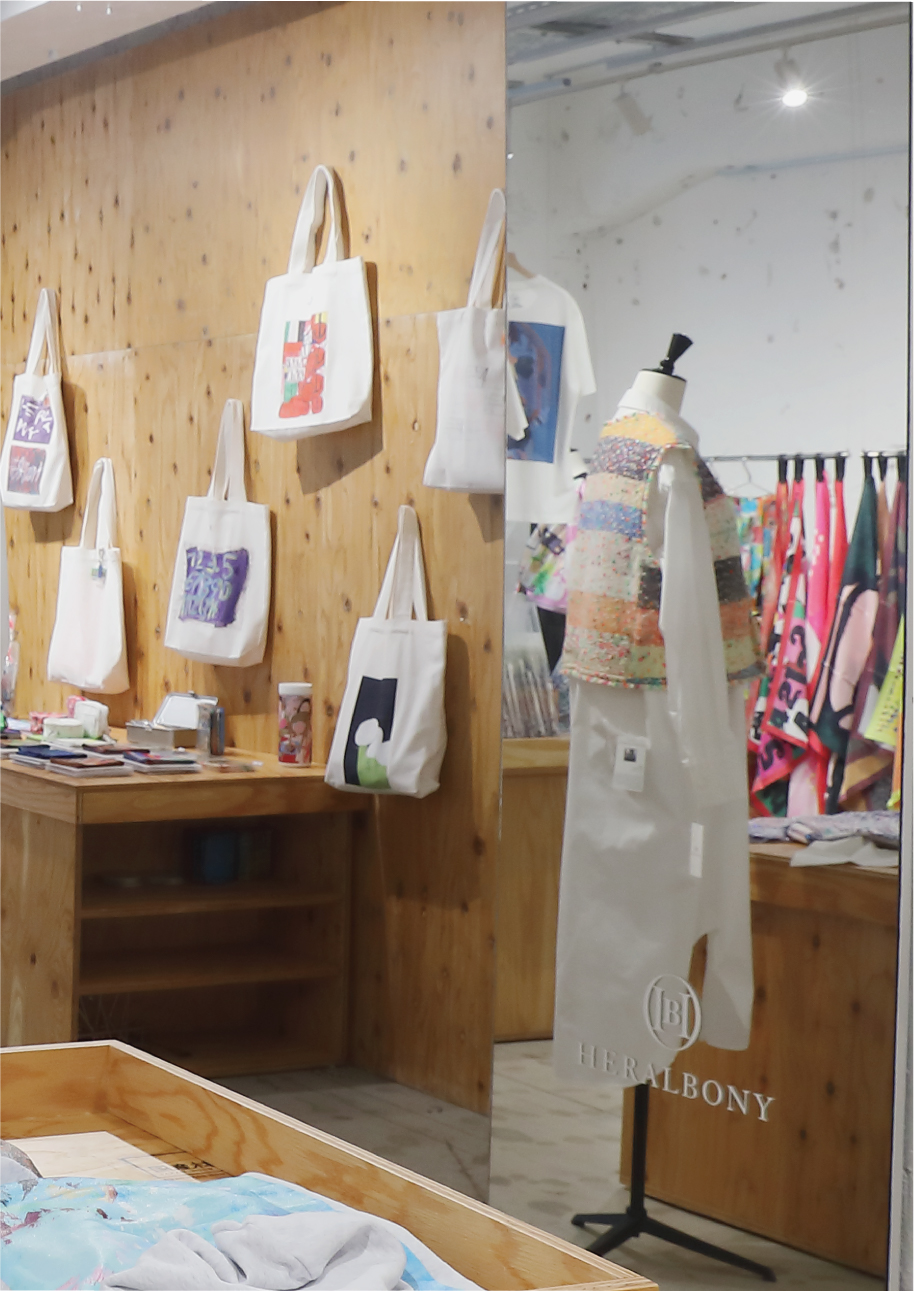
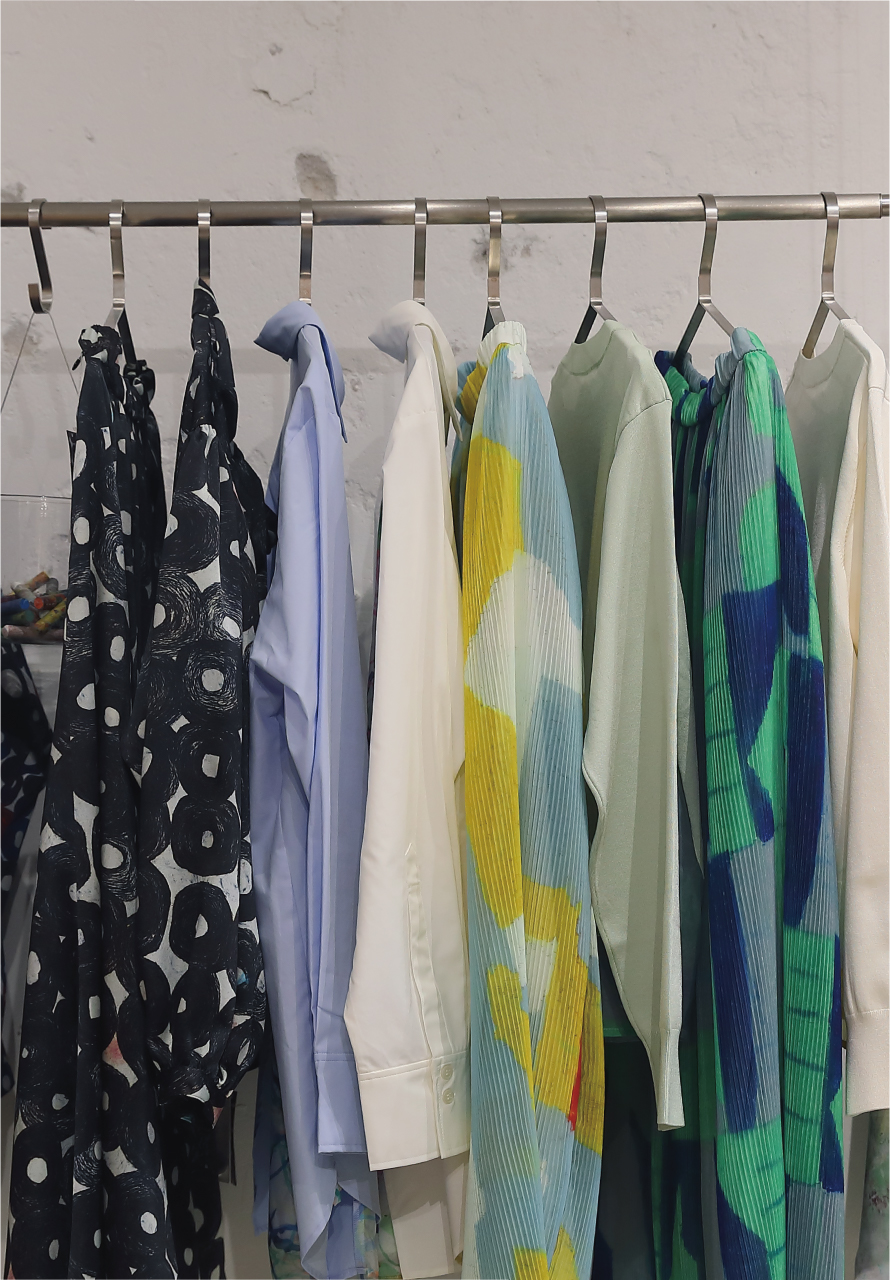
ヘラルボニーのプロダクトづくりの考え方もまた、一般的なファッション業界とは異なる。「売れるかどうかは、作品の価値ではないと思っています。私たちがそれをどう社会につなげるか。つまり、作品の魅力をどう伝えるかということが大切だと思うんです」。
通常はトレンドやシーズンが先にあり、それに合わせて商品が作られる。しかしヘラルボニーでは、まず作品がある。「作家さんの時間と作品の背景、それと私たちの準備が合ったときに初めて、ものづくりが始まるんです」。
では、10年後に実現したい社会とは何だろう。黒澤さんはこう言う。「“障害のある人たちと活動している会社なんですね”という説明から始まらない、そんなことが当たり前になる社会です」。
大平さんも続ける。「本当はもっと普通に、生活の中で出会うはずなんです。それが普通な社会になればいいと思っています」。
街を歩けば自然に出会い、生活の中で作品が当たり前に存在している社会。ヘラルボニーが見つめているのは、そんな未来の風景なのかもしれない。そしてその始まりは、いつも一枚の作品から生まれている。
Beyond the word “disability,”
toward a society where encounters with art connect people.
Listening to Kurosawa and Ohira, it becomes clear that HERALBONY does not use “disability” as its starting point. Our society often relies on labels like disability or gender, and many have been understood only within these categories. However, Kurosawa aims to move beyond them. “Society inevitably tries to understand people by placing them into easy-to-understand categories,” she says. “But we want to transcend those labels.” By respecting whatever traits or talents a person possesses, new relationships are formed. “When these relationships are born, the environment changes. When the environment changes, society changes. We believe in that chain reaction.”
This chain reaction is not based on the premise of disability. Kurosawa explains, “It’s not about being ‘amazing because of a disability.’ It’s about a society where people connect purely because a painting is ‘good,’ ‘fun,’ or ‘joyful.’ A society bound together at a single point of such emotion.” Even when discussing how they find new works, she avoids the word “selection.” “We don’t feel like we are ‘selecting.’ It is Go-en (fateful encounters). The world is full of beautiful and interesting things, and occasionally we encounter a work that makes us think, ‘I want to share this with someone.'” This very impulse is the starting point. When a staff member feels that urge to share, the creative conversation begins naturally.
Minoru Ohira offers a compelling perspective on the patronizing sentiment of being “amazing despite a disability.” Drawing from twenty-five years in apparel, he has witnessed seismic shifts in manufacturing values. “Sustainability and organic materials were once niche concerns,” he notes. “Today, ignoring them is considered obsolete.” He believes labels like disability and gender are poised for a similar evolution. Currently, these traits seem “extraordinary” only because society lacks frequent exposure to them. As they become an integrated part of daily life, perceptions will naturally shift. “I believe the landscape will be different in five to ten years,” Ohira adds. “I hope HERALBONY can be an epicenter of that change.”
This philosophy profoundly differentiates HERALBONY’s creative process. For Ohira, marketability is never the measure of an artwork’s value; the focus is on effectively communicating its unique charm. While the industry usually dictates products based on fleeting trends, HERALBONY starts with the art. “Production only begins when the artist’s timing, the piece’s background, and our own readiness all align perfectly.”
Regarding the future, Kurosawa envisions a world where a company no longer needs to be introduced as one “working with people with disabilities”—where such collaborations are simply a given. Ohira agrees, emphasizing that diverse individuals should be encountered “normally” in the fabric of daily life.

閲覧中の特集はこちら