



トルコの風景が、越谷にぽつりと現れる。
Feature | 2026.5.22
[トルコ料理 SKY CAFE & RESTAURANT ]
クルドの人々が日々をつなぐ、もうひとつの食卓。
SKY CAFE & RESTAURANT
〒343-0805 埼玉県越谷市神明町3丁目54−6
tel.048-916-1461
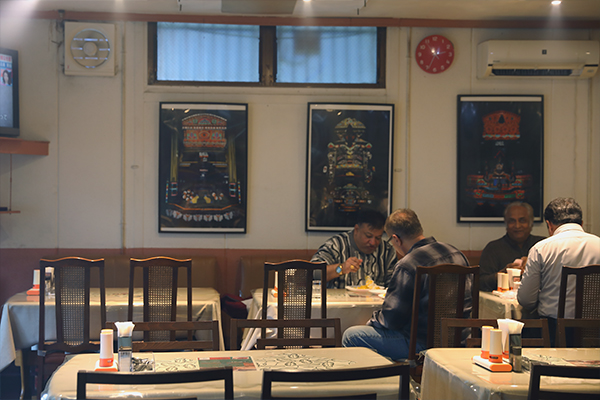
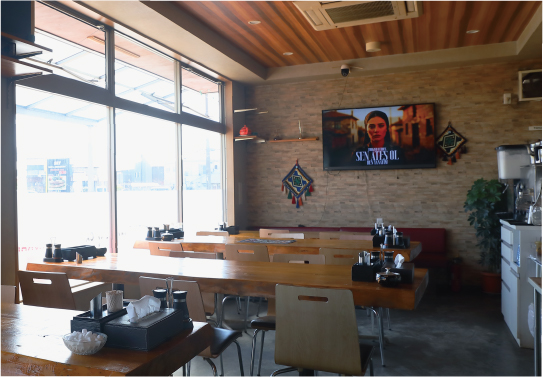
埼玉・越谷の郊外。どこにでもあるような通り沿いに、その店はある。一見すると、特別な店には見えない。だが扉を開けた瞬間、空気が切り替わる。流れているのはトルコ音楽。飛び交うのは、日本語ではない言葉。ここは、「SKYCAFE & RESTAURANT」。この店は、周辺に暮らすクルド人たちの拠点のひとつとなっている。
店の中で聞こえてくるのはトルコ語やクルド語。客の多くはこの地に暮らすクルド人たちだ。関東では川口や蕨を中心に、数千人規模のクルド人コミュニティが形成されているといわれ、この店もまた、その日常の一部として機能している。
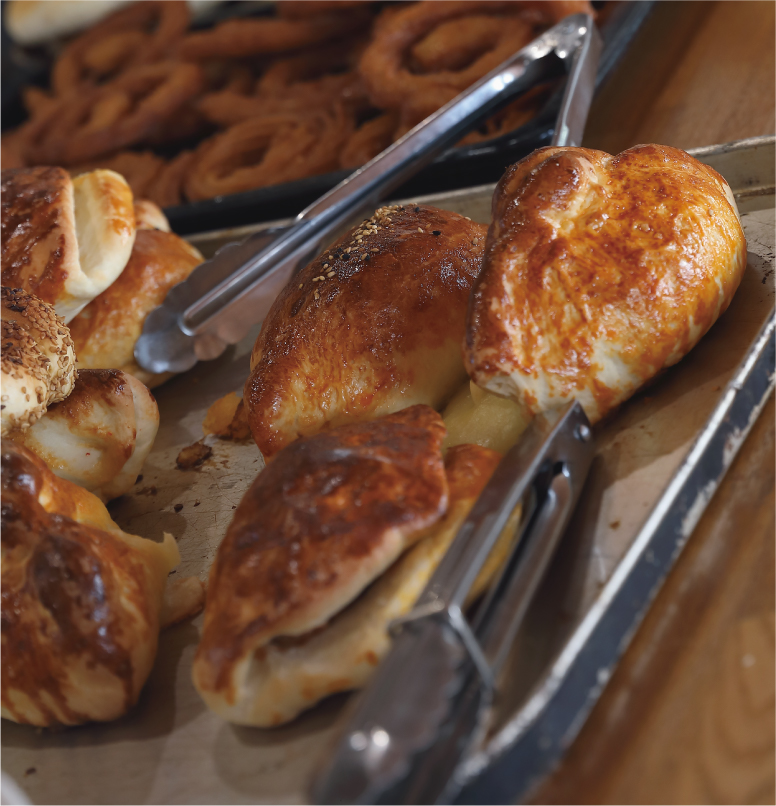
朝は早い。7時台から店は開き、ゴマがびっしりついたリング状のパン「シミット」を頬張る人々が次々とやってくる。昼も夜も、食事のリズムは絶えない。日曜・祝日にはバイキング形式で提供される朝食からしっかりした食事まで、ここでは一日を通して“故郷の味”が供されている。実際、ほぼ終日営業で、朝から晩まで客足が途切れないのも、この店の特徴。
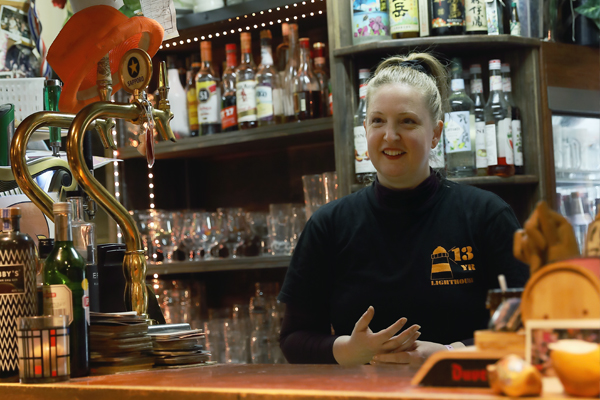
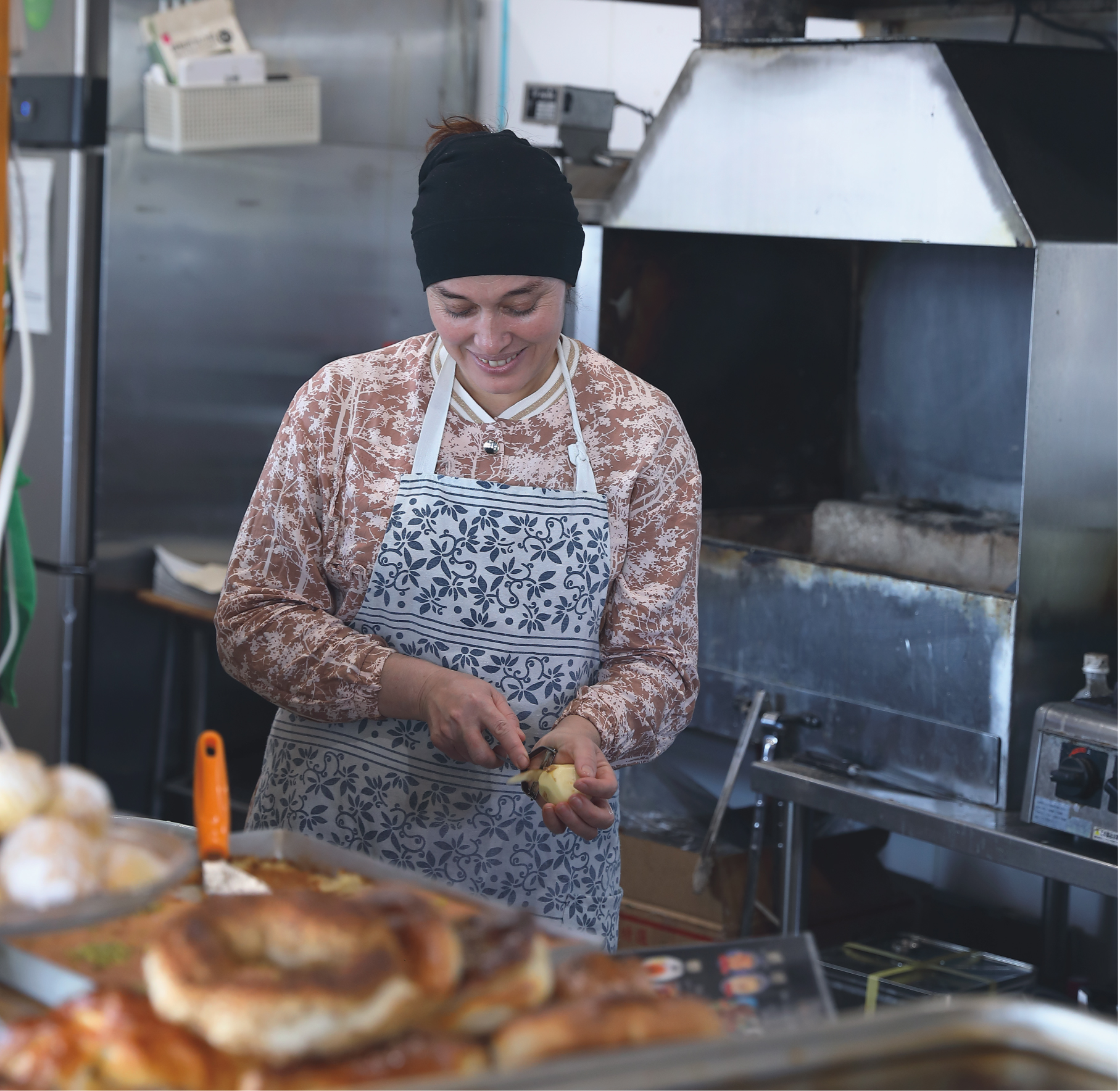
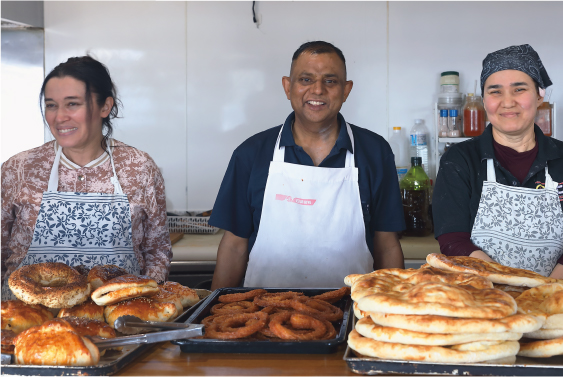
厨房とホールを切り盛りする女性たちは、大らかでよく笑う。言葉が通じなくても、手振りと笑顔でなんとかしてくれる。その距離感の近さに、異国であることを忘れる。
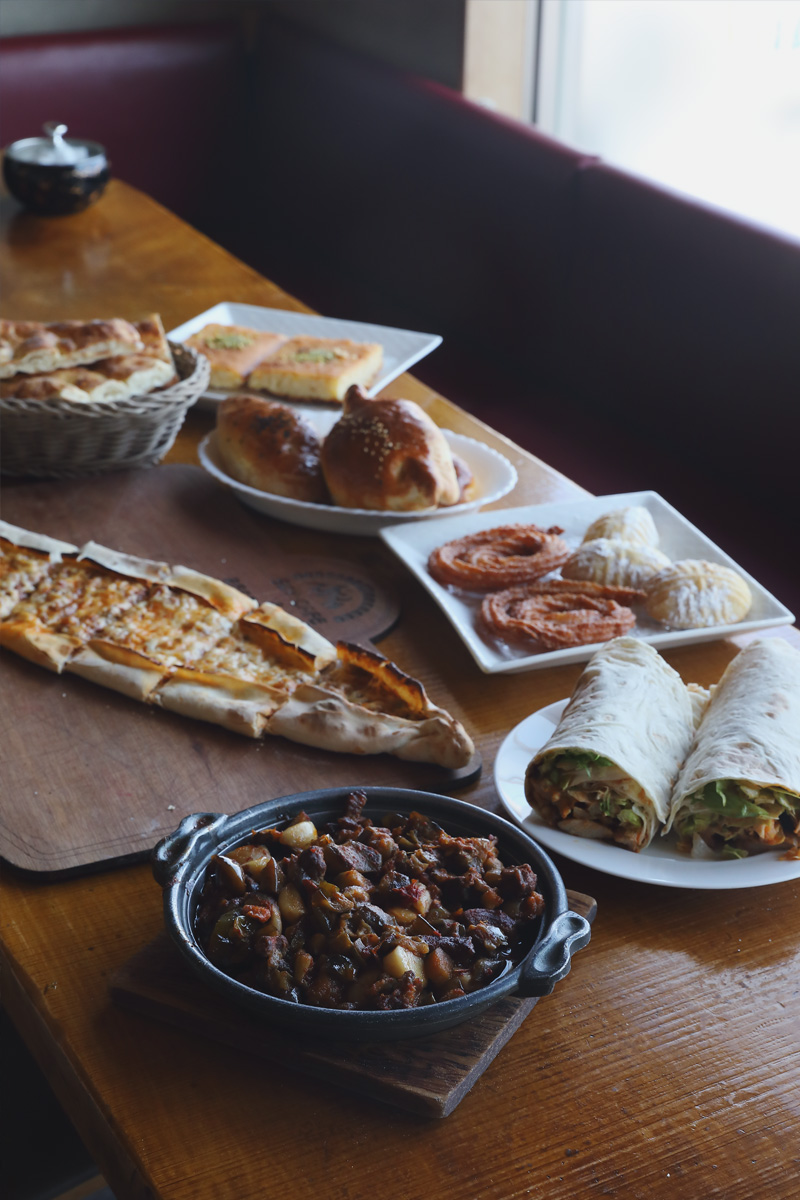
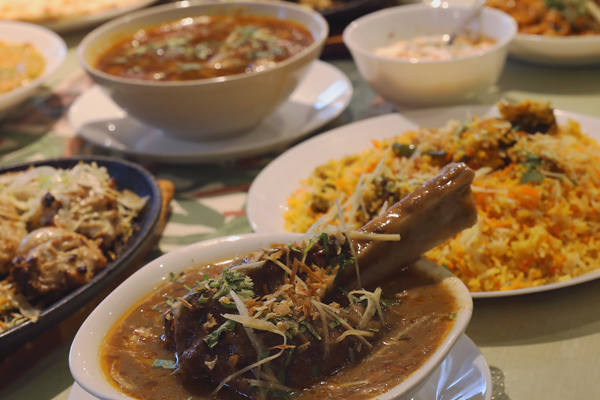
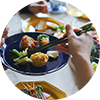
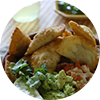
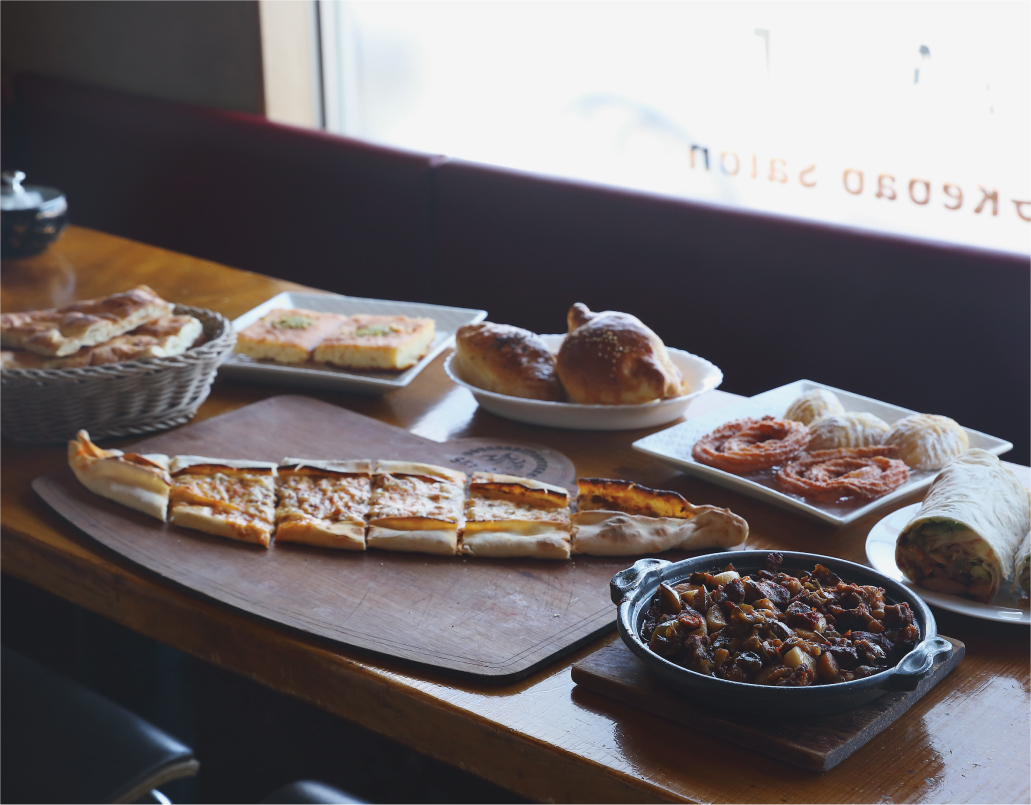
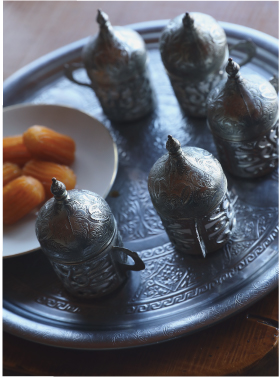
料理はどれもストレートだ。「チキンケバブ」は香ばしく、余計な装飾がない。舟形のピザ「ピデ」は、もちっとした生地に具材の旨味がのる。「トルココーヒー」は濃く、甘い菓子「カダイフ」は驚くほど軽やかで、食後の舌を整えてくれる。どの味も店の料理が“現地のまま”であることを物語っている。
この土地にクルドの人々が集まる背景には、事情がある。彼らはトルコ、イラク、シリアなどにまたがって暮らしてきた民族で、国家を持たない。日本ではトルコ国籍として扱われることが多く、その存在は見えにくい。難民申請や在留資格の問題を抱えながら暮らす人も多く、社会のなかで不安定な立場に置かれているのが現実だ。
一方で、地域のなかで誤解や偏見が生まれもしている。だが、外国人の増加と治安の悪化が必ずしも結びつくわけではないというデータもあり、そこには情報の偏りや感情の問題も横たわっている。
だからこそ、この店の意味は小さくない。ここではただ、食べて、話し、笑う。それだけのことが、彼らにとっては生活の軸になる。そして、日本人にとっては、ニュースの向こう側にいた人々と、同じテーブルを囲む機会になる。
異国の料理を味わう、というよりも、異国の時間に触れる。そんな場所が、越谷にある。
A Turkish Landscape, Rooted in Koshigaya.
Another Kitchen, Bridging the Lives of the Kurdish Community.
In the suburbs of Koshigaya, Saitama, along an ordinary street, stands a restaurant that looks unremarkable from the outside. But the moment you open the door, the atmosphere shifts. Turkish music fills the air, and conversations flow in languages other than Japanese. This is “SKY CAFE & RESTAURANT,” a vital hub for the local Kurdish community.
With thousands of Kurds living in the Kanto region, particularly around Kawaguchi and Warabi, this shop functions as an essential part of their daily lives. The day starts early; from 7:00 AM, people arrive to enjoy simit—ring-shaped bread encrusted with sesame seeds.
Whether it is the breakfast buffet or a hearty dinner, the “taste of home” is served all day long. The women managing the kitchen and floor are generous and quick to laugh. Even without a shared language, their gestures and smiles bridge the gap. In this close-knit space, you almost forget you are in a foreign land.
The food is straightforward and authentic. The “Chicken Kebab” is fragrant and unadorned,while the “Pide,” a boat-shaped pizza,offers a savory blend of toppings on chewy dough. Thick Turkish coffee paired with “Kadayif”—a surprisingly light, sweet pastry—cleanses the palate. Every flavor tells the story of a kitchen that remains fiercely true to its roots.
There is a complex history behind why Kurdish people gather here. As a stateless nation spanning Turkey, Iraq, and Syria, they are often officially classified in Japan as Turkish citizens, making their true identity hard to see. Many live in legal limbo, facing unstable social positions as they navigate the complexities of refugee status and residency.
In the community, misunderstandings and prejudices can arise. Yet, data suggests that an increase in foreign residents does not necessarily correlate with a rise in crime; rather, the friction often stems from biased information and emotional barriers.
This is why this restaurant is so significant. Here, they simply eat, talk, and laugh—a routine that forms the core of their daily lives. For Japanese guests, it is a chance to sit at the same table with people who previously only existed behind news headlines. Rather than just tasting foreign cuisine, you are touching the rhythm of another world’s time.

閲覧中の特集はこちら