











人は紙の文書を、目ではなく「手」で読んでいる。
Feature | 2026.7.27
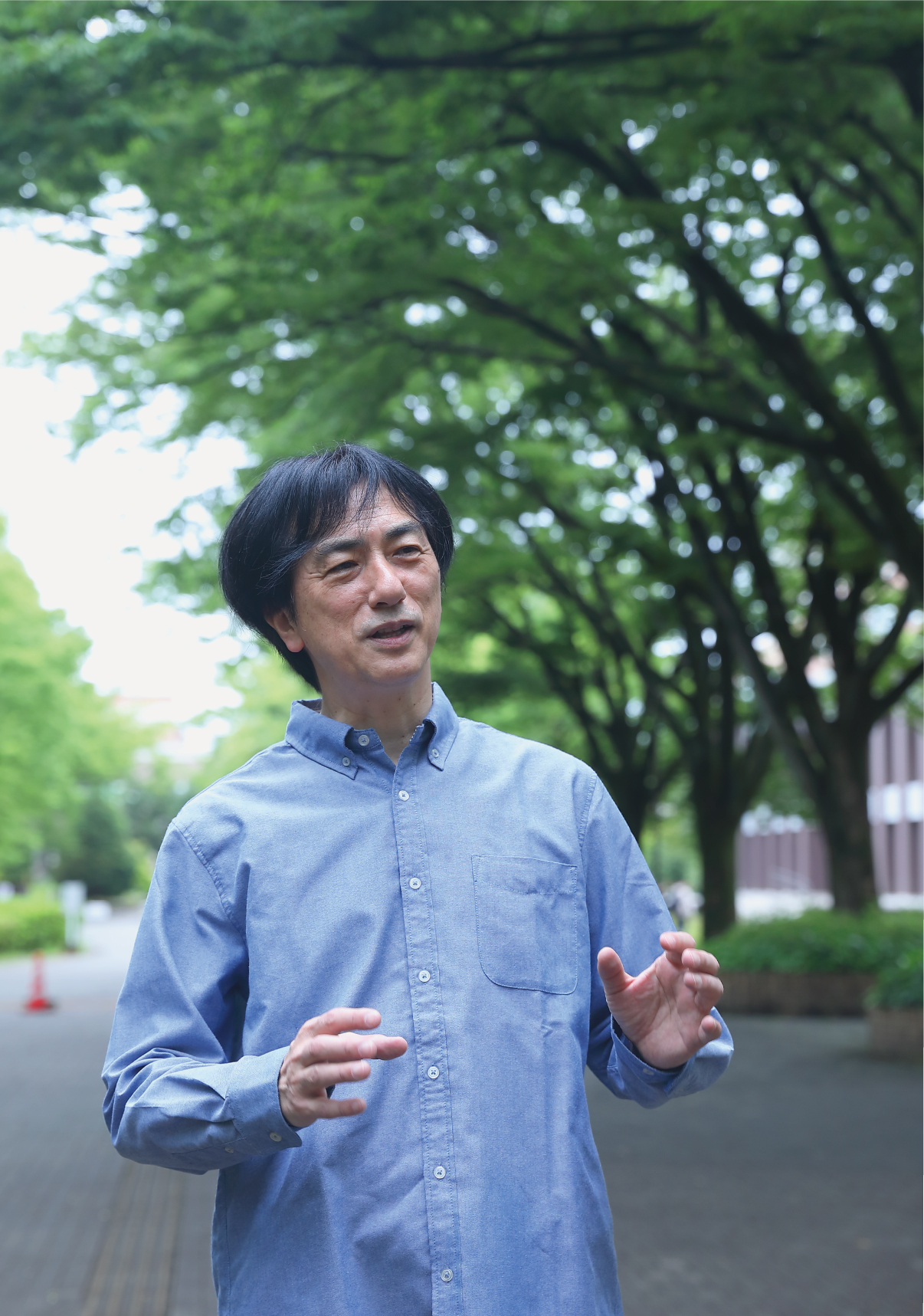
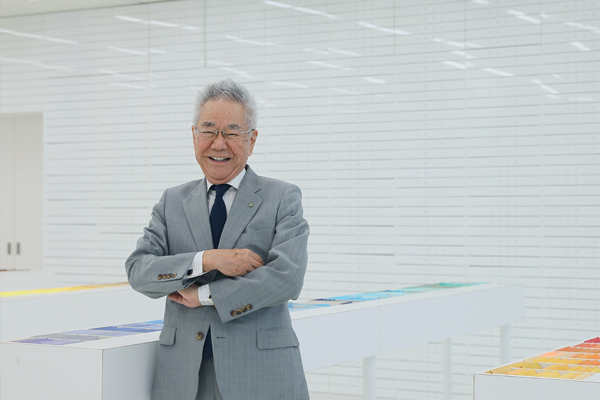
群馬大学 情報学研究科 HCI研究室 教授
柴田 博仁氏
専門はユーザーインターフェースデザインと認知科学。
紙とデジタルの読み書きを研究し、
『ペーパーレス時代の紙の価値を知る』
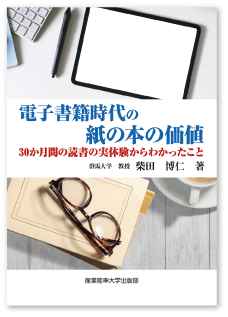
『電子書籍時代の紙の本の価値』などの
著書がある。
ペーパーレスの時代といわれて久しい。紙をデジタルに置き換えれば便利になると言われてきたが、柴田先生の話を聞いていると、そう単純ではない。
柴田先生はコンピューターの研究から出発した。「20代の頃、コンピューターを使って人を賢くしたいなって思いました」と話す。「コンピューターが賢くなるよりも、人間が賢くなったほうが嬉しいなと思ったんです」。その先にあったのが、紙と鉛筆だった。
「紙と鉛筆って、何の機能も持っていないんですよ。コンピューターに比べたら、できることは圧倒的に少ない。だけど、人間の読み書きを、うまくサポートする。これってすごいなと思いました」。紙は何もしてくれない。でも、その何もしなさこそが、人には扱いやすい。
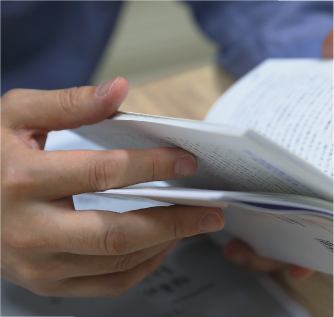
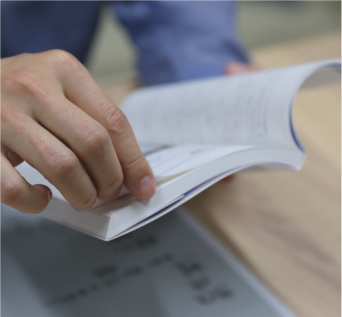
情報を見るだけなら、デジタルでいい。予定を確認し、短い文章を読み、検索する。そういう場面で、スクリーンは便利だ。問題は、情報と本気で向き合い、自分のものにしたいとき。「難しい文章の場合、手を突っ込んで、書き混ぜないと理解できない状況ってあるんです」。手を突っ込む。それは、線を引く、余白に書く、前のページへ戻る、ページとページの間に指を挟む、複数の資料を机に並べるといったようなこと。人は文章を目だけで追っているのではない。手を動かしながら読んでいる。
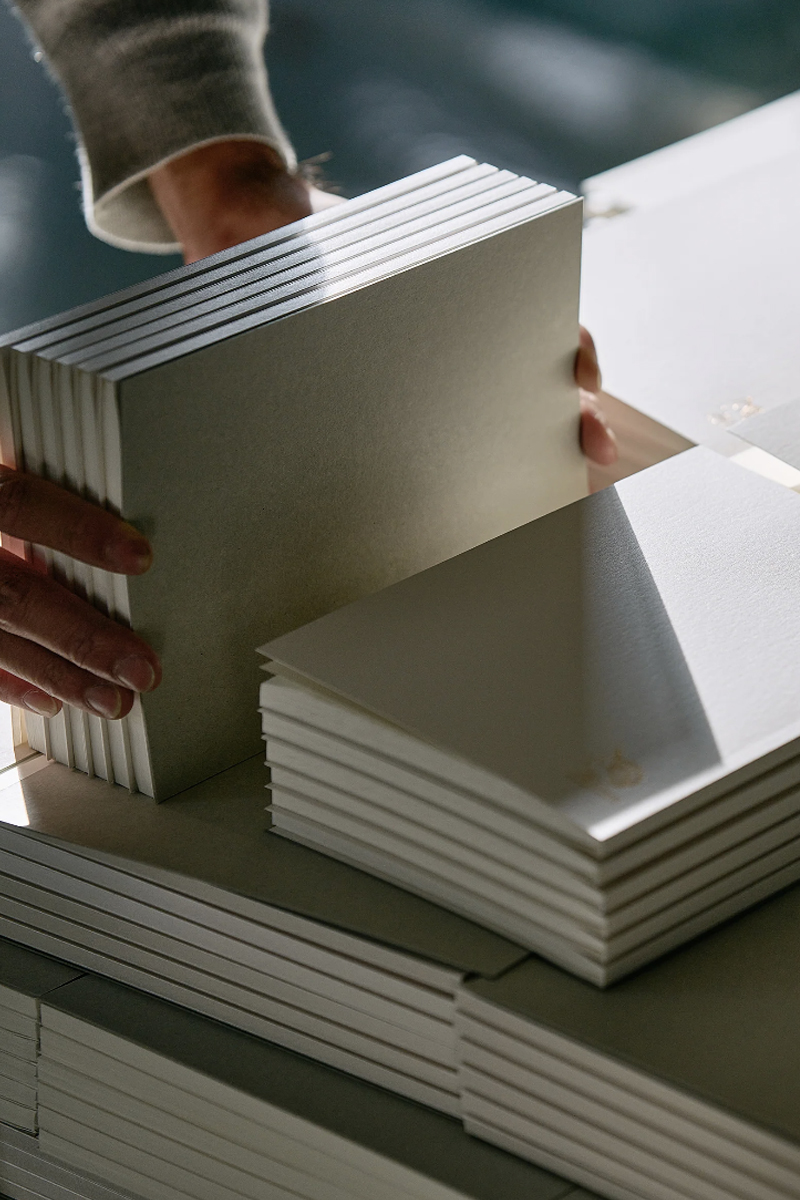
柴田先生は、紙を“操作メディア”と呼ぶ。「紙が読みやすいというのは、目に優しいというよりも、手での扱いやすさに抜群に優れていて、だから紙が好まれるんだというのが私の価値観です」。紙の価値は、きれいに見えることだけではない。思考を止めずに扱えることにある。
デジタルでは、スクロールやタップ、メニューを開くといった操作をする。そしてそのたびに、うまく操作できたかどうかを目で確認しなくてはいけない。ほんの一瞬。でも、その一瞬が、考えの流れに小さな切れ目を入れる。私たちは、専門書のページをめくり、文章を読み、図表を確認し、別のページと比べ、書き込みながら考える。デジタルでは、その最中に小さな思考の中断が積み重なる。
紙には、厚みがある。重さがある。いまどのあたりを読んでいるのか、残りがどれくらいあるのか、手でなんとなくわかる。デジタルではそれが数値で表現される。「同じ情報を出したからといって、人の認知の仕方は同じじゃないですよね」と柴田先生は言う。たしかに、Kindleでの99%という数字と、紙の本で右手に残る数ページの厚みは同じ終わりの近さを示していても、受け取り方が違う。
紙か、デジタルかの二択ではない。柴田先生も「どちらかを選択するというんじゃなくて、共存だと思います」と話す。速く見るものはデジタル。じっくり読み、書き込み、並べて比べて記憶に残したいときは紙。
紙は、デジタルの代わりではない。人が考えるときに、それは必要とされるもの。
We read paper documents with our hands, not just our eyes.
Although the “paperless era” promises ultimate convenience, Professor Shibata’s insights reveal that replacing paper with digital alternatives is not so simple. Starting his career in computer science, he initially aimed to make humans smarter through technology. Remarkably, this pursuit led him back to paper and pencil.
“A paper and pencil have no internal functions,” he notes. “Compared to computers, what they can do is overwhelmingly limited. Yet, they support human reading and writing beautifully.” Paper does nothing on its own, but its passive nature makes it incredibly intuitive to handle without distracting our thoughts.
While digital screens are perfect for quick tasks like checking schedules, they fall short when we need to deeply internalize complex texts. True comprehension requires us to physically engage with the material—underlining key phrases, scribbling in margins, and flipping pages. We do not absorb text through our eyes alone; we understand most deeply when we read while actively moving our hands.
He calls paper an “action medium.” He explains, “People prefer paper not simply because it is easy on the eyes, but because it is easy to handle with our hands.” Its true value lies in allowing us to process information smoothly without interrupting our train of thought.
With digital devices, every scroll or tap requires visual confirmation. This takes only a split second, but it creates micro-interruptions in our cognitive flow. When reading complex texts, we flip pages, compare diagrams, and scribble notes seamlessly. On screen, these tiny, accumulated disruptions quietly break our deep focus.
Furthermore, paper has physical weight and thickness, letting our hands naturally sense where we are. As he points out, “Even if the information displayed is identical, human perception is not the same.” Reading “99%” on a Kindle feels entirely different from feeling the literal thickness of the last few pages in your hand.
It is not a binary choice. “It is about coexistence,” Dr. Shibata emphasizes. Digital excels for quick scanning, while paper remains essential when we want to read deeply and internalize knowledge. Paper is not an outdated alternative; it is a vital tool for human thought.

閲覧中の特集はこちら