







世界食堂Ⅱ。
Feature | 2026.5.22
異国は、遠くにあるとは限らない、という話。
街で外国人を見かけることは、もう特別ではなくなった。
でも、「外国人」という言葉でひとまとめにされ、
顔や声までは見えてこないことがあるのも現実。
距離は、まだ遠い。
以前、yoffでは「世界食堂」という特集を行いました。
その反響を受け、今回「世界食堂Ⅱ」として、
パキスタン、クルド、ベトナム、オランダの食堂を訪ねました。
知らない言葉、見慣れない料理。
だけど席についてみれば、その距離は思っているより近いものです。
一緒に食べる。それだけで、少しわかり合えることがあります。
そんな距離の取り方を、この特集で感じてもらえたら嬉しいです。
On how foreign lands are not always far away.
Seeing foreign residents in our streets has become commonplace. Yet, under the broad label of “foreigners,” individual faces and voices can sometimes remain blurred, leaving a quiet sense of distance between us.
Following the profound response to our previous feature,
we now present Global Eateries 2. In this edition,
we visited the kitchens and tables of Vietnam, Pakistan, Kurdistan, and the Netherlands.
The languages may be unfamiliar and the dishes new. However, once you take a seat, you realize the distance is much shorter than you imagined. There is a simple,
shared understanding that grows when we eat together.
Through this feature, we hope you discover
that bridging the gap starts with a single, shared meal.
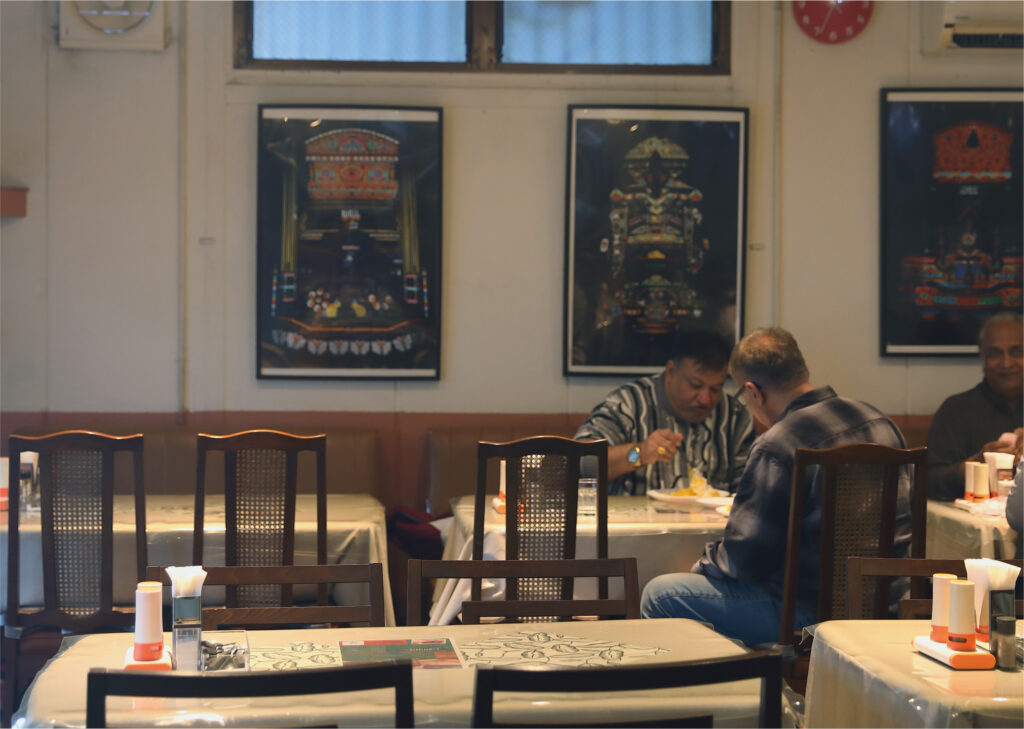
異国は、遠くにあるとは限らない。
いつもの通りの先、見慣れた街のなかに紛れていることもある。
扉の向こうに広がるのは、知らない言葉と匂い。
けれどそれは、そこで暮らす人たちにとっての当たり前の日常だ。
そこに入るかどうか。
それだけで、見える景色は変わる。
まずは席についてみることが、距離を近づける。
パキスタン、クルド、ベトナム、オランダ。それぞれの食堂を訪ねた。
Foreign lands are not always far away.
Sometimes they lie just beyond the usual street, folded into a city we think we know.
Beyond doors are unfamiliar languages and unfamiliar smells.
Yet for the people who live there, it is simply everyday life.
The question is whether we step inside. That alone will change what we see.
Sometimes sitting down at a dining table is all it takes to close the distance.
Pakistan, Turkey, Vietnam, the Netherlands.
I visited four eateries.
いまの日本にとって、外国人は特別な存在ではなくなった。コンビニでも、飲食店でも、建築現場でも、日常のあちこちで働き、すでに日本の風景の一部になっている。
それでもどこかで、「外国人」というひとまとめの言葉で語られてしまうことがある。ニュースやSNSで流れてくるのは、切り取られた一面ばかりだ。多くの人が、知らないまま距離をとり、相手を理解しようとしていない。
最近では、在留資格の手続きにかかる負担が増えるなど、受け入れの条件が厳しくなっていく流れもある。必要としながら、どこかで線を引こうとする。そんな矛盾も感じる。制度の話は大事だが、その前にできることもあるはず。それは、まず会って話してみることだと思う。
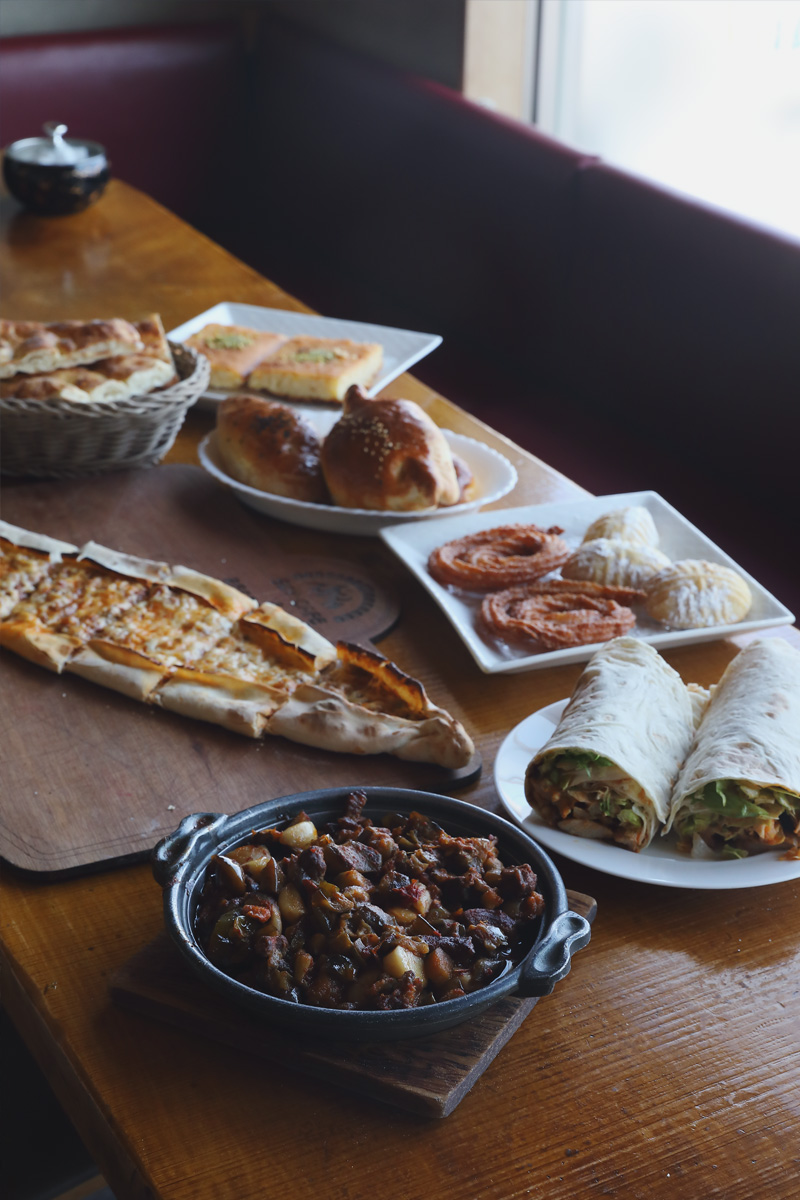
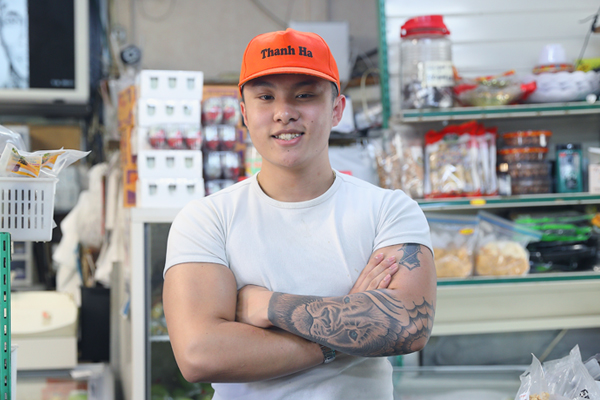
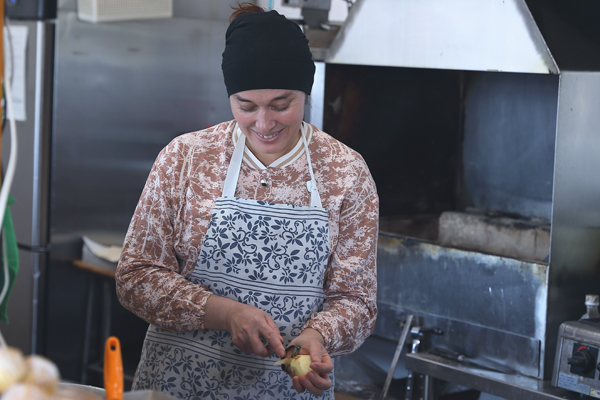
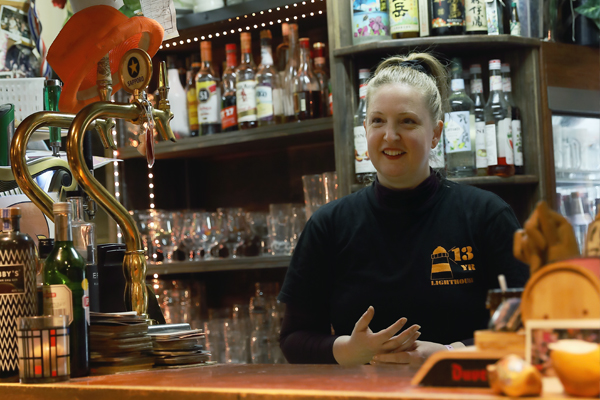
そのきっかけとして選んだのが、食堂だった。パキスタン、クルド、ベトナム、オランダ。それぞれの店には、その国の人たちが自然に集まっている。日本人向けに整えられた“異国感”ではなく、日々の延長としての食事がそこにある。聞き慣れない言葉が飛び交い、見たことのない料理が並ぶ。でも、少し勇気を出して席につけば、その距離は思っているより近い。
「これはどうやって食べるの?美味しいね!」そんなやりとりから会話が始まることもある。料理の話は、やがて暮らしの話へと広がる。どこから来たのか、日本での生活はどうか、困っていることはないか。気がつけば、「外国人」という輪郭はぼんやりと薄れ、目の前の一人へと変わっていく。
一緒に食べる、というのはいいものだ。同じ皿を囲むだけで、少しずつ心が開く。美味しい、という感覚は、ニッコリと笑うことで共有できる。そこにお酒があれば、なおさらだ。完璧に理解し合う必要はない。ただ、同じ時間を過ごす。それだけで、多くのことをわかり合える。
遠くから語るより、近くで話すこと。理解は、そのあとについてくる。まずは一度、扉を開けてみてほしい。世界は、案外すぐ隣にある。
In Japan, foreign residents are no longer a “special” presence. From convenience stores to construction sites, they are part of our daily landscape. Yet, many still see them only through the collective label of “foreigners.” Fragmented media snapshots often keep us at a distance, preventing us from seeing the person behind the name.
As residency regulations tighten, a contradiction emerges: we rely on their presence, yet continue to draw lines of exclusion. While systems matter, there is something we can do first—we can meet and talk. To find this connection, we chose the eatery.
In the kitchens of Vietnam, Pakistan, Kurdistan, and the Netherlands, people gather naturally. These aren’t polished spaces for tourists; they are extensions of daily life. You will hear unfamiliar languages and see unknown dishes, but if you take a seat, the distance is much shorter than you imagined.
“How do you eat this?” Such simple exchanges often lead to stories about their origins and lives in Japan. In these moments, the hazy outline of a “foreigner” fades, replaced by the vivid presence of an individual.
Sharing a table naturally opens the heart. The sensation of “delicious” can be shared with a simple smile. We don’t need to understand each other perfectly; simply occupying the same space allows us to connect. Understanding follows proximity. Rather than observing from afar, we must speak from up close. Open the door and step inside. The world is right there next to you.

閲覧中の特集はこちら