











紙は、見えないところでも働いている。
Feature | 2026.7.27
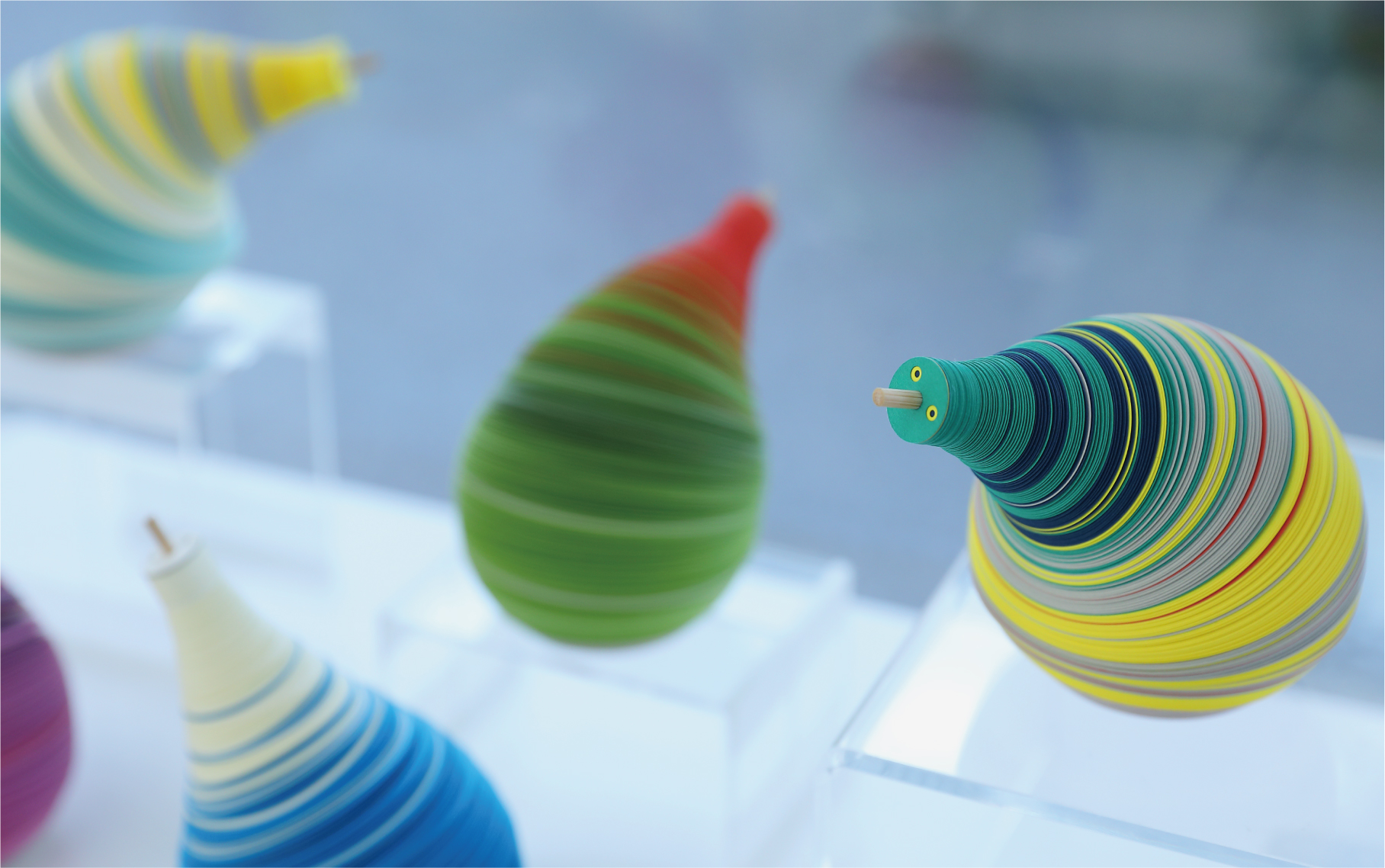
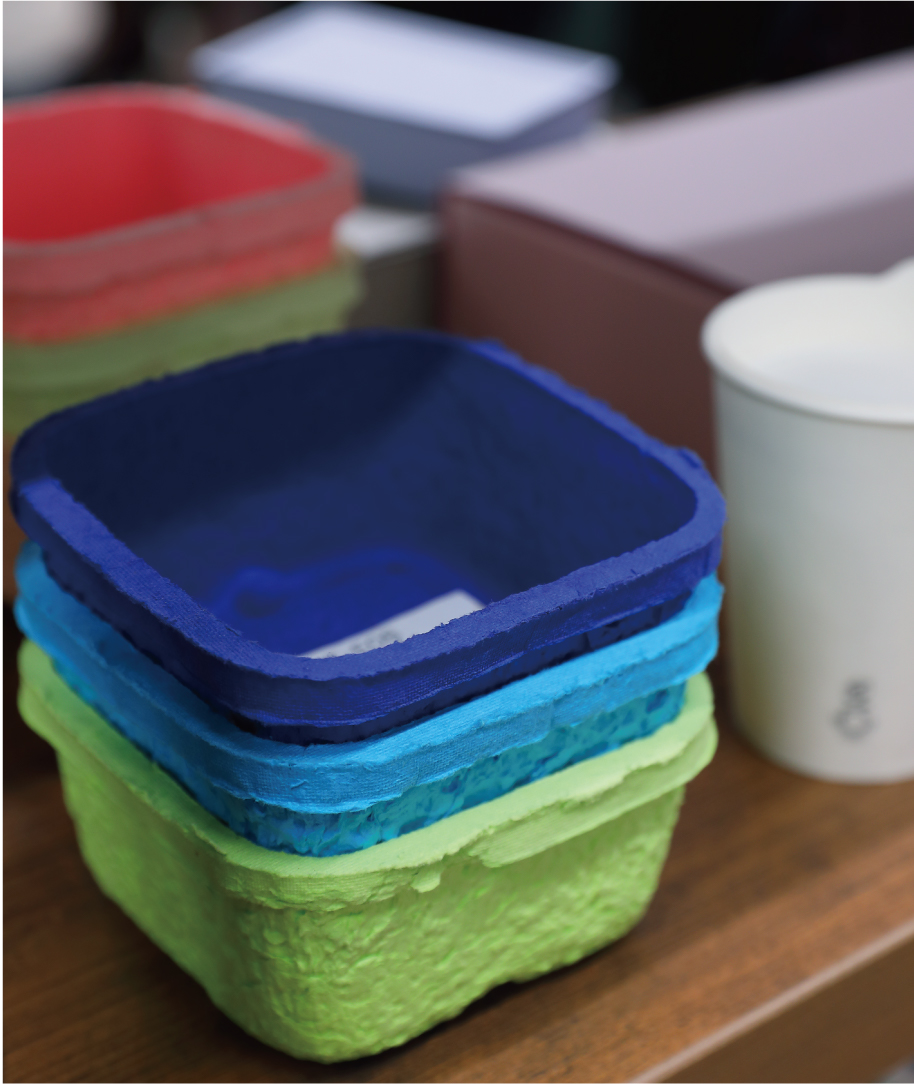
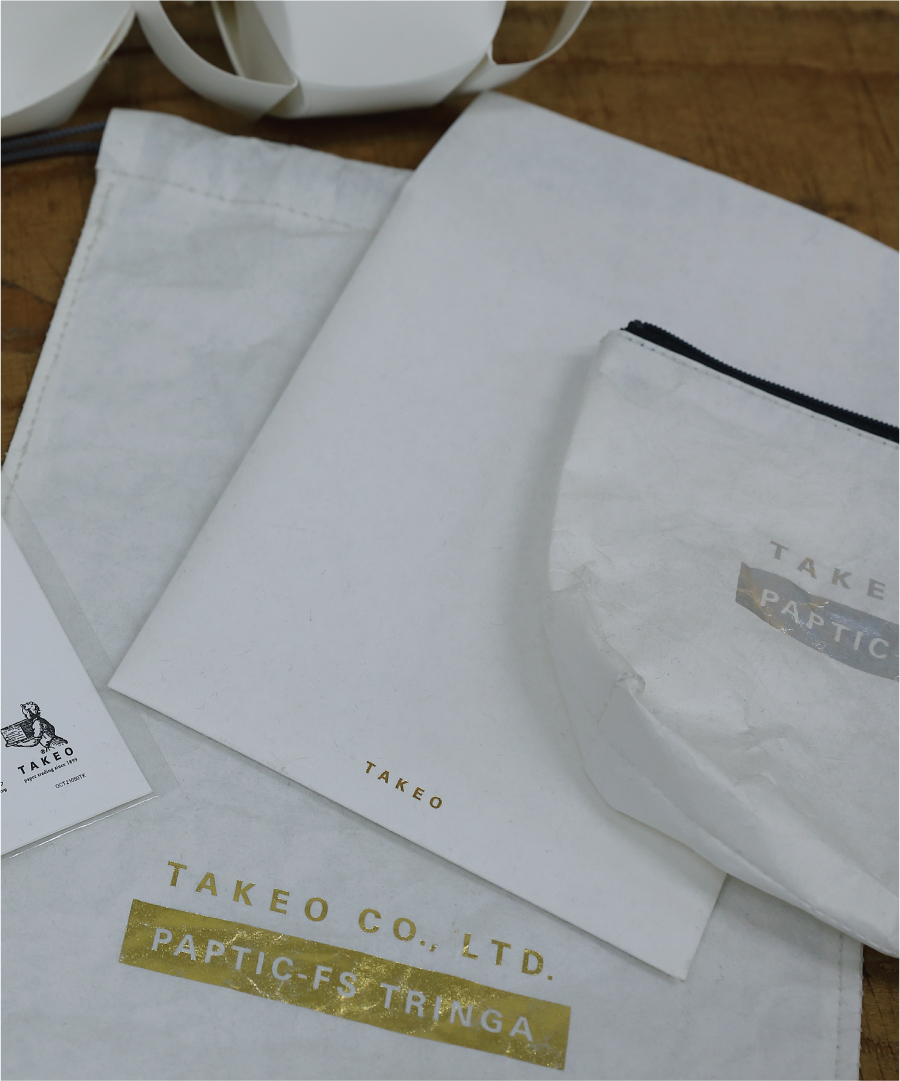
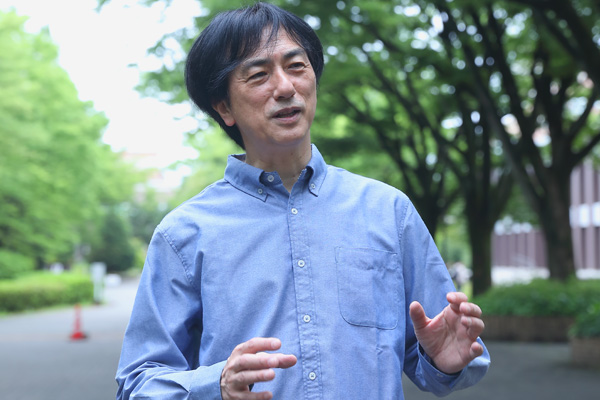
紙というと思い浮かべるのは、本や箱、包み紙といった、触れることができ、めくることができる紙だ。けれど竹尾会長は、紙にはもうひとつの世界があると言う。
「紙には、見える世界と見えない世界があるんです」。見えない世界とは「部品、部材なんですよね」と話す。たとえば、電子機器の中。車のシートに施された革のような模様。スチールデスクの表面に見える木目。私たちはそこに紙が働いているとは思っていない。けれど、そこには紙の素材としての機能や、紙にエンボスや印刷された模様が使われていることがある。
紙は、いつも主役でいるわけではない。むしろ、見えないところで何かを支えていることのほうが多いのかもしれない。会長も「その時々で、役割が主役であったり、脇役だったりする」と語る。出版物のように、紙そのものが表に立つ場面もある。一方で、製品の質感や表情をつくる、ものづくりの工程や部材の一部となっていることもある。
考えてみれば、二千二百年続いてきた紙の強さは、そこにあるのかもしれない。書くものになり、包むものになり、ときには部材にもなる。姿を変えながら、暮らしや産業の中に入り込んできた。
紙は、目に見える場所だけにあるのではない。気づかないところで、人の営みを豊かに支えている。
Paper works where we cannot see it.
When we think of paper, we imagine books, boxes, or wrapping paper—things we can touch and flip through. Yet, Mr. Takeo notes that paper exists in another dimension.
“Paper has a visible world and an invisible world,” he says. This invisible world refers to paper functioning as components and materials. For instance, it works inside electronic devices. It forms the leather-like textures on car seats or the wood grain on steel desks. We rarely realize paper is involved, but its functional properties and embossed textures are quietly at work.
Paper is not always the main character. Often, it supports things behind the scenes. He observes, “Depending on the occasion, its role shifts between the protagonist and a supporting actor.” While it stands at the forefront in publications, it also serves as a hidden material that shapes textures and appearances in manufacturing.
Perhaps this adaptability explains why paper has endured for 2,200 years. Becoming a tool for writing, wrapping, or serving as an industrial component, it has integrated into our lives by changing its form. It quietly shapes textures and supports human activities from where it cannot be seen.
TAKEO PAPER SHOW50 「祝と礼」
会 期 : 2026年10月17日(土)―10月25日(日)
会 場 : KANDA SQUARE HALL
東京都千代田区神田錦町2-2-1神田スクエア2F・3F
入場料:無料(事前予約制)※詳細は特設サイトをご覧ください
竹尾ペーパーショウとは
紙の専門商社 竹尾が1965年より開催している紙とデザインのイベントです。同展を通じ、紙を様々な角度と視点から掘り下げ、時代を牽引する多数のデザイナーとともに、その意味と価値を追求し続けています。本展で50回目を迎え、業界唯一そして最大規模のイベントと評されています。
●主催 / 株式会社竹尾 ●総合プロデューサー/竹尾 稠
●企画・構成/原 研哉+株式会社日本デザインセンター 原デザイン研究所

竹尾ペーパーショウ
特設サイト

前回(2023年)開催の様子
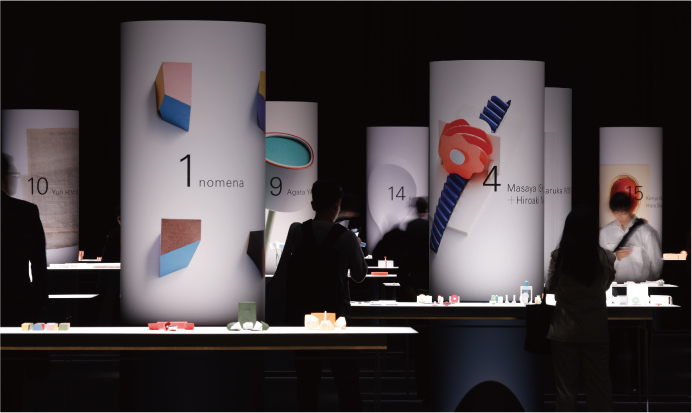
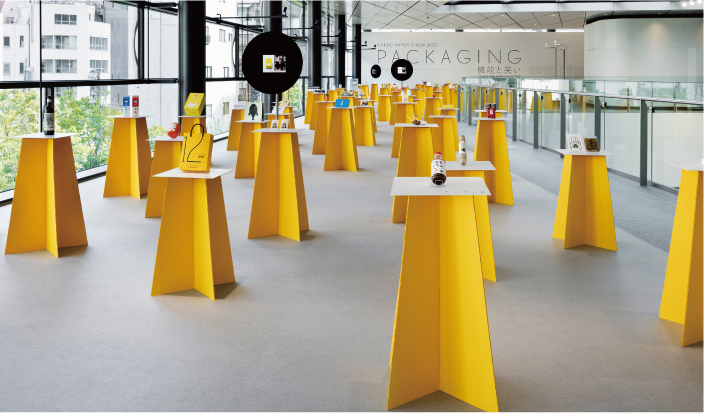
写真:ナカサアンドパートナーズ

閲覧中の特集はこちら