









紙には、“人間の速度”が宿っている。
Feature | 2026.7.27
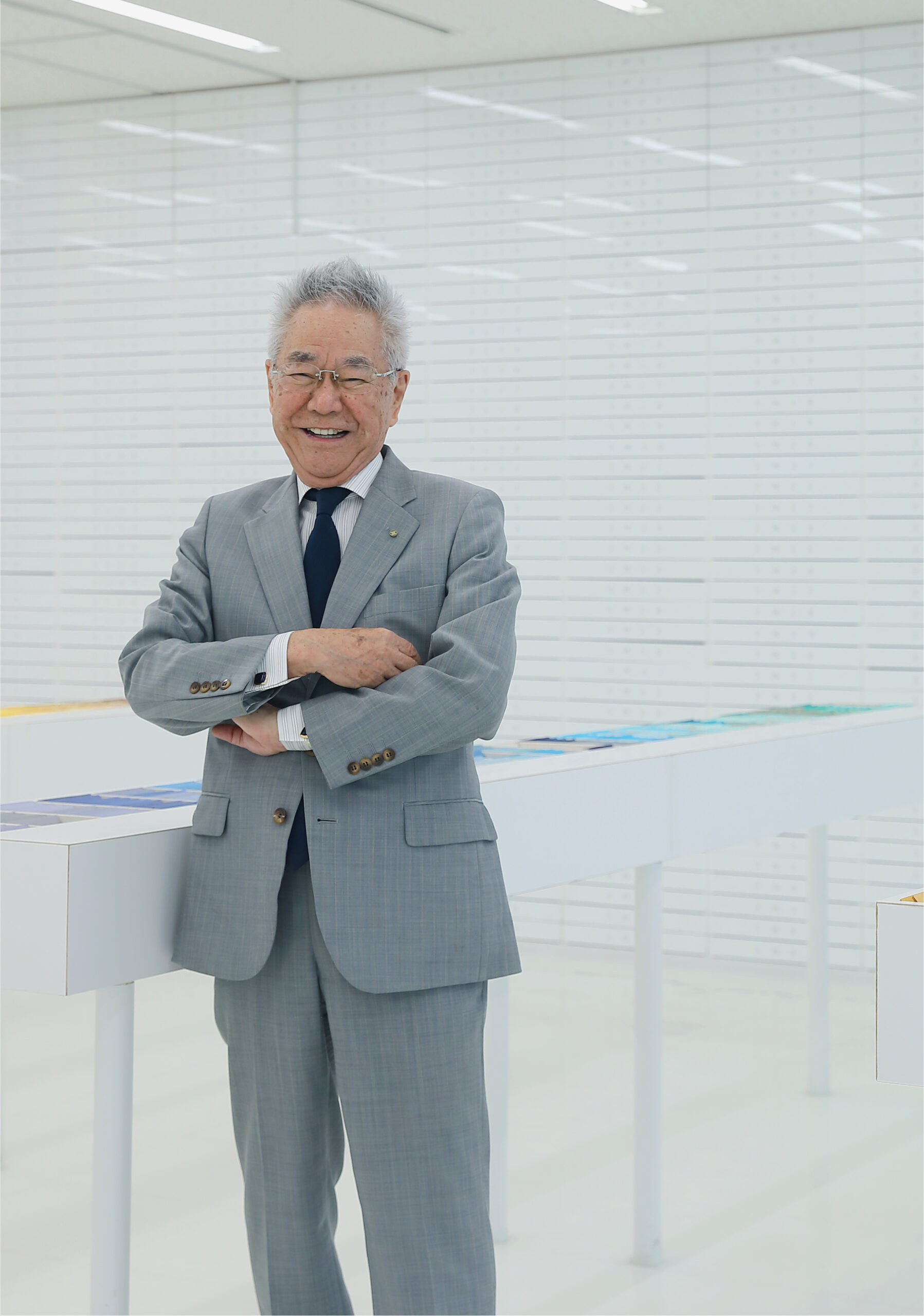
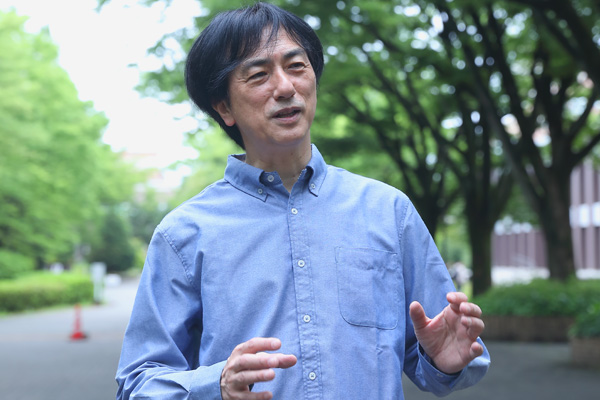
株式会社 竹尾 代表取締役会長CEO
竹尾 稠 氏
慶應義塾大学、米国ウェスタンミシガン大学を卒業後、
米国製紙会社などを経て竹尾に入社。
1991年に5代目社長に就任し、
2025年には代表取締役会長CEOに就任。
株式会社竹尾
1899年創業の紙の専門商社。
色や質感を重視したファインペーパーの開発・販売を行う。
「紙・デザイン・テクノロジー」を根底に置き、
竹尾ペーパーショウなどを通じ
紙文化の活性にも取り組んでいる。
今、紙の存在意義は薄まっているのだろうか。そう問うと、どこか寂しい。けれど竹尾会長の話は、紙が古いか新しいか、デジタルに負けるか残るか、という単純な方向へは進まなかった。「紙は、あって当たり前。水や空気のように。でも、その当たり前って何なのか、改めて考えてみたいんです」。
紙の基本機能は、三つのWと言われている。Write、Wrap、Wipe。書く、包む、拭く。そのうち“書く”については「書くということは、コミュニケーションのツール。自分の思いも書くし、人にも知らせたい。情報を伝達するために書く」と語る。考えを残す、約束を記す、誰かに届ける。紙はいつも、人間が文字を扱う場所にあった。
しかし今では、情報を流すだけなら画面のほうが速い。メール、SNS、AI。必要なものも、いらないものも、同じ速度で流れてくる。会長はその速度について率直に言った。「情報がいろいろ出てくる。いらない情報まで携帯に入ってきて、自分の時間、ないじゃないですか」。便利になった一方で、その便利さは人の時間の中へ強く入り込んでくる。
では紙は、遅く、使いものにならないのか。会長は逆から見る。「紙の機能の一部を、やっとデジタルに任せられる時代になったと思います」。紙がすべて置き換えられたのではない。速く知らせることや検索することを、ようやく別のものが引き受けるようになった。だから、紙には紙にしかできないことがある。
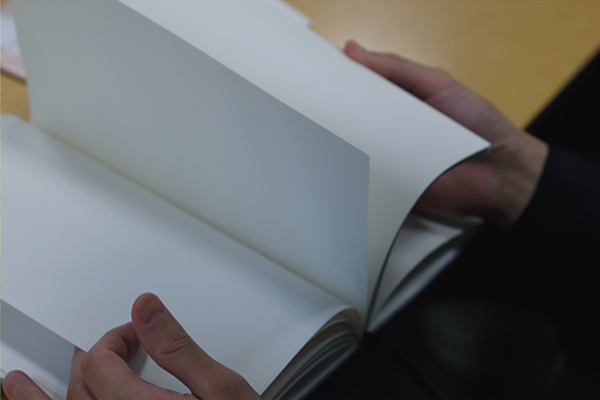
「デジタル化が進めば進むほど、アナログが大事になっていく」。紙に書く。訂正指示を入れる。二枚を横に並べる。ページをめくる。戻る。手で押さえる。会長自身も、紙に書きながら考えをまとめる。
「パソコンでもできるんでしょうけどね。やっぱり一覧性なのか、なんなんですかね」。この「なんなんですかね」という言葉にある、きれいに言い切れない感じに、紙の魅力があるような気がする。
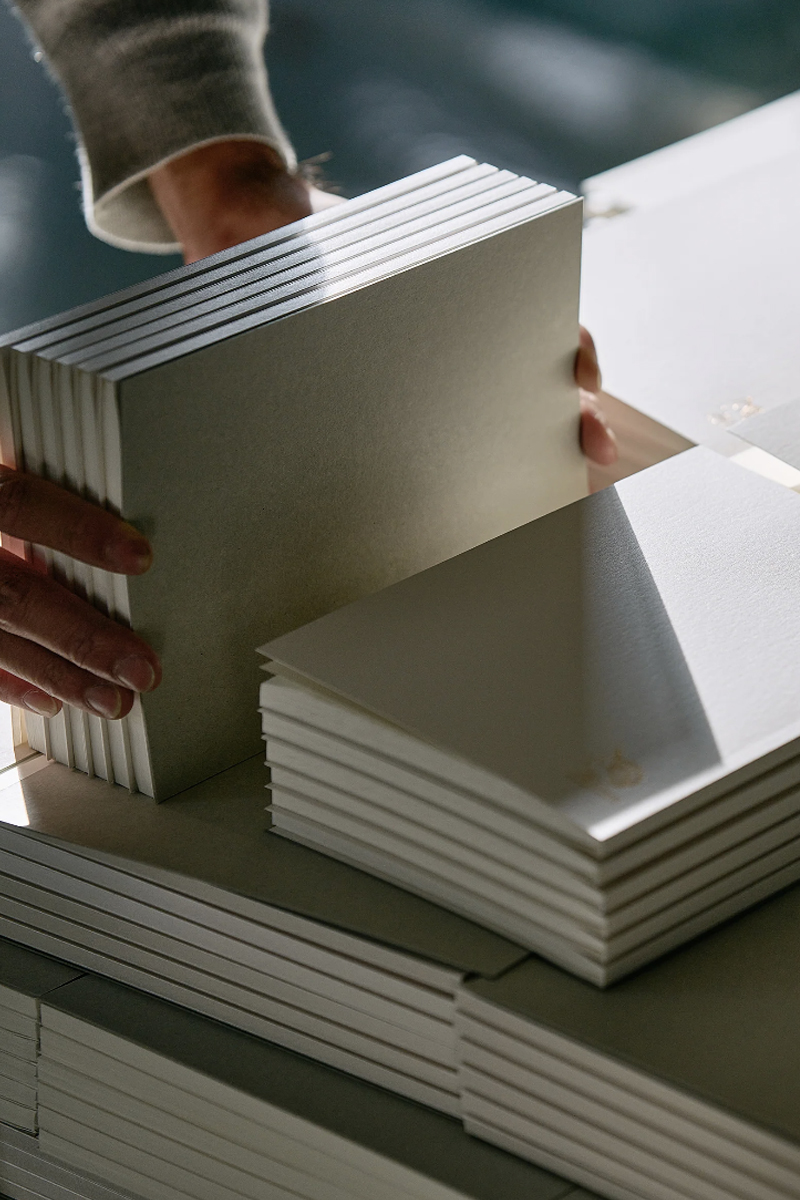
人は二足歩行の動物として手を使うことができる、と会長は言う。持つ。折る。重みを感じる。文字をなぞる。消す。直す。そこに、その人の速度が加わる。会長は「触覚や視覚が、人の心や身体的なものに影響する」と話していた。紙は、単なる情報発信の場ではなく、人の身体に近いところにあるメディアなのだと思う。
災害時にも、紙は重要な働きをする。会長はそれを「究極のアナログインフラ」と表現した。「電気がなくても、書くものと紙があれば、何でもできる」。これは懐古ではなく、現実的な話である。
二千二百年生き続けてきた紙は、過去から届いた古い道具ではない。自分の速度で考えたいとき、画面の奥ではなく手元で向き合いたいときなど。人間は、あらゆる場面で紙を必要としている。
Paper carries a “human pace.”
Is paper’s significance diminishing today? Asking this feels melancholy. Yet, Mr. Takeo / Chairman & CEO, his perspective did not focus on whether paper will lose to digital. Instead, he observed, “Paper is taken for granted, like water or air. But I want to reconsider what that familiarity really means.”
The fundamental functions of paper are summarized by the “Three Ws”: Write, Wrap, and Wipe. Regarding “Write,” he stated, “Writing is a communication tool. We write our thoughts to transmit information.” Preserving thoughts, recording promises, delivering messages—paper has always been where humans interact with words.
Today, screens are faster at circulating information. Email, social media, and AI deliver necessary and useless data at the same speed. He spoke candidly: “So much information appears. Even unwanted data enters our phones, leaving us with no time for ourselves.” This convenience aggressively intrudes upon human time.
Is paper then merely slow and obsolete? He sees it from the opposite angle: “Digital technology has finally evolved to take over a part of paper’s functions.” Another medium has simply stepped up to handle rapid notification and search. Definitely, there are things that only paper can do.
“The more digitalized we become, the more important analog becomes,” he says. Writing, correcting, comparing two pages, flipping through, or holding it down. he himself organizes his thoughts by writing on paper.
“You can do this on computers, too. But maybe it is about scannability, or… I wonder what it is.” This vague feeling of not being able to fully define it is where paper’s charm lies.
He notes that as bipedal animals, humans are uniquely capable of using their hands. folding, feeling weight, erasing, and correcting. Through this, a person’s pace is introduced. He noted, “Touch and sight influence human emotions and physical well-being.” Paper is a medium close to the human body.
During disasters, paper plays a crucial role. He described it as the “ultimate analog infrastructure.” He noted, “Even without electricity, if you have a writing tool and paper, you can do anything.” This is a practical reality, not nostalgia.
Paper, which has survived for 2,200 years, is not an obsolete tool. When we want to think at our own pace or engage directly in our hands rather than through a screen, humans require paper in various situations.
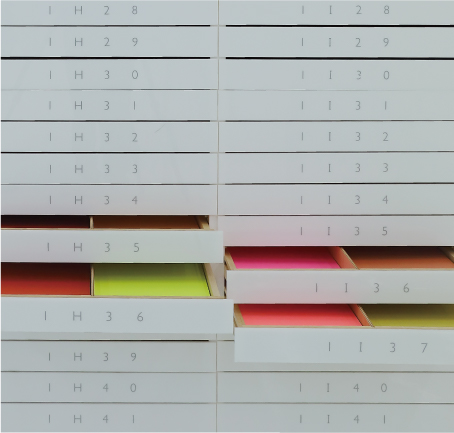
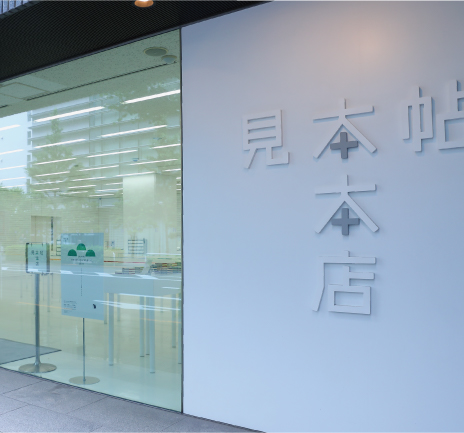
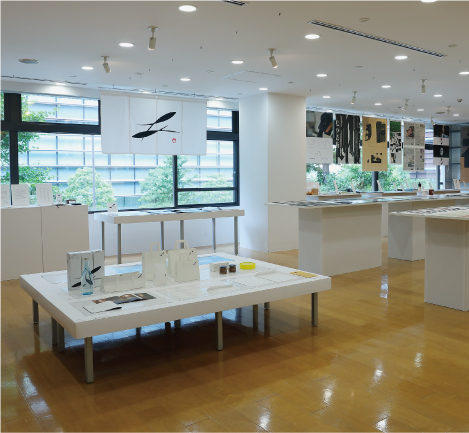
竹尾 見本帖本店

閲覧中の特集はこちら