






紙は、ものを包み、気持ちまで渡せてしまう。
Feature | 2026.7.27
紙は、情報だけを運んできたわけではない。むしろ、言葉になる前のものを扱ってきたのかもしれない。
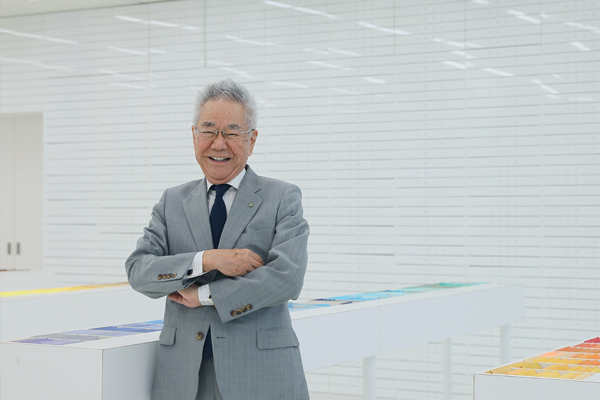
竹尾会長の話で、強く残った言葉がある。紙の三つのWのうちの「Wrap」、包む、という言葉だ。「包むというのは、物を包む。場合によっては、私どもは拡大解釈して、気持ちも包むというふうに考えています」。気持ちも包む。やわらかい言葉だが、そこにある意味は深い。紙は包んだ物の外側にある。なのに、受け取る人の気持ちまで変えてしまうことがある。
「お金って、裸で渡していいときと、気持ちを込めて渡すときがありますよね」。買い物の支払いなら、そのままでいい。けれど、お祝いは違うし、お年玉も違う。「お祝いを出すときに、裸では渡せませんよね」。中身は同じでも、同じではない。紙を一枚挟むだけで、渡す行為の意味が変わる。
高価な靴やバッグを、ビニールの袋に入れて渡されたらどうだろう。中身が本物でも、少し拍子抜けする。ブランドの箱、ショッピングバッグなど、紙の箱や袋は、受け取る前から気分を高める。会長は、同じものでも紙で包むことで印象が変わる、とも話していた。「やっぱり紙は変幻自在で表現力豊かだなと思います」。
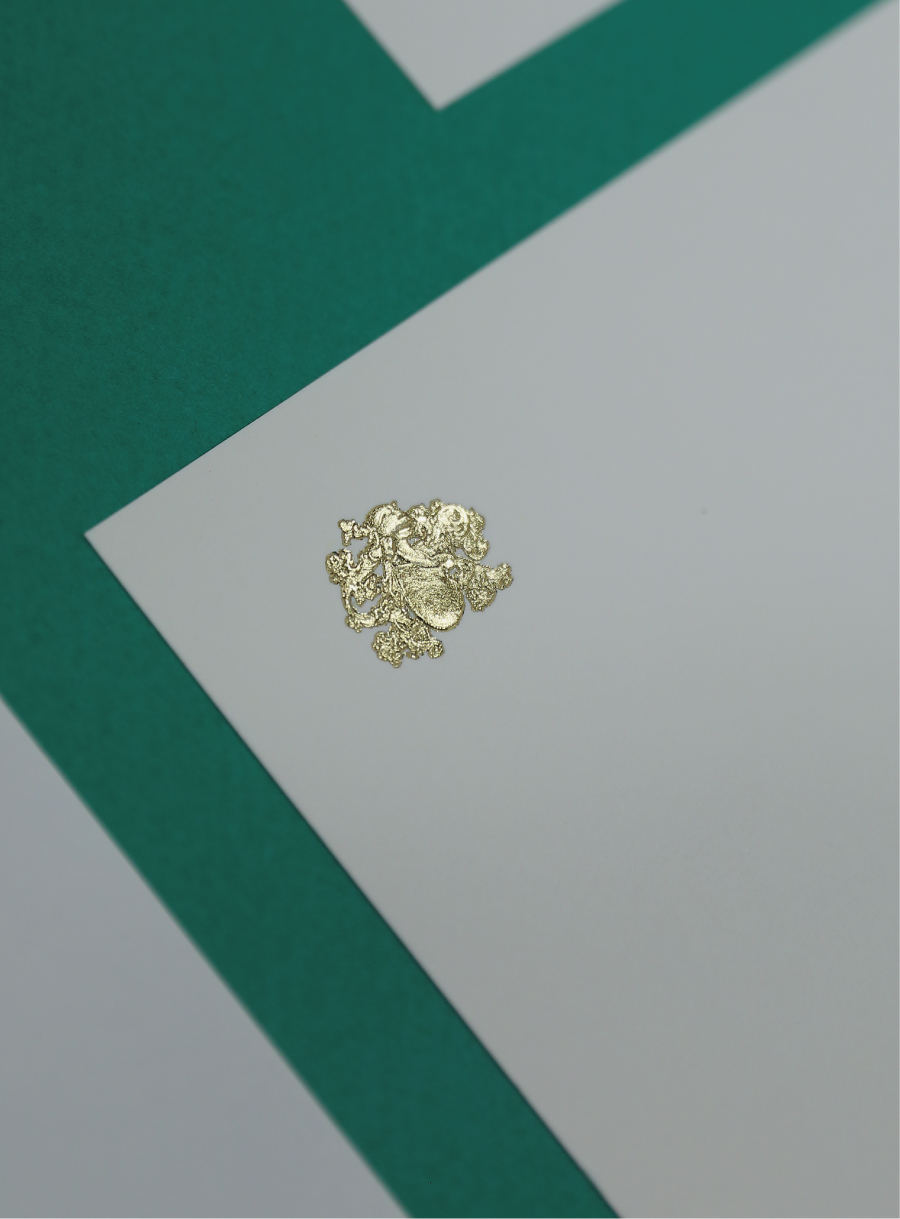
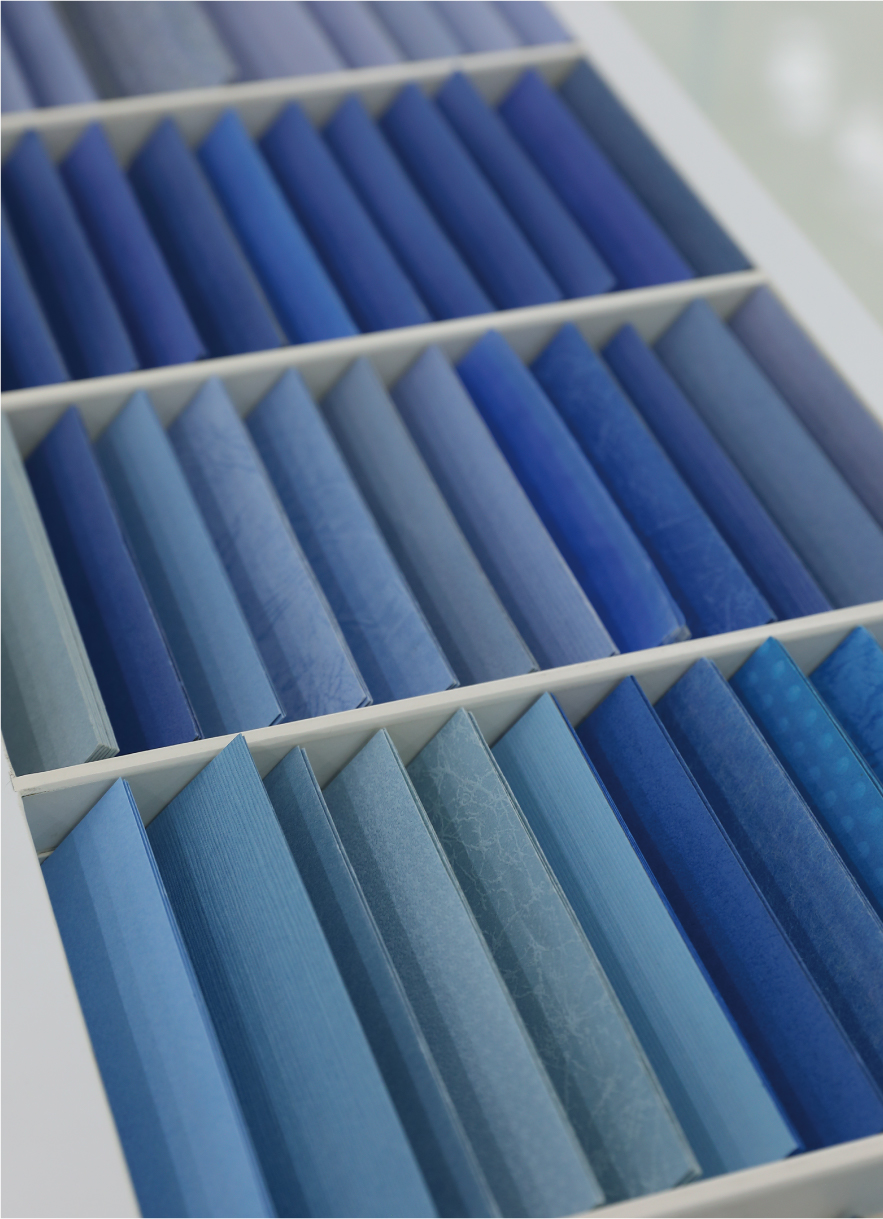
そこから、竹尾が扱う『ファインペーパー』の仕事が見えてくる。やわらかさ、あたたかみといった手触り。そうした小さな差が、受け取る印象を変える。そして話題は色へ。「白い紙くださいって言っても、通じますかね。私の思っている白と、相手の思っている白は違う」。白い紙はひとつではない。あたたかみのある『ロベール』、ナチュラルで気品のある『アラベール-FS』。究極の白を追求した『ルミネッセンス』。紙には、そうした微妙な表情がある。
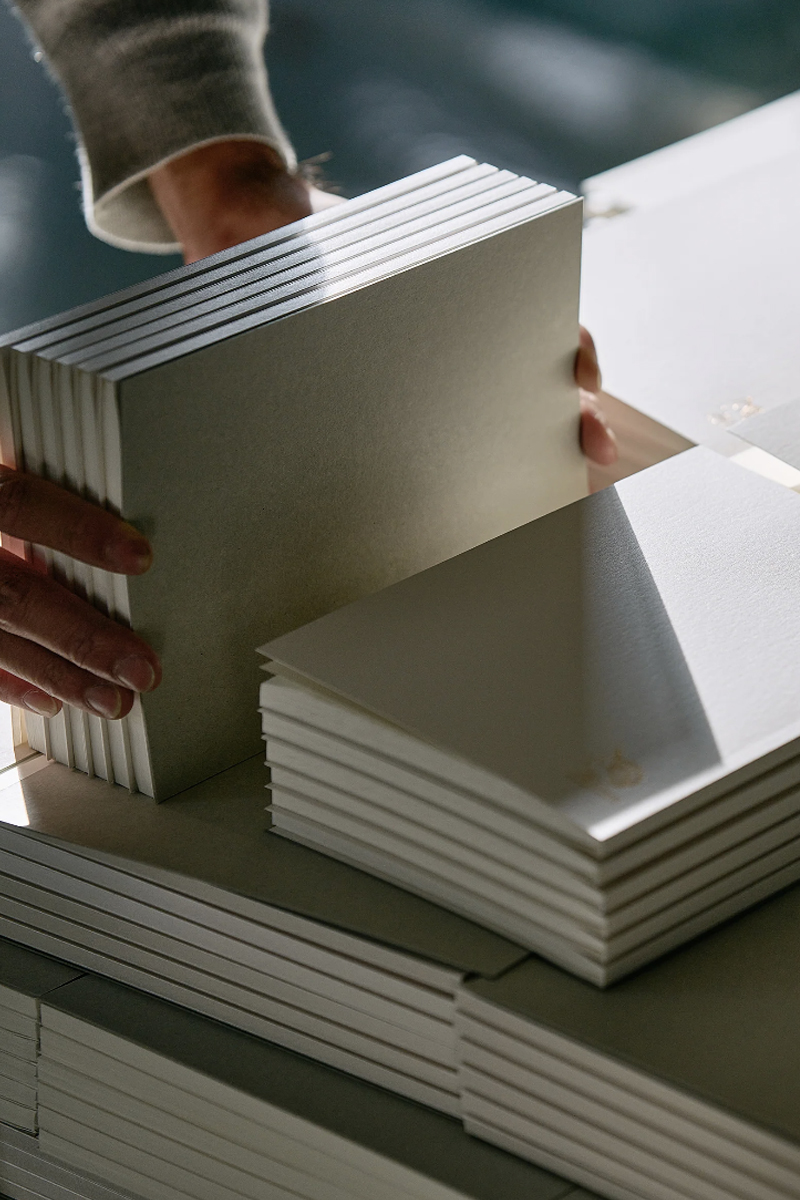
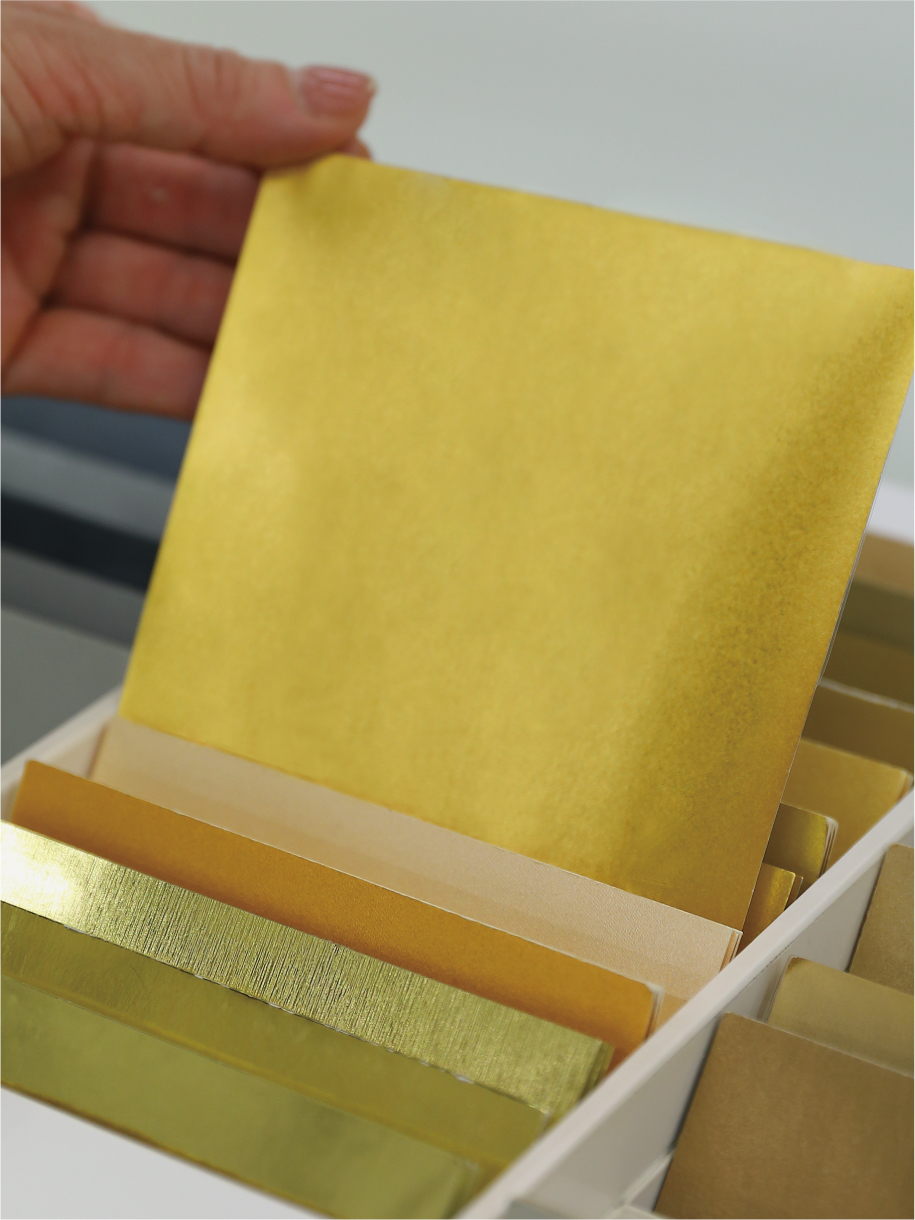
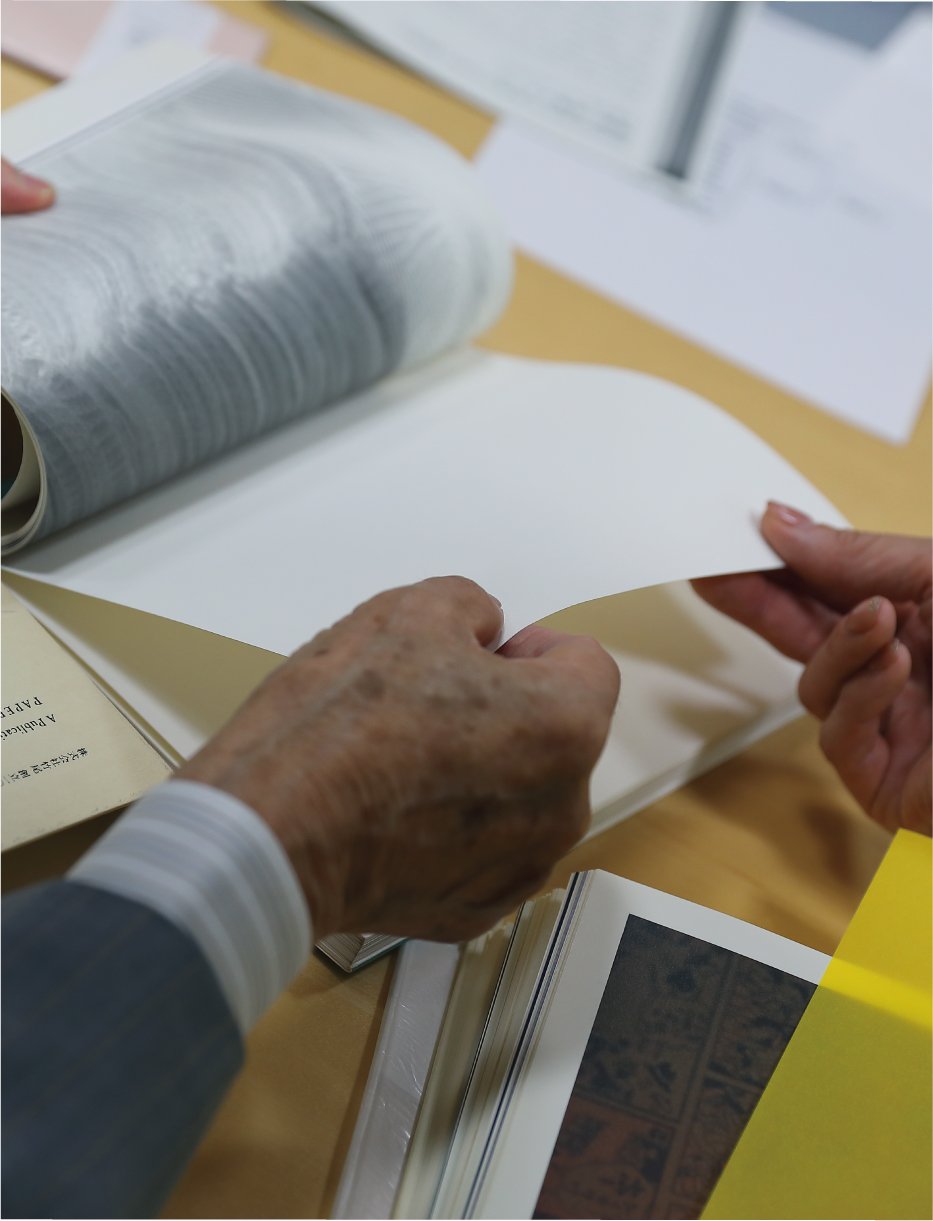
そして、紙を前に会長はこう言った。「触ってください。紙は触ってなんぼ」。紙は見るものでもあり、読むものでもある。でも、それだけでは足りない。指先に残るざらつき、厚み、しなり。言葉にしにくい差が、そこにある。
紙は、ただ残ってきたのではない。姿を変え、人の手元で働き続けてきた。包む。渡す。見せる。触れさせる。価値の見え方を変える。紙は、たいてい物の外側にある。けれど、ときどき、気持ちのいちばん近いところまで届いている。
Paper wraps objects—and carries feelings, too.
Paper carries more than just information; it handles emotions before they even become words.
Among Mr.Takeo’s insights, “Wrap”—one of paper’s “Three Ws”—leaves a deep, lasting impression. “Wrapping means enclosing an object,” he explains. “But we interpret it as wrapping one’s feelings as well.” This gentle phrase carries profound meaning. Paper exists on the outside, yet it transforms the recipient’s emotions beautifully.
He used the clear example of money. “Sometimes you hand over money as it is, and other times you give it with all your heart.” For everyday shopping, bare cash alone is fine. But for celebrations or New Year’s gifts, it is entirely different. “You cannot hand over a monetary gift bare.” Even if the amount is identical, a single sheet of paper alters the meaning of the act.
What if an expensive pair of shoes or a high-end handbag were handed to you in a plastic bag? Even if the item inside is authentic, it would feel disappointing. Brand boxes or paper shopping bags raise our anticipation before opening. He noted that the same object leaves a different impression when wrapped in paper: “Paper is endlessly versatile and rich in expression.”
This reveals the essence of “fine paper” that TAKEO handles. Textures such as softness and warmth subtly shift our impressions. Regarding color, he noted, “Even if you ask for ‘white paper,’ it does not fully communicate your intent. The white I imagine and the white someone else imagines are different.” White paper is not uniform. There is “Robert” with its warmth, “Allaveil-FS” with its elegance, and “Luminescence” pursuing ultimate purity.
He emphasized, “Please touch it. You only truly appreciate paper by touching it.” Reading and looking are not enough. The texture on fingertips, the weight, and the flexibility carry differences that are hard to verbalize.
Paper has not survived purely by chance. It has changed its form and continuously worked right in our hands: wrapping, giving, showcasing, and inviting touch. While usually on the outside, it often reaches the closest, most delicate place within our hearts.

閲覧中の特集はこちら