





創造の源泉。
Feature | 2026.4.22
創造は、どこから生まれるのだろう、という話。
近頃、アール・ブリュットやアウトサイダー・アートと呼ばれる表現が注目されている。
見る人の心に直接触れてくる、不思議な力がある作品たち。
その魅力を「障害のある人のアート」としてではなく、
一人の作り手として作品を見つめたら、
そこにはどんな創造の源泉が立ち現れるのだろう。
今回の特集では、画家・浅井力也さんと
クリエイティブカンパニー「ヘラルボニー」を訪ねた。
障害のある個人の創作と、それを社会へひらく仕組み。
その二つの現場にある創造が生まれる場所を、
少しだけのぞいてみたいと思う。
On where creativity comes from.
Lately, there has been a growing fascination with “Art Brut”
and “Outsider Art”—works that possess a raw,
magnetic power capable of speaking directly to the viewer’s soul.
But what if we moved beyond the label of “disability art”
and instead viewed these pieces through the eyes of the creator?
What hidden wellsprings of inspiration
would we then discover? In this feature,
we journey into the worlds of painter Rikiya Asai and
the innovative creative company HERALBONY.
By exploring both the intimate act of personal creation
and the systems that bridge it with society,
we seek to uncover the very essence of where creativity begins.
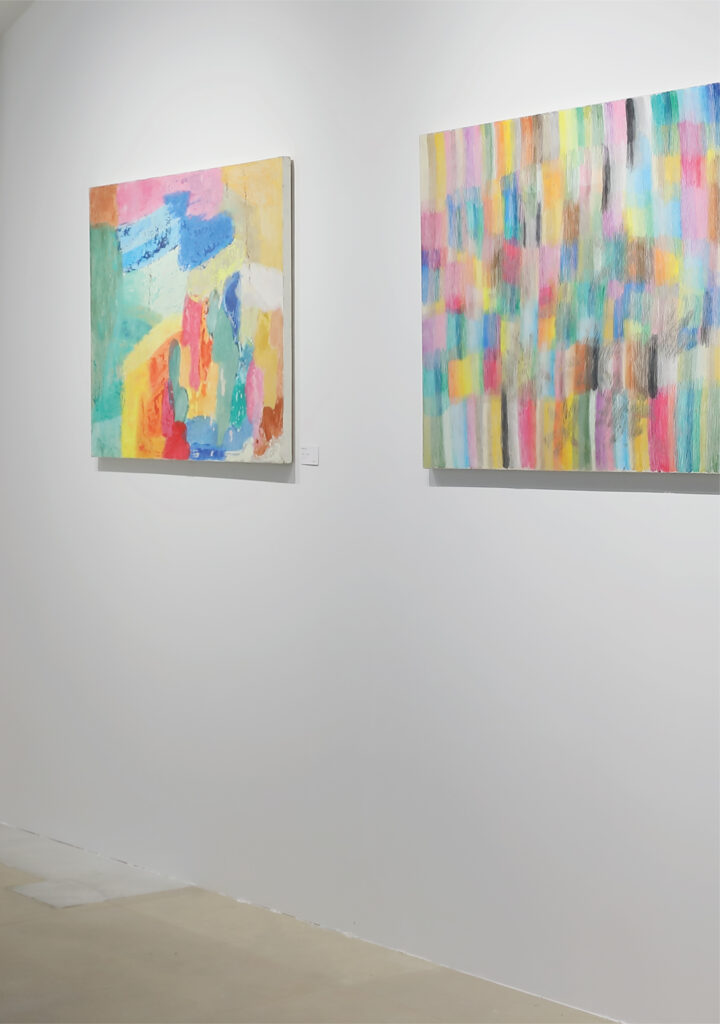
左:作品名「SWYY. No.21」 作家名「岡部 志士」 右:作品名「 Scratch Works Yay !Yay ! No.1 」 作家名「岡部 志士」いま、障害のある人たちの表現に、静かな注目が集まりはじめている。
アール・ブリュット、アウトサイダー・アート・・・。
さまざまな呼び名で語られるその作品は、
既存の技法や評価の枠を軽やかに越え、見る者の感覚に直接触れてくる。
しかし、その魅力を「障害のある人のアート」として語るだけでいいのか。
ラベルを外し、一人の作り手として向き合ったとき、そこにはどんな創造が立ち現れるのか。
本特集では、画家・浅井力也さんとクリエイティブカンパニー「ヘラルボニー」を訪ね、
その源をたどる。
A growing interest in the creative expression of people with disabilities is quietly emerging.
Art brut, outsider art…
These works, spoken of under various names,
lightly transcend existing techniques and evaluative frameworks, and speak directly to the viewer’s senses.
But is it enough to describe their appeal simply as “art by people with disabilities”?
When we remove the label and engage with each person as an individual creator,
what kind of creativity comes into view?
In this feature, we visit painter Rikiya Asai and the creative company HERALBONY to trace its source.
近頃、アール・ブリュットやアウトサイダー・アートと呼ばれる表現が注目されている。その中で、障害のある創り手の作品にも強い視線が向けられている。彼らの作品は、なぜこれほどまでに人の心を惹きつけるのだろうか。そこには、ピュアな感性が息づいているからなのかもしれない。既存の美術教育や技法、評価の基準から少し距離を置き、内側から湧き上がる衝動のままに生まれる色や形。その自由さが、見る者の感覚を揺さぶるのだろう。
しかし、その魅力を「障害のある人の表現だから」と説明してしまうのは、どこか違う気もする。もし、障害を障害として捉えず作品を見つめたらどうなるだろう。そこには、これまで見過ごしてきた新しい感性が見えてくるのではないだろうか。
その答えを探るために2カ所の取材先へ向かった。
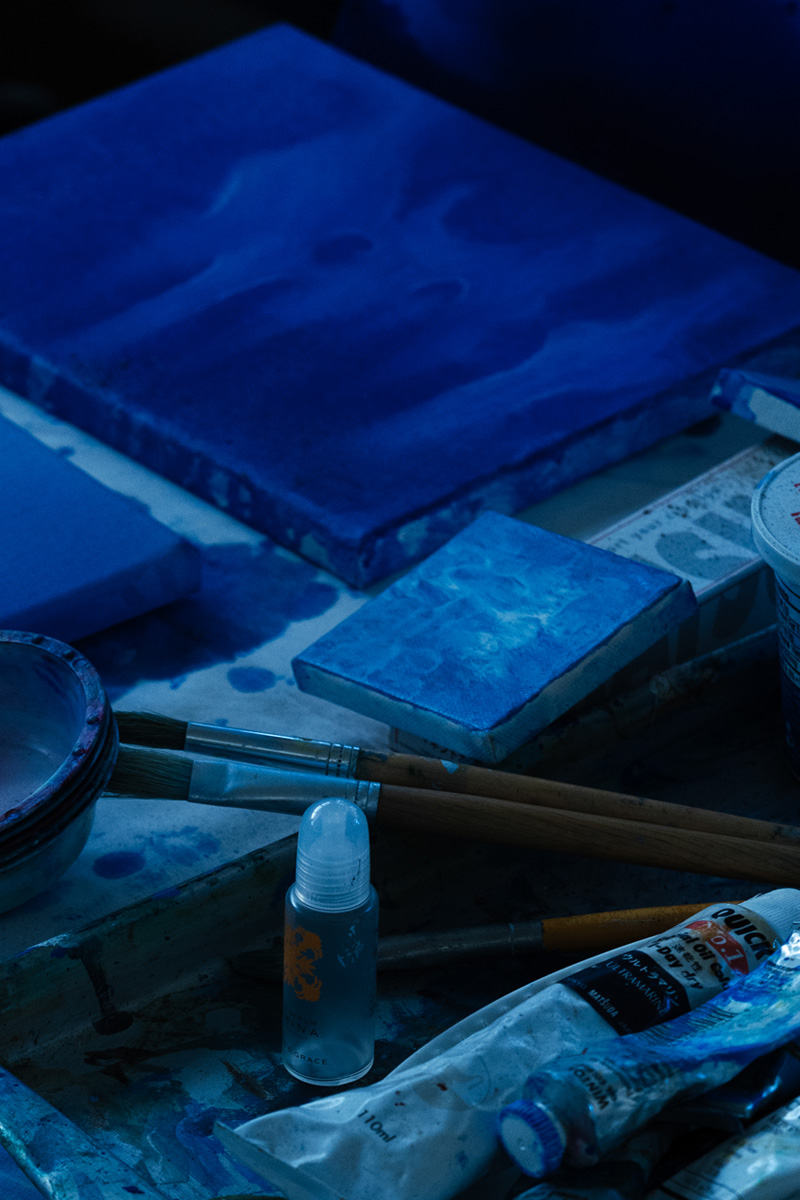
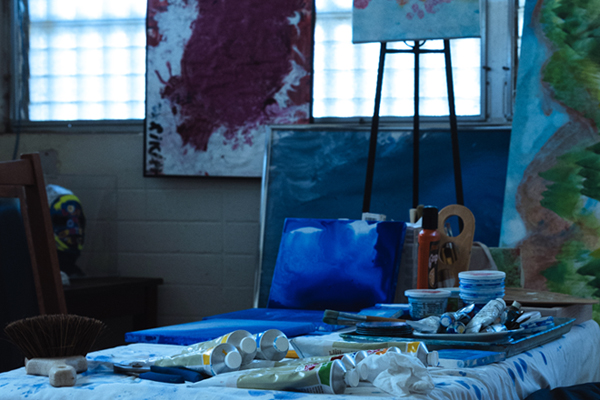
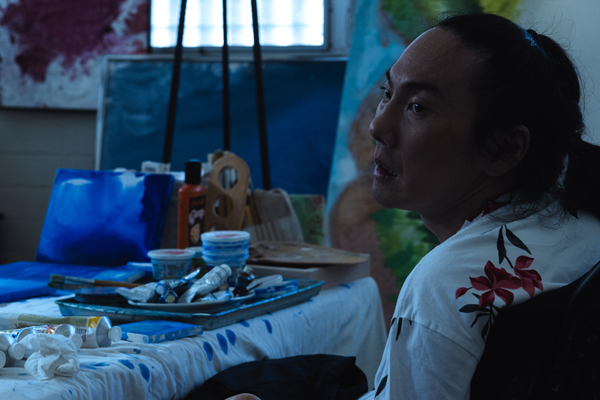
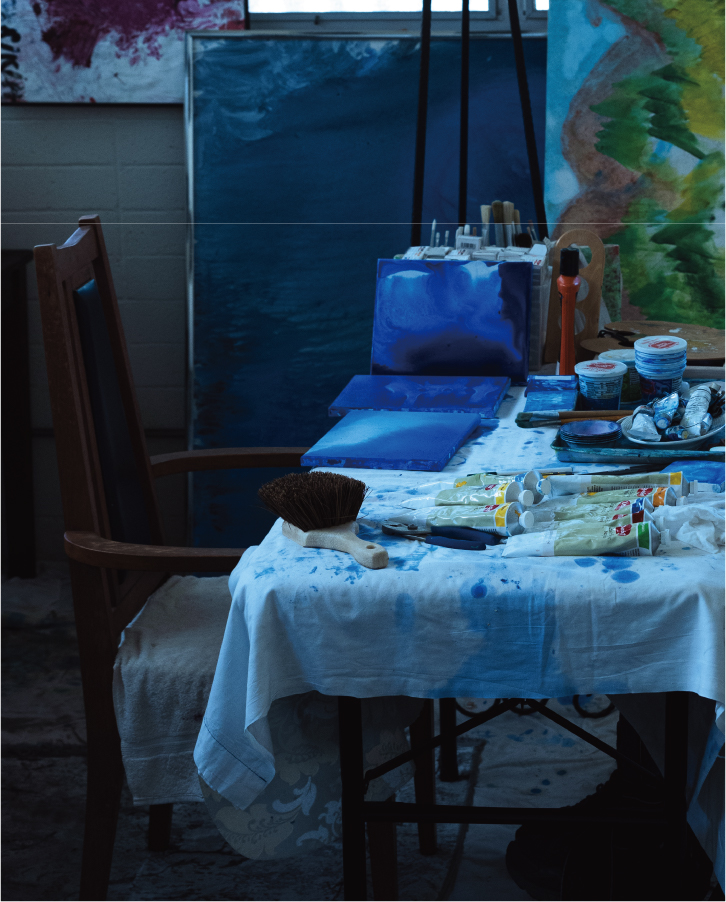
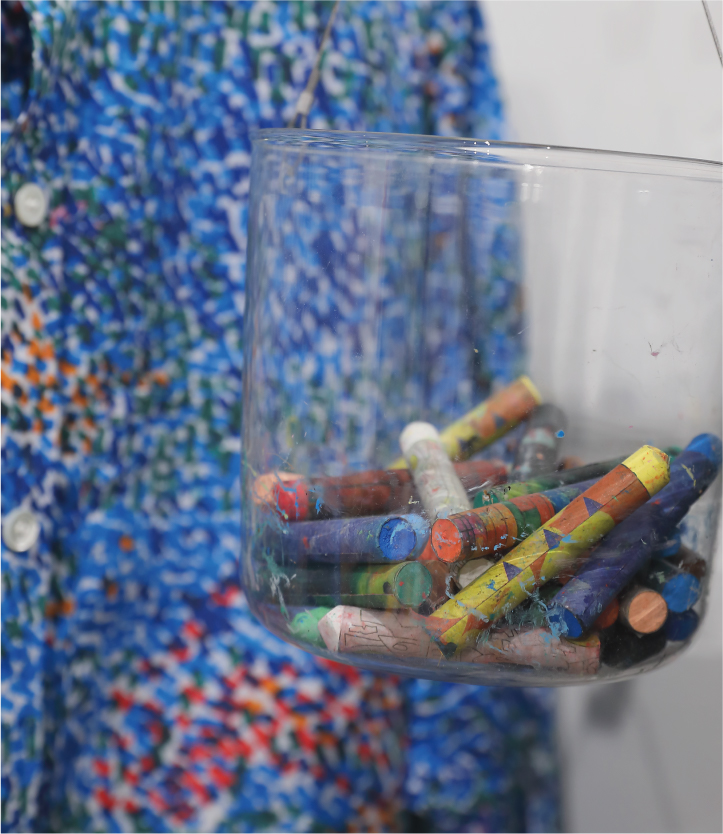
ひとつは、画家・浅井力也さん。通称 リッキー。脳性麻痺という身体的特性を持ちながら、ハワイの光や海の色に育まれ、独自の色彩世界を描き続けているアーティスト。筆だけに頼らず、指や身の回りの道具を使いながら、偶然生まれる形や質感を取り込み、自由な絵画を生み出していく。その作品には、既存の技法や常識を軽やかに越えていく感覚が息づいている。
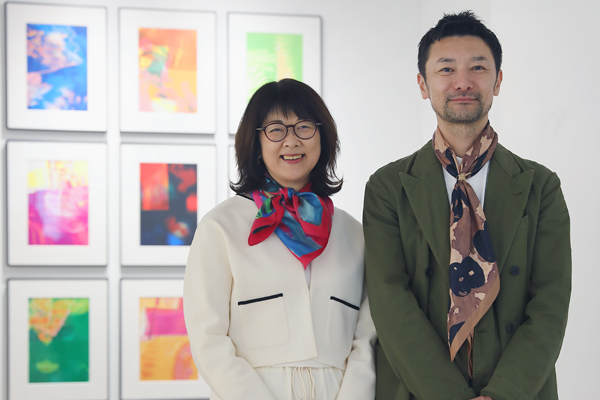
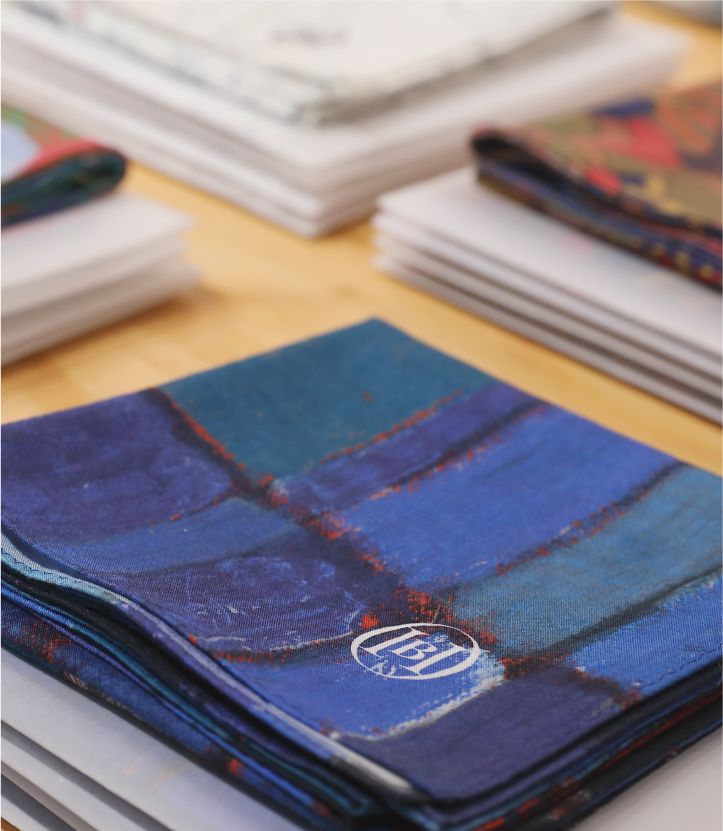
もうひとつは、クリエイティブカンパニー「ヘラルボニー」。障害のある作家の作品を起点に、アパレルやプロダクトを展開しているブランド。彼らが掲げているのは「障害者支援企業」ではなく、「クリエイティブカンパニー」という立場だ。作家の創造を社会へひらき、作品と人、アートと日常を結び直していく。その活動は、作品の魅力をより多くの人の生活へ届け、新しい文化の風景を生み出している。
リッキーの絵画も、ヘラルボニーのプロダクトも、「障害」という言葉の枠の中に収まるものではない。そこにあるのは、人が世界を感じ取り、形にしようとする創造そのものだ。
創造は、どこから生まれるのか。その問いを胸に、2つの現場を訪ねた。創造の源泉へ。
Recently, a spotlight has been shining on “Art Brut” and “Outsider Art,” with works by creators with disabilities drawing particular fascination. What is it about these pieces that captivates us so deeply? Perhaps it is the raw, unadulterated sensibility that breathes within them. Distant from formal art education or conventional standards, these colors and forms emerge from a primal, internal impulse. This sheer freedom is what stirs the viewer’s soul. Yet, to define their charm simply as “art by the disabled” feels inadequate. What if we looked past the disability and focused solely on the work? In doing so, we might finally see the vibrant, new sensibilities we have overlooked for so long. To find the answer, we visited two very different creative frontiers.
The first is painter Rikiya Asai, affectionately known as Ricky. An artist with cerebral palsy, his vibrant and unique world of color has been nurtured by the radiant light and coastal hues of Hawaii. Eschewing traditional brushes for his fingers and various everyday tools, he embraces accidental shapes and textures to produce spontaneous, liberated works that effortlessly transcend conventional techniques and expectations.
The second is the creative company HERALBONY, a brand that transforms the work of artists with disabilities into high-end apparel and lifestyle products. Defining themselves as a “creative company” rather than a social welfare enterprise, they bridge the gap between art and the everyday, weaving the brilliance of these creators into the fabric of society.
Ultimately, neither Ricky’s paintings nor HERALBONY’s products are defined by the label of “disability.” Instead, they embody the very essence of human creativity—the primal urge to perceive the world and give it form. To uncover the true source of this inspiration, we journeyed to these two creative frontiers. Toward the wellspring of creation.

閲覧中の特集はこちら